
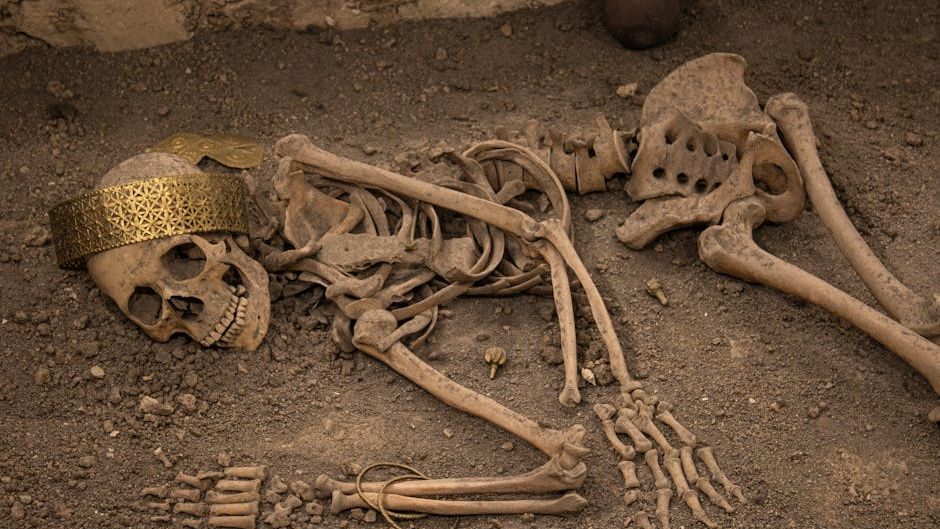
Thousands of years before cities, roads, written language, or anything remotely resembling what you might call civilization, people were already living remarkably complex social lives across the vast landscapes of North America. They hunted together, buried their dead with care, raised children in multigenerational groups, and even maintained wide-reaching networks of communication. Honestly, when you look at the full picture, these early hominids were not the isolated, grunting primitives that old-fashioned textbooks loved to describe.
You might be surprised by how much science now knows about the way these ancient people organized themselves, loved each other, and survived together. From footprints frozen in ancient mud to genetic blueprints written in living DNA, the evidence keeps growing more compelling. So let’s dive in.
1. They Arrived Far Earlier Than You Were Probably Taught
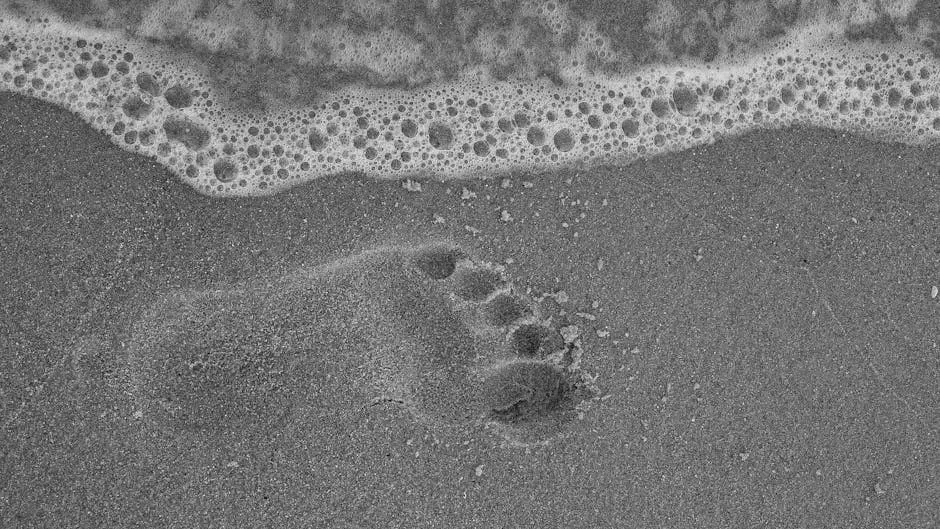
If your school told you that the first people arrived in North America around 13,000 years ago, you were getting an outdated version of history. The potentially oldest known human footprints in North America were found at White Sands National Park in New Mexico, where researchers identified approximately 60 fossilized footprints buried in layers of gypsum soil, bracketed by radiocarbon ages between 21,000 and 23,000 years ago. That is a mind-bending timeframe. These weren’t isolated wanderers, either. They left behind an entire story in the earth.
The tracks showed human activity in the area occurred between 23,000 and 21,000 years ago, a timeline that would upend anthropologists’ understanding of when cultures developed in North America. Think about it. That means while much of Europe was still deep in the Ice Age, whole groups of people were already living, moving, and interacting with each other on American soil. Their social lives had already begun long before most researchers gave them credit.
2. The Footprints Reveal Something Deeply Human: Play
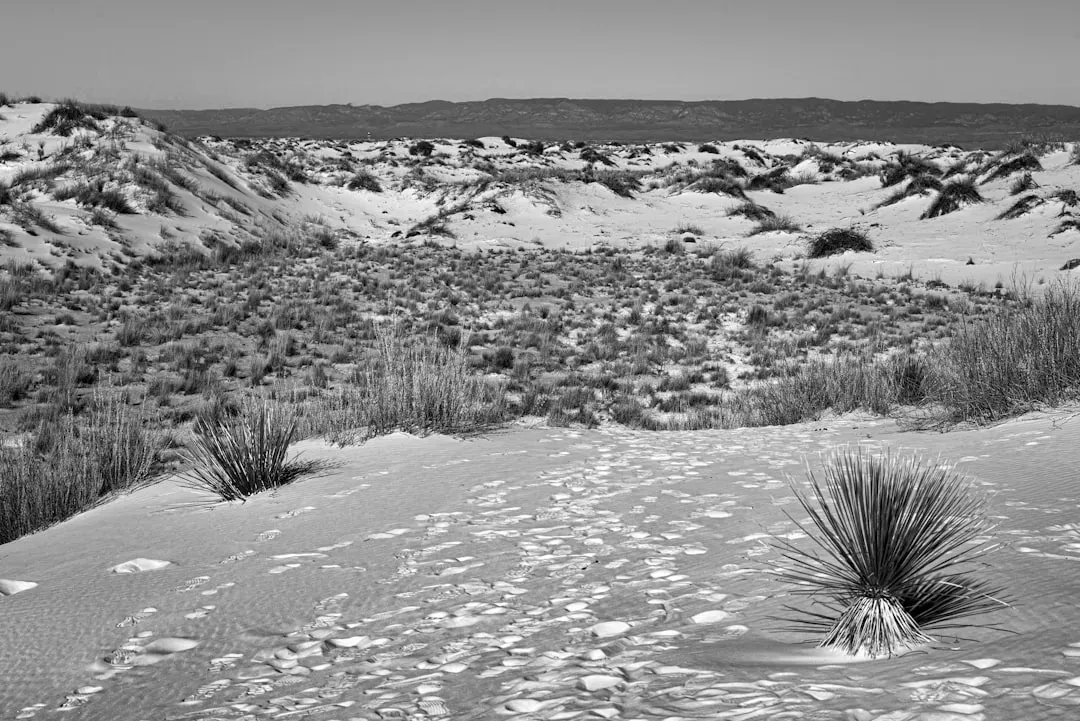
The footprints at White Sands tell an interesting tale of what life was like at that time. Judging by their size, the tracks were left mainly by teenagers and younger children, with the occasional adult. This detail is strangely touching when you sit with it. These weren’t just hunters or foragers trudging from one resource to the next. You are looking at evidence of children and teenagers moving together, which strongly implies group life organized around family and community.
The site shows an interaction of humans in the landscape alongside extinct animals, like mammoths and giant sloths, and by being able to accurately date these footprints, researchers are building a greater picture of the landscape. The scene almost paints itself. Adults nearby, young ones exploring the muddy shoreline. These people didn’t just survive. They lived in a social world filled with intergenerational interaction, watchfulness, and very possibly laughter.
3. They Traveled and Lived in Tight Kinship Bands
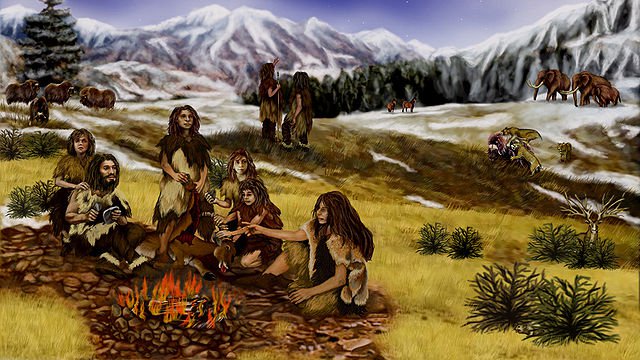
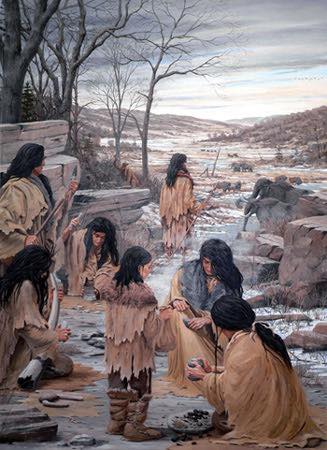
Paleolithic peoples traveled in foraging bands, mobile communities of perhaps thirty to sixty people connected by kinship. While large enough to provide their members with sustenance and protection, groups of this size were small enough to easily pack up and relocate to find new food sources and adjust to changing seasons. This was the fundamental social unit of early North American life. Think of it like a very large extended family that moved together like a slow, deliberate organism across the continent.
Probably throughout their history, the Paleo-Indians moved as nomadic bands across the landscape in response to the rhythm of the seasons and the availability of resources. Carrying their belongings on their backs, they traveled by foot in extended families of perhaps two dozen individuals, including grandparents, descendants, in-laws, and a few children. There was no lone wolf mythology here. Social connection wasn’t just emotionally meaningful; it was the difference between life and death in a world of megafauna and unpredictable glacial weather.
4. Leadership Was Earned, Not Inherited
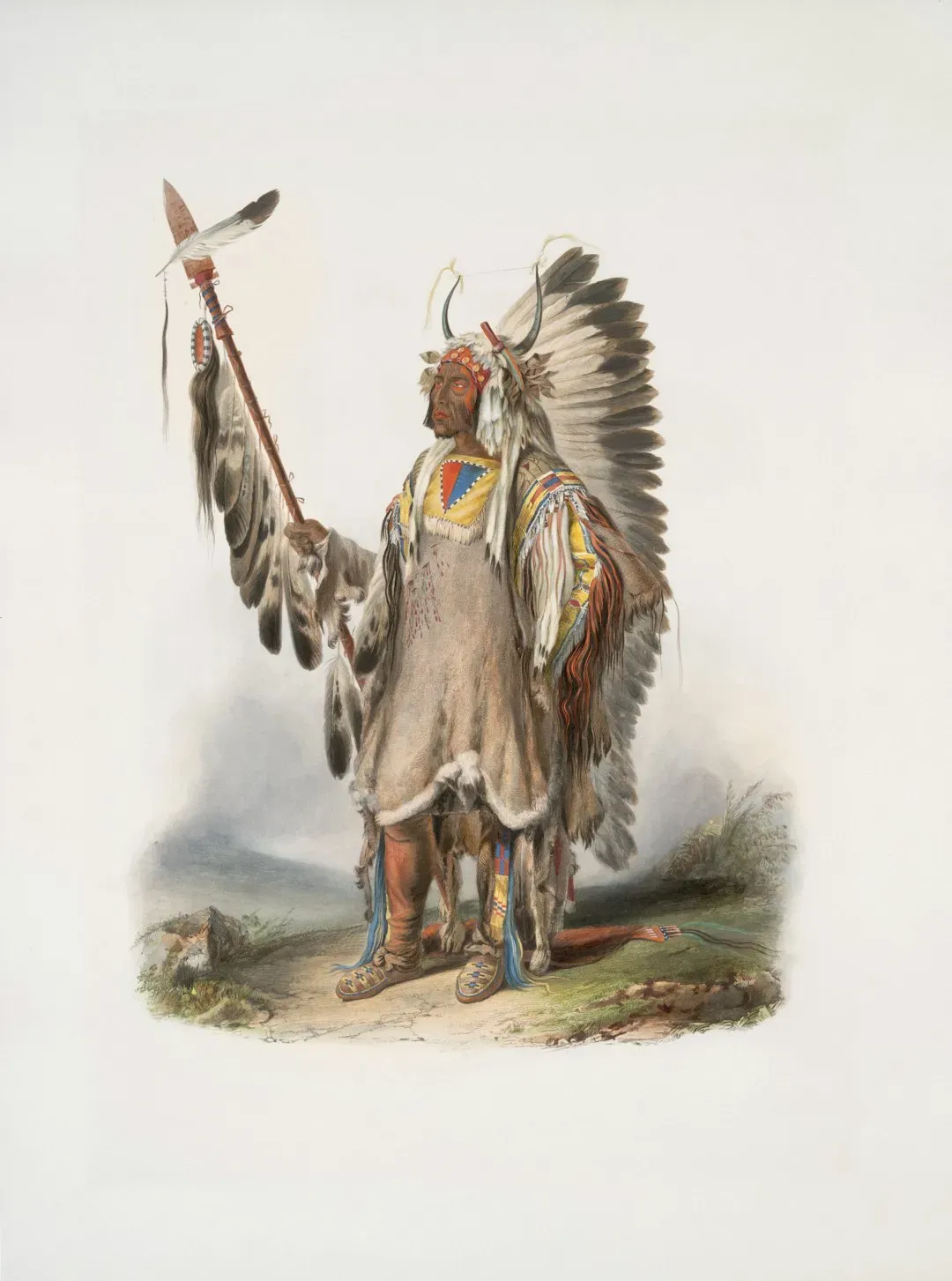
Paleo-Indian societies were organized into small, mobile bands, typically consisting of extended family groups. Leadership roles were likely based on experience and skills, such as hunting prowess, tool-making ability, or knowledge of medicinal plants. Elders and skilled individuals held significant influence within the group. This is refreshingly meritocratic by any standard. You didn’t inherit your authority in these early communities. You earned it through real-world competence and accumulated wisdom.
Elders in Paleo-Indian communities served as repositories of knowledge and experience. They passed down essential survival skills, cultural traditions, and stories that preserved the history and identity of the group. Let’s be real: in a world without books, the elders were the library. They carried the accumulated knowledge of generations in their memories, making them arguably the most socially valuable members of any band. Losing an elder wasn’t just a personal tragedy. It was a genuine loss of irreplaceable information.
5. They Buried Their Dead With Ritual and Ceremony
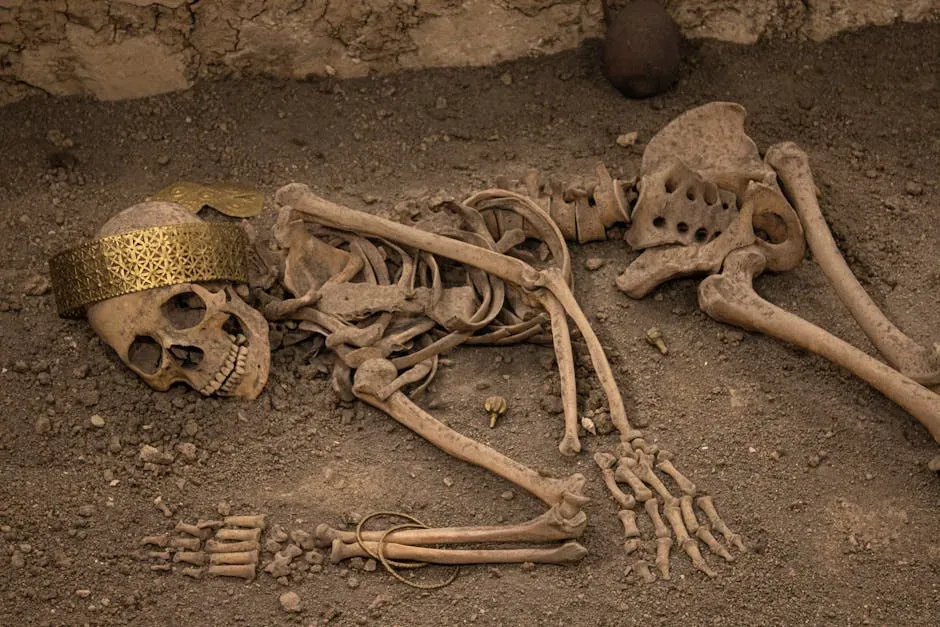
Archaeological evidence of burial practices provides insights into the social and spiritual lives of Paleo-Indians. At sites such as the Anzick site in Montana, human remains have been found alongside elaborate grave goods, including Clovis points and tools made from exotic materials. These burial practices suggest complex social structures and beliefs about the afterlife. You don’t bury someone with precious tools and materials unless you believe something meaningful happens after death. This tells us these weren’t just practical survivors. They were spiritual thinkers.
It is believed that these hunters and gatherers had some notion of an afterlife when archaeologists unearthed two remains buried with various artifacts. This includes full stone points and intentionally broken bone foreshafts. The bodies and the artifacts also had red ochre sprinkled on top of them. From this discovery, archaeologists can infer that the Paleo-Indians participated in rituals as a means of coping with death. Red ochre as a burial pigment appears across multiple ancient cultures worldwide, which suggests this wasn’t random. It was intentional, symbolic, and deeply social, connecting the living to the dead through shared ceremony.
6. They Communicated Across Vast Distances Through Tool Sharing
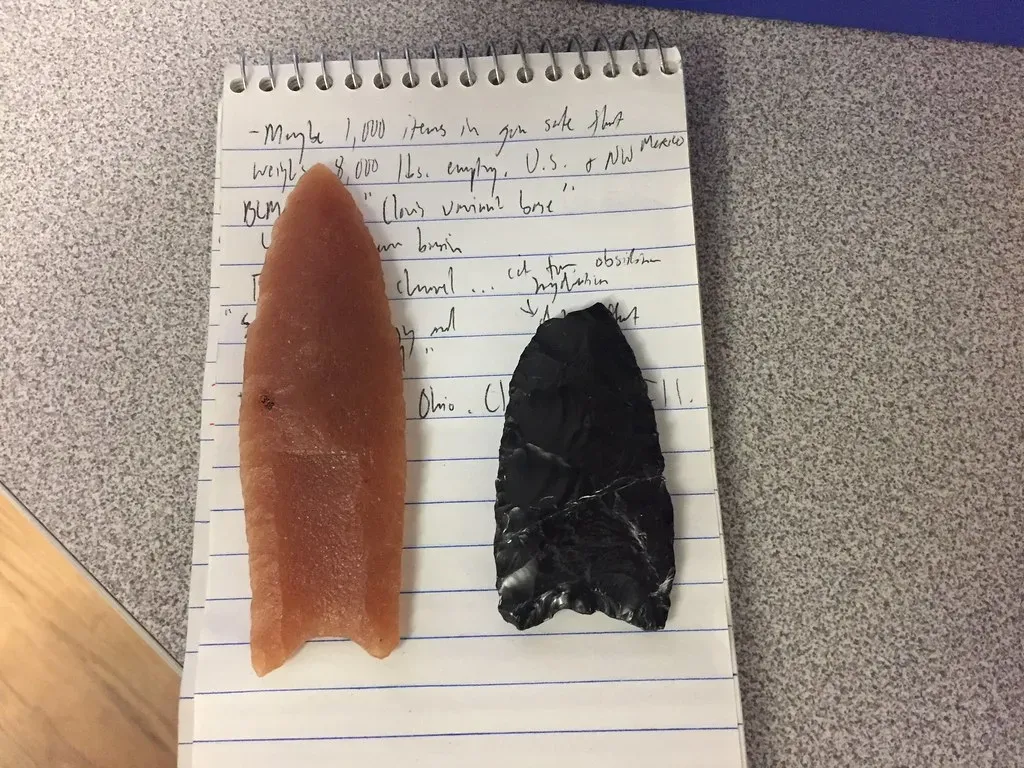
They maintained a broad, if slow, communications network as evidenced by the continent-wide distribution of similar spear points. This is one of those facts that seems almost impossible until you really think about it. The same distinctive tool designs appearing from Washington State to Florida to Montana mean these groups weren’t sealed off from each other. Information, materials, and techniques moved across the continent through human contact. It’s the prehistoric internet, just slower.
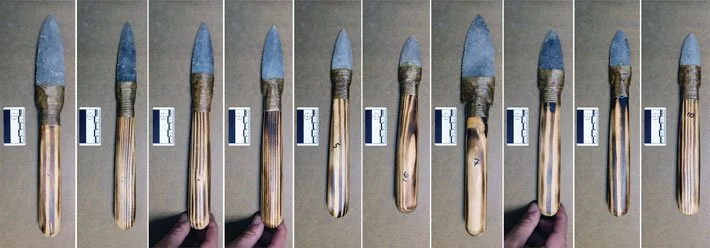
Paleo-Indians crafted sophisticated stone tools, notably bifaces, which served multiple functions and facilitated the processing of plant and animal materials. Evidence suggests they engaged in social interactions and trade with neighboring groups, as indicated by the presence of exotic stones in their archaeological sites. When you find a stone tool made from rock that comes from hundreds of miles away, you’re looking at evidence of a social network. Exotic materials traveled through hands, through trade, through gifts, through alliances. These were networked communities, not isolated tribes.
7. They Gathered Seasonally for Social Events
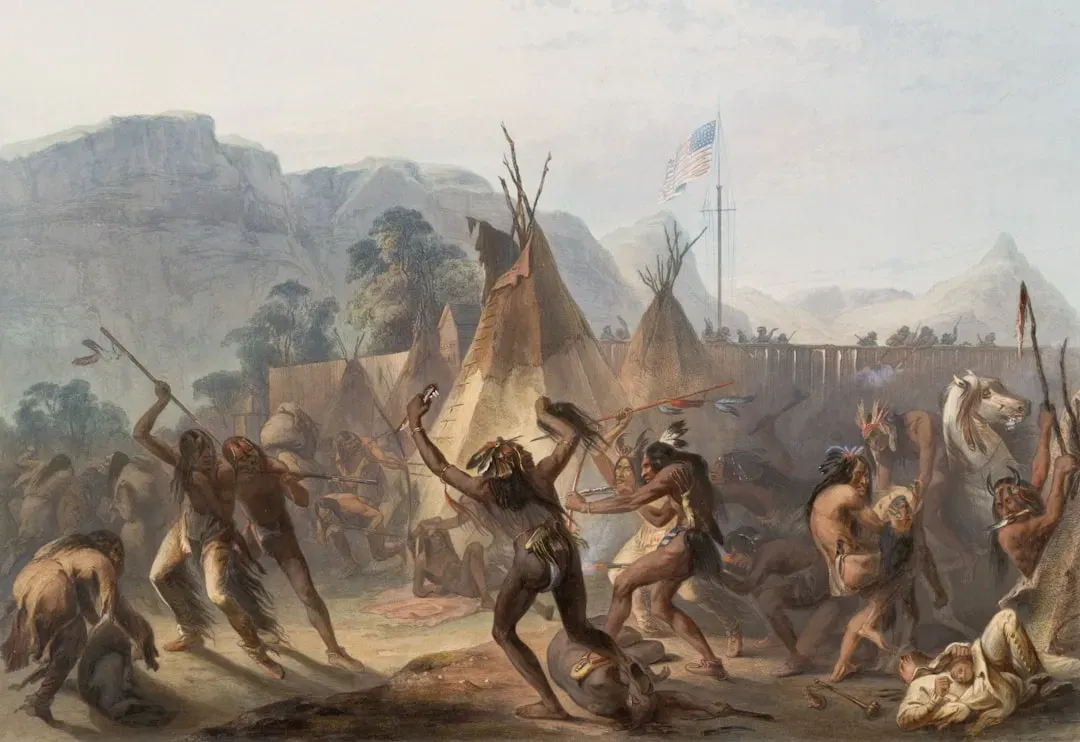
Anthropologists theorize that regional Paleo-Indian groups came together yearly in the summer months to celebrate religious rituals, exchange news, and trade women to ensure genetic diversity amongst their groups. Here’s the thing: this annual gathering model is remarkable. It tells you that these bands weren’t socially self-contained. They understood, even without scientific language, that diversity strengthened survival. The annual gatherings were effectively prehistoric social festivals, combining practical strategy with cultural celebration.
Think of these seasonal meetings as the original networking event, combined with a marketplace, a religious ceremony, and a family reunion all at once. Young people would have met potential partners from other bands. Knowledge about new hunting grounds, plant resources, or tool techniques would have been shared around fires. These exchanges were the social glue that connected what might otherwise have been isolated communities across enormous distances of wild terrain.
8. Fire Was the Heartbeat of Their Social World
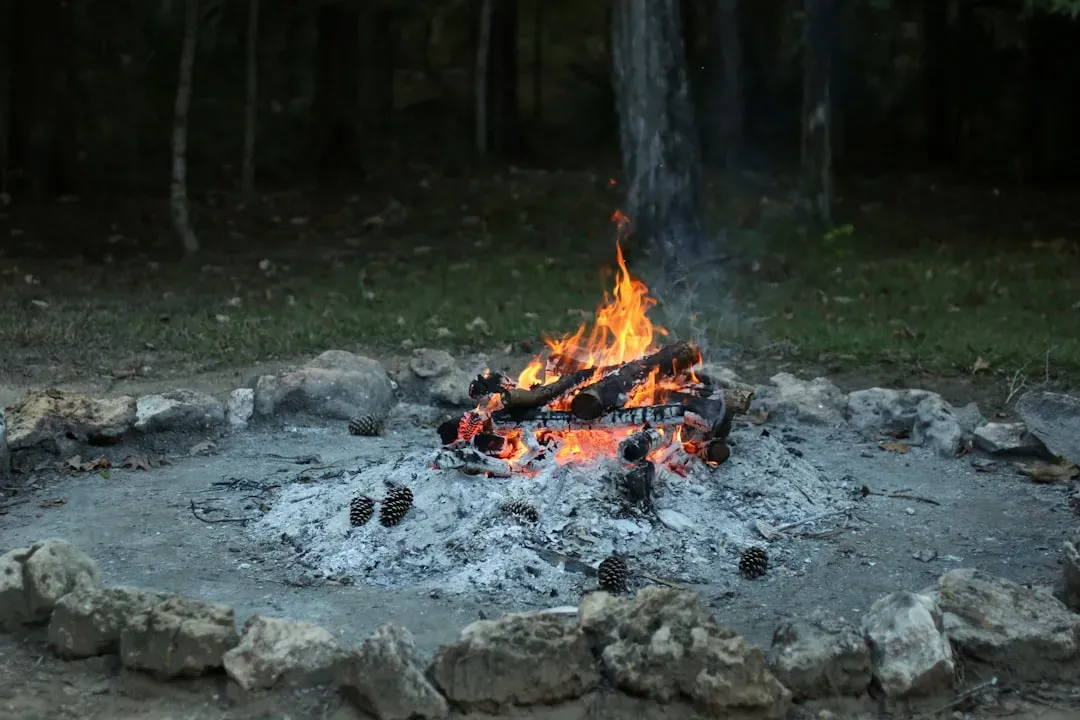
The control of fire by early humans was a critical technology enabling the evolution of humans. Fire provided a source of warmth and lighting, protection from predators especially at night, a way to create more advanced hunting tools, and a method for cooking food. But fire wasn’t just practical. It was profoundly social. Every campfire was a gathering point, a place where the group came together after the day’s labor to eat, rest, communicate, and reinforce the social bonds that held the community intact.
The many uses of fire may have led to specialized social roles, such as the separation of cooking from hunting. When you assign different roles to different people based on skill and need, you are building a social structure. Someone tends the fire, someone hunts, someone cares for children, someone heals the sick. Analyses of biomarkers and microfossils preserved in sediments from Lake E5 and Burial Lake in northern Alaska suggest early humans burned Beringian landscapes as early as 34,000 years ago. The authors suggest that fire was used as a means of hunting megafauna. Fire shaped both their landscape and their social organization simultaneously.
9. They Were Cooperative Hunters Who Worked as Teams
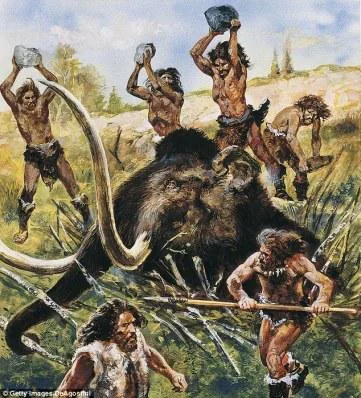
Clovis groups worked together to bring down mammoths and mastodons. At kill sites, spear points can still be found lodged in bones. Cut marks reveal their techniques of butchering animals. These hunts were risky but rewarding, as they fed entire communities for weeks. Chasing a mammoth with a stone-tipped spear is not a solo activity. It requires coordination, trust, and shared courage. These group hunts were as much a social event as they were a meal strategy, demanding that participants communicate, plan, and rely on each other completely.
Archaeologists often talk about a Clovis culture, which includes ancient technology, but also language and belief systems. About 13,000 years ago, just as the Ice Age was receding, people across North America from Washington State to Texas and Florida adhered to a pretty strict tool manufacturing sequence to make Clovis points for several hundred years. A shared manufacturing tradition means a shared culture. You don’t independently arrive at identical tool-making methods across an entire continent by accident. Knowledge was being passed down and shared deliberately across generations and communities.
10. Social Identity Was Expressed Through Symbols and Adornment
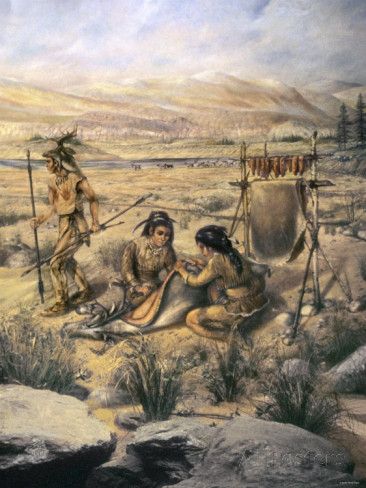
People recognized themselves as a member of a group, and often treated that fact as a central feature of their lives. Individuals identified with their communities and with their distinctive norms and customs. When agents use symbols that are insignias of their group, or of their place in that group, we know that agents are aware of and identify with their groups. This group identity expressed through visible symbols is a quintessentially human trait. Early North Americans were no different in this deep psychological need to belong and signal belonging to others.
A few Clovis culture artifacts are suspected to reflect creative expression, such as rock art, the use of red ochre, and engraved stones. The best-known examples of this were found at the Gault site in Texas and consist of limestone nodules incised with expressive geometric patterns, some of which mimic leaf patterns. Clovis peoples used red ochre for a variety of artistic and ritual purposes, including burials, and to cover objects in caches. Art, adornment, and symbolic materials weren’t luxuries for these people. They were the visible language of social identity and group membership in a world without written words.
11. Multiple Waves of Migration Created Diverse Social Groups
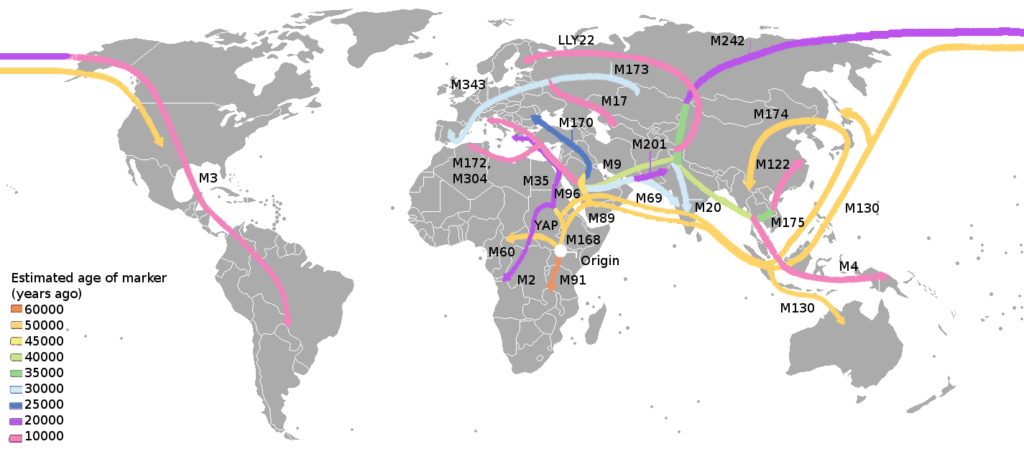
As research progressed in the 2000s, the narrative shifted from a single migration event to multiple small, diverse groups entering the continent at various points in time. This changes everything about how you should picture early North American social life. It wasn’t one uniform group slowly spreading out. It was waves of different peoples, with different origins, different genetic backgrounds, and very likely different cultural traditions, arriving across thousands of years and eventually encountering one another.
Geneticists discovered that a Beringian population split from Siberian groups about 36,000 years ago. Around 25,000 years ago, they became isolated, forming a new genetic group linked to today’s Indigenous populations, which divided into two main lineages between 14,500 and 17,000 years ago reflecting the dispersal associated with the early peopling of the Americas. These weren’t random wanderers. They were genetically distinct peoples with their own long histories, carrying their own social customs, languages, and knowledge systems into a new world. The social diversity of early North America was staggering.
12. Status and Social Differentiation Were Already Emerging
The placement of artifacts and materials within an Archaic burial site indicated social differentiation based upon status in some groups. Here’s where things get genuinely fascinating. Long before anyone built a palace or declared themselves a king, early North American groups were already developing social hierarchies based on prestige, skill, and perhaps wealth in the form of valued materials. The evidence is right there in the graves, where some individuals were buried with far more elaborate goods than others.
Although direct evidence of Paleo-Indian art is sparse, some artifacts suggest the presence of symbolic and artistic expression. Engraved bones, carved stones, and decorative items indicate that these early peoples likely had rich spiritual and cultural lives. They may have used these objects in rituals or as status symbols within their communities. Social status expressed through objects is a profoundly human trait that connects these ancient peoples directly to the world you live in today. The desire to signal success, spiritual connection, or special knowledge through meaningful objects is something that never really left us. It just changed its costume over the millennia.
Conclusion
What emerges from all of this evidence is a portrait of early North American hominids that is far richer, warmer, and more complex than the old stereotypes ever allowed. You weren’t looking at solitary brutes scratching in the dirt. You were looking at people who loved their children, honored their dead, laughed around fires, traded with strangers, signaled their identities through art, and built social structures that allowed them to survive some of the most challenging conditions the planet has ever produced.
Their social lives were not a primitive rehearsal for civilization. They were civilization in its own right, adapted brilliantly to a world we can barely imagine today. The deeper archaeologists dig, the more evidence confirms that being deeply social wasn’t something humans eventually learned. It was the starting point, the very engine of human survival from the beginning.
So next time someone describes our earliest ancestors as primitive or simple, remember the teenagers splashing through the mud at White Sands 23,000 years ago, and the elders who buried their loved ones with red ochre and care. Does that sound like a simple life to you?