
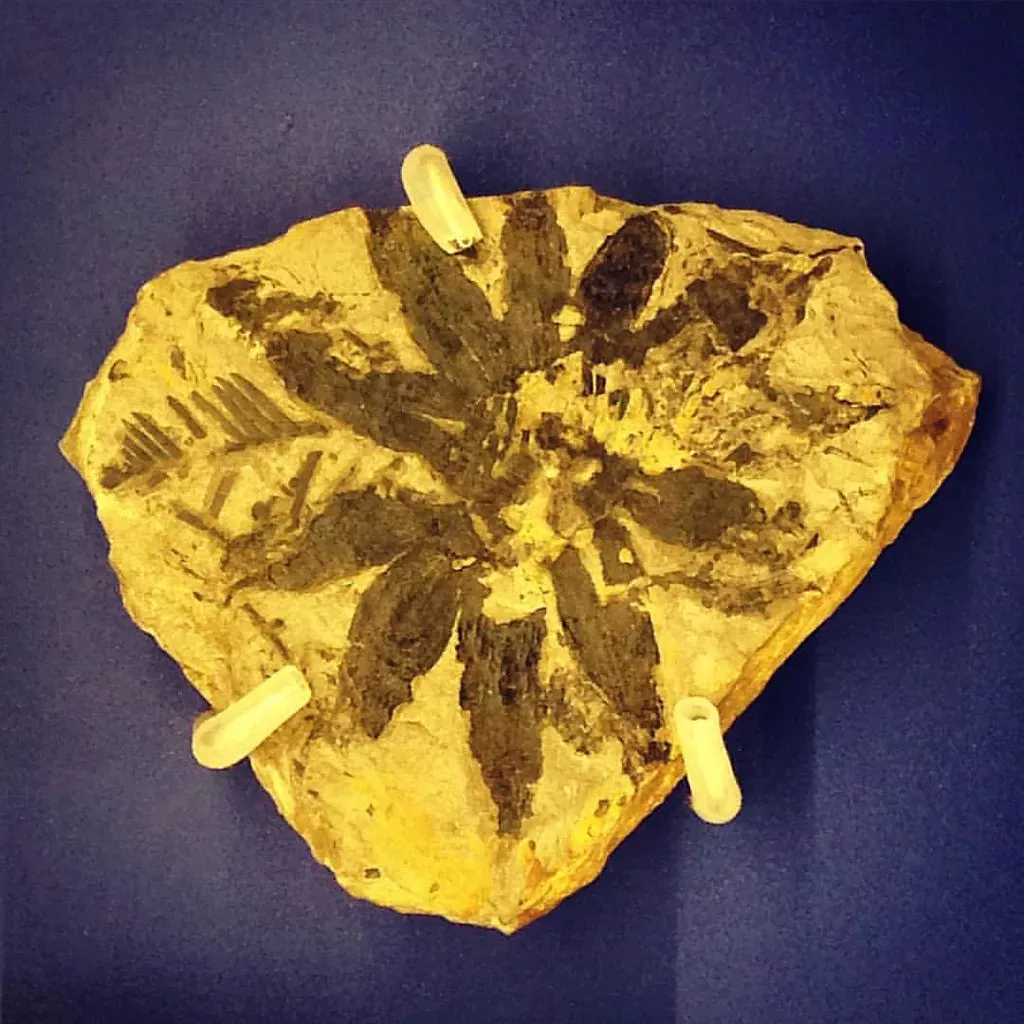
Imagine being able to hold a piece of rock and suddenly understand what Earth looked like 400 million years ago, long before a single dinosaur roamed the planet, long before grasses, flowers, or even proper trees existed. That rock is not a metaphor. You can actually touch fossils like that, and scientists do it all the time, often making discoveries that rewrite entire chapters of natural history.
Plant fossils are incredible natural artifacts that offer a glimpse into Earth’s distant past, telling the story of life’s evolution and the changing environment over millions of years. Honestly, they don’t get nearly enough credit. Most people walk past a leaf impression in a rock without a second glance. But paleobotanists, the detectives of the plant world, see something else entirely. They see climate records, ecosystem blueprints, and evolutionary turning points. Get ready to be genuinely surprised by what some dirt, pressure, and a few million years can preserve. Let’s dive in.
1. The Rhynie Chert: A 407-Million-Year-Old Snapshot of Life’s First Foothold on Land
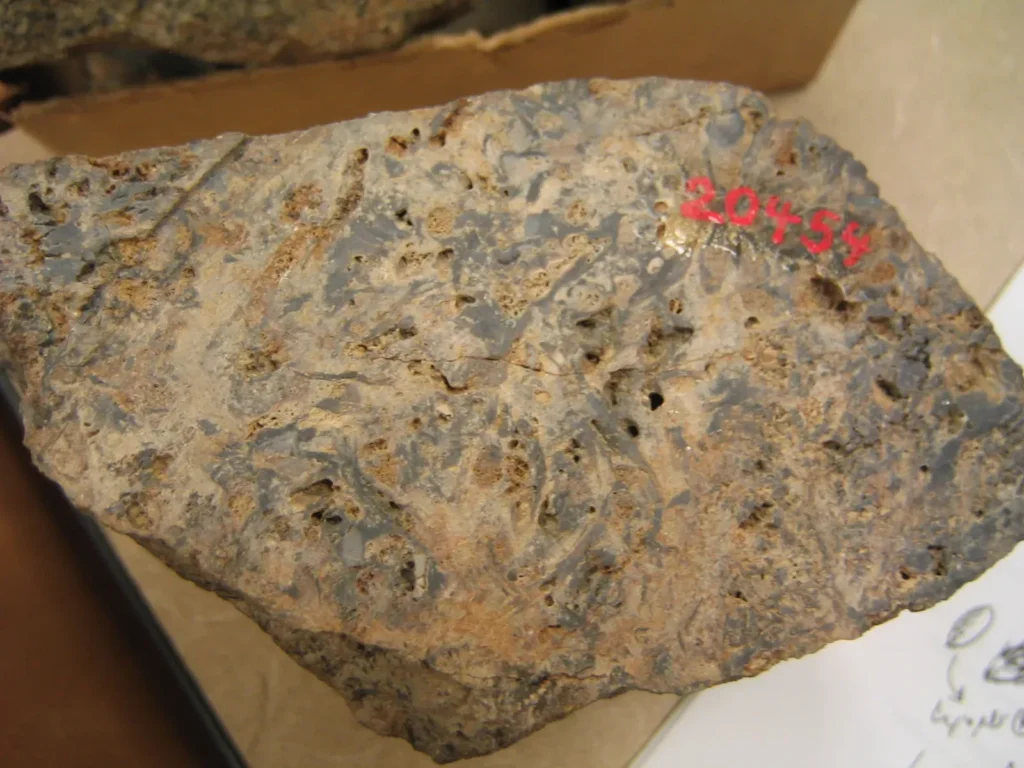
The Rhynie Chert is a 407-million-year-old geological site in Scotland that preserves the most ancient known land plant ecosystem, including associated animals, fungi, algae, and bacteria. The quality of preservation is astonishing, and the initial description of several plants had a huge impact on botany. Subsequent discoveries provided unparalleled insights into early life on land. Let that sink in for a moment. Over four hundred million years of silence, and this site is still whispering secrets to scientists.
The Rhynie Chert contains exceptionally preserved plant, fungus, lichen, and animal material, preserved in place by an overlying volcanic deposit. The bulk of the Devonian fossil bed consists of primitive plants that had water-conducting cells and sporangia but no true leaves, along with arthropods, lichens, algae, and fungi. The discovery from the fossil record that there were plant-fungi relationships here is important because it shows that, by the Early Devonian, complex interactions between terrestrial organisms were already occurring. Think about that: even when plants were barely a few centimeters tall and had no leaves, they were already forming partnerships with fungi. Nature never skips the networking phase.
2. Cooksonia: The Tiny Pioneer That Changed Everything
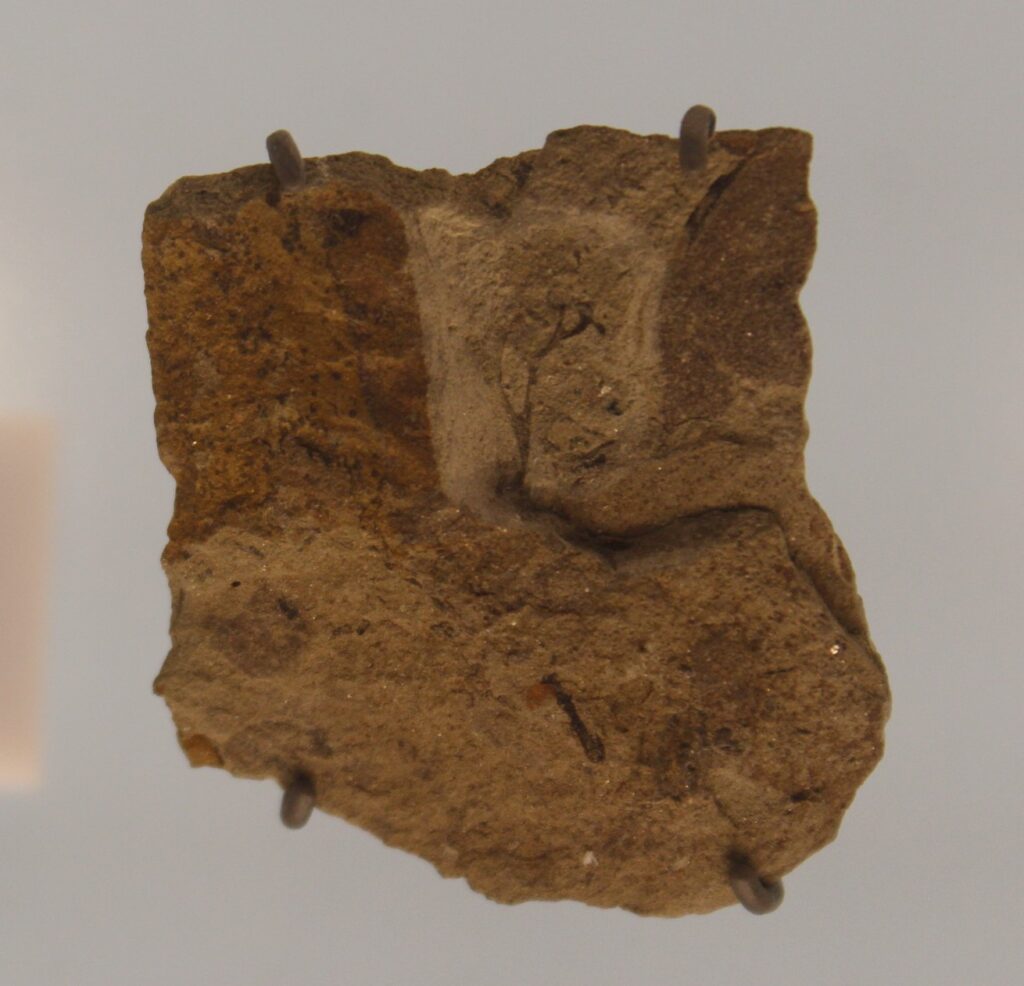
Macroscopic remains of true vascular plants are first found in the fossil record during the Silurian Period of the Paleozoic era. Of all those early discoveries, none is more iconic than Cooksonia. Small enough to hold in two fingers, this fossil represents one of the earliest known land plants and looks almost laughably simple. Yet its significance cannot be overstated.
The iconic Cooksonia in particular has served as a starting point in thinking about the evolution of basic organs and tissue systems, including the vascular system, stem, roots, and leaves. While some terrestrial plants adapted to survive periods of desiccation but remained dependent on water, others overcame these challenges by developing roots to anchor them, a waxy layer to prevent water loss, and vascular tissues to transport water and provide structural support. Fossils like Cooksonia and Aglaophyton show how these features were developed and elaborated over tens of millions of years, adjusting the shape and structure of plants for a terrestrial life. You are looking at the moment life began its boldest experiment: leaving the water for good.
3. The Gilboa Fossil Forest: Earth’s Oldest Forest, Frozen in Stone
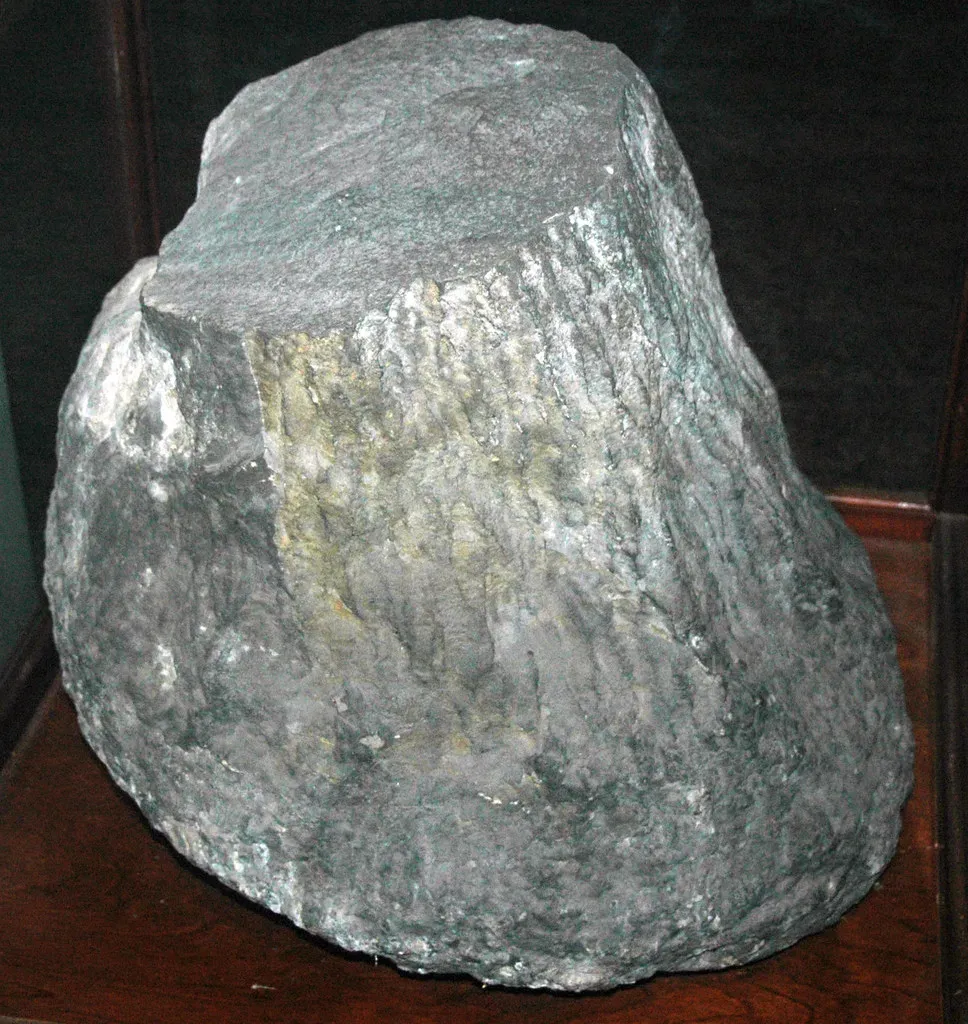
The Gilboa Fossil Forest in New York is a petrified forest and one of the oldest known forests. Located near the Gilboa Dam in Schoharie County, New York, the region is home to tree trunks from the Devonian period. The fossils, some of the only survivors of their type in the world, are believed to have been from one of the first forests on Earth. Picture strolling through a forest almost 390 million years ago. You would be surrounded by strange, unfamiliar shapes.
The first Gilboa tree, known as Eospermatopteris, was once thought to be the only type of tree in the forest. This tree was tall and looked like today’s palm trees, with a crown of branches at the very top. The Devonian period marks a time when plant life began to shift from small, scattered vegetation to large-scale forests. Plants remove carbon dioxide from the atmosphere, and during the Devonian forest boom, carbon dioxide levels may have dropped from fifteen times that of today to modern levels. The arrival of forests changed the way the whole Earth system worked. Here’s the thing: you literally would not be breathing the air you breathe today without those weird Devonian trees.
4. Lepidodendron: The Giant Scale Tree That Became Your Coal
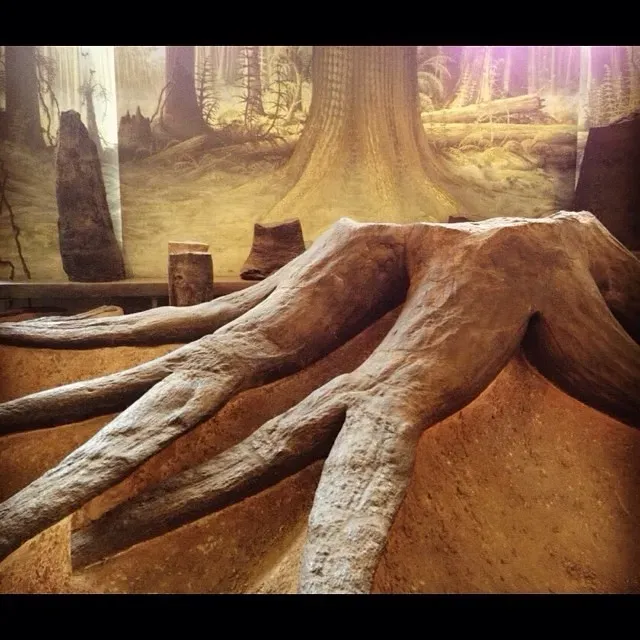
Arborescent lycopods such as Sigillaria and Lepidodendron were the major components of the vast Carboniferous swamp forests that ended up as coal seams. If you have ever switched on a coal-powered light, you have indirectly met Lepidodendron. These colossal trees of the Carboniferous Period were unlike anything alive today, part of a botanical world that would be completely alien to modern eyes.
The forests of the late Devonian and early Carboniferous saw the rise of arborescent lycopsids, the so-called giant club mosses, such as Lepidodendron and Sigillaria. Lepidodendron could grow up to 35 meters in height. As scale trees grew, they likely shed their lower leaves, which left behind the characteristic diamond patterns that make their fossils so recognizable. How these plants achieved growth is rather fascinating. Scale tree cambium was unifacial, meaning it only produced cells towards its interior, not in both directions as we see in modern trees. Essentially, these giants were hollow on the inside and held together by thick bark. Structurally, they were closer to a pipe than a proper tree. Wild, right?
5. Archaeopteris: The Tree That Pointed Toward the Future
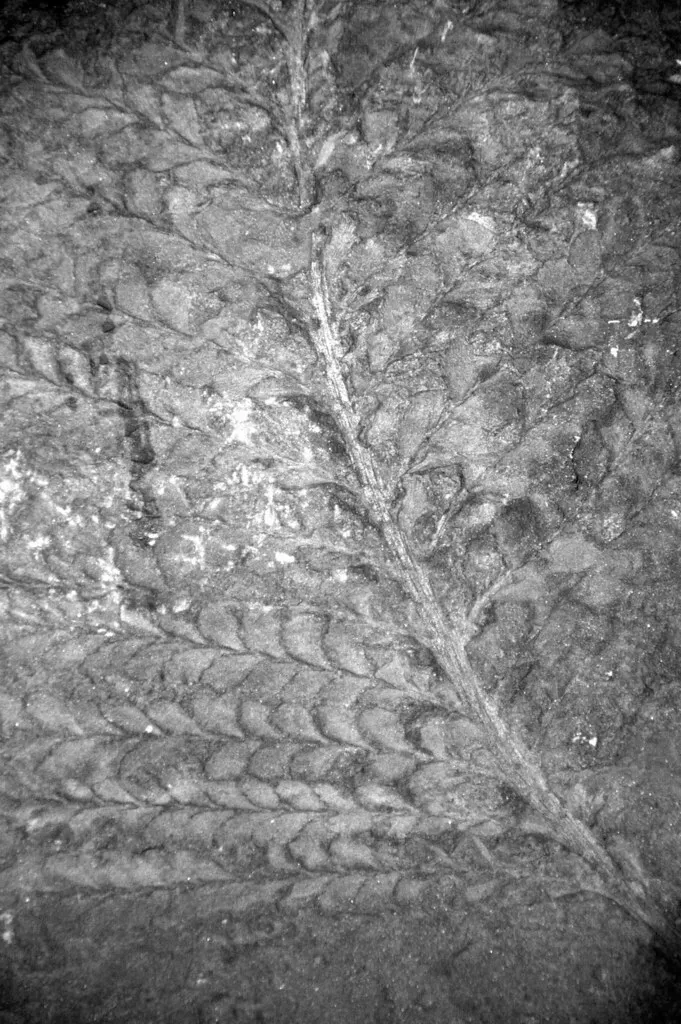
The earliest trees known in the fossil record include Archaeopteris. Around 10 meters tall, Archaeopteris was a progymnosperm, a group of trees that looked like modern gymnosperms but reproduced via spores instead of seeds. It is a remarkable evolutionary in-between, a bridge between the spore-based past and the seed-bearing future that would eventually give you every pine tree and oak on the planet.
Archaeopteris is considered a likely ancestor of extant gymnosperms. It had a woody stem with annual growth rings recording how it thickened over the course of its life, and like gymnosperms, it sported an extensive root system. Unlike gymnosperms, however, Archaeopteris also reproduced via spores borne on special leaves, in the same manner as ferns do today. It is even conceivable that it was the evolution and spread of forests and the first plants with complex root systems that may have altered the global climate. A single species of tree reshaping the atmosphere of an entire planet. That is not small.
6. Glossopteris: The Fossil That Proved Continents Move
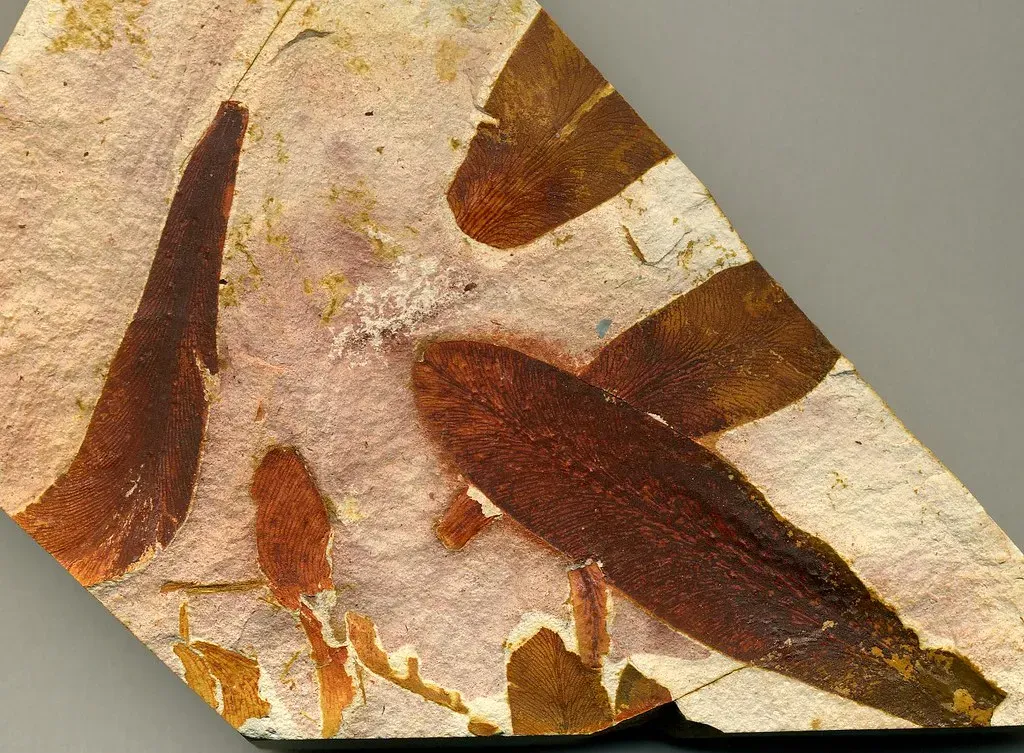
In South Africa, hunting for plant fossils led scientists to come across Glossopteris, a group of plants which was found on the planet before dinosaurs even came into existence, around 300 million years ago. The Glossopteris has been reconstructed as a large deciduous tree and was a seed fern. This one is special for a reason that goes far beyond botany. Glossopteris fossils became key evidence in one of the greatest scientific arguments of the twentieth century.
This genus of trees dominated the vegetation and grew in vast swamps along with ancient plant groups such as ferns and club mosses. The Glossopteris genus was found in the southern supercontinent of Gondwanaland, which includes the present-day regions of Africa, Australia, Antarctica, South America, and India. The fact that identical Glossopteris fossils turned up on continents separated by entire oceans helped confirm the theory of continental drift. For fossils such as Glossopteris, the acidic water in the swamps prevented the activities of bacteria, fungi, and other organisms from decomposing the plant material. Over millions of years, the mud, silt, and fossilized plant material experienced great pressure and high temperatures. As they were compressed, they changed into rock, finally resulting in coal reserves. One fossil plant, two enormous scientific revolutions.
7. Prototaxites: The Bizarre Mystery Organism That Baffled Scientists for 160 Years
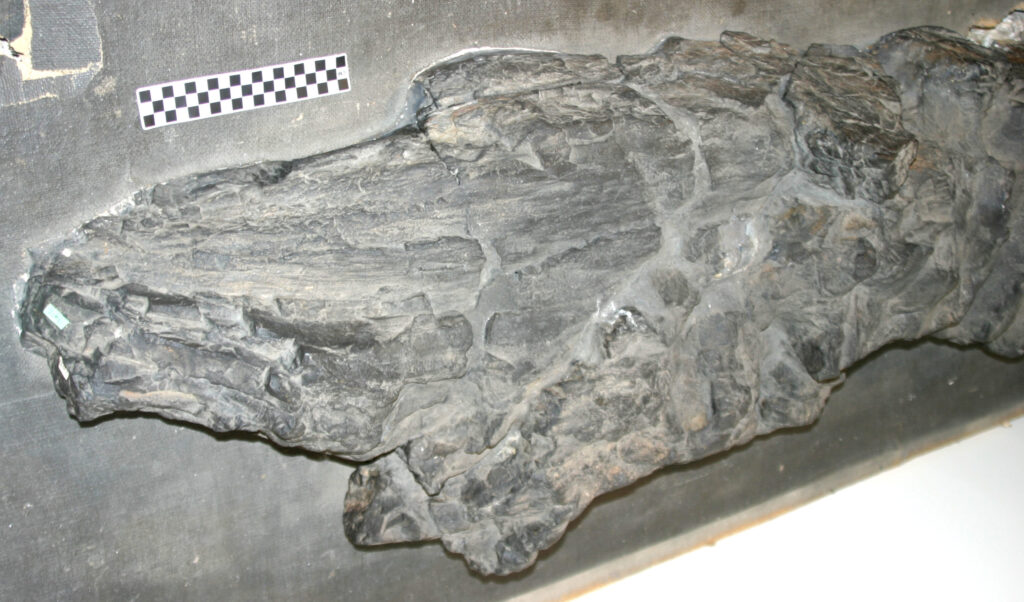
Some 400 million years ago, long before dinosaurs or even trees had evolved, an enigmatic organism towered over the landscape like a prehistoric monolith. New research makes the case that this ancient life form is not a plant, animal, or fungus and instead may be a completely unknown form of multicellular life. I know it sounds crazy, but scientists genuinely cannot agree on what this thing was. That alone should make your jaw drop.
First identified 160 years ago, the fossils known as Prototaxites measure up to 30 feet tall and have long defied easy classification. In the nineteenth century, scientists initially thought it was the rotten trunk of a conifer. Subsequent study, however, revealed it was composed of interwoven tubes rather than the block-like cells that make up plant tissue. Different species of Prototaxites might have varied in size, but the largest would have really towered over the landscape at a time when plants were less than 1 meter tall. Research on Prototaxites fossils has shown that the ancient organisms did not use photosynthesis to produce energy from light like plants, but likely consumed carbon sources in the environment. It was a giant, it defied classification, and it is still not fully understood. Some mysteries are best appreciated slowly.
8. Carboniferous Coal Ball Fossils: Reading the Original Carbon Cycle
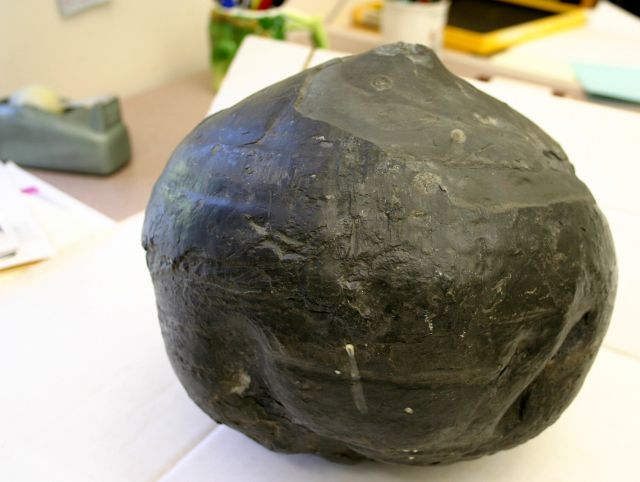
During the Carboniferous period, about 359 to 299 million years ago, dense forests of ferns, horsetails, and lycopods dominated much of Earth’s landmasses. These plants flourished in a warm, wet climate, contributing to the formation of vast coal deposits. Fossil evidence from this period helps paleobotanists understand the Earth’s ancient carbon cycle and how plant life influenced atmospheric oxygen levels. Coal balls are essentially round masses of preserved plant material, sitting inside coal seams, waiting to be found like little time capsules dropped into the rock millions of years ago.
Plant fossils can be preserved in a variety of ways, each of which can give different types of information about the original parent plant. Coal balls in particular preserve cellular detail with extraordinary precision. Ancient plant fossils offer clues that can help improve modern agriculture. By examining the evolution of plant traits, paleobotanists can identify ancient species that were particularly resilient to climate extremes or pests. These plants may hold genetic secrets that could be applied to modern crops, helping to ensure food security in the face of climate change. So when you look at a coal ball fossil, you are not just seeing the past. You are potentially looking at a clue for feeding the future.
9. Early Angiosperm Fossils: The Rise of the Flowering Plants
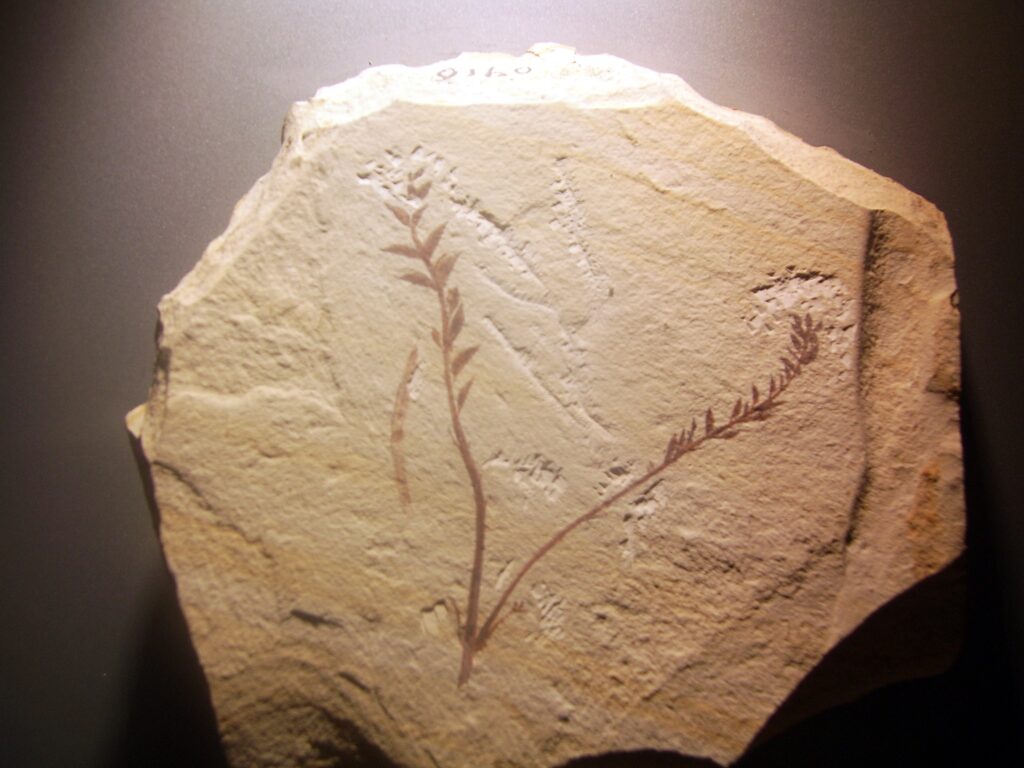
The rise of angiosperms, or flowering plants, around 140 million years ago during the Cretaceous Period marked a transformative epoch in plant evolution. Fossil evidence uncovered by paleobotanists reveals how these plants gradually supplanted gymnosperms, becoming the dominant flora in terrestrial ecosystems. Think about what that means. Nearly every fruit you eat, every flower you have ever been given, every vegetable on your plate, all of them trace back to a evolutionary uprising that began in the Cretaceous.
Magnolias and their close ancestors were around in the Cretaceous period, between 142 and 65 million years ago. These plants were around before bees existed, so beetles pollinated them instead. At the end of the Cretaceous Period, about 65 million years ago, a large asteroid impacted the Earth, most likely causing the catastrophic mass extinction of the dinosaurs. Because the climate was drastically altered for a long period of time, this event also impacted the plant community on a global scale. Research on fossil sediments from the period, which contain plant remains of leaves and other organs, shows an enormous loss of plant diversity that correlates with the changes in climate. Yet the flowering plants survived. They adapted, diversified, and went on to conquer the world. The evidence left in succeeding layers of rock and sediment shows that it took the Earth five to seven million years for plant abundance to recover to pre-asteroid levels. Resilience, written in stone.
Conclusion: The Stones Are Still Talking
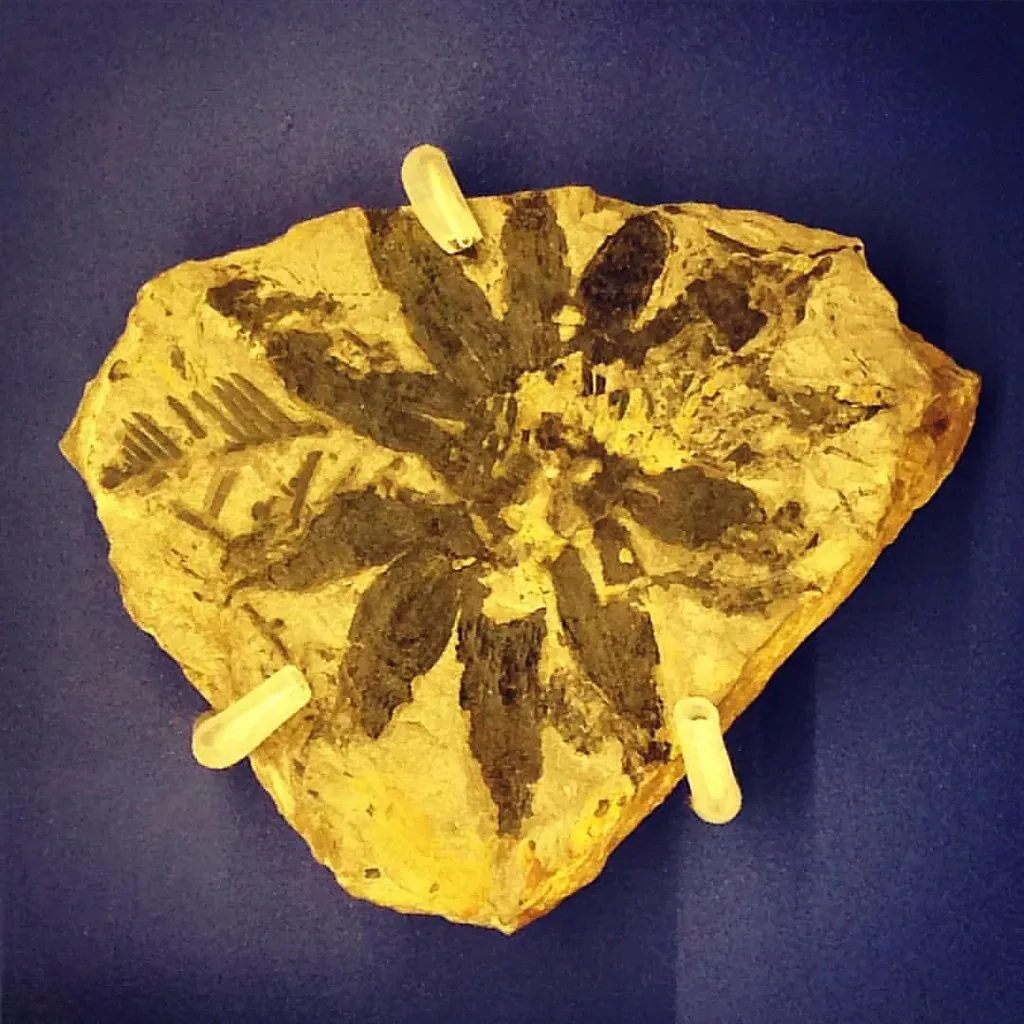
Paleobotany, a captivating discipline within the broader field of paleontology, focuses on deciphering the history of ancient plant life preserved in fossils. By analyzing remnants of prehistoric vegetation embedded in rock formations, paleobotanists unlock the mysteries of Earth’s botanical heritage, tracing the evolution of plant species over millions of years. This scientific exploration not only sheds light on the climatic and environmental conditions of bygone eras but also reveals how ancient flora shaped the trajectory of our planet’s history.
These nine fossils are more than geological curiosities. They are the original archives of our world. The study of ancient plants can assist in understanding current climate change. By comparing ancient climates with modern conditions, paleobotanists can help predict how current climate changes may affect plant life, ecosystems, and human societies. Every time a scientist cracks open a rock and finds a leaf impression, a seed, or a mysterious towering organism that defies classification, the past refuses to stay silent. It is still here, under your feet, in every coal seam and quarry wall, patiently waiting to be read.
Next time you walk past a rock, take a second look. What would you do if you discovered it was 400 million years old? Tell us in the comments below!