
For most of human history, you probably pictured dinosaurs as solitary, savage monsters roaming prehistoric landscapes alone. A T. rex on the horizon. A raptor lurking in the ferns. Always alone. Always deadly. Honestly, that image has been good for Hollywood, but terrible for science.
The truth is far more fascinating, and far more surprising. Recent discoveries are fundamentally reshaping how you should think about dinosaur social life, revealing creatures that herded, nested, hunted in groups, and possibly even co-parented their young across millions of years of evolution. So let’s dive in.
The Old Assumption Has Cracked Wide Open
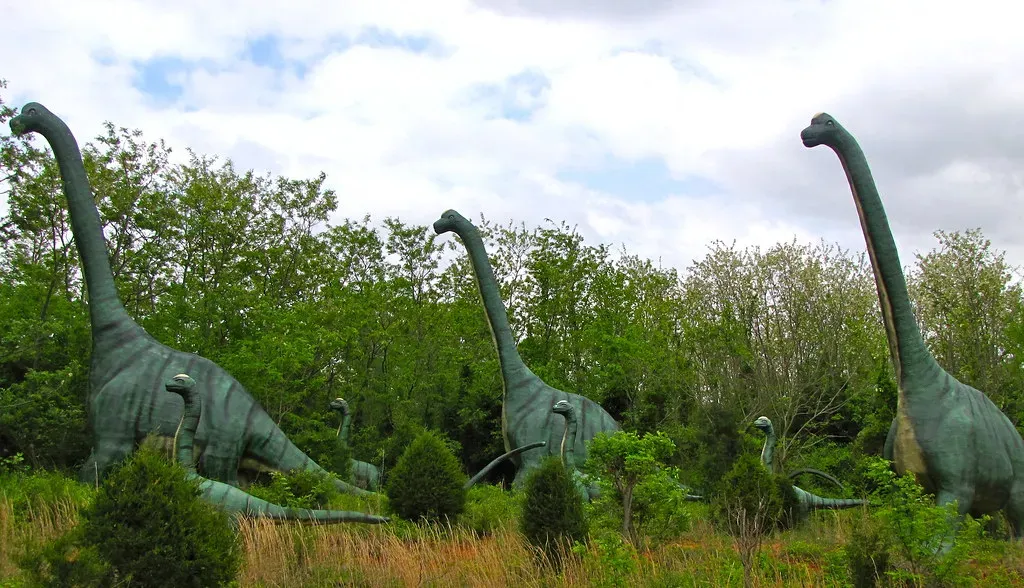
Here’s the thing: for decades, the default assumption in paleontology was that most dinosaurs lived relatively solitary existences. Dinosaur behavior has always been difficult for paleontologists to study, since much of paleontology depends solely on the physical remains of ancient life. That limitation shaped a lot of outdated thinking that is only now being dismantled piece by piece.
Interpretations of dinosaur behavior are generally based on the pose of body fossils and their habitat, computer simulations of their biomechanics, and comparisons with modern animals in similar ecological niches. Think of it like trying to reconstruct a crime scene with only a few scattered clues, no witnesses, and no surveillance footage. You do what you can, but you must stay humble about what you actually know.
Trackways Are Rewriting the Rulebook
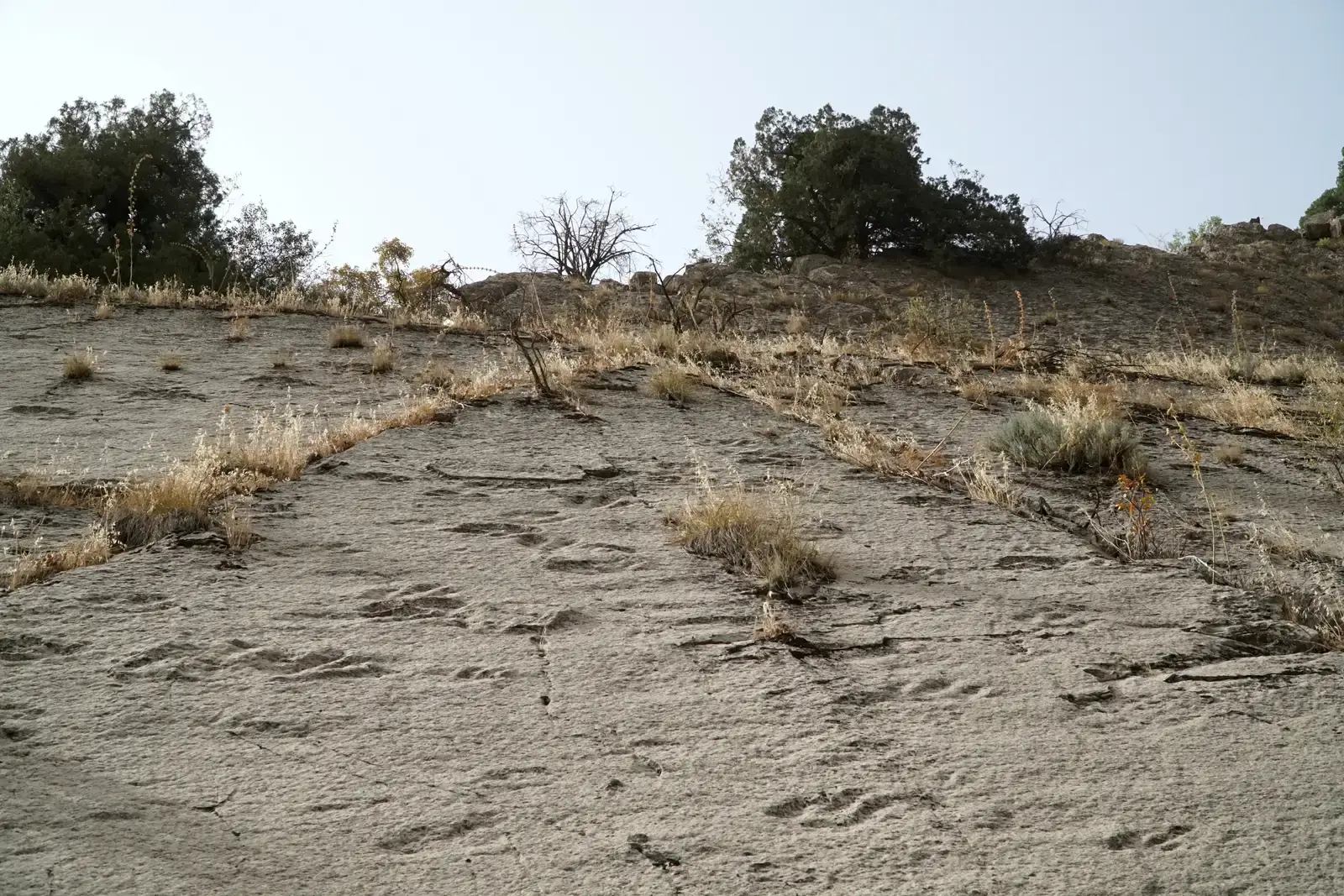
The two main ways that social behaviors can be inferred from the fossil record are through trackways and mass mortality sites. Dinosaur track sites are known in many places around the world, and lots of useful information can be gained from them, including speed and gait. Some of them have enough tracks to represent multiple individuals and even multiple species, and when this happens, paleontologists can infer social behaviors that would never be preserved otherwise.
A discovery made during an international field course in July 2024 at Dinosaur Provincial Park in Alberta, Canada, includes footprints from multiple dinosaur species walking alongside each other, providing the first evidence of mixed-species herding behavior in dinosaurs, similar to how modern wildebeest and zebra travel together on the African plains. The researchers were also surprised to find the tracks of two large tyrannosaurs walking side by side and perpendicular to the herd, raising the prospect that this multispecies herding may have been a defense strategy against common apex predators.
The Mussaurus Discovery That Pushed Everything Back 40 Million Years
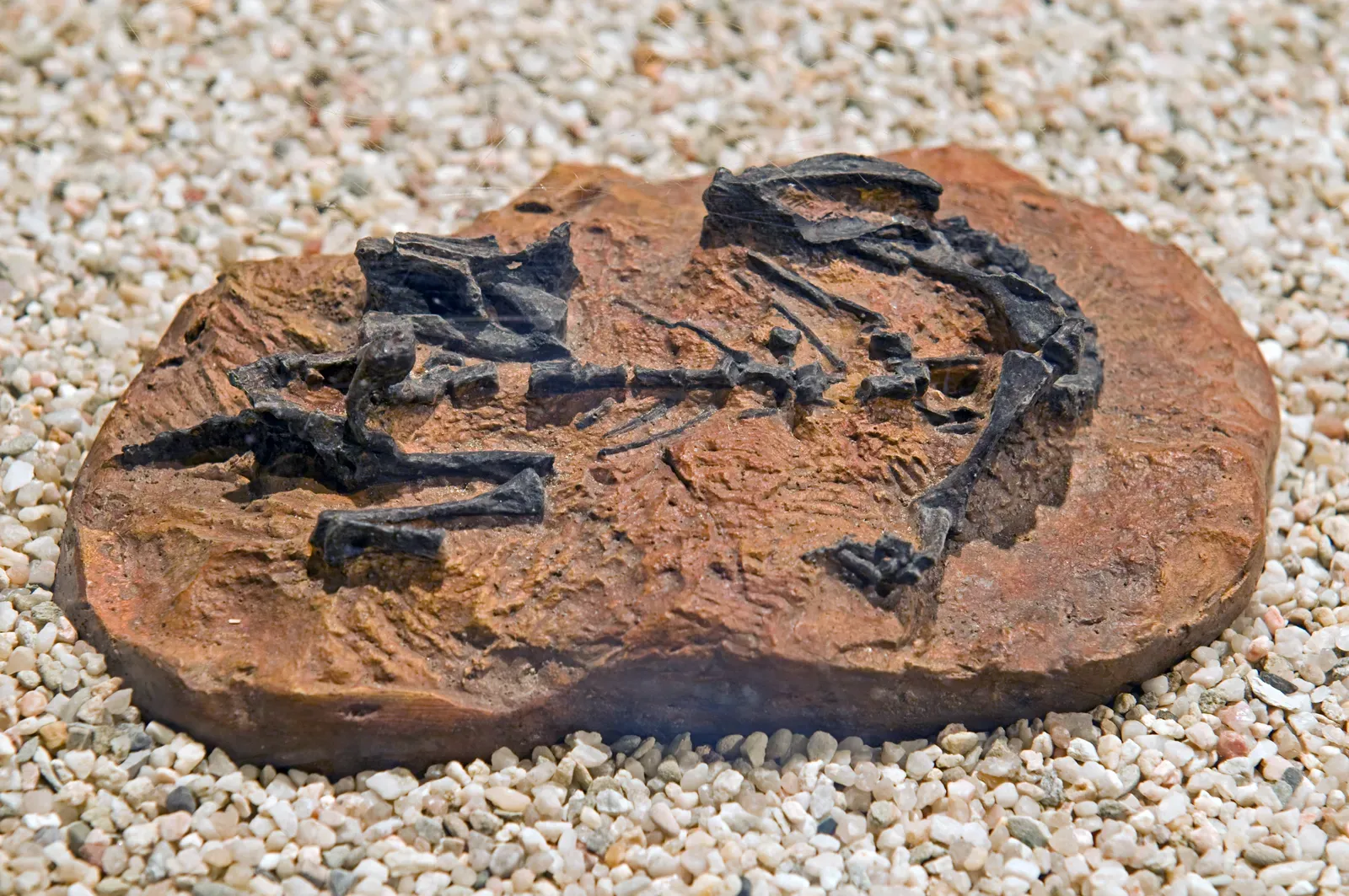
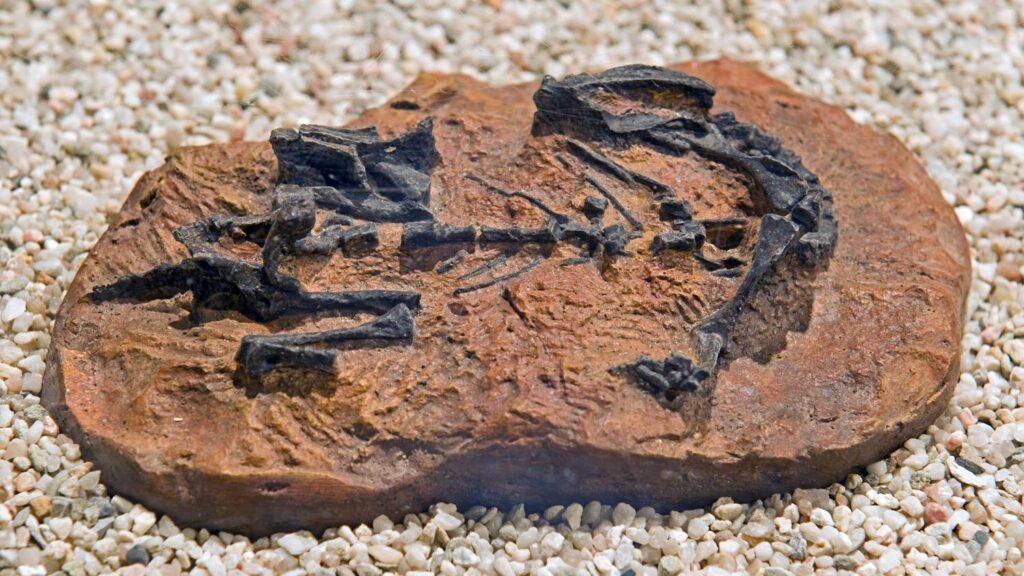
In Argentina’s Patagonia region, scientists unearthed an entire community of fossilized dinosaurs with more than 100 eggs and 80 skeletons of Mussaurus patagonicus, a long-necked herbivore. These fossils provide the earliest evidence of herding behavior in dinosaurs. You might want to sit with that number for a moment. Over 100 eggs and 80 individuals, all in one place. That is extraordinary.
The team’s results show that Mussaurus and possibly other dinosaurs evolved to live in complex social herds as early as 193 million years ago, around the dawn of the Jurassic period. Evidence suggests that Mussaurus optimized foraging potentials during the early Jurassic via age-based social partitioning, where neonates, juveniles, and adults apparently foraged in age-based groups. That kind of structure looks less like a random gathering and more like an actual social system, one that resembles how modern elephants or wildebeests organize themselves today.
Pack Hunters or Loners? The Debate Around Carnivorous Dinosaurs
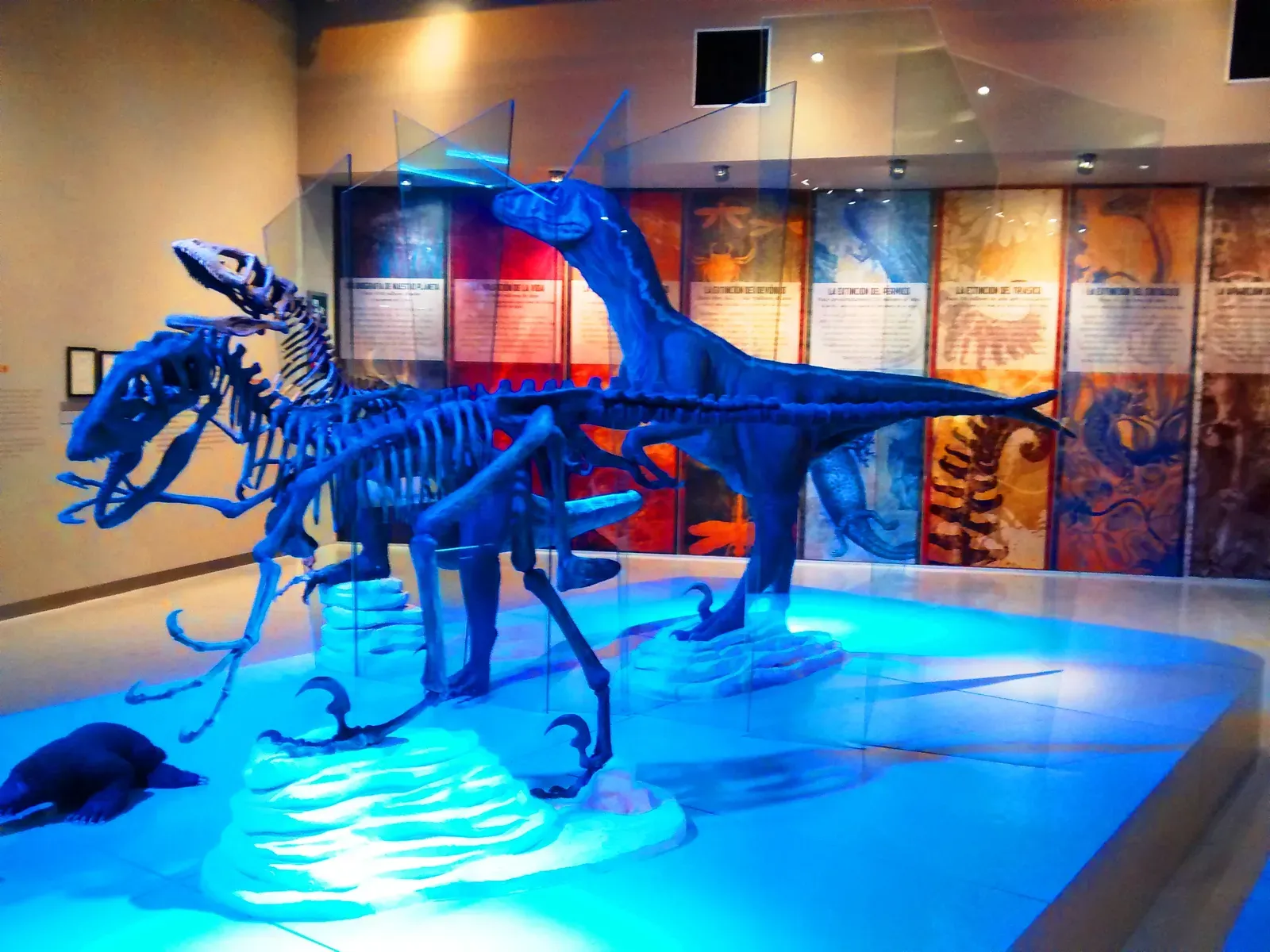
Canadian paleontologist Phil Currie has transformed our understanding of dinosaur social behavior, particularly through his extensive work on theropod dinosaurs. His research in Alberta’s Dinosaur Provincial Park and at mass death assemblages of Albertosaurus has provided compelling evidence that some predatory dinosaurs hunted in coordinated packs rather than as solitary hunters, challenging long-held assumptions about dinosaur behavior. I think this is one of the most genuinely thrilling debates in all of paleontology right now.
Some of the strongest evidence for coordinated hunting comes from certain theropod dinosaurs. Deinonychus, made famous in the Jurassic Park franchise as “raptors,” has provided compelling evidence for pack hunting. Multiple Deinonychus specimens have been found alongside the remains of the much larger herbivore Tenontosaurus, suggesting they may have worked together to bring down prey too large for a single individual. The anatomical features of these dinosaurs, including their sickle-shaped claws, relatively large brains, and forward-facing eyes providing good depth perception, all support the possibility of coordinated hunting strategies.
Nesting Science Takes a Stunning New Turn
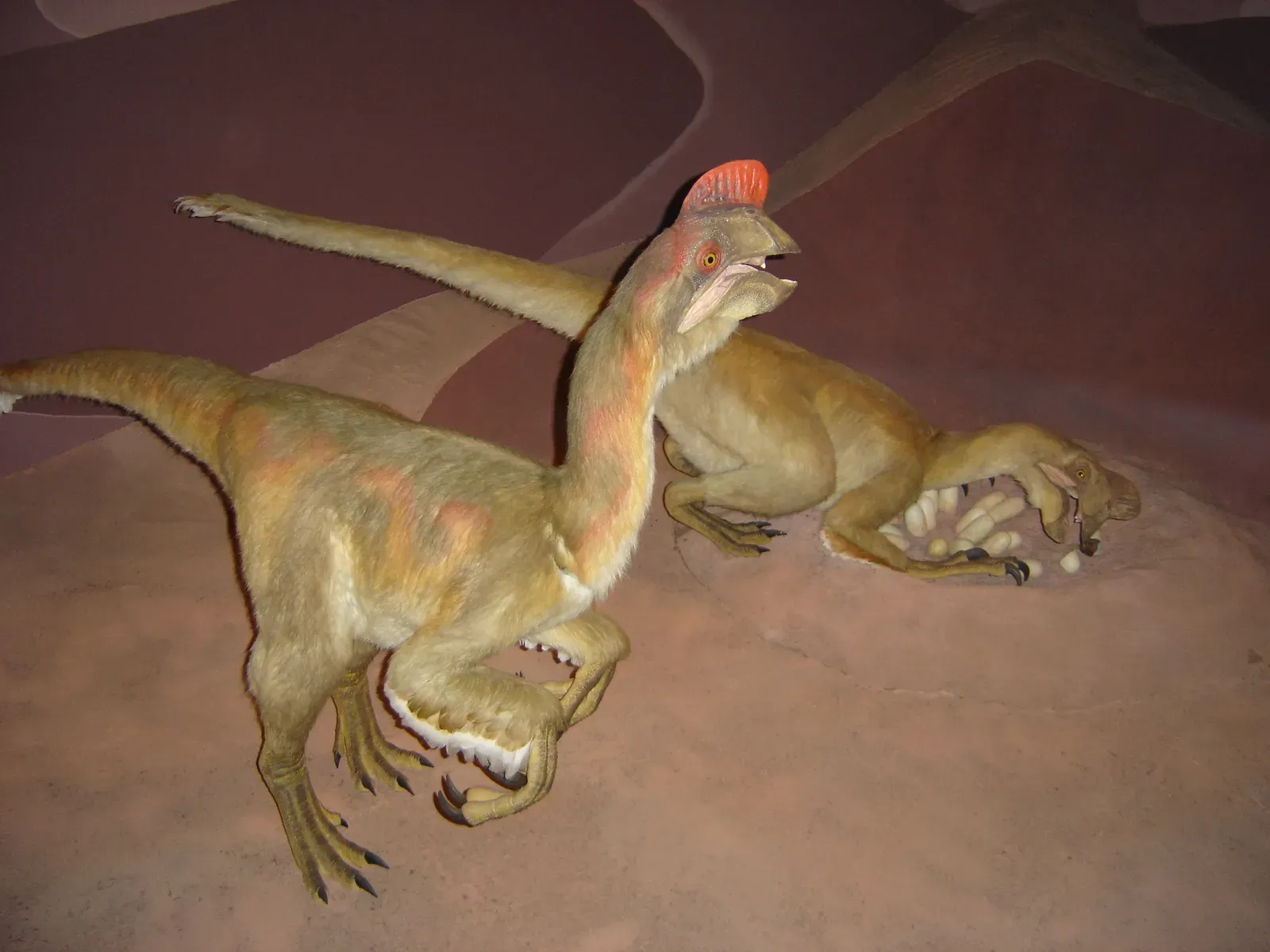
Scientists recently recreated a life-size oviraptor nest to understand how these dinosaurs hatched their eggs. Their experiments showed the parent likely couldn’t heat all the eggs directly, meaning sunlight played a key role. This uneven heating could cause eggs in the same nest to hatch at different times. The results suggest oviraptors used a hybrid incubation method unlike modern birds. When you think about it, it’s a bit like a parent relying on both a blanket and the sun to keep a child warm, not quite one thing or another, but something uniquely its own.
Instead of relying only on body heat, oviraptors used a mixed system where the adult and the environment worked together. Sunlight heated the nest during the day, while the adult helped control temperature and prevent extreme changes. The adult likely protected eggs from overheating during hot days and kept them warm at night. This balance helped embryos survive. It’s a level of behavioral sophistication that you would not have expected from a creature that lived 70 million years ago.
Technology Is Finally Catching Up to the Questions
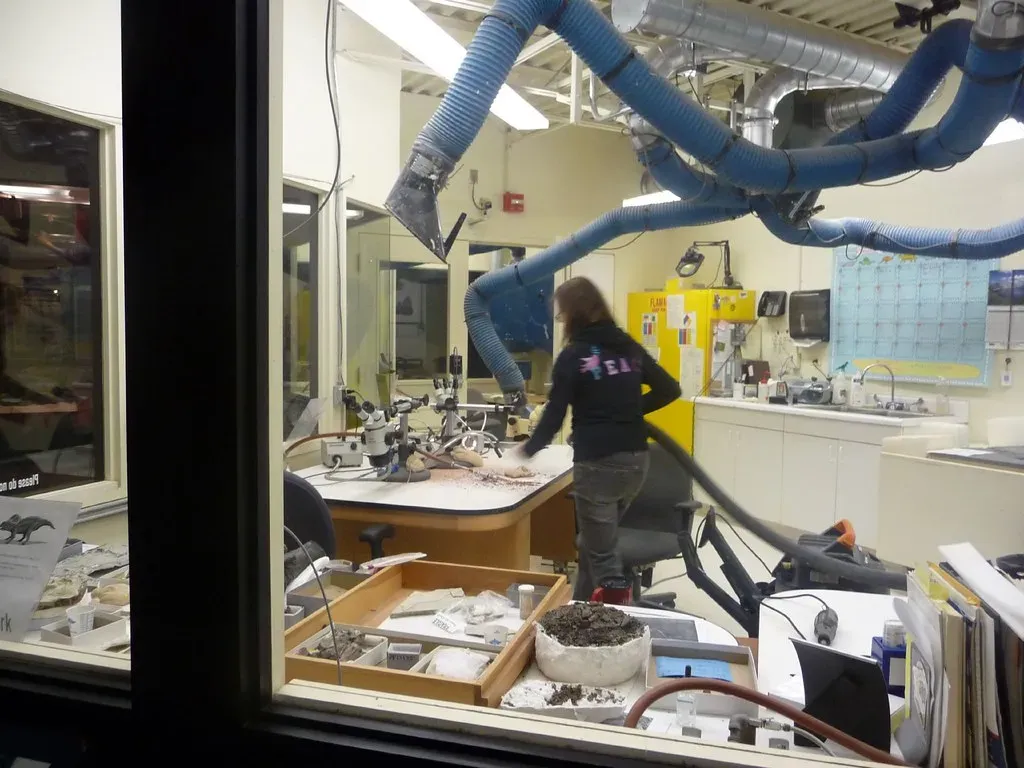
Technological advances in biomechanics, computer modeling, and scanning technologies have recently allowed researchers to test hypotheses about dinosaur social behavior with increasing sophistication. The tools available to paleontologists today would have seemed like science fiction to researchers working even two decades ago. It’s a genuinely exciting moment to be watching this field evolve.
Paleontologist Phil Currie has pioneered the use of CT scanning and other imaging technologies to study dinosaur brains and sensory capabilities, revealing that many dinosaurs had more complex behaviors than previously imagined. Paleontologists are also advancing the study of dinosaur behavior by utilizing new techniques such as electron microscopy to determine the colors and patterns of feathered dinosaurs, which can provide insights into their camouflage, mating, and environmental adaptations. You can now read behavioral signals in fossils that would have been completely invisible to earlier generations of scientists.
Conclusion
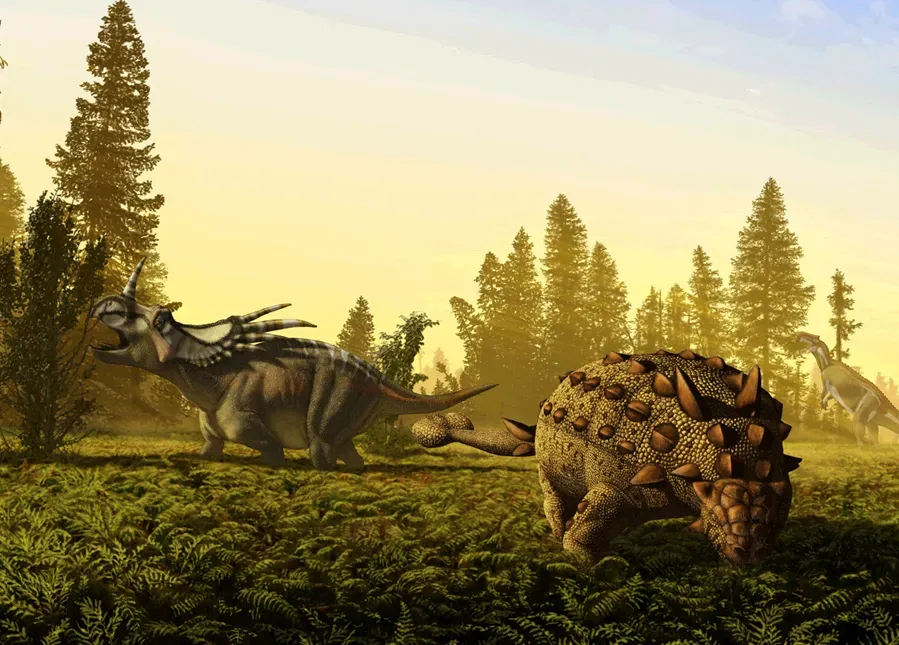
What all of this tells you, if you step back and look at the full picture, is that dinosaurs were far more socially complex than anyone once dared to suggest. They herded, they co-parented, they possibly hunted in coordinated groups, and they structured their communities around age, kinship, and survival. The collective work of pioneering paleontologists has fundamentally transformed dinosaurs in the public and scientific imagination, from slow, cold-blooded reptilian monsters to complex, dynamic organisms with sophisticated behaviors and evolutionary relationships to modern birds. Through their discoveries and interpretations, dinosaurs have emerged as more fascinating than fiction ever portrayed them, with feathers, parental care, complex social structures, and remarkable adaptations.
Honestly, the more science uncovers, the more you realize that dinosaurs did not need Hollywood to make them dramatic. Reality does that job just fine. The next time you look at a flock of birds moving together across the sky, remember: you may actually be watching the last echo of 193 million years of social evolution, still playing out right in front of you. What would you have guessed about that? Tell us in the comments.