
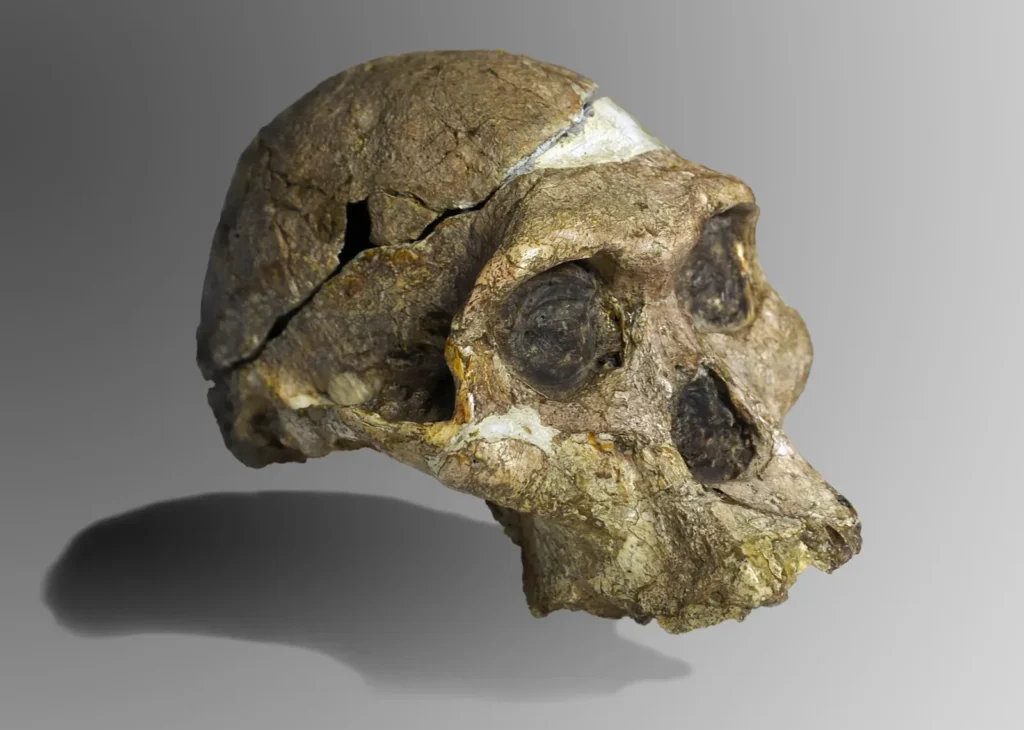
Picture holding a bone in your hands that is three million years old. Not a dinosaur bone, but the remains of a creature who walked upright, who may have cared for its young, who possibly grieved its dead. That thought alone is enough to send a chill straight through you.
From skeletons to teeth, early human fossils have been found from more than 6,000 individuals, and with the rapid pace of new discoveries every year, even some early human species represented by only one or a few fossils are now yielding enormous insights. These fragments of bone and stone are far more than museum curiosities. They are time capsules. Each one cracks open a window into a world we can barely imagine. Let’s dive in.
1. The Laetoli Footprints: A Walk Through Volcanic Ash
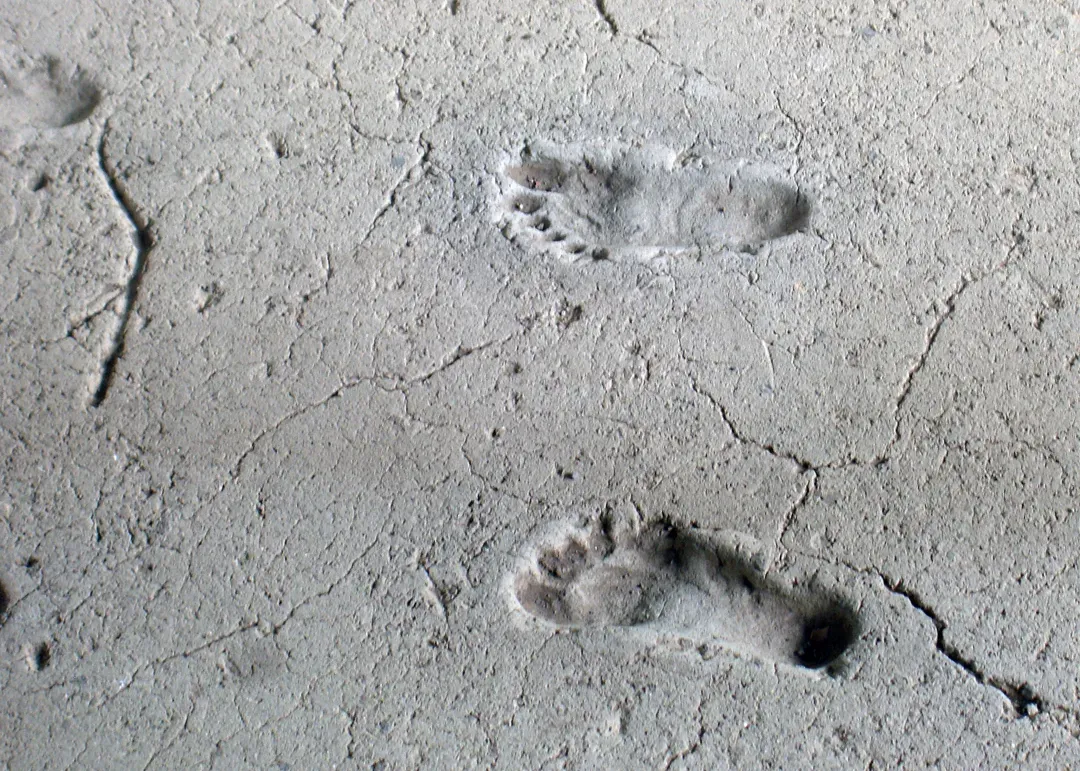
(Original text: self-made), CC BY-SA 3.0)
Here’s the thing about the Laetoli footprints. They were not even discovered the sophisticated way. Yale’s Andrew Hill stumbled upon them in 1976 when he fell trying to avoid a ball of elephant dung thrown by a colleague, and with his face only inches from the rock, recognized footprints preserved in volcanic ash. Sometimes the greatest discoveries happen by accident.
About 3.6 million years ago in Laetoli, Tanzania, three early humans walked through wet volcanic ash, and when a nearby volcano erupted again, subsequent layers covered and preserved what is now the oldest known footprint trail of early humans. The trail runs nearly the length of a tennis court and gives you an almost emotional sense of closeness to these ancient relatives. Analysis of the footprints and skeletal structure showed clear evidence that bipedalism preceded enlarged brains in hominins. In other words, they walked upright long before they developed large, thinking minds.
The early humans that left these prints were bipedal and had big toes in line with the rest of their foot, just like you and me walking barefoot on a beach today. Because the Site A and Site G footprints sit within the same layer of volcanic ash, and because the two sets of prints are so different from each other, the find suggests that two different species of bipedal hominins were walking within one kilometer of each other within the span of a few days. Two different species, strolling the same stretch of earth just days apart. I think that might be one of the most quietly remarkable details in all of paleoanthropology.
2. “Lucy” and What Her Bones Tell Us About Daily Survival
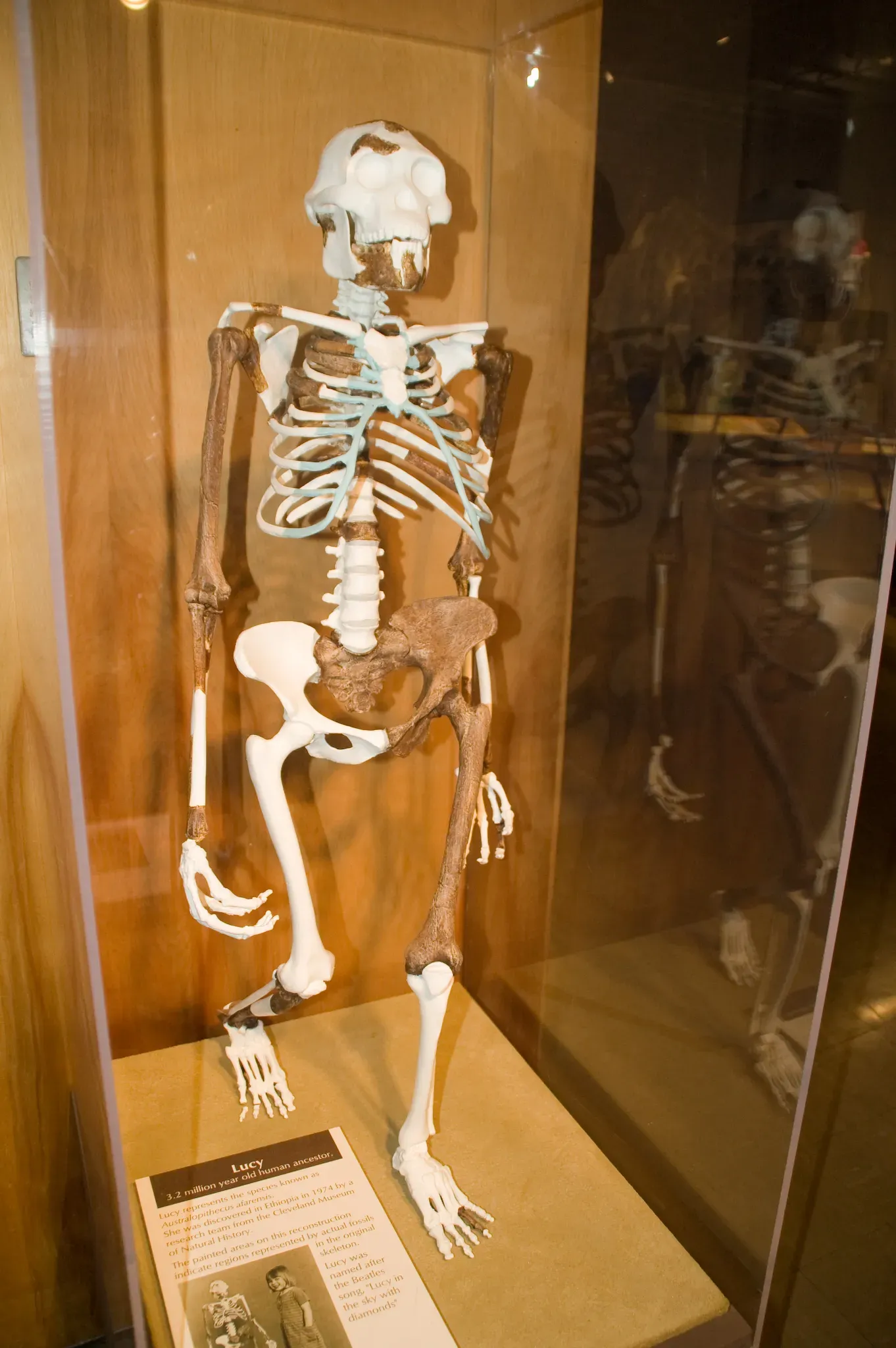
You’ve likely heard the name Lucy. But what you may not realize is just how much her skeleton reveals about a regular day in her life. Lucy, designated AL 288-1, is an adult female and 3.2-million-year-old Australopithecus afarensis skeleton found at Hadar, Ethiopia, and because she could walk upright on the ground and also climb trees, she and other members of her species were able to use resources from woodlands, grasslands, and diverse environments.
Analysis revealed that Lucy’s humerus and femur bone strengths were somewhere between the arm and leg bone strengths of today’s chimpanzees and humans, suggesting that she and her species spent a significant amount of time using arms to move through trees, and based on modern animal behavior, this meant Au. afarensis used trees to forage for food and escape predators. So her daily life was likely this fascinating mix of striding across open ground and scrambling up into branches when danger came close. Think of it like living part of your life at street level and part of it on a second floor that has no staircase.
Au. afarensis had mainly a plant-based diet including leaves, fruit, seeds, roots, nuts, and insects, and paleoanthropologists can tell what she ate from the remains of her teeth, with dental microwear studies indicating they ate soft sugar-rich fruits but their tooth size and shape suggests they could also eat hard, brittle foods as fallback foods during seasons when fruits were not available. Her teeth are essentially a grocery list from 3 million years ago.
3. Paranthropus Robustus: The Prehistoric Survivor with a Target on Its Back
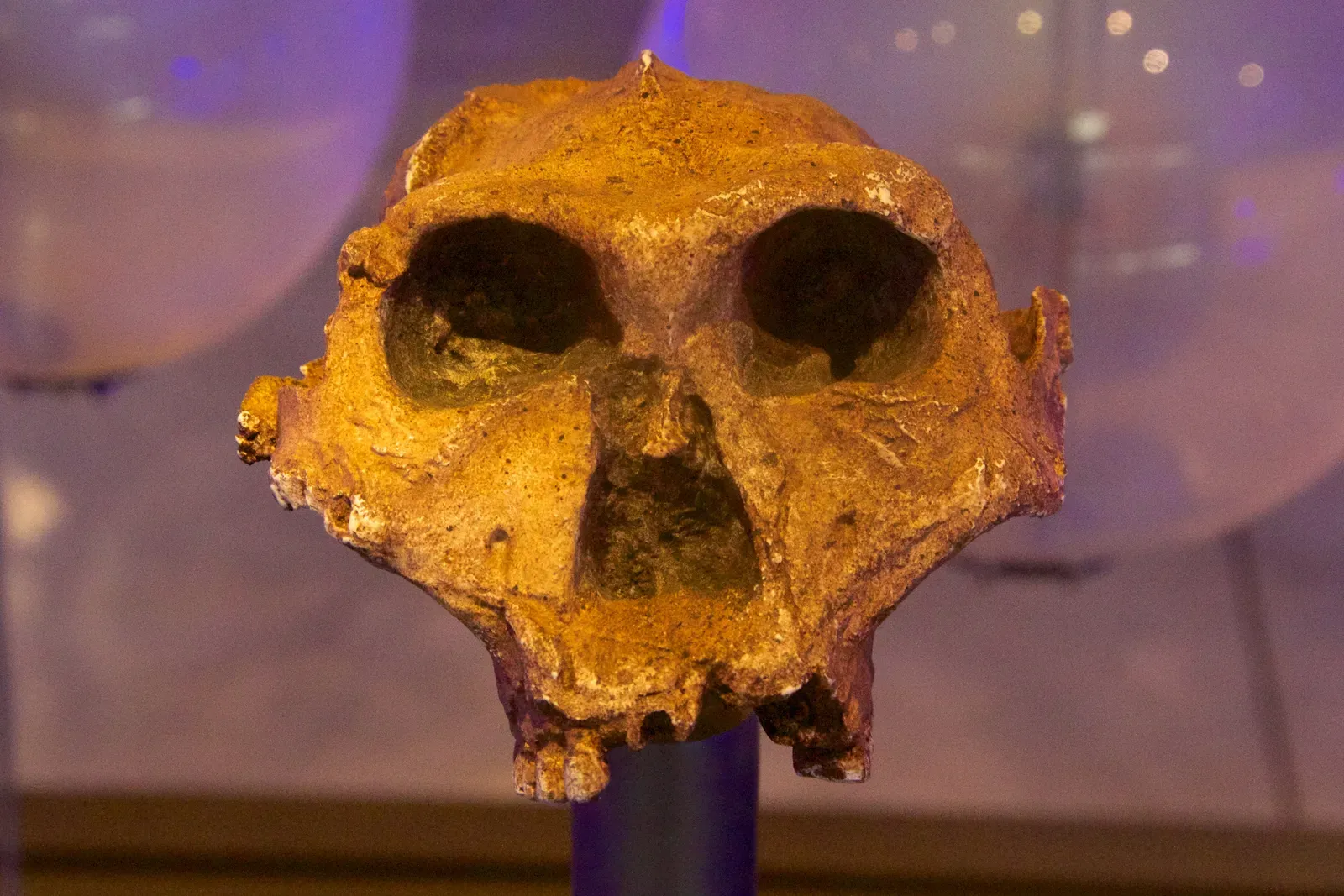
Paranthropus robustus is not a species most people could name, yet its story is one of the most gripping in the entire fossil record. In a study published in the Journal of Human Evolution, it was revealed that Paranthropus robustus was bipedal and walked upright much like we do today, a finding that helps scientists learn more about the daily lives and activities of this species and adds complexity to the story of human evolution.
New fossil findings, which include a hipbone, thigh bone, and shin bone, proved that Paranthropus robustus were habitual upright walkers, much like modern humans, and the new discovery also confirms that this species was incredibly small. Incredibly small and incredibly vulnerable. The small size of this individual would have made it vulnerable to predators such as sabertooth cats and giant hyenas known to have occupied the area around Swartkrans Cave, and damage on the surface of the fossils includes tooth marks identical to that made by leopards on the bones of their prey. Honestly, it’s hard not to feel something reading that. This creature walked upright, used tools, and still ended up as a leopard’s meal.
Much has been revealed about the diet and social organization of this extinct species based on studies of its many skulls and hundreds of teeth recovered from Swartkrans, with the extremely heavy jaws and thickly enameled teeth suggesting that when times were lean, it was capable of subsisting on low-quality foods. Paranthropus robustus survived in South Africa for over a million years and is found invariably in spatial association with stone and bone tools, which were used for a variety of purposes including butchering animals for their meat and digging for edible roots and underground insects.
4. The Denisovan Finger Bone: A Tiny Fragment That Rewrote History
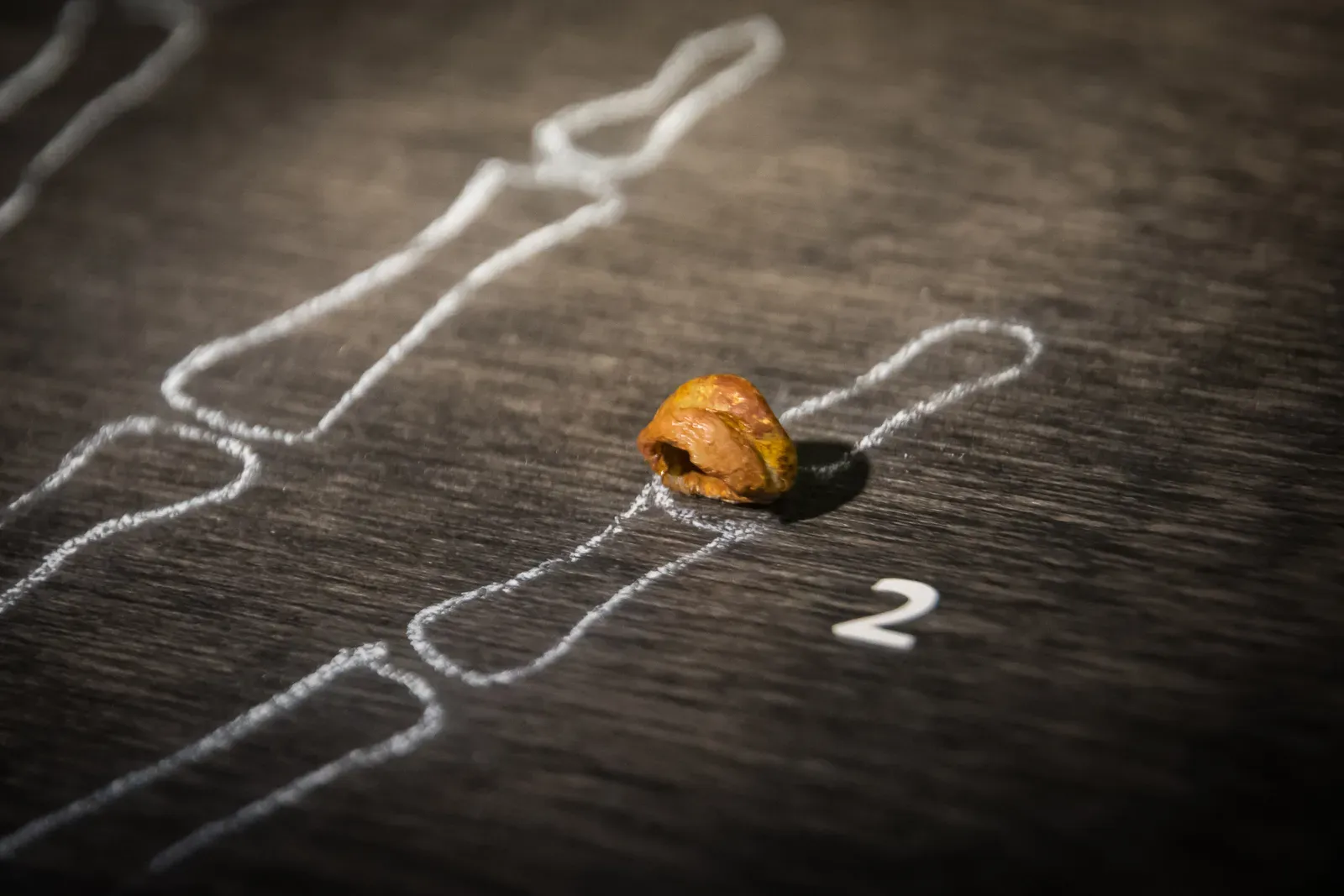
Here is something that genuinely blows the mind. Scientists identified an entirely new branch of the human family from a single finger bone. Just one. Release of nuclear DNA analysis carried out on a finger bone and tooth from Denisova Cave in Russia revealed the remains come from a species that is neither Homo sapiens nor Homo neanderthalensis, suggesting a third human species was still in existence between roughly 48,000 and 30,000 years ago.
Far from being a simple straight-line evolution, human history is a tangled web of ancient love stories, and the Denisovans are the perfect proof of that. Studies examined the proteome of the Harbin cranium, and while no DNA was retrievable from the fossil itself, both proteomics and DNA from dental calculus suggested it was part of the Denisovan group, giving us the first look at the face of a Denisovan. What a moment that must have been for those researchers. Seeing a face that no one had seen in tens of thousands of years, assembled from molecular clues. While more work needs to be done to build the body of evidence and give scientists a more complete view of Denisovan anatomy, habitat and behavior, being able to link complete fossils with the molecular evidence is a huge step forward.
5. Homo Naledi: A Small-Brained Species That May Have Buried Its Dead
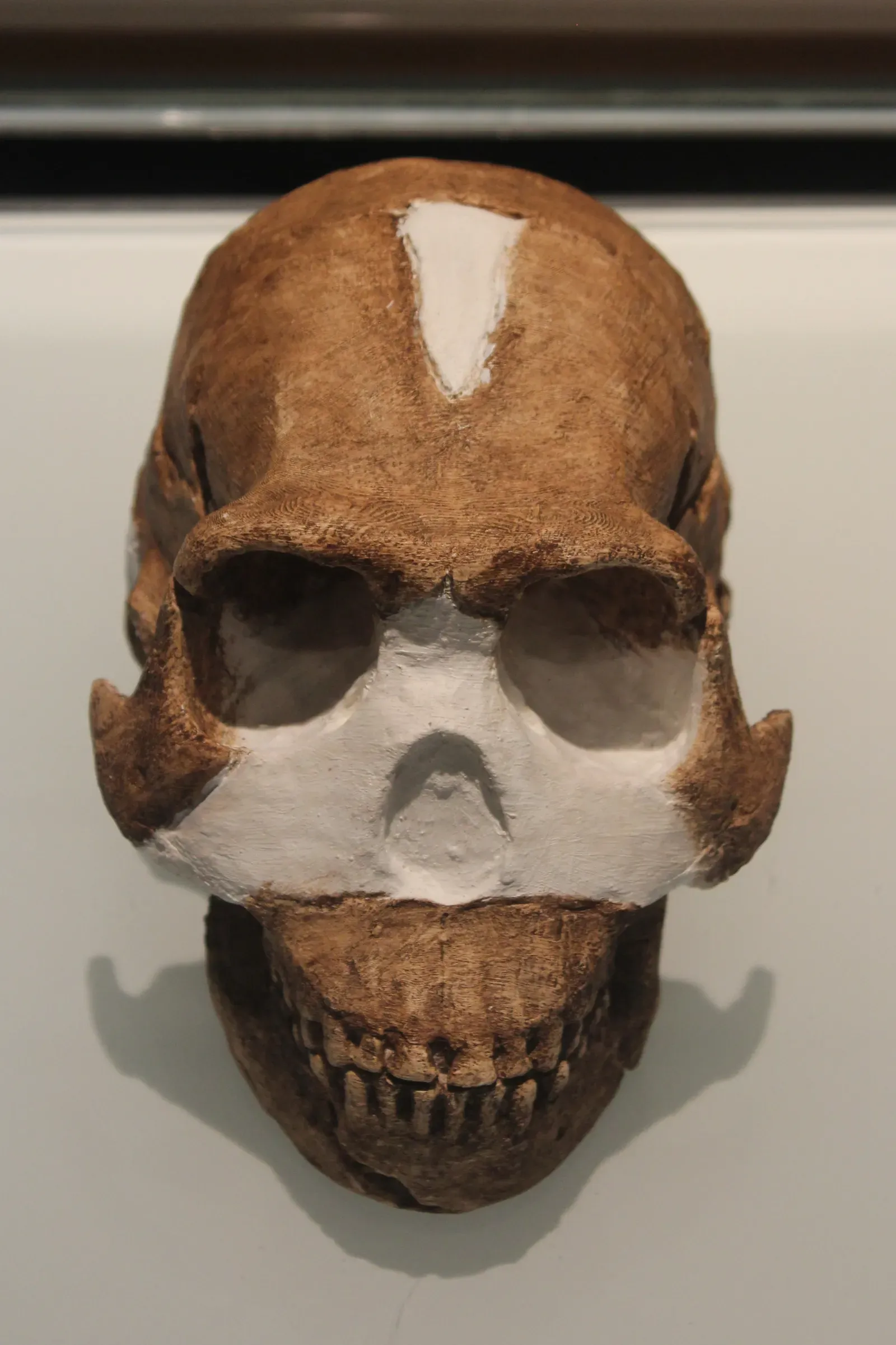
If you want a fossil story that genuinely challenges everything we thought we knew about ancient cognition, Homo naledi is it. The first Homo naledi finds were discovered by cavers in a remote, almost inaccessible chamber deep within the Rising Star cave system, and paleoanthropologist Lee Berger assembled a team of excavators who recovered more than 1,500 fossil bones belonging to at least 15 individuals, ranging from infants to elderly adults.
Regarded as one of the most primitive Homo species yet unearthed, its brain was only about the size of an orange, and it possessed an unusual mix of human-like and non-human-like features, with slender legs and feet suited for life on the ground but shoulders and hands adapted for life in the trees. Homo naledi lived between 335,000 and 236,000 years ago, about the same time that modern humans first appeared. That timeline is jaw-dropping. We were not alone.
A series of papers claimed that Homo naledi buried their dead and made engravings deep within a cave system in southern Africa some 300,000 years ago, and if these claims are true it would overturn what was thought to be known about the development of human beliefs, culture, and symbolism. The researchers argue that one of the skeletons of Homo naledi was found in a crouched position holding a stone tool, in a depression that has clear cut lines around its edge, indicating that it was a hole that had been excavated and filled back in. Debate still rages in the scientific community, but the possibility is extraordinary.
6. The Moroccan Fossils of Thomas Quarry: A Snapshot Near the Root of the Human Tree
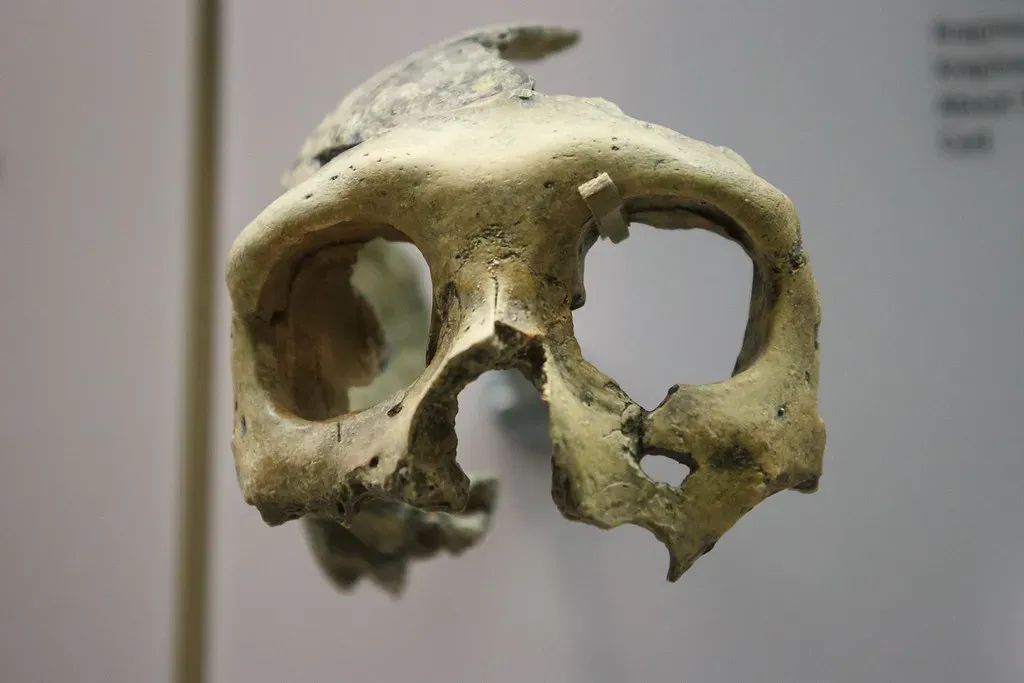
Most people have never heard of Thomas Quarry in Morocco, but in 2026 it made headlines for an extraordinary reason. Fossils from this Moroccan cave have been dated with remarkable accuracy to about 773,000 years ago, thanks to a magnetic signature locked into the surrounding sediments, and the hominin remains show a blend of ancient and more modern features, placing them near a pivotal branching point in human evolution, likely representing an African population close to the last common ancestor of Homo sapiens, Neanderthals, and Denisovans.
The area documents early Acheulean stone tool industries, shifting animal communities linked to climate change, and multiple phases of hominin presence over hundreds of thousands of years. This tells us that these individuals were not just surviving. They were adapting, innovating, and living through dramatic environmental shifts. Published in Nature, the study sheds new light on African populations that lived close to the evolutionary branch leading to Homo sapiens and helps clarify the shared ancestry of Homo sapiens, Neanderthals, and Denisovans. Think of it as finding a photograph of your great-great-grandparents, except the photograph is made of bone and is nearly three quarters of a million years old.
7. Early Homo sapiens in Southeast Asia: Fossils from Tam Pà Ling Cave
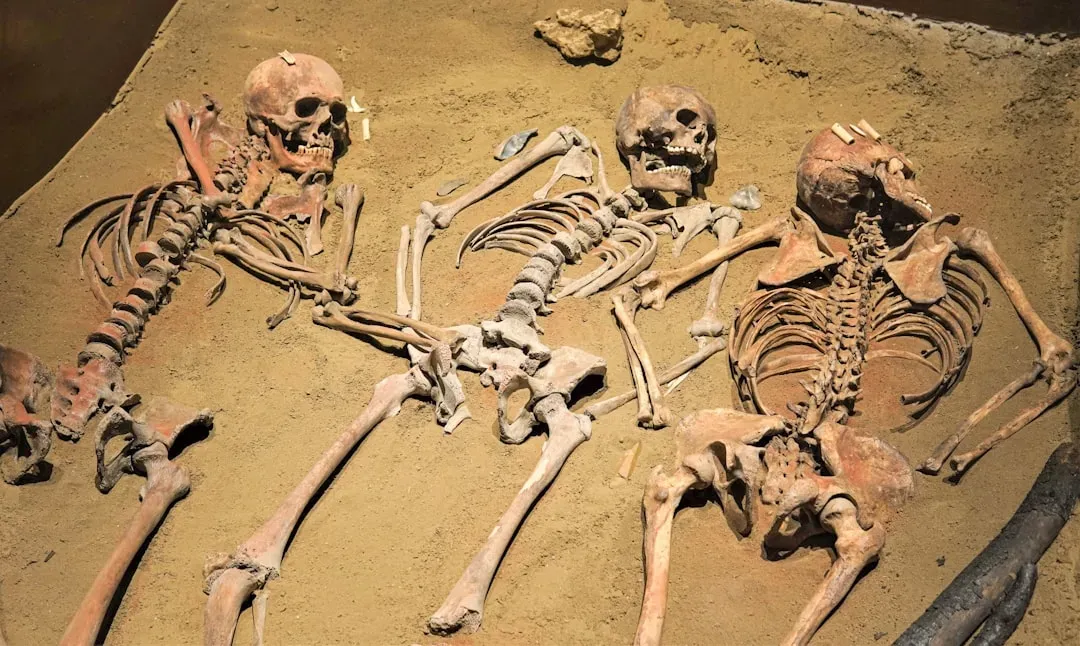
We often assume our ancestors arrived in Southeast Asia relatively late. The fossils from Tam Pà Ling cave in Laos suggest otherwise, and the implications for what daily life looked like during those migrations are striking. Newly described fossils from Tam Pà Ling cave in Laos have added important pieces to the puzzle, with a fragment of a human leg bone found in sediments believed to be as much as 86,000 years old, suggesting Homo sapiens lived there for as long as 56,000 years.
Along the way it is possible that Homo sapiens would have encountered relatives living in the area, such as Homo floresiensis and Homo luzonensis, and finding more fossils in Southeast Asia could help reveal what relationship they might have had, as well as larger questions in human evolution such as why we are now the only human species left on Earth. That last question is one I find genuinely haunting. We share the planet now with no other human species. Studies revealed that the environment of Tam Pà Ling cave protects fossils from the surrounding rainforest humidity, allowing them to survive for thousands of years. Without that cave, we might never have known they were there at all.
8. Sahelanthropus Tchadensis: The Seven-Million-Year-Old Walker
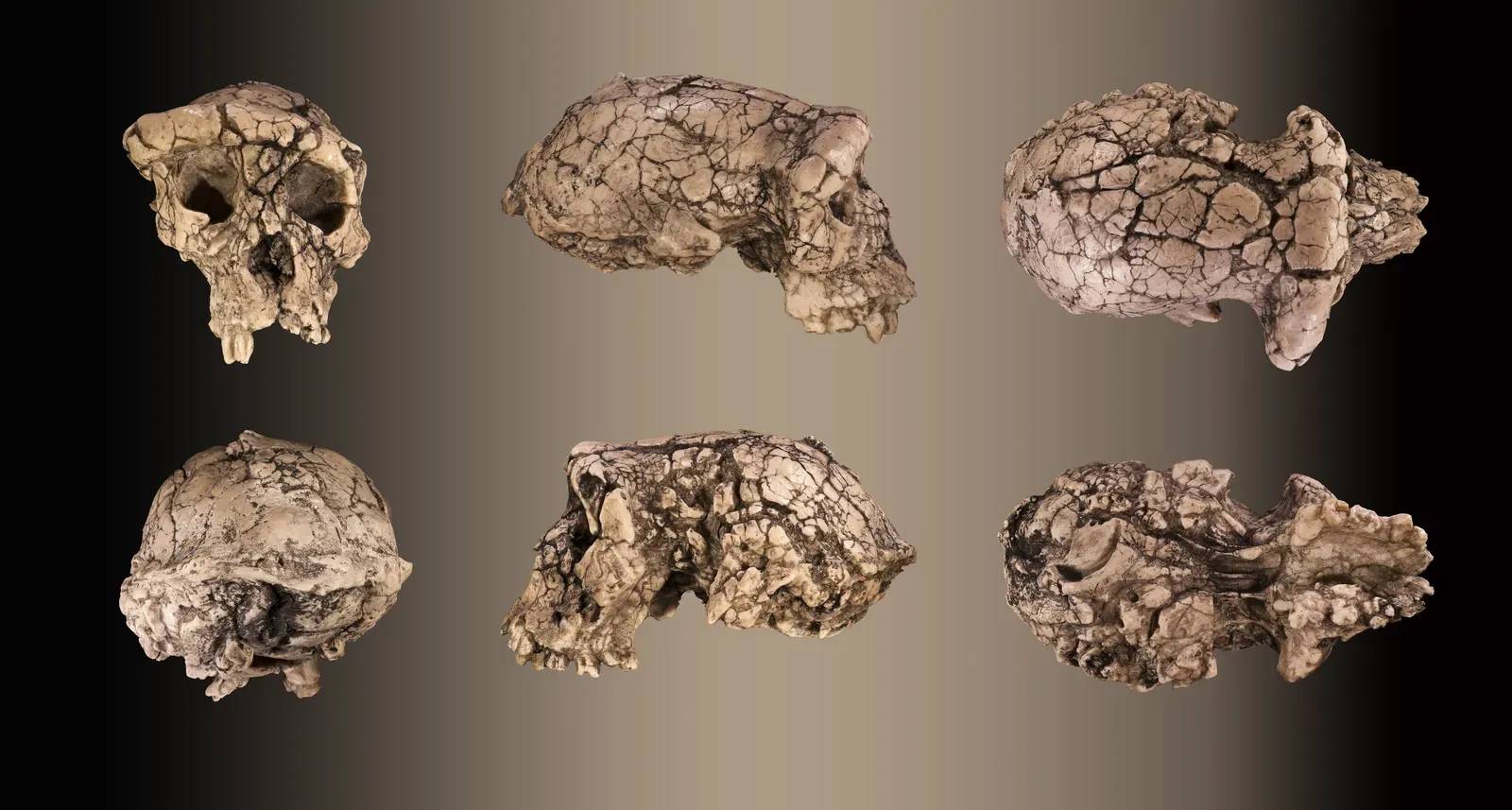
This one is almost science fiction, except it is absolutely real. Scientists may have cracked the case of whether a seven-million-year-old fossil could walk upright, and a new study found strong anatomical evidence that Sahelanthropus tchadensis was bipedal, including a ligament attachment seen only in human ancestors, with its leg and hip structure suggesting it moved confidently on two legs, placing bipedalism near the very root of the human family tree.
The researchers also found that Sahelanthropus had a relatively long femur compared to its ulna, adding further support for bipedal behavior, and while apes typically have long arms and short legs, Sahelanthropus showed limb proportions closer to Australopithecus, suggesting another evolutionary step toward upright walking. It’s hard to say for sure exactly what a typical day looked like for this creature seven million years ago. The detailed analysis identified features in Sahelanthropus that support upright walking, including a femoral tubercle connecting the pelvis and femur seen only in hominins, a natural rotational twist in the femur that falls within the hominin range, and evidence from 3D modeling of gluteal muscles similar to those of early hominins which stabilize the hips and assist with standing, walking, and running. That is extraordinary anatomical storytelling from bones that old.
9. The 2.6-Million-Year-Old Paranthropus Jaw from Ethiopia: Rewriting Diet and Survival
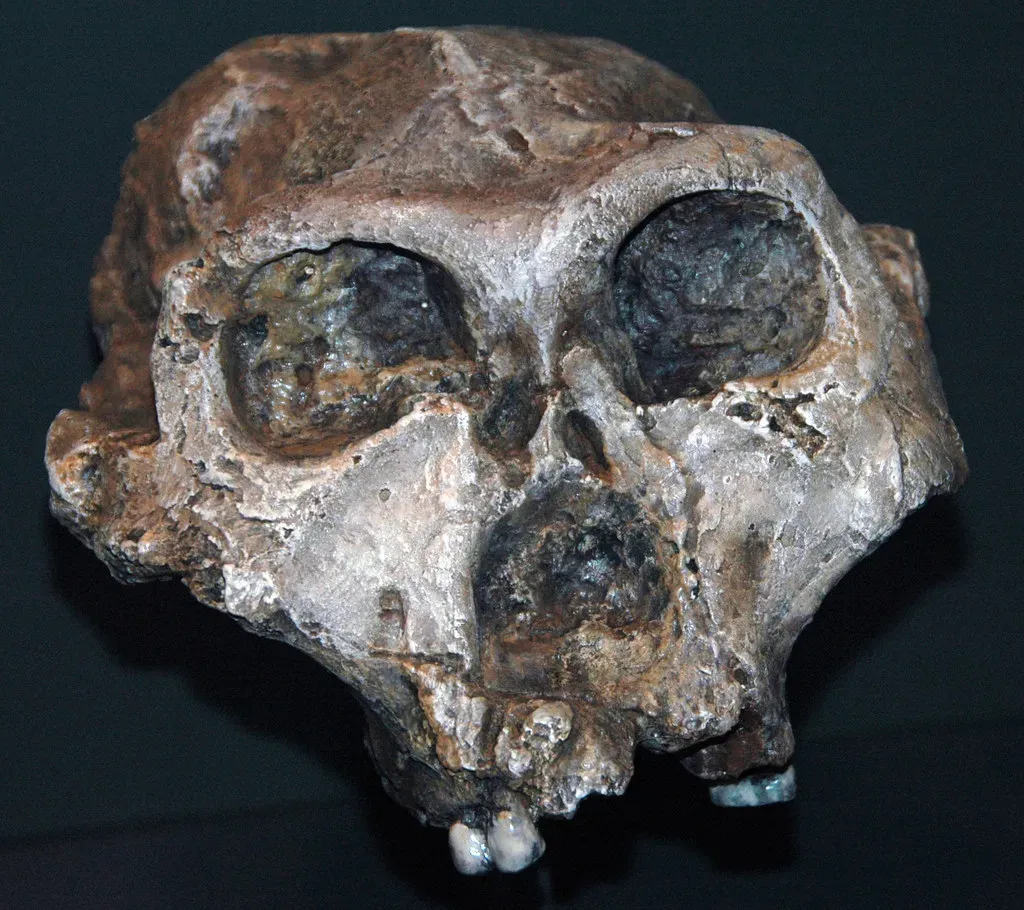
When a partial lower jaw from Ethiopia was announced in early 2026, it immediately changed what scientists thought about the dietary flexibility and daily survival of our ancient relatives. The new find, a partial lower jaw dated to 2.6 million years old, is one of the oldest Paranthropus specimens unearthed to date. For a genus long nicknamed the “nutcracker” for its oversized molars, that discovery came with a twist.
Paranthropus was previously nicknamed the nutcracker genus, highlighting very large molars, thick enamel, and heavy jaws and reflecting assumptions that this chewing apparatus caused Paranthropus to occupy a highly specialized and narrower dietary niche, but the new Paranthropus from Afar reveals that starting from its earliest origins, it was widespread, versatile, and able to crack more than just nuts. That is a complete rewrite of how we imagined the daily menu of these creatures. The find offers significant new information about when and where Paranthropus existed, its adaptation to diverse environmental conditions, and how it may have interacted with other ancient relatives of modern humans, including our genus Homo, showing that Paranthropus was as widespread and versatile as Homo and was not necessarily outcompeted by it. Two distant cousins, competing and coexisting on the same ancient landscape. The story of ancient daily life is rarely simple.
Conclusion: Bones That Speak Across Millions of Years
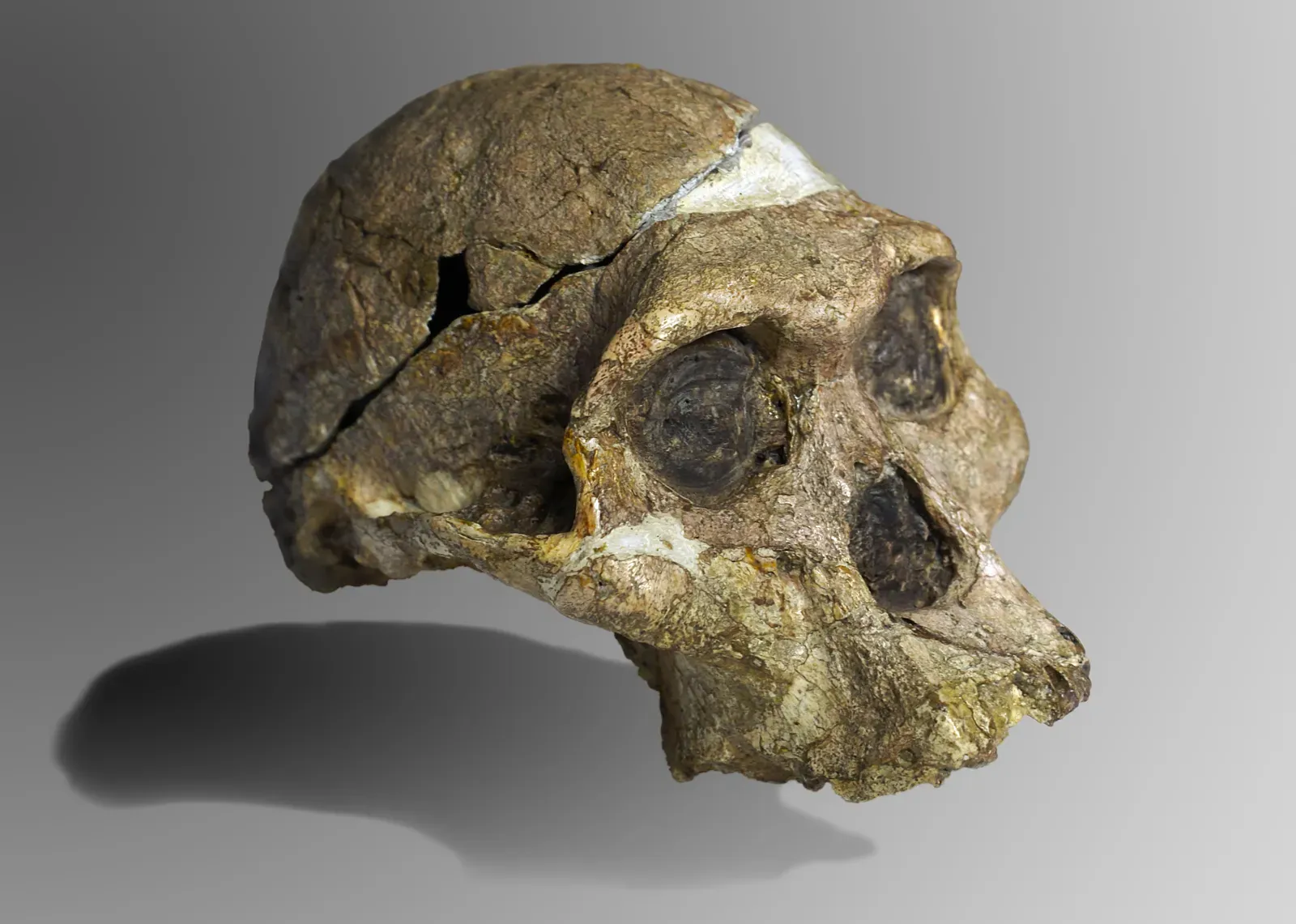
What strikes you most about all of these discoveries is not just their scientific significance. It is how profoundly human they feel. Millions of stone tools, figurines, paintings, footprints, and other traces of human behavior in the prehistoric record tell about where and how early humans lived and when certain technological innovations were invented. Every fragment of bone, every fossilized footstep, every ancient tooth carries the echo of a real life, someone who woke up each morning facing hunger, predators, and the challenge of simply staying alive.
The numbers, types and shapes of teeth tell us much about the diets, lifestyles and relationships of their owners, and can even help indicate an individual’s age at the time of death. From the volcanic ash of Laetoli to a remote cave in South Africa, each fossil is a message across time. New fossil evidence continues to help refine our understanding of our lineage and never stops surprising us. Perhaps the most humbling thought of all is this: somewhere out there, buried under centuries of earth and stone, are more fossils waiting to be found. Ones that will almost certainly surprise us again.
What do you think changed most about how you imagine ancient human daily life after reading this? Let us know in the comments.