There is something almost surreal about standing on land that holds the bones of creatures that walked the earth millions of years before humans were even a thought. You don’t need to be a paleontologist to feel that electric sense of wonder. All you need is curiosity and a good pair of shoes.
The United States is, honestly, one of the luckiest countries on Earth when it comes to fossil heritage. From ancient tar-filled pits in downtown Los Angeles to sculpted badlands in South Dakota, the sheer variety of sites available to everyday visitors is staggering. Whether you are planning a family road trip or a solo adventure through prehistoric time, what follows might just change your travel bucket list forever. Let’s dive in.
1. Dinosaur National Monument, Utah/Colorado
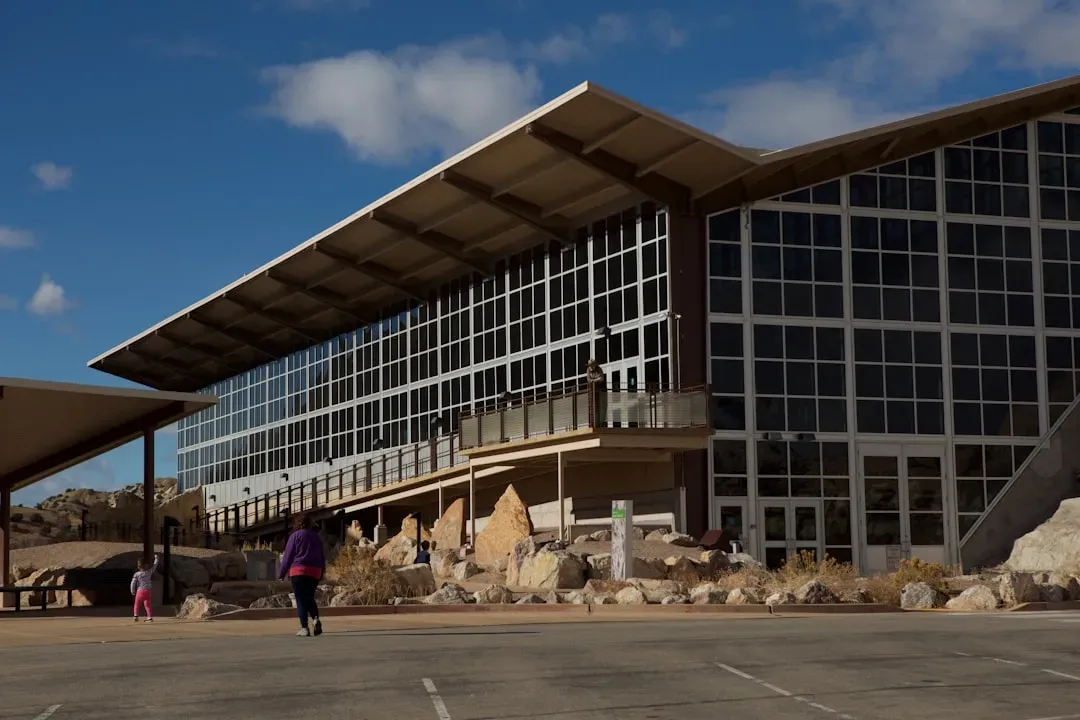
If you have ever wanted to look a 150-million-year-old dinosaur bone directly in the eye, this is your place. You can see over 1,500 dinosaur fossils exposed on the cliff face inside the Quarry Exhibit Hall. That is not a museum replica. Those are real bones, still locked in the rock where they were buried, waiting for you to come and stare.
The Quarry Exhibit Hall offers a unique opportunity to see and even touch over 1,500 dinosaur fossils embedded in a cliff face, and the world-famous Carnegie Dinosaur Quarry allows you to connect directly with the remains of creatures that roamed the earth millions of years ago. You can view one of the few baby Stegosaurus fossils ever found, alongside an Allosaurus, Apatosaurus, Camarasaurus, and Diplodocus, with the 80-foot long “Wall of Bones” revealing stories of animals that lived during the late Jurassic period. I think this site alone is worth a cross-country trip.
2. La Brea Tar Pits, Los Angeles, California
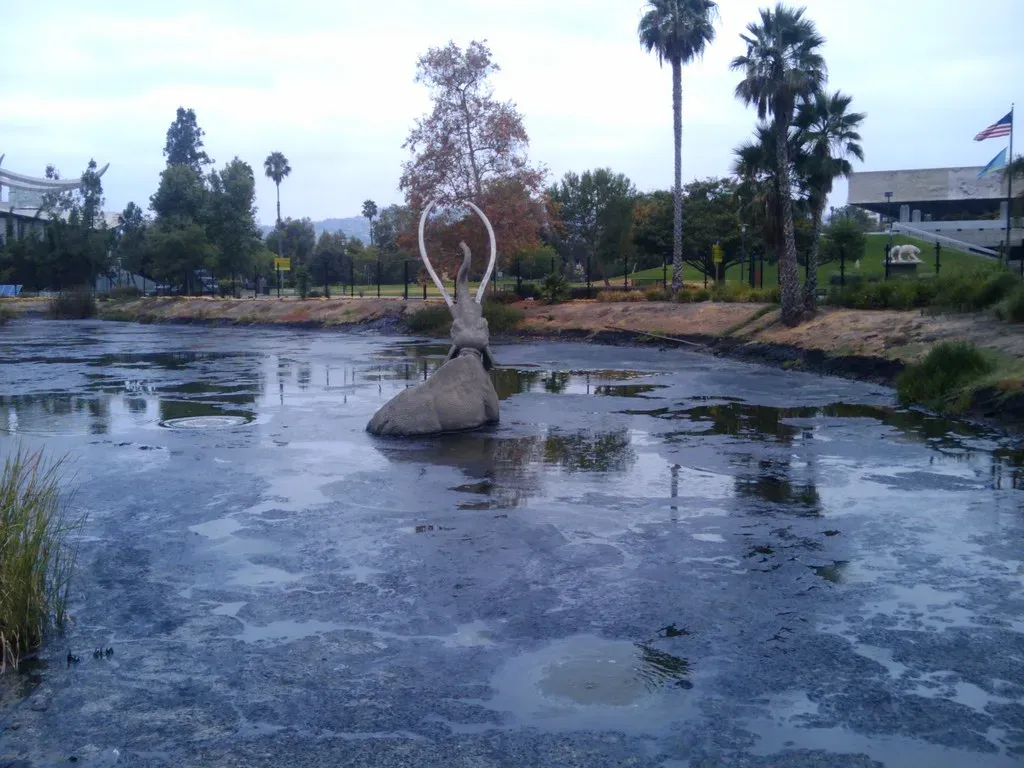
Here is the thing – most famous fossil sites are hours from civilization. The La Brea Tar Pits are smack in the middle of one of the most densely populated cities on the planet. You can visit the only Ice Age fossil site in the world that’s being actively excavated in the middle of a city, and today, this area is the only actively excavated Ice Age fossil site found in an urban location in the world. Let that sink in for a moment.
The La Brea tar pits contain one of the richest, best preserved, and best studied assemblages of Pleistocene vertebrates, including at least 59 species of mammal and over 135 species of bird, and the tar pit fossils bear witness to life in southern California from 40,000 to 8,000 years ago, covering over 660 species of organisms in all. Since research began in 1913, the Tar Pits have yielded millions of samples, including saber-toothed cats, dire wolf and mastodon skeletons, innumerable plants, small rodents, and insects, and new discoveries are made daily in open-air excavations. Honestly, walking through Hancock Park knowing that mammoths and saber-toothed cats once roamed just beneath your feet is an experience that never gets old.
3. Badlands National Park, South Dakota
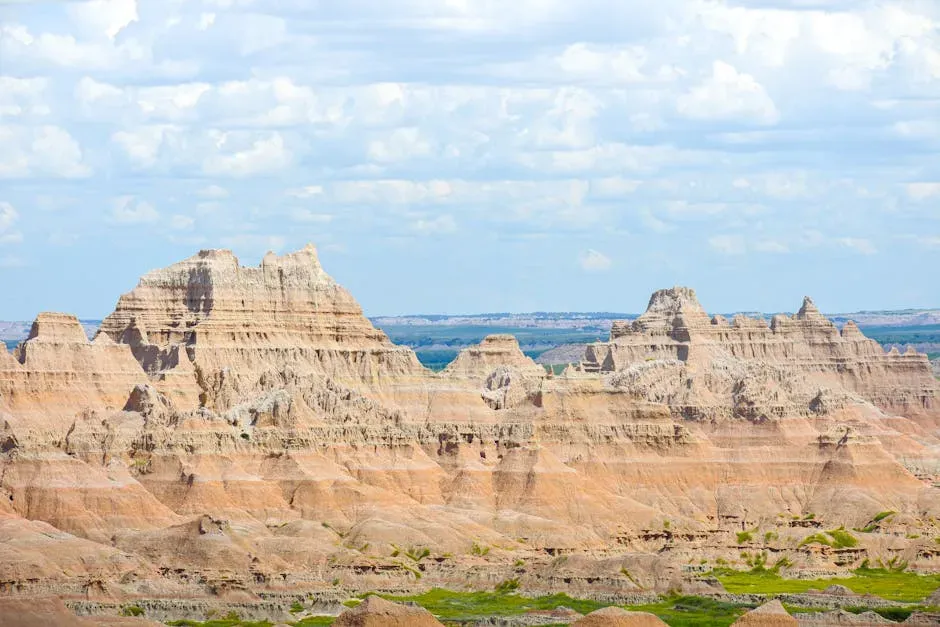
South Dakota’s Badlands are already one of the most visually dramatic landscapes in America. Jagged spires, rust-colored ridges, and sweeping plains that seem to go on forever. Badlands National Park is home to one of the world’s richest fossil mammal beds from the late Eocene and early Oligocene epochs, and since the mid-1800s, the fossils found in the Badlands of South Dakota have fascinated not only paleontologists but also countless members of the public.
Land-based and marine fossils have been found and studied in the White River Badlands since 1846 and are included in museum collections around the world, and a stop at the visitor center and the working paleontology lab to watch paleontologists at work and learn more about scientific discoveries are great places to launch your Badlands fossil discovery adventure. Hundreds of fossils are discovered each year by park visitors who are taught the importance of leaving fossils in place and reporting their discovery to a park ranger. You can actually be part of that citizen science effort when you visit. That is pretty remarkable.
4. Florissant Fossil Beds National Monument, Colorado
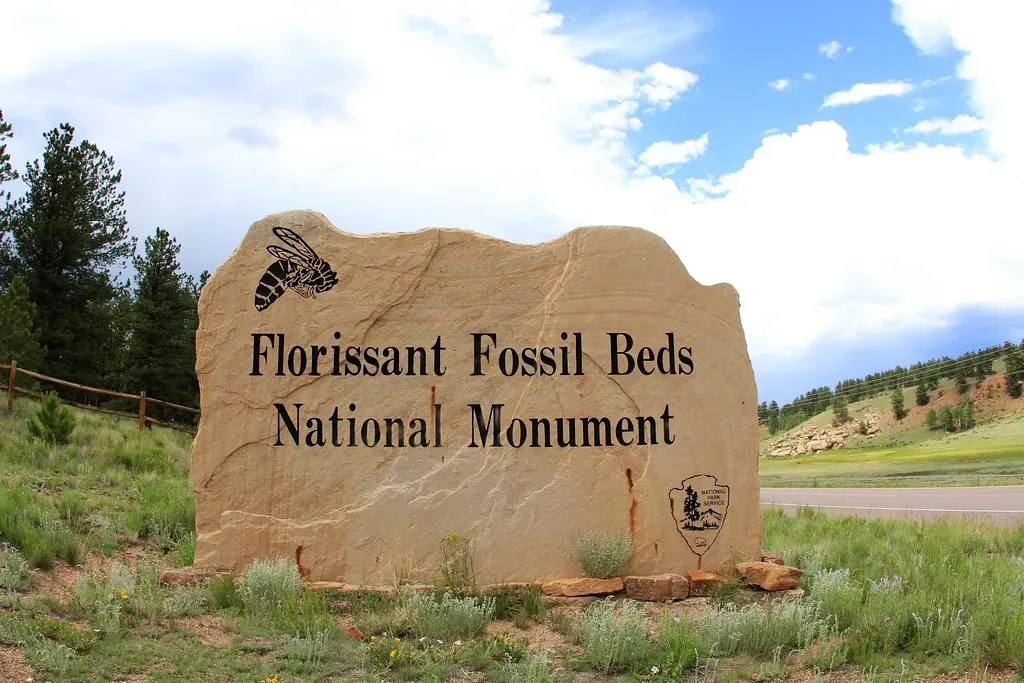
Tucked into a grassy mountain valley about an hour west of Colorado Springs, Florissant looks peaceful and unremarkable at first glance. Dig a little deeper and you will find something extraordinary. Beneath a grassy mountain valley in central Colorado lies one of the richest and most diverse fossil deposits in the world, with petrified redwood stumps up to 14 feet wide and thousands of detailed fossils of insects and plants revealing the story of a very different, prehistoric Colorado.
Florissant Fossil Beds National Monument features one of the richest and most diverse fossil deposits in the world, with up to 1,700 species, and sequoia tree fossils here are some of the largest diameter petrified trees in the world, massive among the insect and plant fossils in the monument. Since studies began in the 1800s at Florissant, scientists have discovered fossils of plants, insects and ancient tree stumps, and research projects are ongoing, so if you have ever wanted to visit a working fossil site, Florissant is about as close as you can get. The site even hosts thousands of students on educational field trips every single year.
5. John Day Fossil Beds National Monument, Oregon
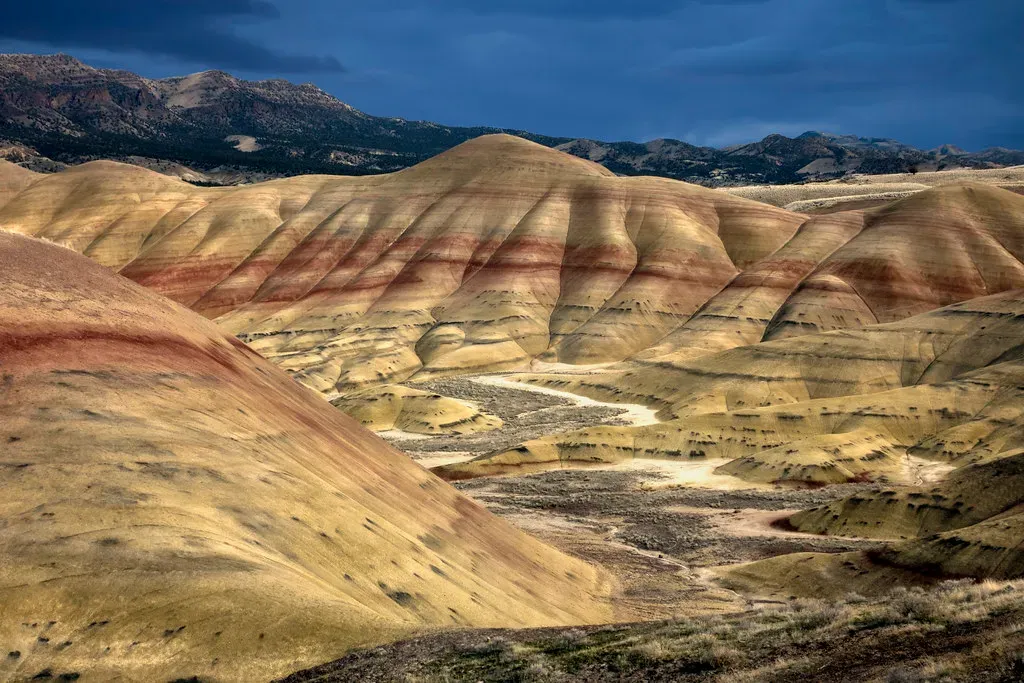
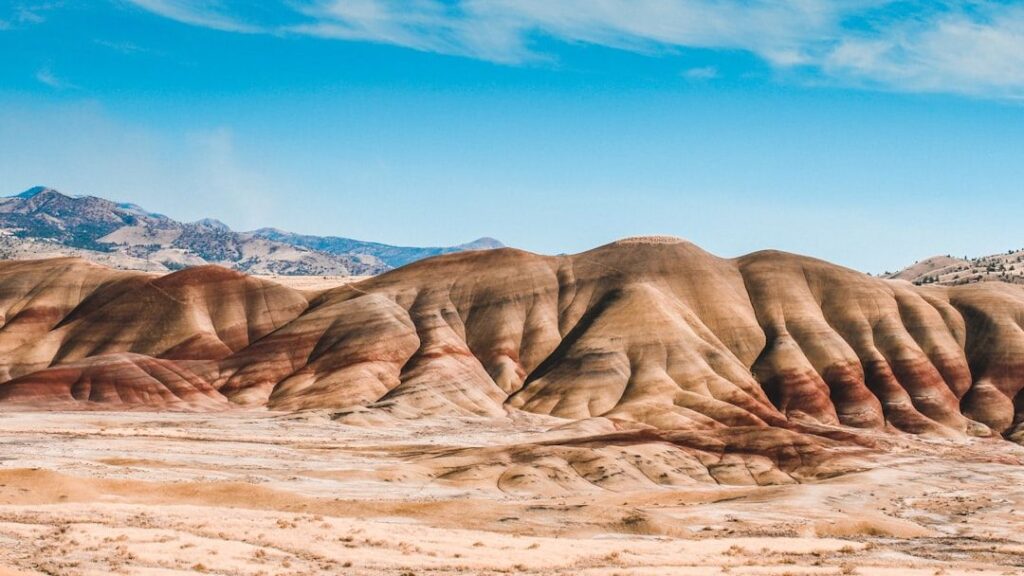
If someone told you that 35 million years ago there were hippos, saber-toothed tigers, and rhinoceroses roaming eastern Oregon, you might raise an eyebrow. You would be completely right to. This area of Oregon is known for its incredibly preserved layers of fossil plants and mammals that lived in the region from about 45 million years ago to about 5 million years ago, and more than 100 species of mammals have been identified in the fossil beds here, from saber-toothed tigers to salamanders.
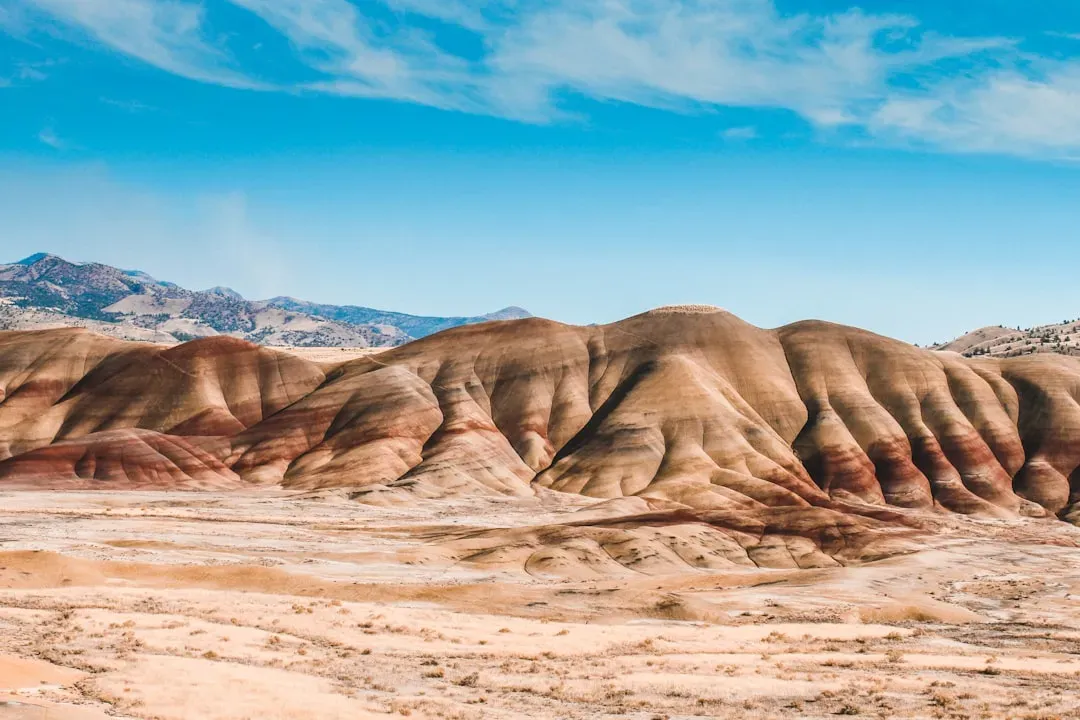
The fossils at John Day span 40 million years and offer one of the richest evolutionary records of the Cenozoic Era, including prehistoric alligators, bears, dogs, pigs, horses, cougars and even hippopotamuses. The monument consists of three geographically separate units – Sheep Rock, Painted Hills, and Clarno – and despite all being part of the same monument, there is a fair amount of semi-desert ranchland separating them, making visiting them all in one day quite tricky. Plan at least two days if you can. You will not regret it.
6. Hagerman Fossil Beds National Monument, Idaho
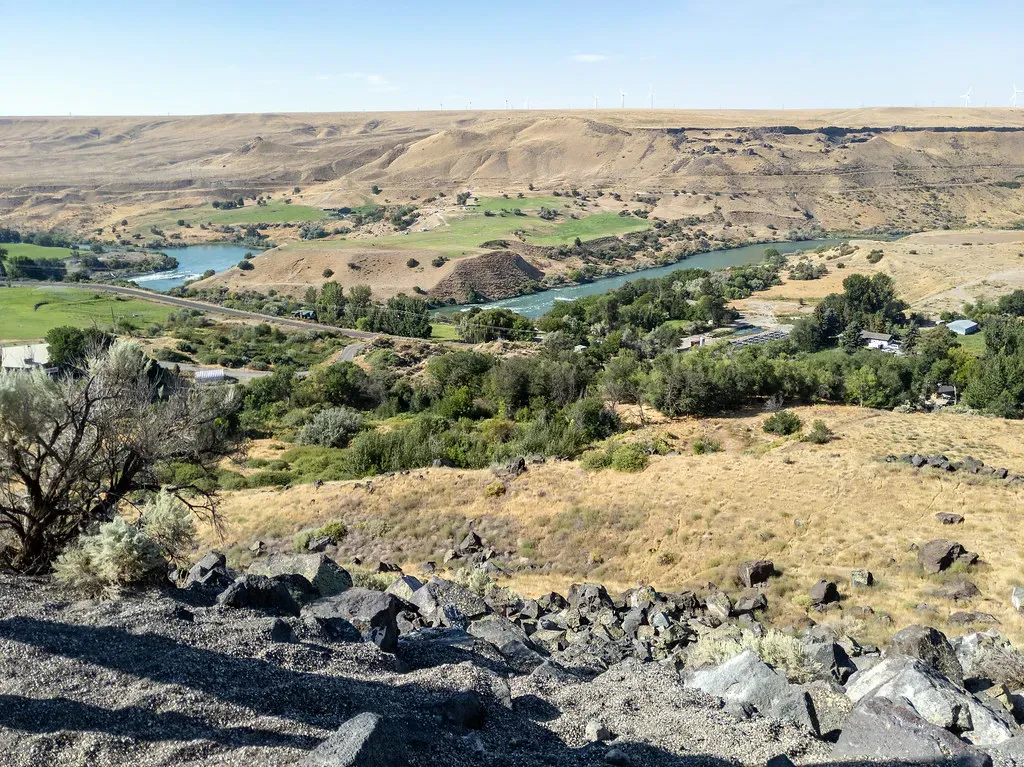
It’s hard to say for sure which fossil site in America is the most underrated, but Hagerman, Idaho, has a strong claim to that title. Hagerman Fossil Beds National Monument features the world’s richest known deposit of the Hagerman Horse, Equus simplicidens, thought to be the link between prehistoric and modern horses, and paleontologists consider Hagerman one of the most important sites in the world for the fossil history of horses. Think about that – you are visiting ground zero for understanding how the modern horse came to be.
Hagerman Fossil Beds National Monument in Idaho is one of the most important sites in the world regarding the fossil history of the horse, and the site includes 30 complete horse fossils and portions of 200 individual horses. A rich source of small fossils covering plants, insects, small mammals, and perhaps Hagerman horses can also be found here. The visitor center sits conveniently near downtown Hagerman, making this an accessible stop on any Pacific Northwest road trip. Do not skip it thinking it is too remote. The fossils here changed how scientists understand mammal evolution.
7. Ashfall Fossil Beds State Historical Park, Nebraska
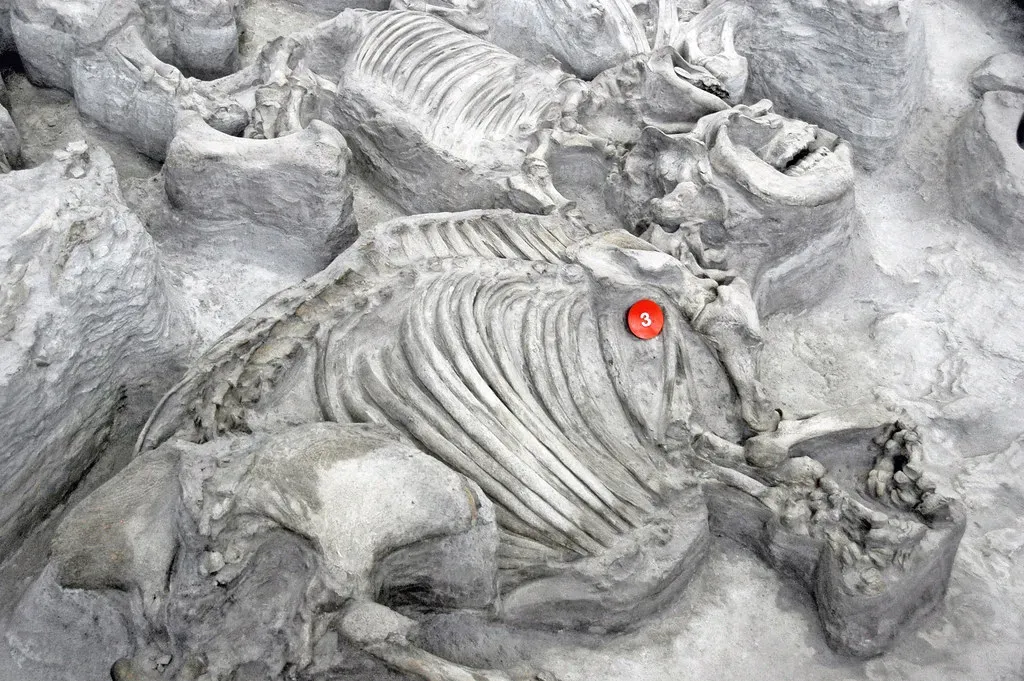
Nebraska might not be the first state that comes to mind when you think about prehistoric wonders, but this site will genuinely surprise you. The Ashfall Fossil Beds were created when volcanic activity about 12 million years ago sent a massive blast of ash across the landscape, and the ash clouds suffocated all life that existed and frequented a life-sustaining watering hole. It is essentially a prehistoric Pompeii, preserved in volcanic ash.
Today you can get an up-close view of the prehistoric graveyard by visiting the Nebraska University State Museum at the Ashfall Beds, an active research site, and you can visit the Rhino Barn, an active dig site where you can see well-preserved remains of ancient rhinoceroses, three-toed horses, and other fascinating extinct animals. The fact that you can watch scientists actively working at this site while you visit is something most fossil parks simply cannot offer. It feels less like a museum and more like stepping into a living laboratory.
8. Petrified Forest National Park, Arizona
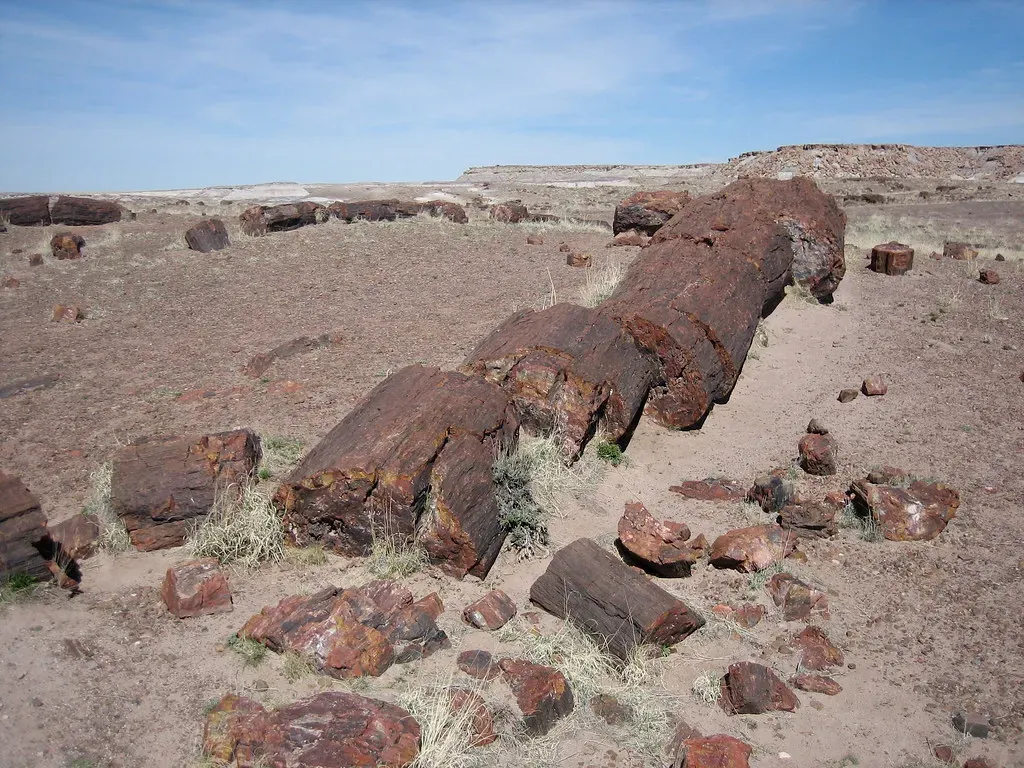
Let’s be real – most people visit the Petrified Forest expecting to see a few colorful rocks. What you actually encounter is something on a completely different level. This park preserves one of the most stunning concentrations of petrified wood in the world, with ancient logs scattered across the landscape like a giant’s discarded lumber yard. The Colorado Plateau, one of the last regions in the United States to be thoroughly mapped, is also a treasure trove of Mesozoic fossils.
The park’s fossil record stretches back over 225 million years into the Triassic period, making it one of the oldest accessible fossil landscapes in the country. Much of the nation’s fossil heritage is preserved and protected within the National Park System, and the fossils may be a shell of a marine organism in a block of building stone in a historic building, a giant petrified log next to a trail, or the skeletal mount of a prehistoric reptile in a visitor center. At Petrified Forest, you will find all of the above and more, spread across a starkly beautiful desert landscape that genuinely feels like another world.
9. Guadalupe Mountains National Park, Texas
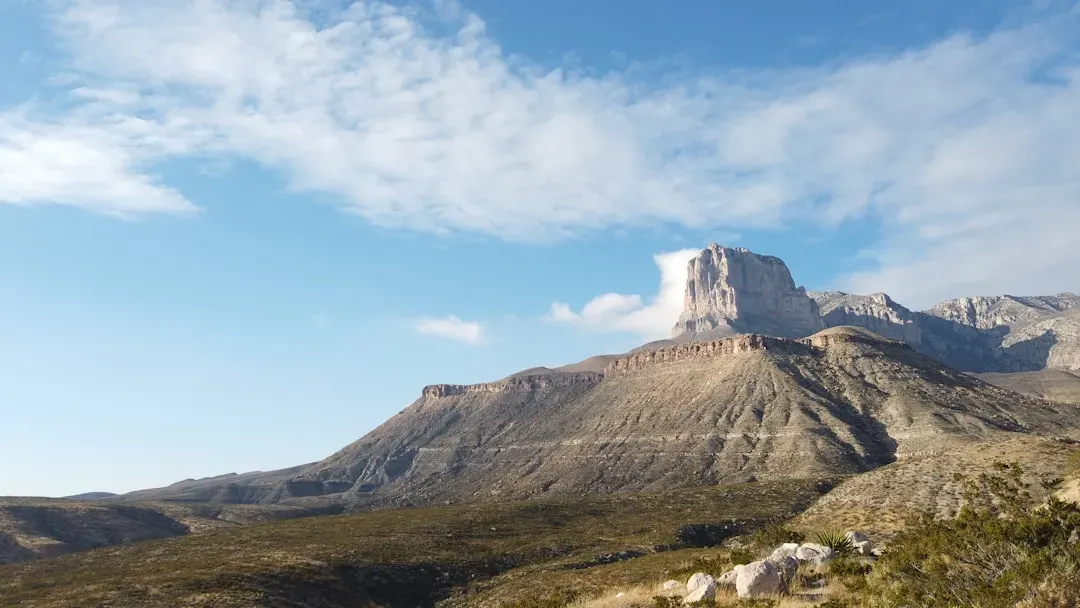
You would never guess that standing in the middle of a rugged West Texas mountain range, you are actually walking through the skeleton of an ancient ocean reef. The American Southwest is known for its arid climate, yet this park site showcases remnants from an underwater world that existed 265 million years ago when this part of West Texas was covered by a tropical inland sea 400 miles long. That is a mind-bending shift in perspective.
Today, this area, known as the Permian Reef, is one of the best-preserved fossil reefs on Earth, with numerous tiny marine creatures embedded in the park’s rock, and the predominant organisms in this reef were sponges, although algae, corals, oysters, sea urchins, snails, and trilobites all lived in this sea over the course of millions of years. You can see examples of these fossils throughout the park, with the 8.4-mile Permian Reef Trail in McKittrick Canyon offering interpretive signs highlighting various aspects of this ancient sea and its diverse lifeforms. The hiking is spectacular and the fossil scenery is like nowhere else on Earth.
10. Agate Fossil Beds National Monument, Nebraska
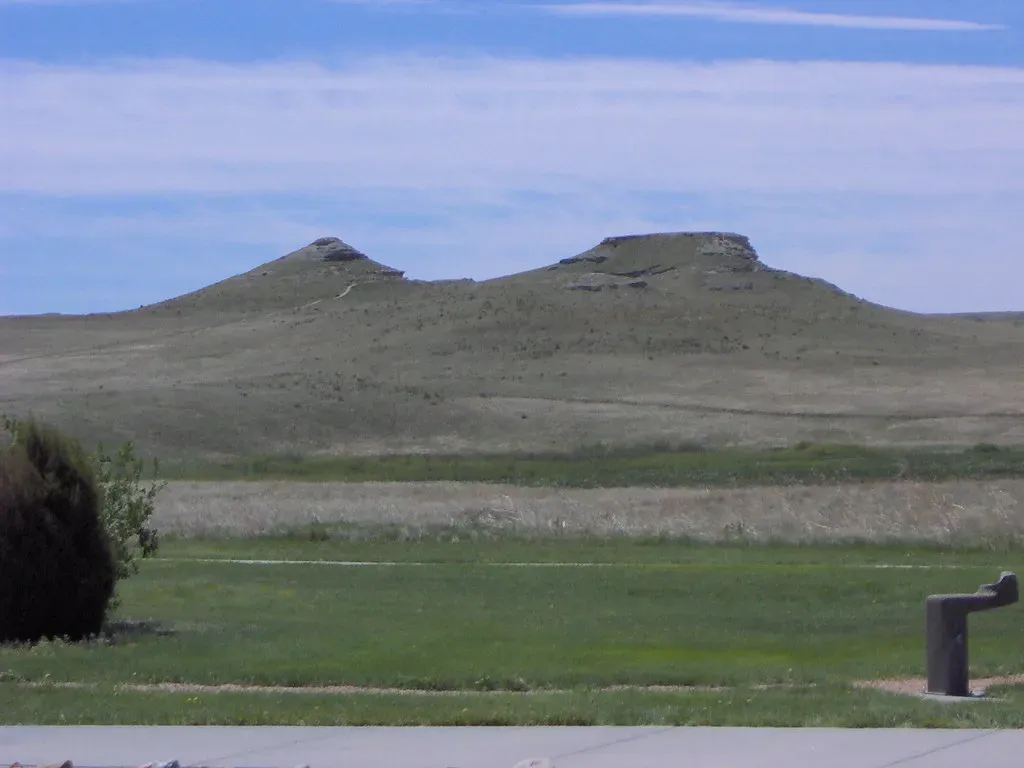
Nebraska shows up twice on this list, and it absolutely deserves to. Agate Fossil Beds National Monument is another site of some of the best preserved mammal bone fossils in the world, and the mammal fossils found here are from the Miocene Epoch, around 19 to 21 million years ago, and are the remains of animals that replaced the dinosaurs. Think of it as an entirely different chapter of Earth’s story, one that rarely gets the spotlight it deserves.
Agate Fossil Beds National Monument near Harrison in Nebraska is the site of the remains of many Miocene mammals, many of which were largely unknown before this site was explored, with two main dig sites at University Hills and Carnegie Hills that yielded fossils of ancient horses, Diceratherium, Menoceras, Daphoenodon, Promerycochoerus, and many more creatures, and each find gave us much more understanding of the period between dinosaurs and modern day, filling in many gaps of our knowledge. You can hike the 2.7-mile Fossil Hills or the one-mile Daemonelix Trail to explore the area’s fossils and history. It is genuinely one of the most scientifically significant sites on this list, and yet it remains blissfully uncrowded.
Plan Your Journey Through Deep Time
What strikes you most when visiting these sites is not the age of the fossils. It is the intimacy of the encounter. You are not reading about prehistoric life in a textbook. You are standing in it, breathing the same air that once swept over creatures long since turned to stone.
Although some of the best-known paleontological sites are in the Northern Rockies and the Southwest, more than 260 national park sites preserve fossils from a wide variety of flora and fauna. That means no matter where you are in the country, ancient history is closer than you think. Before you visit any of these sites, remember that collecting fossils for recreational, commercial, or educational use is prohibited in all units of the National Park System. These treasures belong to everyone, forever.
The United States holds one of the greatest fossil records on the planet, and you do not need a PhD to experience it. You just need to show up. So which one of these incredible sites would you visit first? Drop your answer in the comments and let’s talk prehistoric travel.