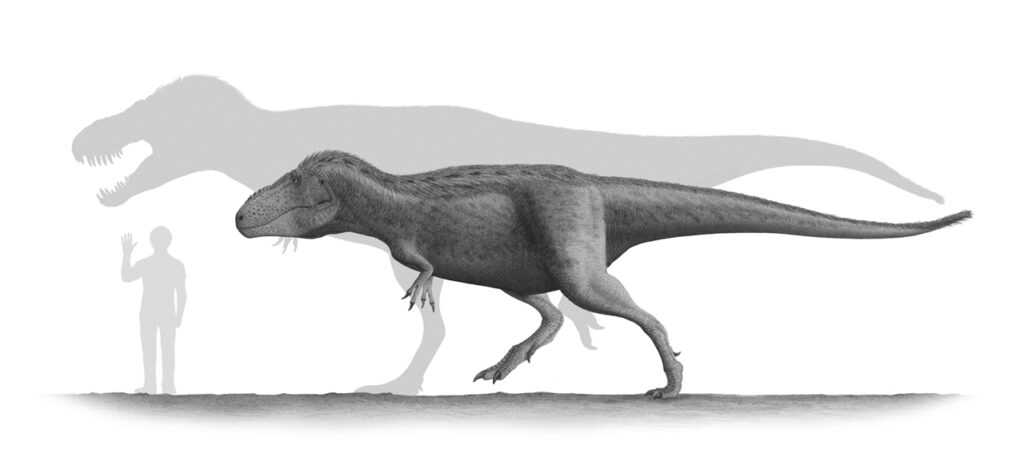
Mongolia’s Gobi Desert – Paleontologists first uncovered fossils of Tarbosaurus bataar in 1946 during a Soviet-Mongolian expedition. This tyrannosaurid theropod dominated the Late Cretaceous landscape around 70 million years ago, ruling over floodplains and river channels in what is now Central Asia. Closely related to Tyrannosaurus rex, Tarbosaurus shared its cousin’s fearsome reputation as an apex predator, though distinct traits marked its adaptation to Asian ecosystems.
A Discovery That Rewrote Asian Prehistory
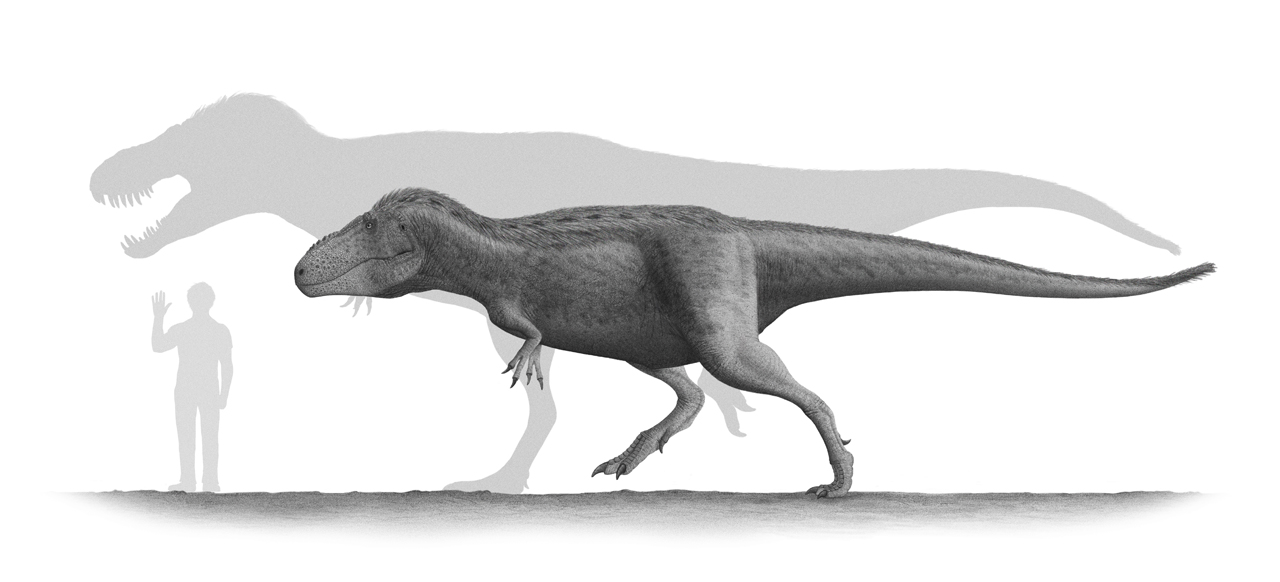
A Discovery That Rewrote Asian Prehistory (Image Credits: Upload.wikimedia.org)
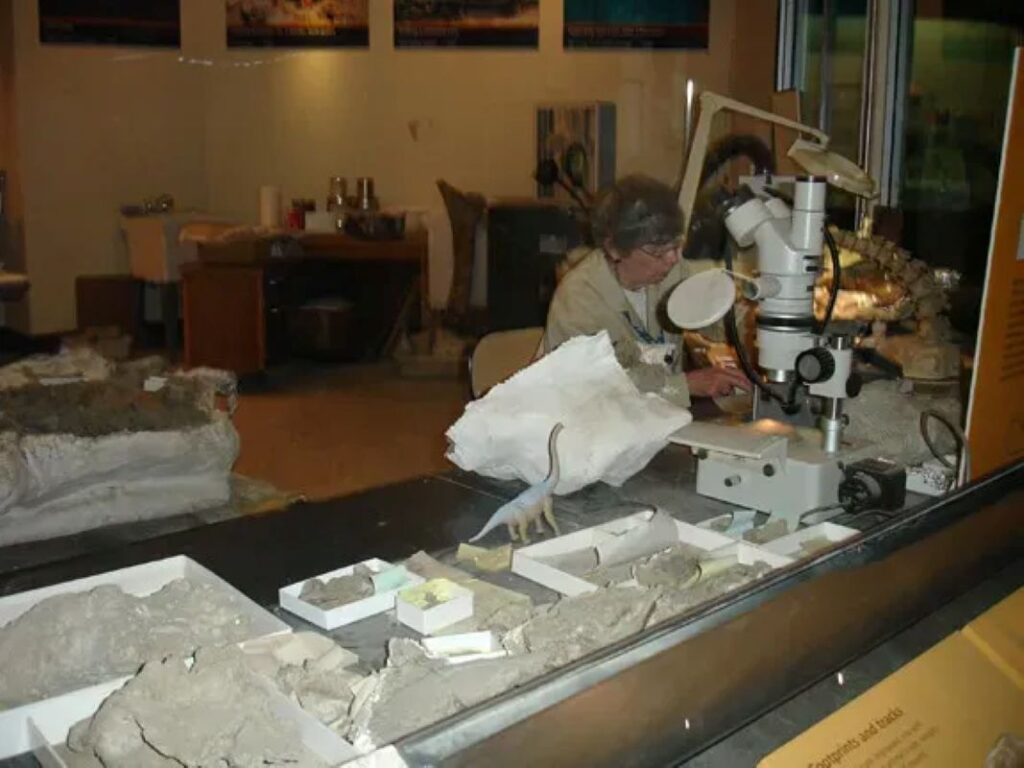
Expeditions into the Nemegt Formation yielded the holotype specimen PIN 551-1, consisting of a skull and vertebrae that revealed a new giant predator. Subsequent digs by Polish-Mongolian teams in the 1960s and Japanese-Mongolian efforts in the 1990s added over 30 specimens, including nearly complete skeletons and juveniles like MPC-D 107/7, a two-to-three-year-old found in 2006. One standout find, ZPAL MgD-I/3, preserved a nearly full skeleton in a classic death pose.
Fragmentary remains appeared farther afield in China’s Subashi and Bayan Mandahu formations, as well as Russia and Kazakhstan, hinting at a broader range. Smuggling plagued early recoveries; specimens illegally exported from Mongolia surfaced in auctions, prompting high-profile returns, including a 70-million-year-old skeleton from France in 2025. These events underscored the fossils’ value in understanding Late Cretaceous diversity.
Formidable Anatomy Tailored for the Hunt
Tarbosaurus bataar measured up to 12 meters long and stood three meters tall at the hips, with estimates placing adults at four to five metric tons. Its skull reached 1.35 meters, featuring large fenestrae for lightness and muscle power, armed with 58 to 64 serrated teeth up to 85 millimeters long. A unique jaw-locking ridge on the angular bone secured bites on struggling prey.
Powerful hind legs supported bipedal movement, while a heavy tail provided balance. Forelimbs, the smallest relative to body size among tyrannosaurids, ended in two clawed fingers – possibly aiding in rising from a prone position. Non-overlapping scales, about 2.4 millimeters in diameter, covered parts of the body, as seen in rare skin impressions from Bugiin Tsav.
- Length: 10-12 meters
- Height at hips: 3 meters
- Weight: Up to 5 tons
- Skull length: 1.3-1.35 meters
- Teeth count: 58-64
- Brain volume: Around 184 cubic centimeters
Twins Across Continents: Links to Tyrannosaurus rex
Both dinosaurs belonged to the Tyrannosaurinae subfamily, evolving massive builds, deep skulls, and bone-crushing jaws. Tarbosaurus mirrored T. rex in predatory prowess, but debates persisted over whether it warranted its own genus or fell under Tyrannosaurus – originally described as Tyrannosaurus bataar. “Tarbosaurus bataar is in a sense the Asian version of the Tyrannosaurus rex, they are close cousins,” anatomist Lawrence Witmer noted.
Subtle distinctions emerged upon close study. Tarbosaurus boasted a narrower rear skull, less expanded than T. rex’s flared design, and a domed nasal bone. Its arms appeared proportionally tinier, and it packed more teeth in a slenderer jaw.
| Feature | Tarbosaurus bataar | Tyrannosaurus rex |
|---|---|---|
| Length | Up to 12 m | Up to 14 m |
| Arm Size | Smaller proportionally | Larger proportionally |
| Skull Shape | Narrower, more teeth | Wider, flared rear |
| Weight | 4-5 tons | Up to 9 tons |
Dominating the Nemegt Ecosystem
In the Maastrichtian stage of the Late Cretaceous, Tarbosaurus prowled humid floodplains dotted with conifer forests, ginkgos, and river channels. Bite marks on Saurolophus humeri and Deinocheirus gastralia confirmed attacks on hadrosaurs, ankylosaurs like Tarchia, and sauropods such as Nemegtosaurus. Stable isotope analysis pointed to primary predation on titanosaurs and hadrosaurs, supplemented by scavenging.
Juveniles, with agile builds and crepuscular habits inferred from eye rings, targeted smaller prey before growing into bone-crushers with 8,000-10,000 psi bites. Stress fractures in hand bones suggested close-quarters struggles. Footprints, 61 centimeters long with skin traces, revealed slide marks from charges.
Key Takeaways
- Tarbosaurus ruled Asia’s Late Cretaceous as a top predator with unique jaw mechanics.
- Its fossils illuminate tyrannosaur evolution across continents.
- Ongoing repatriations protect these treasures for science.
Tarbosaurus bataar stands as a testament to the tyrannosaurs’ global reach, bridging Asian and North American giants through shared ancestry and adaptations. Future digs may resolve lingering classification questions and reveal more about its world. What draws you to this prehistoric powerhouse? Tell us in the comments.