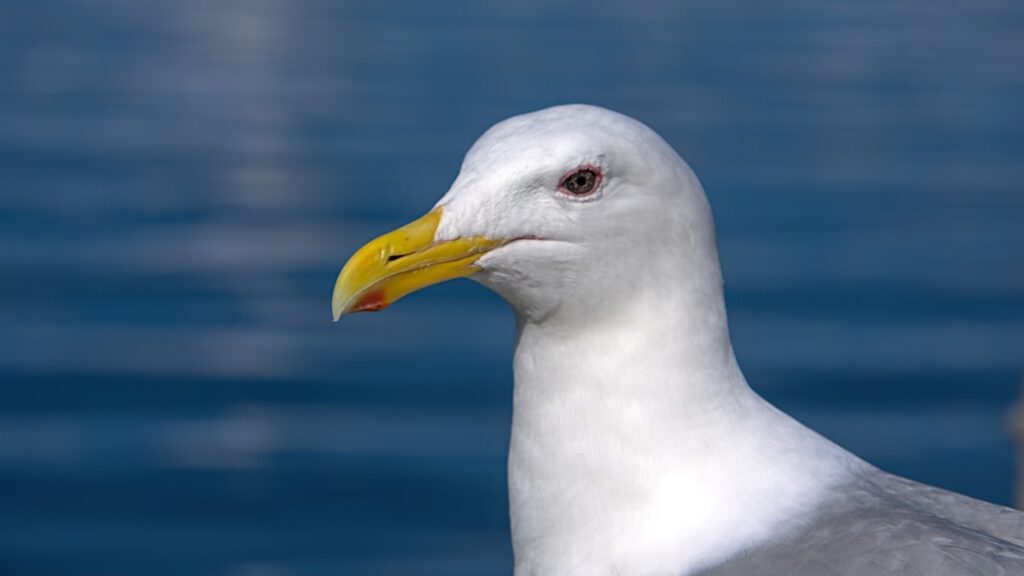
Urban expansion has drawn European herring gulls closer to human spaces, sparking frequent conflicts over food. These bold birds swoop in to snatch fries and snacks from beachgoers, prompting researchers to explore simple, non-lethal deterrents. A recent University of Exeter study examined whether artificial eyespots on takeaway containers could make gulls think twice before pecking.
Conducted along UK coastal towns, the experiments revealed promising yet nuanced results. High-contrast patterns slowed approaches and reduced pecking in a significant portion of tested gulls, offering potential for everyday use amid rising human-wildlife tensions.
Gulls Turn Urban Predators
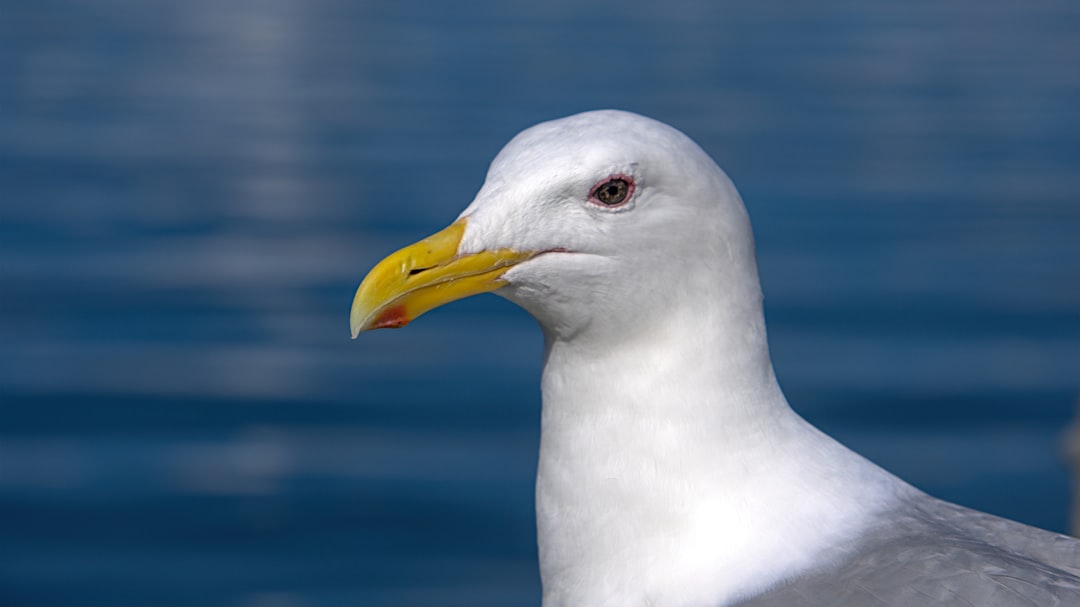
Gulls Turn Urban Predators (Image Credits: Unsplash)
European herring gulls have adapted swiftly to city life, thriving in coastal areas where people gather. They raid rubbish bins, nest on rooftops, and aggressively steal food, leading to complaints about noise, mess, and property damage. Such behaviors intensify during summer at popular spots, where unsuspecting picnickers become targets.
Traditional solutions like netting or culling prove costly or controversial. Scientists sought visual cues instead, drawing on animals’ innate aversion to eyes – patterns that mimic predators or watchful rivals. Prior work showed gulls avoid human stares, hinting that fake eyes might work on inanimate objects like food boxes.
- Food theft from hands or tables
- Fouling of buildings and vehicles
- Nesting in inaccessible urban spots
- Noise from territorial calls
Setting Up the Beachside Experiments
Researchers from the University of Exeter’s Centre for Ecology and Conservation targeted adult and immature herring gulls in Cornwall, Devon, and Dorset. Teams attracted birds with bread crumbs, then placed pairs of closed takeaway boxes – filled with rocks to simulate meals – two meters apart. One box stayed plain; the other bore eyespots on top.
Stimuli included “googly” plastic eyes with moving pupils or static high-contrast designs: black-centered white circles or squares. Observers sat five meters away in sunglasses, timing approaches (within three meters) and pecks over five to ten minutes. They tested 41 gulls head-to-head, 38 for habituation over three trials, and 46 for shape comparisons, ensuring minimal repeats by spacing sites.
Clear Deterrence in the Data
Results showed stark differences. Of 32 gulls that pecked at least one box, 78 percent went for the plain version first, while only 22 percent touched the eyed one – a statistically significant gap. Peck latency averaged 34 seconds for eyed boxes versus 15 seconds for plain.
Over repeated trials, about half the gulls shunned eyed boxes consistently, with no signs of habituation. The other half ignored the patterns entirely. Shape made little difference: circles and squares yielded similar peck rates and times.
| Stimulus Type | Peck Rate (%) | Avg. Peck Latency (s) |
|---|---|---|
| Plain Boxes | 78 | 15 |
| Eyed Boxes | 22 | 34 |
| Circles (High Contrast) | 36 | Similar to squares |
| Squares (High Contrast) | 64 | Similar to circles |
Contrast Trumps the Illusion of Being Watched
Why the split? Lead author Laura A. Kelley and colleagues proposed that bold black-and-white contrasts – not the “watching” effect – drove avoidance. Gulls sensitive to such patterns backed off initially and stayed wary across trials. Insensitive ones treated boxes alike.
“Our results suggest that high contrast stimuli can deter gulls, although responses appear to be highly individually specific,” the team noted. Adults pecked faster overall than immatures, but patterns held across ages. This variability underscores no magic bullet, yet eyed packaging could slash thefts by half in gull-heavy areas.
Combined with other tools like lids or relocation, eyespots offer a cheap, eco-friendly option. Future tests might explore long-term effects or multi-stimuli combos.
While fake eyes won’t stop every gull raid, they highlight how subtle designs exploit wildlife instincts amid urban growth. This approach could ease tensions without harm, preserving gulls’ role in ecosystems.
- 78% of gulls preferred plain boxes over eyed ones in first encounters.
- Half avoided eyespots across multiple trials, showing no habituation.
- High contrast, not shape, likely powers the deterrence.
What do you think – would you slap googly eyes on your beach lunch? Tell us in the comments.