Pagham Harbour – Lighter easterly winds and mild afternoon temperatures around 18°C greeted birdwatchers on April 8, creating ideal conditions for new arrivals. Observers noted a significant influx of summer migrants along the Sussex coast, while wintering waterbirds continued their departure. These changes highlighted the dynamic transition in local wildlife, tracked closely through community efforts on platforms like eBird.
Massive Wave of Passerines Signals Arrival of Summer
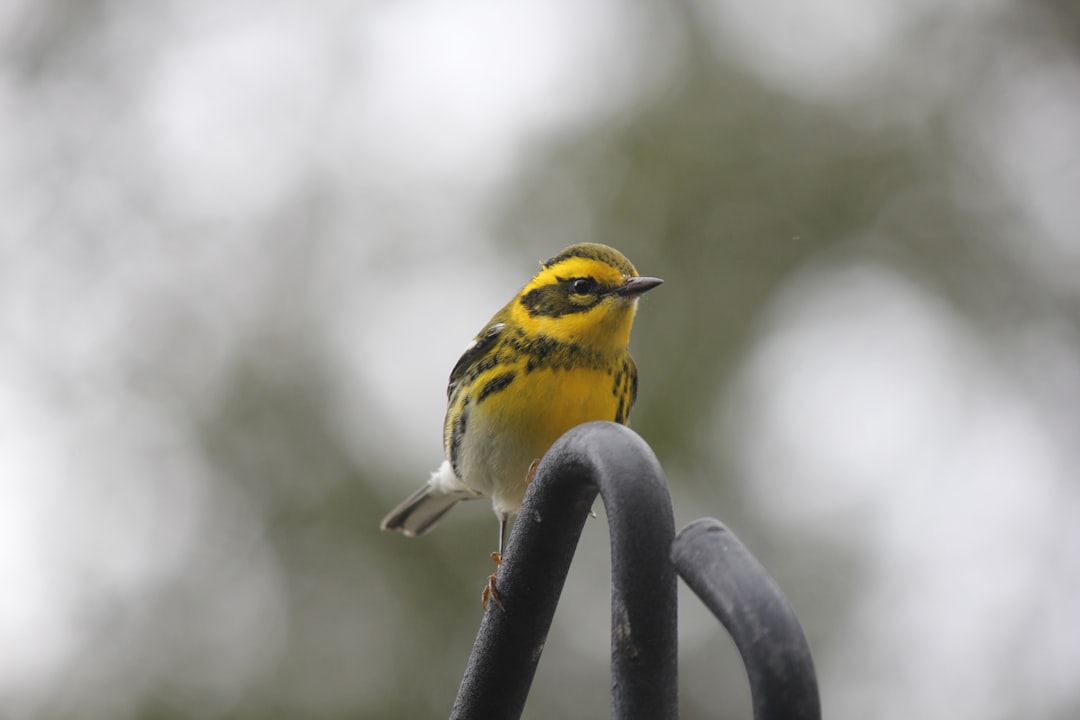
Massive Wave of Passerines Signals Arrival of Summer (Image Credits: Unsplash)
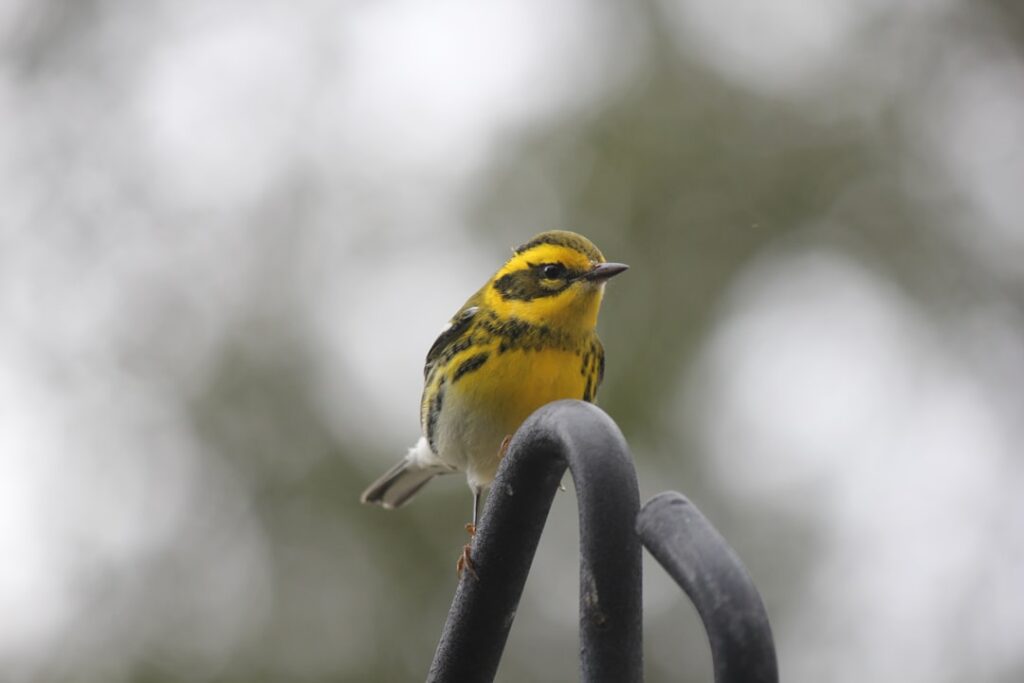
A striking surge of migrants dominated sightings during an early morning walk from Halseys to Pagham Spit and back through Honer fields. Birders tallied 81 species from over 1,000 individuals, with standout numbers including 21 chiffchaffs, 10 sedge warblers, and four reed warblers. A male wheatear appeared, possibly a northern form distinguished by its peachy underparts, alongside three whitethroats, two willow warblers, two barn swallows, and meadow pipits overhead.
Elsewhere on the peninsula, reports confirmed little terns, a lesser whitethroat, house and sand martins, additional wheatears, and a barnacle goose moving east with lingering brent geese. A spotted redshank persisted in White’s Creek, distinct from one in Ferry Channel. These observations, detailed in an eBird checklist, underscored the harbor’s role as a key stopover.
Winter Waterfowl Populations Plummet
Harbor waterbirds had notably thinned since recent visits, dropping from roughly 2,000 to 1,000 individuals over the past weeks – far below peak winter counts of 13,000. Only four wigeon, 15 teal, and no pintail ducks remained, while brent geese dwindled to two birds. Shoveler numbers fell to about 15, mostly on Ferry, though shelduck held steady, including six near local residences.
Wader counts also declined sharply to 80 dunlin, 10 knot, 30 grey plover, and one lapwing. Three bar-tailed godwits stood out, featuring a male in summer plumage. Detailed records from the Pagham Harbour eBird hotspot captured these trends through bar charts, emphasizing the value of consolidated reporting for broader insights.
Breeding Colonies Show Early Promise
The tern and gull colony at Norton bustled with over 100 sandwich terns alongside black-headed and Mediterranean gulls. Nesting activity ramped up in Owl Copse, where little egrets, cattle egrets, and grey herons claimed sites. These developments pointed to a robust breeding season ahead in the protected local nature reserve.
Species diversity held firm at around 80, bolstered by incoming migrants, pushing one observer’s year list to 145. Peninsula-wide logs, available here, reinforced the area’s ecological vibrancy.
Moth Trap Yields Seasonal Bests
Mild night temperatures near 10°C produced the year’s most diverse moth catch, with 17 species totaling about 40 individuals. First migrants of the season, a pair of rusty-dot moths, joined residents like tawny pinion, pale pinion, nut-tree tussock, lunar marbled brown, pale prominent, powdered quaker, and chocolate-tip. The moth year list climbed to 37 species.
Distinctions such as the dark thorax on tawny pinion versus pale pinion highlighted identification challenges met with expert confirmation. This uptick mirrored broader spring awakenings across habitats.
Key Takeaways
- Migrant passerines like chiffchaffs and warblers arrived in force under favorable winds.
- Winter waterbirds halved in number, signaling seasonal turnover.
- Breeding colonies and moth diversity indicate a healthy ecosystem.
These observations from Pagham Harbour illustrate the precision of nature’s calendar, where migrant waves replace departing flocks and nocturnal insects stir. Citizen science tools like eBird provide invaluable data for conservation amid changing climates. What recent wildlife shifts have you noticed in your area? Share in the comments.