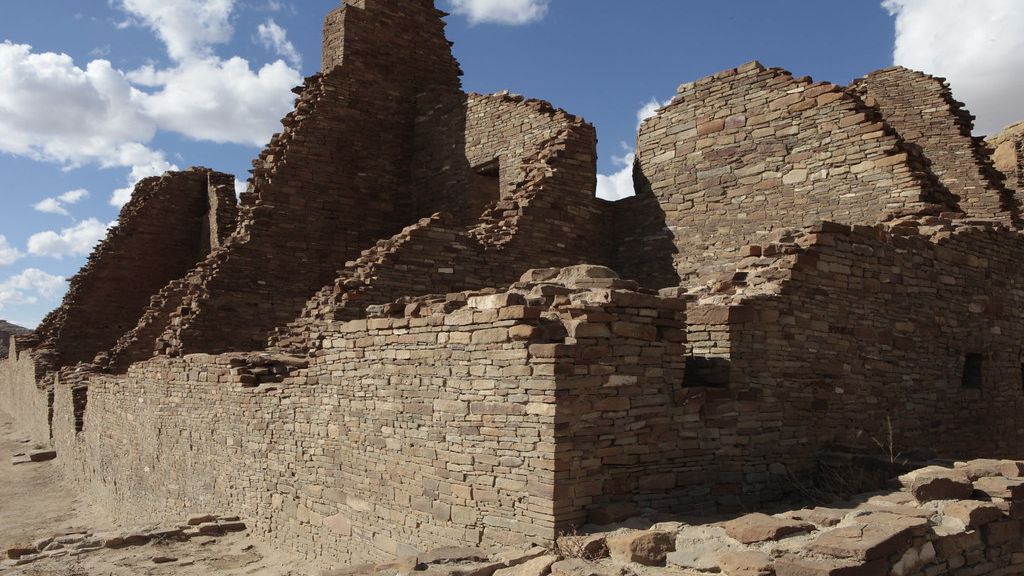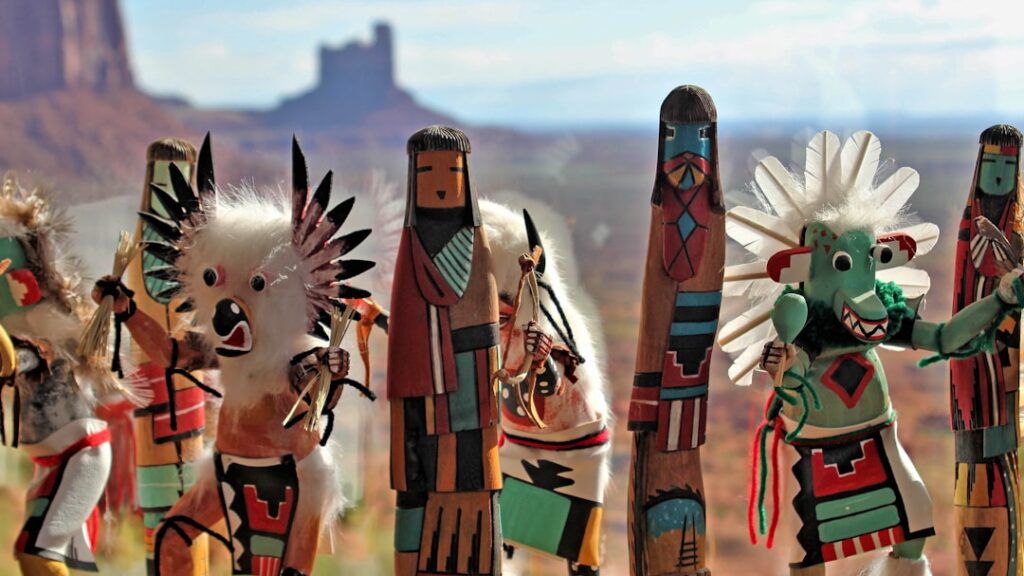
There’s a tendency to imagine ancient North America as an untamed wilderness, inhabited by small, nomadic groups who moved across the land without leaving much of a mark. The reality is far more complex. The cultures that thrived here for thousands of years before European contact developed an understanding of their world that was layered, precise, and generational in depth.
The sheer vastness of the North American continent, with its variety of climates, ecology, vegetation, and landforms, led ancient peoples to coalesce into many distinct linguistic and cultural groups, something reflected in the oral histories of Indigenous peoples described through a wide range of traditional creation stories. These weren’t just myths. They were, in many cases, living repositories of environmental knowledge accumulated across millennia.
Living on a Changing Landscape: Paleo-Indians and the Pleistocene World
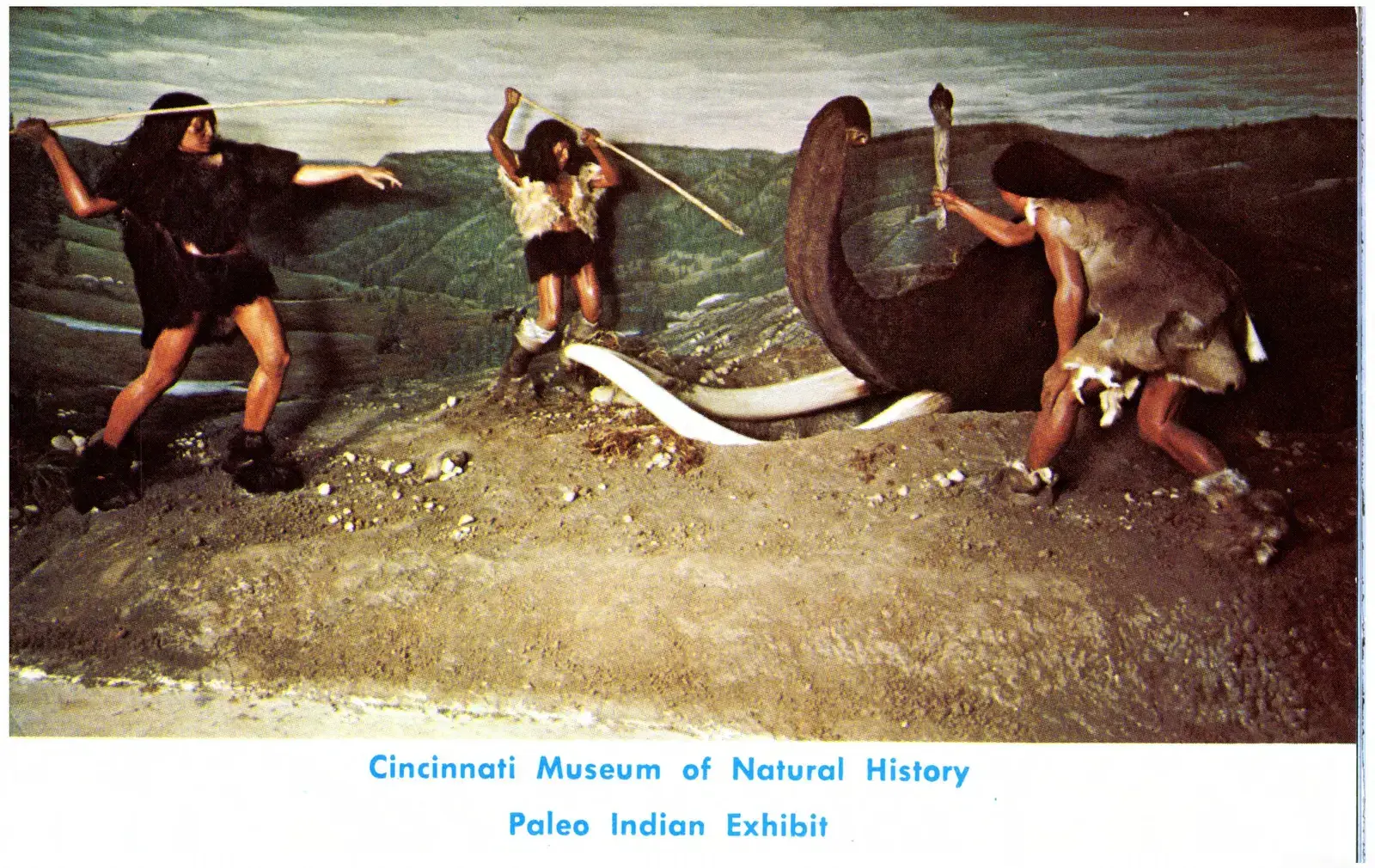
Record in source catalog
DPLA identifier: 261459b634270dcc3b4d0e7c8692018c
Columbus Metropolitan Library identifier: Cincinnati00258, No restrictions)
All the Paleo-Indian groups lived in a relatively dynamic landscape that they shared with Pleistocene flora and fauna, most notably with megafauna such as mammoths, mastodons, giant bison, giant ground sloths, sabre-toothed cats, and short-faced bears. This wasn’t a static environment. It was geologically active, climatically volatile, and biologically rich in ways that are difficult to fully appreciate today.
The North American climate was unstable as the Ice Age receded during the Lithic stage, finally stabilizing about ten thousand years ago when climatic conditions became very similar to today’s. The peoples who navigated that transition didn’t merely survive it. The unstable climate led to widespread migration, with early Paleo-Indians soon spreading throughout the Americas and diversifying into many hundreds of culturally distinct tribes, living as hunter-gatherers likely characterized by small, mobile bands of roughly twenty to fifty members of an extended family.
Oral Traditions as Environmental Memory
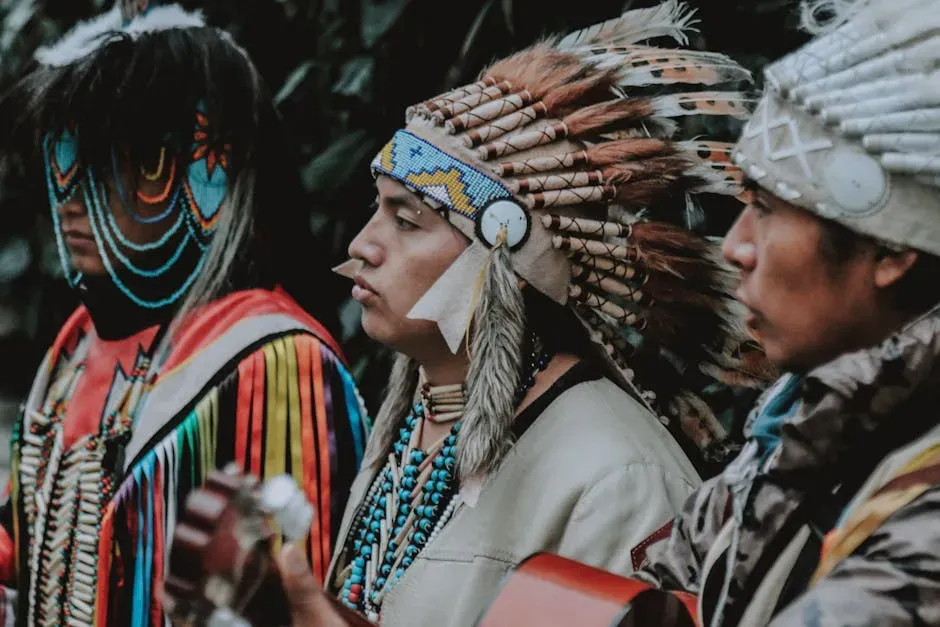
Although oral stories hold a wealth of knowledge about the land, long-standing divisions between Western scientific standards and Indigenous traditions isolated these stories from academia. However, research bridging glaciological studies in the Rocky Mountains with Blackfoot creation stories has shown that Indigenous traditions can greatly enrich understanding of North American paleolandscapes. This is a significant shift in how researchers approach Indigenous knowledge.
Anthropologists at the University of Arizona found striking parallels between Blackfoot creation stories and current scientific understanding of the Rocky Mountains’ glacial history and the settling of North America during the Last Glacial Maximum, when much of the planet was still covered in ice. A story, told by a revered elder, is not just a story as a Western audience might think of it, but an object that carries history, physical rituals, names, and language. This method of storytelling is an integrated wealth of information that draws from years of coexisting with the landscape a tribe inhabits.
Memories of Megafauna: When Legends Echo Extinct Animals
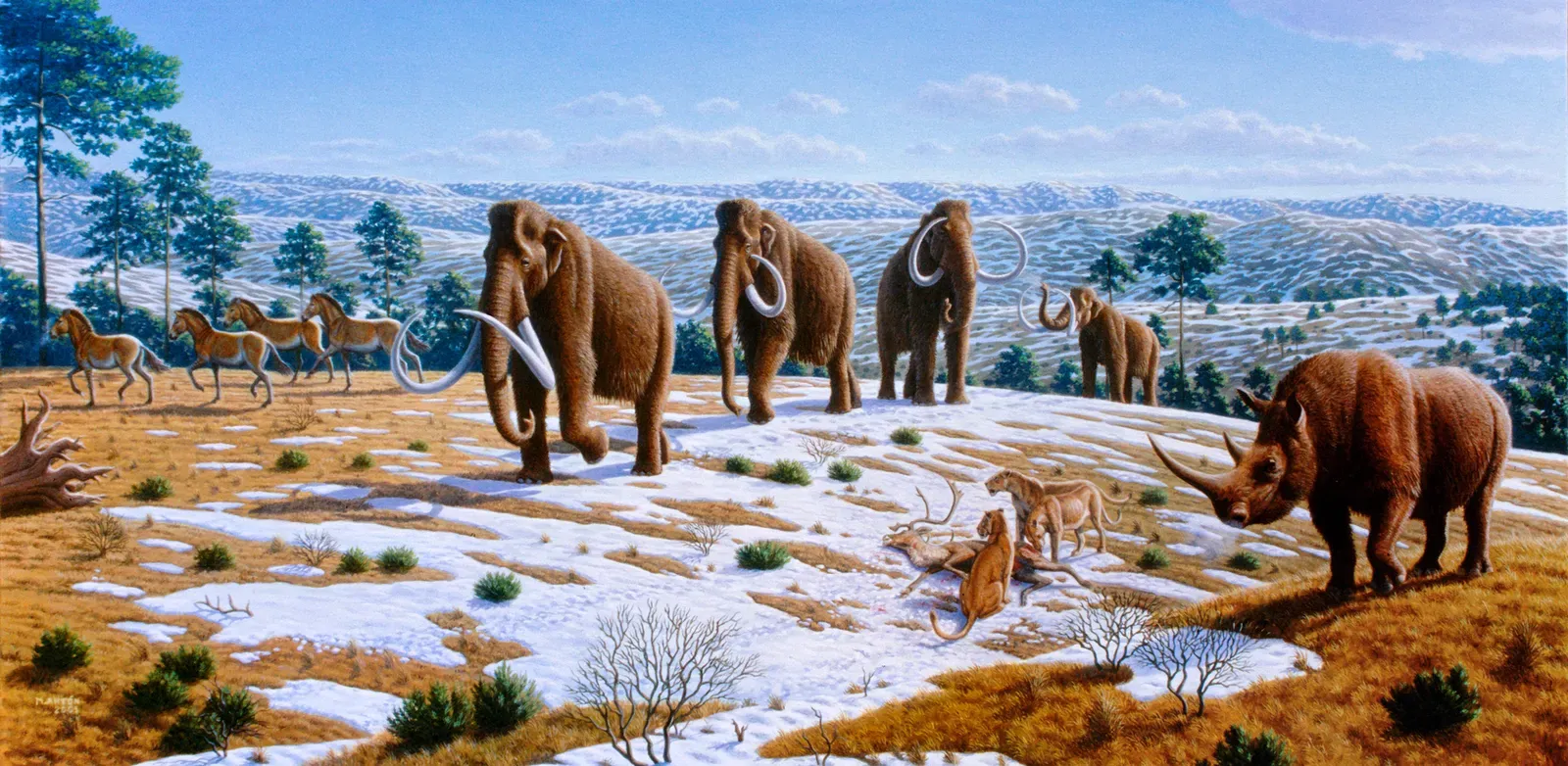
Legends from dozens of Native American tribes have been interpreted by some as indicative of woolly mammoths. These stories aren’t uniform or simple. Some describe enormous tusked, hairy creatures seen only rarely, generations past. Others have blended over time, mixing memory of megafauna with other formidable animals, which itself tells you something about how knowledge transforms across centuries.
The Haudenosaunee people have always told stories about their first ancestors moving into the Red Hill Valley region when the area was a subarctic spruce forest, like the forests just below the Arctic circle of today. Those ancestors were following the melting glaciers and the megafauna, giant mammals like mammoths, that no longer exist in that part of the world. As examples of chronologically lengthy prehistoric memory develop, including myths and traditions related to Pleistocene mammals, archaeologists must be prepared to incorporate this information into research designs and interpretations.
Reading the Land: Landscape as a Living Archive
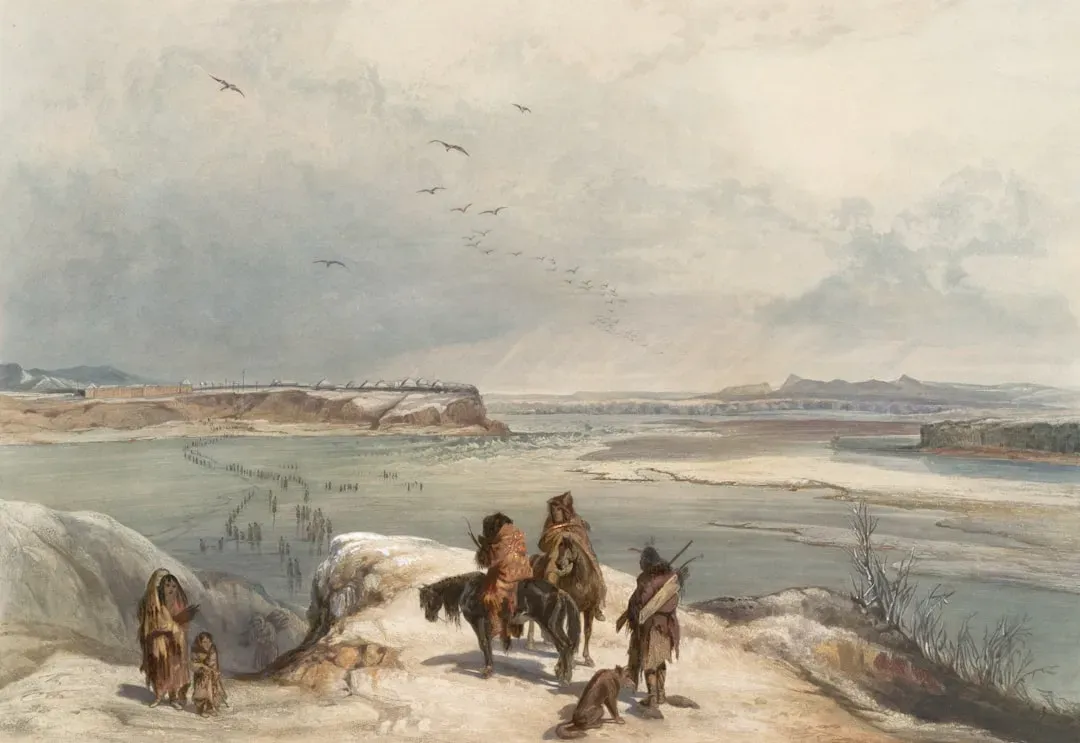
An important element in Aboriginal oral histories is the role the landscape plays in connecting oral histories to lived experiences. As an individual moves through and experiences the landscape, oral traditions inform responses to it. The terrain itself, its rivers, ridgelines, and geological formations, served as a kind of external memory for many Indigenous cultures. Certain locations carried stories the way a library carries books.
Oral traditions create a space for interacting with the environment, and for many First Nations people, the landscape that holds these stories becomes an aid to learning their histories and a guide in decision making and problem solving. These interactions hint that Indigenous archaeologies and other forms of landscape knowledge are crucial to how oral traditions are sustained and maintained across generations. The land and the story, in these cultures, were inseparable.
Ancient Fire Management: Engineering the Landscape with Purpose
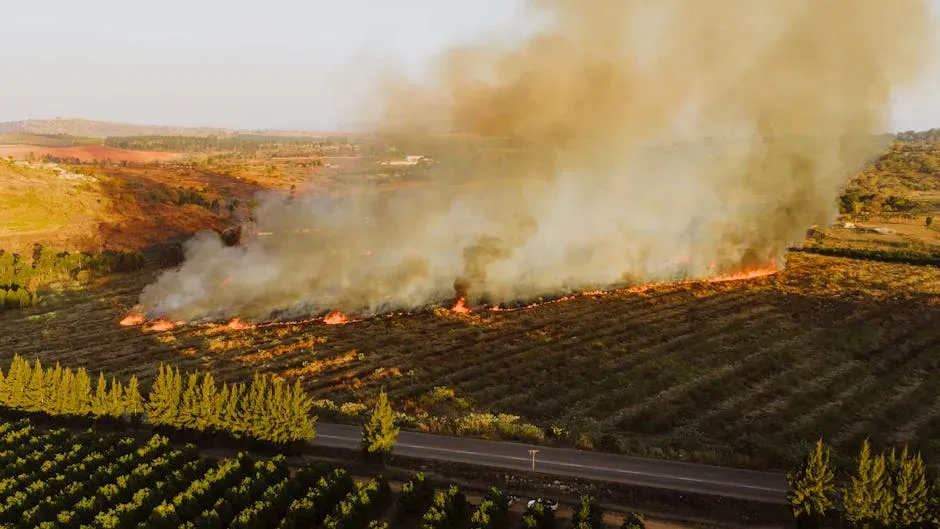
For many millennia, fire was integral to many Indigenous peoples’ way of life. Native Americans, Alaska Natives, and Native Hawaiians used fire to clear areas for crops and travel, to manage the land for specific species of both plants and animals, to hunt game, and for many other important uses. Fire was a tool that promoted ecological diversity and reduced the risk of catastrophic wildfires.
Research shows that ancestors of Native Americans from Jemez Pueblo used ecologically savvy intensive burning and wood collection to make their ancient settlement resistant to climate variability and extreme fire behavior. Much of the plains and savannahs of North America were shaped by annual Indigenous burnings over roughly five thousand years, with such burning activities increasing the range and numbers of animals such as deer and bison. This wasn’t accidental. It reflects a systematic, long-range understanding of how fire and habitat interact.
Stone Tools and Deep Geographic Knowledge
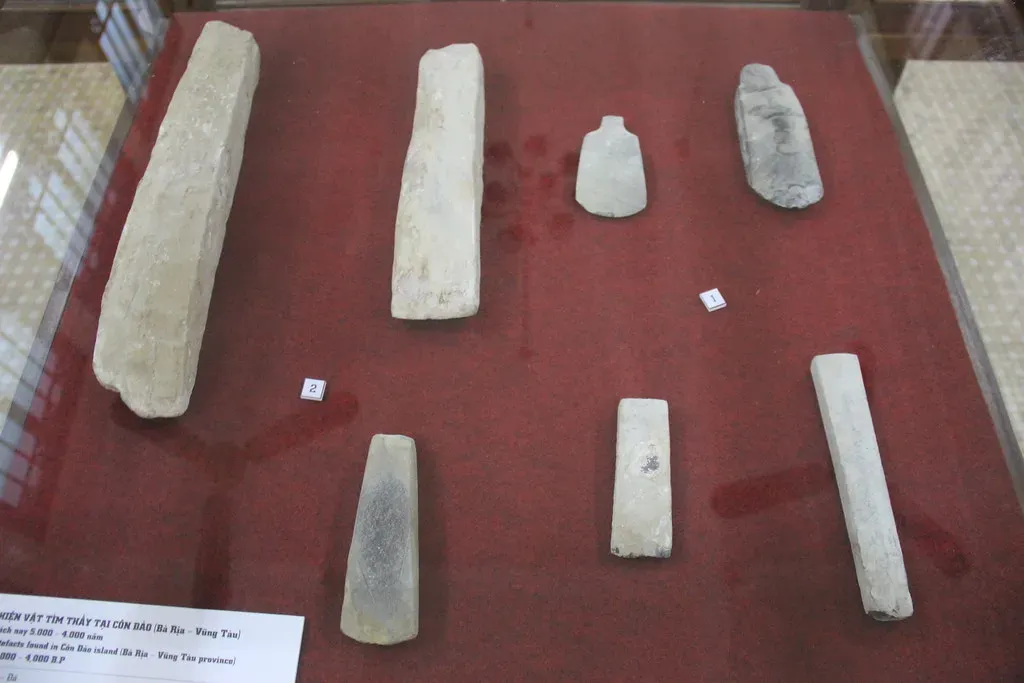
When making their tools, ancient Americans chose high-quality minerals that could be accurately chipped into the sharpest, most durable points, and craftsmen actually traveled hundreds of kilometers to particular quarries. For example, dolomite from the Texas Panhandle shows up in spear points found in northeastern Colorado, roughly 585 kilometers away. The geographic precision required for this kind of material sourcing suggests a sophisticated mental map of the continent.
According to a leading archaeologist, no one has ever found a plant native to the Americas with food or medicinal value that was not familiar to the pre-Columbian natives. The most extensive knowledge of the Desert-culture way of life comes from cave or rock-shelter sites, in which the desiccated remains of vegetal and animal materials have been discovered along with stone tools, revealing that Desert peoples made intensive use of virtually all aspects of their habitat. That level of botanical knowledge didn’t develop overnight. It was the product of countless generations of careful observation.
Astronomical Earthworks: Encoding the Sky into the Soil
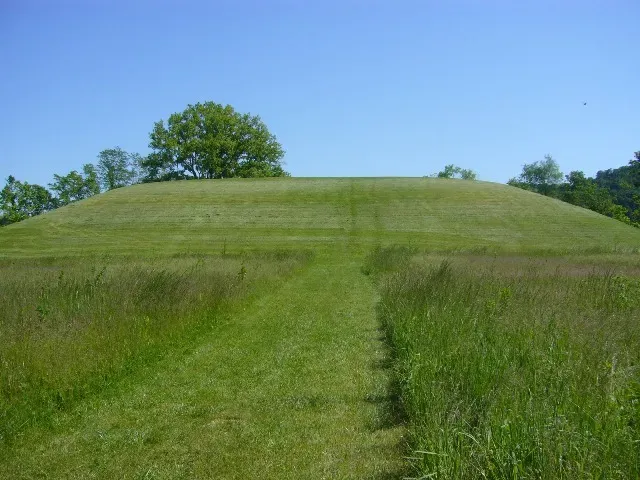
The prehistoric Hopewell culture, which flourished in the river valleys of southern Ohio between roughly 200 and 500 B.C., is one of several North American Indigenous peoples archaeologists once collectively referred to as mound builders, and some experts argue they were among the most advanced of all North American Indigenous cultures in mathematics, civil engineering, and astronomy. What you encounter when you look closely at their earthworks is genuinely startling.
The Hopewell earthworks imply high-precision techniques of design and construction and an observational knowledge of complex astronomical cycles that would have required generations to codify, and this series of monumental earthen enclosure complexes was built between two thousand and sixteen hundred years ago along the central tributaries of the Ohio River. Modern archaeological and astronomical research has revealed that the Newark Octagon aligns precisely with the maximum northern and southern rising and setting points of the moon over an 18.6-year cycle. Tracking that cycle requires sustained, multigenerational sky-watching, not a casual relationship with the cosmos.
Conclusion
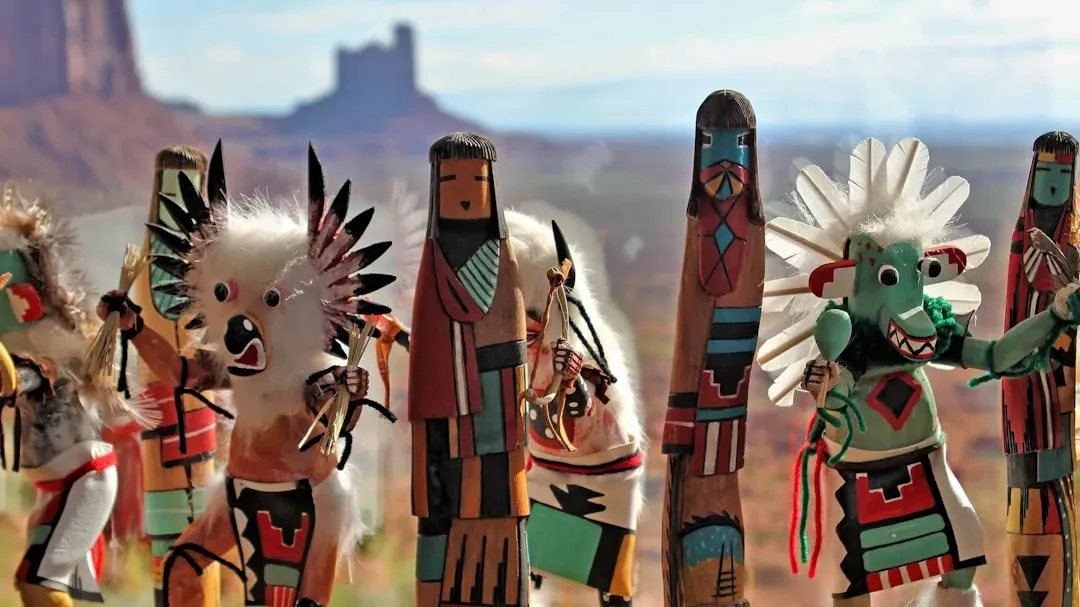
The deeper you look into the record of ancient North American cultures, the less you find of the primitive and the more you encounter genuine intellectual achievement rooted in landscape familiarity. Whether it was the Paleo-Indian hunters who moved across a continent newly free of glacial ice, the Haudenosaunee who preserved memory of megafauna in oral tradition, the Jemez Pueblo ancestors who managed fire with ecological precision, or the Hopewell builders who encoded lunar cycles into massive earthworks, these cultures were not passive inhabitants of their environment. They were its careful, long-term students.
Even though the prehistoric inhabitants of the Americas left no written record of their existence, scholars can use artifacts, oral histories, and the words of European explorers and early settlers to demonstrate how Native Americans understood and altered their environment. There’s something worth sitting with in that fact. Knowledge doesn’t require paper to persist. It can live in story, in stone, in fire, and in the deliberate shaping of the land itself. The more modern science converges with what Indigenous traditions have long carried, the clearer it becomes that these were cultures with a deep, earned intimacy with the world they lived in.