When you picture the Jurassic Period, you probably think of towering dinosaurs crashing through forests. But if you could dive beneath the waves of that same world, you’d find something even stranger: sleek, sharp-toothed predators that look like a mash-up of dolphins, crocodiles, and nightmares. These are the so‑called sea monsters of the Jurassic, and their real story is far more interesting than the movie versions you’re used to.
As you explore what actually lived in those ancient seas, you discover that these animals weren’t monsters at all, but highly specialized marine reptiles shaped by millions of years of evolution. Their world was different from yours in almost every way, yet the rules that governed life and death were surprisingly familiar. Once you see how they hunted, reproduced, and survived, you start to realize that the Jurassic oceans were less a horror show and more a brutal, brilliant experiment in what a marine predator can be.
The Jurassic Seas: A Planet That Looked Familiar… But Wasn’t
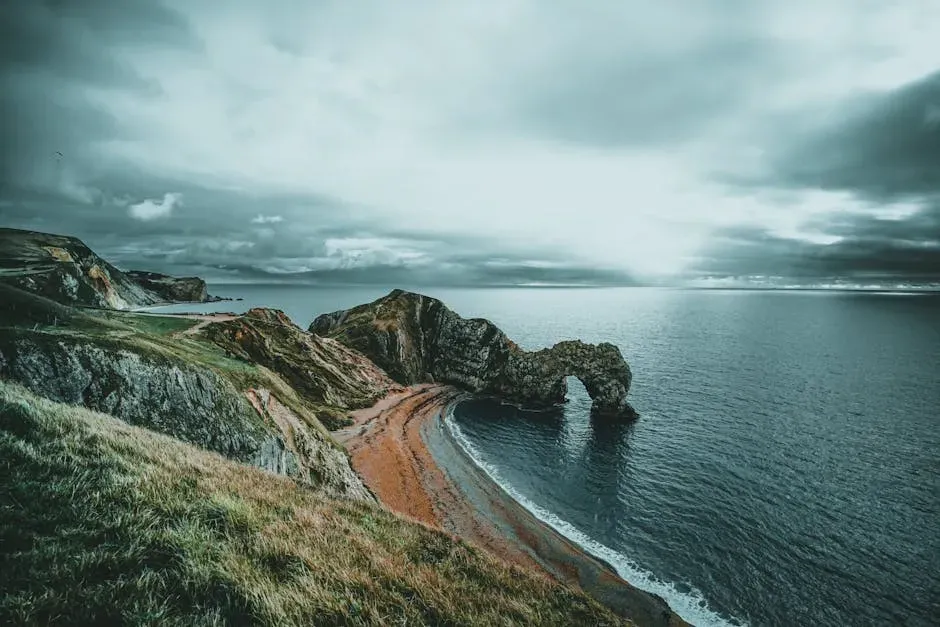
If you could step onto Earth during the Jurassic Period, the first thing you’d notice is how much ocean there is. Sea levels were higher, continents were breaking apart, and warm, shallow seas flooded huge areas that are dry land for you today. That meant an enormous amount of marine habitat, from broad continental shelves to deeper basins, all teeming with life you’d barely recognize.
Instead of whales and tuna, you’d be surrounded by ammonites with spiraled shells, belemnites that looked like ancient squids, and vast reefs built by sponges and early corals. The climate was warmer overall, especially at higher latitudes, so the seas were like a global incubator for marine reptiles. When you hear “sea monsters,” what you’re really hearing is the story of animals that took full advantage of these long, warm, nutrient‑rich oceans.
Why These “Sea Monsters” Weren’t Dinosaurs
One of the biggest surprises you run into is that most of the iconic Jurassic sea predators you know are not actually dinosaurs. Dinosaurs, in the strict sense, lived on land; the animals ruling the seas were marine reptiles, a separate group that just happened to be alive at the same time. So when you look at ichthyosaurs, plesiosaurs, or early pliosaurs, you’re not looking at swimming dinosaurs but at cousin lineages that went their own evolutionary way.
This matters because it changes how you think about them. You’re not just dealing with “dinosaurs that learned to swim,” but with entire branches of life that independently invaded the oceans and evolved their own body plans. It’s more like comparing birds to bats than comparing two types of birds. Once you see that distinction, the whole story of Jurassic seas becomes richer, because you’re watching multiple experiments in marine adaptation unfolding side by side.
Ichthyosaurs: The “Dolphins” of the Jurassic That Beat Mammals to the Idea
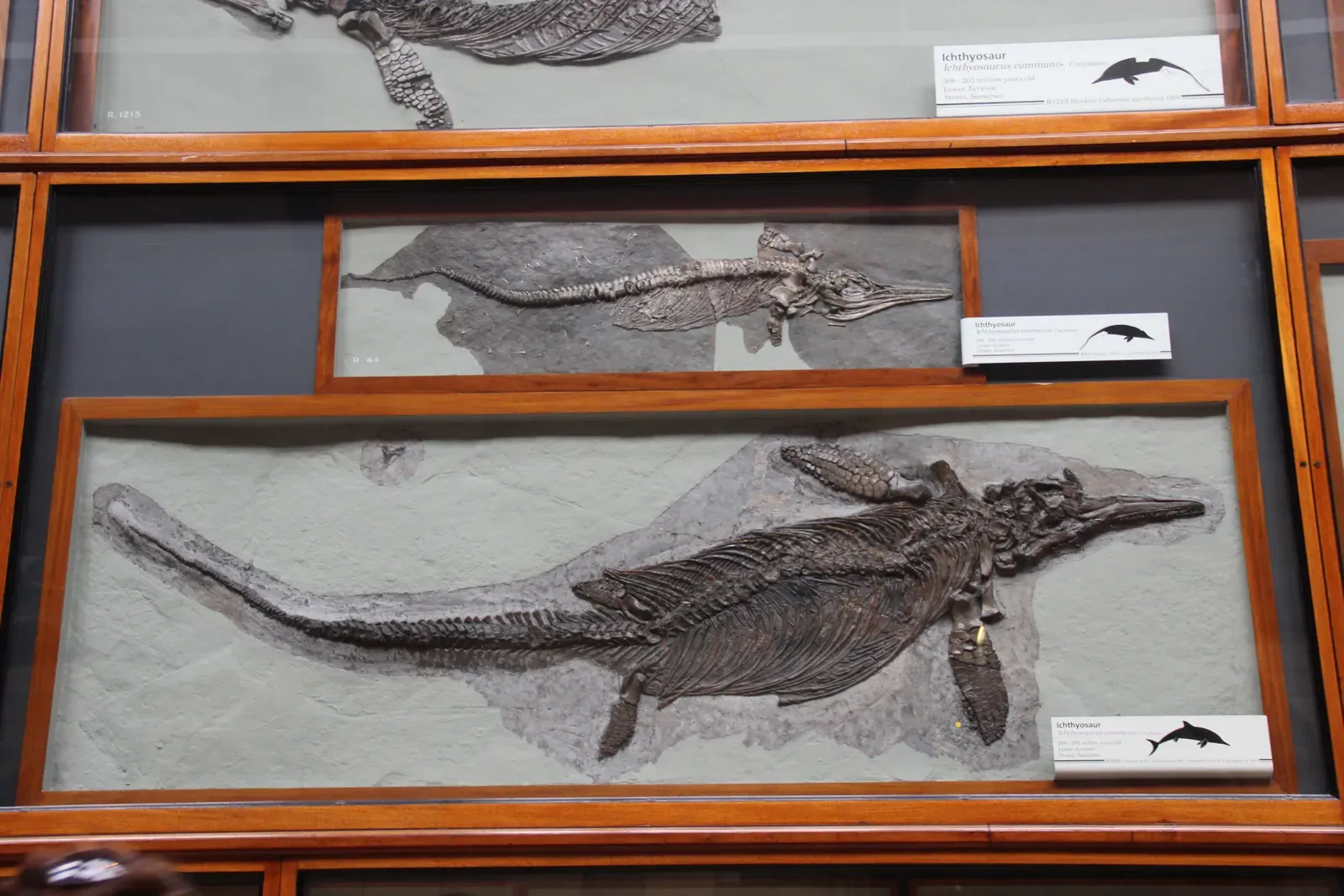
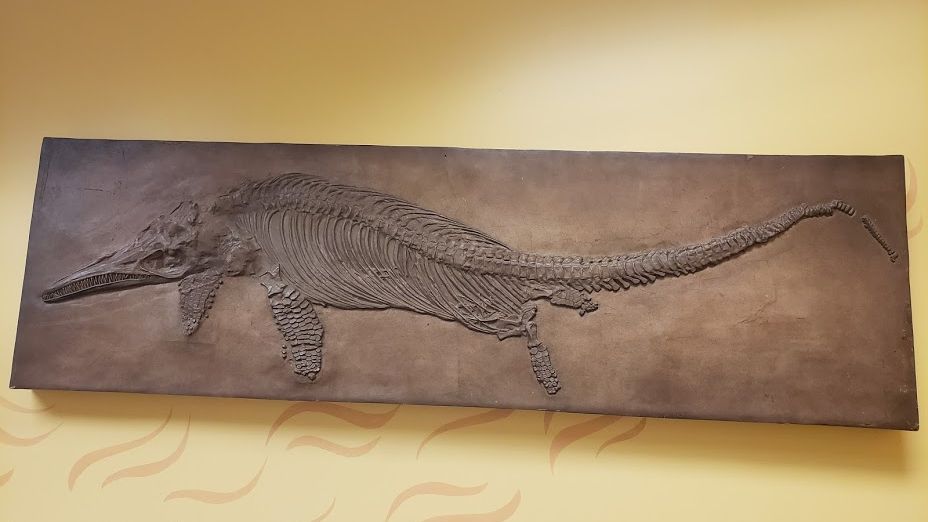
When you look at an ichthyosaur skeleton, you almost feel like you’re cheating and staring at a dolphin in disguise. Long, streamlined body, powerful tail, flippers instead of legs, and a pointed snout packed with teeth – if you saw one dart past you today, you’d instinctively file it under “marine mammal.” But you’d be wrong. You’d be looking at a reptile that had already perfected a dolphin‑like lifestyle tens of millions of years before mammals tried it.
Fossils show you that some ichthyosaurs cruised the open ocean, chasing fast‑moving prey like fish and squid, while others grew to truly impressive sizes, rivaling modern whales in length. You also find evidence of live birth, including fossils of mothers preserved with embryos inside them, which tells you these animals did not lay eggs on land like sea turtles do. Instead, they were fully committed to life in the water, giving birth at sea and spending their entire lives in a world of blue.
Plesiosaurs and Pliosaurs: Long Necks, Giant Skulls, and a Lot of Misconceptions
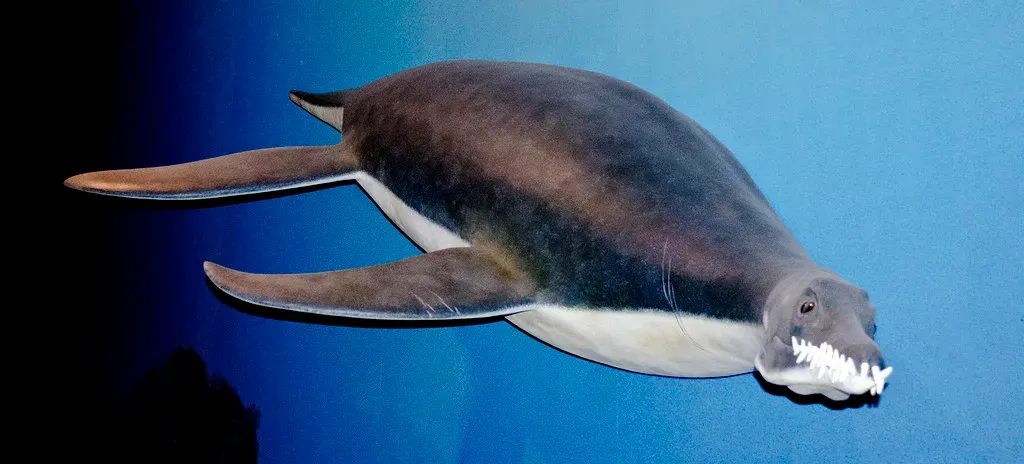
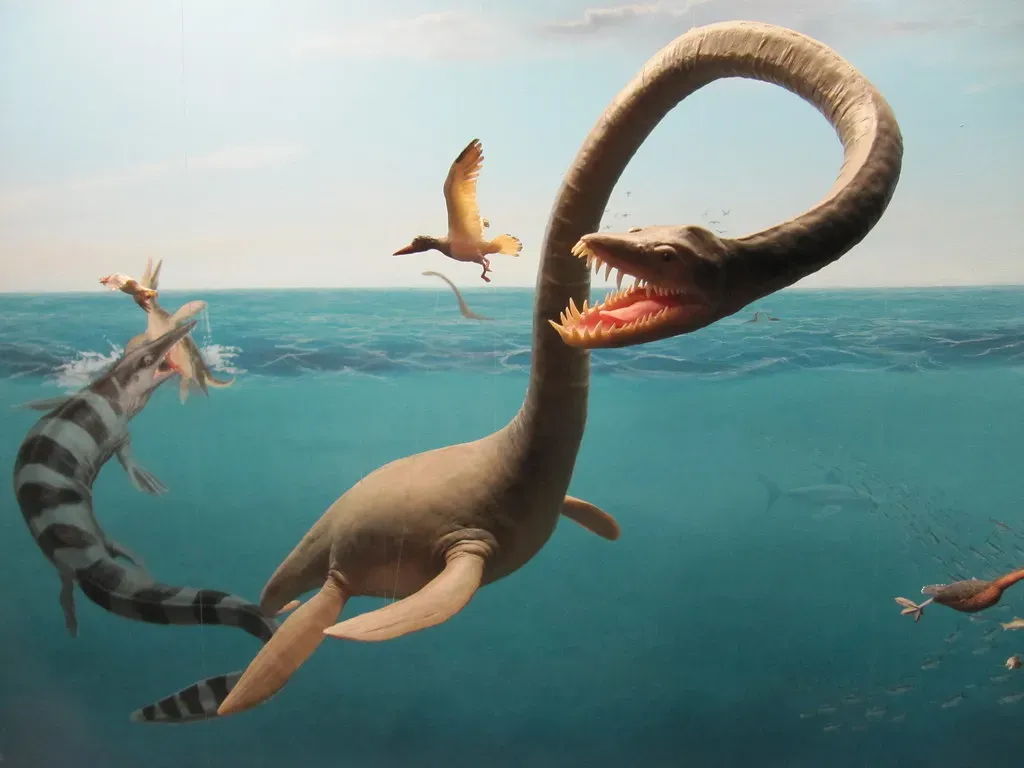
When you picture a classic “Loch Ness Monster” style animal, you’re basically borrowing the body plan of a plesiosaur: a broad body, four strong flippers, and an absurdly long, flexible neck ending in a small head. In the Jurassic seas, you’d find these long‑necked forms cruising near the surface or in mid‑water, possibly picking off small fish and cephalopods with quick, precise strikes. You might imagine them snaking their heads around like a crane, but the reality was probably more controlled and deliberate than the myths suggest.
On the flip side, you have pliosaurs, which you can think of as the heavy‑hitting cousins. They kept the four‑flipper design but traded the long neck for a shorter, more muscular one and an oversized head full of thick, conical teeth. Some of these animals were apex predators, capable of biting through bone and tackling other large marine reptiles. When you place plesiosaurs and pliosaurs together in your mind, you’re seeing two very different strategies built on the same basic four‑flipper template – one about reach and agility, the other about raw power.
How You Actually Know What They Ate and How They Lived
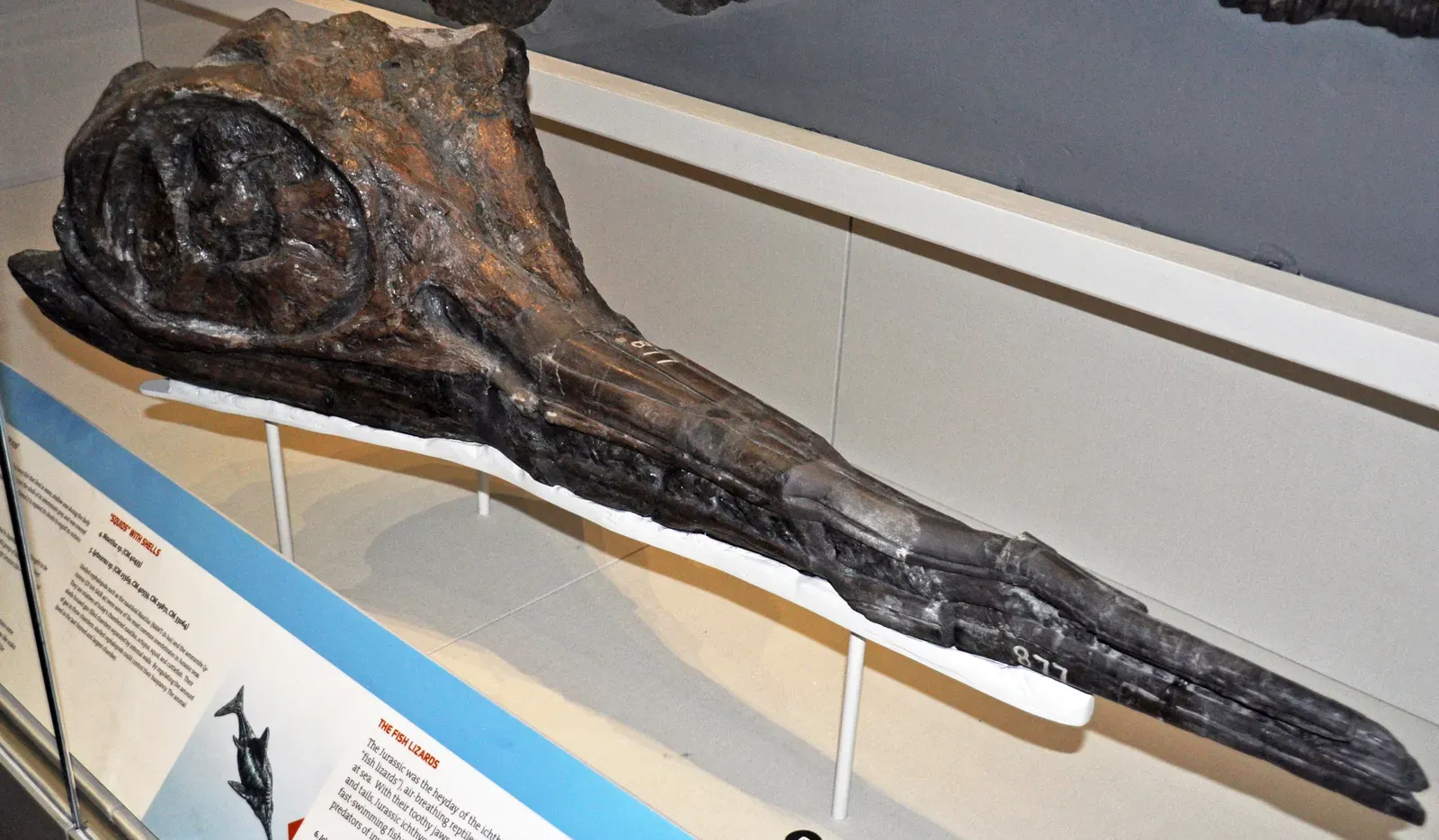
You might wonder how anyone can say with confidence what a Jurassic sea reptile was doing with its time when all you have are bones and rock. The trick is that you do not just have bones; you have stomach contents, tooth wear, coprolites (yes, fossilized poop), and sometimes even soft tissue impressions. When you find fish bones and squid hooks preserved inside a ribcage, you get a front‑row seat to an animal’s last meal, and that’s incredibly revealing.
Microscopic scratches on teeth tell you whether an animal was eating soft prey like squid or crunching harder shells, while isotope chemistry in the bones can hint at whether it spent more time in shallow coastal waters or the open ocean. In some cases, you even see healed bite marks on bones, which lets you infer how often they were attacked by other predators. Piece by piece, you’re not just guessing; you’re reconstructing behavior from physical clues, much like a detective building a case from scattered evidence.
Birth, Growth, and Survival in a Dangerous Ocean
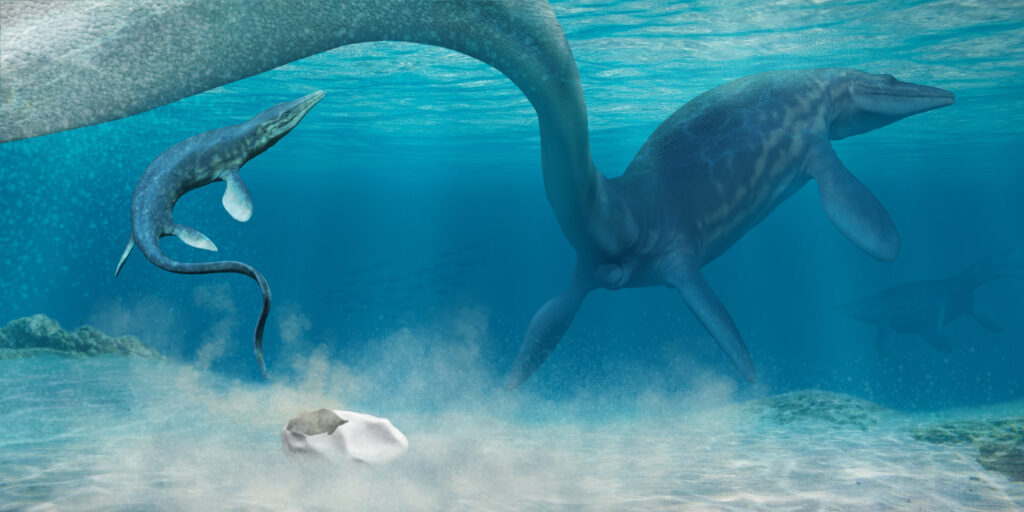
One of the most striking things you learn is how many of these marine reptiles gave birth to live young in the water. Fossils of ichthyosaurs and some plesiosaurs show juveniles inside the body cavity or just outside, frozen in time at the moment of birth. That means you’re looking at lineages that had completely cut the cord to land; no beach nesting, no awkward crawling up the shore, just a fully marine cycle of life from start to finish.
Juveniles likely faced an ocean full of threats, from larger predators to competition for food, just like young fish or dolphins do today. Growth rings in bones tell you how fast some species grew and how old they were when they died, hinting at different life strategies – some may have matured quickly and lived fast, others may have been slower growing with longer lifespans. When you imagine these seas, you should picture not only giant hunters but also nurseries, migrations, and daily struggles for survival that feel oddly familiar despite the alien bodies involved.
The End of the Jurassic Sea Reptiles – and What Comes After
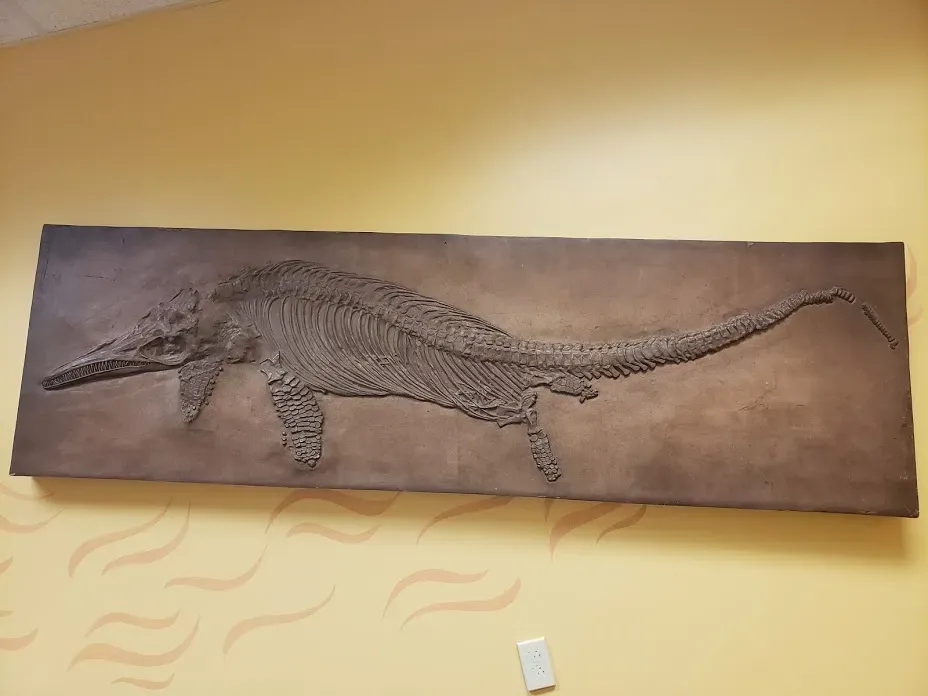
You might assume that all these dramatic marine reptiles simply vanished in a single catastrophic event, but the story is more complicated and stretched over time. Ichthyosaurs, for example, reach their peak diversity and then decline before the very end of the Mesozoic, possibly due to changes in sea levels, climate, or competition with other rising marine predators. Plesiosaurs and pliosaurs carry on into the Cretaceous, evolving new forms, but they too eventually disappear by the time the famous asteroid impact closes the age of dinosaurs and their kin.
What follows in the oceans, from your perspective, is a new wave of innovation dominated by marine mammals, large fish, and sharks. When you look at modern dolphins, orcas, and great white sharks, you’re seeing a new generation of ocean rulers stepping into ecological roles once held by ichthyosaurs and pliosaurs. The continuity is striking: the bodies and lineages change, but the basic jobs – fast pursuit hunter, ambush predator, shell crusher – stay on the payroll of evolution. That continuity helps you see Jurassic sea reptiles not as freakish one‑offs, but as earlier chapters in the ongoing story of life in the oceans.
Why These Animals Still Matter to You Today
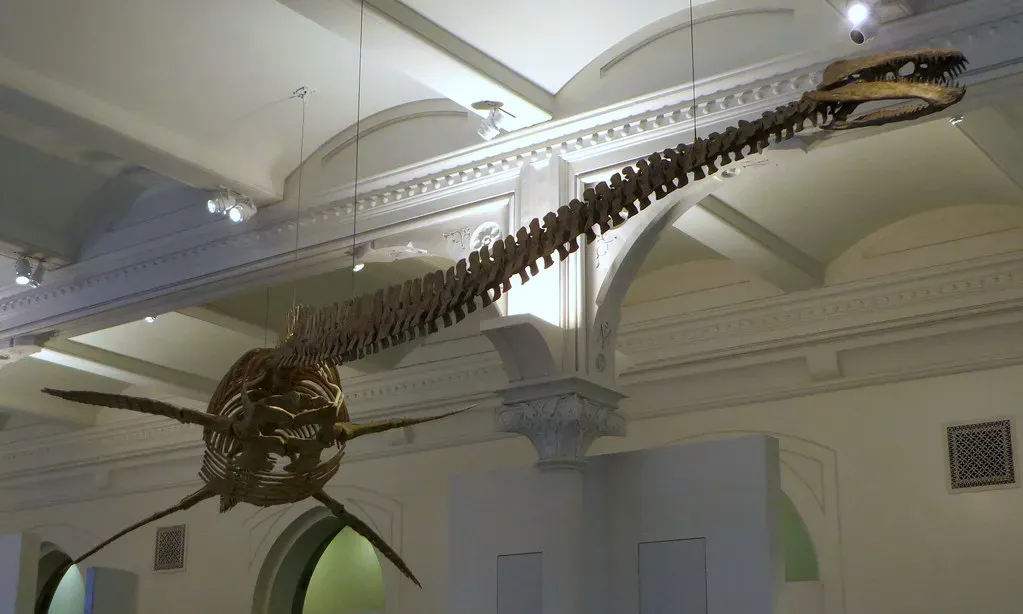
It might feel like these creatures belong entirely to the past, but the more you learn about them, the more they reshape how you see the oceans you have now. They remind you that marine ecosystems can reorganize dramatically over time, with whole groups rising to dominance and then disappearing, even when they seem perfectly adapted. That perspective can be sobering when you think about how quickly humans are altering modern seas through warming, acidification, and habitat loss.
At the same time, studying Jurassic marine reptiles sharpens your sense of wonder and curiosity. Every new fossil, every re‑examined skeleton, gives you another data point about how flexible and inventive life can be when it has millions of years to experiment. When you hold that in mind, your own time on this planet starts to feel smaller but also more connected to a much longer narrative, one in which you’re just the newest player testing what it means to live in and depend on the sea.
In the end, the real story behind the “sea monsters” of the Jurassic Period is not about horror, but about adaptation and possibility. You’re not looking at villains from a creature feature; you’re looking at some of the most successful marine predators that ever lived, operating in oceans that were different but not unrecognizable. Their rise and fall echo in the whales and sharks you know today, and in the choices you make about the future of the sea. The next time you hear the word monster, will you picture a nightmare – or a remarkable survivor doing its best to thrive in a changing world?