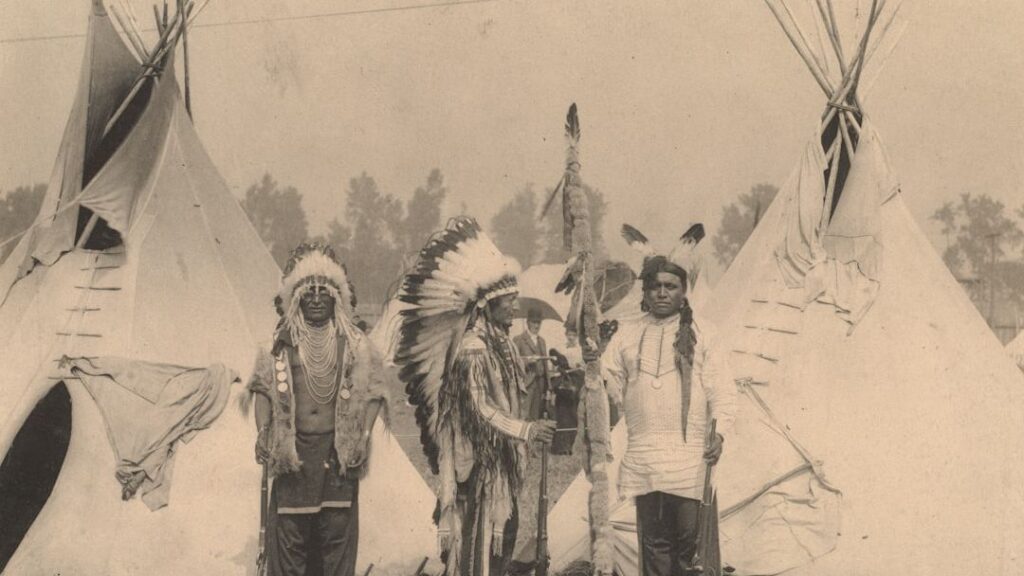
Long before European ships appeared on any horizon, the land we now call the United States was alive with civilization. Thousands of communities had already spent millennia developing languages, governance systems, architecture, trade networks, and spiritual traditions of remarkable depth and sophistication. The history of Native Americans in the United States began tens of thousands of years ago with the settlement of the Americas by the Paleo-Indians. That’s not a small fact. It’s the foundation of an entire world that existed here, thriving and complex, long before most people think to ask about it.
You might know a few names. You might have read a sentence or two in a history textbook. But the full stories of these tribes, their ingenuity, their governance, their endurance, go far beyond anything a standard curriculum tends to cover. Here are five ancient tribes whose histories genuinely deserve your attention.
The Ancestral Puebloans: Architects of the American Southwest
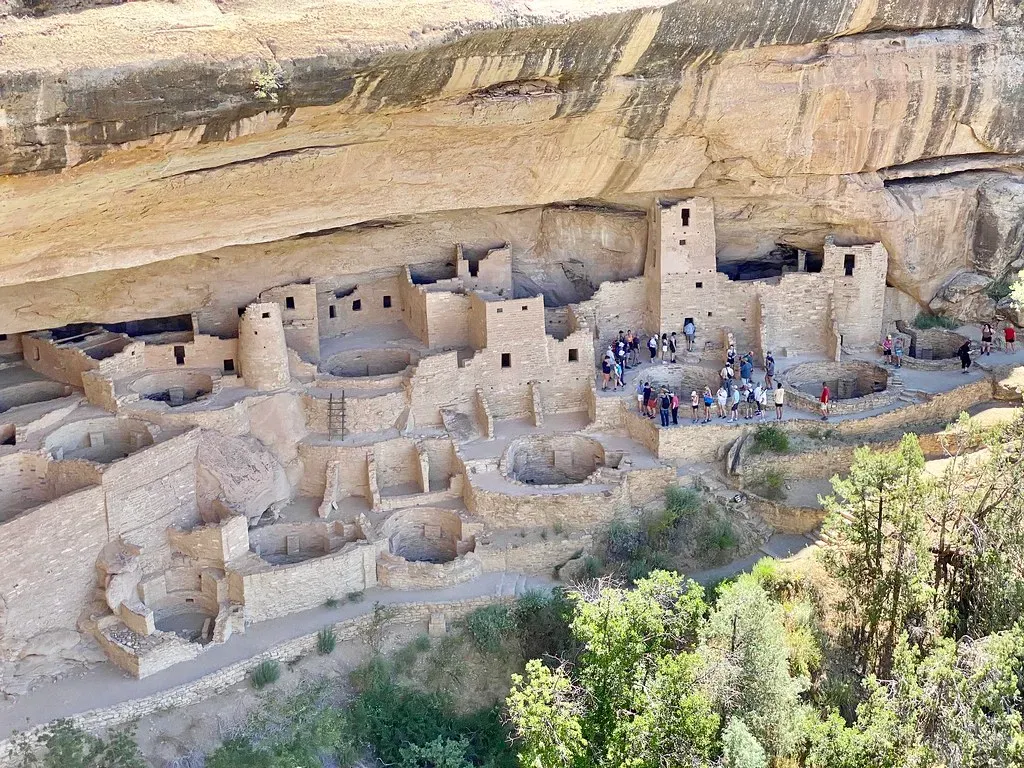
If you’ve ever stood at the edge of a canyon in Colorado or Utah and gazed at stone structures built into the cliffs above you, you were looking at the work of the Ancestral Puebloans. They were an ancient Native American culture of Pueblo peoples spanning the present-day Four Corners region of the United States, comprising southeastern Utah, northeastern Arizona, northwestern New Mexico, and southwestern Colorado. Their footprint across the landscape was enormous, and their engineering was precise in ways that still impress researchers today.
The Ancestral Puebloan culture is perhaps best known for the stone and earth dwellings its people built along cliff walls, particularly during the Pueblo II and Pueblo III eras, from about 900 to 1350 CE. These weren’t crude shelters. The great houses in Chaco Canyon became truly monumental, rising four or five stories and having precisely laid masonry, massive walls, and striking symmetries. When you consider that all of this was achieved without modern tools or machinery, the scale of it becomes genuinely hard to absorb.
The Ancestral Puebloans lived in a range of structures that included small family pit houses, larger structures to house clans, grand pueblos, and cliff-sited dwellings for defense. They had a complex network linking hundreds of communities and population centers across the Colorado Plateau. Roads, trade routes, and shared architectural styles connected far-flung communities in ways that suggest a degree of coordination you might not expect from a culture this ancient.
Three UNESCO World Heritage Sites located in the United States are credited to the Pueblos: Mesa Verde National Park, Chaco Culture National Historical Park, and Taos Pueblo. Their civilization didn’t simply disappear, either. Today, there are 21 Pueblo tribes living in the greater Southwest who are the descendants of the Ancestral Puebloan people. You’re not looking at a lost civilization so much as a transformed one, with living descendants who still carry those traditions forward.
The Haudenosaunee: Democracy Before the Word Existed
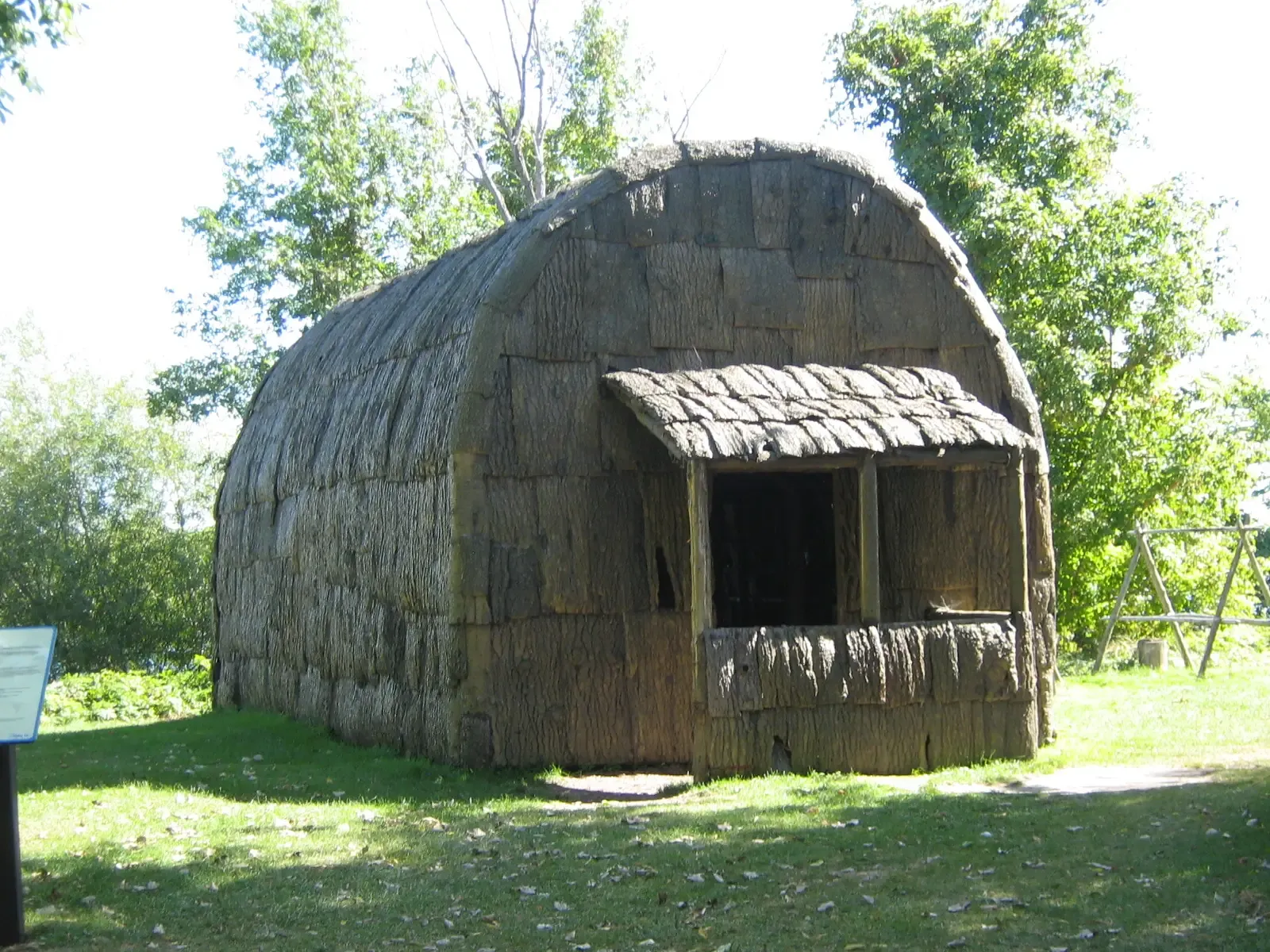
You’ve probably heard the name Iroquois. But the people themselves prefer Haudenosaunee, a word that tells you something essential about how they saw themselves. Their self-name, Haudenosaunee, is an Iroquoian term meaning “people building the longhouse,” referring to the long, narrow dwellings that traditionally housed extended families among the confederated peoples. The longhouse was more than a building. It was a metaphor for how an entire political world was organized.
The Iroquois Confederacy is believed to have been founded by the Great Peacemaker at an unknown date estimated between 1450 and 1660, bringing together five distinct nations in the southern Great Lakes area into “The Great League of Peace.” What they created together was, structurally speaking, a functioning participatory democracy. The Haudenosaunee created a carefully constructed constitution, the Gayanashagowa or Great Law of Peace, that was transmitted from generation to generation orally from variously colored symbolic cues or mnemonics woven into belts of shells called wampum.
The Haudenosaunee Confederacy differed from other Native American confederacies in the northeastern woodlands primarily in being better organized, more consciously defined, and more effective. The Haudenosaunee used elaborately ritualized systems for choosing leaders and making important decisions. Women held significant power in this structure too. Each clan was led by a Clan Mother. The responsibilities of the Clan Mother included the naming of all those in the clan, as well as the selection of the male candidate for Chief, which the rest of the clan must approve. She could also remove that same chief if he failed in his duties.
Often described as the oldest participatory democracy on Earth, the Haudenosaunee Confederacy’s constitution is believed to be a model for the American Constitution. Whether or not you accept that claim in full, the influence of Haudenosaunee political thought on early American governance is taken seriously by many historians. At its peak around 1700, Iroquois power extended from what is today New York State, north into present-day Ontario and Quebec along the lower Great Lakes, and south on both sides of the Allegheny mountains into present-day Virginia and Kentucky and into the Ohio Valley. That’s not a small regional tribe. That’s a major North American power.
The Mississippian Culture: America’s First City Builders
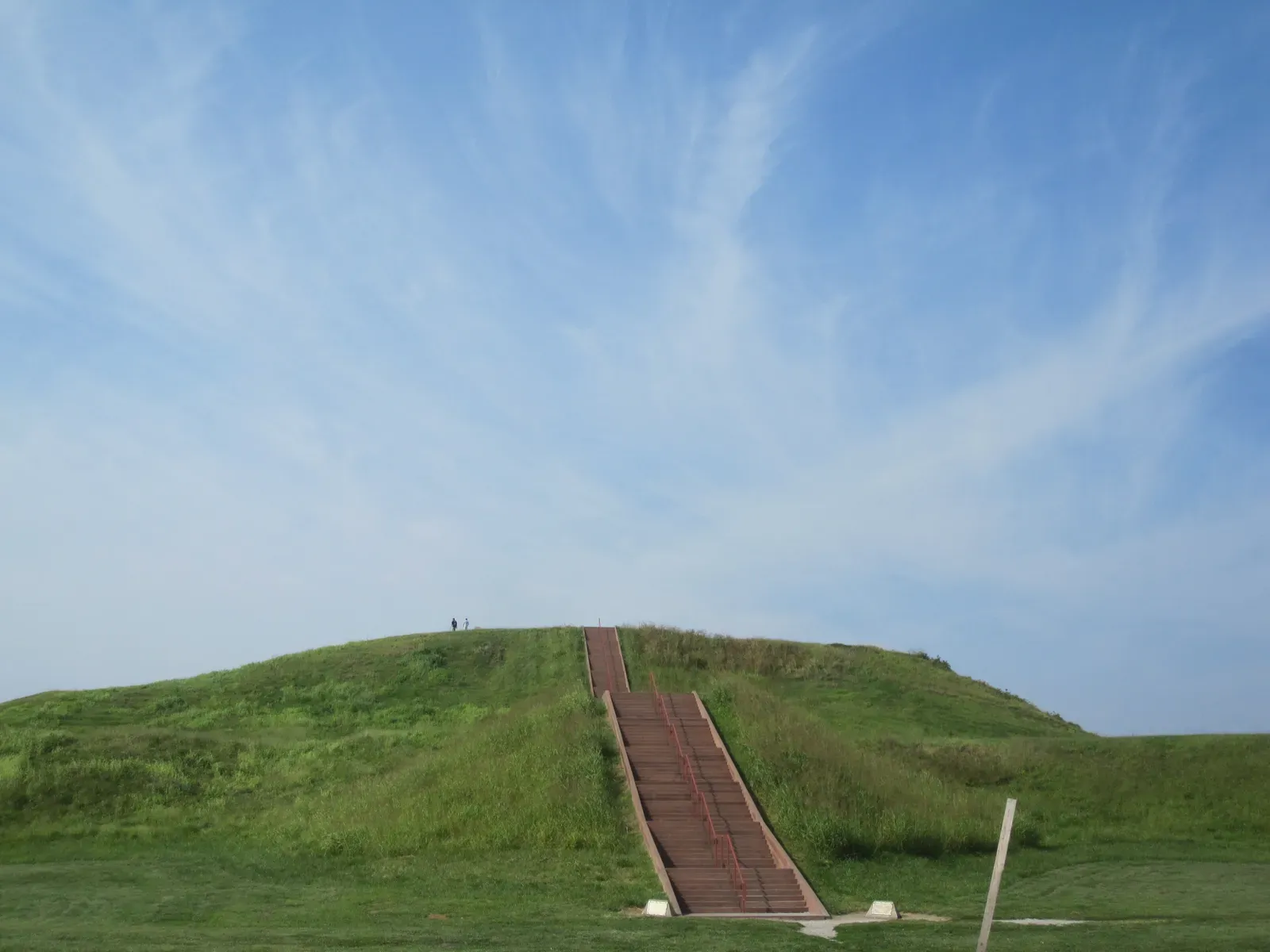
There’s a city in what is now Illinois that most Americans have never heard of, yet it was once one of the largest urban centers on Earth. The Cahokia Mounds is the site of a Native American city which existed from approximately 1050 to 1350 CE, directly across the Mississippi River from present-day St. Louis. The people who built it were part of the broader Mississippian culture, and they were, by any serious measure, city builders of the first order.
At its apex around 1100 CE, the city covered about 6 square miles, included about 120 earthworks in a wide range of sizes, shapes, and functions, and had a population of between 15,000 and 20,000 people. Monks Mound, the centerpiece of the site, is staggering. Built entirely of packed earth, the main pyramid, “Monks Mound,” covered fifteen acres and rose in three major terraces to a height of one hundred feet, making it the third largest in the Americas.
The city’s built landscape, including major mounds, a causeway, and woodhenge, all enacted a cosmology based on celestial alignments, sacred materials, and burial practices. Religion and astronomy were embedded into the architecture itself. While excavating the site, archaeologists discovered posts laid out in a circular pattern. It is believed that the posts were used as a calendar, that the people tracked time using the shadows cast by the sun, and that the position of those shadows gave farmers the knowledge to plant and sow their crops.
At its height, based on artifacts excavated, the city traded as far north as present-day Canada and as far south as Mexico, as well as to the east and west. The reach of Cahokia’s influence stretched across the continent in ways that continue to surprise researchers. The largest pre-Columbian earthen construction in the Americas north of Mexico, the site is open to the public and administered by the Illinois Historic Preservation Division. You can visit it today, though what you’ll find may quietly reshape everything you thought you knew about pre-colonial America.
The Chumash: Engineers, Artists, and Ocean Navigators of California
The California coast has been home to people for an extraordinarily long time. Indigenous peoples have lived along the California coast for at least 11,000 years. Among the most remarkable of those peoples were the Chumash, whose territory once stretched along the southern California coastline with remarkable abundance on all sides. At one time, Chumash territory encompassed 7,000 square miles that spanned from the beaches of Malibu to Paso Robles.
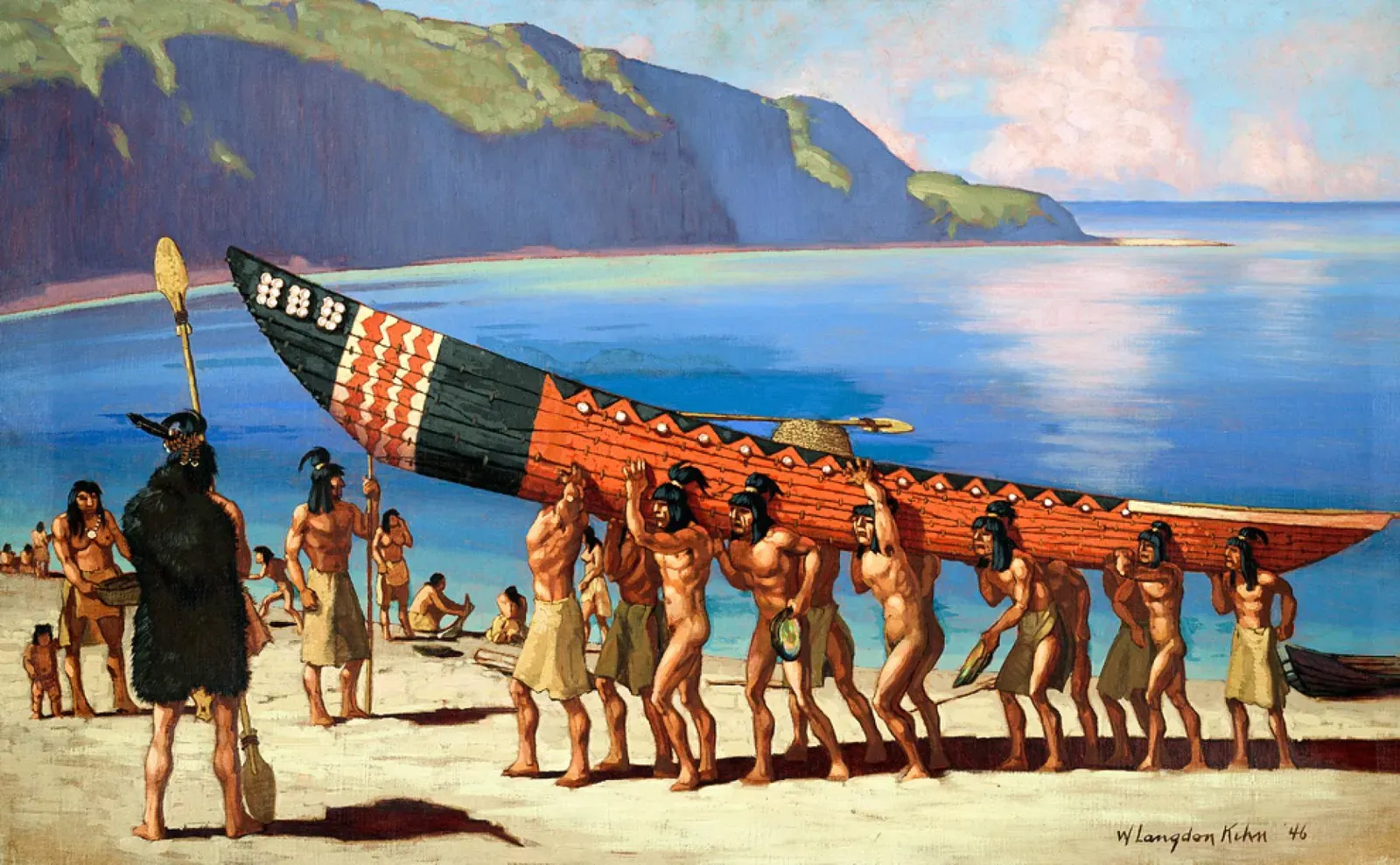
What sets the Chumash apart, aside from the sheer longevity of their presence, was their engineering. The Chumash and the Tongva, a tribe who lived to the south of Chumash territory, were the only natives on the Pacific coast of North America who made plank canoes. These vessels, called tomols, were feats of craftsmanship. For thousands of years the Chumash sailed up and down the California coast in brightly painted cedar-plank boats that in modern times are considered marvels of engineering.
As the Chumash culture advanced with boat-making, basketry, stone cookware, and the ability to harvest and store food, the villages became more permanent. The Chumash society became tiered and ranged from manual laborers to the skilled crafters, chiefs, and shaman priests who were also accomplished astronomers. Women could serve equally as chiefs and priests. That last point alone is worth pausing on.
The Chumash were skilled artisans: they made a variety of tools out of wood, whalebone, and other materials, fashioned vessels of soapstone, and produced some of the most complex basketry in native North America. The Chumash were also purveyors of clamshell-bead currency for southern California. In other words, they didn’t just trade goods. They helped create and sustain an economic system across a wide region. Before the Mission Period, the Chumash lived in 150 independent towns and villages with a total population of at least 25,000 people. Their world was far larger and more organized than it’s often given credit for.
The Hopewell Culture: North America’s Ancient Network Builders
Before Cahokia became a city, another culture laid the groundwork for large-scale social organization across the eastern half of the continent. The Hopewell culture flourished during the years between 100 BC and about AD 500. They didn’t build a single great city in the way Cahokia did, but they created something arguably more sophisticated: a vast, continent-spanning network of exchange and shared ideas.
At its greatest extent, the Hopewell exchange system ran from the northern shores of Lake Ontario south to the Crystal River Indian Mounds in modern-day Florida. Within this area, societies exchanged goods and ideas, with the highest amount of activity along waterways, which were the main transportation routes. What moved through this network was remarkable. Archaeologists have found shell from the Gulf of Mexico, mica from North Carolina, obsidian from the Yellowstone area, and copper from Lake Superior at Woodland sites. These artifacts tell us that Woodland people had elaborate trade routes and placed great value on exotic materials.
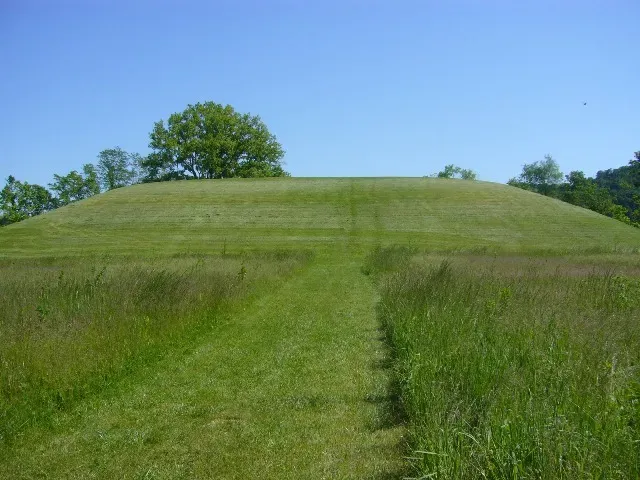
Some of the gigantic sculpted earthworks, described as effigy mounds, were constructed in the shape of animals, birds, or writhing serpents. Several scientists, including Bradley T. Lepper, hypothesize that the Octagon, in the Newark Earthworks at Newark, Ohio, was a lunar observatory. He believes that it is oriented to the 18.6-year cycle of minimum and maximum lunar risings and settings on the local horizon. That’s the kind of astronomical precision you don’t expect from a culture routinely described in textbooks as simply “mound builders.”
Leaders of the Hopewell were buried in huge mounds. At the time of burial, the deceased would be accompanied by all the wealth they would require in the afterlife. In one burial site, archaeologists discovered thousands of pearl beads, necklaces adorned with the teeth of grizzly bears, and ornaments made of copper. These aren’t the artifacts of a simple people. They reflect a complex society with strong beliefs, clear hierarchies, and the organizational capacity to sustain long-distance relationships across a continent. Their story is still being uncovered, and what’s already known is genuinely astonishing.
Conclusion
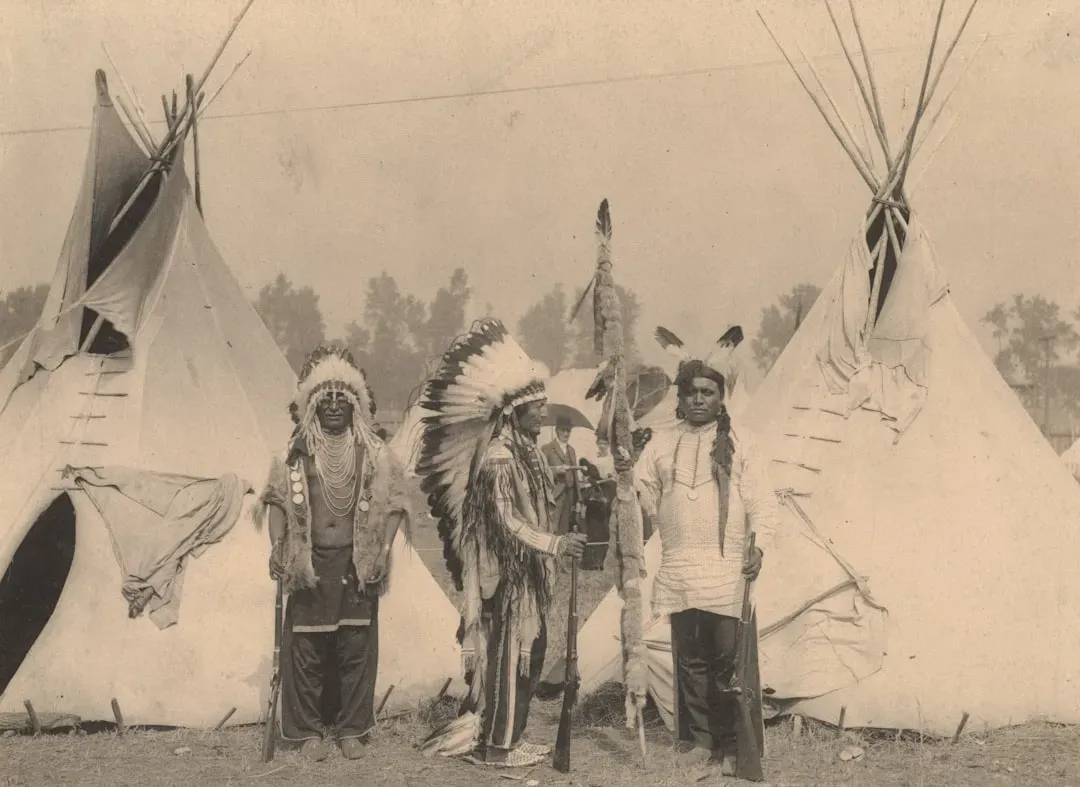
The five cultures covered here represent only a narrow slice of an enormous and deeply varied world of Indigenous civilization. Each one challenges the oversimplified story of pre-colonial America as a vast empty land waiting to be discovered. By the time European adventurers arrived in the 15th century, scholars estimate that more than 50 million Native Americans were already living in the Americas, with 10 million in the area that would become the United States.
What these tribes built, whether in stone, earthwork, governance, or trade, was the result of thousands of years of accumulated knowledge, social organization, and cultural investment. Their histories aren’t curiosities. They’re foundational chapters of the American story that have simply been underread for too long. The more you learn about them, the more you realize how much has always been here, waiting to be noticed.