Few things in paleontology carry the quiet shock of a fossilized egg. You’re looking at a moment frozen in time, a life that almost began over 66 to 100 million years ago, sealed inside stone. It’s an intimate kind of evidence, more personal than a jawbone or a footprint, because it brings you right to the start of something.
What makes these discoveries genuinely compelling isn’t just their age. It’s how much a single egg, or a clutch of them, can unravel. Behavior, biology, environment, evolution: all of it locked inside a shell thinner than your fingernail. Some of the finds discussed here rewrote what scientists believed about how dinosaurs lived. Others raised questions we still haven’t answered.
The Flaming Cliffs Eggs That Blamed the Wrong Dinosaur
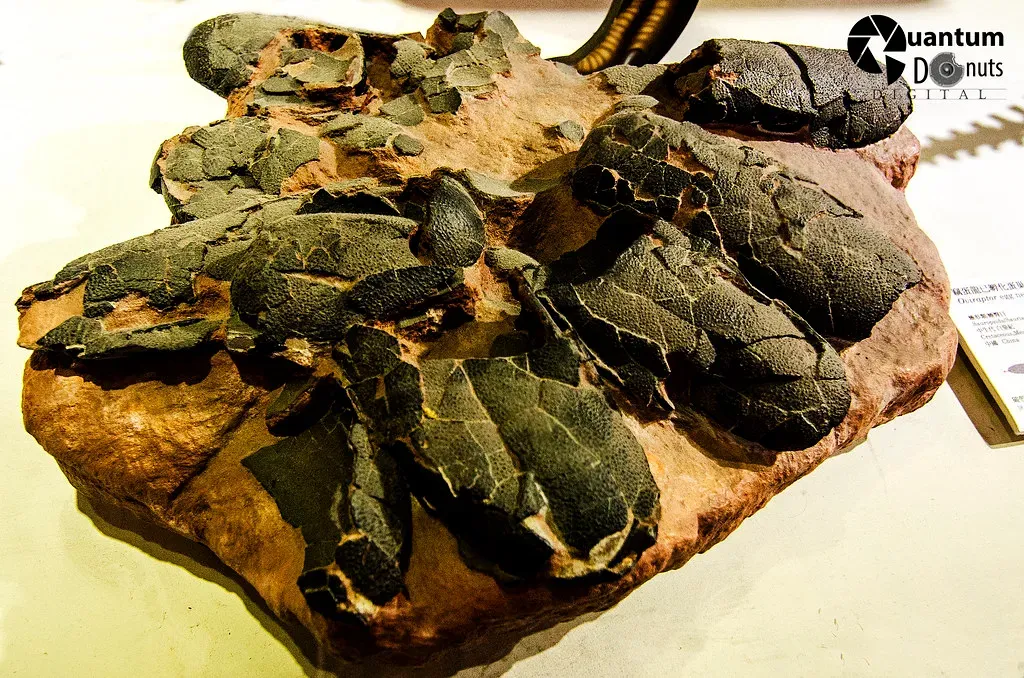
In 1923, an American Museum of Natural History expedition in Mongolia’s Gobi Desert stumbled across something nobody had seen before. The first scientifically recognized dinosaur egg fossils were discovered serendipitously in 1923 by an American Museum of Natural History crew while looking for evidence of early humans in Mongolia. The find was monumental on its own, but the story that followed got even more interesting.
These eggs were mistakenly attributed to the locally abundant herbivore Protoceratops, but are now known to be Oviraptor eggs. For decades, the animal found draped over the nest was assumed to be a thief, caught in the act of raiding another dinosaur’s clutch. Later, several other Oviraptor skeletons were found atop nests of eggs in a brooding position exactly like that of living birds. A case of wrongful accusation, it turns out, that lasted nearly seventy years.
Baby Yingliang: The Embryo That Curled Like a Bird
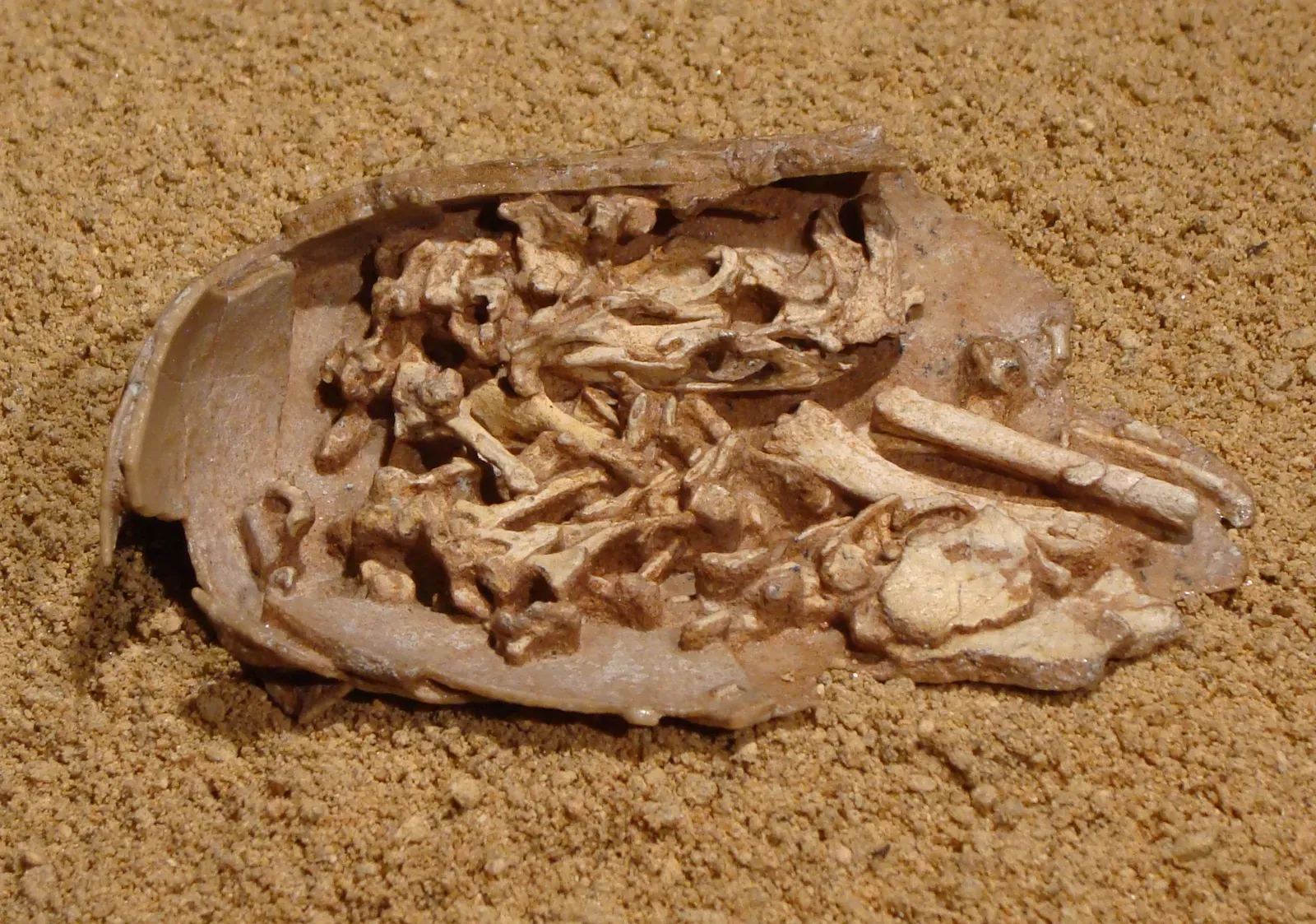
A fossilized dinosaur egg unearthed in southern China revealed one of the most complete dinosaur embryos ever discovered. Named Baby Yingliang, the specimen was found inside a 17-centimeter egg and is believed to be between 66 and 72 million years old. Remarkably, it had been stored in a museum warehouse for over a decade before a staff member noticed bones visible through a crack in the shell.
The embryo, identified as an oviraptorosaur, a group of feathered theropods closely related to birds, is curled up inside the egg in a position that scientists say mirrors the “tucking” posture seen in bird embryos shortly before hatching. The specimen is the first non-avian dinosaur embryo found with such a posture, suggesting the behavior may have originated in theropod dinosaurs far earlier than previously assumed. That one egg quietly shifted how scientists understand the evolutionary bridge between dinosaurs and birds.
The Crystal-Filled Eggs of Eastern China
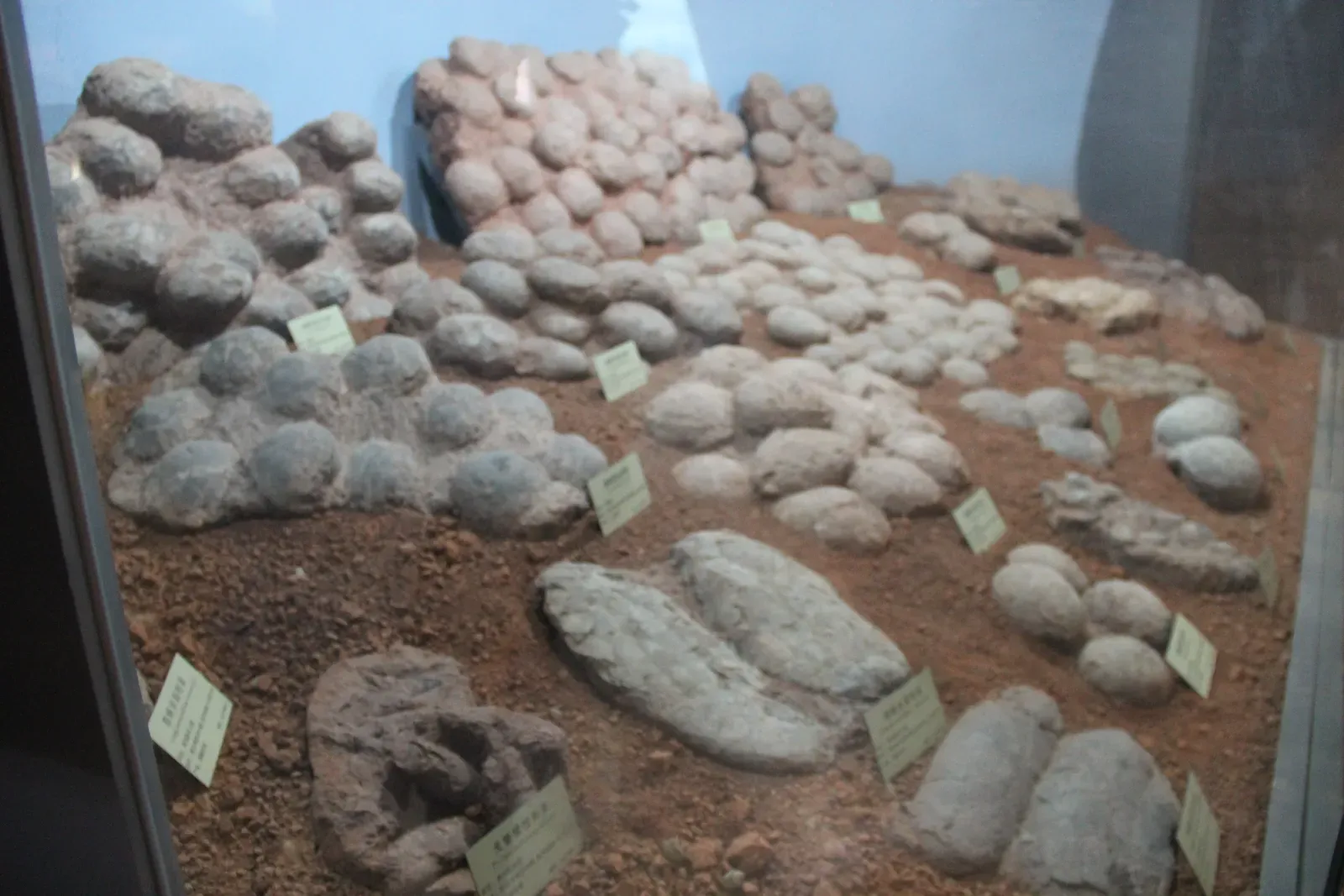
Most people imagine fossil eggs as hollow, crumbling shells. So when researchers in eastern China’s Qianshan Basin cracked open two nearly spherical eggs, what they found inside was genuinely surprising. Two dinosaur eggs, each about five inches across and almost perfectly round, surprised scientists. Instead of fragile shells packed with embryonic bone, the fossil eggs were hollow cavities stuffed with glittering mineral crystals.
Groundwater rich in dissolved chemicals seeped into the buried eggs, then minerals slowly crystallized inside the empty chambers over millions of years. This rare occurrence provides researchers with unique information on the structure of the shell, in this case a never-before-seen oospecies named Shixingoolithus qianshanensis. Because neither egg contained an embryo, and no Shixingoolithus egg has been linked to a skeleton, we still can’t be sure what sort of dinosaur laid them. The crystals are beautiful, but the mystery remains intact.
Egg Mountain, Montana: Where Dinosaurs Proved They Were Parents
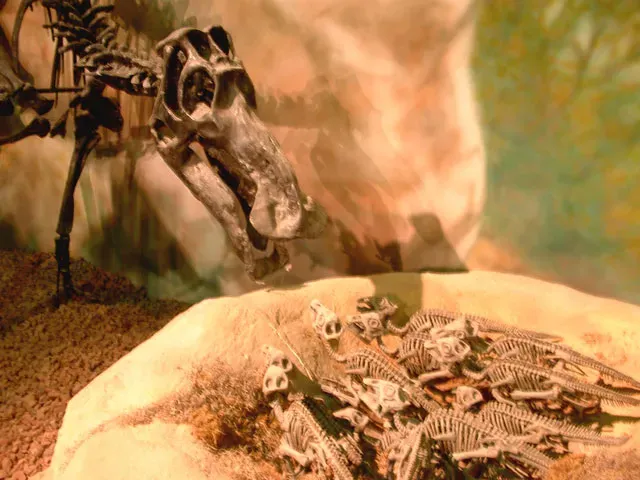
Before the discovery at Egg Mountain in western Montana, the prevailing image of dinosaurs was largely one of cold, solitary creatures. That changed fast. Maiasaura, which lived approximately 76 million years ago during the Late Cretaceous period, was the first dinosaur to provide conclusive evidence of parental care. The discovery of Maiasaura nesting grounds containing fossils of eggs, hatchlings, juveniles, and adults painted a vivid picture of complex social behavior that challenged long-held assumptions about dinosaur intelligence and family life.
The discovery of embryonic and hatchling remains in a bowl-shaped nest, combined with wear patterns on the hatchling teeth suggesting they had been feeding before their deaths, led Jack Horner and Bob Makela to surmise that the nestlings were being fed, presumably by the mother Maiasaura. This was the first ever evidence for parental care in dinosaurs. One nesting site in Montana quietly rewrote the rules for how we think about dinosaur family life.
The Ganzhou Mini Eggs: Smallest Ever Found
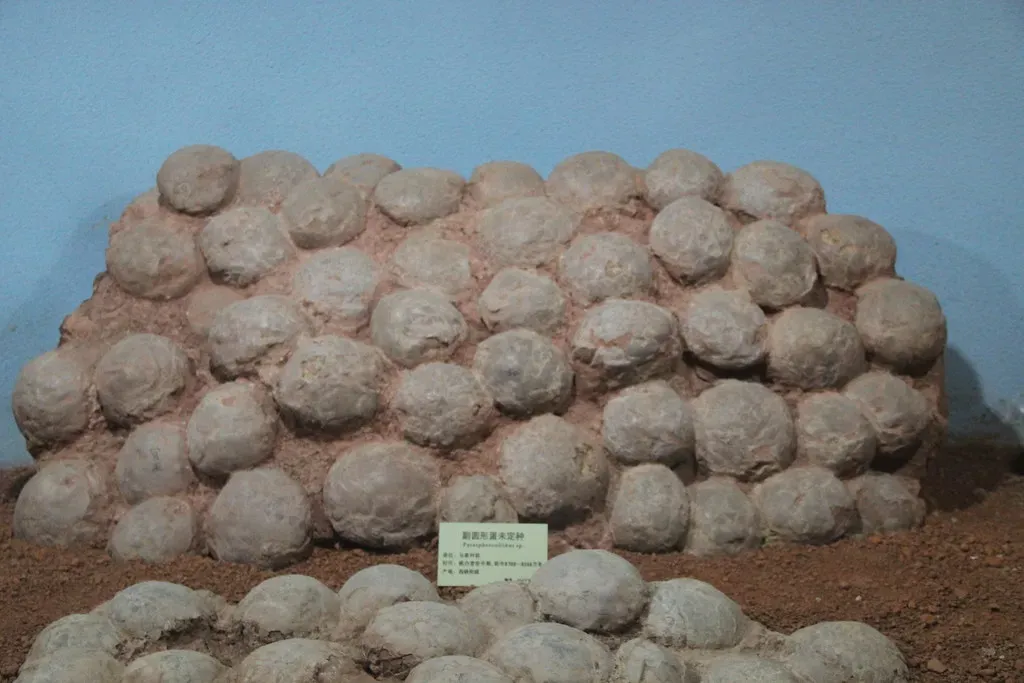
Size doesn’t always signal importance in paleontology, but these particular eggs earned their headline. The smallest-ever nonavian dinosaur eggs have been unearthed in China and assigned to a never-before-seen species. The tiny paleontological treasures, each about the size of a grape, were unearthed at a construction site just days from being potentially destroyed by building work.
The smallest of the six eggs measures only about 1.14 inches, making it barely half the previous record holder’s length. The 80-million-year-old fossils’ sizes, shell thickness, pore system, and other attributes were unlike any other known non-avian theropod, leading the team to establish a new genus and species, as well as ootaxon, Minioolithus ganzhouensis. Dinosaur eggs vary widely in shape and size, and their size doesn’t always predict how large the species could grow. Some ornithopods, or duck-billed dinosaurs, laid eggs that were around 5 inches long, while some titanosaurs, the largest creatures ever to walk on land, hatched from eggs just slightly larger, despite growing up to four times longer.
The Egg Inside an Egg from Central India
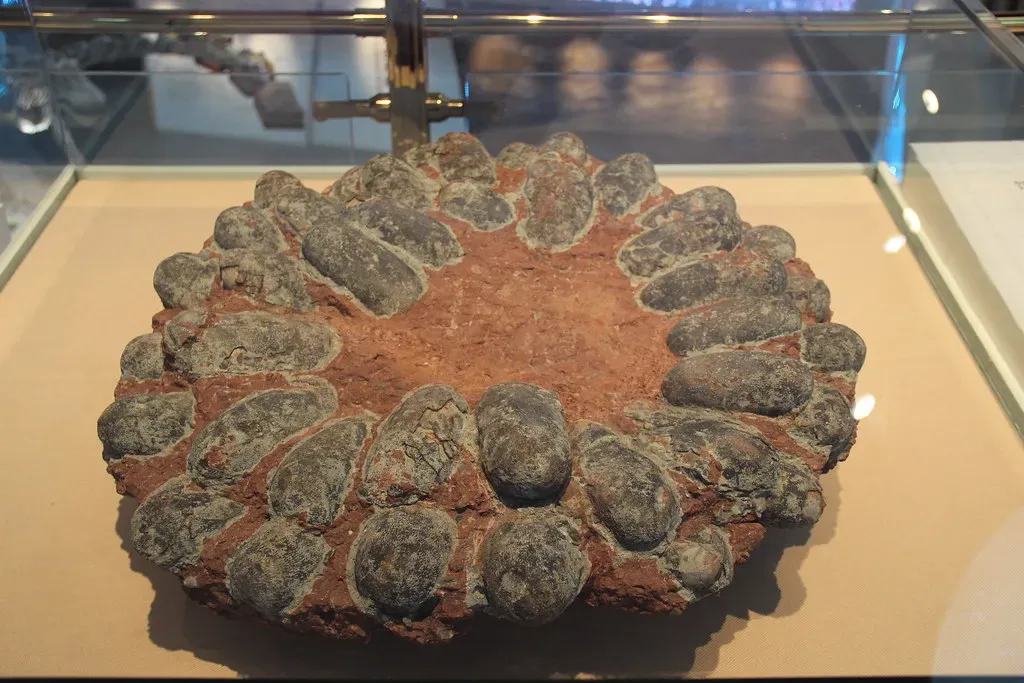
Some discoveries are puzzling precisely because they shouldn’t exist. On a 2017 field survey in central India, a team of researchers documented a cluster of 11 fossilized eggs arranged in a shallow depression within the Lameta Formation. The region had produced dinosaur material before, but this clutch stood out because each egg measured roughly 15 centimeters across and shared an unusually consistent shape.
During CT scanning in the lab, one egg revealed something extraordinary: a second shell inside. The distinct layering pointed toward ovum-in-ovo, a condition previously recorded only in birds. The structure provided evidence that titanosaurs may have possessed a reproductive system with segmented oviducts, similar to birds. Reptiles lack this organization and cannot form dual shells. This detail supported growing hypotheses that some dinosaur lineages used reproductive strategies closer to birds than to reptiles. A single anomalous egg, and suddenly our understanding of dinosaur anatomy shifted.
The Patagonia Carnivore Egg of Unknown Origin
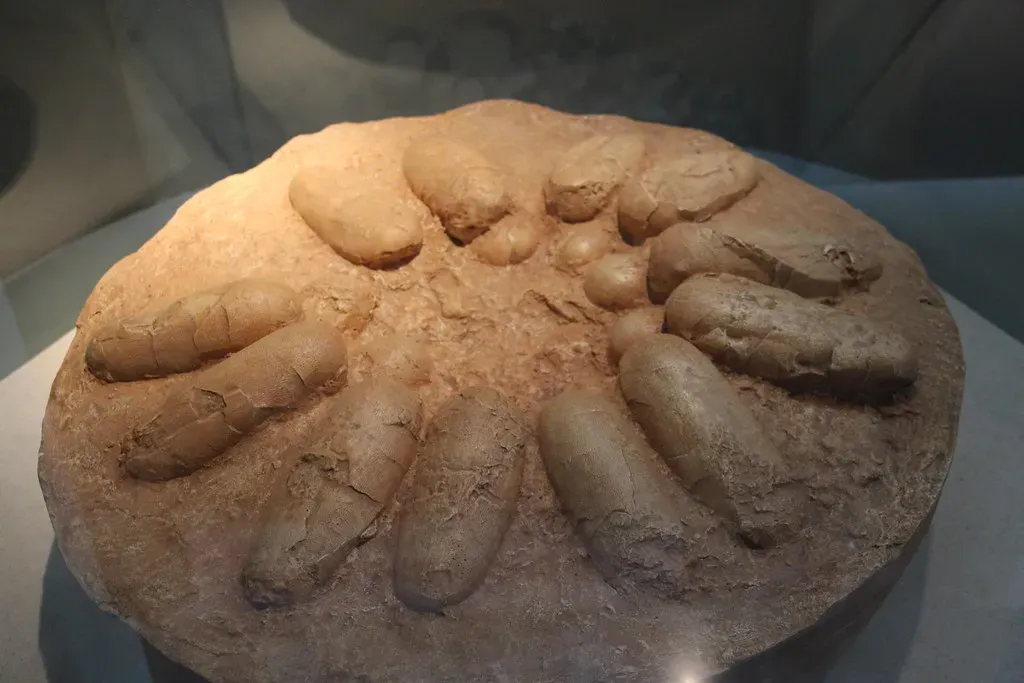
In Argentina’s Río Negro Province, a team of paleontologists made a discovery that stopped them cold. The egg’s oval shape, more similar to that of a modern bird, is associated with a carnivorous dinosaur, since sauropod eggs are more spherical and have thicker shells. The team, led by Argentine paleontologist Federico Agnolín, believes it could be the first complete egg of a carnivorous dinosaur ever found in South America.
At first, researchers thought the egg might belong to Bonapartenykus, a small carnivorous theropod from the Late Cretaceous that inhabited the area, but that hypothesis was later ruled out. There isn’t a single known carnivorous dinosaur nest in South America, making this find genuinely one of a kind for the continent. That’s why Agnolín believes this discovery may offer clues about how nesting behaviors evolved and why birds began building nests and caring for their young. The egg’s owner remains unidentified, which only adds to its fascination.
The Qinglongshan Clutch Dated With an Atomic Clock
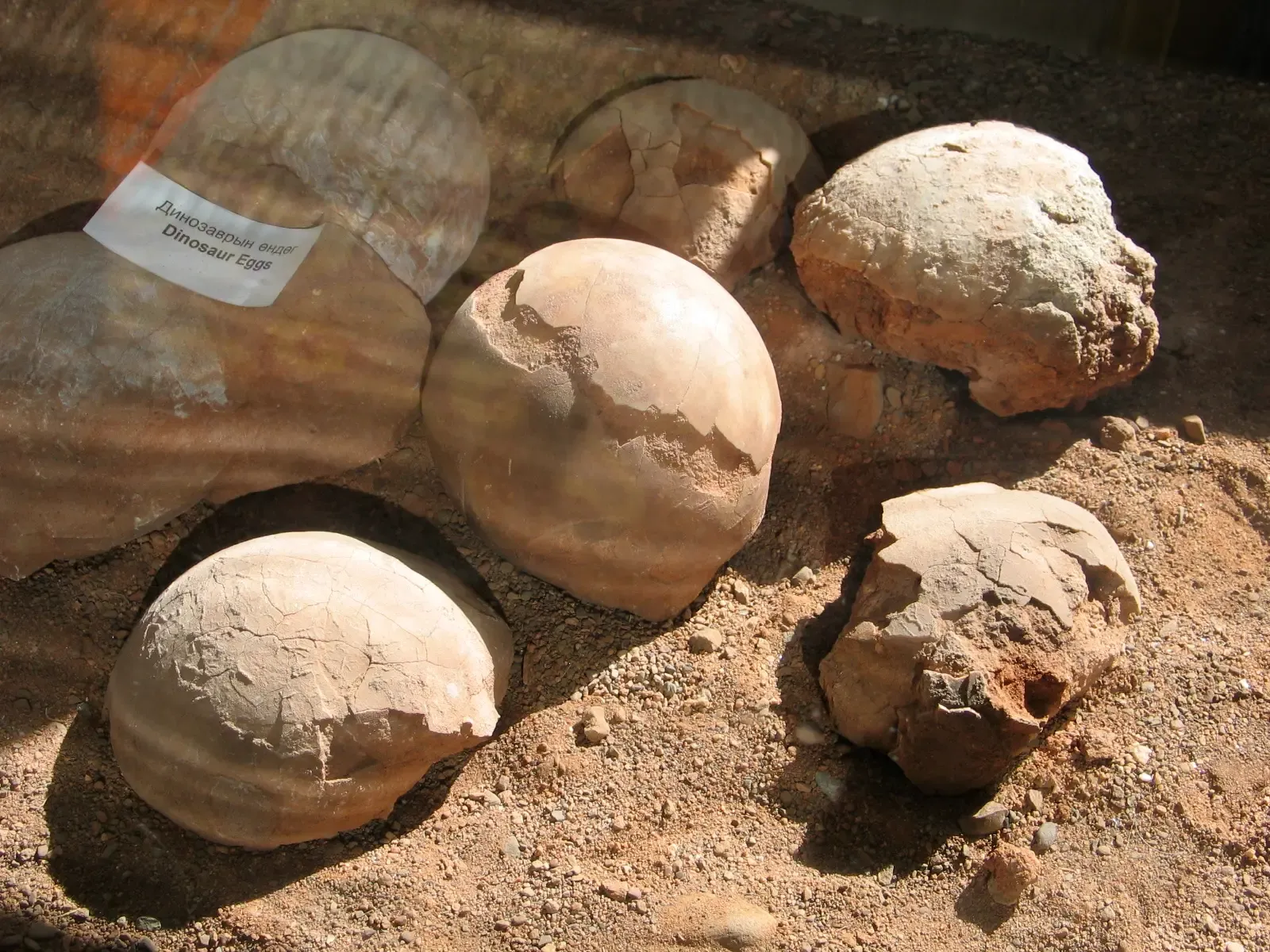
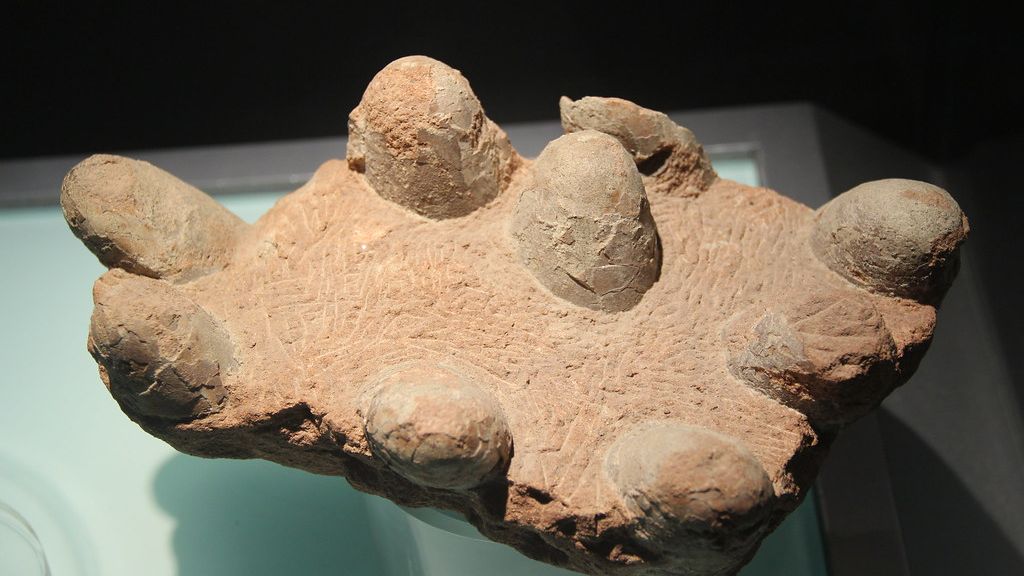
Dating dinosaur fossils has always carried a degree of imprecision. Most methods depend on the rocks surrounding the fossil rather than the fossil itself. A clutch of eggs from China’s Qinglongshan fossil reserve changed that. A clutch of 28 dinosaur eggs found in the Qinglongshan fossil reserve in central China is about 86 million years old, according to scientists who used an “atomic clock” method to date the samples. Researchers hope the eggs, and the technique employed to evaluate their age, might help reveal how dinosaurs living in China’s Yunyang Basin adapted to a cooling climate.
More than 3,000 fossilized eggs have been found at the Qinglongshan site, most of which are three-dimensionally preserved, largely intact, and display minimal deformation. These eggs are thought to belong to a single species, Placoolithus tumiaolingensis, which is what’s known as an ootaxon, meaning it’s only known from the eggs it laid rather than from its bones. The dating of these eggs is significant as it places them at a time of global climatic upheaval. Just prior to their deposition, temperatures dropped worldwide in a period called the Turonian Epoch. The eggs may yet tell us how dinosaur populations responded to climate stress long before their eventual extinction.
The Mèze Nesting Ground: Europe’s Largest Dinosaur Egg Site
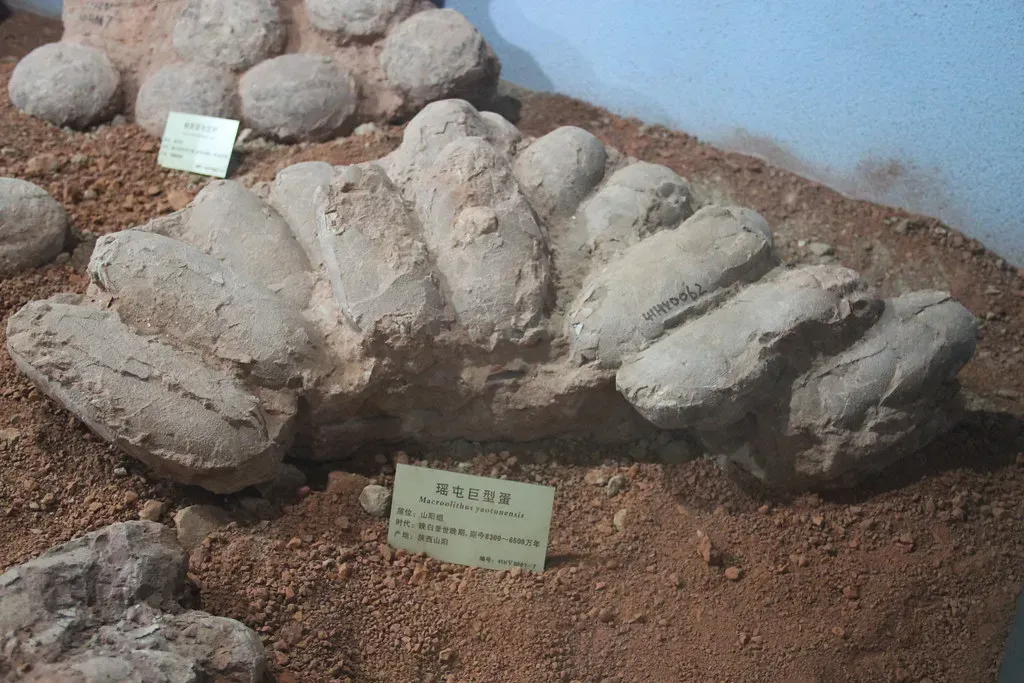
In early 2026, paleontologists working through months of rain and mud in southern France uncovered something that drew comparisons to the greatest fossil sites on the planet. A major paleontology discovery in southern France revealed an unusually dense dinosaur nesting ground containing hundreds of fossilized eggs. Museum officials said the Mèze site is now considered the largest dinosaur egg deposit in Europe and among the largest fossil nesting grounds worldwide, comparable to sites in Argentina, China, and Mongolia.
Initial studies suggest that the eggs belonged to different herbivorous species that lived toward the end of the Cretaceous period, between 72 and 70 million years ago, including titanosaurs, whose eggs are distinguished by their round shape, as well as Rhabdodon priscus. The presence of multiple egg types at the same site suggests that different dinosaur species repeatedly returned to this area to lay their eggs. Scientists studying the site believe the floodplain offered a combination of soil conditions, vegetation, and relative safety from predators that made it attractive for nesting. Early observations suggest the fossilized eggs date back around 72 million years and could offer rare insight into dinosaur reproductive behavior, and some of the eggs retain intact internal structures, giving the find considerable scientific value.
Conclusion: What the Shells Are Still Saying
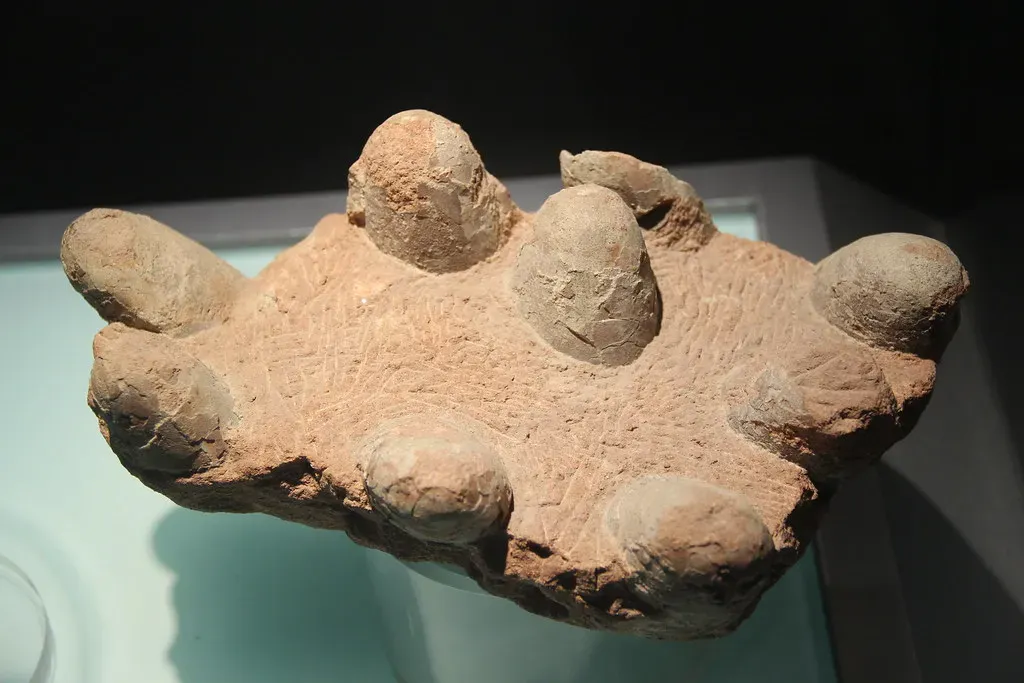
Every one of these discoveries started with something small, a curved fragment of mineral, a shadow visible through a crack in rock, an odd shape in a construction site excavation. What followed in each case was a reordering of what scientists thought they knew. Dinosaur eggs have now overturned accusations, confirmed evolutionary links to birds, revealed parental behaviors, and even provided a new way to tell prehistoric time.
It is very difficult to determine what species of dinosaur laid the eggs that have been discovered, because only a few dinosaur embryos have been found inside the fossil eggs. That difficulty is part of what keeps these finds so alive as subjects of research. As paleontology advances, new discoveries continue to reshape our understanding of dinosaur reproduction. Fossilized soft tissues, rare pigment traces, and better dating methods are pushing the boundaries of what fossilized eggs can tell us.
There’s something worth sitting with in all of this. The most intimate moments in a dinosaur’s life, reproduction, nesting, parental care, have survived as stone. The shells broke, but the story didn’t.