Comal County, Texas – Researchers snorkeling through a submerged cave stumbled upon a remarkable concentration of prehistoric fossils that challenge long-held views of the region’s ancient past. The site, hidden in an underground stream, preserved bones from massive creatures that roamed about 100,000 years ago during a warm phase of the Ice Age. This discovery offers fresh evidence of a lush, forested landscape where such animals thrived, far different from the dry grasslands scientists once envisioned.
A Trove of Bones in the Depths
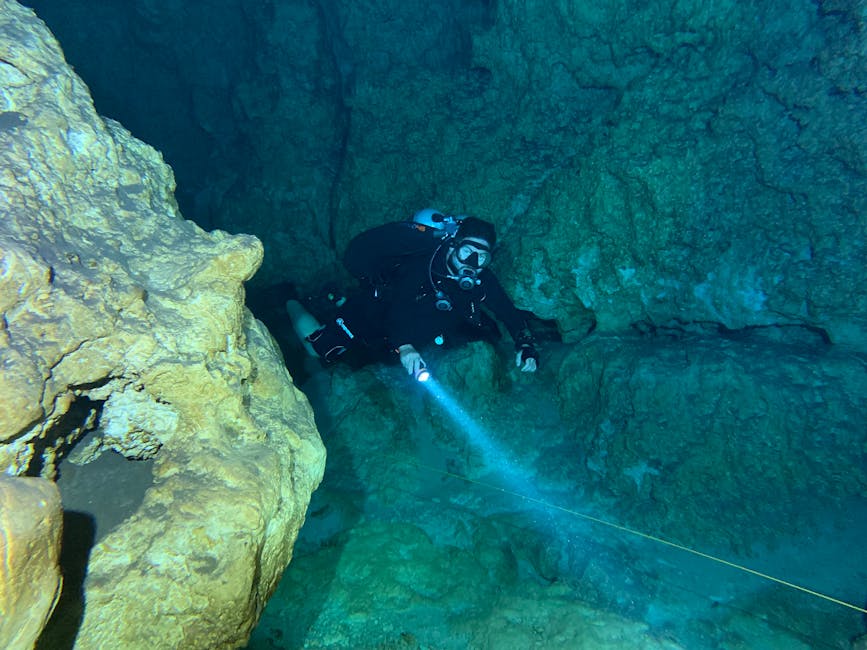
A Trove of Bones in the Depths (Image Credits: Pexels)
John Moretti, a paleontologist at the University of Texas at Austin, teamed up with spelunker John Young after Young spotted fossils during an initial exploration of Bender’s Cave. The pair, equipped with snorkels, goggles, and wet suits, ventured into the water-filled conduit on private property northeast of San Antonio. Over six expeditions from March 2023 to November 2024, they mapped 21 zones and collected specimens from the streambed and muddy floors.
Moretti described the scene vividly: “There were fossils everywhere, just everywhere, in a way that I haven’t seen in any other cave. It was just bones all over the floor.” The sheer density of remains marked this as an extraordinary site, likely fed by sinkholes that funneled animal carcasses into the cave during ancient floods and erosion events.
Unexpected Giants from a Forgotten Era
The haul included fragments never before documented in Central Texas, such as giant tortoise shells and armor from a pampathere, a lion-sized armadillo relative. Other finds comprised a giant ground sloth claw, saber-tooth cat teeth, camel bones, mastodon remains, mammoths, bison, and horses. These relics date to the last interglacial period, around 100,000 years ago, when warmer conditions prevailed.
Paleontologists noted the fossils’ similar mineralization and wear patterns, suggesting they accumulated around the same time. Yet precise dating proved tricky due to the lack of surrounding sediments and chemical alterations from mineral-rich groundwater. The collection painted a picture of megafauna swept away in a dynamic prehistoric environment.
- Giant tortoise shell fragments: First records for Central Texas.
- Pampathere armor scales: Indicates hotter, subtropical influences.
- Giant ground sloth claw: Evidence of forested habitats.
- Saber-tooth cat and camel fragments: Diverse predators and herbivores.
- Mastodon and mammoth bones: Large mammals adapted to interglacial warmth.
Rewriting Central Texas Prehistory
Previous models depicted Central Texas during the Ice Age as an open, arid grassland with cooler temperatures. This cave’s contents suggest otherwise: a moist, temperate forest supported sloths, mastodons, and heat-loving tortoises and pampatheres. Such species hinted at connections to southern habitats along the Gulf Coast and Dallas areas.
Moretti emphasized the breakthrough: “We’re looking at a picture that’s different than the one in textbooks. We’re opening a new window into the natural history of Central Texas.” The findings, detailed in a March 2026 paper in Quaternary Research, underscore how underwater caves in Texas’s karst landscape preserve unique snapshots of the past.
Challenges and Collaborations Ahead
Texas boasts thousands of such caves, formed as limestone dissolves in acidic rainwater, but accessing them requires landowner permission and specialized skills. Young secured entry to Bender’s Cave, enabling the systematic surveys. Experts like David Ledesma of St. Edward’s University called the novel species “ones that we didn’t think would occur in this part of Texas.”
Future work may involve advanced dating techniques or further dives, though submersion complicates preservation. The discovery highlights the value of citizen science and partnerships in uncovering hidden history.
Key Takeaways
- First Central Texas evidence of giant tortoises and pampatheres reshapes Ice Age ecology.
- High fossil density rivals few other sites, signaling major depositional events.
- Warm interglacial forests replaced dry grasslands in regional models.
This underwater bonanza not only expands the fossil record but also invites reevaluation of how climate shaped life in the heart of Texas. What secrets might other submerged caves hold? Share your thoughts in the comments.