
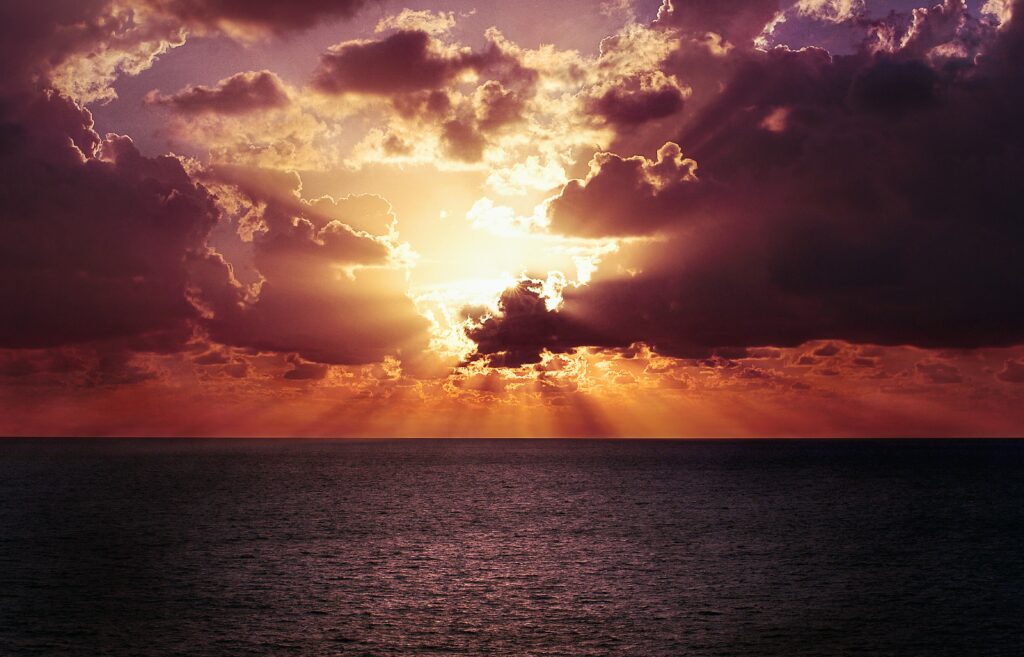
Imagine standing at the edge of a vast prehistoric landscape as the sun dips below the horizon. The sky transforms into a canvas of colors unlike anything we see today. The Mesozoic Era, spanning from 252 to 66 million years ago, hosted the reign of dinosaurs under skies that would appear alien to modern human eyes. While we can’t travel back in time to witness these ancient sunsets directly, scientific evidence and atmospheric modeling allow us to reconstruct what the evening skies might have looked like when T. rex and Triceratops roamed the Earth. This article explores the fascinating differences between Mesozoic sunsets and those we experience today, revealing how cosmic events, atmospheric composition, and global conditions shaped the visual spectacle of day’s end in this distant era.
The Atmospheric Composition of the Mesozoic
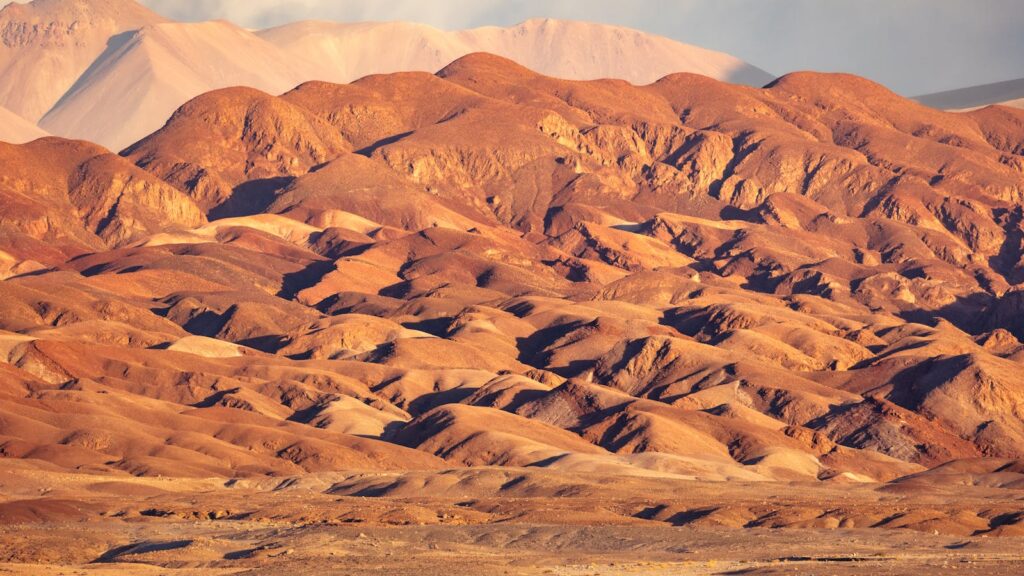
The Mesozoic atmosphere differed significantly from our modern air, with oxygen levels fluctuating between 10% and 30% throughout the era (compared to today’s 21%). Carbon dioxide levels were substantially higher, at times reaching five times our current concentrations, particularly during the warmer periods of the Triassic and early Jurassic. Methane also existed in greater abundance, released by the digestive processes of the enormous sauropod dinosaurs. These heightened greenhouse gas concentrations created a generally warmer, more humid global climate. The different atmospheric composition would have scattered sunlight differently, particularly affecting how reds and oranges appeared during sunset, likely intensifying these warm tones and creating richer, more dramatic evening displays than we typically see today.
Volcanic Influence on Mesozoic Sunsets
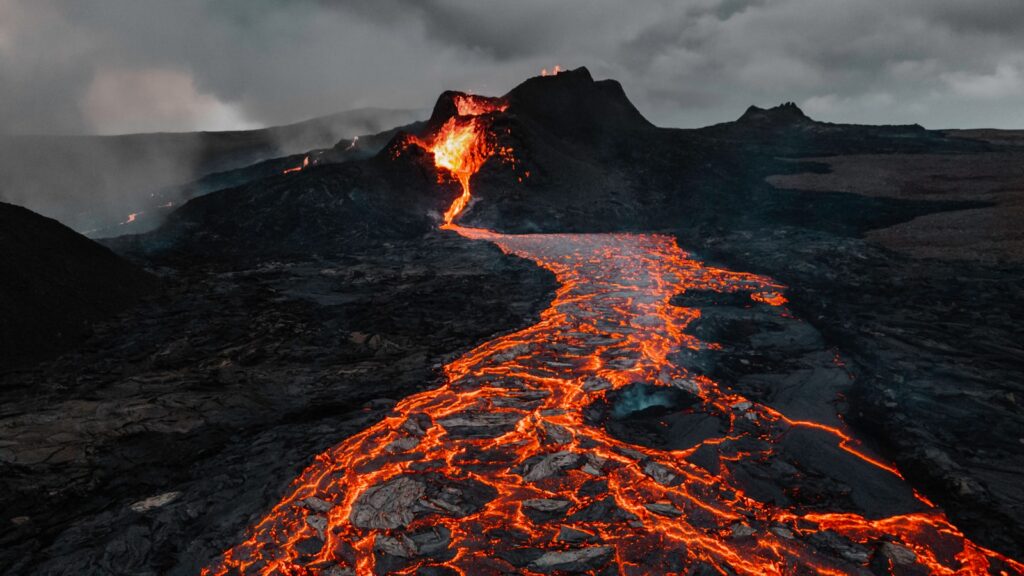
The Mesozoic Era experienced periods of intense volcanic activity, particularly during the Triassic-Jurassic boundary and the late Cretaceous. The Deccan Traps in India and the Siberian Traps represent some of history’s most massive volcanic events, releasing enormous volumes of ash and aerosols into the upper atmosphere. These volcanic particulates would have created spectacular sunset effects, similar to but far more intense than what we observe after modern volcanic eruptions. Sunsets following major eruptions would have displayed vivid purples, crimsons, and oranges stretching across the sky, as volcanic dust and sulfur compounds scattered and refracted sunlight in dramatic ways. These post-eruption sunsets might have persisted for years or even decades, creating generations of dinosaurs that knew only these intensely colored skies as normal.
Impact of Continental Positioning

During the Mesozoic, Earth’s continents were arranged differently than today, with most landmasses united in the supercontinent Pangaea, which gradually broke apart throughout the era. This continental configuration created different atmospheric circulation patterns and climate zones than exist today. Coastal areas of the massive Panthalassa Ocean (the precursor to the Pacific) would have experienced particularly dramatic sunsets due to the uninterrupted stretch of water reflecting the evening light. Inland regions, particularly in the early Mesozoic, might have experienced more dust-influenced sunsets due to the massive continental interior’s aridity. The position of landmasses also affected monsoon patterns and humidity levels, which in turn influenced cloud formation and the types of sunsets visible in different regions of the prehistoric world.
Dust from Asteroid Impacts
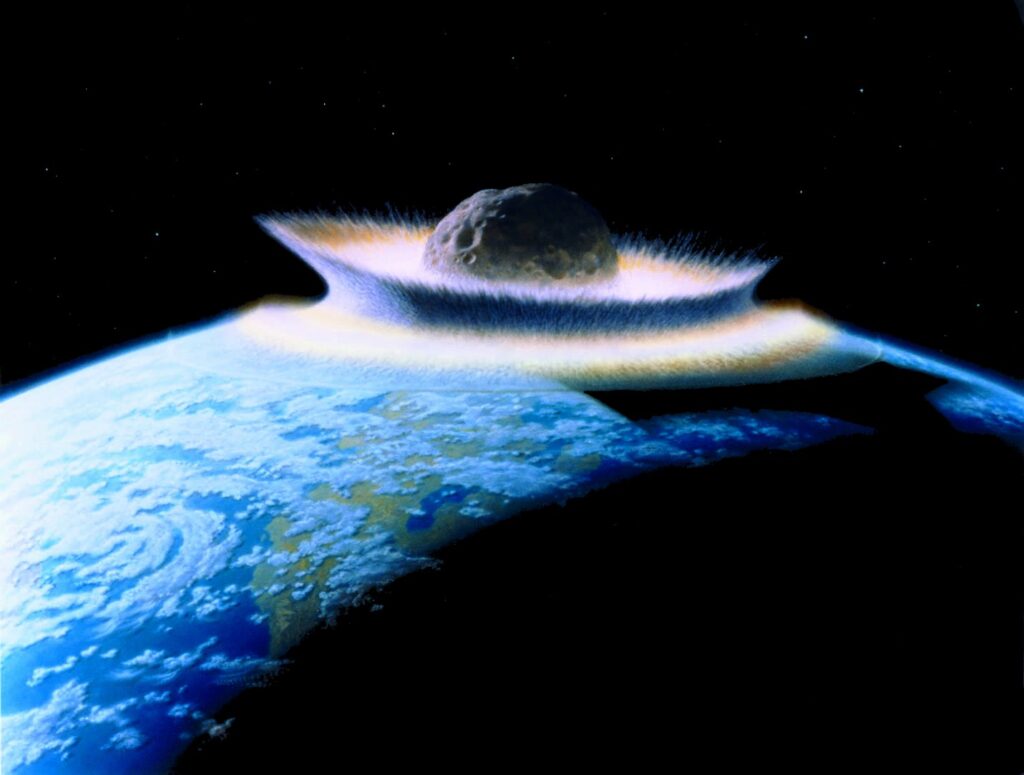
Throughout the Mesozoic, Earth experienced numerous asteroid and meteorite impacts, with the most famous being the Chicxulub impact that contributed to the extinction of non-avian dinosaurs. These cosmic collisions launched enormous quantities of dust and debris into the atmosphere, dramatically altering sunsets for months or years afterward. Following major impacts, the sky would have taken on an eerie appearance, with diffuse, blood-red sunsets caused by fine particulate matter suspended in the upper atmosphere. The reduced sunlight reaching Earth’s surface would have created an overall darker, more muted quality to the evening light. For dinosaurs that survived initial impact events, these strange sunsets would have been accompanied by cooler temperatures and reduced visibility, signaling the dramatic environmental changes underway.
Cloud Patterns of the Mesozoic
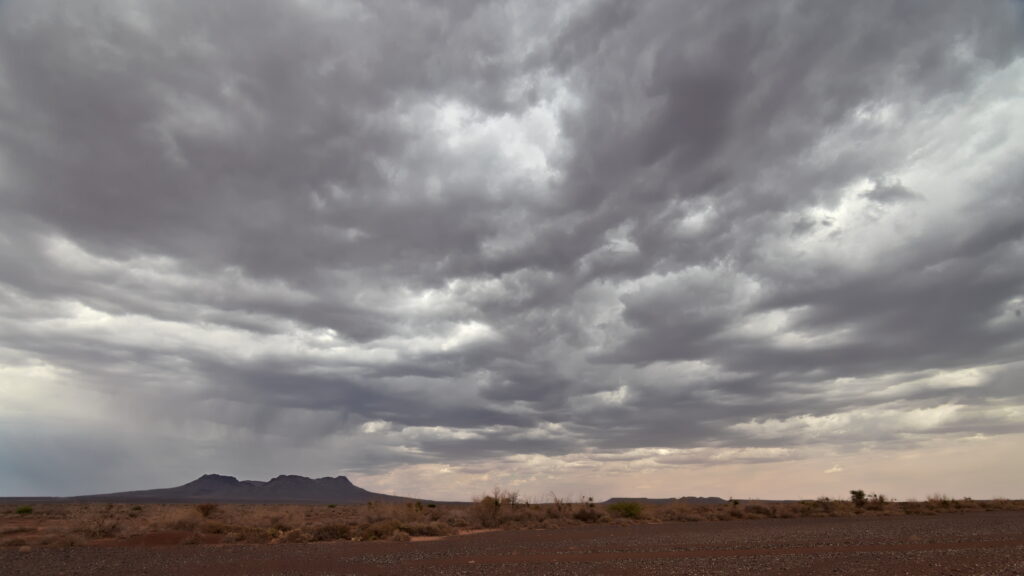
The warmer, more humid Mesozoic climate fostered different cloud formation patterns than those we observe today. Higher average temperatures led to increased evaporation and atmospheric moisture content, potentially creating more extensive and persistent cloud cover in many regions. The types of clouds would also have differed somewhat, with climate models suggesting more frequent towering cumulonimbus formations in tropical regions and unique stratiform cloud patterns in polar areas that experienced months of twilight. These distinctive cloud patterns would have influenced how sunset light filtered through the atmosphere, potentially creating more frequent crepuscular rays (sun beams) and iridescent cloud effects. Mesozoic sunsets would likely have featured more dramatic backlighting of clouds, with moisture-laden air enhancing the scattering of light and intensifying the colors visible at day’s end.
The Role of Forest Fires

The Mesozoic Era experienced regular wildfires, evidenced by charcoal deposits found in fossil layers from this period. The higher oxygen levels during certain periods of the Mesozoic would have promoted more intense and widespread burning when lightning or volcanic activity ignited the abundant vegetation. The smoke particles from these prehistoric conflagrations would have created hazy, red-orange sunsets similar to what we experience during modern wildfire seasons, but potentially covering much larger regions. Particularly during the Cretaceous Period, when flowering plants and coniferous forests became widespread, seasonal fire patterns may have created regular periods of smoke-influenced sunsets in many ecosystems. The particulate matter from these fires would have enhanced the scattering of red wavelengths, creating especially vivid crimson sunsets that dinosaurs would have witnessed regularly.
The Effect of Different Landcover Types

The vegetation of the Mesozoic differed substantially from modern plant communities, affecting local atmospheric conditions and sunset appearances. Early Mesozoic landscapes were dominated by ferns, cycads, and conifers, while flowering plants only emerged in the Cretaceous period. These plant communities released different volatile organic compounds into the atmosphere compared to today’s vegetation. These compounds would have created a different baseline haze level, subtly altering sunset colors. The extensive, unbroken forests of the Mesozoic would have contributed to higher humidity levels in continental interiors, potentially creating more frequent foggy or misty evening conditions that would diffuse sunset light differently than in clear air. The absence of grasses until late in the era meant fewer open landscapes, changing how low-angle sunlight would have interacted with the ground surface.
Mesozoic Light Scattering Physics
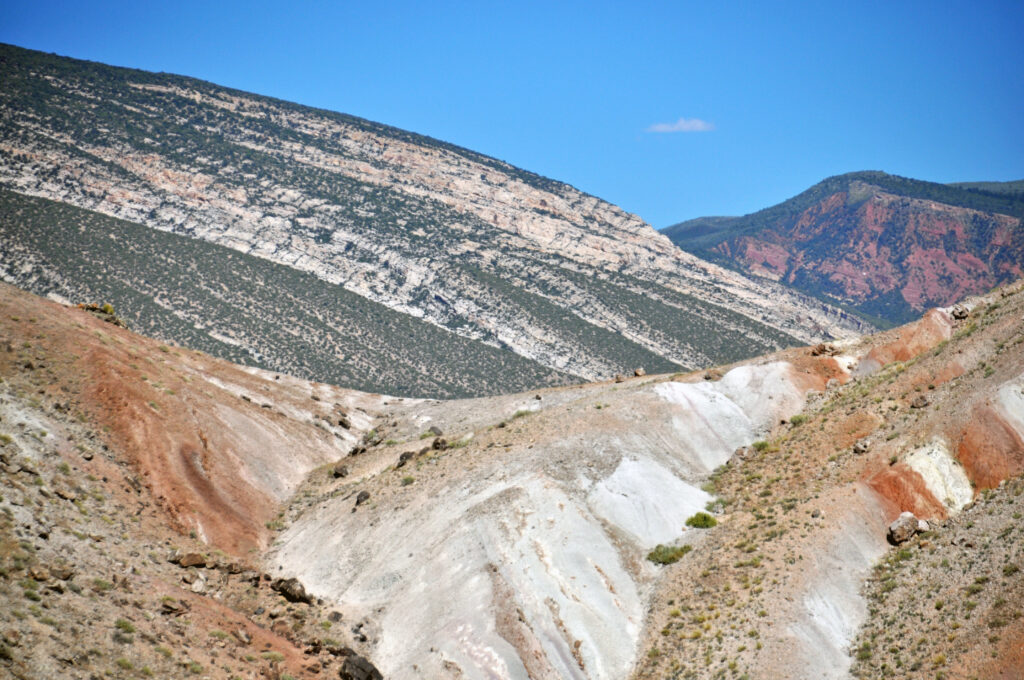
The fundamental physics of light scattering remained the same during the Mesozoic as today, but the different atmospheric composition created unique sunset effects. The higher concentration of greenhouse gases would have amplified Rayleigh scattering, the phenomenon that makes our sky blue during daylight and produces red sunsets. This enhanced scattering would have created more pronounced color separation in the Mesozoic sky, with potentially more vivid blues during the day transitioning to deeper oranges and reds at sunset. Aerosols and particulates from volcanic activity would have added Mie scattering effects, which scatter light of all wavelengths more equally, creating the whitish haze we see in polluted modern skies. The combination of these scattering effects would have produced sunset colors with different intensity distributions than what we observe in today’s cleaner or differently-polluted atmosphere.
Seasonal Variations in Prehistoric Sunsets
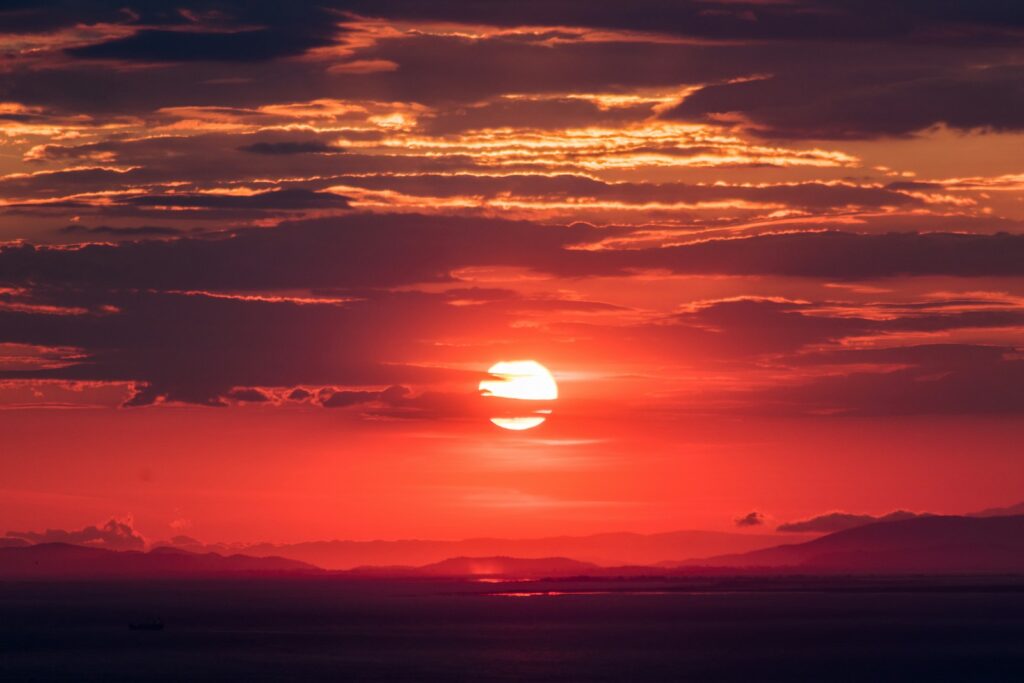
Seasonal patterns during the Mesozoic created distinct variations in sunset appearances throughout the year, though these differed from modern seasonal changes. The Mesozoic experienced less extreme temperature variations between seasons due to the greenhouse effect of elevated CO₂ levels, but still maintained distinct wet and dry periods in many regions. During dry seasons, increased dust in the atmosphere would have created more vibrant red and orange sunset colors, while wet seasons might have featured more cloud-influenced sunset displays with light rays and rainbow effects. The higher global temperatures meant that seasonal ice and snow cover were limited to polar and high-altitude regions, reducing the brilliant reflective effects that snow-covered landscapes contribute to winter sunsets in today’s temperate zones. Instead, the seasonality of Mesozoic sunsets would have been more influenced by rainfall patterns and their effects on atmospheric clarity.
The Chicxulub Impact and End-Mesozoic Sunsets
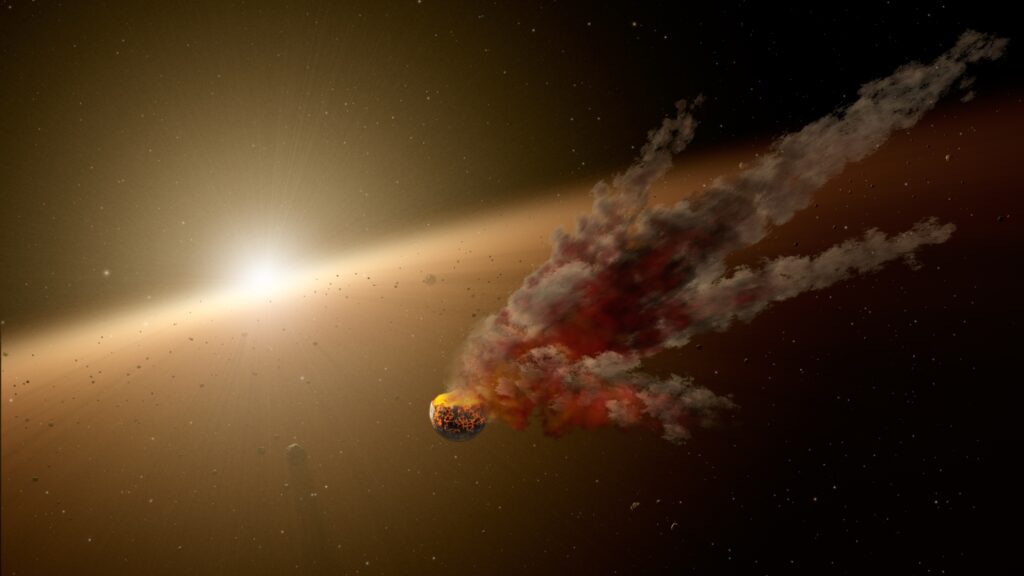
The asteroid impact that formed the Chicxulub crater at the end of the Cretaceous Period created perhaps the most dramatic sunsets of the entire Mesozoic Era. In the immediate aftermath of the impact, the sky would have appeared dark red or nearly black due to the enormous volume of dust and soot launched into the atmosphere. Calculations suggest that global darkness may have persisted for months, with significantly reduced daylight for years afterward. As the atmosphere gradually cleared, the period would have featured the most vivid, emotionally striking sunsets in Earth’s history, with intense reds, purples, and oranges dominating the sky. These apocalyptic sunsets witnessed by the surviving dinosaurs (which would evolve into modern birds) might have persisted for decades, serving as a visual reminder of the cataclysm that transformed life on Earth and ended the Mesozoic Era.
Locations with the Most Spectacular Mesozoic Sunsets
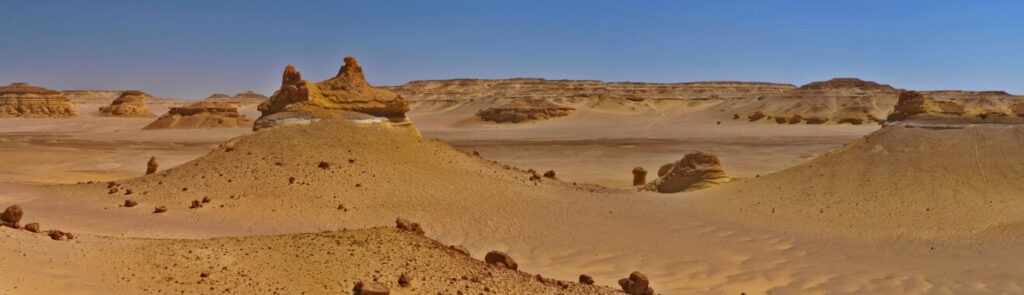
Certain geographical locations within the Mesozoic world would have offered particularly breathtaking sunset vistas. Coastal regions along the Tethys Sea, which separated the northern and southern portions of Pangaea, would have provided stunning ocean sunsets, enhanced by the humid maritime air. The massive volcanic island arcs of the proto-Pacific would have combined mountain silhouettes with volcanic haze for uniquely dramatic evening skies. High-altitude plateaus, like those forming in what would become Tibet as continents collided, would have offered clearer, more vivid sunset colors due to the thinner atmosphere and reduced dust at elevation. Dinosaurs inhabiting these regions would have regularly witnessed sunset displays that would surpass even the most spectacular modern sunset locations, combining unique atmospheric conditions with landscapes unaltered by human development.
How Scientists Reconstruct Ancient Skies
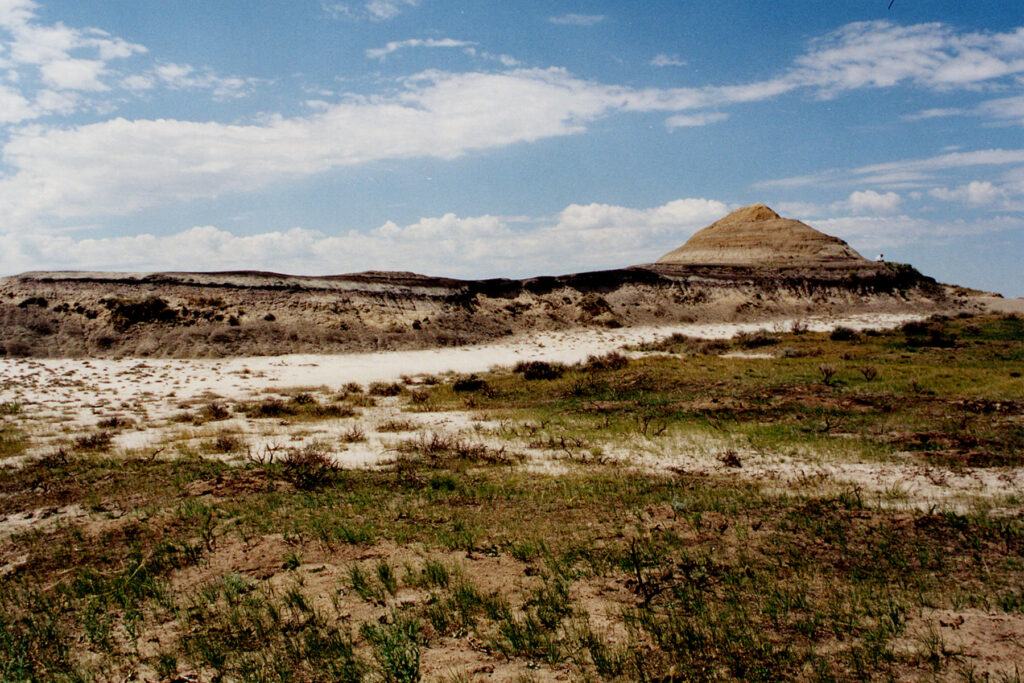
Modern scientists use multiple lines of evidence to recreate the appearance of Mesozoic skies. Geochemical analysis of fossil soils, plant remains, and marine sediments provides data about atmospheric composition, including oxygen, carbon dioxide, and methane levels. Climate models based on continental positions, ocean currents, and greenhouse gas concentrations help predict cloud coverage, precipitation patterns, and temperature gradients that would affect atmospheric conditions. Geological evidence of volcanic eruptions, impact events, and forest fires offers insights into periods of increased atmospheric particulates. Computer simulations incorporating light scattering physics with these reconstructed atmospheric conditions can generate visualizations of ancient skies and sunsets. Artists working with paleontologists then create scientifically informed depictions of Mesozoic sunsets, combining the available data with artistic interpretation to bring these ancient skies back to life in museum displays, documentaries, and scientific illustrations.
Experiencing a Mesozoic Sunset Today
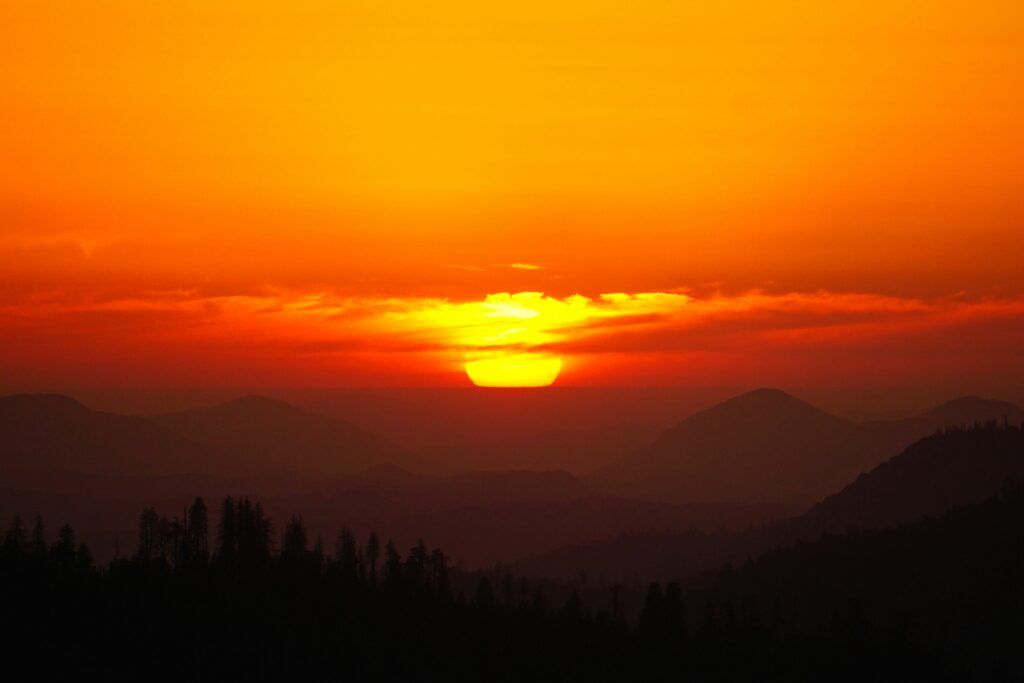
While we cannot directly experience a Mesozoic sunset, certain modern conditions can provide glimpses of what these ancient skies might have resembled. Major volcanic eruptions like Krakatoa (1883) or Pinatubo (1991) created sunset effects similar to what might have been common during volcanically active periods of the Mesozoic. Extensive wildfire seasons that create continent-spanning smoke plumes offer another parallel to Mesozoic conditions, particularly during high-oxygen periods when fires burned more intensely. Extremely humid, tropical coastlines may approximate the moisture-laden atmosphere common in many Mesozoic environments. By observing these phenomena and mentally adjusting for differences in atmospheric composition and landscape features, we can begin to imagine the visual experience of a dinosaur watching the sun sink below an ancient horizon. Modern digital planetariums and museum installations increasingly offer scientifically accurate recreations of ancient skies, including Mesozoic sunsets, providing an immersive way to visualize these lost worlds.
Conclusion
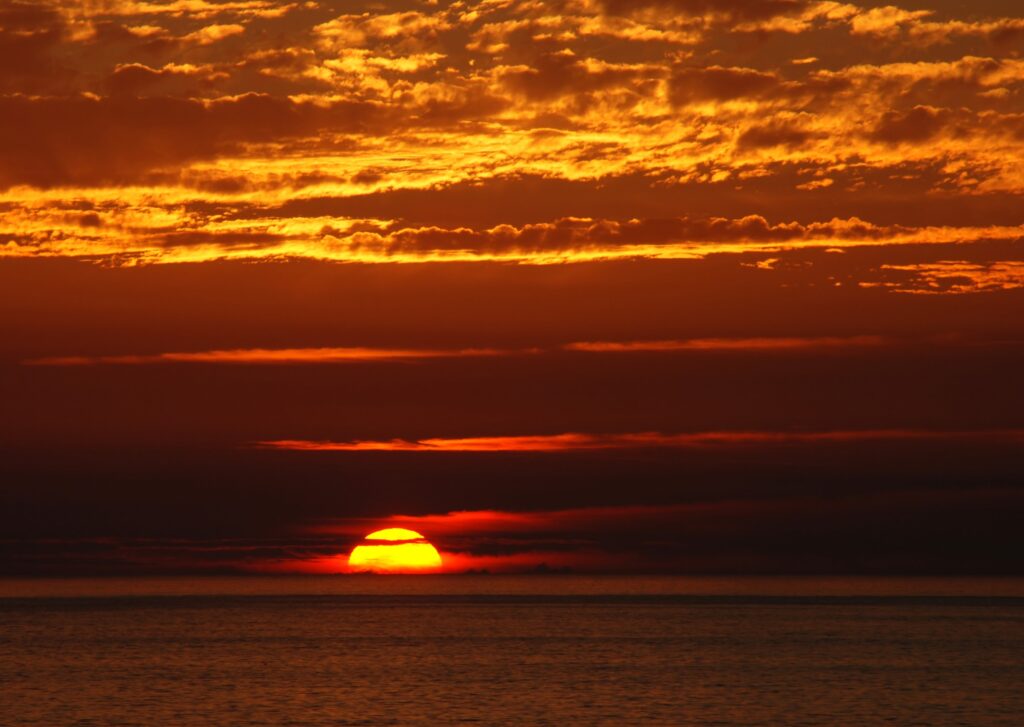
The sunsets of the Mesozoic Era would have offered a visual spectacle both familiar and alien to modern human observers. Higher greenhouse gas concentrations, different continental arrangements, and periodic events like volcanic eruptions and asteroid impacts created sunset conditions unlike any in the human experience. The dinosaurs witnessed evening skies painted with more intense reds and oranges, filtered through atmospheres sometimes thick with volcanic ash or wildfire smoke. Understanding these ancient skies helps us appreciate the constantly changing nature of our planet and its atmosphere. While we may never know exactly how a Tyrannosaurus rex might have perceived a Cretaceous sunset, the scientific evidence allows us to develop increasingly accurate reconstructions of these prehistoric skies, offering us a glimpse into the visual world of Earth’s distant past.