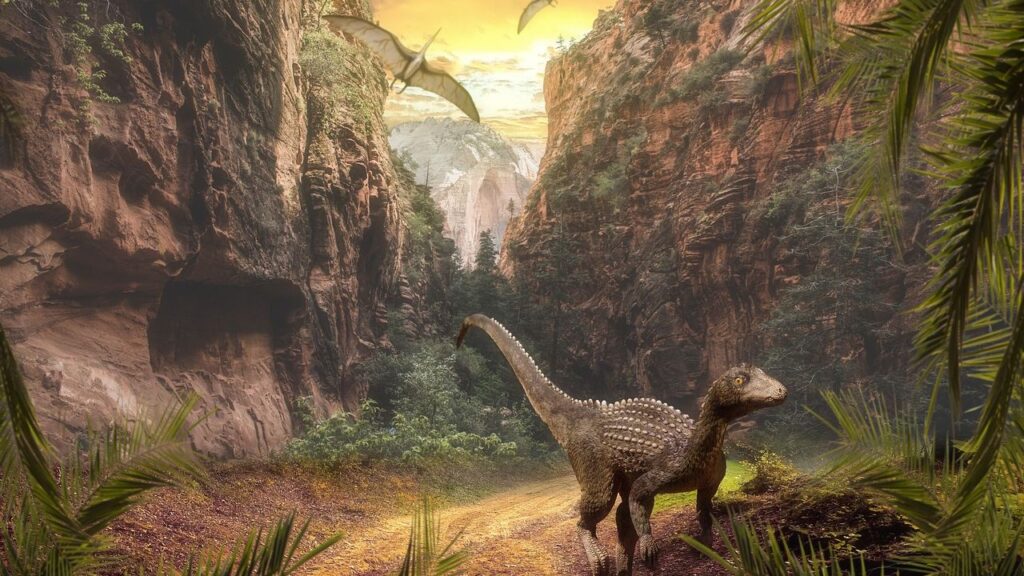
You probably know the headline version of the story: an asteroid slams into Earth, the dinosaurs die, and mammals eventually take over. But when you zoom in to the minutes, hours, and days right after that impact, the picture becomes far more intense, more chaotic, and honestly, more awe-inspiring than any movie scene you have seen. You are not just looking at a single explosion; you are watching an entire planet respond like a living body hit by massive trauma.
In this article, you will walk through those first phases as if you were right there, reconstructing what scientists have pieced together from rocks, craters, and microscopic clues scattered around the globe. You will see how the shock waves traveled, how the sky turned from bright blue to burning orange to pitch black, and how oceans and forests reacted in the days that followed. By the end, you will understand why that single day, about sixty-six million years ago, really did change almost everything about the world you live in now.
The First Seconds: A Fireball Bigger Than the Sky
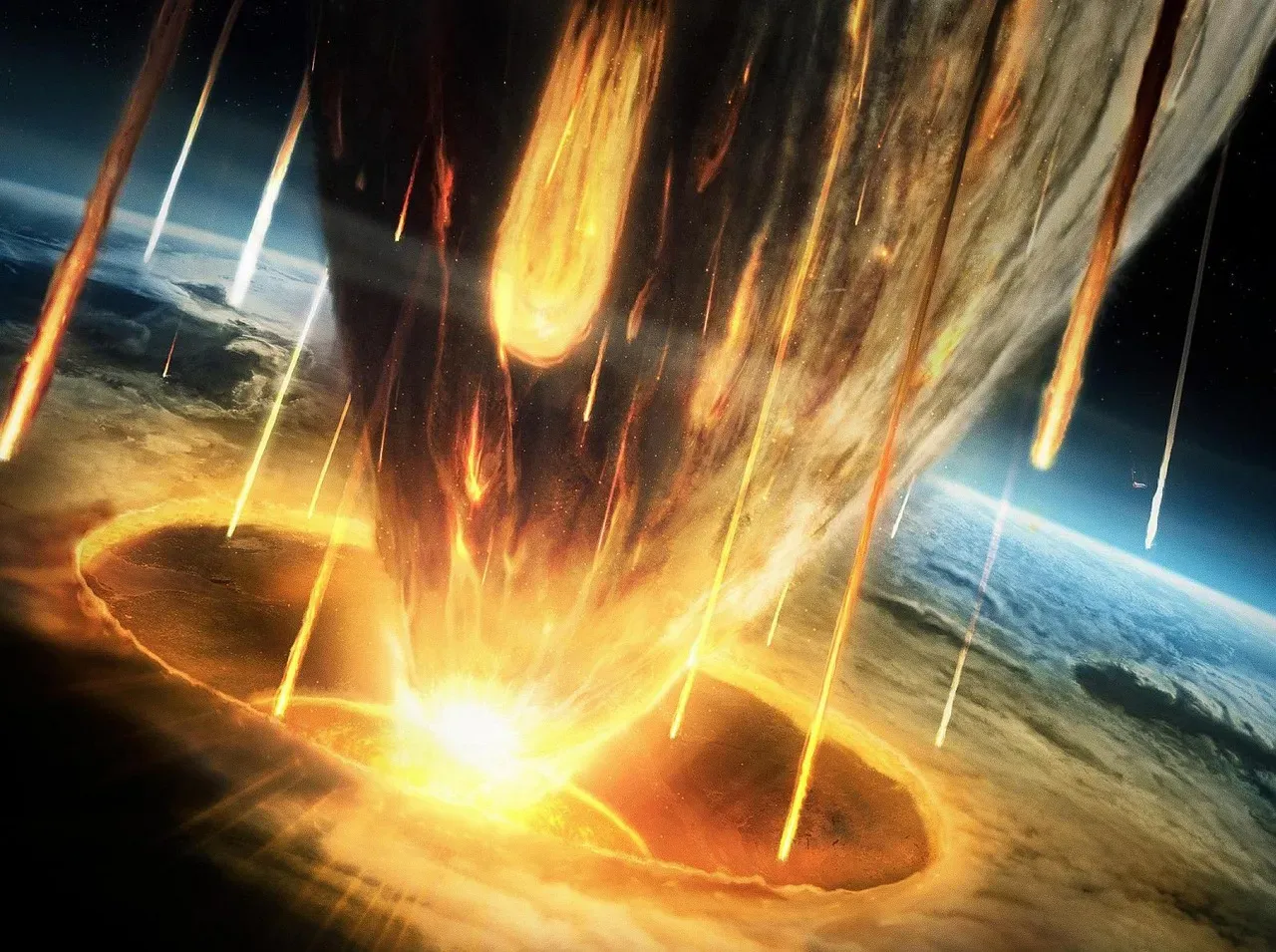
If you could stand at a safe distance and watch the asteroid hit, the first thing you would feel is that there is no such thing as a “safe distance.” You are looking at an object several miles wide slamming into Earth at tens of thousands of miles per hour, turning its kinetic energy into heat and shock in less than a heartbeat. In those first seconds, the asteroid and a huge volume of crust vaporize, creating a fireball so hot that rock behaves more like gas, and the atmosphere itself is shoved aside like water around a speedboat.
You would see the shock wave racing outward through rock and air, crushing everything in its path long before the sound reaches you. The air in front of the expanding fireball would compress and heat up, turning the sky into a blinding, white-hot dome. Even if you were hundreds of miles away, you would feel a sudden, searing blast of heat, strong enough to ignite dry vegetation and strip leaves from trees. In those first seconds, the local area around the impact ceases to be a landscape and instead becomes a roiling, incandescent cauldron.
The First Minutes: Shock Waves, Earthquakes, and Mega-Tsunamis
Within minutes, you would notice that Earth is ringing like a bell. The impact sends seismic waves racing through the crust, far more powerful than the strongest earthquakes you have ever heard of. If you were on land within a thousand miles or more, you would struggle to stand as the ground lurches, tilts, and fractures, landslides cascade down slopes, and entire coastlines slump and collapse. The crater itself, centered in what is now the Yucatán Peninsula, would open and rebound in a complex, violent dance of molten rock and shattered crust.
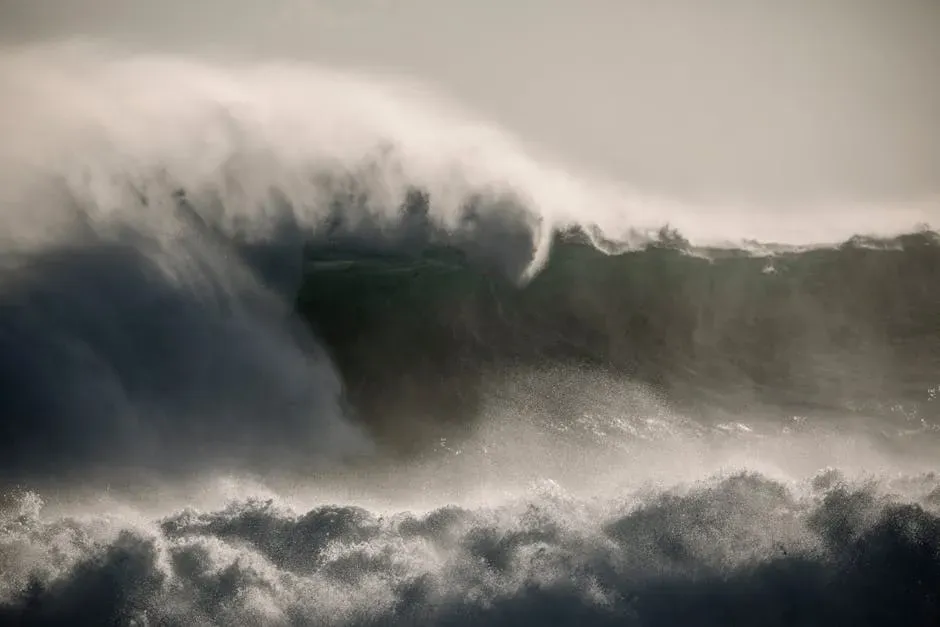
If you were near the ancient coastlines of the Gulf of Mexico or even across nearby oceans, your attention would be dragged to the water. The impact displaces so much seawater that massive tsunamis rush outward, some towering higher than city buildings. You would watch walls of water race across shallow seas, scouring shorelines, ripping up sediments, and carrying debris and marine life far inland. Hours later, these waves would still be crashing onto distant coasts, leaving behind layers of disturbed sand and broken shells that geologists in the present can still find and study.
The Blazing Hour: When the Sky Turns into an Oven
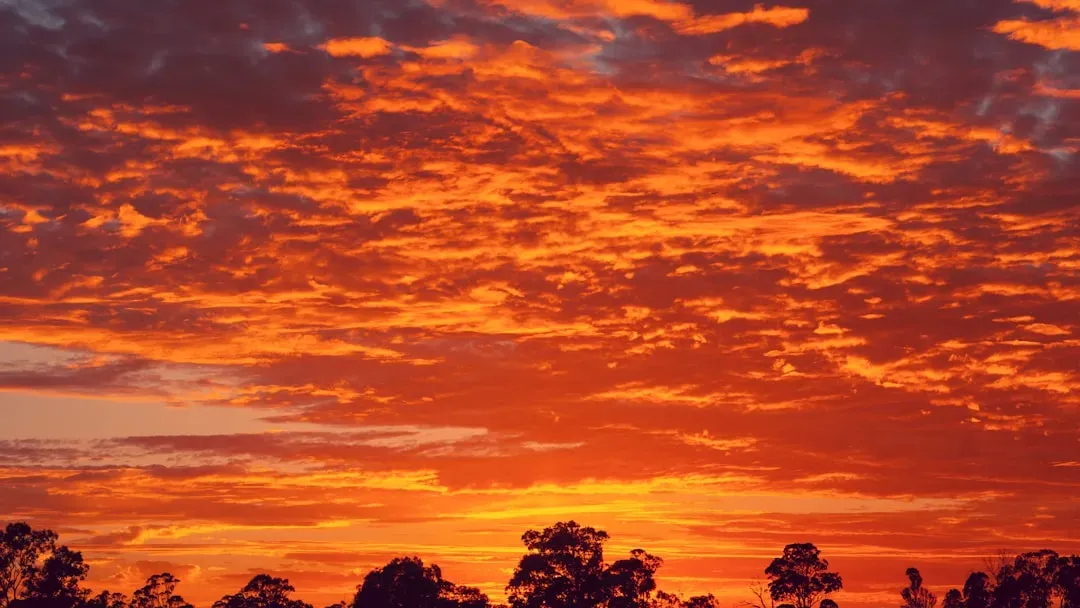
Not long after the impact, even if you are very far from ground zero, you would realize the danger is not over just because the main explosion is done. The impact hurls enormous amounts of rock, dust, and molten droplets high above the atmosphere, some of it nearly into space. As this material arcs back toward Earth, it re-enters the atmosphere at high speed, heating up like countless shooting stars, only much brighter and more intense than anything you have seen during a meteor shower.
You would see the sky light up as if someone had pulled a fiery blanket across the planet. The re-entering debris radiates heat downward, and for a period that might last tens of minutes to a couple of hours, the upper atmosphere behaves like an enormous broiler. If you are in a forest or grassland, even far from the crater, you would see vegetation start to smolder and then burst into flames, ignited not by local sparks but by heat coming from the sky itself. This is the phase when widespread wildfires are believed to have erupted, leaving a global fingerprint of charcoal and soot that you can still find in rocks today.
The Darkening Day: Dust, Soot, and a Vanishing Sun
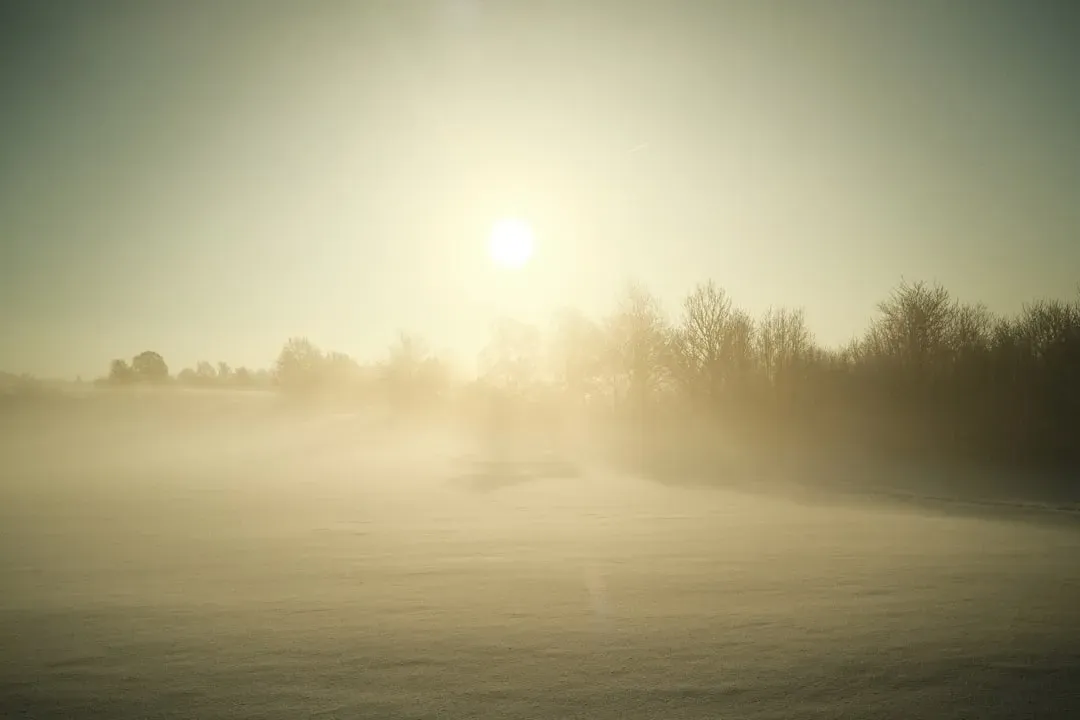
As the fiery phase eases, you might think the world is calming down, but you would quickly notice a new kind of threat creeping over you. The same impact that launched debris into the atmosphere also filled the skies with fine dust, sulfate aerosols, and soot from burning forests. If you look upward, you would see the sun dimming behind a growing veil, turning from harsh glare to a dull red disk and then, in many places, disappearing almost entirely. It would feel like dusk has arrived in the middle of the day, and it would stay that way not just for hours but for weeks or even months.
You would feel the temperature start to drop, not instantly, but steadily, as less sunlight reaches the surface. Plants that rely on direct sunlight would begin to struggle almost immediately, and aquatic life in the upper layers of the ocean would sense the light fading through the water column. Over time, this extended period of darkness and cooling would disrupt photosynthesis on a global scale, cutting off the base of the food chain for both land and sea. What began as an explosion in one place has now turned into a shadow stretching around the entire planet.
The Toxic Rain: Acids, Ash, and a Changing Atmosphere
As you move from the first hours into the first days after the impact, you would notice that the very air and water around you are changing. The asteroid struck a region rich in sulfur-bearing rocks, and when these vaporized, they released gases into the atmosphere that could form sulfuric acid droplets. At the same time, wildfires and vaporized organic material would pump massive amounts of other compounds into the air. As this cocktail cools and condenses, you would experience strange, harsh rains that are not just dirty but chemically aggressive.
If you were near freshwater lakes or coastal waters, you would see these acidic rains and falling particles altering the chemistry of the water. Over time, oceans could become more acidic near the surface, stressing organisms with shells or skeletons made from calcium carbonate. You would also feel the air becoming dusty and difficult to breathe, especially downwind of burned forests and stirred-up sediments. While these effects would vary from place to place, the overall pattern would be one of stressed ecosystems, weakened soils, and a planet struggling to absorb the shock to its atmosphere and hydrosphere.
The First Weeks: Ecosystems on the Edge
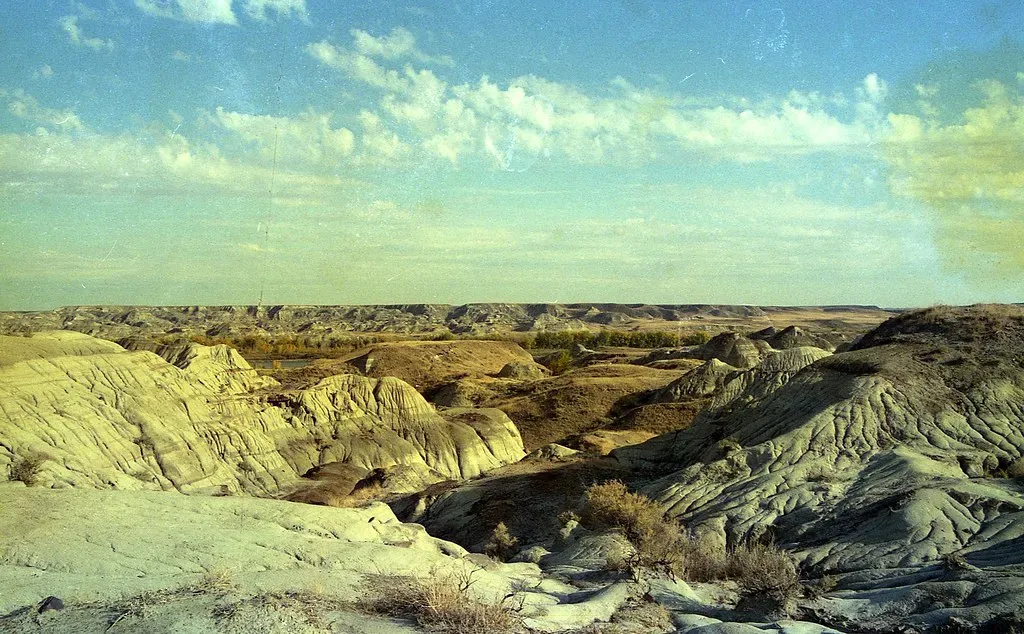
As weeks pass, you would watch life around you enter survival mode. With sunlight drastically reduced and temperatures cooling, plants would slow their growth or die back, and many would fail to reproduce that season. Herbivores would wander farther to find food, only to discover withering vegetation and scorched landscapes. Predators that depend on those herbivores would find their hunting grounds eerily empty, and you would see more animals competing fiercely for whatever resources remain, from seeds and roots to weakened prey.
If you shift your view to the oceans, you would see similar trouble. Microscopic plankton, which form the base of marine food webs, would struggle under the reduced light and changing chemistry, leading to cascading effects up the chain to fish, marine reptiles, and large predators. Over these first weeks and months, many groups that were already specialized or stressed before the impact would fail to cope with the new conditions. You would be witnessing not just random deaths, but the early stages of a mass extinction event that selectively removes certain lifestyles and leaves openings for others.
The First Years: From Shock to a New Normal
In the years following the impact, you would finally see the planet begin to stabilize, but in a form that might feel hauntingly unfamiliar compared to the world from just before the collision. Dust and aerosols would slowly settle out of the atmosphere, letting sunlight return more fully, and global temperatures would inch back up toward a new balance. Some regions might even overshoot into temporary warming phases, depending on how greenhouse gases and reflective particles balance out. You would notice that forests, grasslands, and reefs start to regrow or reassemble, but with different players taking the lead.
As you walk through these recovering landscapes, you would see fewer of the large, specialized creatures that once dominated and more of the smaller, adaptable survivors. Mammals, birds, and other resilient groups would find new ecological openings where giant reptiles once ruled, gradually diversifying into niches left empty by extinction. From your vantage point in 2026, you can look back and realize that your own existence is tied directly to that long process of recovery. The immediate aftermath of the impact was not just a story of destruction; it was the opening chapter of a very different Earth, one that would eventually make room for you.
When you step back and trace this chain of events, from the blinding fireball to the long, dim years that followed, you start to see the asteroid impact as both catastrophe and reset button. You live in the shadow of that day without feeling it most of the time, but every bird in the sky and every mammal on land, including you, is part of its legacy. The rocks that record the thin layer of impact debris are like a page break in Earth’s history, separating one chapter of life from the next. Knowing this, you can look at your own world with a bit more humility and wonder, realizing how quickly everything familiar can change.
So when you think about the day the Earth changed, you are not just indulging in a dramatic story; you are reconnecting with a real turning point that shaped the ground under your feet and the life you see around you. The question that lingers is simple but unsettling: if a single day could do all that in the past, what kind of days might still lie ahead for your planet?