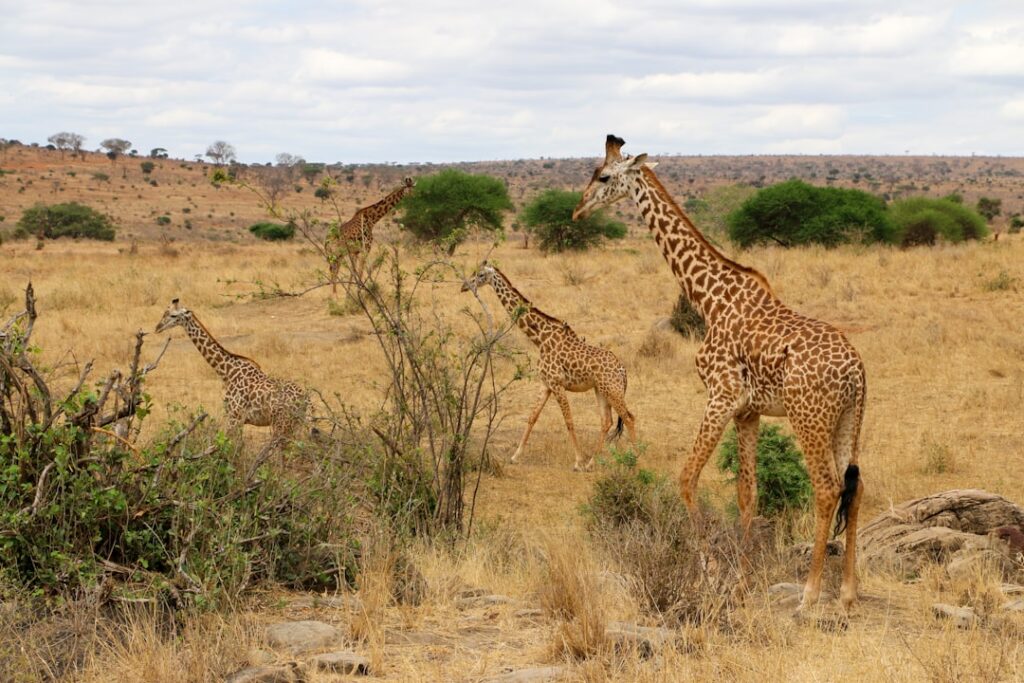
Northeastern Kenya – Towering reticulated giraffes, icons of the arid savanna, now venture into farmlands along the Tana River, stripping mango flowers and competing fiercely for water. These encounters have escalated tensions in Garissa County, where expanding agriculture squeezes wildlife habitats. Researchers documented the emerging human-giraffe conflicts through surveys, revealing underlying pressures like drought and poverty that fuel the strife.
Giraffes Strip Crops in Desperate Search for Food
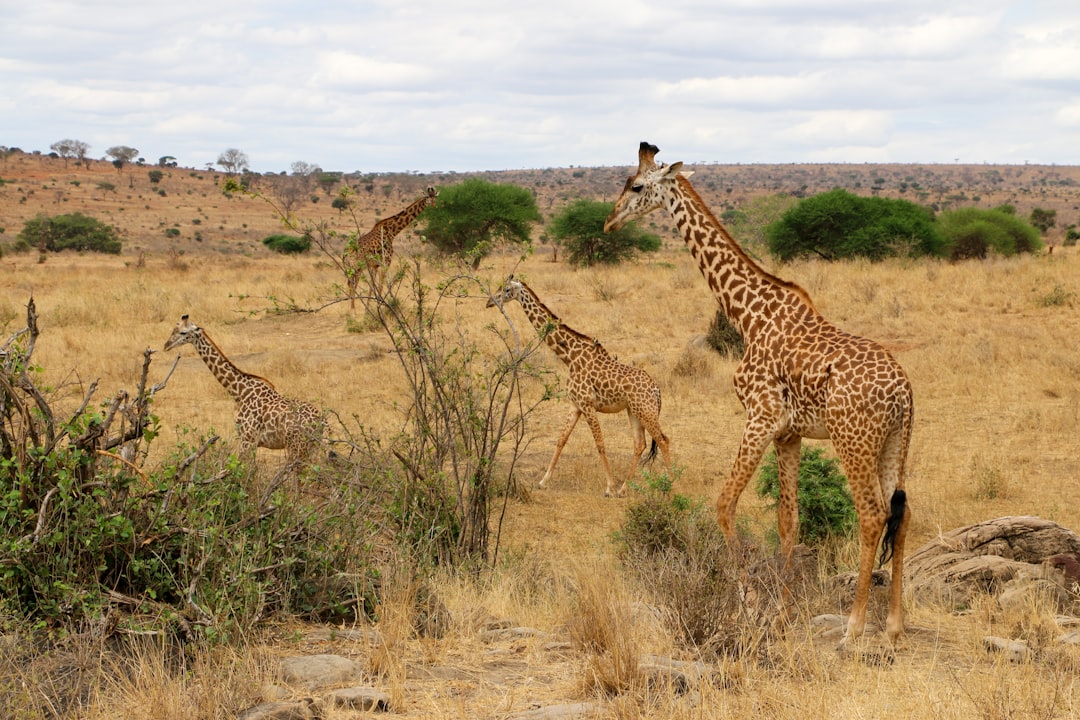
Giraffes Strip Crops in Desperate Search for Food (Image Credits: Unsplash)
Farmers in Garissa County reported giraffes targeting mango trees with alarming frequency. The animals devoured flowers essential for fruit production, along with pawpaw and guava crops. This behavior stemmed from habitat changes, as invasive species displaced native acacias that giraffes preferred.
Surveys showed 42 percent of respondents spotted giraffes on their own land. Economic losses mounted, prompting some to set snares or dig pitfalls. Yet such retaliations remained occasional, as giraffes posed no routine threat to livestock or bushmeat needs.
Water Scarcity Fuels Fierce Competition Along the Tana
Irrigated farms proliferated along the Tana River, blocking traditional giraffe access to water points. Drought conditions worsened the crisis, drawing the animals through croplands at night. Communities shifted from pastoralism to farming, narrowing wildlife corridors in the process.
Nearly 87 percent of surveyed households cited water competition as the top conflict driver. Giraffes forced their way to the river, damaging fields en route. This pattern highlighted broader environmental strains in Garissa, home to over 6,800 reticulated giraffes – a population that grew 41 percent since 2021 despite threats.
Local Views Reveal Tolerance Tempered by Hardship
Residents near Bour-Algy Giraffe Sanctuary expressed largely positive views toward giraffes. A study of 400 households found attitude scores averaging above neutral, with men showing stronger support than women. Over half reported no property damage from the animals.
Risk perceptions stayed low, especially after direct encounters. Cultural ties and sanctuary jobs bolstered acceptance. Still, poverty affected 37 percent as a conflict factor, underscoring economic vulnerabilities.
- Competition for water: 87.2 percent
- Lack of giraffe ecology awareness: 45.2 percent
- Habitat encroachment: 42.3 percent
- Poverty: 37.2 percent
Conservation Efforts Chart Paths to Coexistence
Groups like the Somali Giraffe Project mapped water access and promoted community-led models. They distributed solar lamps, scarecrows, and education on non-lethal deterrents. Partnerships with county governments and Kenya Wildlife Service aimed at reconciliation amid land disputes.
The Hirola Conservation Program deployed beehive fences, noisemakers, and lights on 50 farms. Sites using multiple tools saw fewer giraffe visits, with no killings reported among participants. Plans targeted 2,000 more farmers, blending grassland restoration and scouting jobs.
Other strategies included women-led tree nurseries and invasive species control. Live guarding, fencing, and fire emerged as favored mitigations. These initiatives sought to sustain giraffe numbers while securing livelihoods.
Key Takeaways
- Reticulated giraffes in Garissa increased 41 percent recently, yet face habitat loss and retaliatory harm.[1]
- Non-lethal deterrents like solar lights and beehives reduced farm raids effectively.
- Positive community attitudes offer a foundation for lasting coexistence programs.
Human-giraffe conflicts in northeastern Kenya underscore the delicate balance between wildlife recovery and human needs. As reticulated giraffes rebound amid broader declines, targeted interventions promise harmony. What steps can communities take next to protect both giraffes and farms? Share your thoughts in the comments.