Raglan, Aotearoa New Zealand – Elders from Tūhoe Tuawhenua and Ngāti Whare iwi once navigated forests carpeted in purple tawa fruit and resounding with the flights of berry-stuffed birds. These vivid memories from Te Urewera and Whirinaki forests captured a world of seasonal abundance that sustained communities for generations. Researchers, guided by mātauranga Māori, have now charted how climate shifts over the past 75 years have disrupted this delicate balance, triggering changes that echo through soils, wildlife, and culture.
Memories of Fruit-Filled Forests Now Fading Fast
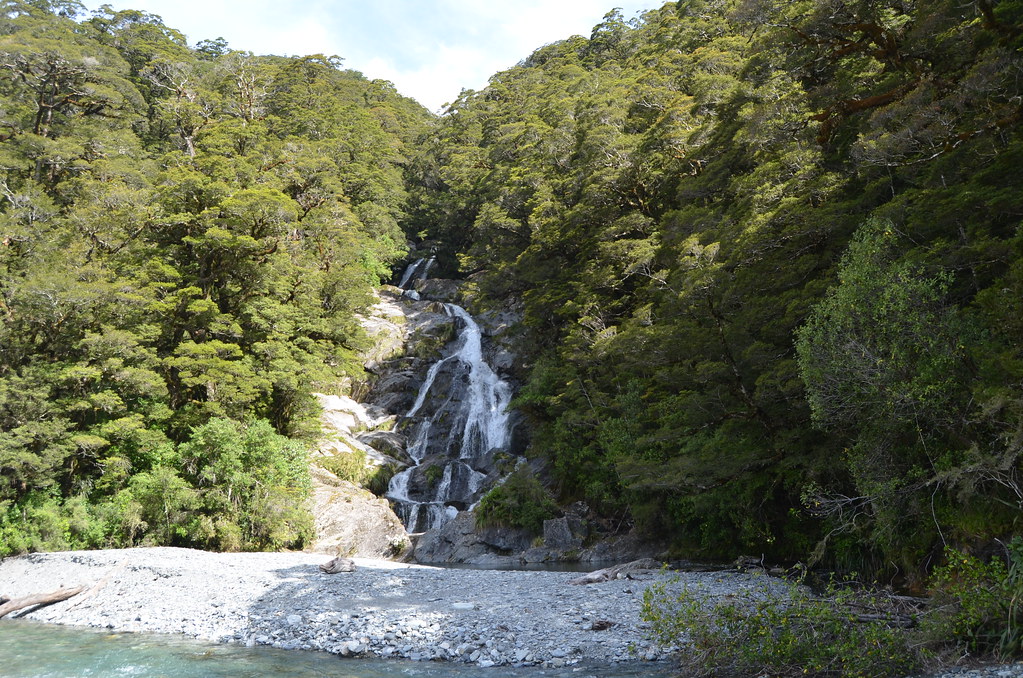
Memories of Fruit-Filled Forests Now Fading Fast (Image Credits: Flickr)
Forest floors once grew so thick with tawa (Beilschmiedia tawa) fruit that crossing them meant risking a slip. Birds gorged on toromiro (Pectinopitys ferruginea) berries until they burst under pressure, while pigs ignored roots in favor of the plentiful surface harvest. Such scenes defined summertime in these North Island woodlands, where rhythms of fruit set, ripening, and fall aligned perfectly with the calendar.
Those patterns held steady until the 1990s, when practitioners began noticing irregularities. Summers stretched longer and hotter, frosts grew rarer, and storms intensified. Trees responded with erratic fruiting: yields dwindled, berries shrank and shriveled, and drop times grew unpredictable. One elder captured the confusion: “Some of the trees in the forest no longer know if it is winter or summer.”
Cascading Impacts Reshape the Entire Food Chain
The loss of massive fruit falls robbed forest soils of vital nutrients, including nitrogen surges that once fueled microbial life and earthworms. Decomposition slowed, leaving grounds compacted and dry, especially under browsing pressure from invasive deer and goats. Plant vigor suffered as a result, perpetuating a cycle of decline.
Wildlife felt the pinch acutely. Kererū pigeons (Hemiphaga novaeseelandiae), culturally prized for their flesh, grew leaner and scarcer without reliable forage. Feral pigs mirrored this trend, their numbers dropping amid the scarcity. Researchers documented these shifts through bioindicators rooted in traditional observations, linking them directly to climatic trends reported nationwide.
- Tawa fruit falls: Once impassable blankets, now sparse and untimely.
- Toromiro berries: Previously abundant for birds, presently meager.
- Kahikatea (Dacrycarpus dacrydioides): Canopies that glowed orange-red, dimmed by poor yields.
- Kererū pigeons: Plump providers turned skinny survivors.
- Feral pigs: Surface feeders reduced by forage failure.
Cultural and Linguistic Losses Deepen the Crisis
Beyond ecology, the changes struck at the heart of Māori identity. Nutrition suffered as traditional foods vanished, straining ties to the land. Puke Tīmoti, a Tūhoe researcher with Manaaki Whenua – Landcare Research, observed: “The forest itself has signaled change, and people who have watched these landscapes for generations are noticing the rhythms of the seasons are shifting.”
Te reo Māori words evaporated alongside the phenomena they described, such as papahoro for fruit-carpeted ground or kōuriuri for kahikatea’s vivid berry phase. Tīmoti noted: “Māori will often say, ‘I am the forest.’ So then there’s a notion that we, too, are in decline.” These linguistic markers offered precise ecological insights, now at risk as elders pass away.
Preserving Knowledge Amid Looming Loss
An Indigenous-led team gathered insights from 39 forest practitioners between 2004 and 2018, many over 60 and now deceased. Interviews, often in te reo and held amid the trees, verified observations through workshops. The resulting study marked the first to align fruit phenology changes with climate data via mātauranga Māori.
Tīmoti urged greater integration of this knowledge into conservation: “We’re trying to share that there’s a richness in Indigenous mātauranga, in knowledge systems, that represents probably the longest-standing longitudinal study in our country.” Landscape-based hubs could regenerate these traditions, countering the depletion of living libraries.
Key Takeaways
- Climate shifts since the 1990s have desynchronized forest fruiting, reducing yields and altering timing.
- Nutrient-poor soils and invasives amplify declines in plants, pigeons, and pigs.
- Cultural erosion accompanies ecological change, with te reo terms and practices fading.
These forests whisper warnings of broader disruptions, where subtle seasonal slips unleash profound transformations. Integrating mātauranga Māori offers a path to resilience, blending ancient observation with modern action. What steps should New Zealand take to safeguard this wisdom? Share your thoughts in the comments.