Once linked by unbroken rainforest, the habitats around Andasibe-Mantadia National Park and Analamazoatra Special Reserve in eastern Madagascar suffered severe fragmentation starting in the 1960s. Farmers and herders cleared vast areas for crops and pastures, isolating vital ecosystems teeming with endemic species. A collaborative reforestation project, begun in 2023, now weaves a 150-hectare corridor of native trees across a 6-kilometer gap to restore connectivity. Remarkably, lemurs have started using the nascent pathway, offering early proof of its promise for wildlife and human well-being alike.
Lemurs Pioneer the Path Forward
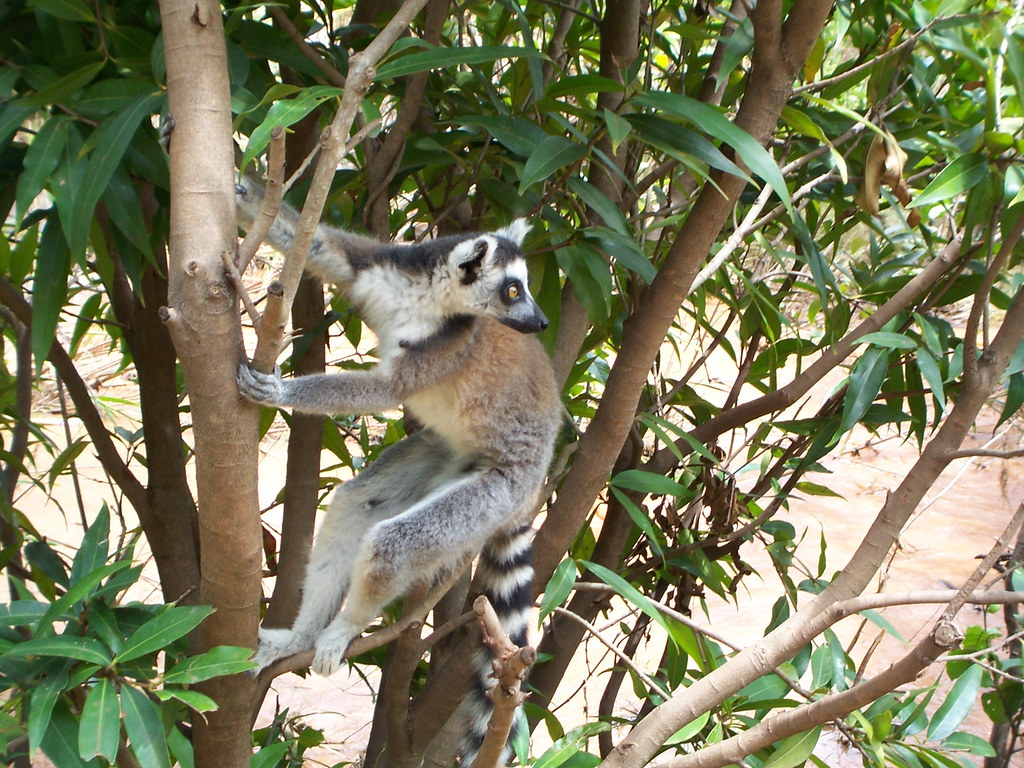
Lemurs Pioneer the Path Forward (Image Credits: Flickr)
Signs of wildlife adoption appeared swiftly after planting commenced. A family of eastern lesser bamboo lemurs ventured into the corridor within two years, while bioacoustic devices captured calls from Goodman’s mouse lemur. These observations underscore the corridor’s role in easing movement for isolated populations.
The area harbors about a dozen lemur species, many critically endangered like the black-and-white ruffed lemur and diademed sifaka. Fragmentation had curtailed gene flow and foraging ranges, heightening extinction risks. Restoration efforts prioritize over 100 native tree varieties, including lemur-favored fruits, planted at densities of 1,200 to 1,500 seedlings per hectare. Survival rates exceed expectations, with just 4% mortality in monitored plots and some trees stretching two meters tall.
Roots of Collaboration and Innovation
The Mad Dog Initiative spearheaded the project, partnering with the Dr. Abigail Ross Foundation for Applied Conservation, Association Mitsinjo, and Ecovision Village. Funding flowed from organizations including Seacology, Re:wild, Lush Cosmetics, and the IUCN SOS Lemurs program. Seedlings germinate in two local nurseries, drawing from nearby forests and community groves; half receive mycorrhizal fungi to boost resilience.
By late 2025, teams had restored 60 to 70 hectares, targeting full coverage by December 2027. Technicians like Claude Rakotoarivelo and Anthony Ramarolahy track growth weekly, noting GPS coordinates, slopes, and health metrics. “These results are great, given that mortality rates are usually much higher,” remarked Nicolas Naina Rasolonjatovo of Centre ValBio. This data will guide similar efforts in humid rainforests worldwide.
Empowering Locals Through Green Jobs
Restoration extends beyond trees to human needs. The initiative employs 12 full-time planters and monitors, plus 20 seed collectors and nursery workers, all from nearby villages. Ecovision Village, established in 2020 on project land, hires patrollers and guides to foster ecotourism.
- Construction of a free health center in Andasifahadimy to serve 10 communities.
- Ankizin’ny Ala youth program teaching forest conservation to children.
- Expanded pet vaccination and sterilization to curb threats from stray animals.
- Field trips and training to build stewardship skills.
These measures address root causes of deforestation, like reliance on charcoal from eucalyptus groves. Ny Ony Razafindrakoto of Ecovision emphasized how jobs demonstrate the tangible gains of protection. Rainer Dolch of Association Mitsinjo highlighted ecotourism’s potential to supplant harmful farming.
Overcoming Hurdles in a Fragile Landscape
Invasives pose ongoing tests. A lingering eucalyptus stand hampers natives, while Desmodium uncinatum, once fodder, smothers regrowth. Partners remove eucalyptus gradually and deploy goats for natural control, collaborating with herders.
Land tenure issues have eased through dialogue, with Ecovision committing to shared prosperity. Jhoanny Rasojivola of TDARFAC oversees these balances, ensuring monitoring persists until self-sustaining ecology emerges. “Longitudinal data… could serve as a model for building future corridors,” noted TDARFAC’s Abby Ross.
Key Takeaways
- 150 hectares targeted, with 60-70 already planted using 100+ native species.
- Lemurs using corridor early, low 4% seedling loss.
- Jobs, health, education integrate conservation with community gains.
This corridor exemplifies holistic restoration, mending ecosystems while fortifying lives against poverty’s pull on forests. As trees mature, they promise safer futures for Madagascar’s unique primates and the people stewarding their home. What do you think about such integrated conservation models? Tell us in the comments.