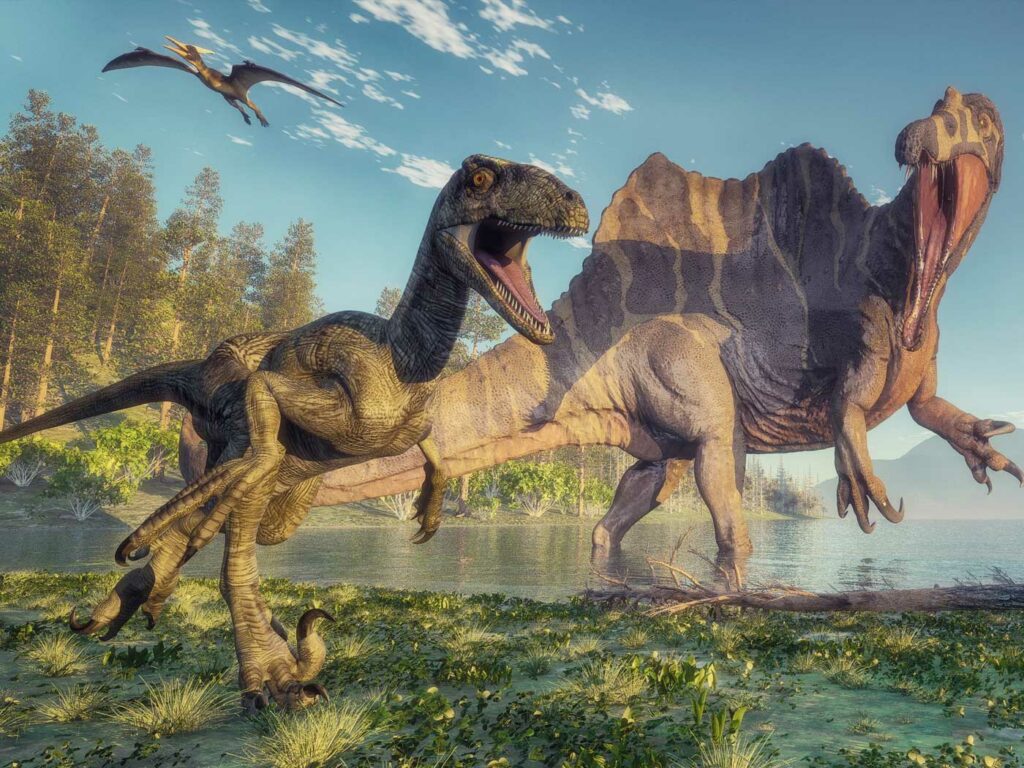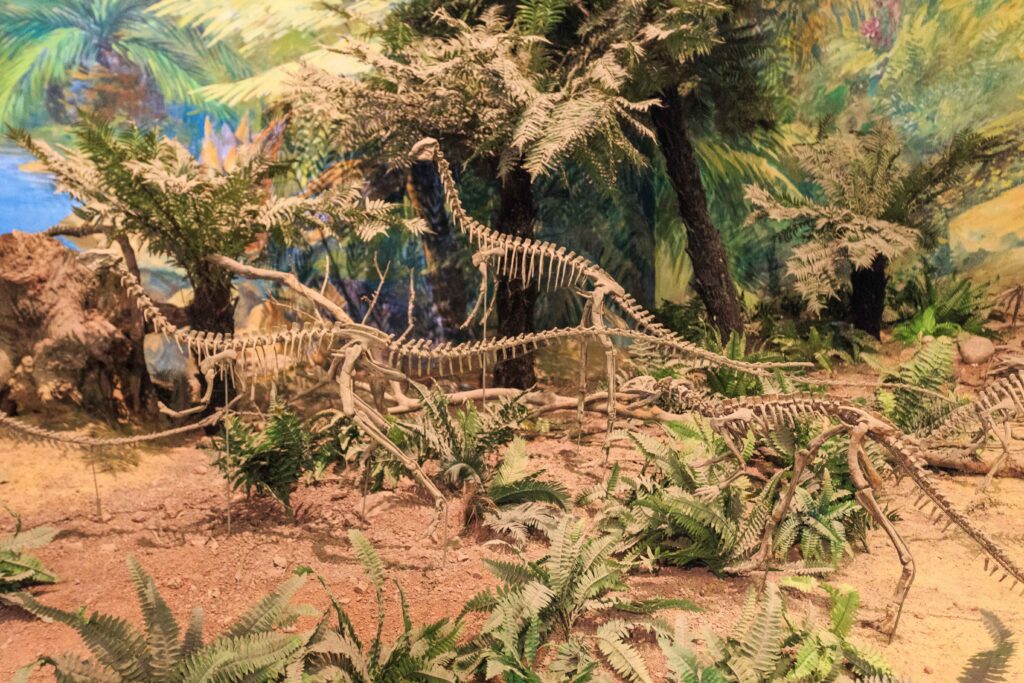
Fossil evidence across continents has illuminated the social lives of dinosaurs, showing they formed herds long before scientists once assumed. Discoveries from Patagonia to North America reveal group behaviors, including age-segregated living and communal nesting, that likely aided survival in harsh prehistoric environments. Microscopic analysis of bones further underscores rapid growth patterns consistent with the demands of collective existence.
Patagonian Fossils Rewrite Social History
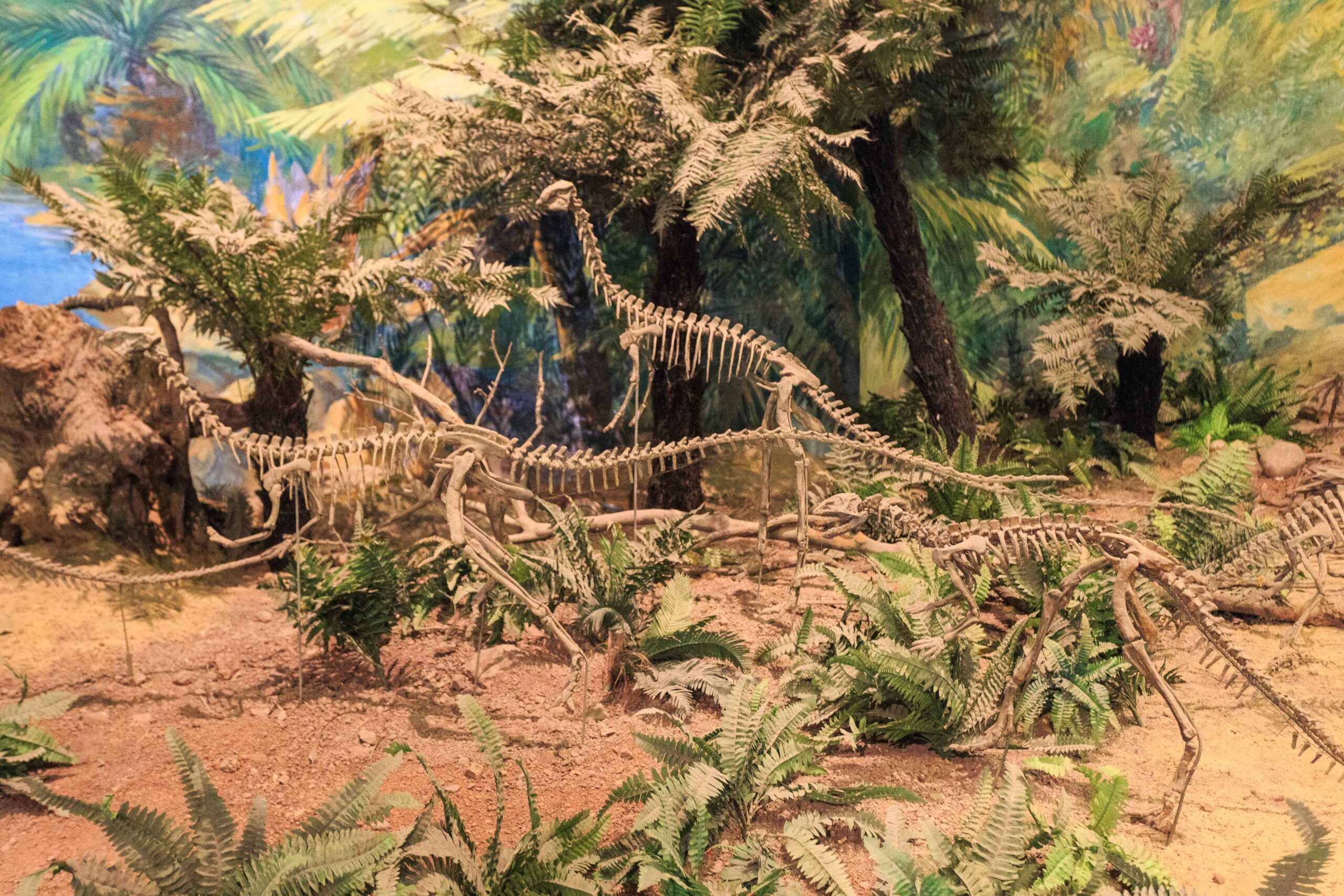
Patagonian Fossils Rewrite Social History (Image Credits: Upload.wikimedia.org)
Researchers uncovered the oldest signs of dinosaur herding in southern Patagonia, Argentina, where over 100 eggs and 80 skeletons of Mussaurus patagonicus clustered together. These remains, dated to about 193 million years ago, included embryos inside eggs, hatchlings, juveniles, and adults preserved in a shared stratigraphic layer just three meters thick. Nests held 8 to 30 eggs each, arranged in layers within excavated depressions, pointing to colonial breeding.
The site displayed clear age segregation: neonates aggregated near nests, juveniles formed clusters of similar-sized individuals, and adults appeared in pairs or alone. Such patterns suggested lifelong social cohesion rather than temporary gatherings for reproduction alone. Histological examination of bones revealed fast juvenile growth through fibro-lamellar tissue and wide vascular spaces, with few lines of arrested growth in young specimens. This structure predated prior records of complex dinosaur sociality by at least 40 million years.
Trackways and Bone Beds Paint Group Portraits
Dinosaur trackways provided dynamic snapshots of herding across the globe. Parallel footprints along Texas’s Paluxy Riverbed captured a sauropod herd moving in unison, while similar trails appeared in the United States, Canada, Australia, and beyond from the Late Triassic to the Cretaceous. These paths often recorded hundreds or thousands of animals, implying migrations for food or safety.
Bone beds offered stark evidence of mass deaths preserving social units. In Bernissart, Belgium, dozens of Iguanodon formed distinct groups; New Mexico yielded Coelophysis of varying ages; and Utah’s Cleveland-Lloyd Quarry held multiple Allosaurus. Ceratopsians and hadrosaurs amassed in thousands at certain sites, alongside clusters of Tyrannosaurus rex. Recent finds in Alberta, Canada, revealed 76-million-year-old footprints from ceratopsians and an ankylosaurid traveling together, the first trace of mixed-species herding, with nearby Tyrannosaurus tracks hinting at predator pressure.
- Mussaurus nesting grounds: Age-segregated colonies in Patagonia.
- Iguanodon bone bed: Multiple groups in Belgium.
- Coelophysis assemblage: All ages in New Mexico.
- Paluxy trackways: Sauropod herds in Texas.
- Alberta footprints: Mixed ceratopsian-ankylosaur group.
Bone Histology Reveals Growth Dynamics
Microscopic studies of dinosaur bones exposed rapid development rates that set them apart from modern reptiles. Well-vascularized fibro-lamellar bone dominated long bones, fueling quick maturation – duckbills like Hypacrosaurus reached adulthood in seven or eight years, while giant sauropods neared full size in about 12. Lines of arrested growth appeared sparingly, akin to patterns in birds and mammals.
Early dinosaurs shared this trait. In Triassic Coelophysis from New Mexico, tibiae and fibulae showed woven bone with variable growth zones and up to four growth marks, indicating individuals from under one year to at least four years old died together in a mass event. Mussaurus juveniles displayed uninterrupted early growth without early growth lines. Such high metabolic demands likely supported the energy needs of group foraging and protection.
These patterns suggested dinosaurs sustained elevated activity levels, possibly enabling larger herd sizes and longer migrations.
Herding as a Key to Adaptation
Social structures offered clear survival edges. Herds shielded vulnerable hatchlings – weighing mere grams – from predators until they towered over ten feet. Collective foraging helped massive herbivores scour vast areas for vegetation, countering their own impact on local plant stocks.
Nesting sites showed repeated use over generations, with dozens to thousands of eggs signaling site fidelity. Predatory dinosaurs like Deinonychus and Allosaurus likely hunted in packs, mirroring gregarious modern carnivores. These behaviors contributed to sauropodomorph success post-Triassic extinction, as groups adapted to shifting ecosystems.
Key Takeaways
- Fossils confirm herding emerged 193 million years ago, with age-based groups.
- Trackways and bone beds document migrations and mixed-species travel.
- Rapid bone growth via fibro-lamellar tissue supported social demands.
Dinosaurs thrived through intricate social networks, much like today’s elephants or wildebeests. These ancient herds not only endured but dominated landscapes for over 150 million years. What insights do these findings offer into prehistoric ecosystems? Share your thoughts in the comments.