Ghana – Vice President Professor Naana Jane Opoku-Agyemang declared the nation’s first marine protected area on April 14, marking a pivotal advancement in ocean conservation efforts. The Greater Cape Three Points MPA spans 703 square kilometers off the Western Region’s southern coast, targeting key spawning and nursery grounds for essential fish species. This initiative addresses longstanding declines in fish populations that threaten food security for millions reliant on marine resources.
A Historic Step After Years of Advocacy
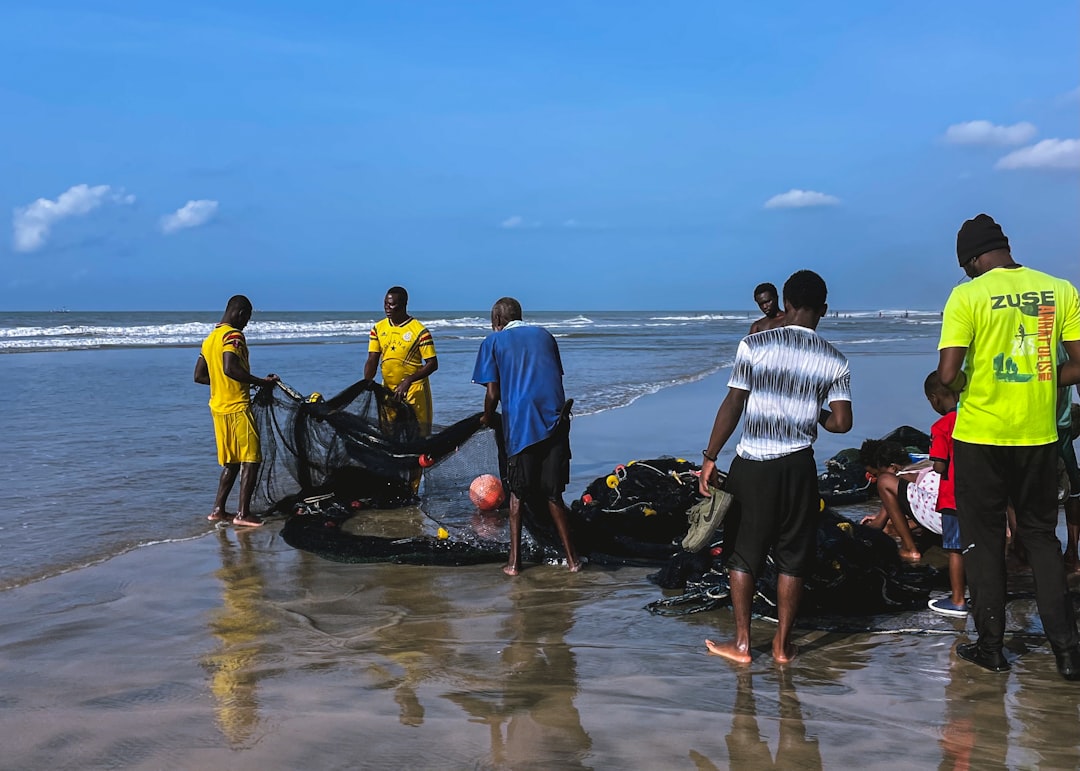
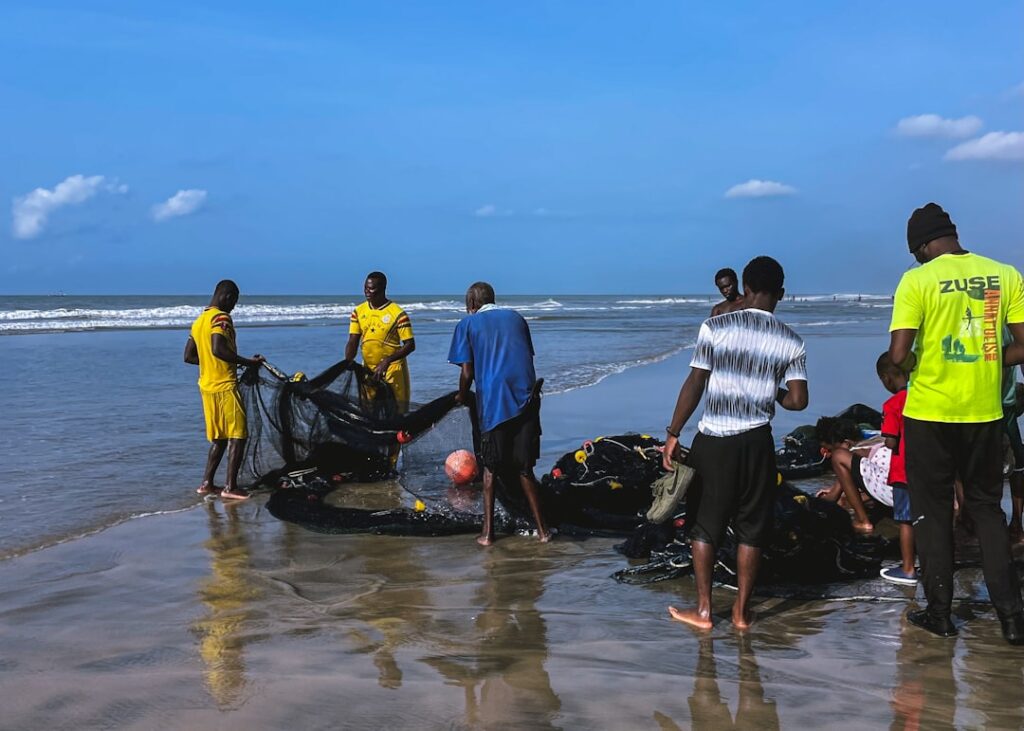
A Historic Step After Years of Advocacy (Image Credits: Unsplash)
Efforts to create this protected zone spanned more than 15 years, culminating in Cabinet approval last October. The Ministry of Fisheries and Aquaculture Development first announced plans in 2024 following extensive research and stakeholder consultations. Prof. Benjamin Campion of the Fisheries Commission described the declaration as a “historic moment” that complements national strategies to rebuild the fisheries sector.
Ghana’s Fisheries and Aquaculture Act of 2025 provided the legal foundation, empowering the minister to designate reserves based on scientific assessments. Previous measures, such as seasonal closures and limits on new fishing vessels, laid groundwork but proved insufficient against mounting pressures. The MPA now introduces structured protections, including a core no-fishing zone and regulated multiple-use areas.
Key Features of the Greater Cape Three Points MPA
Stretching from Ampatano to Domunli, the area safeguards biodiversity-rich waters at Ghana’s southern tip. It serves as a breeding ground for small pelagic species that form the backbone of the local diet. These fish supply most of the population’s animal protein, underscoring the urgency of restoration.
The protected zone encompasses habitats for marine mammals like whales and dolphins, as well as nesting sites for endangered sea turtles. Zoning ensures balance: the core area bans fishing entirely, while outer zones permit controlled activities. This design promotes a “spillover effect,” where healthier stocks benefit surrounding fisheries.
- Sardinella (Sardinella spp.)
- Anchovy (Engraulis encrasicolus)
- Mackerel (Scomber japonicus)
- Support for coral reefs, seagrass meadows, and spawning grounds
Addressing Overfishing and Environmental Pressures
Ghana’s fisheries faced collapse risks from overcapacity in the artisanal sector, destructive industrial trawling, and illegal, unreported, and unregulated activities. Climate change compounded these issues, altering migration patterns and habitats. The Vice President emphasized regulated measures over outright bans to sustain livelihoods while ensuring long-term viability.
Development partners, including the NGO Hen Mpoano, contributed through community mapping of fishing grounds. Despite a 2025 funding cut from USAID, persistence led to this breakthrough. Officials like Stephen Kankam of Hen Mpoano hailed it as a practical shift from policy to action, with local knowledge shaping the boundaries.
Co-Management and Community Role
Twenty-one coastal communities now participate in oversight through dedicated management groups. Residents from areas like Egyambra, Busua, and Dixcove provided input on breeding zones, fostering ownership. This co-management model aims to enhance compliance and stewardship.
| Zone Type | Activities Allowed | Purpose |
|---|---|---|
| Core Zone | No fishing | Full habitat protection |
| Multiple-Use Zones | Regulated fishing and access | Balanced resource use |
Government support includes alternative livelihoods, training, and microcredit for fishers. Kofi Agbogah of Hen Mpoano urged all stakeholders to collaborate for success. Such involvement addresses potential disruptions to traditional practices.
This MPA aligns with global goals like the 30×30 initiative to protect 30% of oceans by 2030. Effective enforcement and zoning finalization will determine its impact on fish recovery and coastal resilience. Ghana’s move sets a precedent for further reserves nationwide.
Key Takeaways
- First MPA covers 703 sq km, protecting key fish spawning areas.
- Co-management involves 21 communities for sustainable oversight.
- Supports food security amid threats from overfishing and climate change.
As Ghana charts a sustainable path for its blue economy, the true test lies in implementation. What steps should follow to ensure lasting benefits? Share your thoughts in the comments.