George B. Schaller dedicated over seven decades to studying and protecting the planet’s most elusive creatures, from mountain gorillas in Central Africa to giant pandas in China’s remote mountains. His approach – patient, immersive observation in the wild – challenged prevailing scientific norms and laid the groundwork for modern field biology. A new biography captures this remarkable journey, highlighting how one man’s quiet persistence helped safeguard vast landscapes and iconic species.
A Youth Forged in Adversity Leads to the Wild
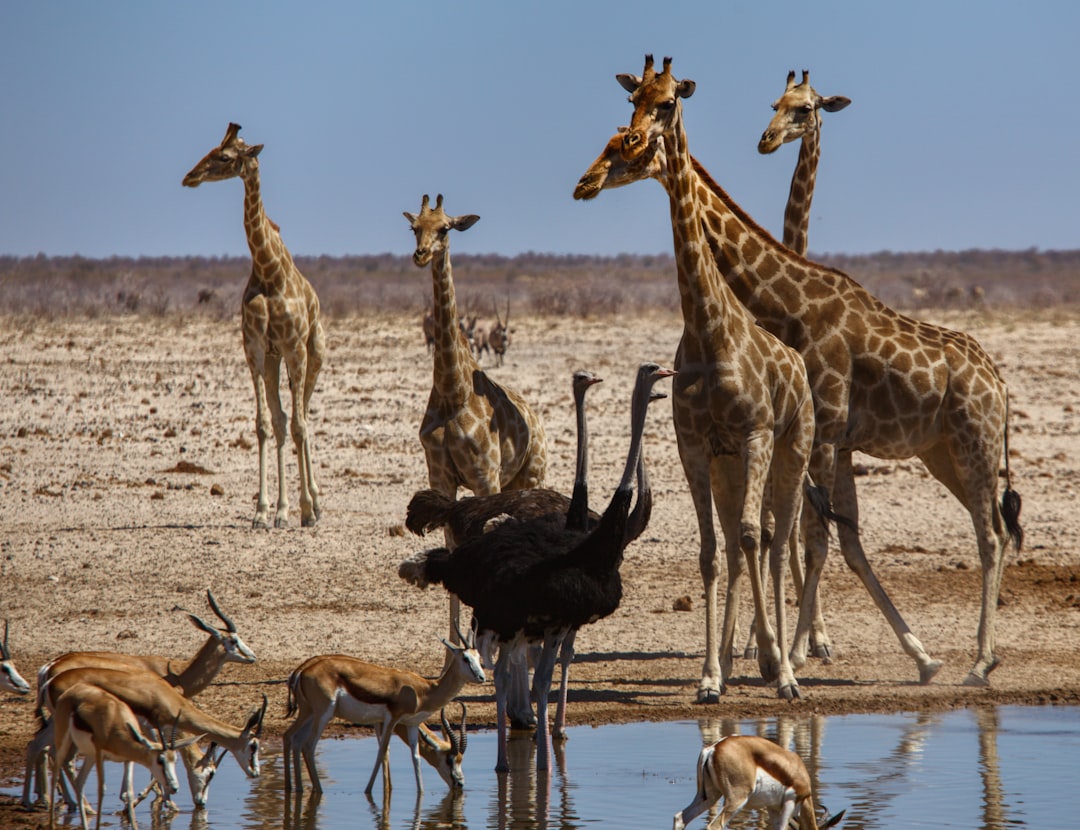
A Youth Forged in Adversity Leads to the Wild (Image Credits: Unsplash)
Born in Berlin in 1933 amid rising tensions in Nazi Germany, Schaller faced displacement and war from an early age. His family moved across occupied Europe before settling in the United States in 1947. These experiences cultivated a resilience and attentiveness that defined his career. By his early twenties, he pursued biology at the University of Alaska, where he volunteered in wildlife labs and joined expeditions tracking birds.
In 1956, Schaller contributed to surveys in northeastern Alaska that influenced the creation of the Arctic National Wildlife Refuge. His first major challenge came in 1954 with an attempt to climb Mount Drum, succeeded alongside alpinist Heinrich Harrer. These formative years honed skills essential for his lifelong fieldwork. He earned a PhD from the University of Wisconsin in 1962, focusing on ornithology before shifting to mammals.
First Contact: Redefining the Mountain Gorilla
In 1959, at just 26 years old, Schaller ventured into the Virunga Volcanoes of the Belgian Congo for the first sustained, close-range study of mountain gorillas in the wild. He lived unarmed near the troops, observing their gentle social dynamics and debunking myths of ferocious beasts. One blackback gorilla named Kicker even showed curiosity toward him, underscoring their complex temperaments.
His findings, detailed in books like The Mountain Gorilla: Ecology and Behavior (1963) and The Year of the Gorilla (1964), influenced protégés such as Dian Fossey. Schaller emphasized empathy through disciplined watching, noting, “No one who looks into a gorilla’s eyes – intelligent, gentle, vulnerable – can remain unchanged.” This method became his hallmark, prioritizing animals’ natural contexts over lab settings.
Global Pursuits: Icons from Lion to Snow Leopard
Schaller’s expeditions spanned continents, blending rigorous science with advocacy. In Tanzania’s Serengeti from 1966, he documented lion predator-prey relations, authoring The Serengeti Lion (1972), which earned a National Book Award. He trekked India’s Kanha National Park in 1963-1964, studying tigers on foot with his wife, Kay, who shared his nomadic life.
High in Nepal’s Himalayas in 1973, he observed elusive snow leopards and blue sheep alongside Peter Matthiessen. In Brazil’s Pantanal during the late 1970s, he pioneered radio-collar use on jaguars. These efforts reshaped understandings of big cats and led to protections in the Amazon and Hindu Kush regions. Schaller’s tolerance for isolation and danger – crossing rugged Pakistan ranges – yielded insights into behaviors invisible from afar.
Pandas, Tibet, and Community-Driven Protection
China’s Wolong Nature Reserve became a focus in 1980, where Schaller conducted the first Western study of giant pandas since 1949. He refuted bamboo die-off myths, pinpointing poaching as the primary threat, and mentored Chinese scientists across generations. Wild panda numbers rose 45 percent following his campaigns and The Giant Pandas of Wolong (1985).
On Tibet’s Chang Tang Plateau from 1988, he advocated for the vast Changtang Nature Reserve, aiding Tibetan antelope recovery. His work spurred over 20 protected areas worldwide, totaling land larger than France. Schaller integrated local knowledge, evolving conservation toward community involvement rather than top-down models.
- Mountain gorillas, Virunga Volcanoes (1959)
- Tigers, Kanha National Park, India (1963-1964)
- Lions, Serengeti, Tanzania (1966)
- Snow leopards, Dolpo, Nepal (1973)
- Jaguars, Brazil (1970s)
- Giant pandas, Wolong, China (1980)
- Tibetan antelope, Chang Tang, Tibet (1988 onward)
A Legacy of Patience and Persistence
Now in his nineties, Schaller remains a senior conservationist with the Wildlife Conservation Society and vice president at Panthera. Married to Kay for over 70 years, he raised a family amid tents and trails. His 15-plus books and mentorship – inspiring Jane Goodall and others – set enduring standards for ethical fieldwork.
Key Takeaways
- Schaller’s immersive studies protected species and habitats across six continents.
- He shifted conservation from observation to pragmatic advocacy with local partnerships.
- His influence endures through rebounding populations and inspired scientists.
Schaller’s life reminds us that true change stems from sustained attention amid accelerating loss. “There are no victories in conservation,” he cautioned. “You may have a temporary ‘looks good.’ Suddenly things change and the fight begins all over.” What do you think about his approach? Tell us in the comments.