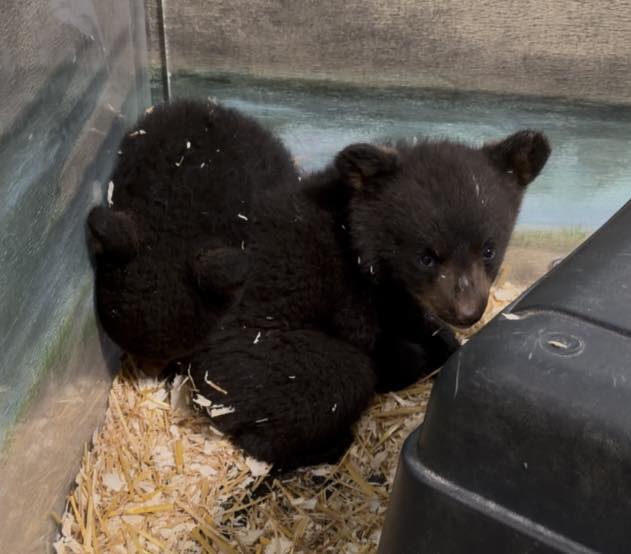
Oudomxay province, Laos – Conservationists thwarted an illegal bear cub sale advertised on Facebook, rescuing two malnourished Asiatic black bear sisters just two months old. Free the Bears, an international nonprofit, spotted the post during routine online monitoring and quickly partnered with local authorities for a sting operation. The cubs, each weighing under three kilograms, now receive round-the-clock care at a sanctuary after their harrowing ordeal.
A Desperate Online Listing Sparks Alarm
A Desperate Online Listing Sparks Alarm (Image Credits: Facebook)
Free the Bears staff uncovered videos of the cubs crammed in a plastic washing basket, their tiny frames barely filling the space. The seller had posted the content over Easter weekend, targeting buyers through social media channels. These Asiatic black bears, also known as moon bears, had been poached from the wild, with their mother likely killed to access the young.
The discovery highlighted how platforms like Facebook enable rapid transactions in remote areas. Hunters bypass traditional middlemen, connecting directly with urban markets. This shift demands faster responses from enforcers, as sales can conclude within hours.
Coordinated Sting Leads to Arrest
Authorities from the Provincial Natural Resources and Environment Inspection of Oudomxay province joined Free the Bears in planning the operation. Teams located the seller swiftly, arresting the perpetrator shortly after the post appeared. Rescuers secured the cubs within 24 hours, preventing their handover.
The cubs arrived dehydrated and weak, requiring immediate veterinary intervention. Free the Bears transported them to the Luang Prabang Wildlife Sanctuary, where specialized nursery staff began rehabilitation. This marked the 171st and 172nd bears the organization had saved in Laos.
Challenges in Caring for Orphaned Cubs
Separated from their mother at such a young age, the sisters face lifelong sanctuary care rather than wild release. Staff provide formula milk feeds every few hours, alongside constant monitoring for health issues common in poached infants. Veterinary teams address malnutrition through tailored diets and supplements.
The influx strains resources, as the sanctuary now houses a record 150 bears in Laos alone. Just three weeks earlier, brothers named José and Fitz joined from another illegal market seizure. Free the Bears manages 312 bears across Laos, Cambodia, and Vietnam, each potentially living over 30 years in care.
Social Media’s Role in Escalating Wildlife Crime
Matt Hunt, CEO of Free the Bears, emphasized the digital evolution of trafficking. “Wildlife traffickers are adapting quickly, with animals being advertised and sold quickly on online platforms such as Meta,” he stated. Moon bears and sun bears suffer for the pet trade and bile industry, but many species fall victim.
The illegal wildlife trade in East Asia and the Pacific reaches $2.5 billion yearly. Traders employ codes like “WC” for wild-caught to evade detection. Despite Meta’s 2019 ban on live animal sales and participation in anti-trafficking coalitions, gaps persist, as recent investigations in Indonesia confirmed.
Platforms face calls for advanced moderation to curb these activities at scale. Hunt noted pride in the rapid team response but stressed ongoing adaptation needs.
- Direct hunter-to-buyer links via chat groups accelerate deals.
- Remote forest poachers reach city markets instantly.
- Enforcement opportunities diminish without proactive monitoring.
- Joint reports have closed some groups, yet trade expands.
Key Takeaways
- Two moon bear sisters rescued from Facebook sale, now safe in sanctuary care.
- Social media fuels faster wildlife trafficking, demanding platform reforms.
- Donations sustain rescues, vet care, and long-term bear support.
This rescue exemplifies vigilant monitoring’s impact against sophisticated crimes. As bear populations dwindle, such efforts offer hope amid threats. What steps should social media companies take next? Share your thoughts in the comments.