Imagine the everyday sparrow at your window as a tiny, feathered echo of a Tyrannosaurus rex. It sounds wild at first, but when you start peeling back the layers of fossils, feathers, and bones, you realize you are basically watching dinosaurs every time you look up at the sky. The dinosaur‑bird connection is not just a clever headline; it is one of the most dramatic scientific turnarounds in how you see life on Earth.
As you follow the clues from rocks, skeletons, and microscopic impressions of ancient feathers, you start to see a clear storyline: some small, agile theropod dinosaurs slowly morphed into the birds you know today. You are not dealing with a sudden magical change, but a long, step‑by‑step transformation, where each small tweak in flight, feathers, and metabolism stacked on top of the last. By the end, you might never look at a pigeon, a chicken, or a hawk the same way again.
From Terrifying Reptiles to Feathered Cousins
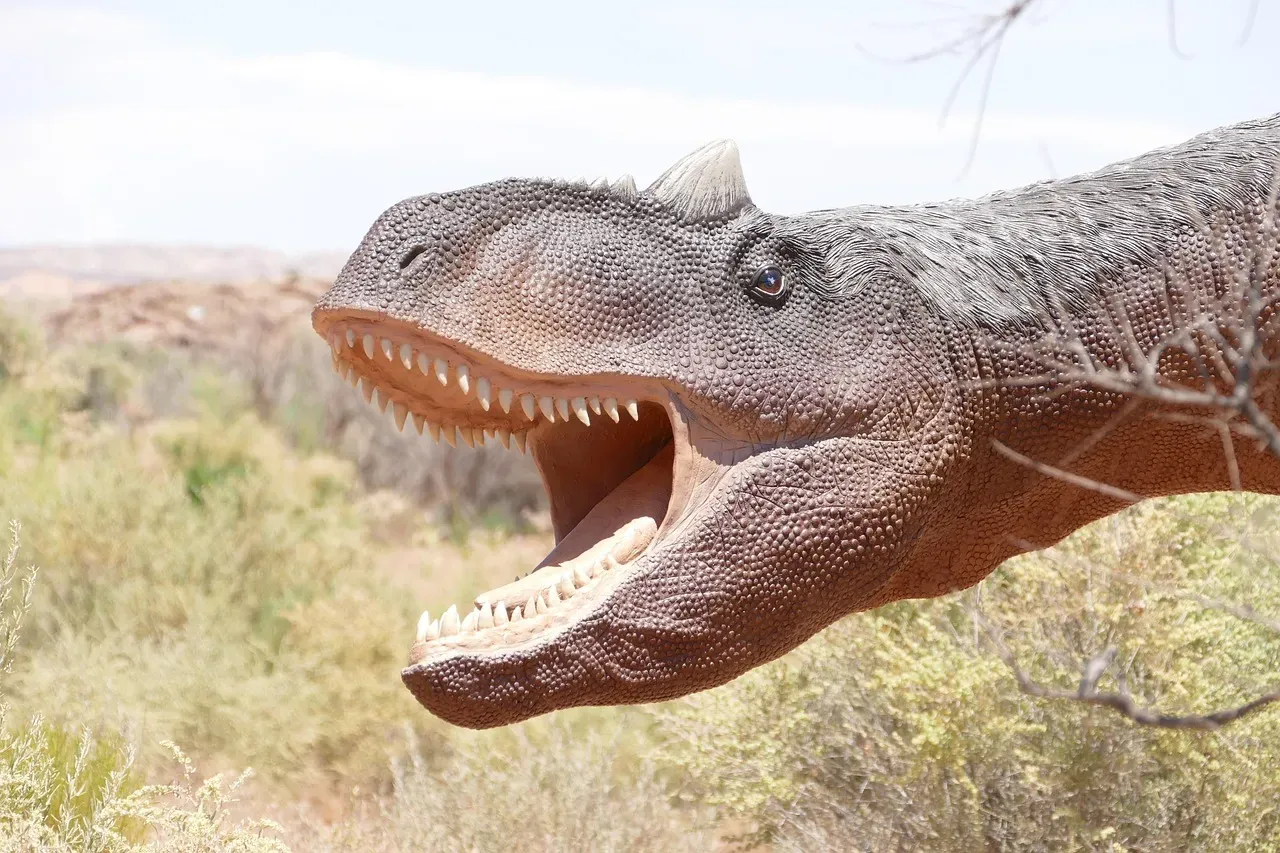
You probably grew up picturing dinosaurs as giant, scaly, cold‑blooded monsters stomping through steaming jungles. When you learn that scientists now see birds as living dinosaurs, it can feel almost like a plot twist in a movie you thought you already knew by heart. Instead of cleanly separating dinosaurs and birds, you have to imagine a long, messy family tree where birds are nestled right inside the dinosaur branch.
Once you accept that birds are not just related to dinosaurs but actually are dinosaurs in a modern form, the whole story of life feels different. You are no longer looking at a group that vanished; you are looking at a line that survived, shrank, sprouted feathers, and took to the air. The terrifying predator and the backyard robin turn out to be chapters of the same story, separated by millions of years and a lot of evolutionary tinkering.
The Theropod Link: Meeting Your Bird’s Dinosaur Ancestors
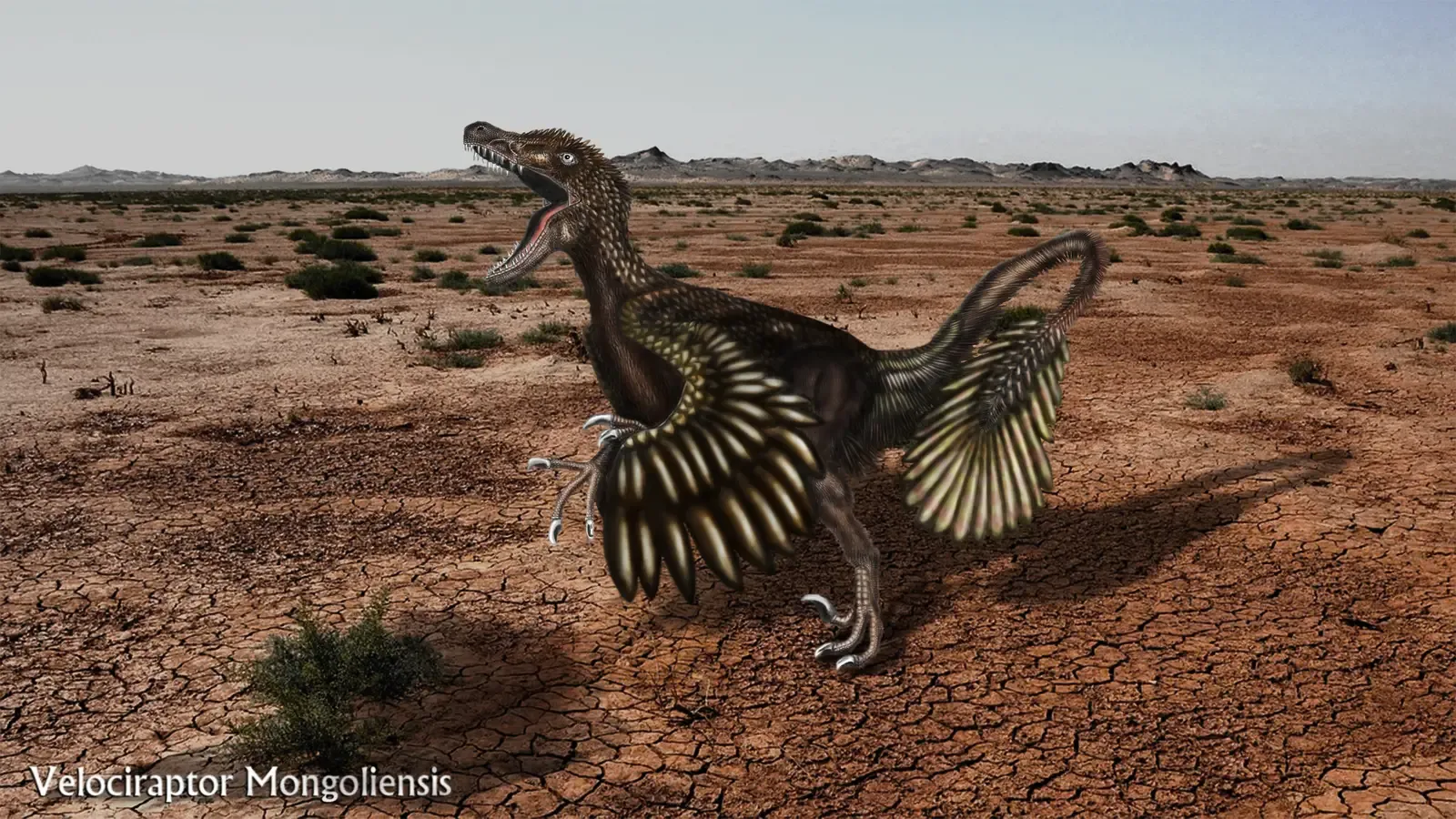
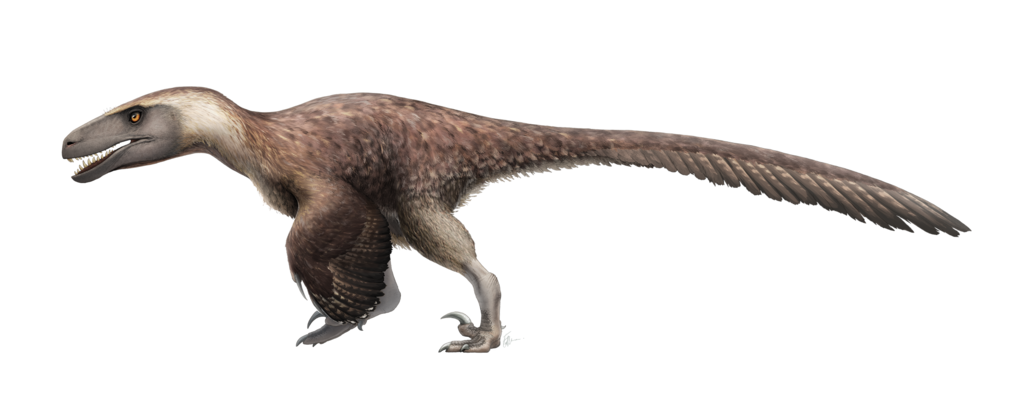
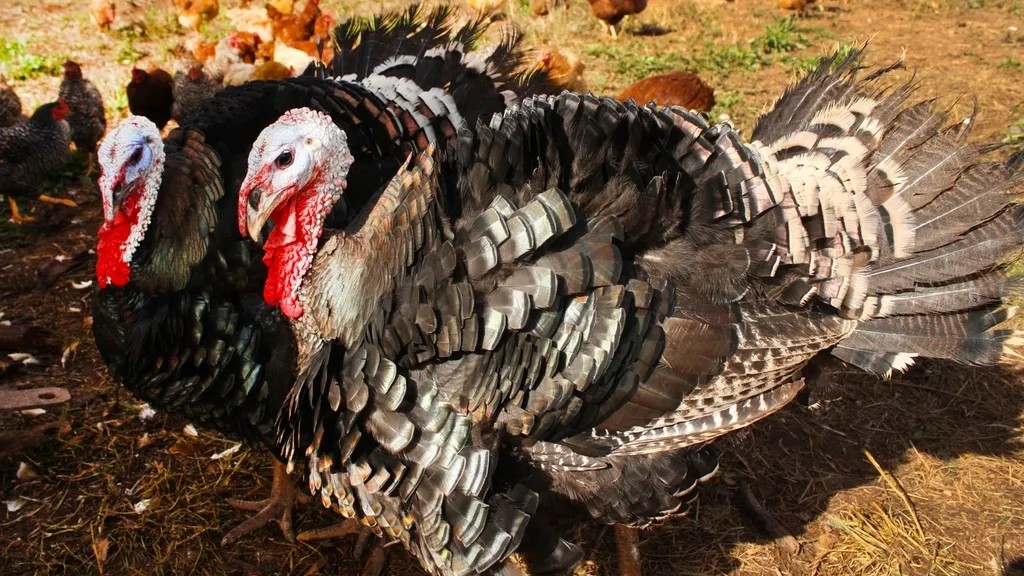
To trace your way from dinosaur to bird, you start with a particular group called theropods, the bipedal, mostly meat‑eating dinosaurs that walked on two legs. This is where you find celebrities like Tyrannosaurus rex and Velociraptor, but also a whole crowd of smaller, more delicate forms that look startlingly bird‑like. When you see reconstructions of some of these animals covered in feathers, they feel less like movie monsters and more like oversized, slightly sinister turkeys.
As you zoom in on these theropods, you notice features that feel oddly familiar: long, three‑fingered hands, wishbone‑like clavicles, and hollow bones that look like prototypes for the bird skeleton. It is as if you are flipping through an evolutionary sketchbook where nature keeps roughing out the same basic design, each time nudging it a bit closer to the modern bird body. You start to realize that the switch from dinosaur to bird is not a leap; it is a tightening spiral around a shared blueprint.
Archaeopteryx: The Iconic “Missing Link” You Can Almost Picture in Flight
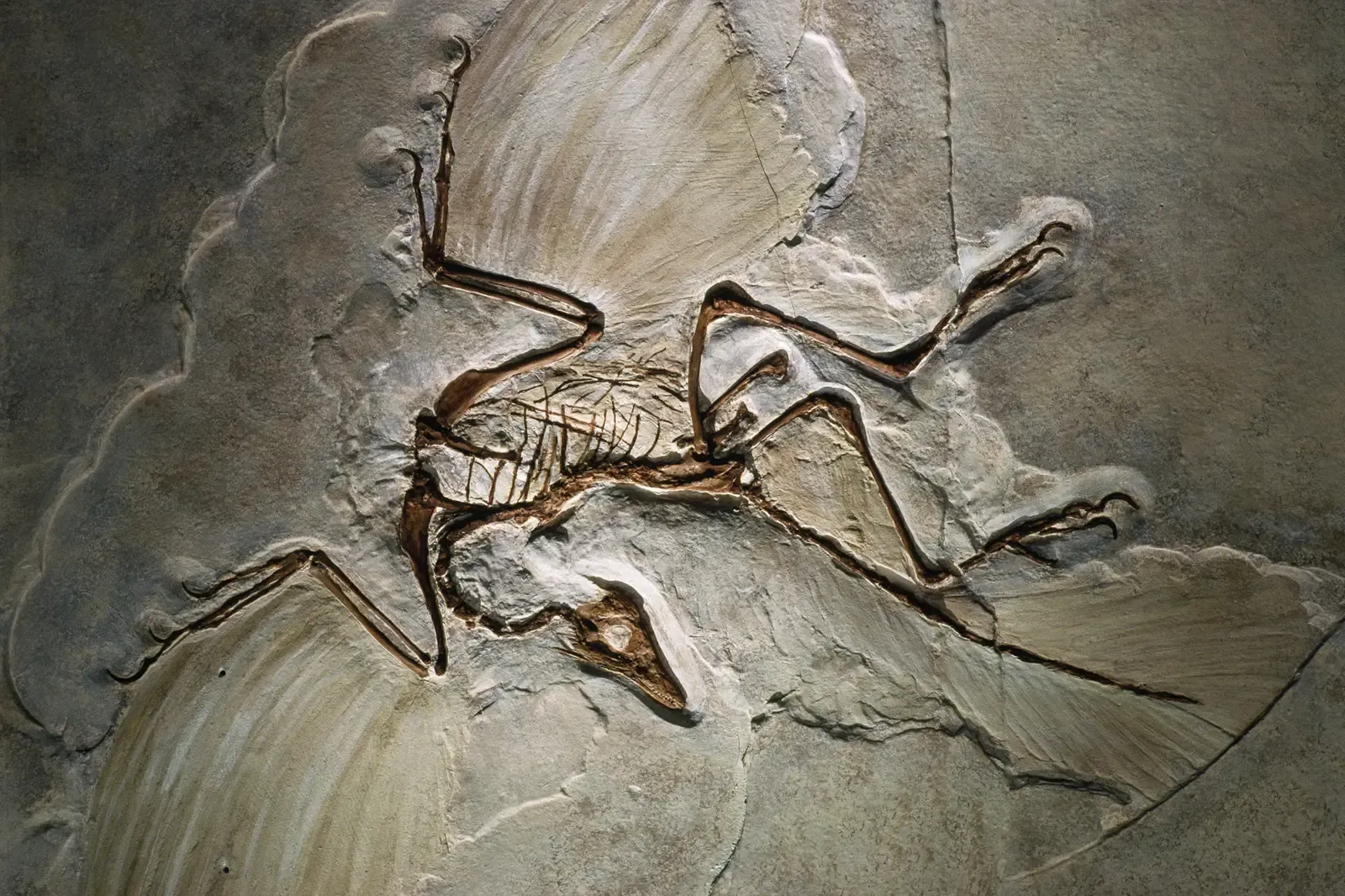
When you first meet Archaeopteryx, it feels like someone mashed up a crow and a small raptor in a single animal. You see teeth in its jaws, a long bony tail, and clawed fingers on its wings, all classic dinosaur traits. At the same time, you are staring at clear impressions of feathers spread across its arms and tail, the unmistakable signature of a bird‑like creature built for some kind of aerial life.
If you imagine Archaeopteryx alive, you are probably picturing something that does not quite soar like a modern hawk yet does not just trudge along the ground like a typical dinosaur. Many researchers see it as a creature experimenting with gliding or flapping from tree to tree, a kind of test version of powered flight. When you look at it that way, Archaeopteryx does not feel like an odd exception; it feels like a snapshot of evolution caught mid‑transition, with one foot in the dinosaur world and the other testing the air.
Feathers Before Flight: Why Dinosaurs Got Fluffy in the First Place
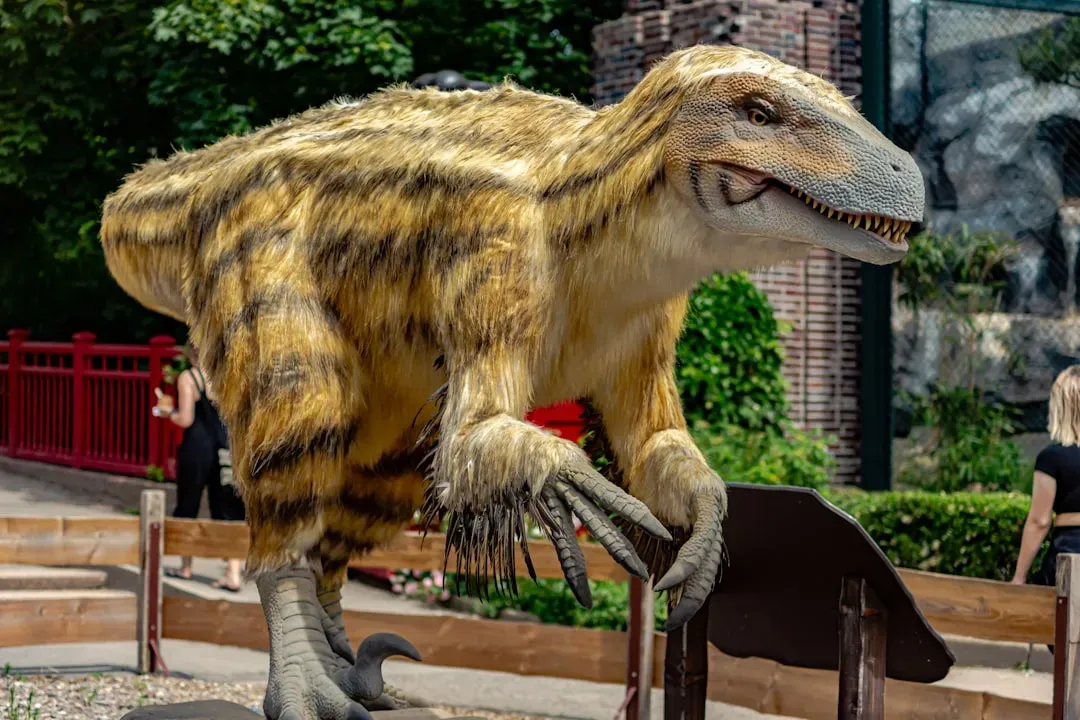
You might assume feathers evolved purely to let animals fly, but when you dig into the fossils, that story falls apart in a fascinating way. You find plenty of non‑flying theropod dinosaurs with clear evidence of feathers or feather‑like structures covering their bodies. That tells you feathers were doing something important long before the first real flapping takeoff ever happened.
When you think about what feathers can do, several possibilities jump out at you: they can insulate and keep heat in, they can display bright colors for attracting mates or warning rivals, and they can help camouflage a body against its background. You may have seen a peacock showing off or a small bird puffing itself up on a cold day; those behaviors are your modern clues to what early feathered dinosaurs might have been doing. In that sense, flight steals the spotlight, but it is really just one chapter in the much older story of what feathers are good for.
Rebuilding the Dino Skeleton: Bones, Hips, and the Bird Body Plan
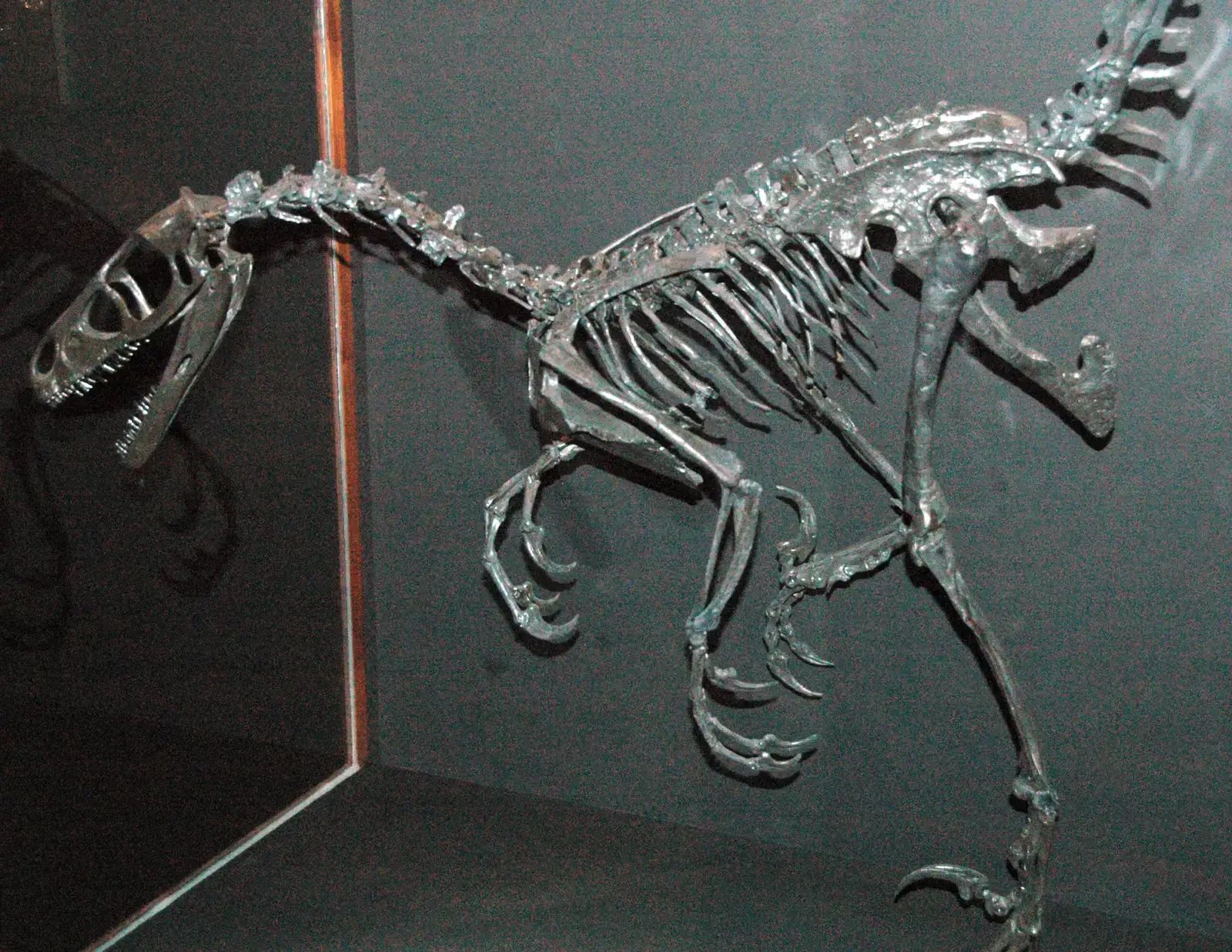
To see the dinosaur‑bird connection in your mind, it helps to imagine stripping away the skin and just studying the skeleton. When you compare a typical theropod skeleton to that of a chicken, duck, or ostrich, strange similarities jump out at you. The S‑shaped neck, the arrangement of the hips, the three‑toed feet, the wishbone, and the hollow bones all line up in ways that are hard to dismiss as coincidence.
If you picture a gradual remodeling, you can see how certain features become exaggerated or fused to handle the stresses of flight. The tail shortens and stiffens into a compact structure; the arms lengthen and transform into wings; the breastbone expands to anchor powerful flight muscles. What you are watching, in your mind’s eye, is not a total rebuild from scratch but a clever retooling of existing dinosaur parts. It is evolution doing what it always does: work with what is already there and push it in new directions.
Warm‑Blooded and High‑Energy: How Physiology Set the Stage
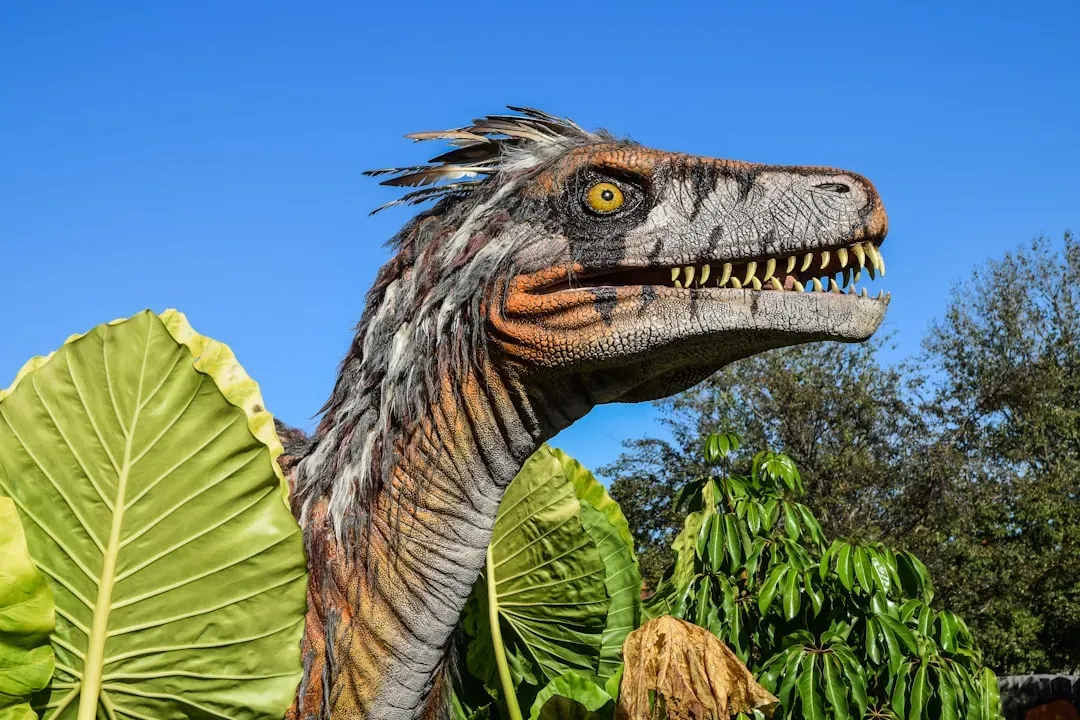
When you look at modern birds, you see animals that run hot: fast metabolisms, high body temperatures, and an intense demand for oxygen to power flight. For a long time, dinosaurs were painted as sluggish and cold‑blooded, but that picture has been steadily cracking. Evidence from bone structure, growth rates, and even chemical clues suggests that many theropod dinosaurs lived at a higher gear, closer to what you see in birds and mammals today.
If you think about a small, feathered dinosaur sprinting after prey or dodging predators, a faster metabolism starts to make sense. Feathers would help trap body heat, letting these animals stay active in cooler conditions and across day‑night changes. That kind of physiology lays the groundwork for powered flight, which is one of the most energy‑hungry lifestyles on the planet. In a way, you can think of early theropods as tuning up their engines long before they ever left the ground.
How Flight Evolved: From Running, Climbing, or Gliding to True Takeoff
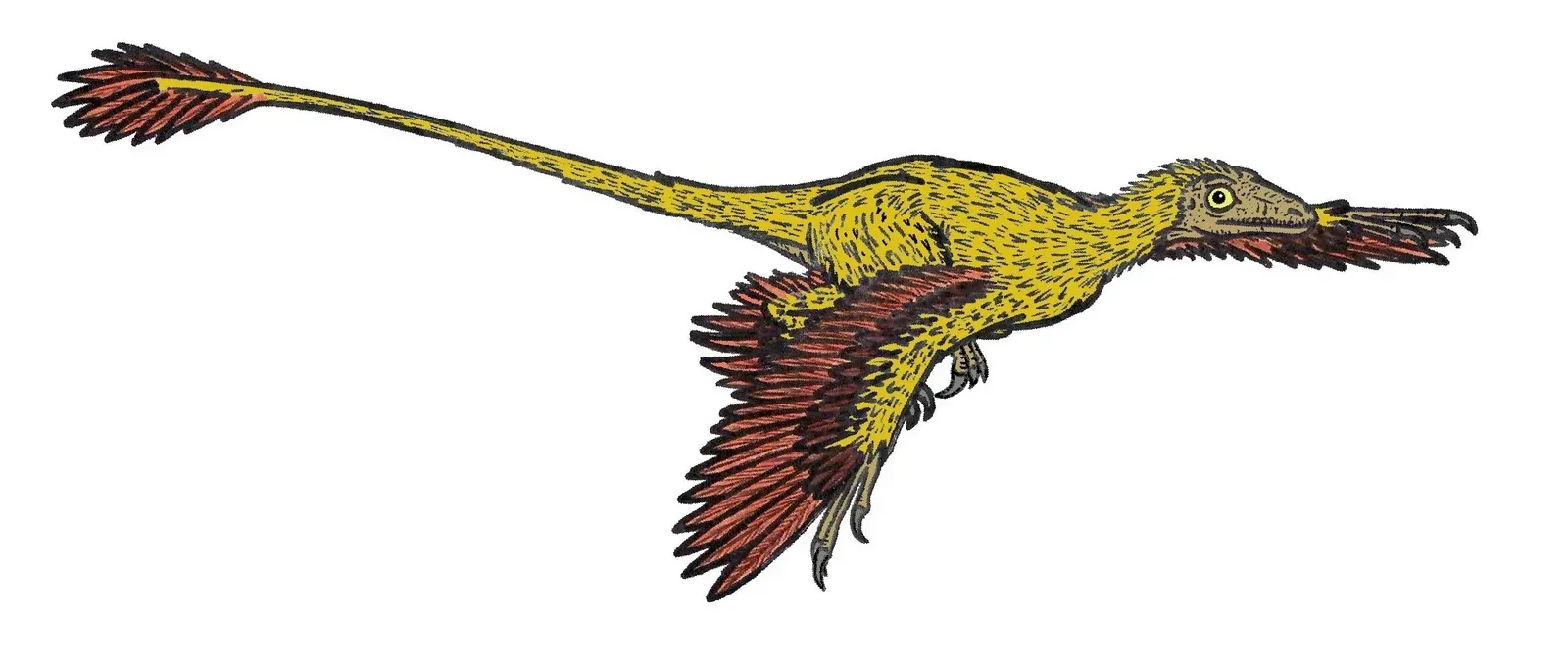
When you try to picture how a grounded dinosaur turned into something that can fly, you usually bump into a debate in your own head: did flight start from the ground up or from the trees down? One idea has small, feathered dinosaurs running and leaping, using their proto‑wings to boost jumps or stabilize themselves as they chased prey. Another idea imagines them climbing trees and using feathered limbs to glide down safely, gradually improving their control and power.
Even if you never pick a side in that debate, you can still appreciate that early flight was messy and experimental. You might imagine awkward flutters, half‑successful glides, and wings that sometimes helped more with balance or steering than true soaring. Over time, natural selection would favor slightly better lift, slightly stronger muscles, and more refined feathers, until you arrive at a body that can truly take off. What feels like a sudden miracle in your imagination is, in reality, the product of countless tiny improvements that you would barely notice if you could see them day by day.
Surviving the Asteroid: Why Birds Made It When Other Dinosaurs Did Not
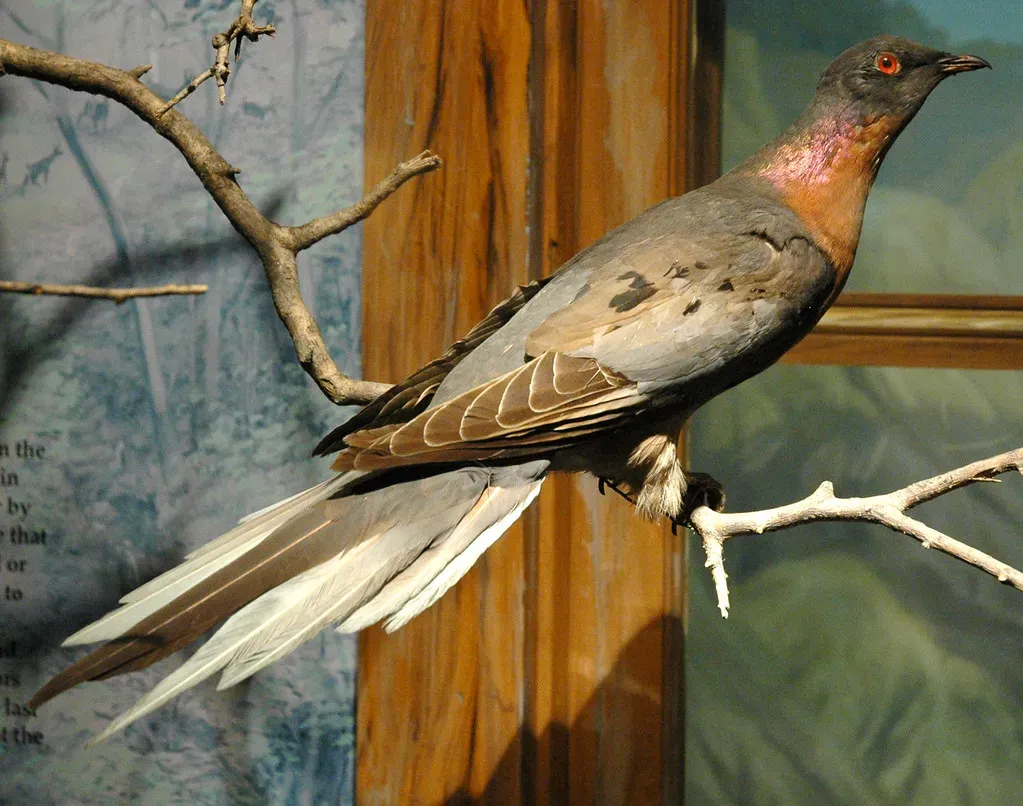
One of the most haunting questions you face is why birds survived the mass extinction that wiped out the rest of the non‑avian dinosaurs. When a massive asteroid hit Earth around the end of the Cretaceous period, it unleashed fires, darkness, and climate chaos that most large animals could not handle. Yet small, bird‑like dinosaurs managed to squeak through that global disaster and keep their line going into the present.
You can picture a few key advantages that might have tipped the balance for these early birds: small body size, flexible diets that included seeds and other tough foods, and perhaps the ability to escape local disasters by flying to new areas. While giant predators and heavy plant‑eaters collapsed under the weight of sudden change, their smaller, more adaptable relatives could ride out the storm. Every time you see a flock of birds today, you are basically watching the slim survivors of one of the worst days in Earth’s history, still carrying that legacy in their genes.
Seeing Birds as Living Dinosaurs in Your Everyday Life
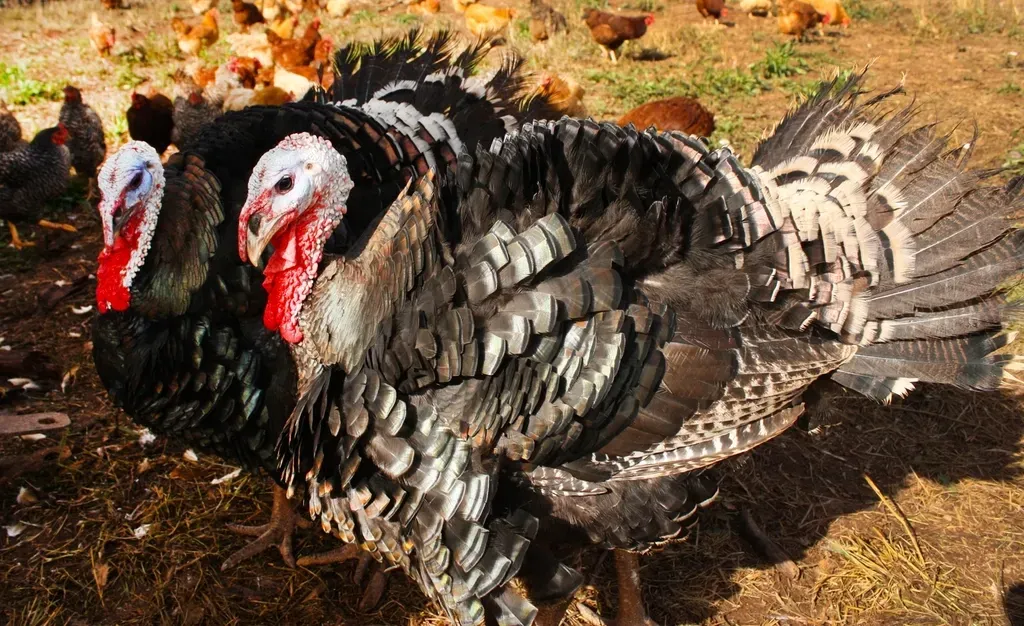
Once you let the idea sink in that birds are dinosaurs, your daily world starts to look different. The sparrow hopping on the sidewalk is suddenly a tiny, warm‑blooded cousin of ancient hunters with curved claws and keen vision. The rooster strutting in a farmyard carries echoes of displays that might once have played out on a forested floodplain under towering conifers.
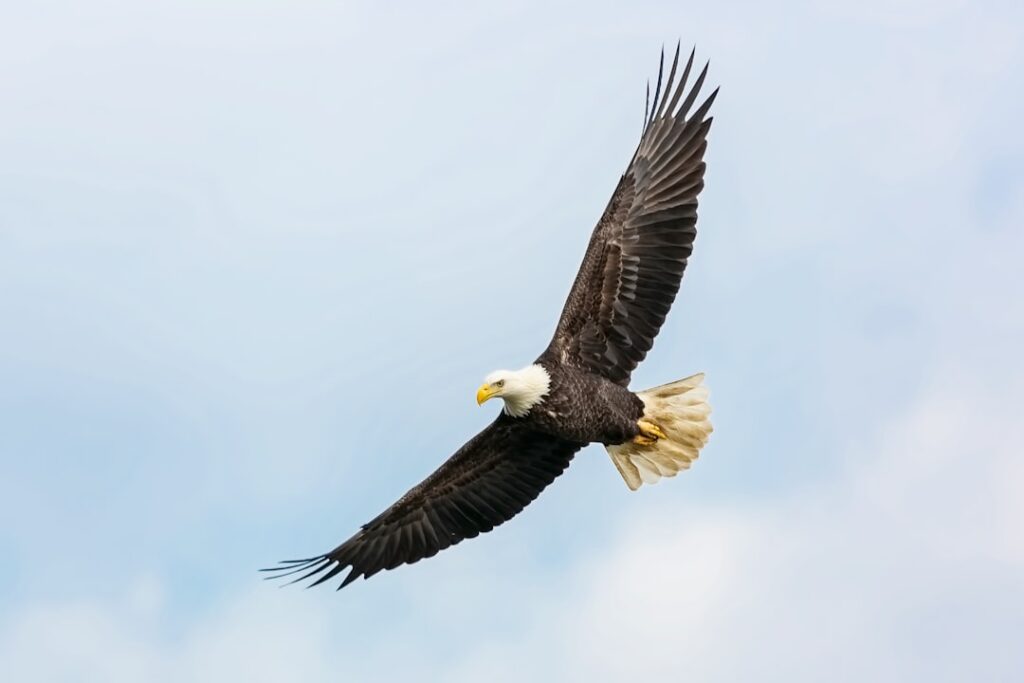
If you pay attention, you see little hints everywhere: the way a heron stalks like a calculated predator, the way an eagle’s talons look like scaled‑down raptor claws, the way a chicken scratches the ground with that unmistakable two‑legged gait. Even a pigeon’s head bob starts to feel like a leftover rhythm from dinosaur days. When you start reading birds as living dinosaurs, you are not just learning a fun fact; you are training yourself to see deep time in the ordinary life around you.
At the end of this journey, you are left with a simple but powerful shift: dinosaurs did not entirely vanish; they changed shape, shrank, sprouted feathers, and learned to fly. When you look at birds now, you are not just admiring pretty songs or colorful wings; you are witnessing the final act of a transformation that began millions of years ago among small, feathered hunters. That realization connects you, in a quiet but profound way, to a world that seems unimaginably distant yet is still with you in every crow’s call and every robin’s hop.
So the next time you see a bird glide across the sky, you can remind yourself that you are watching one of evolution’s greatest comebacks in action: a dinosaur that survived, adapted, and took to the air. Does it change how you feel to know that the most familiar animals around you are also the last living shadows of a lost age?