Imagine waking up in a world where nine out of every ten animals you know are simply gone. No sound of familiar predators, no buzzing ecosystems, just a stripped-down planet starting almost from zero. That is roughly what life on Earth went through about two hundred and fifty-two million years ago during the Permian-Triassic extinction, sometimes called the Great Dying, and it is the dark beginning to the story that eventually gives you dinosaurs ruling the land.
When you think of mass extinctions, you probably jump straight to the asteroid that wiped out the non-avian dinosaurs. But the event that cleared the stage for dinosaurs in the first place was even more brutal and dragged on for far longer. You are looking at a deep-time thriller that involves mega-volcanoes, runaway climate change, suffocating oceans, and a painfully slow recovery that reshaped who would rule the continents next. To see why dinosaurs rose to dominance, you first have to walk through this planetary catastrophe step by step.
The Great Dying: How a Planet Nearly Shut Down
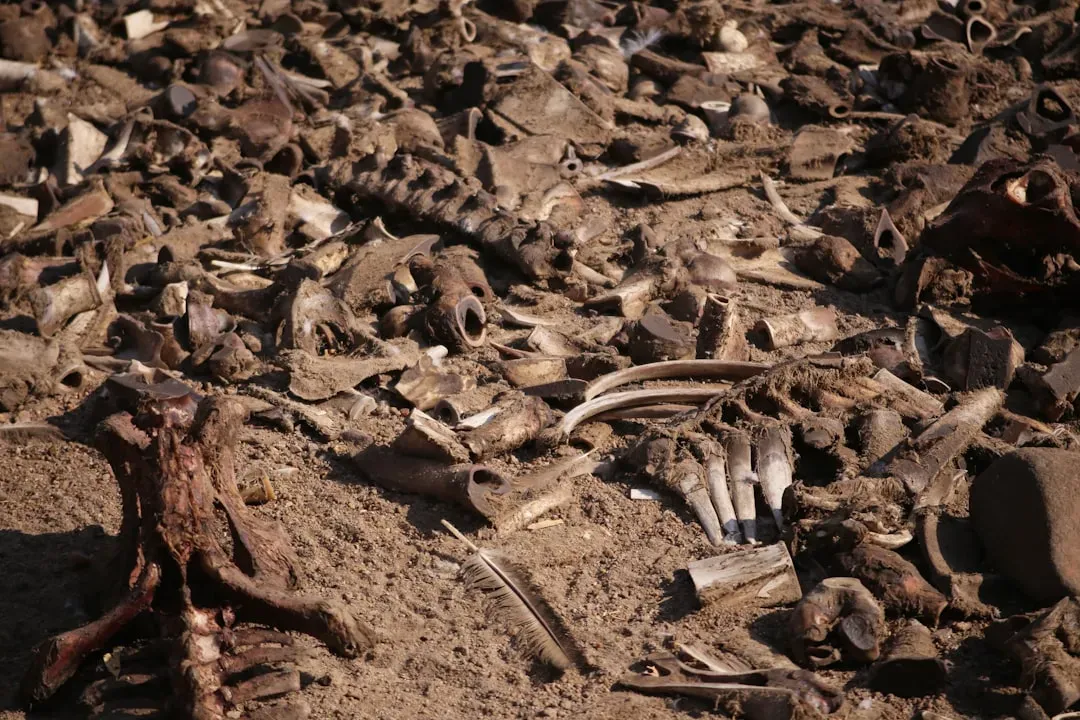
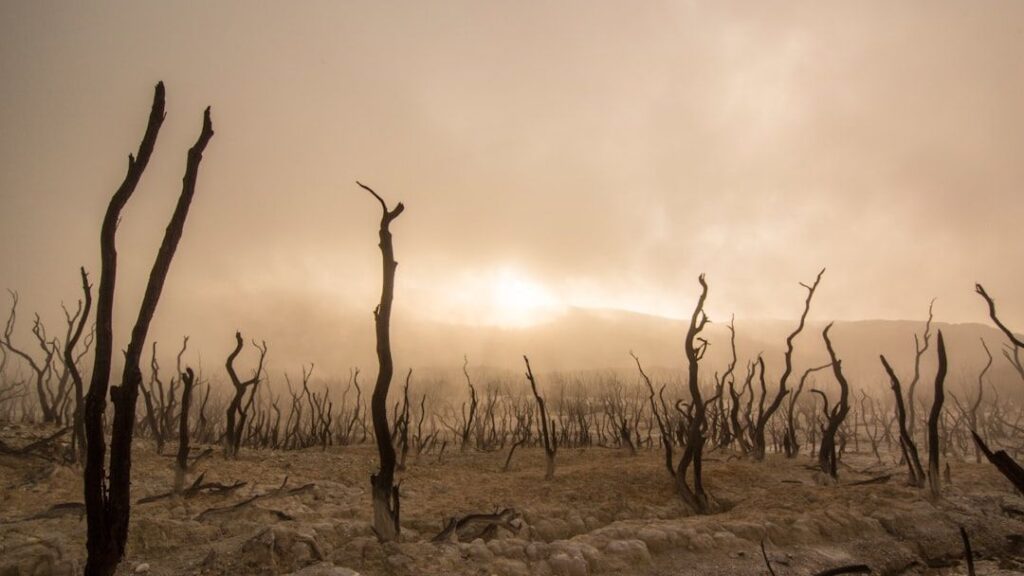
You live on a planet that has survived several mass extinctions, but the Permian-Triassic event was on a different level entirely. In the oceans, the vast majority of animal species vanished, and on land, roughly about two out of three vertebrate species disappeared. Whole ecosystems did not just thin out; they collapsed so completely that the fossil record around this boundary shows an eerie, sudden drop in diversity and complexity you can measure in rocks on multiple continents.
What makes this event so chilling when you look at it closely is how fast the main extinction pulse appears to have been once it really got going. Geochronology studies suggest that the most intense die-off may have unfolded over tens of thousands of years, which is essentially a geological blink. For you, that would be like seeing the climate and biosphere of Earth completely derailed within the span of human civilization, only with no technology and no safety net to cope with it.
Siberian Supervolcanoes and a Runaway Climate
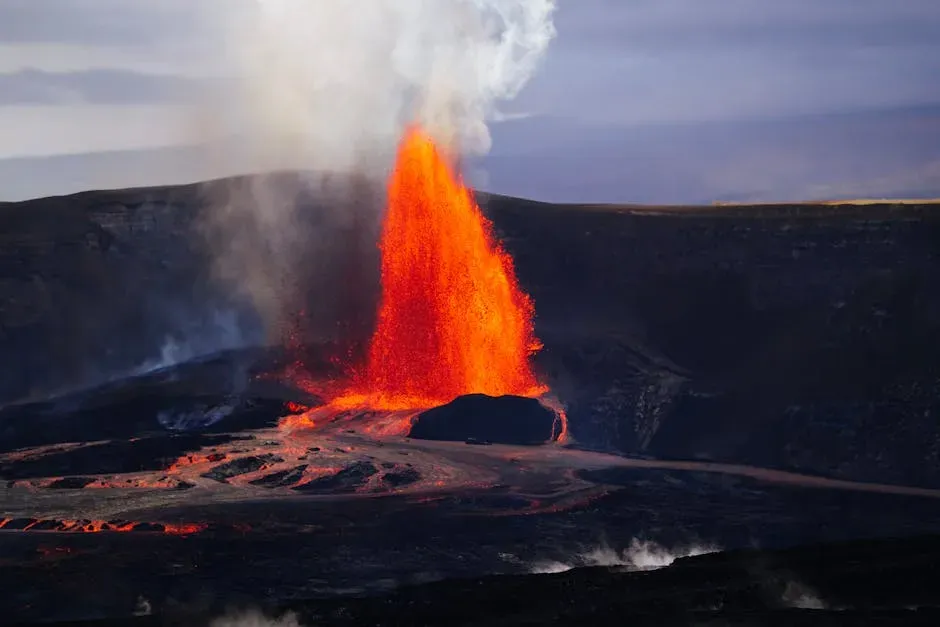
If you trace the catastrophe back to its source, you find yourself standing on what is now Siberia, staring at the aftermath of one of the largest volcanic episodes in Earth’s history. Over roughly one to two million years, enormous volumes of lava erupted to form the region geologists call the Siberian Traps. As those eruptions tore through carbon-rich rocks and belched gases into the atmosphere, they pumped colossal amounts of carbon dioxide and other greenhouse gases into the air you would have been trying to breathe.
When you load the atmosphere with greenhouse gases that quickly, you drive a chain reaction you can recognize today: rapid global warming, ocean acidification, and widespread loss of oxygen in the seas. Ancient sediments show signs of oceans turning hot, acidic, and largely anoxic, which is basically a death sentence for many marine animals. On land, you would have faced soaring temperatures, acid rain, and stressed plant communities, all of which combine into an environmental squeeze so intense that most complex life simply could not keep up.
An Empty World: Ecological Vacuums After the Crash
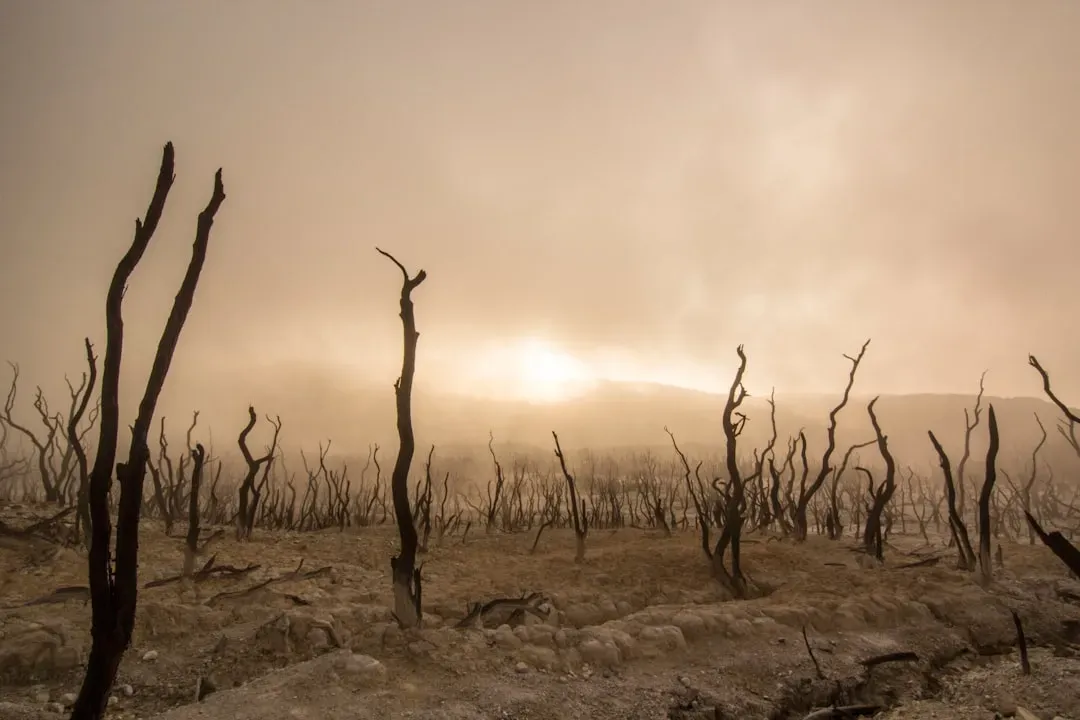
Once the dying stopped, you would not have stepped into a thriving recovery but into a stripped-down, simplified world. Many elaborate food webs that had built up over hundreds of millions of years were gone, replaced by what you might call disaster communities: tough, opportunistic species that could tolerate heat, drought, and low oxygen. In some places, the fossil record shows monotonous assemblages of just a few hardy animals and plants dominating landscapes that used to be rich mosaics of species.
This simplification matters for the dinosaur story because every lost species left behind an empty role in the ecosystem. When apex predators vanish, when large herbivores disappear, when reef-builders and complex forest plants die out, you create ecological vacancies at every level. You can think of it like a city where almost every job suddenly becomes available at once; any group that manages to adapt quickly and exploit those openings can expand in ways that would have been impossible before the collapse.
Survivors, Not Winners: Synapsids, Archosaurs, and a Long Triassic Grind
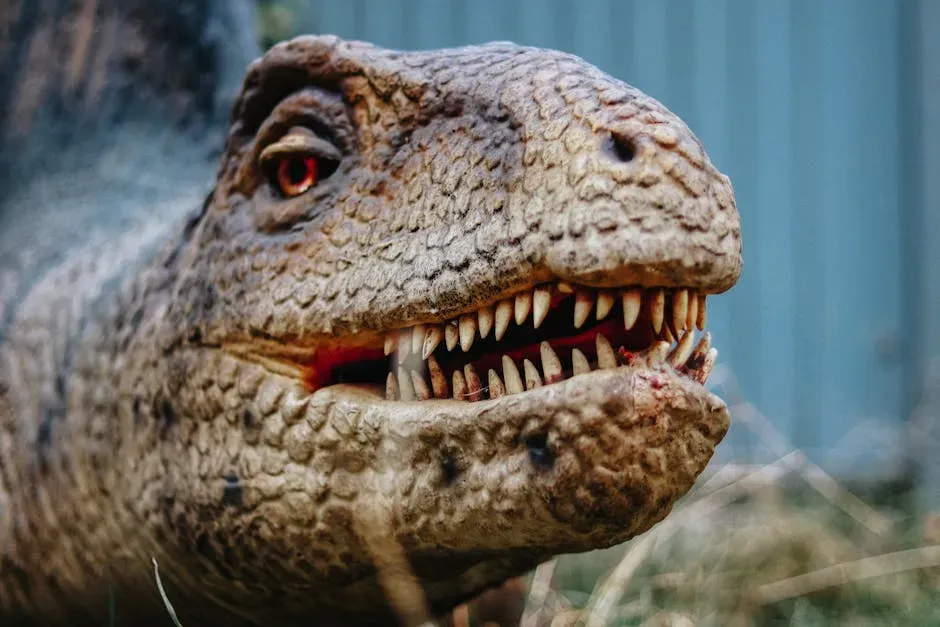
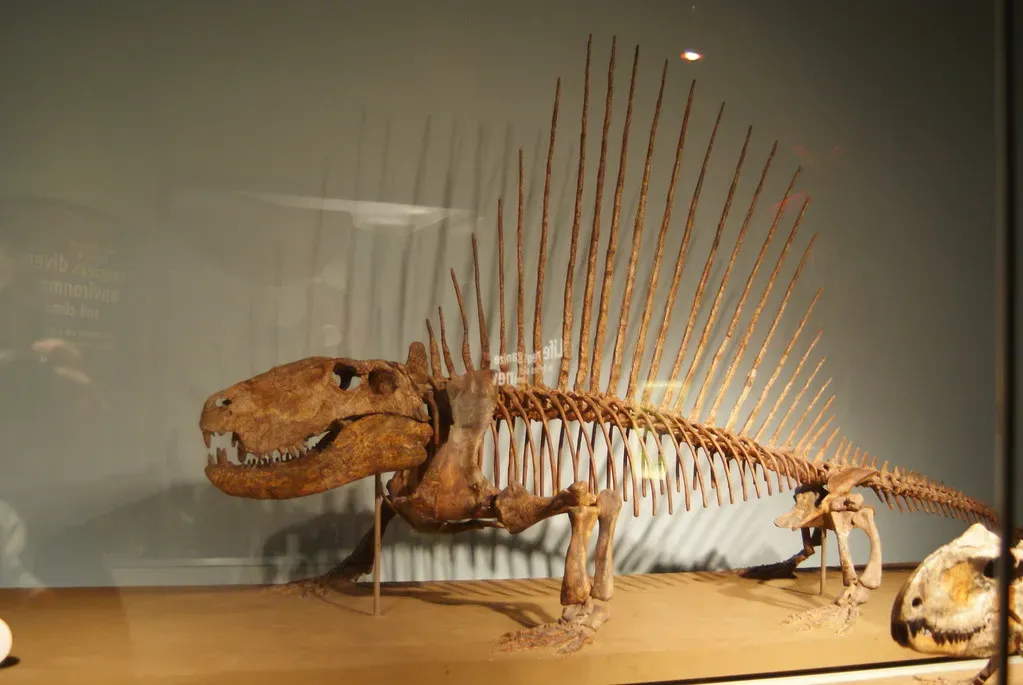
It is tempting to imagine dinosaurs instantly taking over as soon as the dust settled, but that is not how the early Triassic played out. The dominant large land animals before the extinction were mostly synapsids, distant relatives of the mammals you know today, and some of them actually pulled through the crisis. For millions of years after the Great Dying, various synapsid groups and other reptilian lineages still held many of the key ecological roles in terrestrial ecosystems.
Archosaurs, the broader group that includes dinosaurs, crocodile relatives, and pterosaurs, began to diversify in this recovering world, but they did so alongside these tough survivor lineages. You would have seen weird, crocodile-like predators, bulky beaked herbivores, and early, relatively small dinosauriforms all experimenting with different lifestyles in an unstable environment. Recovery was not a quick rebound; in many regions, it took on the order of ten million years or more before ecosystems regained anything close to their former complexity, which gave plenty of time for evolutionary experiments to play out.
From Contenders to Champions: Why Dinosaurs Pulled Ahead
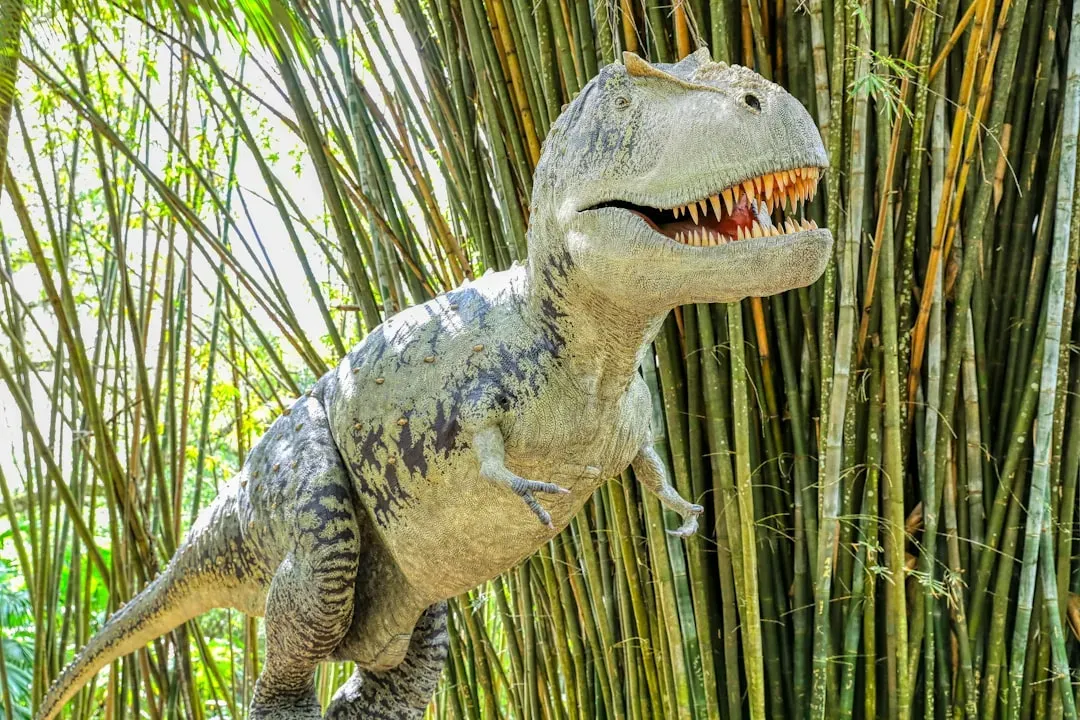
So how do you get from this crowded field of survivors and upstarts to dinosaurs ruling the Jurassic world you picture from museum halls and documentaries? One key piece is that repeated environmental stresses during the Triassic kept shaking the ecological table. After the initial Permian-Triassic disaster, additional warming pulses, ocean crises, and regional extinctions continued to hit various groups, gradually knocking back some lineages while others managed to cope better with heat, aridity, and fluctuating climates.
By the late Triassic, many dinosaur lineages had evolved traits that seem well suited to these stressful conditions: upright posture for efficient movement, high activity levels, and possibly elevated metabolic rates that let them exploit resources and climates differently from some of their rivals. When another major extinction at the end of the Triassic removed many of the large competing reptiles that had dominated alongside them, dinosaurs were already positioned across multiple niches. From your perspective, they did not suddenly appear as champions; they were persistent contenders that happened to be in the right place, with the right adaptations, when the game reset again.
Lessons You Can Draw From an Ancient Catastrophe
When you look at this entire story together, you see that dinosaur dominance was not a simple, heroic rise but the outcome of repeated global shocks and long, uneven recoveries. The Permian-Triassic extinction cleared the old ecological slate in a way no earlier crisis had, and that reset gave archosaurs, including early dinosaurs, room to experiment and expand. Without that initial Great Dying, it is very hard to imagine the Mesozoic world shaping up with dinosaurs as the headline act on land.
At the same time, this history reminds you that mass extinctions are blunt, indiscriminate forces: they remove both the vulnerable and the successful, and they do not guarantee that the eventual “winners” are somehow superior in any moral or absolute sense. Dinosaurs took advantage of opportunities created by unimaginable loss, and in the end they, too, were cut down by another catastrophe. When you think about your own era of rapid climate change and ecosystem stress, this deep-time perspective can feel unsettling but also clarifying: life is resilient, but the path it takes after a crisis is unpredictable and rarely gentle.
In the end, the Great Dying did pave , but only through a messy combination of devastation, survival, and evolutionary chance stretched across tens of millions of years. You live on the distant downstream edge of that story, walking a planet whose history has been reset more than once. Knowing that, you might ask yourself: if another global reset were starting now, which future rulers would you be unknowingly clearing the way for?