You probably grew up thinking scientists had dinosaurs all figured out: fierce hunters, gentle giants, pack chasers, lone wanderers. But when you look closely at the fossils, you quickly realize something surprising: a lot of what you imagine about how dinosaurs behaved is still a giant question mark. Bones can tell you who lived and died, but behavior is messy, subtle, and often vanishes without a trace.
Researchers can sometimes catch a dinosaur in the act, frozen in stone: a footprint mid-stride, a nest with broken eggs, a bite mark in the wrong place. Even then, you’re left squinting at the rock, trying to work out whether you’re looking at a family picnic or a battlefield. As you walk through a museum and see those dramatic dioramas, it’s worth remembering that behind every confident-looking pose is a long list of debates, doubts, and mysteries that no one has fully solved yet.
1. Did Some Dinosaurs Really Hunt in Packs Like Wolves?
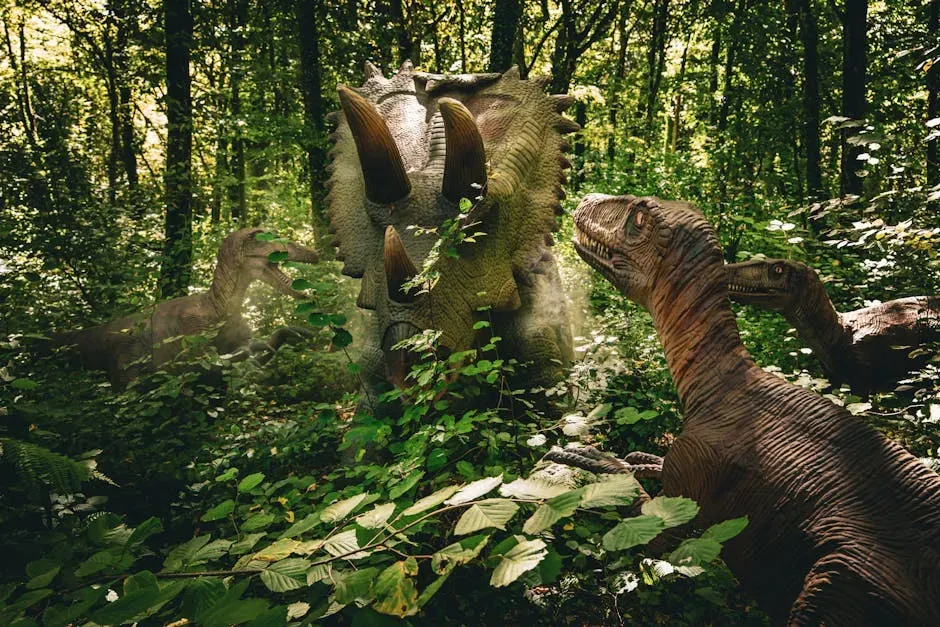
You’ve probably seen raptors in movies racing together in tight, terrifying formation, like a prehistoric wolf pack. There are fossils that tempt you to believe this: groups of small theropods preserved near large plant-eaters, trackways where multiple carnivores seem to be moving in roughly the same direction, bonebeds holding many individuals of the same species. At first glance, it’s easy for your brain to jump to one story: coordinated group hunting.
But when you step back, you realize there are other explanations that are just as possible. Those animals could have been attracted to the same watering hole, or scavenging the same carcass, or even trapped together by a flood or collapsing sand dune. Modern predators often share space without acting like a true, well-organized pack; they might compete more than cooperate. When you look at the evidence with a cool head, you’re left balancing two pictures: one where some dinosaurs truly coordinated hunts, and another where they were more like loose gangs of opportunists. Right now, you can’t honestly say which image is closer to the truth.
2. How Complex Were Dinosaur Family Lives and Parenting Styles?
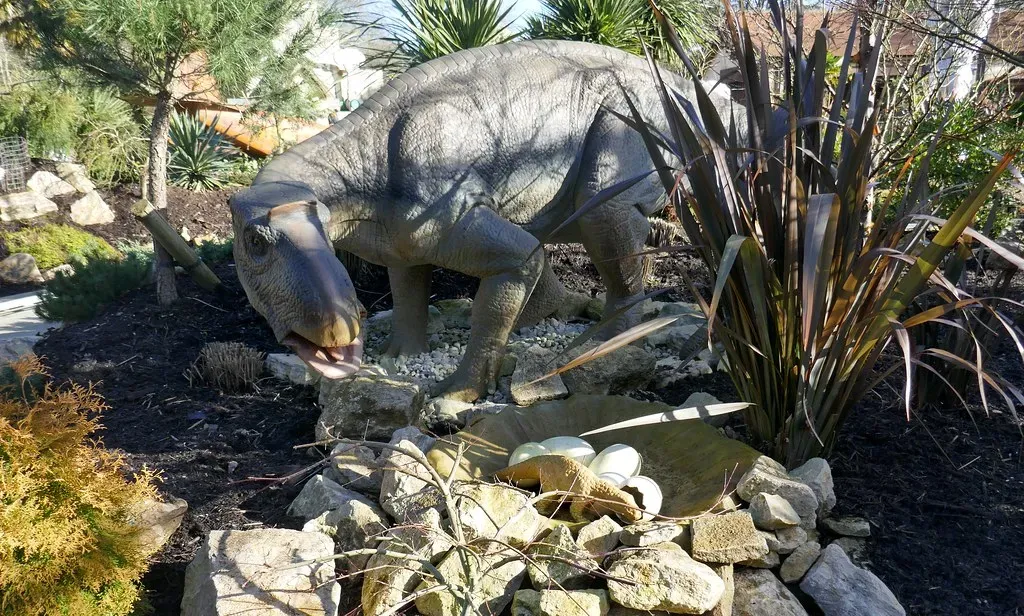
When you see fossil nests lined with eggs, you can almost feel your mind writing the scene for you: careful parents guarding their brood, maybe taking turns incubating like birds do today. Some fossils support that idea, with adults found crouched over clutches that look suspiciously like they were brooding. You’re also confronted with sites where many nests appear close together, hinting that some dinosaurs might have returned to the same nesting grounds year after year, a bit like sea turtles or seabirds.
Still, there’s a gap between what you’d like to imagine and what you can actually prove. You don’t know if both parents were involved or just one, if adults brought food to hatchlings, or if young dinosaurs largely fended for themselves once they staggered out of the shell. Bone growth patterns suggest that juveniles of some species grew quickly and may have needed a lot of energy, which could point to some level of parental care, but you’re piecing that together from hints rather than direct scenes. So even when you stand in front of a fossil nest, you’re really staring at just the opening frame of a family story you can’t fully see.
3. Did Dinosaurs Migrate Across Continents or Stay Close to Home?
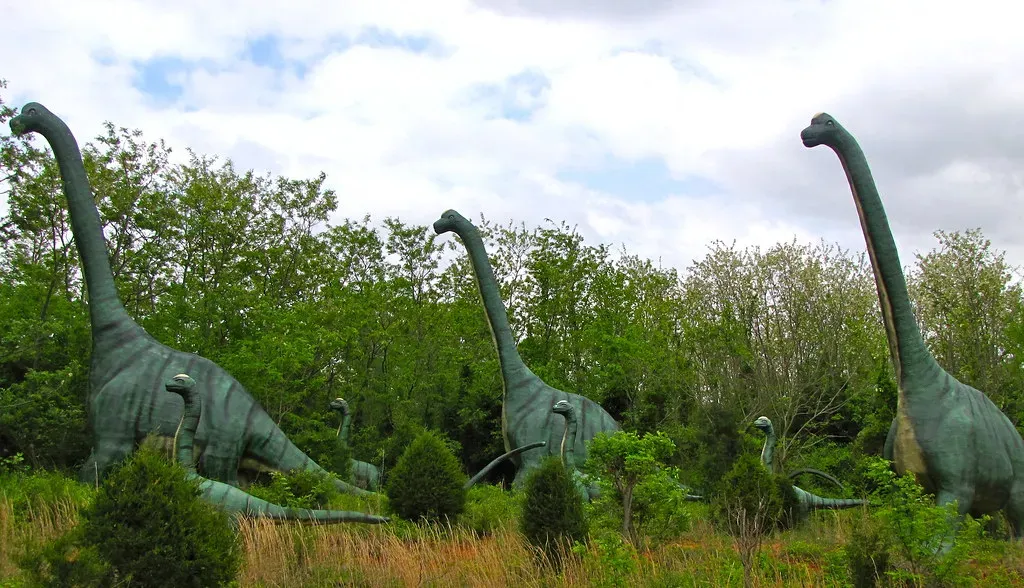
You know that many modern animals travel incredible distances each year: wildebeest crossing savannas, birds flying between hemispheres, whales surfing ocean currents. It’s tempting to picture giant herds of sauropods or duck-billed dinosaurs marching in seasonal lines across ancient floodplains. Some fossil layers do show large numbers of the same species stacked in ways that might hint at regular movement, and there are trackways that stretch for long distances, suggesting repeated use of the same routes.
Yet you’re missing the kind of hard tracking data you enjoy with living animals. Fossils don’t come with GPS logs, and the rocks that preserve them often represent many thousands of years mashed into a single layer. Seasonal changes in bone chemistry might someday reveal whether some dinosaurs moved between different environments, but currently, you’re looking at scattered clues rather than a clear migration map. You’re left asking whether these animals really undertook epic journeys, or whether they mostly stayed within familiar home ranges, only shifting when droughts or floods made life impossible.
4. How Much Color, Display, and Social Signaling Filled Their World?
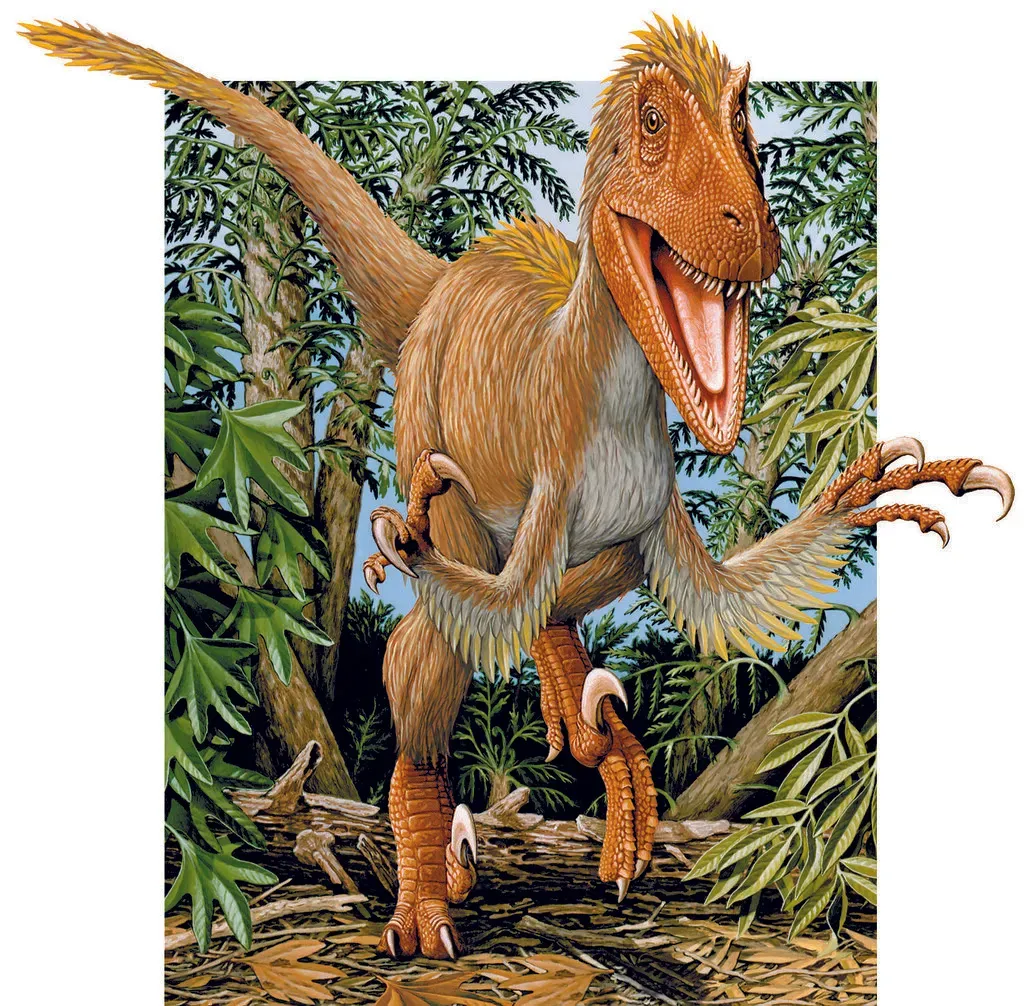
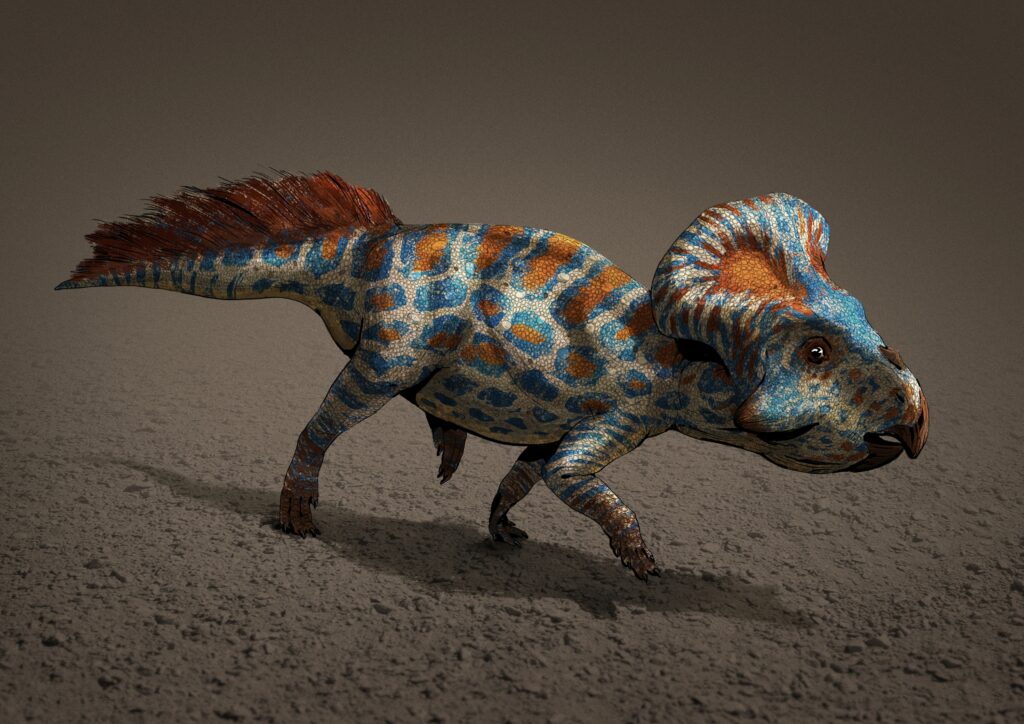
When you imagine a dinosaur, you probably picture it in muted browns and greens, or maybe in flashy movie colors that look exciting but slightly made up. A few rare fossils give you tantalizing glimpses of real coloration and feather-like structures, especially in smaller, birdlike dinosaurs. Those finds suggest that at least some species were not drab at all, but patterned and possibly quite bold, using color for display, camouflage, or both. You can also see elaborate crests, horns, frills, and spikes in the skeletons themselves, shapes that scream display and visual communication rather than pure combat.
Even so, you still do not know how bright those colors were, how they changed with age or season, or how dinosaurs used them in social life. Did a male’s crest flush brighter during courtship? Did young animals wear different patterns to avoid aggression from adults? Were some species as showy as peacocks or as understated as deer? You can propose these ideas by comparing dinosaurs to modern birds and reptiles, but you’re always interpolating, filling in the color of a painting when only the pencil sketch has survived. For now, when you walk through a dinosaur hall, you’re really just guessing at how vivid and noisy their visual world must have been.
5. Were the Giants Gentle Walkers or Destructive Bulldozers?
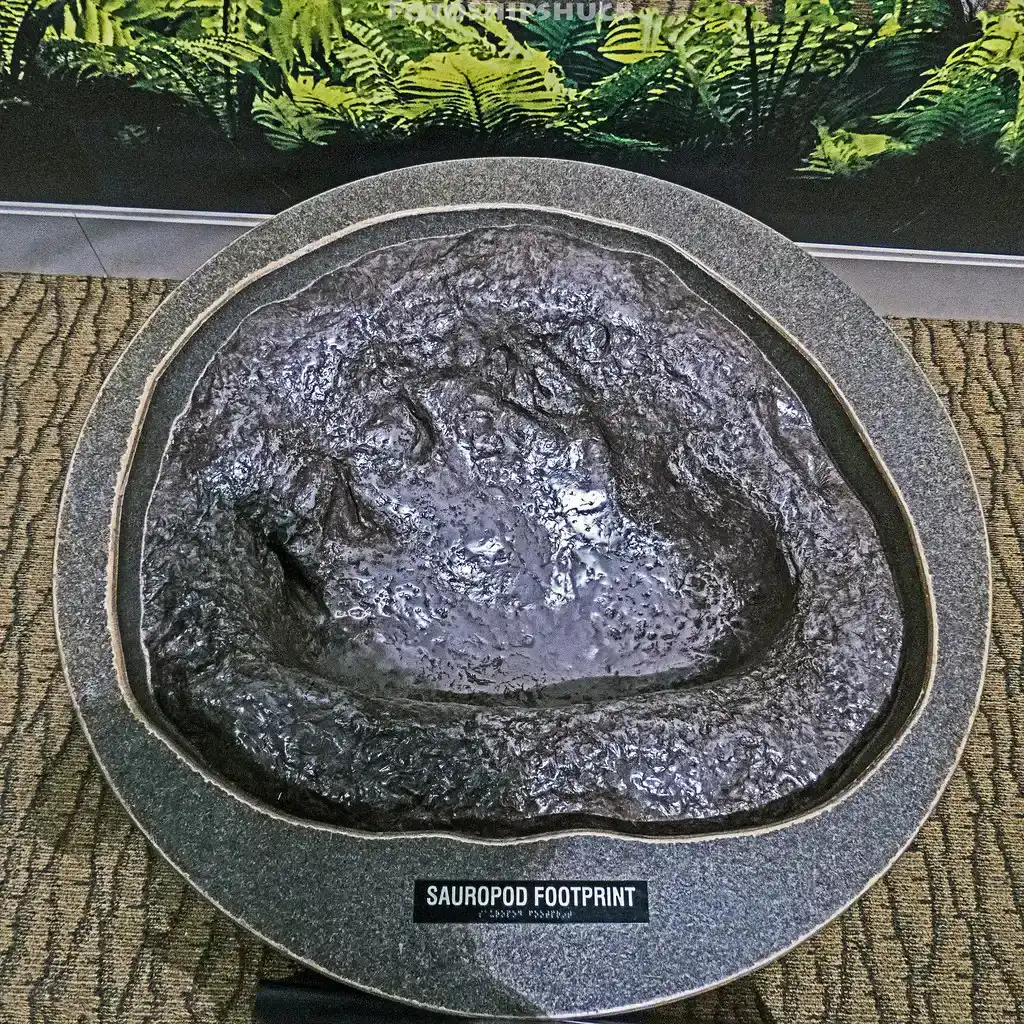
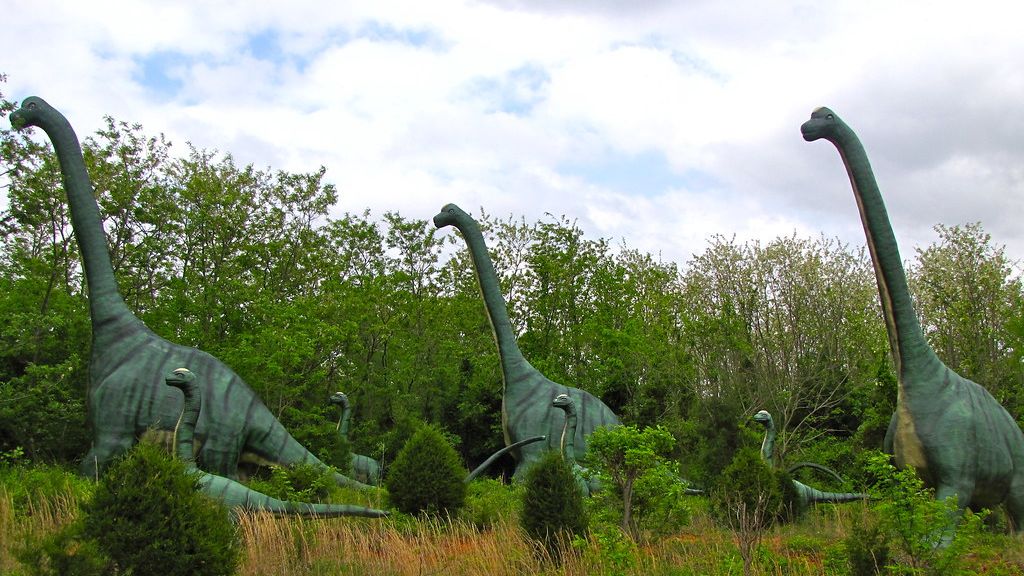
It’s easy to look at a towering sauropod skeleton and assume that every step it took must have shaken the ground like a truck, flattening everything in its path. But when you start paying attention to fossil footprints, you get a subtler story that leaves you with questions. Some trackways suggest a careful, steady gait and surprisingly low ground pressure for such a massive animal, more like a soft-footed elephant than a crashing bulldozer. You also see evidence that some sauropods traveled in loosely organized groups, perhaps following established paths rather than trampling randomly through forests.
On the other hand, you don’t have a detailed picture of how these animals interacted with their habitats day to day. Did they strip entire regions bare and then move on, or did they browse more selectively, allowing vegetation to recover? Did their sheer weight reshape riverbanks and wetlands the way herds of hippos do today? The fossil record shows you glimpses of heavily used areas, but it doesn’t fully reveal whether dinosaurs were gentle ecosystem gardeners or more like wrecking balls that left large scars on the landscape. You’re stuck between scattered footprints and big, open questions about what it really meant to share the planet with such heavyweights.
6. How Did Dinosaurs Communicate, and What Did Their “Voices” Sound Like?
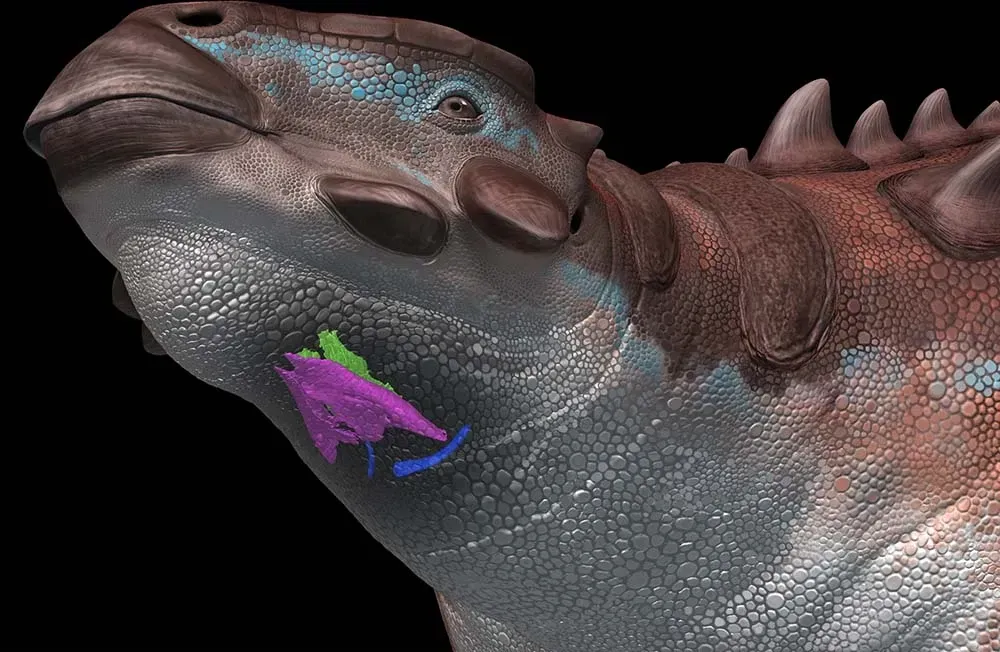
If you close your eyes and imagine dinosaurs, you probably hear roaring, shrieking, and deep, echoing bellows. Some fossils, especially skulls with strange hollow crests or complex nasal passages, hint that certain species could produce resonant sounds, maybe low calls that carried over long distances. When you compare them with modern birds and crocodiles, you get more reasons to believe that dinosaurs used a wide array of sounds, from calls and booms to hisses and rattling movements, to signal danger, attract mates, or coordinate groups.
But you cannot play back an actual dinosaur recording, so every sound you imagine is a reconstruction built on modern analogies and rough physical models. You do not know if a given species was loud and dramatic or relatively quiet, leaning more on posture, color, and movement than on voice. Some communication might have been entirely visual, like a head bob, a tail wave, or a change in posture that another dinosaur instantly understood. When you think about it, you are standing in a silent world of skeletons, trying to re-create a soundscape that vanished tens of millions of years ago, and that silence is one of the most haunting mysteries of all.
In the end, every one of these unanswered questions reminds you that dinosaurs are not just oversized lizards pinned to museum floors; they were living, breathing animals with complicated lives you can only half-see. You have bones, tracks, nests, and a few rare impressions of skin or feathers, and from that thin stack of clues you’re trying to rebuild entire worlds of behavior, emotion, and interaction. As new techniques emerge and fresh fossils come out of the ground, you’ll probably refine some of your favorite stories and discard others entirely. For now, the most honest stance you can take is a mix of curiosity and humility: you know enough to be fascinated, but not enough to be certain. When you look at a dinosaur skeleton now, can you feel just how much of its real life is still locked away as mystery?