If you could step into a time machine and walk beside a herd of dinosaurs, the first thing you’d notice probably wouldn’t be the animals themselves. You’d feel the air. Was it heavy and humid like a tropical greenhouse, or dry and dusty like a late-summer desert? You obviously can’t go back, but dinosaur fossils let you do the next best thing: they give you hard, physical clues about what Earth’s climate really felt like tens of millions of years ago.
You’re not just looking at old bones; you’re reading a climate diary written in mineral and marrow. Every tooth, eggshell, and fossilized footprint carries information about temperature, rainfall, oxygen levels, and even seasonal changes. Once you start to see fossils this way, it becomes impossible to think of dinosaurs as just monsters in a museum. They turn into your guides to a planet that was familiar in some ways, shockingly alien in others, and deeply relevant to the climate changes you’re living through now.
How Dinosaur Bones Become Ancient Thermometers
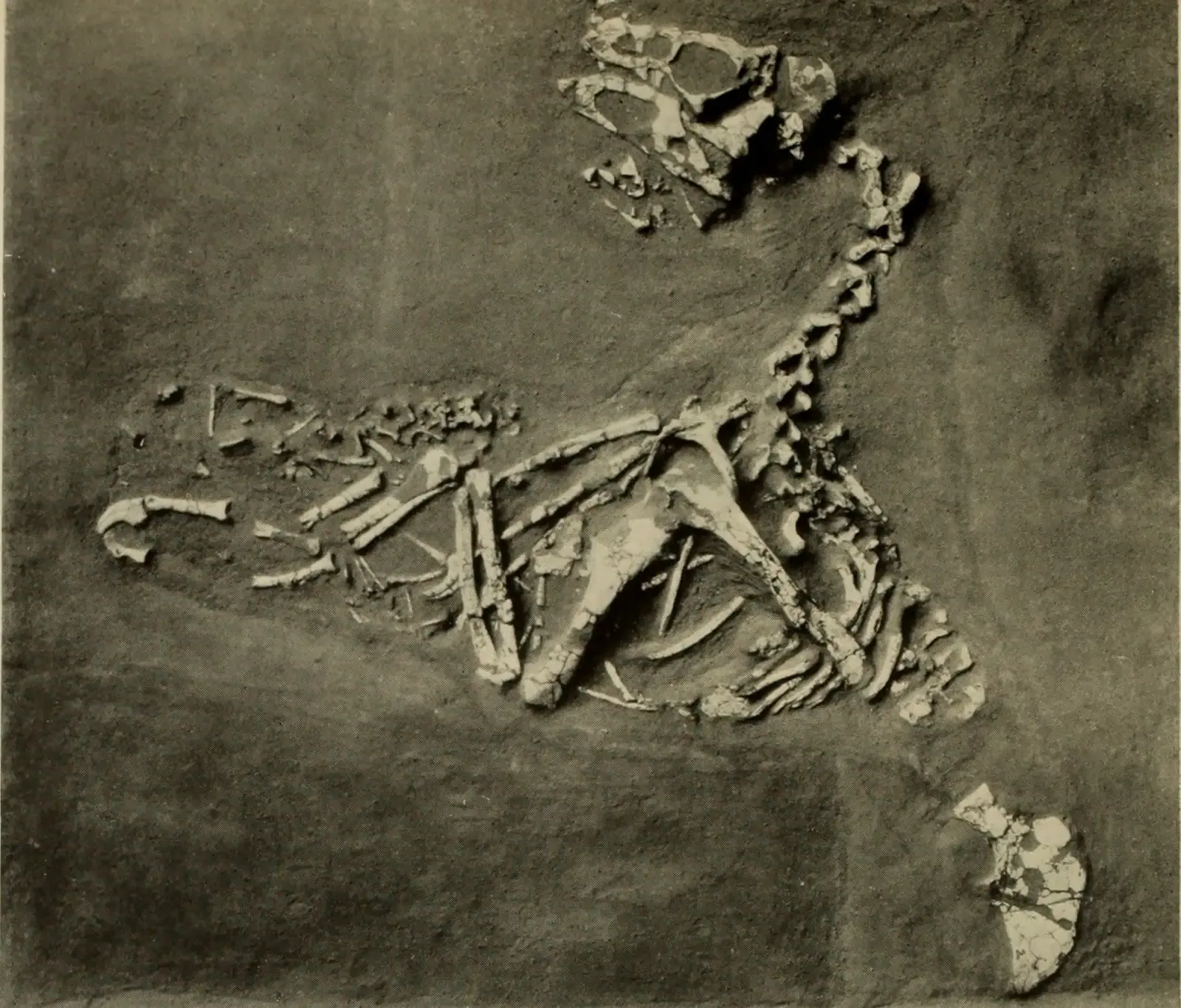
When you look at a fossilized dinosaur bone, it’s easy to see it as just stone, but you’re actually looking at a record of the environment that seeped into that bone as it turned to rock. Inside the microscopic structure, you find minerals that formed in the presence of specific temperatures and chemical conditions. By studying the ratios of different oxygen and carbon atoms locked into those minerals, you can estimate how warm it was when the animal was alive and when the bone fossilized.
You can think of it like reading tree rings, but at a much deeper timescale. Instead of narrow or wide rings, you’re looking at tiny chemical patterns that shift with temperature and humidity. If the ratios suggest warmer conditions, you know that dinosaur lived in a climate more like today’s tropics; if they suggest cooler values, you’re looking at a world that felt closer to a temperate woodland or even a chillier environment. In this way, you use skeletons not just to rebuild bodies, but to reconstruct ancient weather.
Teeth, Diet, and the Story of Ancient Seasons
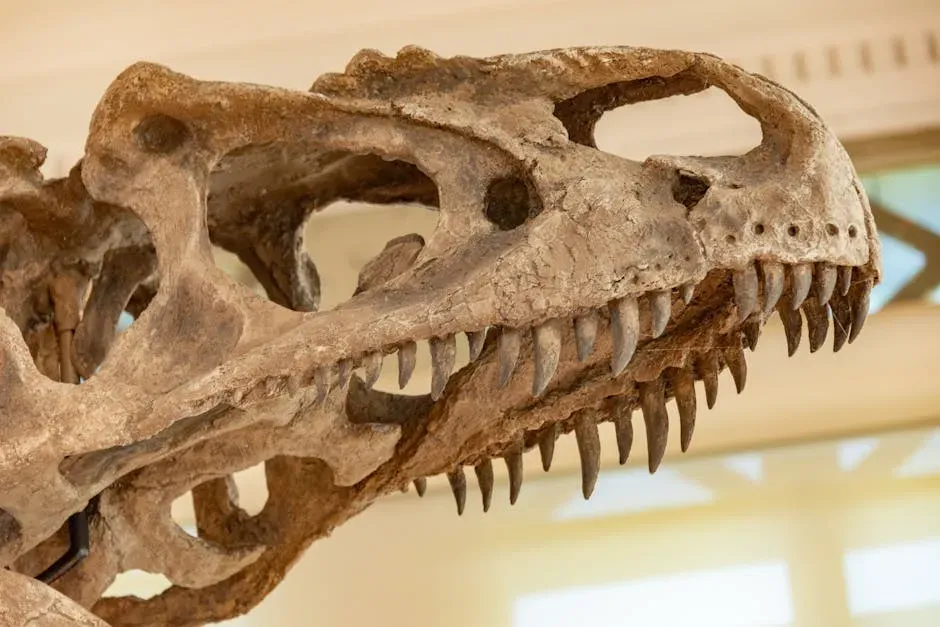
Dinosaur teeth might look like simple tools for slicing meat or grinding plants, but to you as a climate detective, they’re also time-stamped samples of what the animal was eating in a changing environment. As a dinosaur grew, its teeth and bones incorporated elements from water and plants that reflected seasonal conditions. By analyzing different teeth from the same species or even the same individual, you can see how conditions shifted between wet and dry seasons or cooler and warmer periods.
Herbivorous dinosaurs are especially revealing, because the plants they ate were directly shaped by temperature, rainfall, and atmospheric carbon dioxide. If you find evidence that a dinosaur’s diet shifted between lush, water-rich vegetation and tougher, drought-tolerant plants, you’re really seeing the fingerprints of changing seasons or long-term climate swings. Put enough of these tooth stories together, and you start mapping subtle climate rhythms that played out millions of years before humans ever worried about the weather.
Where Dinosaurs Lived Tells You How Warm the Poles Once Were
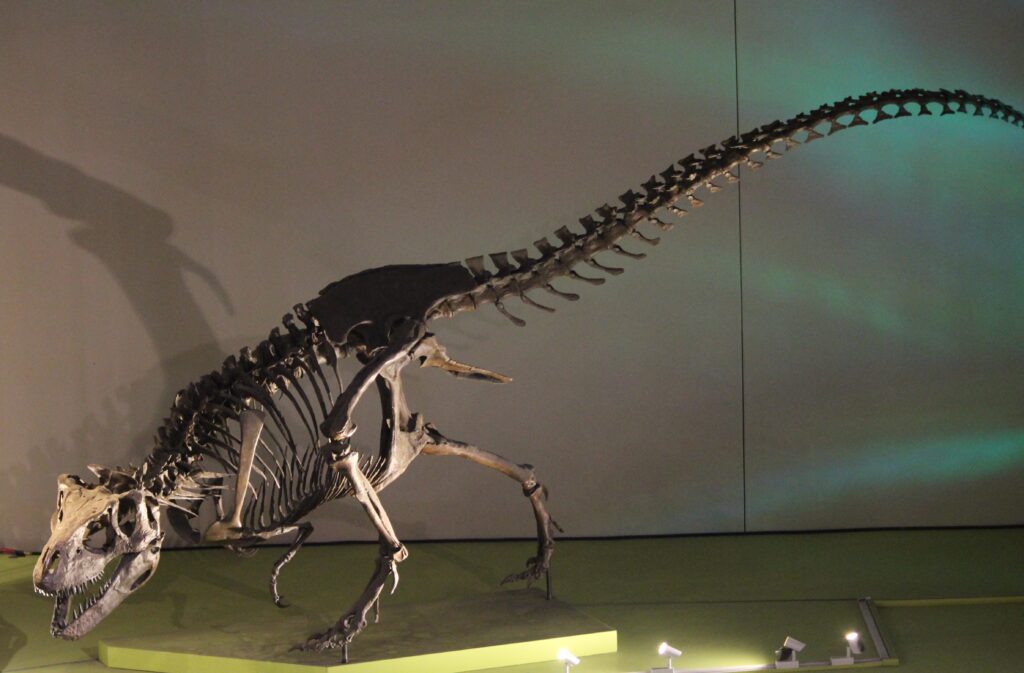
One of the most surprising things you learn from dinosaur fossils is just how far toward the poles these animals once roamed. When you dig up the bones of large plant-eating dinosaurs in what used to be high-latitude regions, it tells you the climate there was nothing like today’s icy Arctic or Antarctic. For big, cold-blooded or warm-blood-adjacent reptiles to survive that far north or south, the world had to be significantly warmer and more hospitable than it is now.
When you combine those fossils with plant remains and other animals found in the same rocks, you start to see a picture of polar forests instead of frozen deserts. You find evidence of long, dark winters, but with milder temperatures and enough vegetation to support large herds. This helps you understand what a truly warm world looks like: not just hotter tropics, but temperate, even forested poles. In a time when you’re watching polar regions warm faster than the global average, those ancient polar dinosaurs offer you a sobering preview of how dramatically the ends of the Earth can change.
Dinosaur Eggs and Nests as Climate Diaries
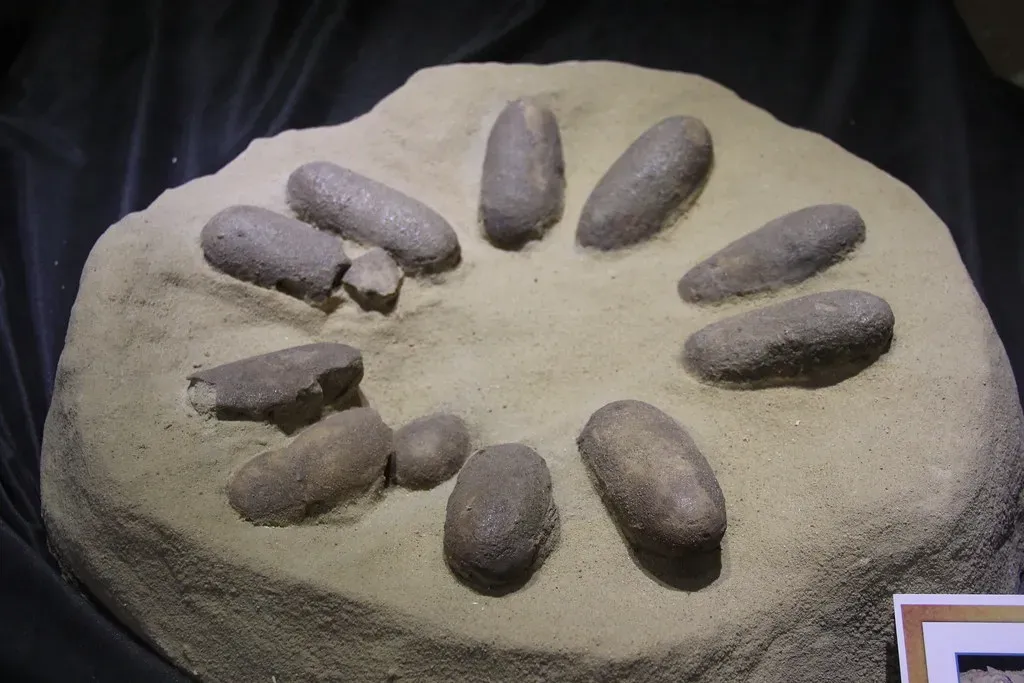
Dinosaur eggs and nesting sites give you a more intimate, family-level view of ancient climate. Many dinosaurs laid their eggs in open nests on the ground, so successful hatching depended heavily on temperature, humidity, and soil conditions. When you find well-preserved eggs, especially whole nesting colonies, you’re seeing places where the climate was stable enough to support repeated breeding over many years.
The thickness and structure of eggshells can hint at how dry or humid the environment was. In some regions, you find layered nesting grounds that stack up like pages in a book, with each layer representing a breeding season under slightly different conditions. By reading those layers, you can track slow shifts in local climate, from wetter phases with more vegetation and mud to drier episodes where nests might have been more vulnerable. You end up with a remarkably detailed picture of how climate shaped not just dinosaur survival, but parenting and reproduction.
Mass Extinctions and the Climate Signals Hidden in Fossils
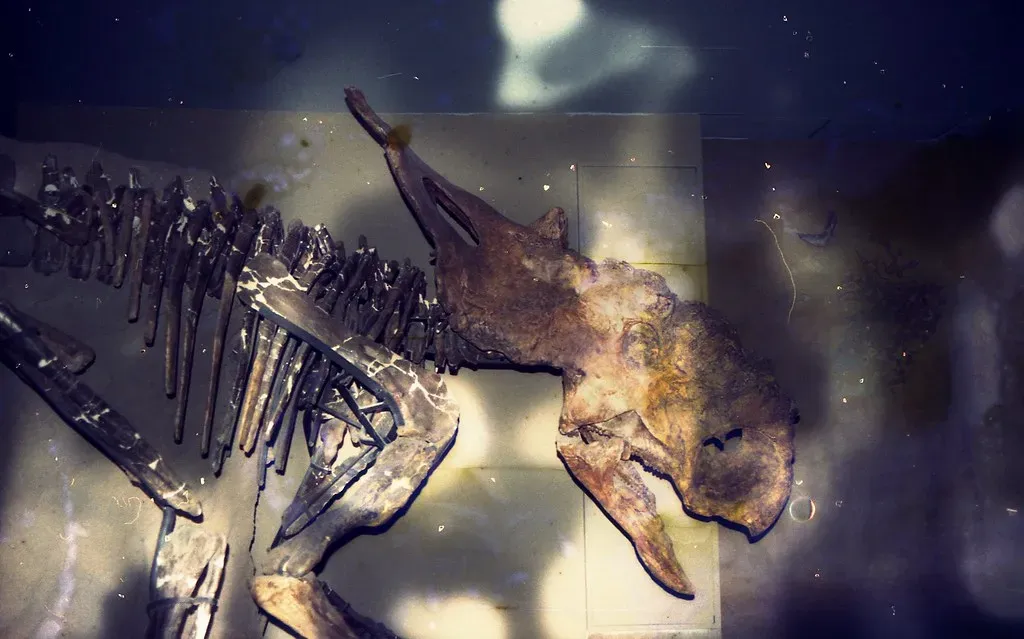
When you trace dinosaur fossils through time, you don’t just see individual lives, you see entire worlds rising and collapsing. The most famous example is the end-Cretaceous extinction that wiped out all non-bird dinosaurs. In the rock layers that capture this event, you find abrupt changes in fossils that scream climate chaos: tropical species vanish, ecosystems reorganize, and some regions show evidence of sudden cooling followed by longer-term warming.
As you study these fossil shifts, you realize you’re watching climate and life locked in a brutal feedback loop. Asteroid impacts, massive volcanic eruptions, and greenhouse gas spikes left chemical signatures in the same rocks that hold dinosaur bones, pollen grains, and marine shells. When those fossils thin out or disappear entirely, it tells you where climate stress crossed a tipping point. Those ancient wipeouts become case studies for your own time, reminders that rapid climate shocks can ripple through ecosystems in ways that are hard to slow or reverse once they start.
Tiny Clues from Big Animals: Isotopes, Growth Rings, and Oxygen Levels
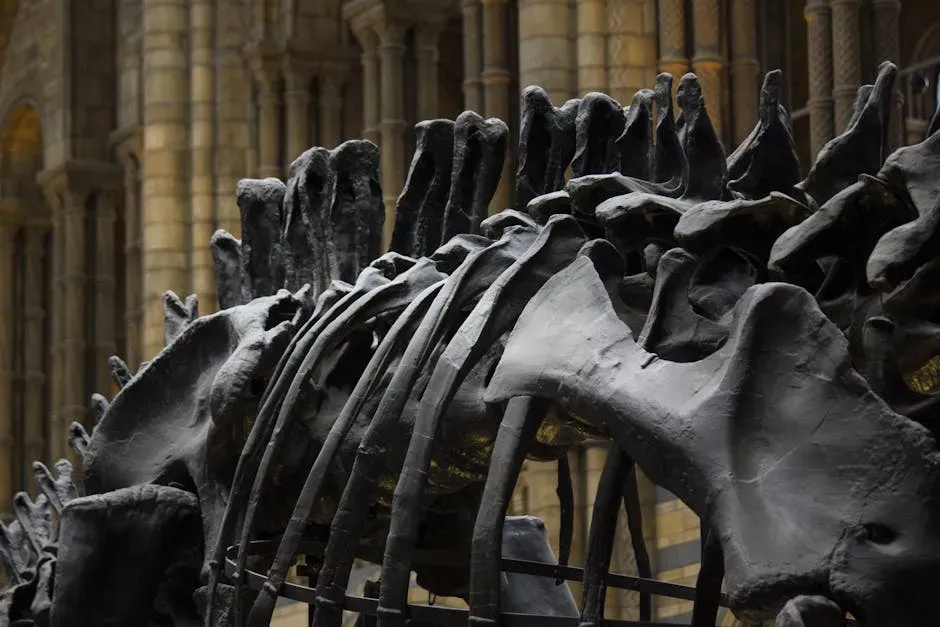
Beyond the dramatic stories, dinosaur fossils give you delicate, almost microscopic climate hints that are easy to overlook. Some dinosaur bones preserve growth rings similar to those you see in trees, with thicker bands in good years and thinner ones in harsher conditions. By counting and measuring these rings, you can infer whether a dinosaur lived through stable, predictable seasons or through more erratic swings in temperature and rainfall.
You also get clues about ancient air itself. The chemical makeup of fossil bones and teeth can reflect oxygen and carbon dioxide levels in the atmosphere and oceans. When you find patterns that point to low oxygen or high greenhouse gas concentrations, you get a better grasp of how dinosaurs coped with environmental stress. These tiny chemical traces, combined with growth patterns, help you see not just what the climate was on average, but how stressful or comfortable it was for living creatures trying to grow, reproduce, and survive.
What Dinosaur Climate Clues Mean for You Today
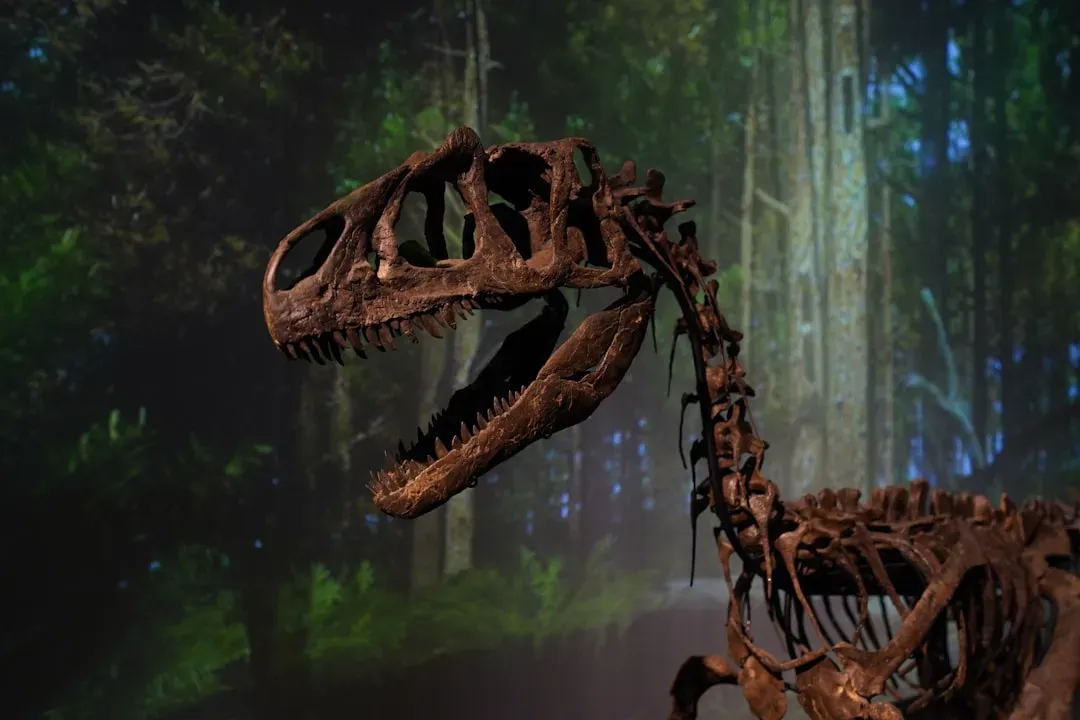
It’s tempting to treat the dinosaur era as a completely separate chapter from your own, but the climate lessons you pull from those fossils land squarely in the present. When you see that Earth has been far warmer than today, with higher seas and forests in places now covered by ice, you realize that your planet can shift into very different states. Fossils show you that life can adapt up to a point, but when climate changes too fast or too violently, even dominant groups like the dinosaurs can be pushed off the stage.
At the same time, these ancient stories give you a longer perspective and a bit of humility. You’re not the first species to face climate upheaval, but you might be the first with enough knowledge to understand the warning signs in advance. By studying how past climates rose, fell, and sometimes crashed, you gain tools for predicting how today’s atmosphere might reshape coastlines, forests, and food webs. In a way, every dinosaur skeleton you see in a museum is quietly asking you the same question: now that you know what drastic climate shifts can do, what are you going to do with that knowledge?
When you step back, the true power of dinosaur fossils is not just that they look impressive behind glass, but that they let you hold a mirror up to Earth’s deep history. You’re learning how your planet behaves when it is pushed, whether by natural forces or, in your age, by human activity. Those ancient bones cannot tell you exactly what will happen next, but they narrow the possibilities and strip away the illusion that your current climate is fixed or guaranteed.
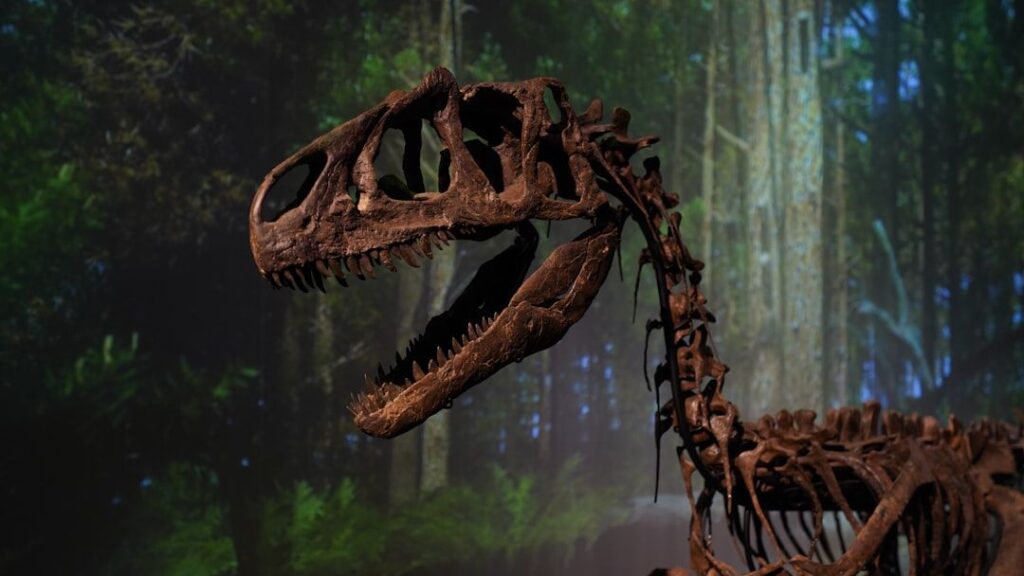
So the next time you stand in front of a towering skeleton, try looking past the teeth and claws and imagine the air, the plants, the seasons that shaped that animal’s life. You’re not just admiring a relic; you’re listening to an old, weathered voice warning you about what rapid change can bring. Knowing that, you have to ask yourself: if you could leave a fossil message for the future about the climate choices you made, would you be proud of the story it tells?