
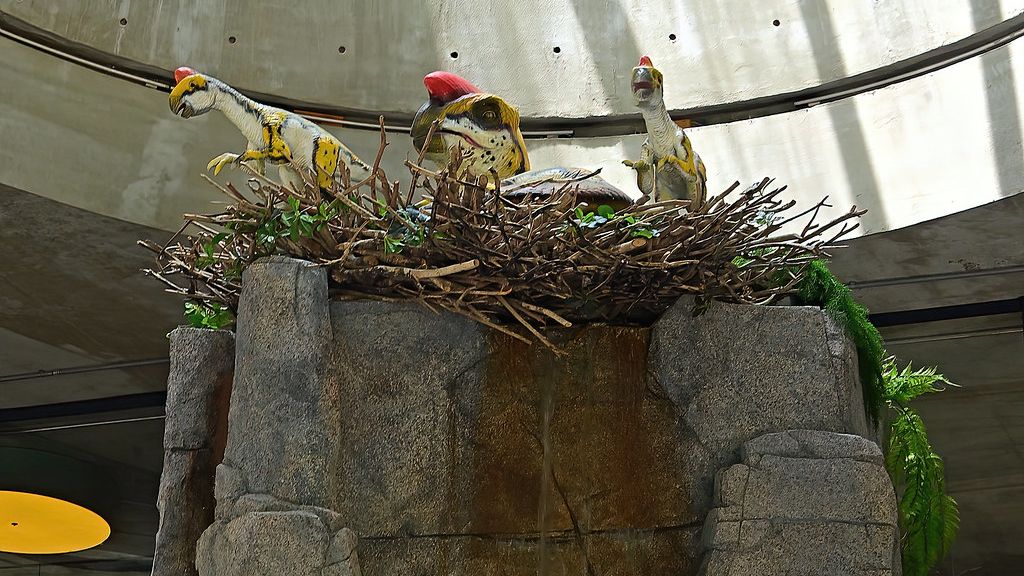
When you picture dinosaurs, you probably imagine gigantic reptiles stomping through primeval forests, fighting and hunting in a brutal world where only the strongest survived. It’s tempting to think of them as cold, indifferent creatures that laid eggs and walked away. But when you look at the fossil evidence more closely, a very different, surprisingly tender picture starts to emerge.
You start to see dinosaurs building nests, brooding their eggs, protecting their young, and possibly even feeding and teaching them, much like modern birds and mammals do today. Once you let that sink in, the age of dinosaurs suddenly stops feeling so alien. Instead of a world full of monsters, you’re looking at a world full of families.
Fossil Nests That Tell the Story of Family Life
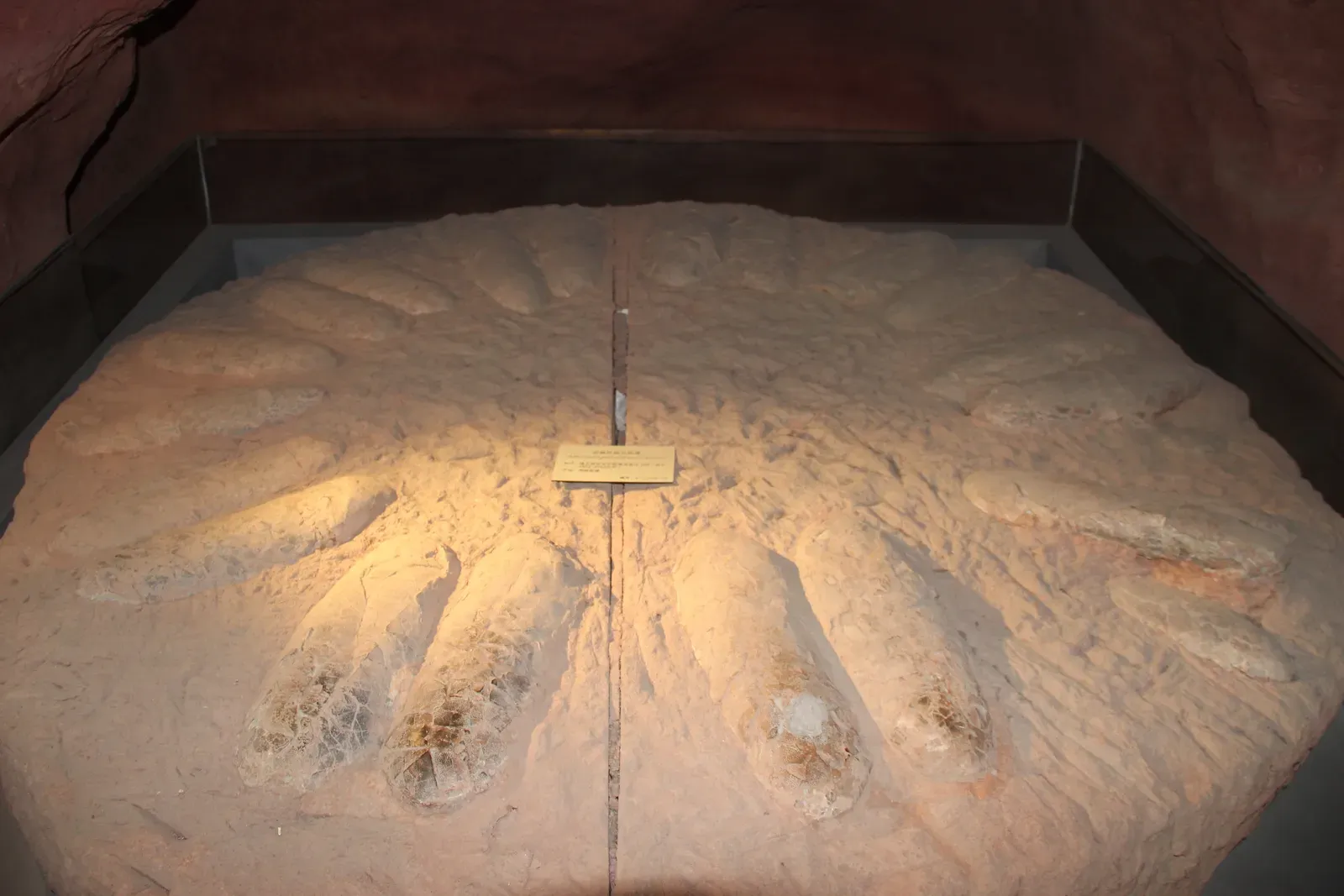
One of the strongest clues that many dinosaurs cared for their young comes from fossilized nests. In several ancient sites, you can see clusters of eggs arranged in neat patterns rather than scattered randomly, which suggests you’re looking at deliberate nest-building, not just happenstance. In some of these nests, the eggs are found in multiple layers or in closely spaced groups, hinting that the same spot may have been reused season after season, just like modern birds returning to familiar breeding grounds.
When you stand back and imagine these nesting grounds in life, you’re not picturing a lone animal wandering by chance. You’re picturing an entire breeding colony, with adults guarding their nests, moving around each other’s territories, and maybe even reacting to threats together. Instead of a lonely egg on a rock, you have what feels more like a bustling dinosaur nursery, with all the noise, stress, and energy that comes with raising the next generation.
Brooding Adults Preserved in Place
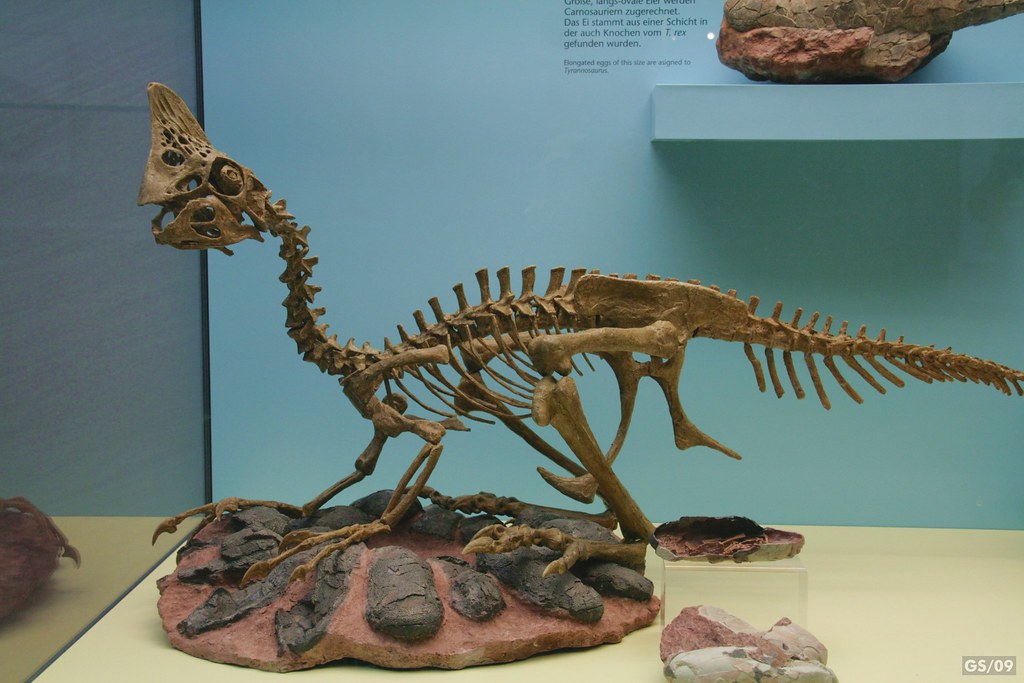
Some of the most striking fossils show adult dinosaurs preserved right on top of their nests, in a pose that looks uncannily like a bird brooding its eggs. You can almost see the animal spreading its limbs or feathers over the clutch to keep the eggs warm and protected. When you see an adult skeleton centered over a ring of eggs, it becomes hard to argue that it was just passing by; it looks very much like you’re catching that dinosaur in the act of parental care.
These brooding fossils also hint that you should not separate dinosaurs from birds as sharply as you might have learned as a kid. The behavior feels familiar because you still see it today in nesting birds that shield their eggs from cold, heat, and predators. When you realize that some dinosaurs likely did the same, you start to recognize that parental care is not a modern invention, but a deep, ancient strategy that helped these animals give their young a fighting chance.
Evidence of Nesting Colonies and Social Parenting
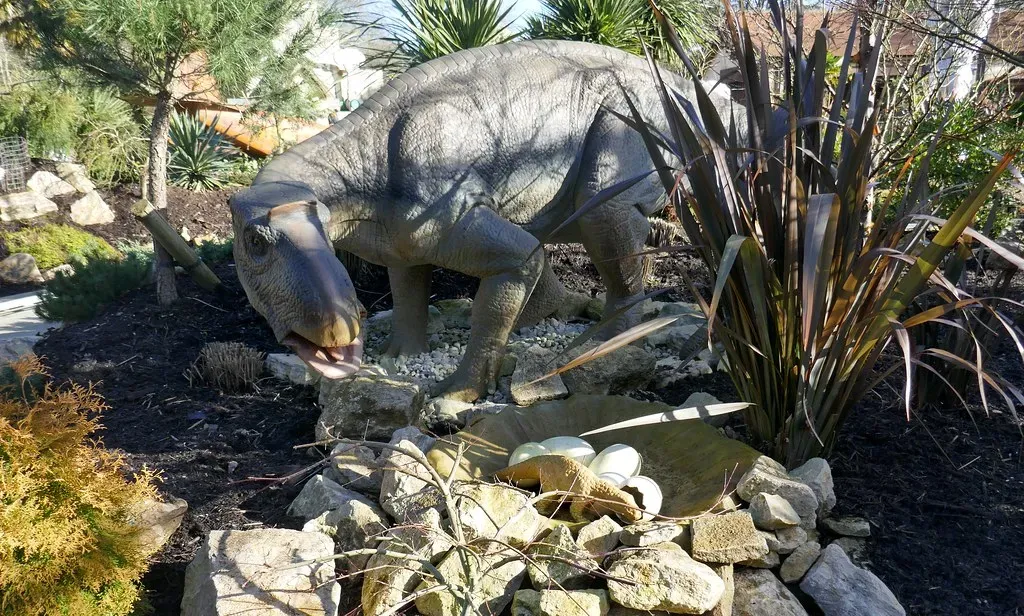
In some fossil sites, you’ll find not just one nest, but many nests packed into the same area, almost like a prehistoric neighborhood. The spacing between these nests often seems regular, which suggests that the dinosaurs were not just dumping eggs in a random pile, but carefully choosing spots and tolerating neighbors at a certain distance. That kind of pattern feels a lot like seabird colonies you see on cliffs today, where you have a mix of cooperation and competition, all centered on raising chicks.
When you think about a dinosaur nesting colony, you can imagine layers of social interaction: alarm calls when a predator approaches, adults using their bodies or group presence to deter threats, and possibly even some shared vigilance where different individuals take turns being watchful. Even if you cannot prove every detail, the repeated nesting in the same place and the clustering of nests push you toward one big conclusion: these dinosaurs invested real time and energy in nursery areas, not just in laying eggs and walking away.
Growing Up Slow: Herds with Juveniles and Teenagers
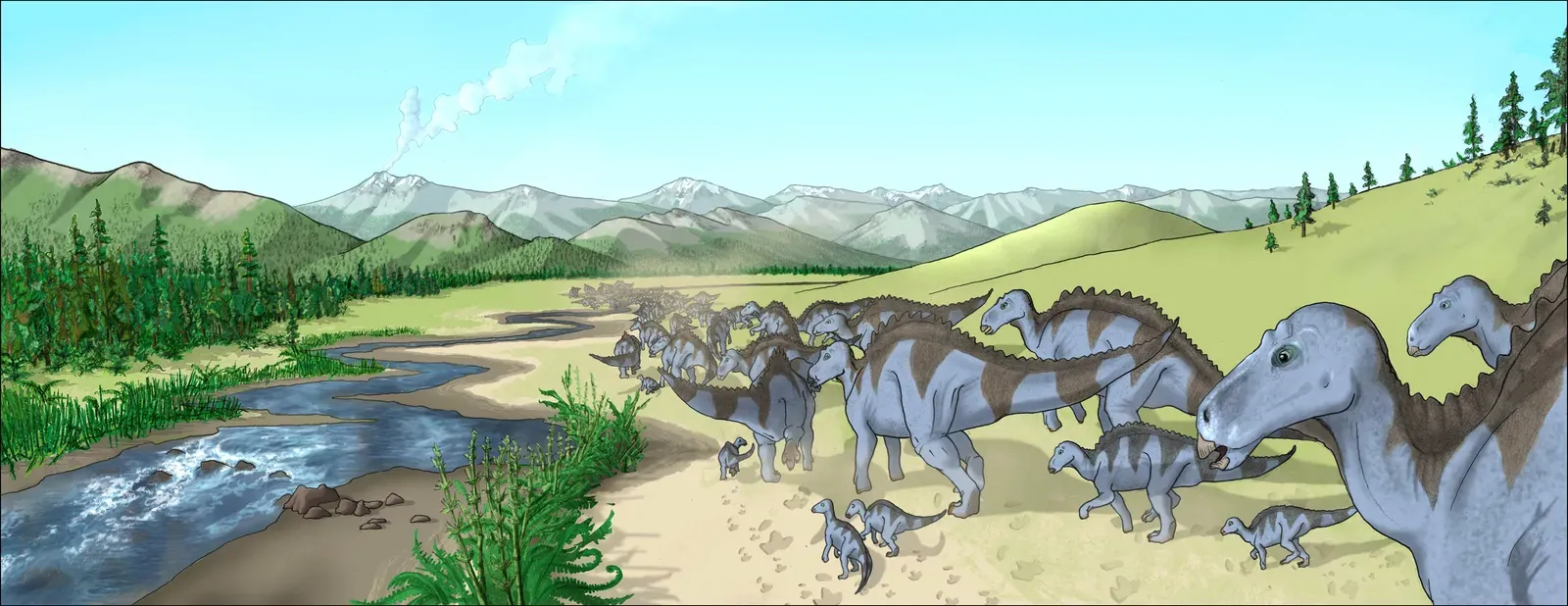
Another powerful sign of dinosaur parenting comes from fossil groups that include individuals of different ages living together. In some bonebeds, you’ll see adults, juveniles, and younger animals all mixed in, which suggests you’re looking at a social group rather than a random pile of unrelated remains. This kind of age structure feels less like a one-time accident and more like a snapshot of a herd or family unit moving and living together.
When you picture a herd with youngsters in it, you know right away that parenting is not just about eggs. If a young dinosaur stayed with adults as it grew, that implies guidance, protection, and shared movement, much like elephant herds or wildebeest migrations today. You can almost imagine the adults steering the group around danger, while the smaller animals keep close, learning routes, feeding spots, and maybe even social rules that would help them survive once they finally set out on their own.
From Eggs to Hatchlings: Care in the Nest and Beyond
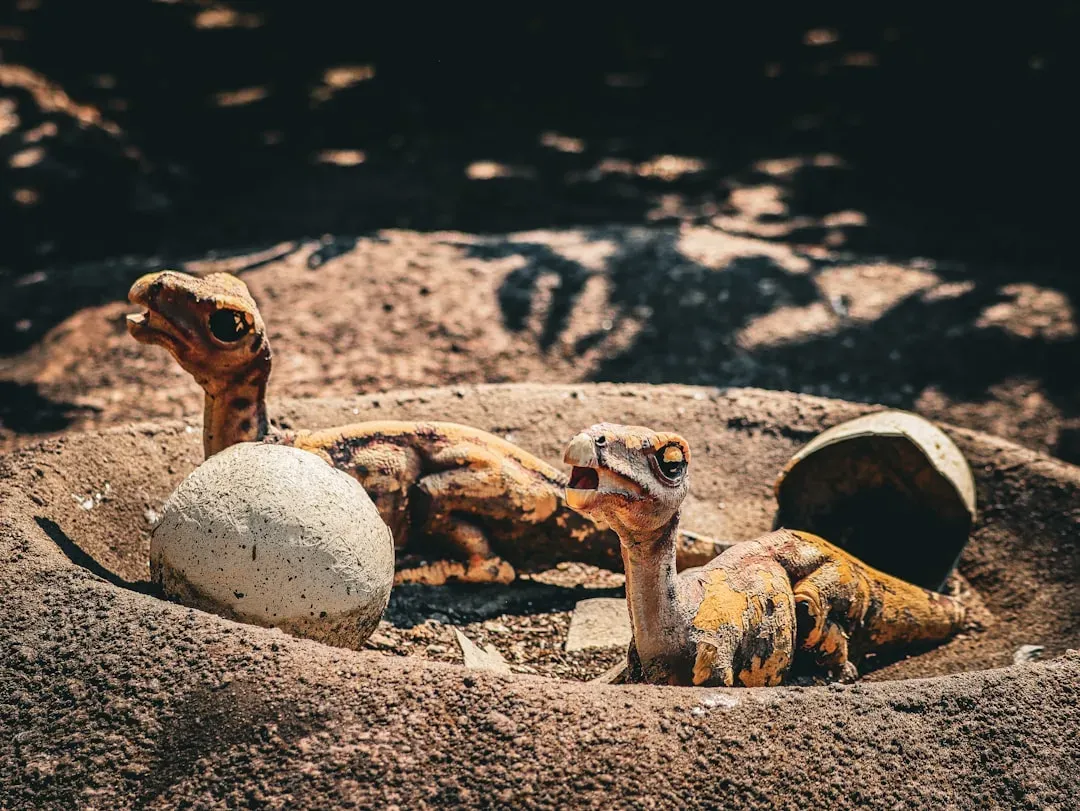
In a few fossil nests, scientists have found not just eggs, but tiny skeletons of hatchlings clustered together, sometimes showing signs that they stayed in the nest for a while after hatching. That tells you these young dinosaurs probably did not sprint off into the forest the moment they broke out of their shells. Instead, they may have remained in or near the nest, depending on their parents for warmth, protection, or even early food sources until they were strong enough to move on.
When you put yourself in that scene, you can picture newly hatched dinosaurs with soft bones, weak legs, and oversized heads, huddling together while a parent stands guard. Maybe the adults brought bits of food, or maybe they simply defended the nest area and let the young explore gradually. Either way, you’re not just seeing eggs as a one-time investment; you’re seeing ongoing care that stretched into the first chapter of a dinosaur’s life.
Parallels With Modern Birds and Reptiles
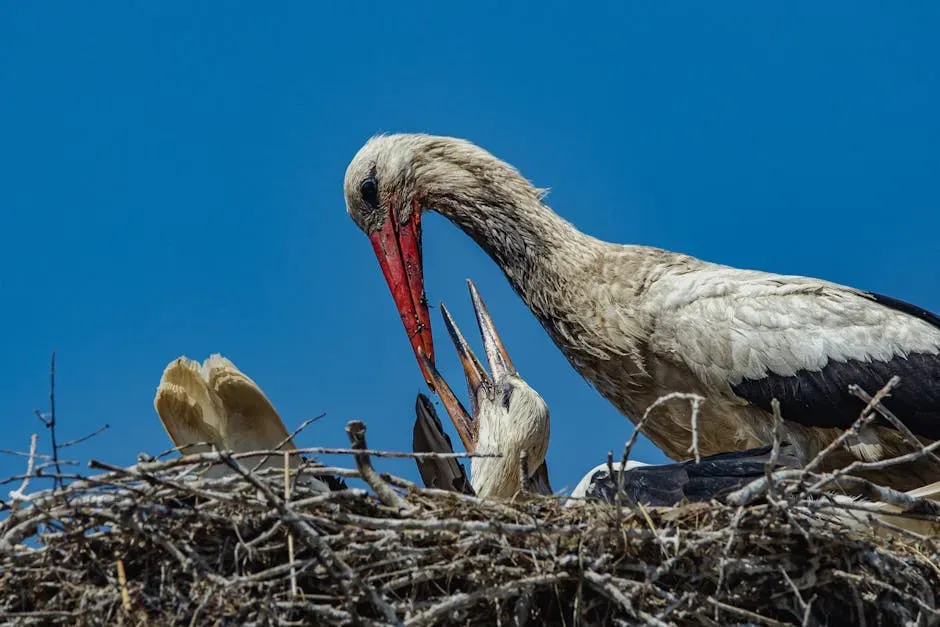
To make sense of dinosaur parenting, you can lean on something familiar: the way birds and reptiles behave today. Birds, which are living dinosaurs in a very real sense, show an impressive range of parental strategies, from intense care in songbirds to cooperative nesting in some seabirds and ground-nesting species. When you notice that many bird behaviors line up with what you see in dinosaur fossils – nests, brooding, colonies, extended juvenile care – it becomes reasonable to treat those fossil clues as signs of genuine parenting, not just coincidences.
You can also look at living reptiles, which show more variation than many people realize. Some crocodilians guard nests and even carry hatchlings gently in their mouths, offering a level of care that would surprise you if you only thought of reptiles as uncaring. When you combine all this with the bird side of the family, you get a powerful template: dinosaurs sat at a crossroads where both reptile-like and bird-like parenting styles were possible, and at least some lineages clearly leaned toward active and sustained parental care.
Not All Dinosaurs Were Devoted Parents
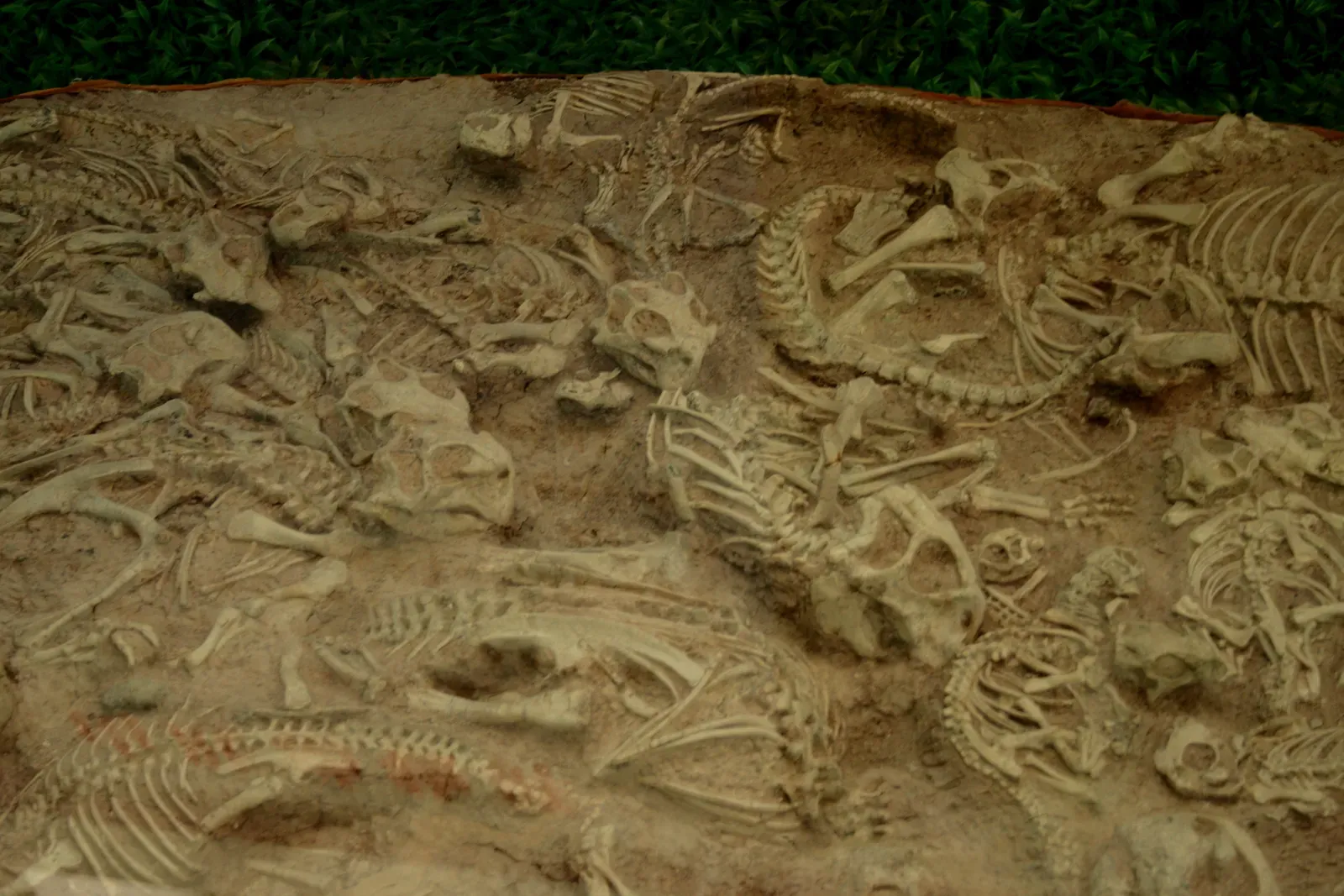
As tempting as it is to imagine every dinosaur as a doting parent, the fossil record pushes you to stay balanced. For many species, you simply do not have enough evidence to say much about their parenting at all. In some cases, adult and juvenile remains are scattered in ways that suggest more solitary lives, or at least looser group structures where caring for young may have been more limited or shorter in duration.
When you think about the wide variety of dinosaur sizes, diets, and lifestyles, it actually makes sense that parenting styles were probably just as varied. Some species may have laid many eggs and invested very little in each one, relying on sheer numbers to keep the lineage going. Others may have had fewer offspring and poured far more energy into guarding and guiding them. The key for you is to recognize that remarkable parental care did exist, but it likely sat on a spectrum, not as a universal rule for every dinosaur that ever walked the Earth.
Why Dinosaur Parenting Still Matters to You Today
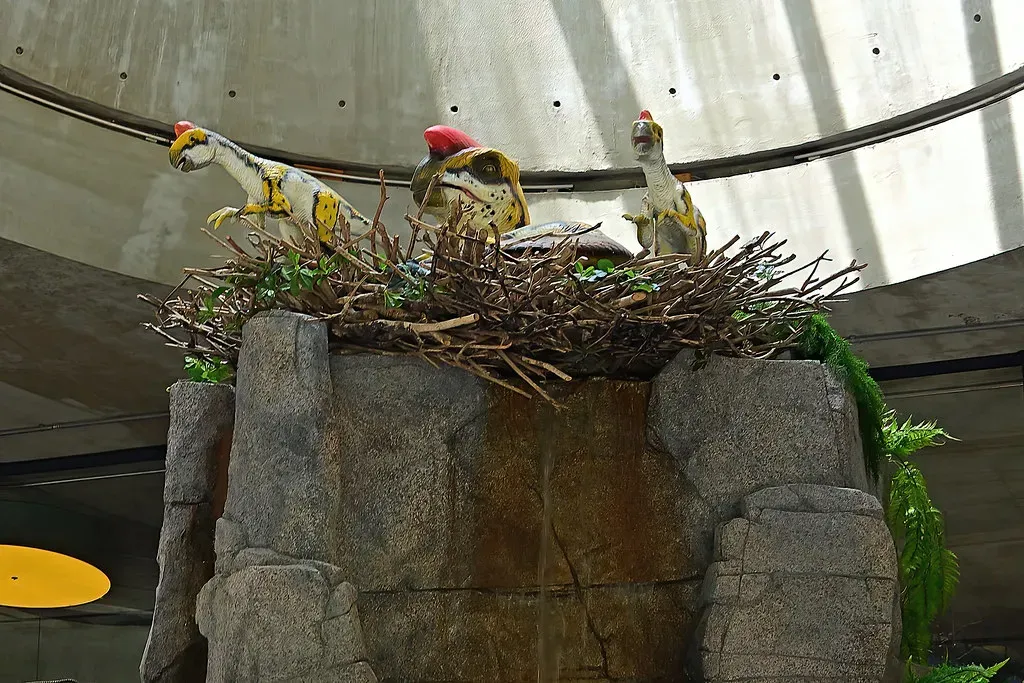
Once you start seeing dinosaurs as parents and not just predators, your whole sense of prehistoric life shifts. Suddenly, you are not just watching battles and hunts; you are watching late nights at the nest, anxious defenses against threats, and long seasons of guiding young animals toward independence. That mental shift brings dinosaurs out of the realm of distant monsters and into a space that feels strangely relatable, even comforting, because you recognize familiar patterns of care and sacrifice.
This matters for more than just curiosity. When you understand that complex parenting behaviors evolved long before humans, you start to see family life as something deeply rooted in the history of life itself, not just a modern invention. You can look at a bird tending its nest or a reptile guarding its eggs and realize you are witnessing echoes of strategies that shaped entire prehistoric worlds. It makes you wonder: if you could step back in time and stand quietly beside a dinosaur nesting ground, would you see anything as alien as you once imagined?
In the end, the story of dinosaur parenting reminds you that survival is rarely a solo act. Across millions of years, from ancient nesting colonies to modern backyards, life keeps returning to the same powerful idea: the next generation is worth protecting. When you think of dinosaurs now, will you picture only teeth and claws – or will you also see nests, hatchlings, and parents standing guard over a fragile future?