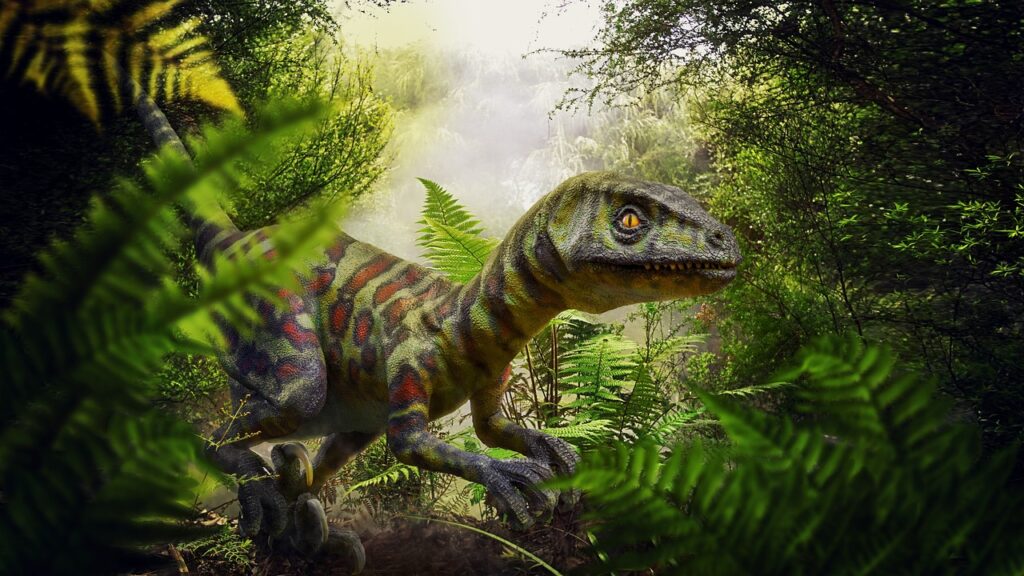
If you could walk through a Cretaceous forest, you probably wouldn’t recognize the world beneath your feet. You’d see familiar-looking flowers and buzzing insects, but looming above them would be dinosaurs and towering conifers, while strange seed ferns faded into the background. The plants you rely on every single day for food, medicine, clothing, and even your morning coffee trace many of their origins back to this one extraordinary slice of Earth’s history.
During the Cretaceous, plant life did something it had never done before: it reinvented how it grows, reproduces, and builds ecosystems. You’re used to thinking of dinosaurs as the headliners of this era, but if you zoom out a bit, you realize the real revolution happened in the undergrowth and the canopy. When you bite into a fruit, walk through a field of grass, or smell a flower, you’re experiencing the long aftermath of an evolutionary gamble that began over one hundred million years ago.
Flowering Plants Take Center Stage
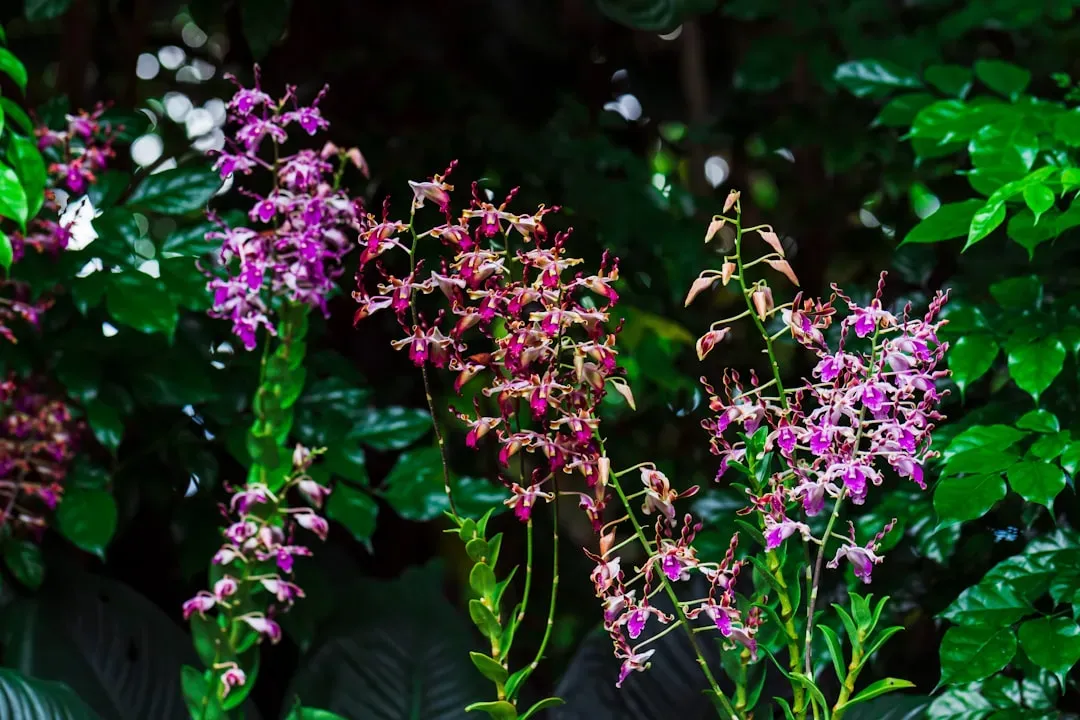
One of the most astonishing things you learn when you look at the Cretaceous is just how recently flowering plants arrived on the scene. Before them, Earth was ruled by ferns, cycads, and conifers, and those plants had already been doing fine for a very long time. Suddenly, in the Early to mid‑Cretaceous, you start to see angiosperms – flowering plants – appearing in the fossil record, first as modest shrubs and small herbs, then rapidly diversifying into a wide range of forms that begin to reshape entire landscapes.
You live in a world where these flowering plants now dominate most terrestrial ecosystems, but that outcome was not guaranteed. During the Cretaceous, you would have watched them push into new habitats, compete with established plant groups, and experiment with new reproductive strategies using flowers, fruits, and enclosed seeds. Instead of relying mostly on wind or water, many of these new plants used color, scent, and nectar to recruit animals as pollinators and seed dispersers. That shift set off an evolutionary chain reaction that you’re still living inside today.
Co‑Evolution Between Plants and Insects
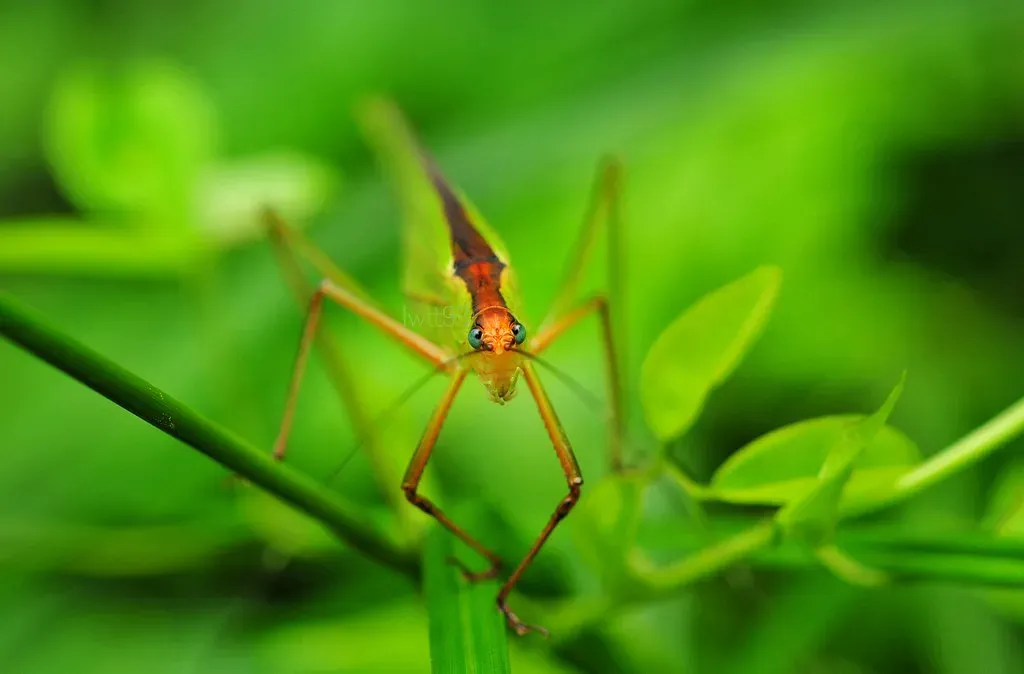
As angiosperms spread, you see something else happening in parallel: insects start changing too, and not by coincidence. You’re familiar with bees, butterflies, and beetles visiting flowers today, but that deep partnership started to crystallize in the Cretaceous. Fossils of insects from this time show mouthparts adapted for sipping nectar or collecting pollen, and some amber fossils preserve pollen grains clinging to insect bodies, capturing the moment when plants and animals became tightly linked in each other’s life cycles.
When you think about it from your own experience, you already understand why this was so powerful. A plant that can coax an insect to carry its pollen precisely from one flower to another no longer depends completely on chance winds. For the insect, a reliable food source encourages specialized behaviors and body forms. During the Cretaceous, this mutual benefit drove a kind of biological arms race in refinement: more complex flowers, more specialized pollinators, and increasingly intricate ecological networks. You inherit that legacy every time you walk through a garden alive with buzzing and fluttering life.
New Reproductive Strategies: Seeds, Fruits, and Speed
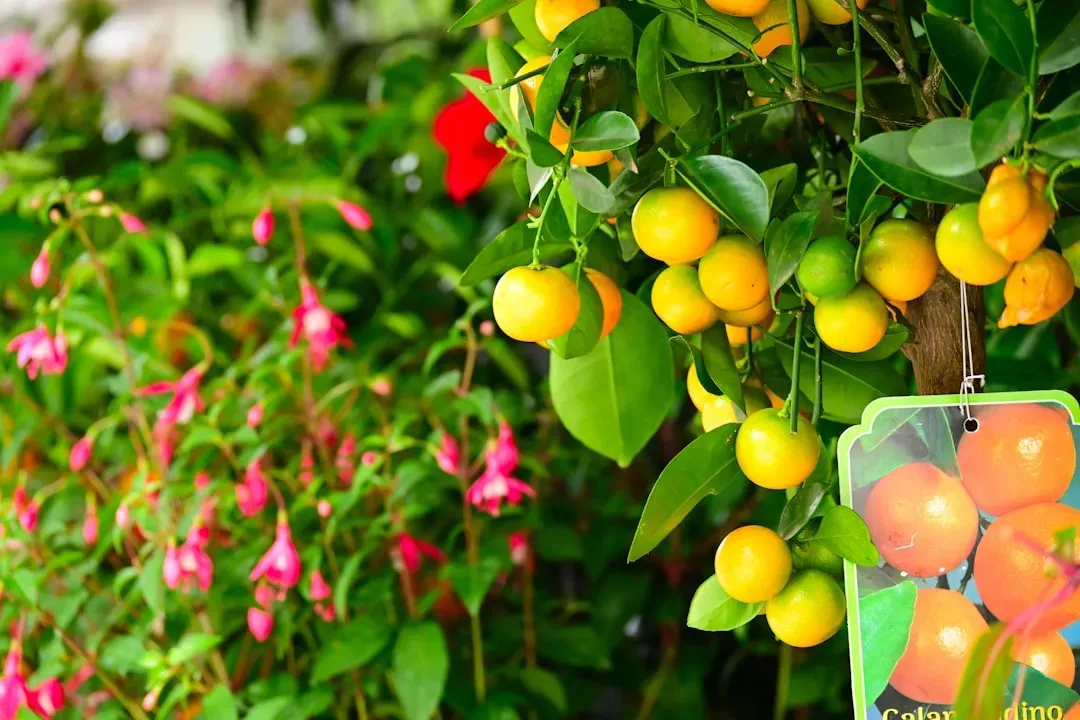
One of the reasons Cretaceous plant life feels so modern to you is that angiosperms changed the rules of reproduction. Instead of exposing seeds on cones or fronds, these plants wrapped them in protective tissues and often enclosed them inside fruits. That simple structural difference gave them a toolkit for timing, dispersal, and survival that earlier plants did not have to the same degree. You can picture a fruit enticing an animal to eat it and carry its seeds away, turning hungry creatures into unwitting gardeners.
On top of that, many angiosperms could grow and reproduce faster than their older competitors. In a world where disturbances like floods, volcanic events, and shifting coastlines were common, a plant that could quickly colonize new ground held a clear advantage. When you see how weeds overtake a vacant lot in just a few seasons, you’re getting a small modern echo of that Cretaceous speed. It allowed flowering plants to seize gaps in ecosystems, recover quickly from chaos, and steadily carve out more space in forests, wetlands, and floodplains.
Transforming Forests and Landscapes
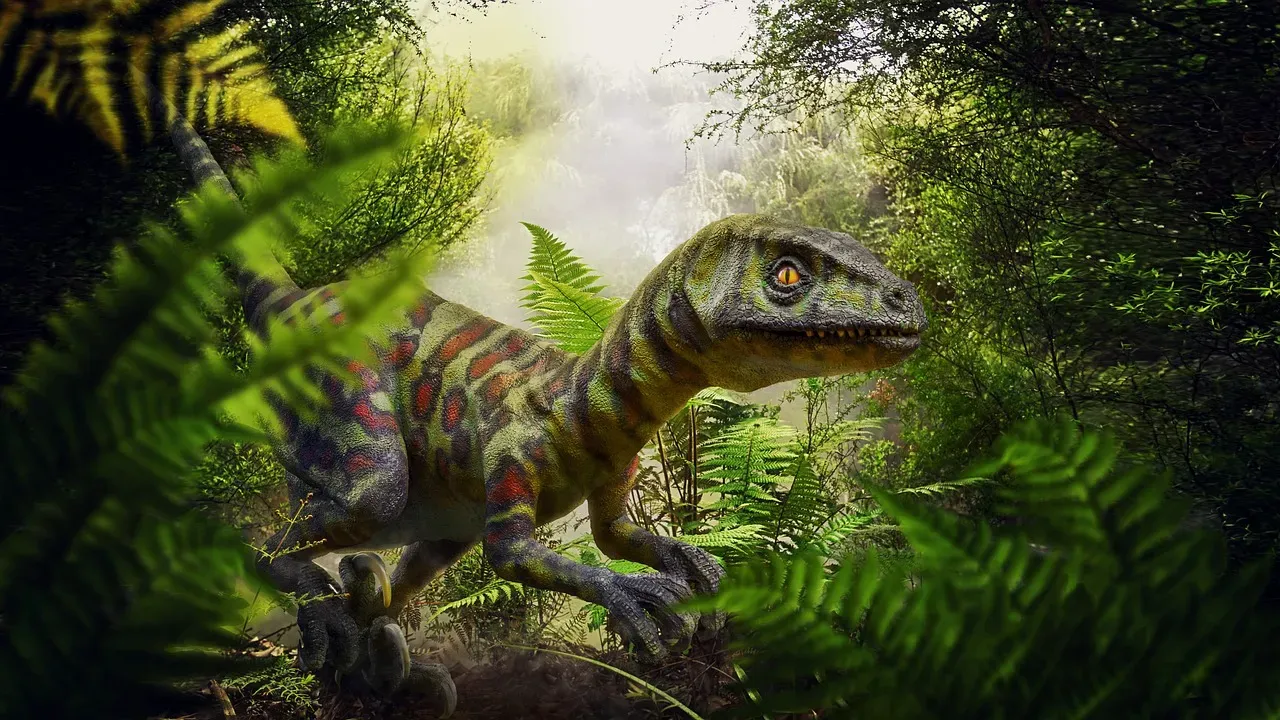
If you dropped yourself into a Cretaceous forest, you might at first think you were standing in a conifer-dominated world, with tall relatives of pines, araucarias, and other ancient trees shaping the canopy. But as you walked, you’d increasingly notice patches of angiosperms – understory shrubs, early broad‑leaved trees, and flowering vines. Over time, those pockets expanded, changing how light filtered through the canopy, how soils developed, and how water moved through the landscape. You can think of it like a slow but relentless remodeling of Earth’s green architecture.
As flowering plants spread, they created new kinds of habitats: dense thickets, layered forest structures, and more varied leaf litter on the ground. You experience the consequences of that today in the complex forests that support birds, mammals, insects, fungi, and microbes. During the Cretaceous, more varied plant forms meant more micro‑habitats, and that opened doors for new types of animals to emerge and diversify. In a very real sense, when Cretaceous plants experimented with new growth forms, they were also rewriting the rules for nearly every other organism sharing those habitats.
Shifting Climate and Atmospheric Feedbacks
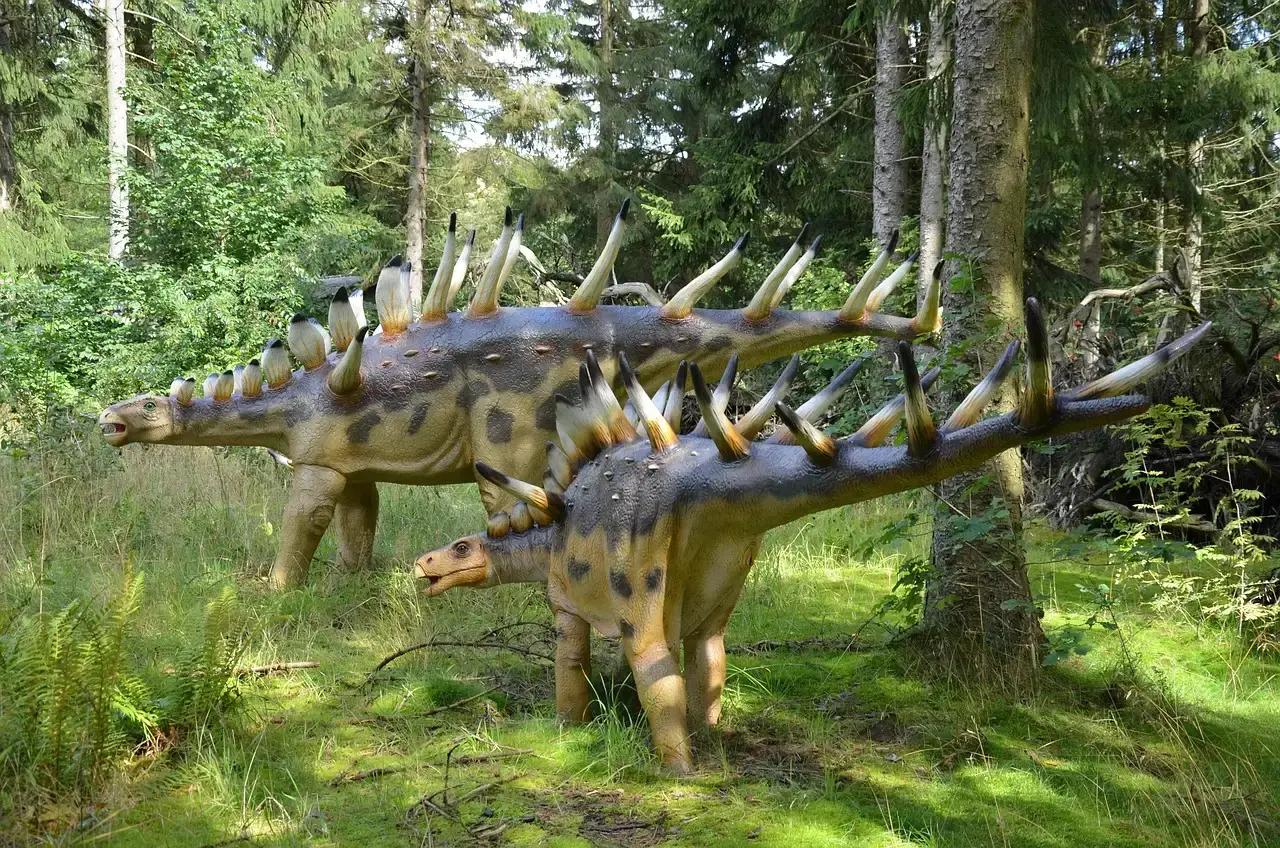
When you think of the Cretaceous climate, you might picture a warmer world with high sea levels and little to no polar ice, and that broad picture aligns with what scientists infer from rocks and fossils. Plants were not just passive passengers in that climate; they were active participants. As angiosperms spread and forests changed, the way carbon dioxide moved between the air and the land shifted as well. More productive, fast‑growing plant communities could draw down carbon more rapidly, and changes in leaf shape and structure influenced how water evaporated and how clouds might form.
In your own time, you’re used to hearing how forests are crucial in moderating climate, and that relationship took on new complexity in the Cretaceous. Broad‑leaved plants generally photosynthesize and transpire differently from needle‑leaved conifers, and their seasonal leaf cycles can alter the surface energy balance. While many details are still being refined by research, you can already see the broad pattern: as Cretaceous plants innovated, they nudged the climate system in subtle ways. That feedback between vegetation and atmosphere is part of the long story leading right up to the climate questions you wrestle with today.
The Quiet Decline of Older Plant Lineages
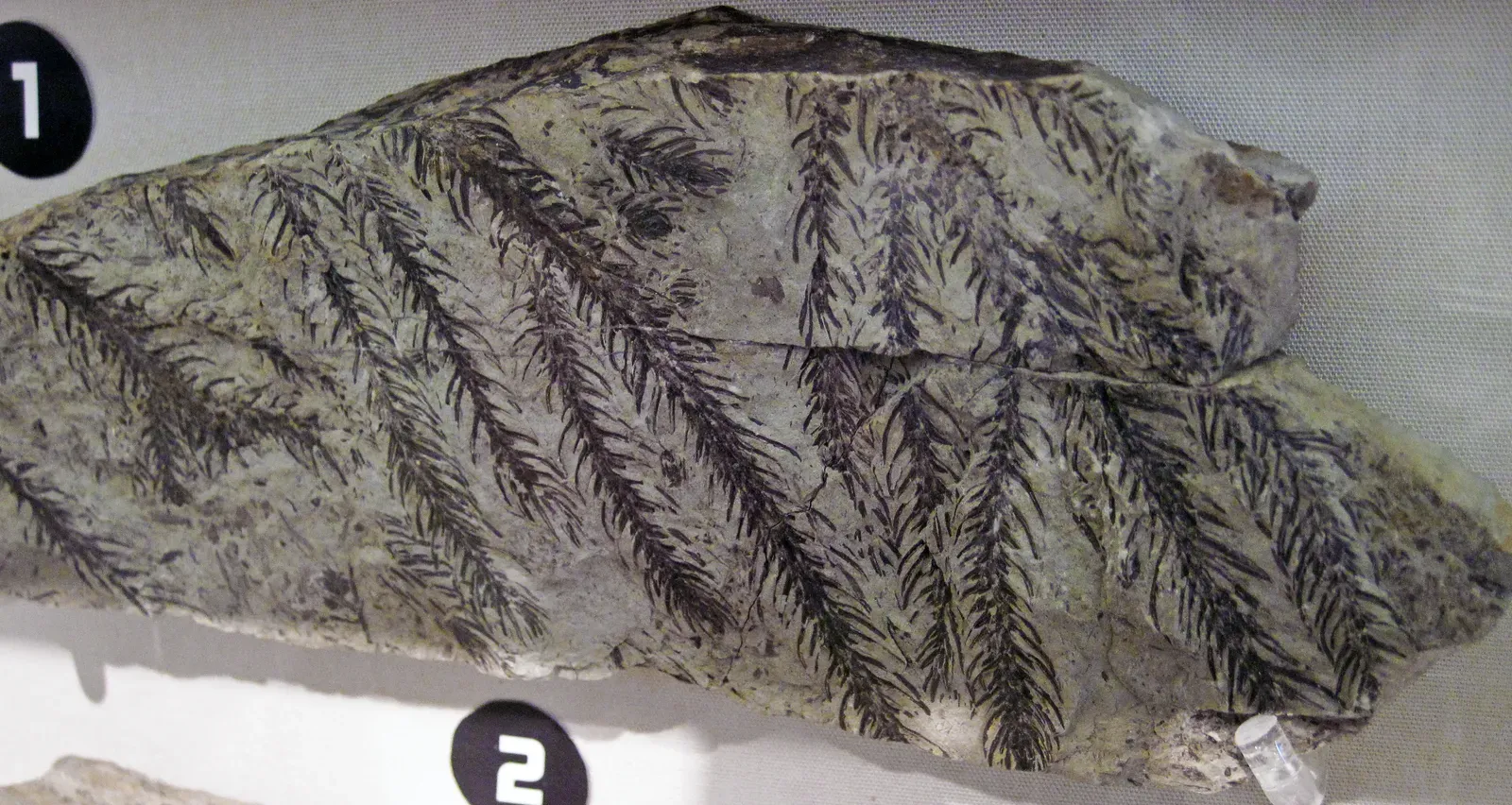
It’s easy to focus only on the winners, but during the Cretaceous you also witness the gradual retreat of several once‑dominant plant groups. Seed ferns, for example, had been a major force in earlier periods, yet by the later Cretaceous they were shrinking in diversity and ecological importance. Cycads and some conifer groups held on, but in many habitats you would see them pushed to more marginal roles as flowering plants took over prime real estate. When you walk through modern landscapes and only occasionally notice a cycad in a botanical garden, you’re seeing the final chapters of a story that began back then.
This shift was not necessarily a sudden overthrow but more like a slow crowding out. Faster growth rates, more flexible reproductive strategies, and tighter ties with animals gave angiosperms edges that older lineages often could not match. You might compare it to how new technologies gradually displace older ones: the old devices still exist, sometimes with passionate supporters, but they no longer define the mainstream. In the same way, surviving ancient plant lineages today feel like living museum pieces, reminders of a world where they once played a starring role before Cretaceous innovations rewrote the script.
Setting the Stage for Modern Ecosystems and Human Life
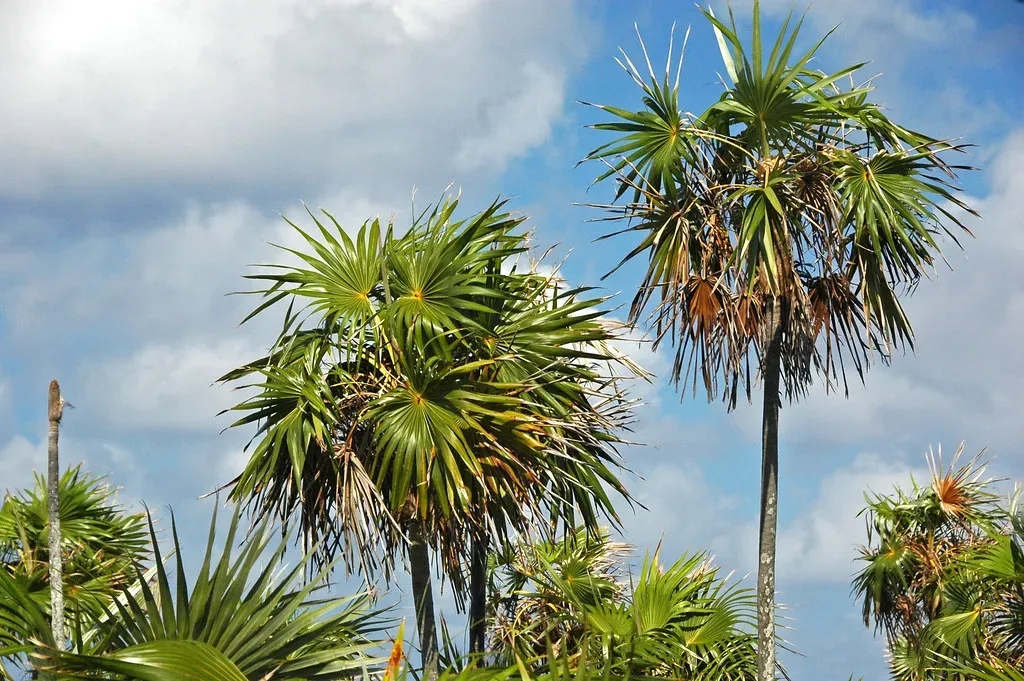
When you look around your daily life, you’re practically surrounded by Cretaceous legacies. The majority of crops you eat, from grains to fruits to vegetables, belong to flowering plant lineages that trace their roots back to that period of explosive innovation. The hardwood trees that build your furniture and frame your home, the flowering shrubs in your yard, and even the coffee plant that supplies your morning ritual all exist because of evolutionary paths that opened during the Cretaceous. You’re not just living after that time; you’re living inside the world it created.
Even beyond food and materials, the structure of modern ecosystems – from tropical rainforests to temperate woodlands – is anchored in those angiosperm‑dominated communities that took shape back then. That makes the Cretaceous more than just a curiosity for you; it’s a crucial reference point for understanding how resilient or fragile plant communities can be when climates shift and new biological pressures appear. If a wave of innovation could transform Earth so thoroughly once, you have to ask yourself how your current actions – deforestation, climate change, species introductions – might be triggering a new wave of change. The difference this time is that you’re not just an observer; you’re one of the main drivers.
What the Cretaceous Teaches You About Innovation and Survival
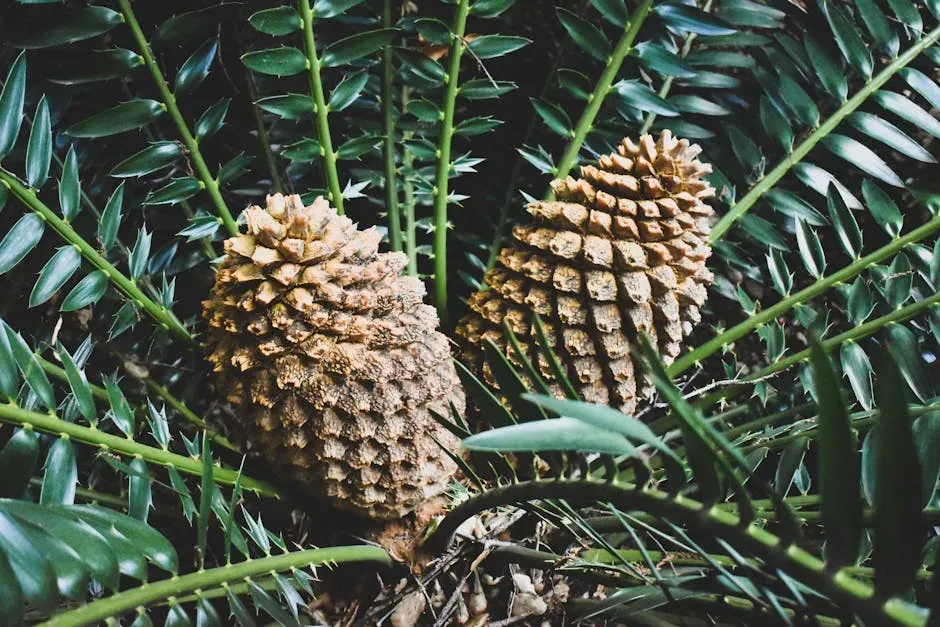
When you zoom out and take in the entire Cretaceous story, you see more than a list of new plant types; you see a lesson in how innovation works under pressure and opportunity. Angiosperms did not appear into a blank world; they had to carve out space in ecosystems already packed with successful, well‑adapted plants. Yet by combining faster life cycles, tight partnerships with animals, and flexible reproductive strategies, they turned scattered footholds into global dominance. You can recognize the same pattern when a new idea, technology, or culture emerges in your own world and gradually reshapes everything around it.
This deep‑time perspective can change how you think about resilience and risk. Innovation comes with trade‑offs: some lineages flourish, others fade, and entire systems reorganize. When you consider your own environmental choices, the Cretaceous reminds you that life will keep evolving, but not necessarily in ways that preserve the particular mix of species and ecosystems you depend on. You might feel both humbled and unsettled by that realization, but it can also be motivating. If plants once remade the world from the ground up, what kind of future are you helping to plant today?
In the end, the Cretaceous Period was not just an age of dinosaurs; it was the great rehearsal for the botanical world you now take for granted. By watching how flowering plants rose, how insects partnered with them, how older lineages faded, and how climates subtly shifted, you gain a clearer view of the living systems that support you. You walk through a world engineered in large part by those ancient innovations, whether you are strolling down a city street lined with trees or hiking in a wild forest.
If you let that sink in, everyday experiences like smelling a flower or tasting a piece of fruit start to feel a bit like time travel. You are, in a very real way, shaking hands with the Cretaceous every time you interact with the plants around you. That realization can nudge you to see modern ecosystems as precious, contingent outcomes of a long, unpredictable history rather than as static backdrops. Knowing that, how differently might you treat the living world that so patiently made room for you?