
If you grew up imagining dinosaurs as slow, swamp-dwelling monsters that all looked kind of the same, you’re in for a shock. Over the last few decades, you’ve basically been living through a genuine scientific revolution, where discovery after discovery has forced experts to toss out old diagrams, redraw family trees, and rethink almost everything they thought they knew. You’re not just reading about dinosaurs anymore; you’re watching an entire science rewrite itself in real time.
What makes this so exciting is that many of the biggest shake‑ups started with something small: an odd bone, a strange footprint, a fossil that did not “fit.” When you see how much one fossil can overturn, you stop thinking of dinosaurs as finished history and start seeing them as an unfinished puzzle you can still help solve. As you read through these eight discoveries, notice how often the story flips from “we thought X” to “actually, it might be Y,” and how that kind of humility and surprise is exactly what keeps science alive.
1. Feathered Dinosaurs From China: Dinosaurs Were Fluffier Than You Were Told
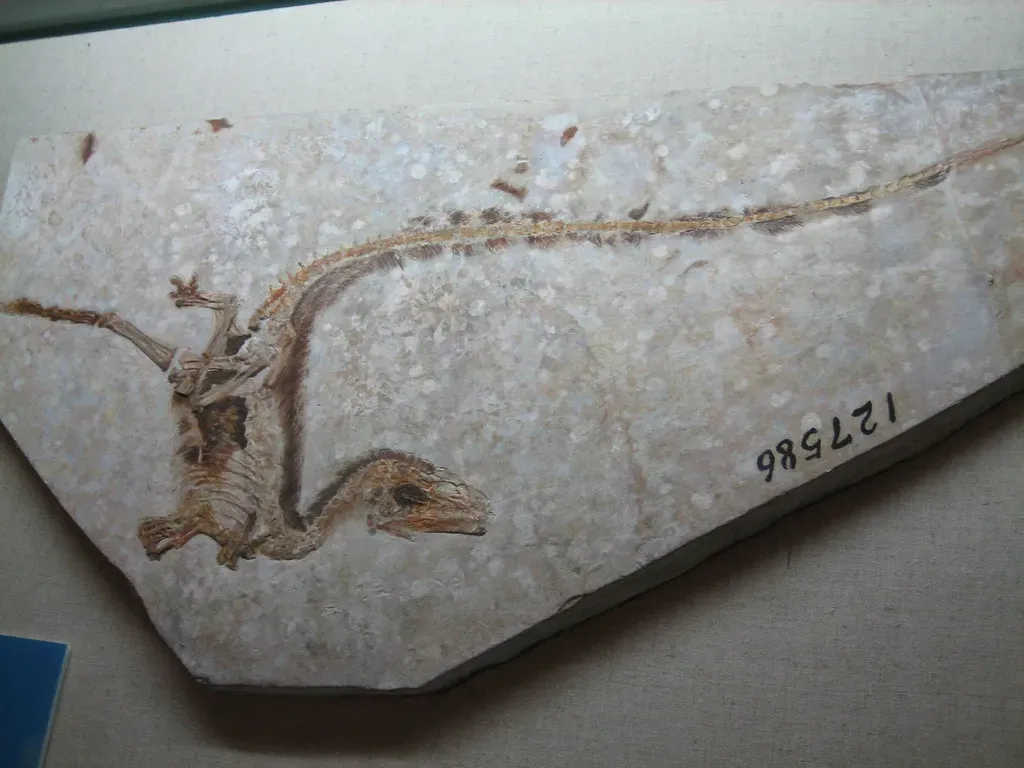
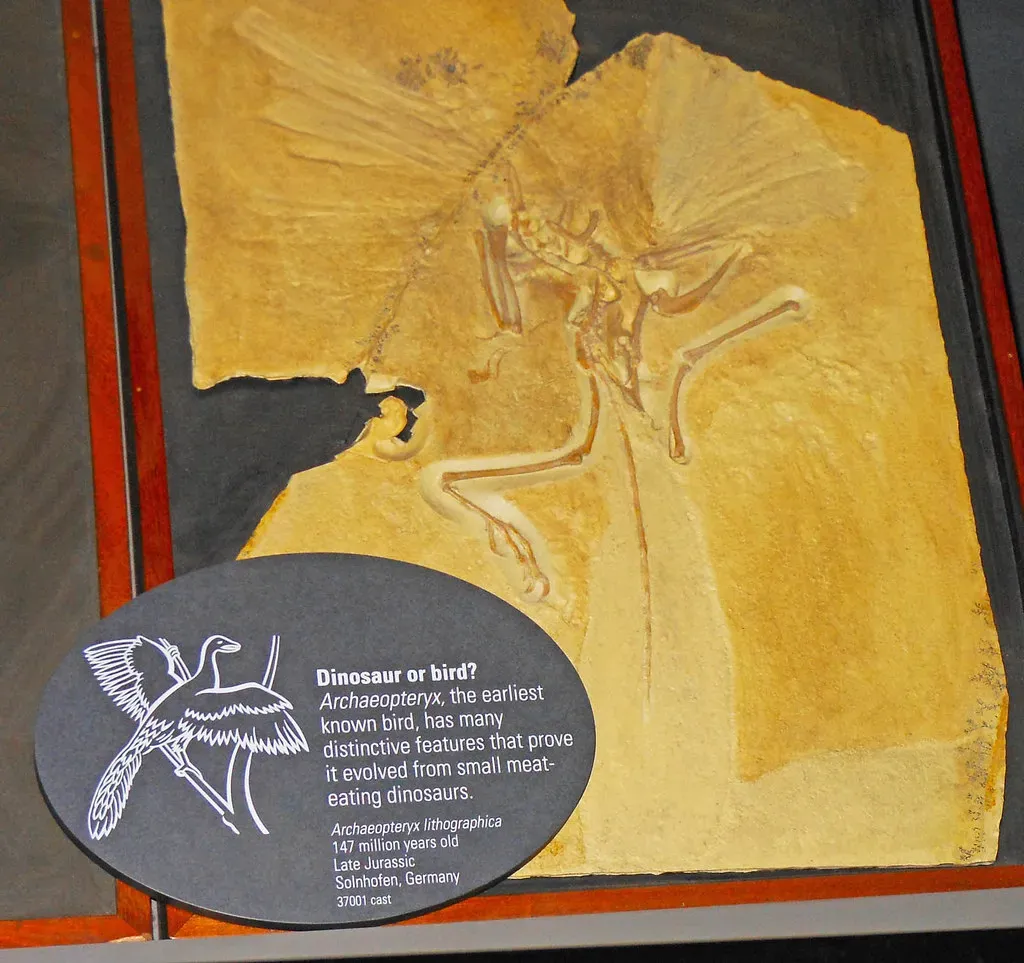
The first time you see a fossil dinosaur with feathers, your brain almost has to reboot. For a long time, school posters and museum displays trained you to picture dinosaurs with reptile‑style scales only, but the explosion of feathered dinosaur fossils from northeastern China has turned that image on its head. You now know that many small, bird‑like theropods carried everything from fuzzy down to complex, branching feathers, and those delicate structures were preserved in fine volcanic ash like nature’s own high‑resolution scanner.
Once you accept feathers on the small guys, the real shock comes when you realize they might not have been rare exceptions. You’re now looking at a dinosaur family where feathers started out as insulation or display features, and only later became useful for flight in certain lineages. That means the line between “dinosaur” and “bird” is not a neat, sharp border but more like a color gradient where you can’t quite point to the exact pixel where one ends and the other begins. You’re left reimagining entire ecosystems as fluffier, more colorful, and way more bird‑like than the scaly monsters you were shown as a kid.
2. Birds Are Dinosaurs: The T. rex in Your Backyard Bird Feeder
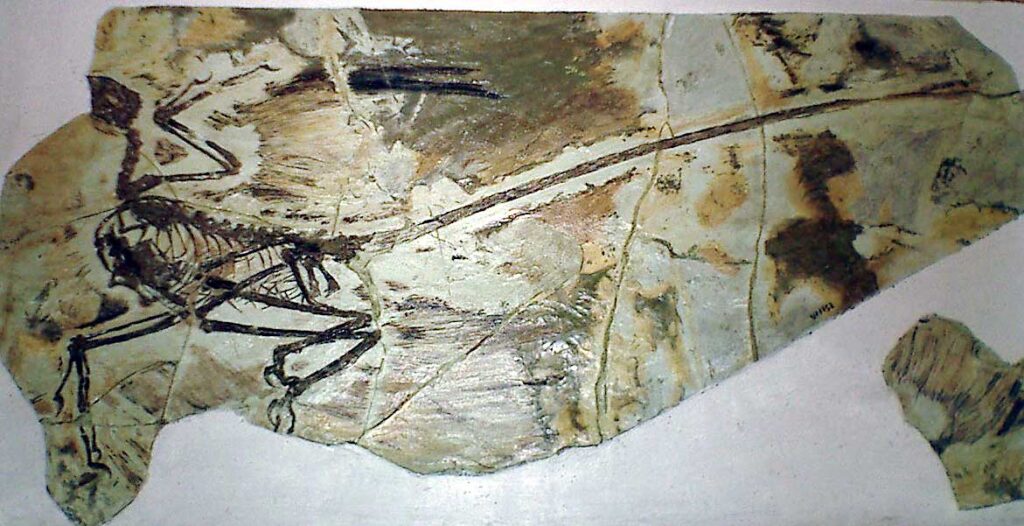
If someone told you that the creature pecking seeds on your balcony is a living dinosaur, it sounds like a joke at first. But once you look at the anatomy, it becomes hard to unsee it: wishbone, hollow bones, three‑toed feet, similar lungs and hips, and now an avalanche of feathered fossils to bridge the gap. You’re not dealing with a vague “distant relative” situation; you’re literally watching one branch of dinosaurs survive a mass extinction and keep going in the form of modern birds.
This discovery doesn’t just give you a fun party fact; it rewires how you think about extinction and survival. Instead of imagining dinosaurs as a completely vanished group, you start to realize that at least one lineage adapted, miniaturized, and took to the skies, eventually surrounding you today as pigeons, chickens, hawks, and hummingbirds. Suddenly, you can walk outside, watch a crow problem‑solve its way into opening a trash bin, and remind yourself you’re looking at a clever, warm‑blooded dinosaur that outlived the rest of its family by tens of millions of years.
3. Warm‑Blooded (or At Least “Hotter”) Dinosaurs: Not Just Giant, Lazy Lizards
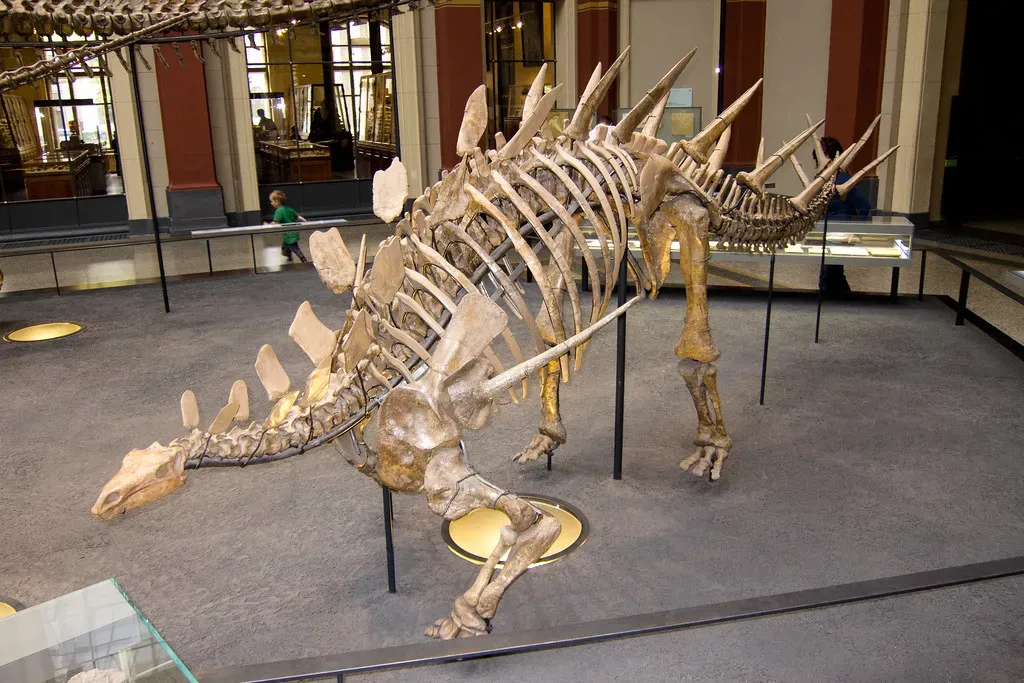
You were probably told for years that dinosaurs were cold‑blooded, lumbering reptiles that spent their days soaking up sun like modern crocodiles. Then researchers started looking closely at bone growth rings, blood vessel patterns, and chemical signatures, and the story began to tilt. Now, you’re faced with strong evidence that many dinosaurs had high growth rates, active lifestyles, and body temperatures that looked a lot more like birds and mammals than like sluggish lizards.
When you picture a herd of duck‑billed dinosaurs migrating long distances, chasing seasonal food, and raising fast‑growing young, the “lazy reptile” picture falls apart. Instead, you’re dealing with animals that might have needed a constant internal energy supply to keep muscles firing and brains functioning efficiently, especially in cooler climates or at night. That changes how you imagine everything from their hunting behavior to their parenting strategies, and it quietly nudges you to admit that your old mental image of dinosaurs was way too slow for the evidence you now have.
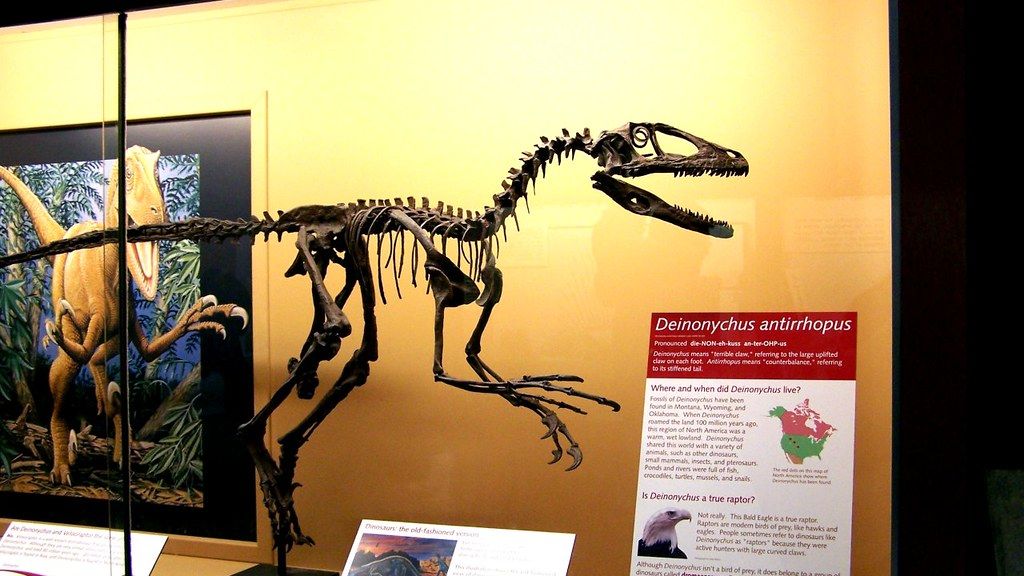
4. The Deinonychus Shock: From Tail‑Dragging Tanks to Agile, Predatory Athletes
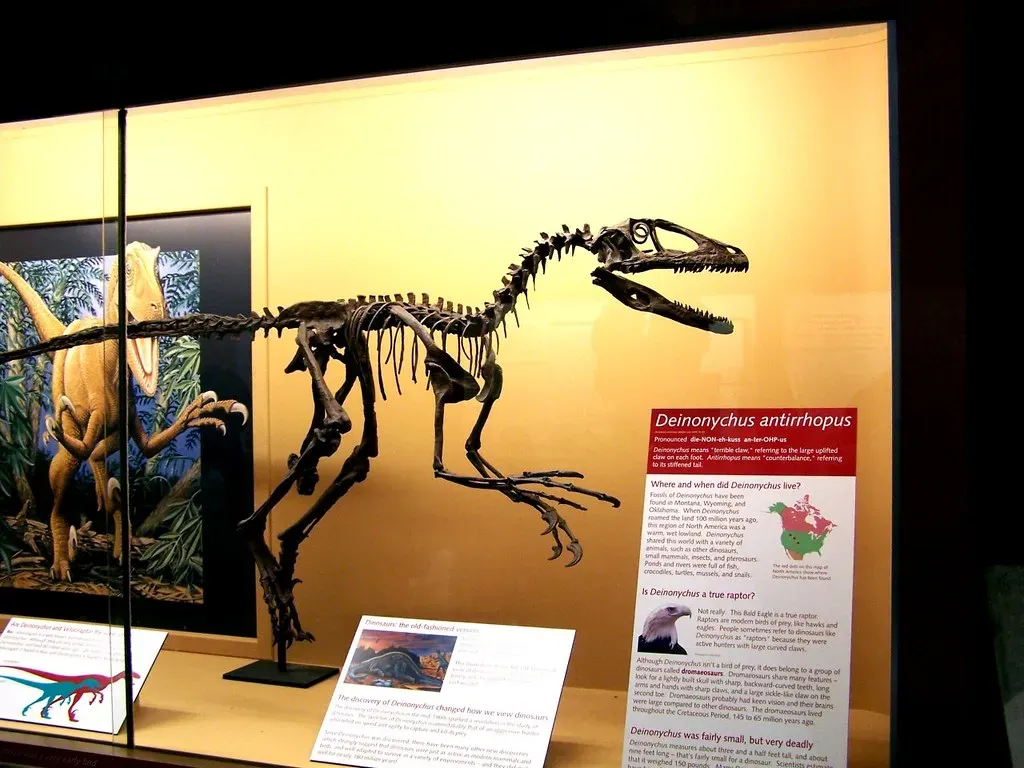
If you trace the modern dinosaur revolution back to a single fossil, you eventually land on a lean, sickle‑clawed predator called Deinonychus. When its bones were carefully analyzed, you were suddenly staring at a dinosaur with stiffened tail tendons, long grasping claws, and limb proportions that screamed agility instead of clumsiness. That one skeleton forced paleontologists to admit dinosaurs had been underestimated, not just in speed, but in behavior and intelligence.
Once you let in the possibility of agile, fast‑moving predators, it becomes easier to re‑evaluate other species, too. You’re no longer forced to picture giant sauropods as barely mobile swamp dwellers, but as active land animals capable of walking long distances. You begin to imagine predator–prey chases, dynamic pack interactions, and complex ecosystems with more in common with modern savannas than with sluggish, half‑submerged monsters. Deinonychus didn’t just add another cool dinosaur name; it pushed you to replace the entire mental movie you’d been replaying for years.
5. Giant Sauropod Herds and Social Lives: Family Drama on a Titanic Scale
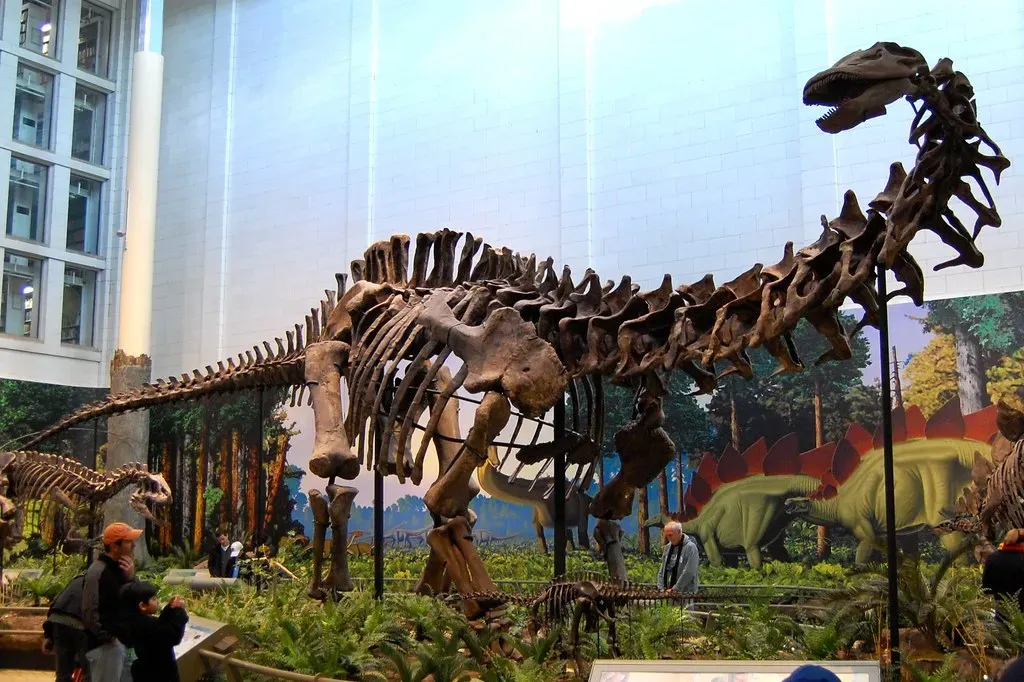
It’s easy to look at a long‑necked giant like Argentinosaurus and think of it as a solitary behemoth wandering alone through prehistoric forests. But when you see trackways showing many individuals moving together, or nesting grounds packed with eggs and hatchlings, you’re forced to rethink their social lives. Suddenly, you’re picturing organized herds, coordinated migrations, and group defense strategies that resemble modern elephants more than lonely monsters.
Some fossil sites show repeated nesting in the same area, which suggests that these giants returned year after year to specific spots, just like modern seabirds or turtles. When you factor in the vulnerability of tiny hatchlings surrounded by giant predators, social behavior starts to feel less like a nice extra and more like a survival strategy. You’re no longer just impressed by how big these animals were; you’re also invited to imagine the emotional weight of a herd protecting its young across harsh seasons, turning a distant fossil record into something you can emotionally recognize.
6. Dinosaur Color and Pattern: From Gray Blobs to Camouflage and Display
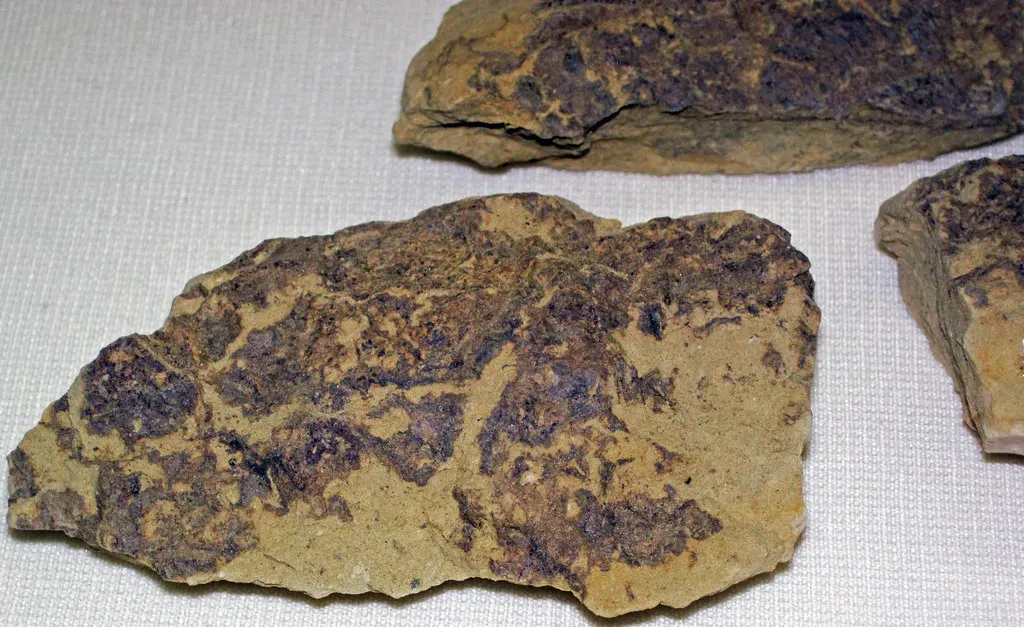
For most of your life, dinosaur colors were pure guesswork, usually chosen for dramatic effect or toy‑aisle appeal. Then came the microscopic analysis of melanosomes, the tiny pigment‑carrying structures preserved in some exceptional fossils. By comparing their shapes and densities to those in modern animals, you suddenly had the first evidence‑based color maps for certain species, revealing dark backs, lighter bellies, and even banded tails or iridescent sheens in some cases.
Once you know that at least some dinosaurs had camouflage that matched their environments, or eye‑catching markings likely used in display, your mental picture gets an upgrade from black‑and‑white sketch to full‑color film. You can now imagine small feathered hunters blending into forest shadows, or males flashing bold patterns during courtship, in the same way peacocks and birds of paradise do today. It also reminds you that the fossil record still hides a lot of visual information you haven’t unlocked yet, and that every new pigment‑rich fossil is another chance to literally color in a world that used to be completely speculative.
7. The Chicxulub Impact Crater: Pinpointing the Day Everything Changed
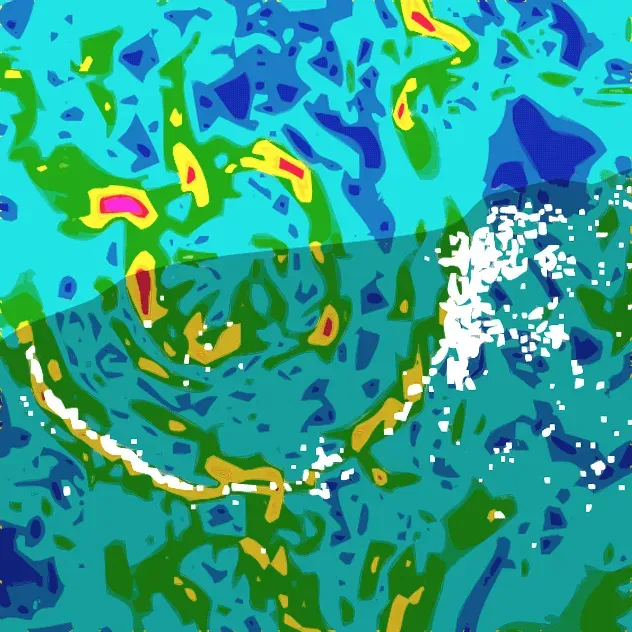
You probably knew some kind of catastrophe ended the age of non‑avian dinosaurs, but it used to sound vague, like a legend more than an event you could actually map. The identification and detailed study of the Chicxulub crater in what is now Mexico changed that. Now you can point on a globe to the scar left behind by a massive asteroid impact that unleashed enough energy to trigger global wildfires, tsunamis, and a long, dark “impact winter” that devastated food chains.
What really reshapes your understanding is how precisely you can now connect a geological structure, a layer of debris rich in space‑borne elements, and a sharp change in fossil diversity. Instead of a fuzzy, hand‑wavy “something bad happened,” you see a chain of cause and effect that marks one of the sharpest turning points in Earth’s history. It forces you to view dinosaurs not just as ancient curiosities, but as victims of a specific, violent day in deep time, and it naturally leads you to ask how many other hidden craters and disasters quietly rewired the story of life long before you ever showed up.
8. Fast‑Growing, Caring Dinosaurs: Nests, Eggs, and Parenting Strategies
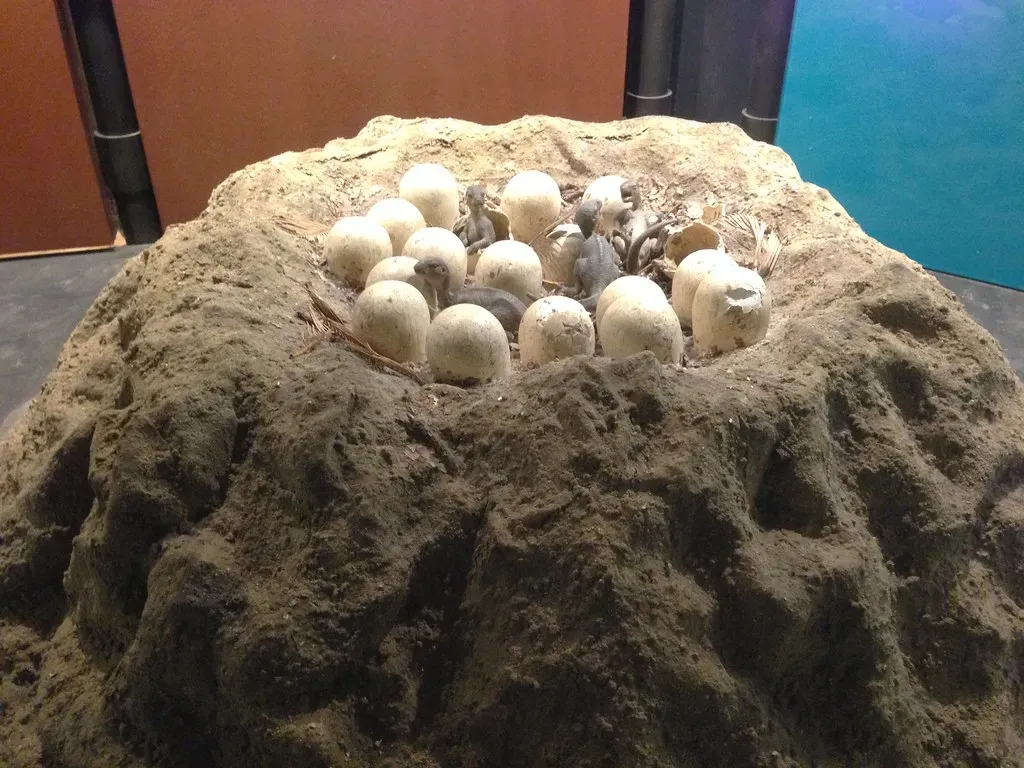
For a long time, dinosaur eggs were treated almost like decorative extras in museum displays, but detailed nests and embryos have brought parenting into the spotlight. When you see organized ring‑shaped nests, carefully arranged eggs, and fossils of adults sitting over clutches in bird‑like poses, you start to realize you’re looking at animals that invested heavily in their young. Bone studies show some species grew incredibly fast, meaning juveniles needed a lot of food and protection to reach adult size.
This evidence nudges you away from the stereotype of cold, indifferent reptilian parents and toward a picture of attentive, possibly cooperative care. You can easily imagine adults guarding nesting grounds, bringing food, or at least shepherding vulnerable youngsters through dangerous landscapes full of predators. The idea that a towering, sharp‑toothed dinosaur might also have been a dedicated parent does something quietly powerful: it turns fossils from static skeletons into characters with life histories, and it makes the age of dinosaurs feel far more relatable than the monster‑movie version you probably grew up with.
Conclusion: You’re Living Through a Dinosaur Renaissance
When you step back and look at these eight discoveries together, you realize you’re not just tweaking the margins of old dinosaur stories; you’re watching a full reset. Dinosaurs go from slow, scaly oddities to feathered, warm‑blooded, social, colorful, and in many ways familiar animals that shared traits with creatures you see every day. You now know that birds are living dinosaurs, that some giant species lived in complex herds, that many were fast and active, and that their world ended not in a murky fade‑out, but in a violent, traceable impact that reshaped life on Earth.
The most important part is what this means for you going forward. Every new fossil, every reanalyzed bone slice, and every odd footprint has the potential to overturn what you think you know next. If textbooks had to be rewritten so dramatically in just a few decades, you can safely bet they will not be the final word, and that your own mental picture will keep evolving too. The real question now is simple and a little thrilling: which of your assumptions about dinosaurs will be the next to fall?