
If you picture the Mesozoic Era as just “the age of dinosaurs,” you’re actually selling it short. You’re looking at roughly one hundred and eighty million years in which life kept trying new ideas, discarding some, refining others, and reshaping the planet in the process. Instead of a static world of giant reptiles, you have a constantly shifting stage where climates swung, continents drifted, and entire ecosystems rewrote the rules of survival.
When you zoom in on this era, you start to see it less as a museum exhibit and more as a messy, experimental workshop. Species appeared, transformed, and vanished as conditions changed, leaving behind clues in rock, bone, and even tiny fossilized pollen grains. As you follow that trail, you can watch many of the features you take for granted today – modern oceans, forests, birds, flowering plants – emerge from a long series of evolutionary “prototypes” tested during the Triassic, Jurassic, and Cretaceous.
You Step Into a World Recovering From Disaster
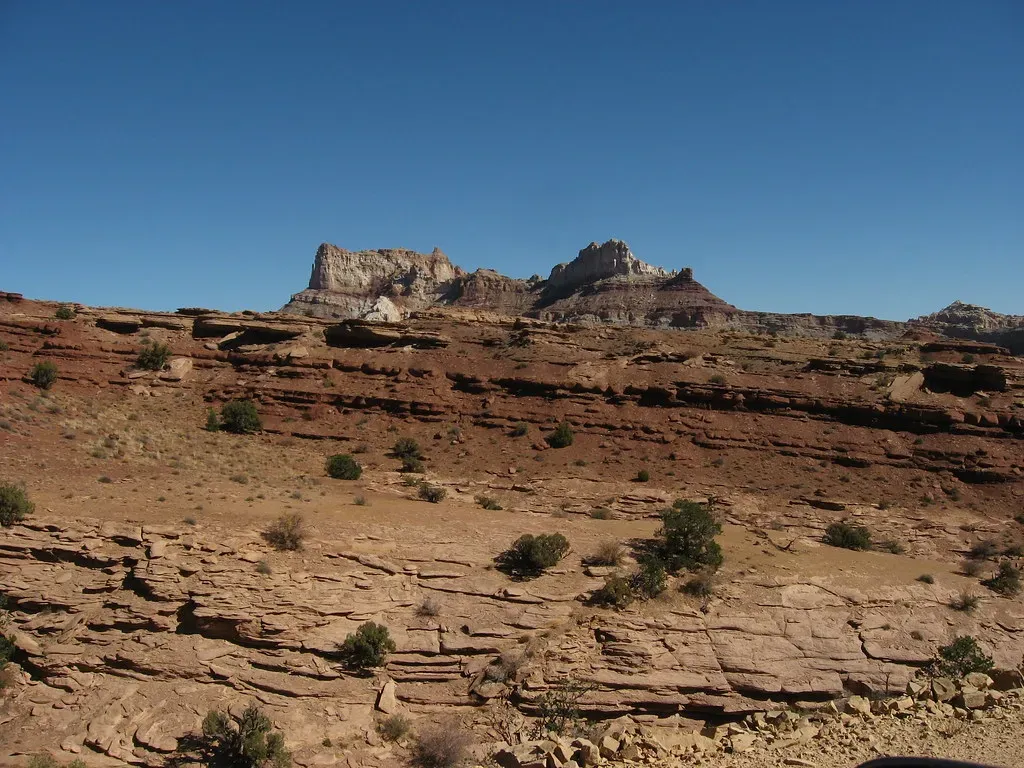
When the Mesozoic begins in the Triassic, you’re not walking into a stable world; you’re stepping into the aftermath of one of Earth’s worst mass extinctions. The end-Permian event had wiped out most marine species and a huge share of life on land, leaving ecosystems almost stripped bare. That level of devastation opened up ecological space everywhere, like clearing a crowded marketplace overnight and letting new vendors set up shop.
In this emptier world, you see lineages that were once minor players suddenly start to matter. Early archosaurs – relatives of both dinosaurs and crocodiles – begin experimenting with different body plans, limb positions, and ways of moving. Synapsids, the ancestors of mammals, shrink into more specialized roles instead of dominating the large-animal niche. You’re watching evolution on fast-forward, because when so many roles in an ecosystem are vacant, natural selection does not just tinker; it races.
You Watch Dinosaurs Evolve From Small, Nimble Ancestors
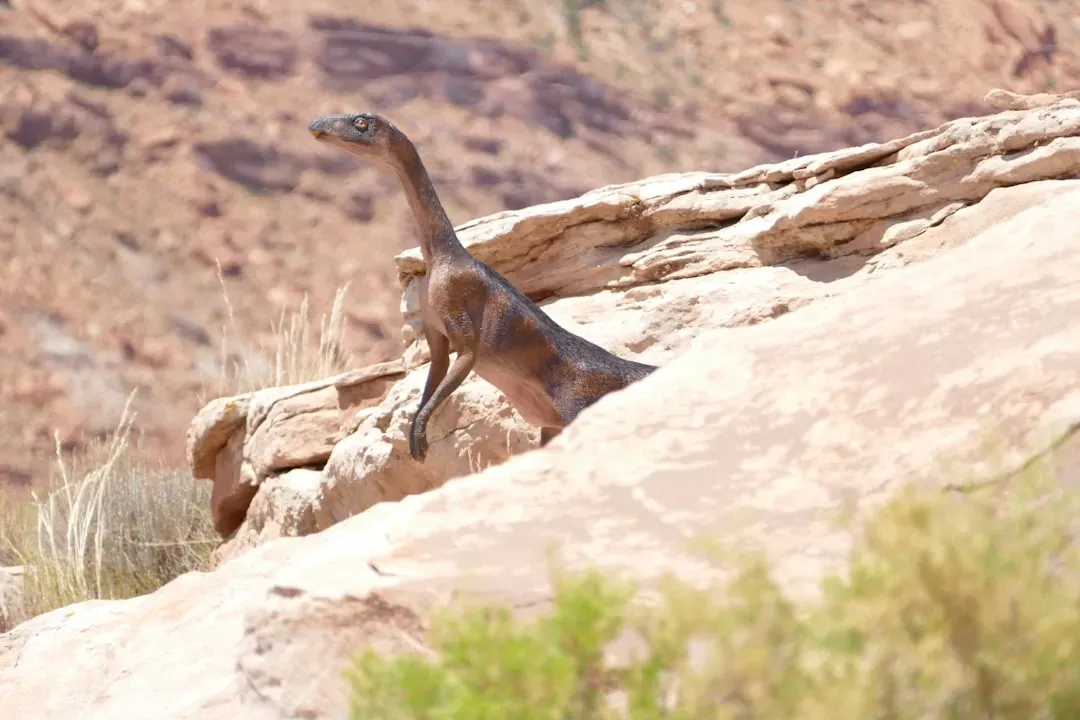
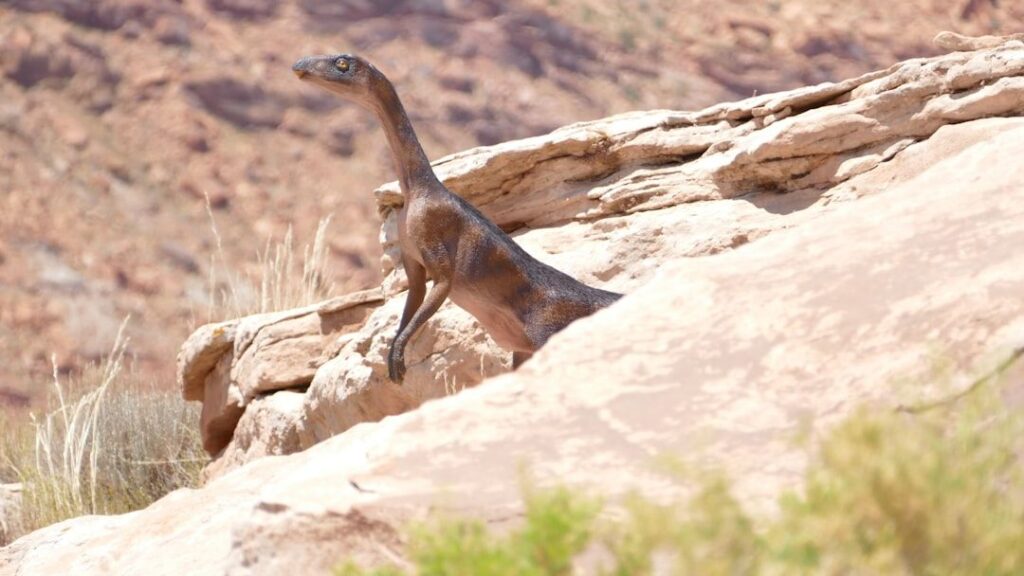
If you could rewind to the early Triassic, you wouldn’t immediately recognize dinosaurs as the stars of the show. You’d mostly see a mix of reptile-like creatures, many of them similar at first glance. The earliest dinosaurs are relatively small, lightweight animals, walking upright on their hind legs and darting through open habitats while larger predators still belonged to other groups.
Over time, you’d notice that these early dinosaurs are tweaking a few crucial features that change everything. They straighten their limbs under the body instead of sprawling to the sides, which lets them move more efficiently and stay active longer. Their hips, ankles, and muscles are reconfigured for speed and endurance, helping them outcompete rivals in certain environments. Little by little, you watch them diversify into lineages that will eventually include long-necked sauropods, horned and armored herbivores, and the predatory theropods that will give rise to birds.
You See Mammal Ancestors Survive by Going Small and Specialized
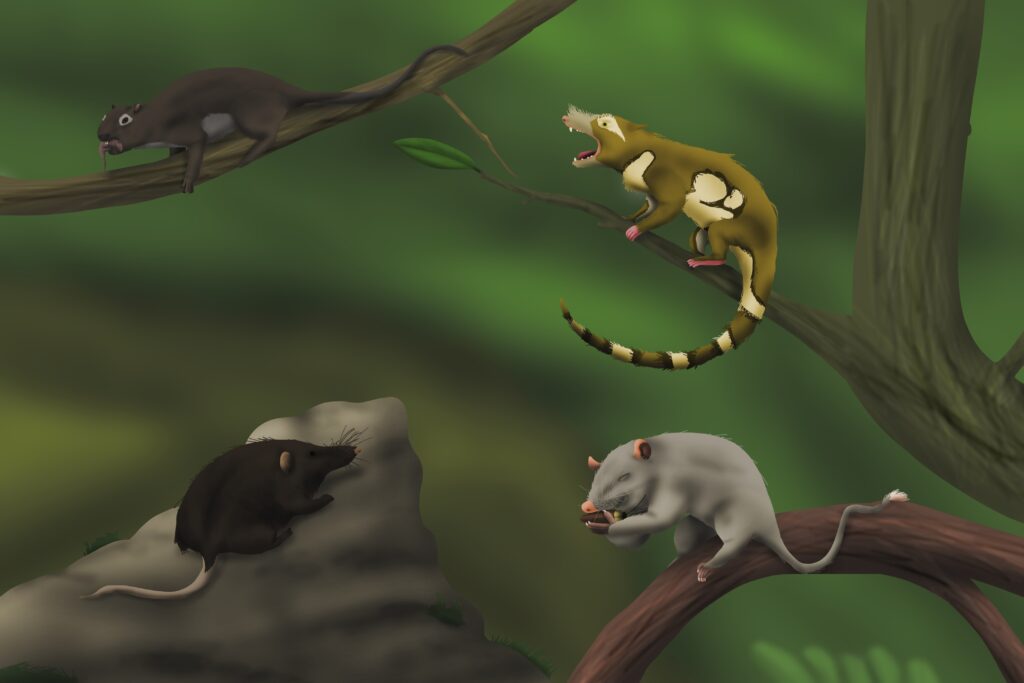
While dinosaurs expand into towering herbivores and apex predators, the ancestors of mammals quietly go in almost the opposite direction. You see them becoming smaller, more agile, and more nocturnal, hugging the margins of dinosaur-dominated landscapes. Instead of trying to compete head-to-head with giant reptiles, they carve out niches that reward stealth, sensory sharpness, and flexibility.
As you follow these early mammals and their close relatives, you notice a slow accumulation of traits that feel surprisingly familiar. Jawbones shrink and shift to become part of the middle ear, improving hearing. Their teeth become more varied and precise, allowing them to tackle insects, plants, and maybe even small vertebrates with greater efficiency. Body coverings become fur-like, and warm-blooded metabolisms let them stay active in cooler or darker conditions. You’re watching the foundations of your own lineage being laid while the dinosaurs appear to dominate above them.
You Witness Flight Emerge Twice in Different Ways
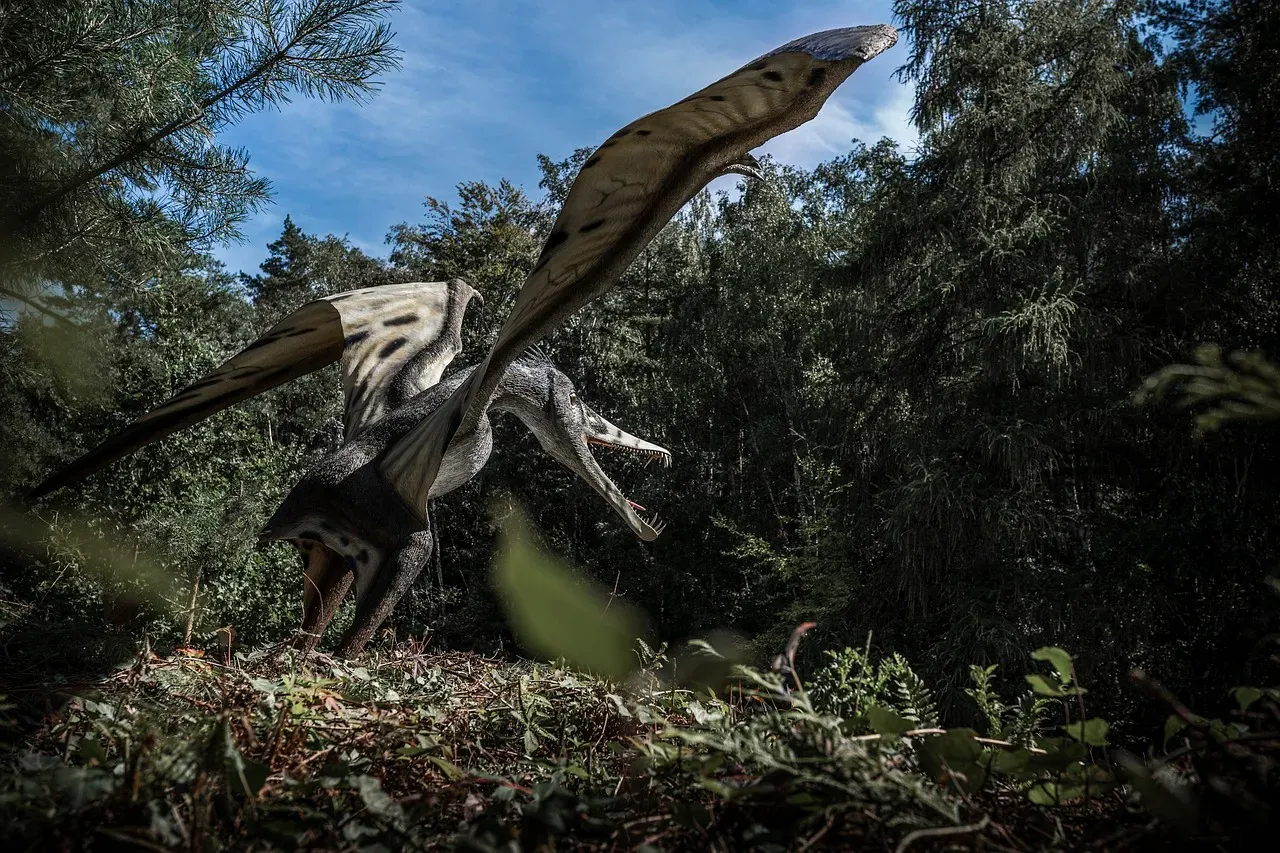
One of the most dramatic experiments you’d see in the Mesozoic sky is vertebrate flight evolving more than once. Pterosaurs, the earliest flying reptiles, appear first, with wings formed from a membrane stretched along an enormously elongated fourth finger. When you look closely, you notice their skeletons getting lighter and their bodies adapting to powered flight, from fish-eating coastal gliders to inland species that may have soared over forests and rivers.
Later, among theropod dinosaurs, you begin to notice feathers that start as simple filaments and gradually become more complex. At first, they probably help with insulation or display, but eventually they get co-opted for gliding and then full flight. By the late Jurassic and Cretaceous, you’re looking at a variety of bird-like dinosaurs, some with long bony tails and teeth, others closer to modern birds. The sky above you is no longer just a backdrop; it’s a crowded arena where two very different evolutionary solutions to flight are being tested side by side.
You Watch Plants Reinvent Forests With Flowers
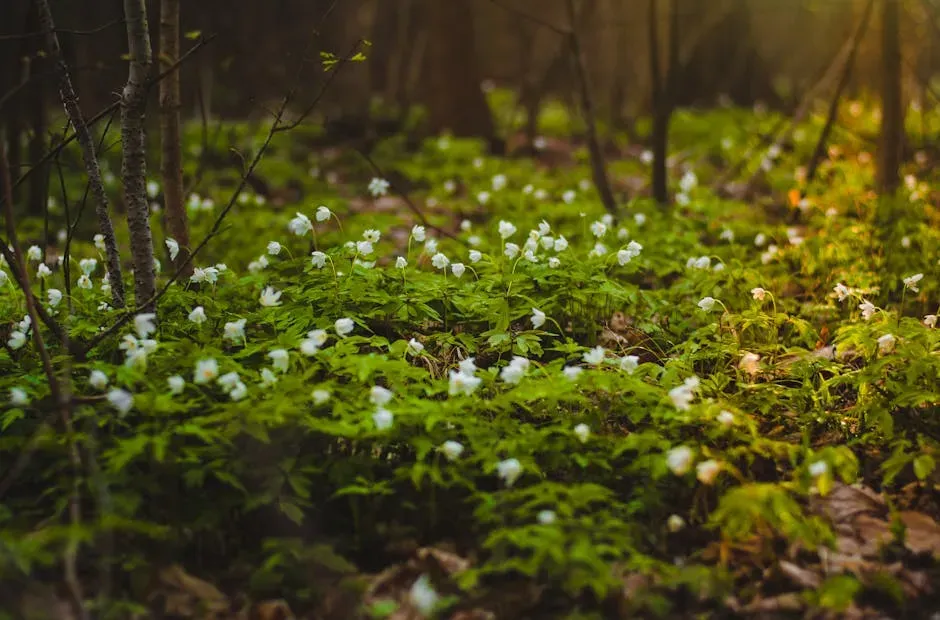
When you first walk through early Mesozoic landscapes, forests are dominated by conifers, cycads, ginkgos, and ferns. These plants rely on wind or water to move their pollen and spores, which works well but is often wasteful. Then, in the Cretaceous, you start seeing something radically different: flowering plants, or angiosperms, begin to spread. Their reproductive strategy is much more targeted, often involving animals as pollen couriers.
As flowering plants diversify, you notice that they reshape entire ecosystems. They develop fruits, nectar, and brighter structures that attract insects and other animals, creating tight ecological partnerships. Pollinators and herbivores adapt in parallel, evolving mouthparts, digestive systems, and behaviors that match the new resources. The ground cover, undergrowth, and forest structure change too, and by the end of the Mesozoic, you’re standing in landscapes that look far closer to modern forests than to the older conifer-dominated worlds that came before.
You See Continents Drift and Oceans Rewrite the Climate Script
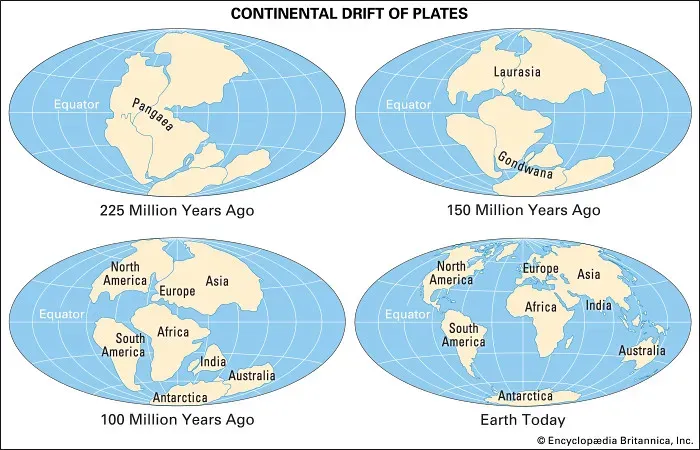
Throughout the Mesozoic, the physical stage beneath your feet refuses to stay still. At the beginning, most land is fused into the supercontinent Pangaea, which creates vast interior regions with extreme climates – scorching summers, bitter winters, and huge deserts. As tectonic forces pull Pangaea apart, new ocean basins open, and coastlines lengthen, creating more varied habitats where marine and terrestrial life can diversify.
As continents drift, sea levels and mountain ranges shift, and climate belts migrate, you’re watching a series of new environmental challenges and opportunities unfold. Marine reptiles like ichthyosaurs, plesiosaurs, and mosasaurs explore different ecological roles in expanding shallow seas. On land, isolated regions foster distinct dinosaur faunas and plant communities that evolve in parallel but not identically. Each geological change acts like a new prompt to evolution, pushing lineages to adapt or vanish, again and again.
You Experience Repeated Extinctions That Reset the Stage
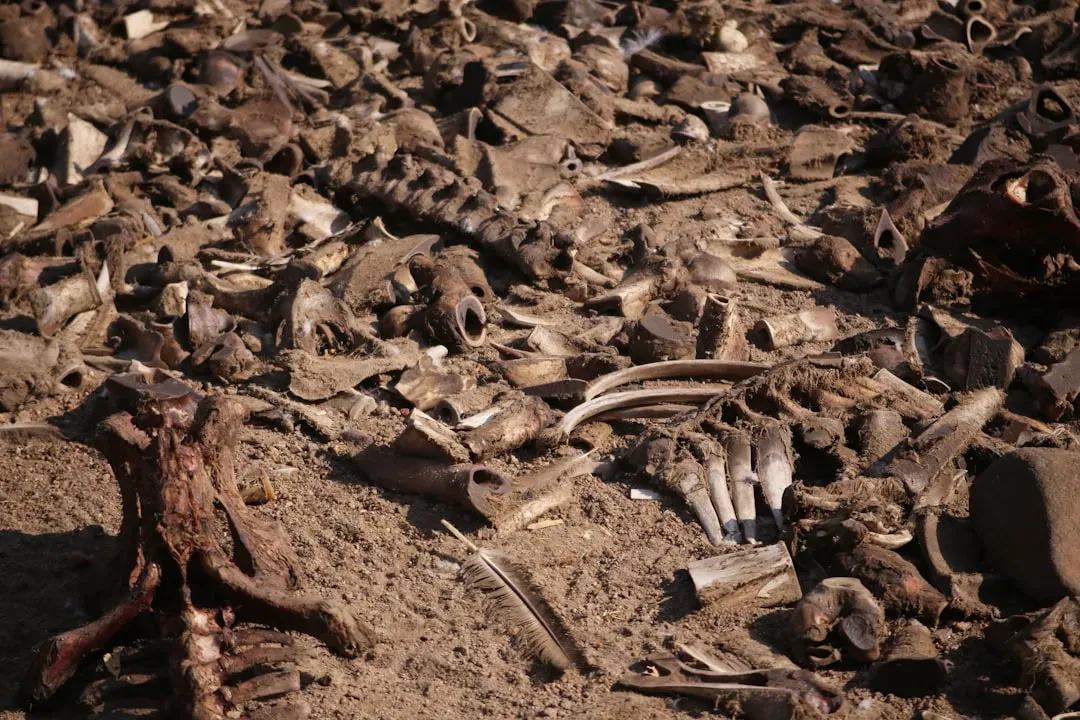
The Mesozoic is not a smooth rise in diversity; it’s punctuated by shocks that slam ecosystems and reset the evolutionary game. Midway through, events such as the end-Triassic extinction hit marine and terrestrial life hard, likely linked to massive volcanic activity and climate disruption. When you stand on either side of these boundaries in the rock record, you see certain groups disappear abruptly while others surge in their absence.
The most famous jolt, of course, comes at the very end of the Cretaceous, when an asteroid impact and associated environmental catastrophes wipe out non-avian dinosaurs and many other groups. If you imagine yourself on that boundary, you watch large marine reptiles vanish, many flying reptiles fade out, and entire dinosaur lineages end. Yet birds, mammals, flowering plants, and various smaller, more adaptable groups make it through. That survival is not random; it reflects long-running evolutionary experiments in size, diet, physiology, and behavior that were quietly underway for millions of years.
You Realize the Mesozoic Never Truly Ended for Some Lineages
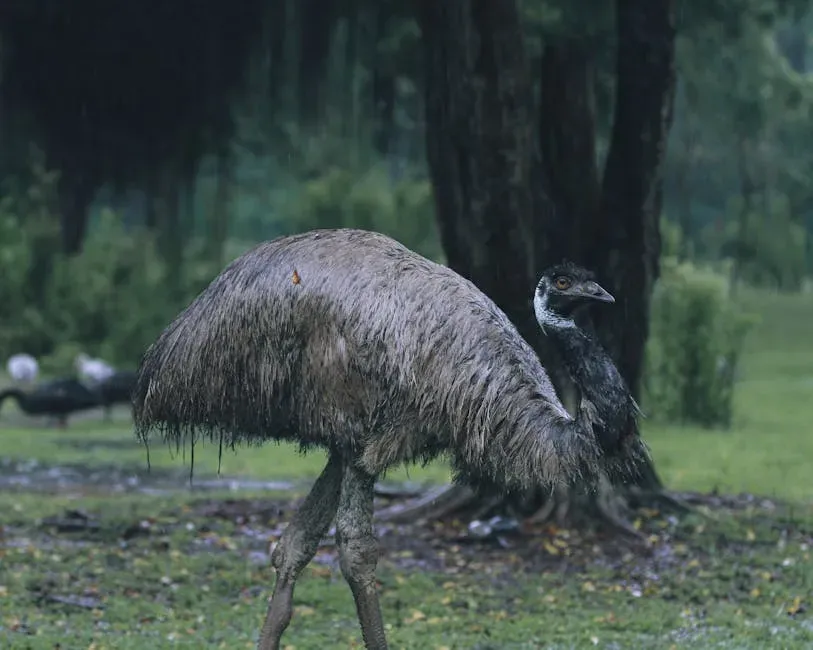
When people talk about the “end” of the Mesozoic, they often picture a hard cutoff where dinosaurs and their world simply stop. But if you trace the lineages carefully, you notice that parts of the Mesozoic experiment are still with you today. Modern birds are living theropod dinosaurs, carrying forward traits like hollow bones, feathers, and specialized respiratory systems that first took shape long before the asteroid struck. Some plant and reptile groups also retain deep Mesozoic roots, even if their modern forms look different.
When you look at your own mammalian body, you are also seeing results of Mesozoic trial and error: differentiated teeth, warm-blooded metabolism, complex hearing, and brains geared for flexible behavior. The world you know – filled with songbirds, flowering plants, diverse mammals, and complex forests – makes far more sense when you see it as a sequel to that era of constant experimentation. Instead of a closed chapter, the Mesozoic becomes a long, intense prologue to your own story.
In the end, when you step back from the Triassic, Jurassic, and Cretaceous and look at them as one sweeping era, what you see is not just giant reptiles but a planet learning new tricks. Climates shifted, continents wandered, and life responded with an astonishing range of solutions – some spectacular, some subtle, many of them shaping the world you walk through every day. The Mesozoic was not just the age of dinosaurs; it was the age when evolution tried out the blueprints for the modern biosphere. Knowing that, how differently do you see the ground beneath your feet and the birds above your head now?