You look at photos of Mount Everest today and see frozen cliffs, razor-sharp ridges, and air so thin it can stop a healthy human in their tracks. It feels like the very opposite of the sea. And yet, if you could rewind Earth’s clock far enough, you’d find something almost unbelievable: the very rocks near Everest’s summit were once part of an ancient ocean floor.
This idea sounds like a plot twist in a sci‑fi movie, but it’s one of the most solid, well-studied stories in geology. When you understand how it happened, you start to see mountains, continents, even the ground beneath your feet very differently. You’re not just walking on dirt and stone; you’re walking on the remains of vanished oceans, shattered continents, and slow-motion collisions that make car crashes look gentle by comparison.
The Mind-Blowing Idea: Everest’s Summit Rocks Are Marine
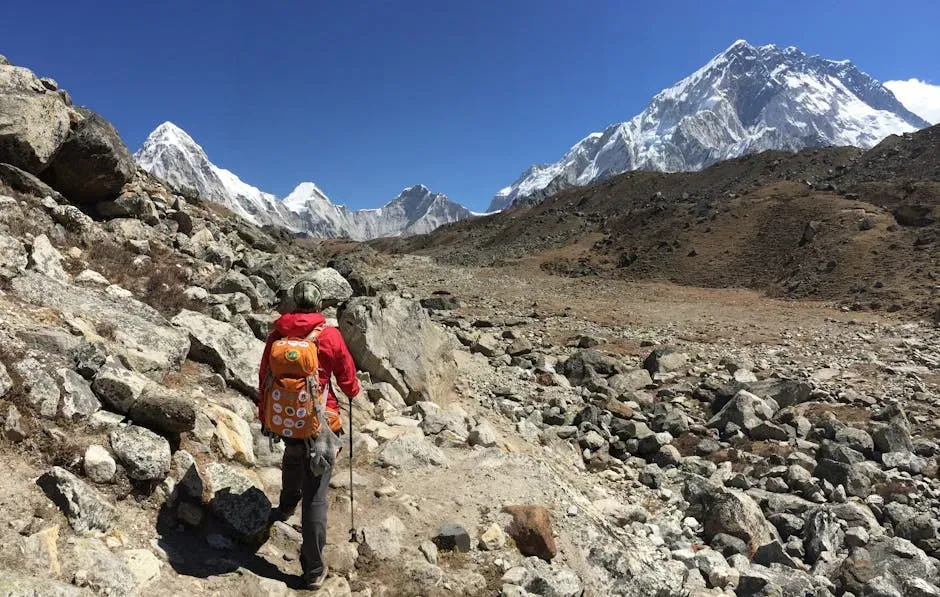
If you could stand on the summit of Everest and pick up a small piece of rock, you might be holding what used to be mud and skeletons from a shallow sea. Geologists have found marine limestone and fossilized sea creatures high in the Himalayas, including near Everest, which tells you those rocks formed under water, not in the sky. You’re essentially looking at the stitched-together remains of an ancient seafloor that got crumpled and thrust upward over tens of millions of years.
It’s a strange feeling to imagine that the “top of the world” is built from what was once the bottom of an ocean, but that’s what the evidence points to. Instead of thinking of Everest as a static wall of rock, you start to see it as a moving, changing, recycled piece of Earth’s crust. Once you accept that, the question shifts from “Is that even possible?” to “How on Earth did that happen?”
Long Before the Peak: When the Tethys Ocean Ruled This Place
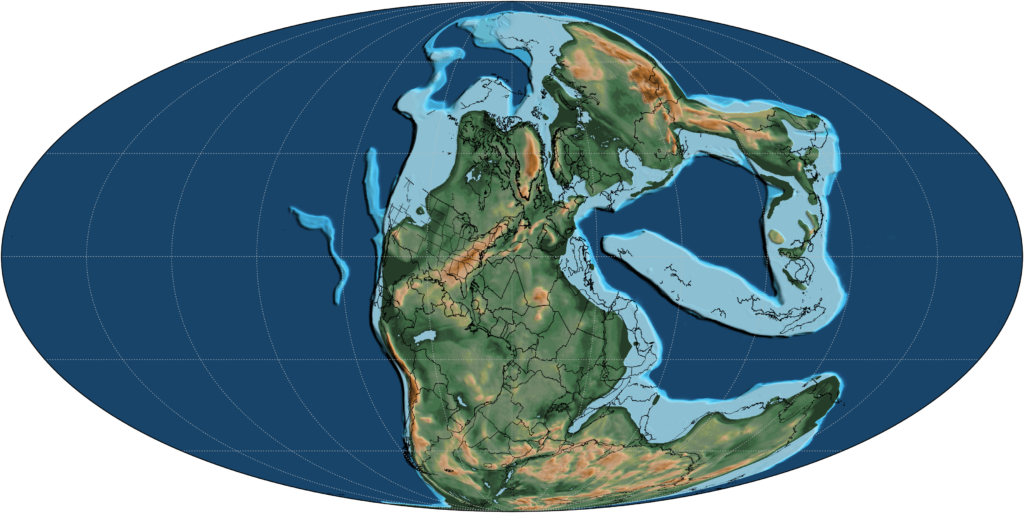
To understand Everest’s ancient ocean story, you have to go back hundreds of millions of years, to a time when there was no Himalayan range at all. Back then, an enormous body of water called the Tethys Ocean lay between two chunks of continental crust: what would become India on one side and what would become Eurasia on the other. The rocks that now sit high in the Himalayas began as sediments and shells slowly building up on that seafloor.
Imagine layer after layer of mud, sand, and calcium-rich remains of marine organisms drifting down and piling up like dust on an old bookshelf, only on a timescale your brain has trouble grasping. Over millions of years, those soft layers were buried, compacted, and turned into solid rock. At that stage, if you could dive down there, you wouldn’t see anything remotely like a mountain; you’d see a seabed stretching off into the murky distance, probably with marine life going about its business, completely unaware it was destined to become part of a world-famous summit.
Continents on the Move: How Plate Tectonics Sets the Stage
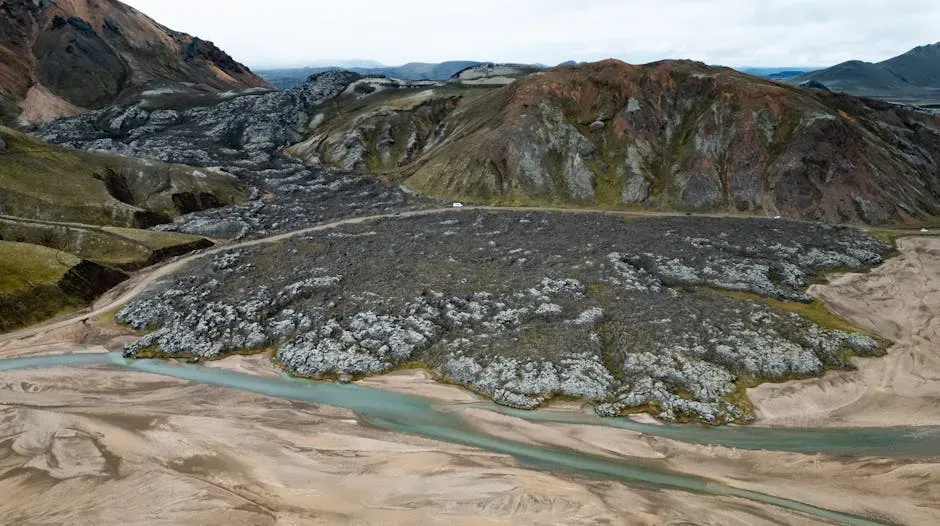
The key to Everest’s oceanic past is the slow shuffle of the planet’s outer shell, which you know as plate tectonics. Earth’s crust isn’t one unbroken slab; it’s broken into multiple plates that float on the softer, hotter mantle beneath, drifting at roughly the speed your fingernails grow. The piece carrying India was once much farther south, closer to what you’d think of as the southern hemisphere’s ancient supercontinent regions.
Over tens of millions of years, this Indian plate started moving northward, plowing through the Tethys Ocean like a massive, unstoppable ship heading toward Eurasia. As it moved, oceanic crust and seafloor sediments were gradually dragged, deformed, and in some cases pushed downward. You can think of the process like a slow-motion traffic jam of rock: nothing is fast, everything is powerful, and the end result is complete rearrangement of the landscape on a continental scale.
The Collision That Changed Everything: India Slams into Eurasia
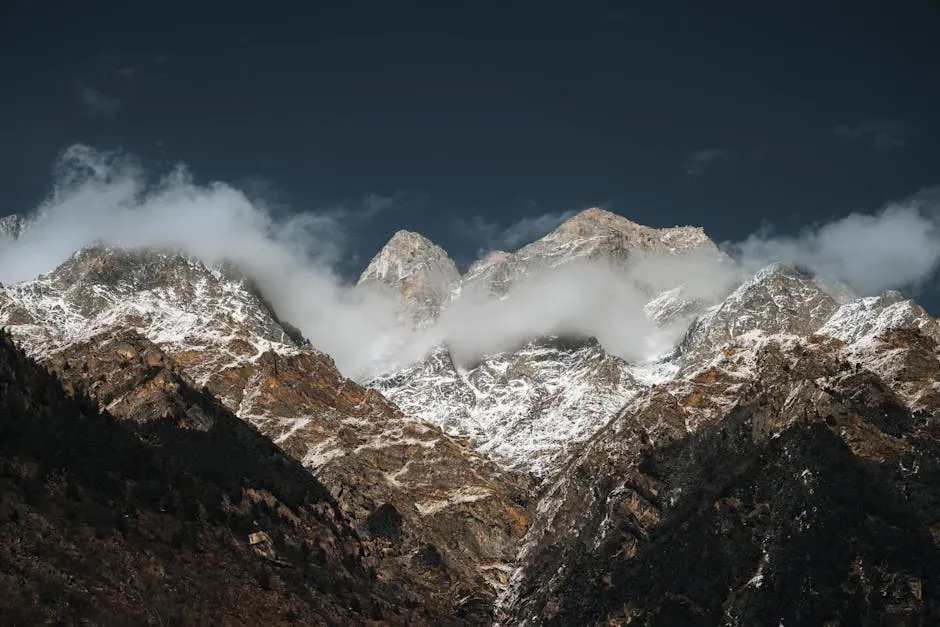
Eventually, the northward-moving Indian plate reached the point where it crashed into the Eurasian plate. This collision, which really intensified somewhere on the order of tens of millions of years ago, is what gave birth to the Himalayas. Instead of India neatly sliding under Eurasia and disappearing, chunks of thick continental crust resisted being pushed down. They crumpled and buckled, forcing the rock between and above them to rise.
This is where your ancient seafloor gets its ticket to the big show. Those once-horizontal layers of sedimentary rock, including marine limestone and other ocean-born materials, were squeezed, folded, and stacked up. Over time, they were driven so high that they eventually formed some of the tallest peaks on Earth, including Everest. You can picture it like pushing a carpet from one end: it wrinkles, folds, and piles up into ridges. The Himalayas are that “carpet,” except the material is solid rock and the pushing has gone on for tens of millions of years.
Fossils in the Sky: The Proof You Can Hold in Your Hand
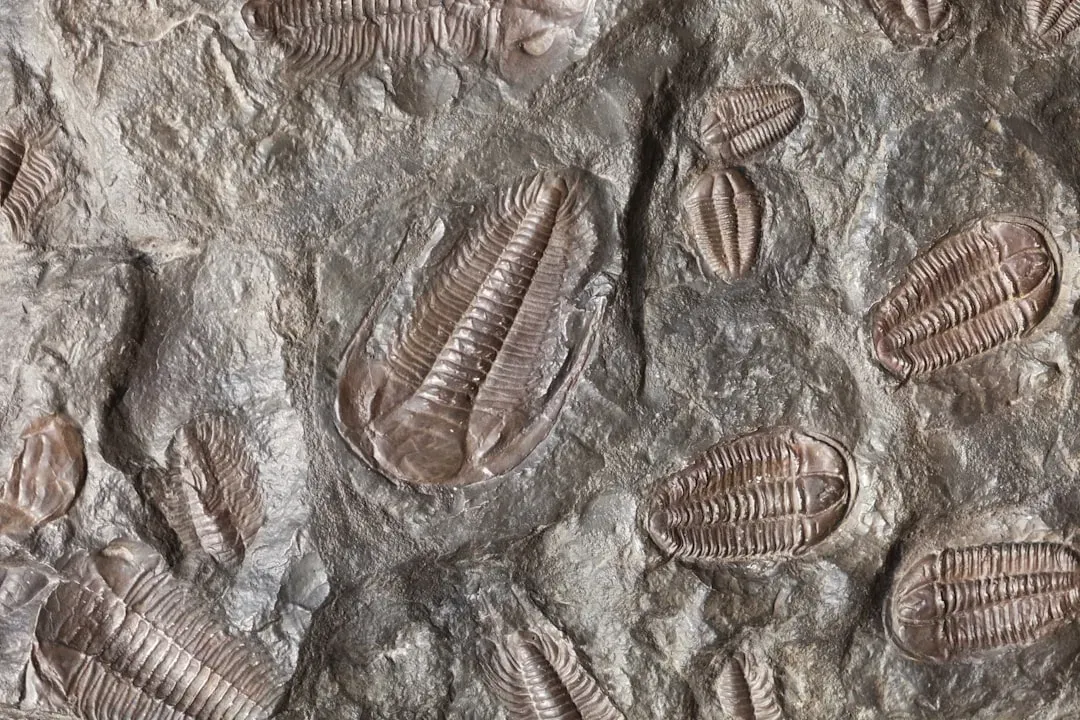
You might reasonably ask how anyone can be so sure this story is true. One of the most convincing lines of evidence is fossils found in Himalayan rocks. When you see remains of ancient marine organisms, like certain types of shell-forming creatures, preserved in limestone that now sits thousands of meters above sea level, you’re looking at a clear signal that those rocks came from a marine environment. You can’t get shallow water fossils on a high-altitude peak unless those rocks have taken a wild ride upward.
Geologists also study the minerals, textures, and chemical signatures of these rocks. They compare Himalayan samples with sedimentary rocks known to form in oceans today, and the match is strong. Even the layering and composition point to a story of slow accumulation on a seafloor, followed by burial, transformation, and eventual uplift. So when you hear that Everest’s summit region contains marine rocks, you’re not being asked to take it on faith; you’re being shown physical clues that you could, in theory, examine yourself.
Everest Is Still Rising: The Story Isn’t Over Yet
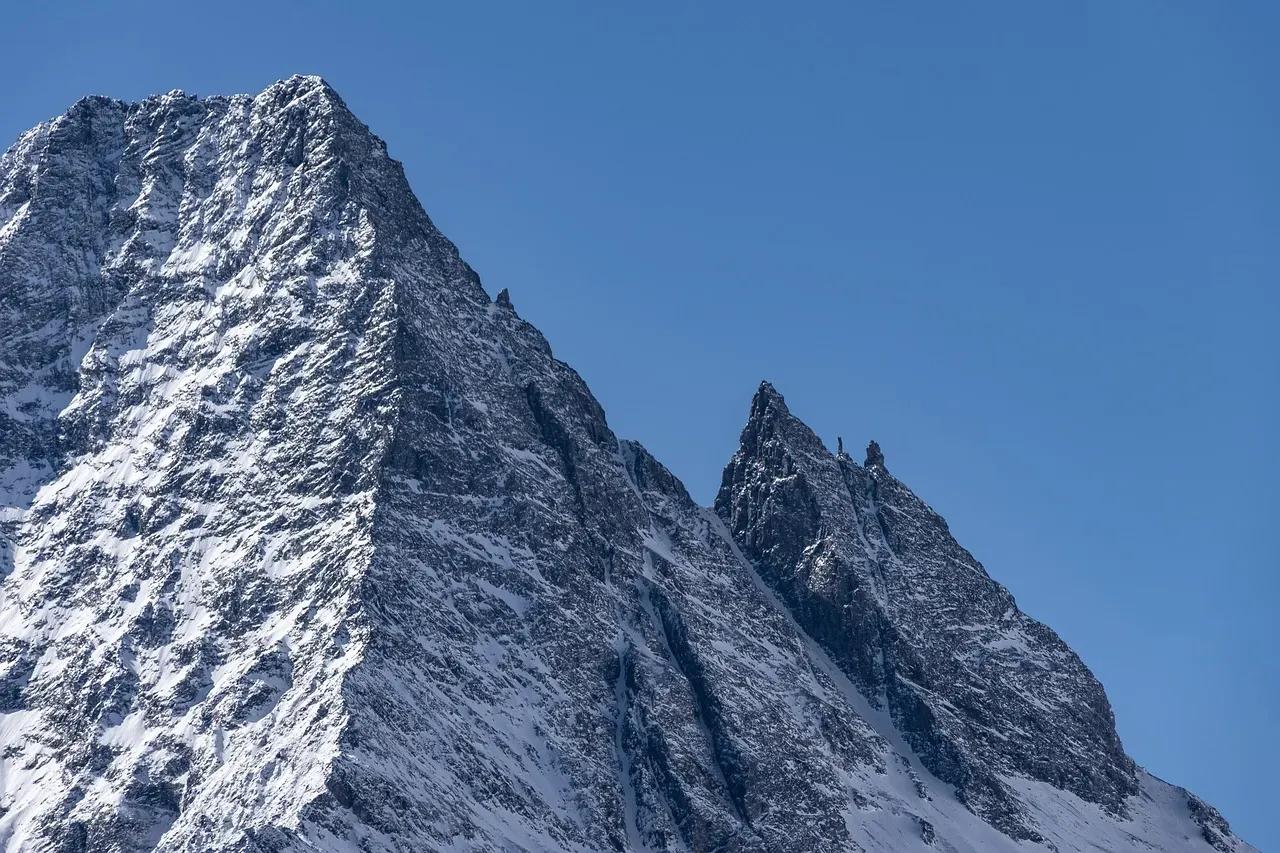
It’s tempting to think of Everest as a finished product, frozen in its final form, but the mountain is still changing. The Indian and Eurasian plates are still converging today, continuing the pressure that built the Himalayas in the first place. Modern measurements with GPS show that parts of the Himalayas are still being pushed upward, albeit very slowly, while erosion from wind, water, and ice grinds them down at the same time.
This tug-of-war between uplift and erosion means you’re looking at a mountain range caught mid-story, not a completed sculpture. Every rockfall, landslide, and glacier movement is part of the ongoing reshaping of Everest and its neighbors. In a way, when climbers reach the summit, they’re standing on a moment in time – an ever-changing balance point in a battle between forces pushing rock skyward and forces dragging it back toward the sea.
Reading the Rocks: How You Can “See” the Ancient Ocean
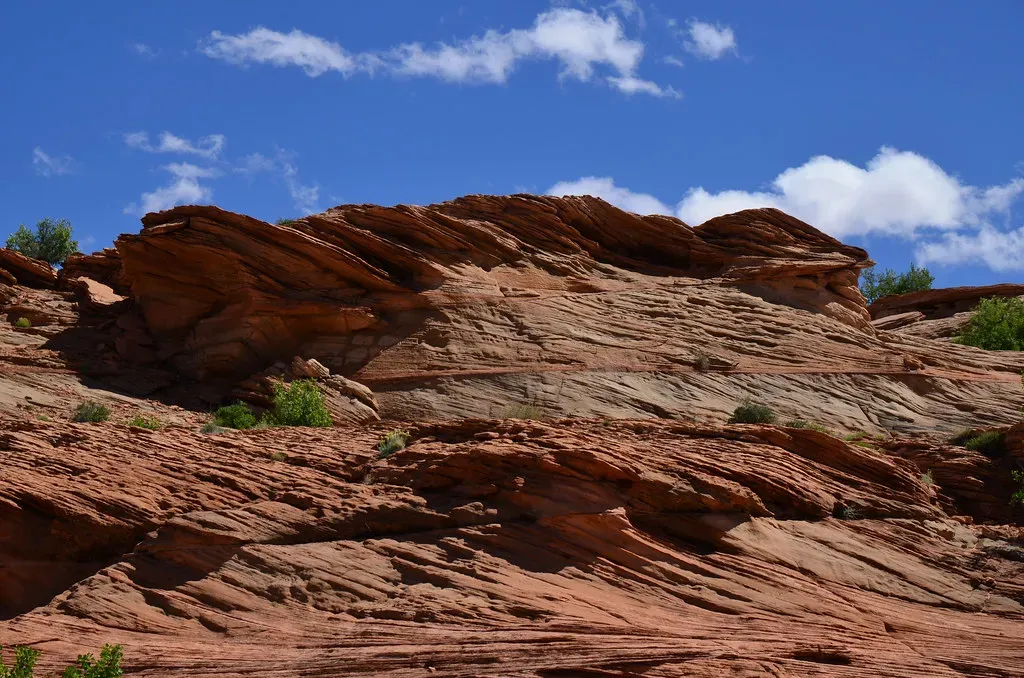
You don’t have to be a professional geologist to start reading hints of this oceanic past in the rocks themselves. If you look at photos or samples of Everest’s limestone and other sediments, you’ll sometimes notice thin layers stacked like pages in a book. Those layers record changes in the ancient environment: different conditions of water depth, sediment supply, and life. When you learn to see them that way, a rock face stops being just a wall and starts being a time capsule.
Even the way these layers are tilted, folded, or fractured tells you about the titanic forces that acted on them. Where you see gentle curves, you can imagine slow, continuous squeezing. Where you see shattered, chaotic zones, you can imagine more intense stresses and movements along faults. In that sense, you’re not just looking at a pile of stone; you’re looking at the frozen shape of motion that has been locked into the rock for millions of years.
Why Everest’s Story Changes How You See Earth
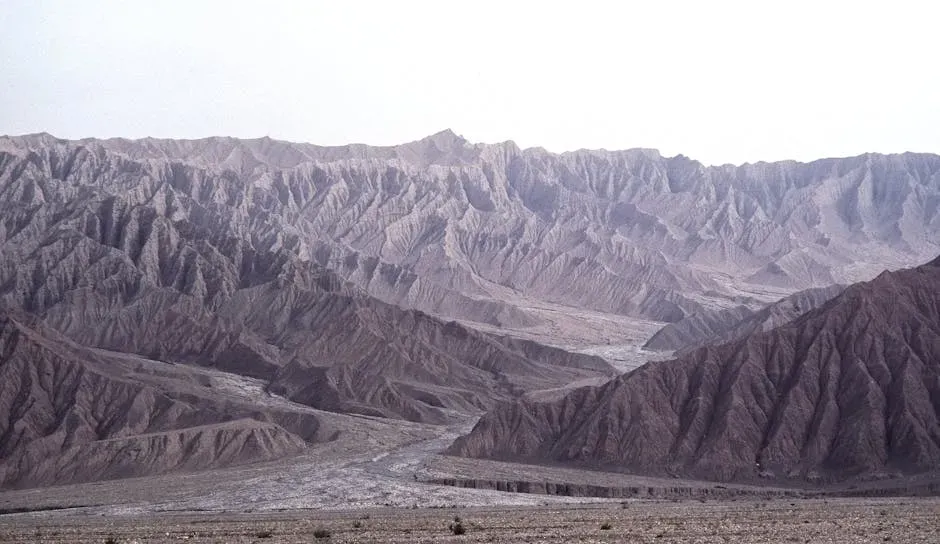
Once you absorb the idea that Earth’s highest peak was built from former seafloor, it becomes hard to see the planet as a static backdrop. You start to realize that the ground you walk on is not permanent; it’s more like a very slow, ever-shifting conveyor belt. Continents drift, oceans open and close, and mountain ranges rise and fall. Everest is dramatic because of its height, but the same basic processes are happening, more quietly, in many other places.
This shift in perspective can be strangely humbling and empowering at the same time. Humbling, because it reminds you that human history is a flicker compared to the timescales of plate tectonics. Empowering, because it shows you that the world is not random chaos; it follows physical laws you can learn, understand, and even predict to some degree. When you stand on a mountain or at the beach, you’re not just somewhere scenic – you’re standing in the middle of a long, intricate story of moving rock and water.
From Ocean Floor to Roof of the World: What It Means for You
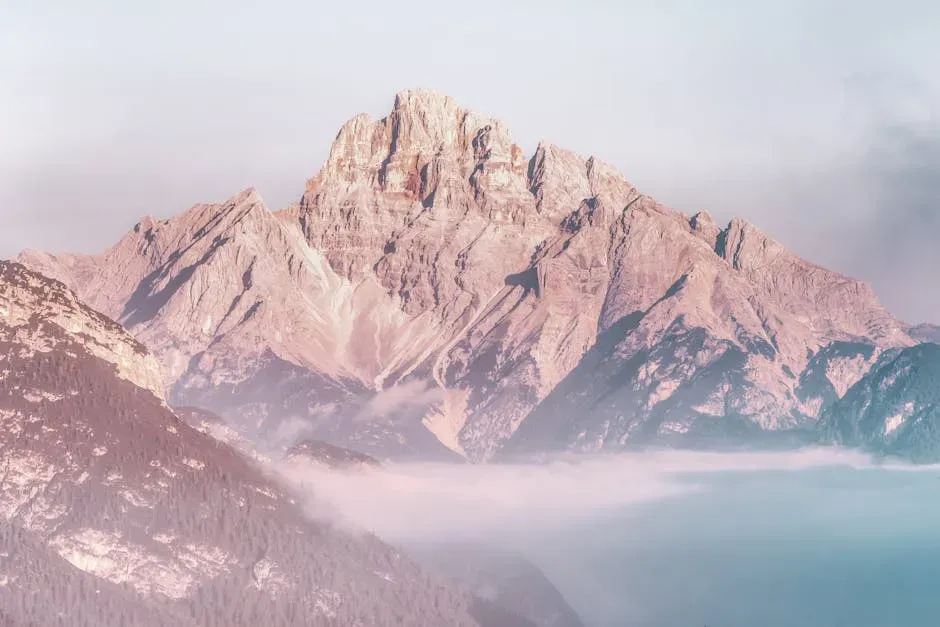
When you think about Everest’s journey from seafloor sediments to the “roof of the world,” you’re really thinking about transformation on the grandest possible scale. Soft mud becomes hard rock. Quiet, flat seabeds become jagged summits that test human limits. In a way, you’re watching the planet constantly reinvent itself, turning old features into new ones without ever pausing the slow machinery underneath.
There’s also something personally relatable about it, even if you never set foot anywhere near the Himalayas. Just as those rocks have been buried, compressed, broken, and lifted, you go through your own versions of pressure and change over time. You might not end up eight thousand meters above sea level, but you do come out of your own collisions and upheavals different from how you started. Seeing that mirrored in the landscape around you makes Earth feel less like a distant object and more like a companion in the art of long-term change.
Conclusion: The Ocean Beneath Your Feet
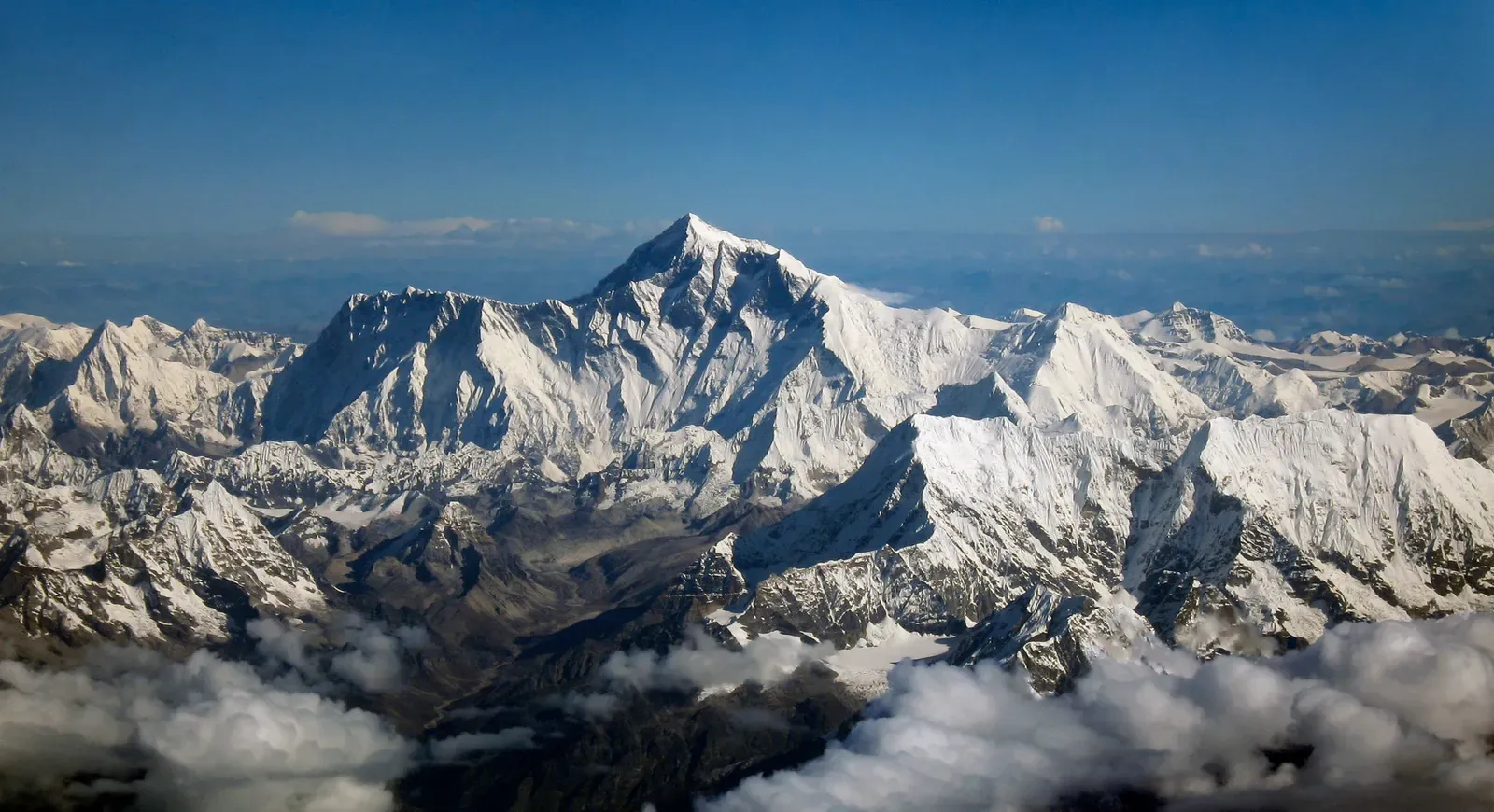
Now that you know Everest’s secret, the image of that iconic peak becomes richer and stranger. You’re not just picturing snow, ice, and rock; you’re picturing a buried ocean floor, dragged into a collision zone and slowly hoisted into the sky. The fossils, the folded layers, and the ongoing uplift all point to the same conclusion: Earth is not a fixed stage but a restless, shape-shifting world, and you happen to be living on it during one brief, fascinating chapter.
The next time you see a photo of Everest, or any mountain range really, you can ask yourself what vanished oceans, ancient climates, and drifting continents lie hidden in those stones. You may never touch the summit, but you can still appreciate the wild journey its rocks have taken, from the quiet bottom of the sea to the thin air above the clouds. Knowing that, how can you ever look at a simple piece of rock the same way again?