If you grew up thinking dinosaurs were just giant, scaly brutes stomping around on instincts alone, you’re in for a surprise. The more scientists study their bones, footprints, and even fossilized brains, the more you see a very different picture: problem-solvers, social strategists, and parents that would put some modern animals to shame.
What makes this so exciting is that you’re looking at intelligence that evolved in a completely different way from mammals like you. Dinosaurs did not have laptops, tools, or cities to show off their smarts, so you have to read the clues in stone. Once you start noticing those clues, it becomes almost impossible to see them as mindless monsters ever again.
1. When Brain Size Wasn’t the Whole Story
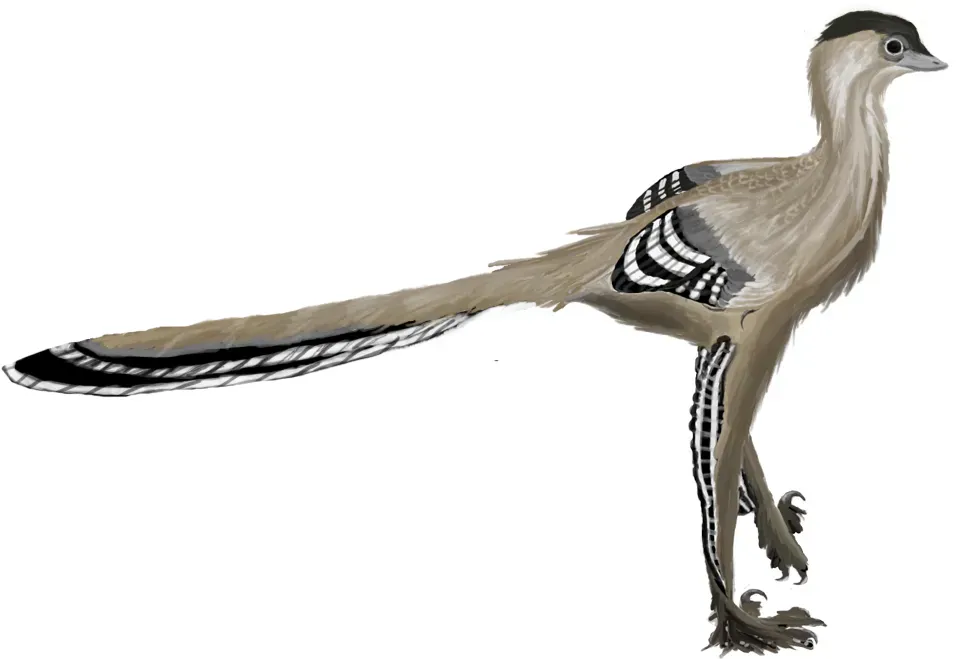
You’ve probably heard the old insult about someone having a “brain the size of a walnut,” and it gets thrown at dinosaurs a lot. But if you look at actual research, you find that several dinosaur groups had brain-to-body ratios more in line with today’s birds than with lumbering reptiles. When you zoom in on animals like troodontids or some early parrot-like dinosaurs, the parts of the brain linked to vision and problem-solving are surprisingly well developed.
You also see a clear evolutionary trend: over millions of years, certain lineages gradually increased relative brain size, especially those closely related to birds. That tells you intelligence was not just an accident; it was being favored by natural selection. So instead of picturing every dinosaur as a slow thinker, you start to see a spectrum, with some species that might have been as mentally flexible as modern crows or pigeons. Once you realize that, the stereotype of dinosaurs as stupid starts to fall apart pretty fast.
2. The Herd Tactics That Point to Social Smarts
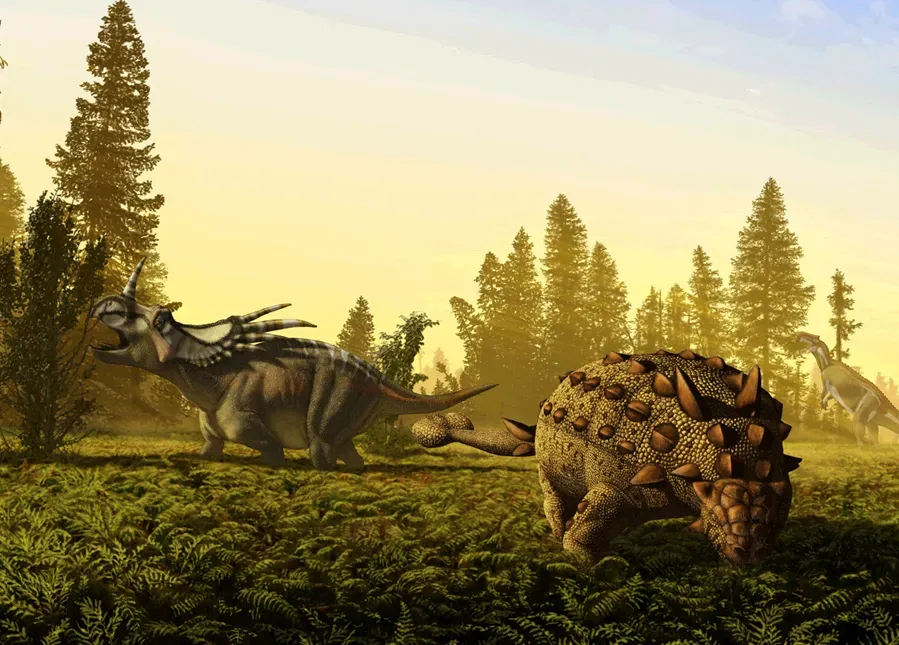
Imagine walking across an ancient mudflat and seeing trackways that show dozens of large herbivorous dinosaurs moving together in the same direction, at the same speed, with smaller footprints tucked closer to the middle. That is exactly the kind of fossil evidence you’re dealing with when scientists say some dinosaurs traveled in organized herds. You are not just looking at a crowd; you’re looking at coordinated movement that hints at social structure and maybe even leadership or group decision-making.
Bonebeds, where you find the remains of many individuals together, tell a similar story when you notice different age groups mixed in the same place. Instead of a chaotic pile, you get evidence of herds made up of juveniles, subadults, and adults, a lot like you see in modern elephants or bison. To thrive in such groups, an animal has to recognize companions, respond to signals, and navigate social rules, which all require cognitive effort. That means some dinosaurs were not just surviving alone; they were thinking their way through complex social lives.
3. Devoted Dinosaur Parenting and Family Life
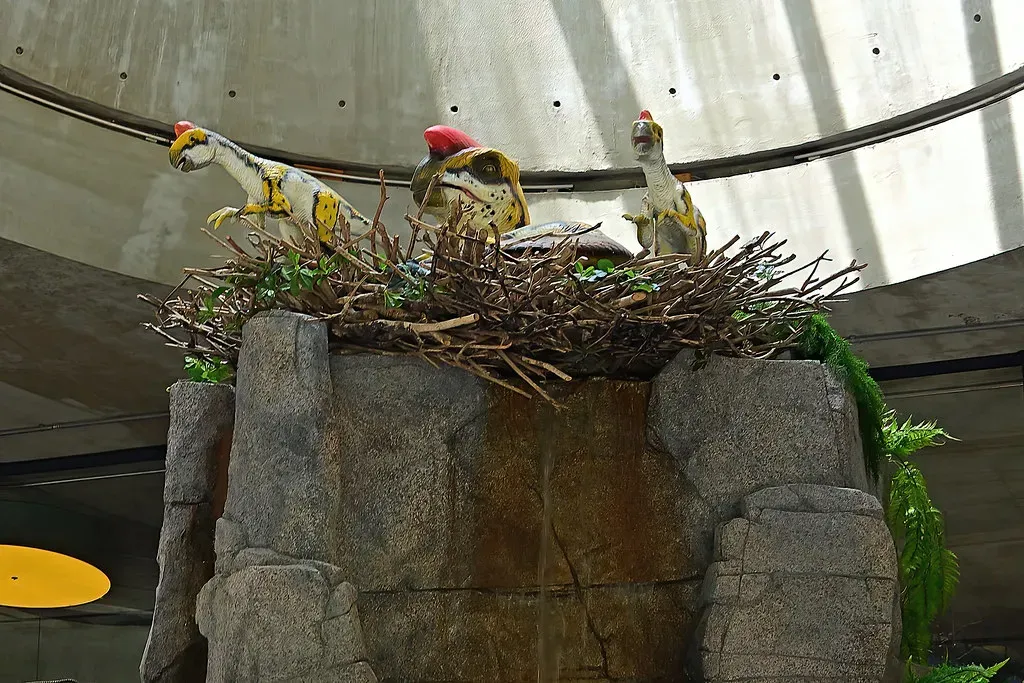
When you picture dinosaur nests with neat circles of eggs, embryos inside, and even adults preserved on top of clutches in a brooding pose, you are basically looking at a prehistoric snapshot of family care. You see evidence of parents arranging eggs carefully, returning to the same nesting sites year after year, and sometimes staying with the nest long enough to be fossilized in place. That kind of behavior is not something you pull off with pure reflex; it suggests memory, planning, and emotional investment.
In some fossil sites, you even find young dinosaurs of similar age clustered around what appears to be a shared area, as if they were part of a kind of dinosaur “nursery.” For that to work, adults would need to coordinate timing, protect the area, and tolerate each other’s offspring. If you compare that to modern birds and crocodiles, where parental care already demands a decent amount of brainpower, it becomes easier to see dinosaur parenting as another sign that at least some species were capable of complex, long-term behavior tied to their young.
4. Hunting Strategies That Suggest Planning and Coordination
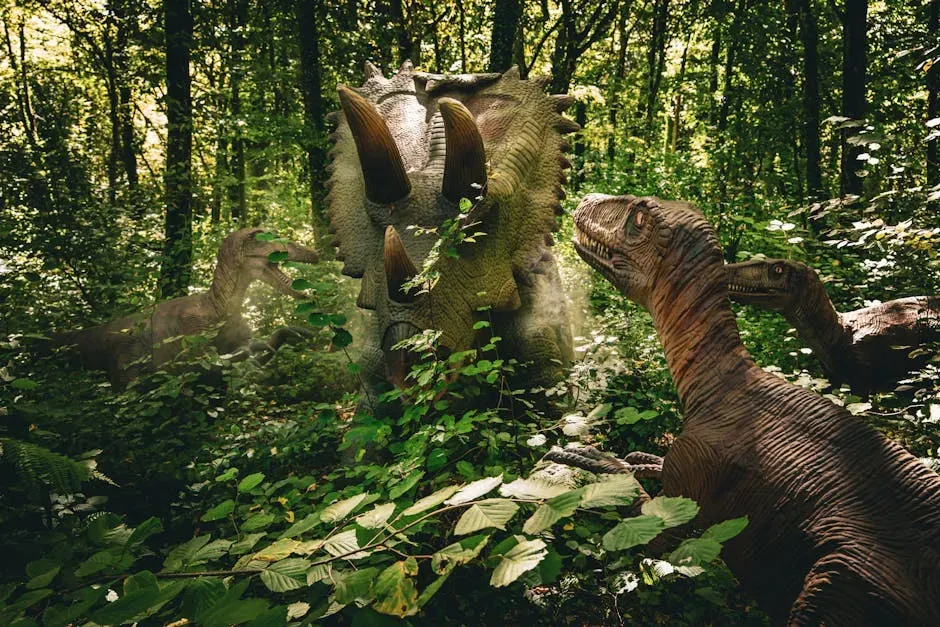
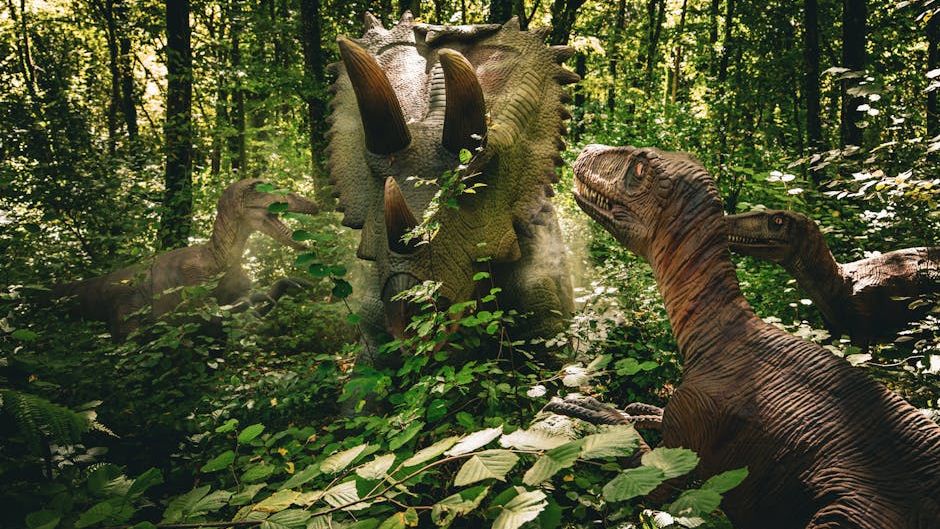
When you look at fossil sites where multiple predators and a single large herbivore are preserved together, or where bite marks and injuries line up with an attack from more than one angle, you start to suspect that some carnivorous dinosaurs did not always hunt alone. You see trackways of several similarly sized predators moving side by side, matching pace, which is exactly the kind of evidence you’d expect if they were at least capable of coordinated movement while searching for prey. For you, that points directly to communication and shared intent, even if it was not as elaborate as a wolf pack.
To pull off any kind of group hunt, an animal needs to respond to partners, adjust position, and sometimes change tactics mid-chase. That means paying attention, remembering what works, and learning from previous attempts. Even if you assume their cooperation was loose and opportunistic, it still suggests a mental world far beyond “see prey, run at prey.” You are looking at predators that may have experimented with strategies, chose targets that required teamwork, and adapted quickly, which are all hallmarks of a more sophisticated mind.
5. Bird Brains as the Living Blueprint of Dinosaur Intelligence
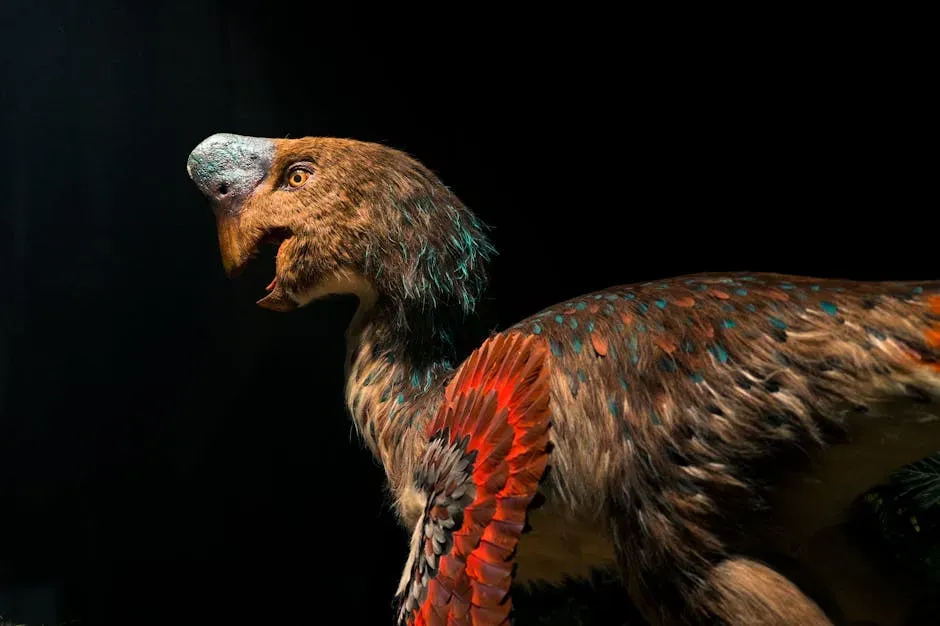
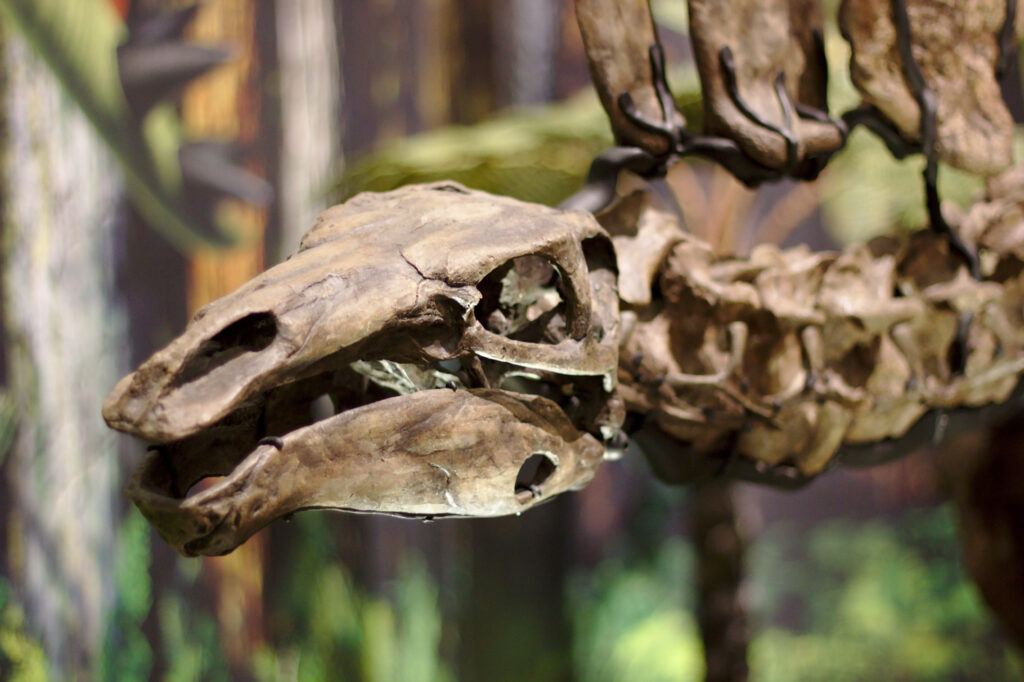
Every time you watch a crow solve a puzzle, a parrot use tools, or a pigeon navigate a complex cityscape, you are seeing the living legacy of dinosaur brains. Modern birds are the direct descendants of one branch of theropod dinosaurs, and their intelligence gives you a powerful clue about what some of their ancestors were capable of. When researchers scan dinosaur skulls and reconstruct the shape of the brain cavity, they find layouts strikingly similar to those in today’s birds, especially in areas tied to vision, balance, and higher processing.
You can think of birds as your time machine: if their ancestors had completely dull minds, it would be hard to explain how such advanced abilities evolved in modern species so quickly. The more you compare bird brains and dinosaur endocasts, the more continuity you see. That means when you watch a raven caching food for the future or a parrot learning complex tasks, you are not just seeing bird cleverness in isolation. You are getting a glimpse of what certain dinosaurs might have done in their own world, using sharp senses, flexible behavior, and problem-solving to survive.
When you put all of these clues together – brain structure, social behavior, parenting, hunting tactics, and the link to modern birds – you end up with a very different view of dinosaurs than the one you probably started with. Instead of giant, dim-witted reptiles, you see a range of animals, some of which may have rivaled today’s smartest birds in awareness and adaptability. You are looking at creatures that could plan, cooperate, care for their young, and respond creatively to a dangerous world.
That realization changes how you think about extinction and survival too, because it reminds you that intelligence is not a guarantee of safety, just another tool in nature’s toolkit. Dinosaurs prove that big brains and complex behavior have been part of life’s story for far longer than humans have. So the next time you see a bird tilt its head and watch you closely, will you see just a curious animal – or a tiny, feathered echo of a dinosaur mind you never expected?