If you picture a volcano, you probably imagine a dramatic mountain on land, spewing glowing lava into the sky. But most of Earth’s volcanic activity actually happens where you never see it: deep under the oceans. Hidden beneath the waves, entire mountain chains are erupting, growing, and reshaping the planet while you go about your day, completely unaware.
Once you start to unpack why volcanoes appear in the middle of the ocean, the planet suddenly feels more alive. You realize you are living on a restless shell floating over hot, moving rock, with cracks and weak spots that let Earth’s interior break through. It sounds a bit unsettling, but it is also strangely comforting: this churning, fiery engine has made the continents you stand on, the minerals in your phone, and even parts of the atmosphere you breathe.
The Ocean Floor Is Not a Quiet, Flat Place
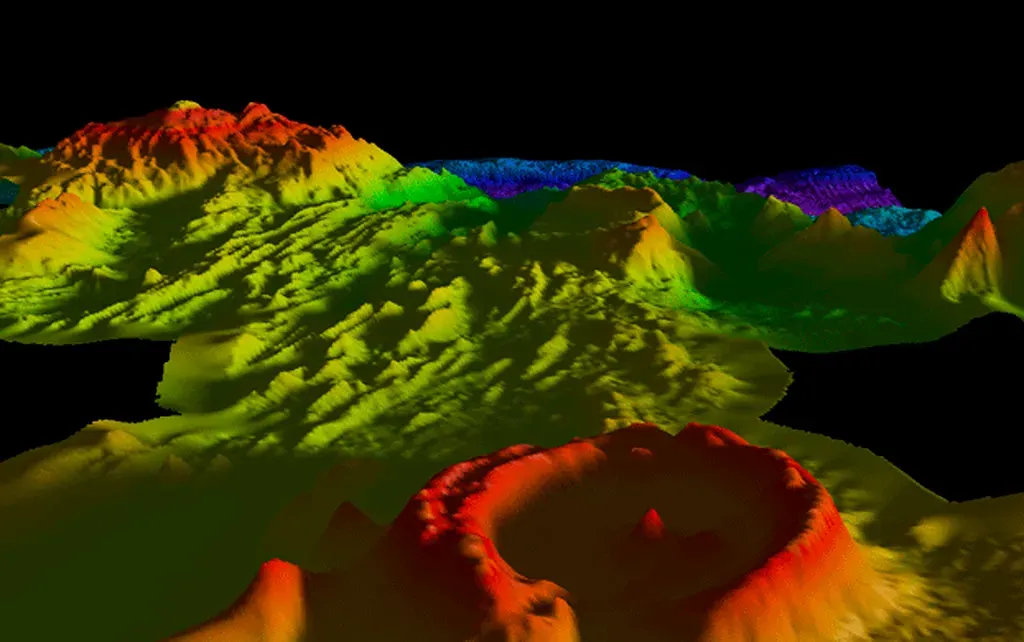
When you look at a map of the world, the blue ocean areas can trick you into thinking the seafloor is just a boring, flat basin. If you could drain the oceans, though, you would see something shocking: towering mountain ranges, deep valleys, and thousands of volcanoes stretching for tens of thousands of miles. The longest mountain chain on Earth is not the Himalayas; it is the mid-ocean ridge system snaking around the globe under the sea.
You live on a planet whose surface is broken into giant slabs called tectonic plates, and the ocean floor is made of plates just like the continents are. These oceanic plates are constantly being created, moved, and destroyed. That hidden, rugged landscape under the water is the battlefield where Earth’s outer shell is pulled apart, slammed together, and fractured, and volcanoes are one of the most visible signs that this process is ongoing and very real.
Mid-Ocean Ridges: Where the Planet Literally Tears Apart
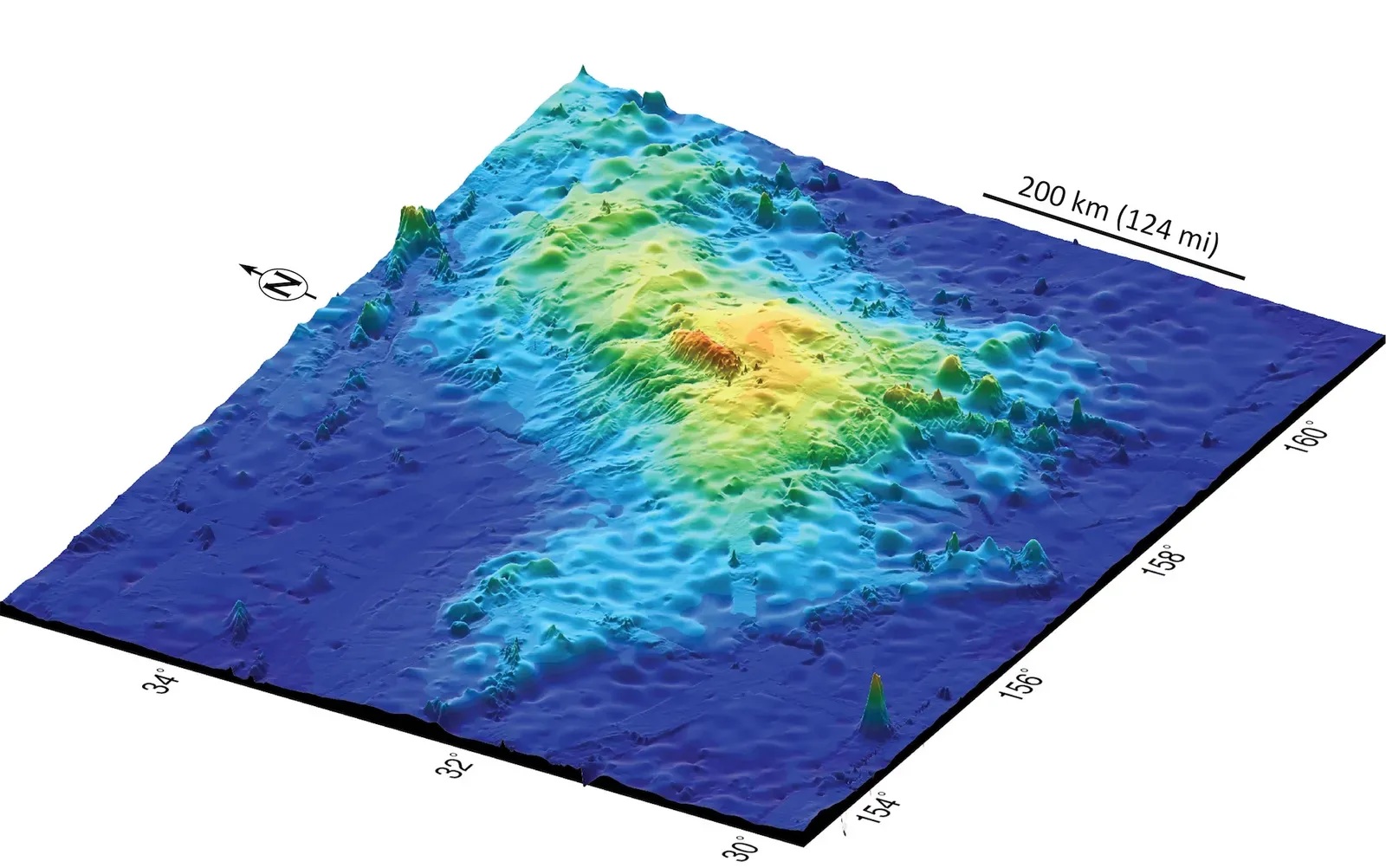
If you want to understand why there are volcanoes in the middle of the ocean, you have to start with mid-ocean ridges. These are long, underwater mountain belts where tectonic plates move away from each other, leaving a gap that the hot interior of the Earth rushes to fill. You can think of it like pulling apart a soft cheese: as you separate it, new material stretches and oozes into the space in between.
At these ridges, magma rises from the mantle, the hot, mostly solid rock layer beneath the crust. When that magma reaches the cold seawater, it solidifies quickly, building new crust and often forming pillow-shaped lava features. You are basically watching the planet make new skin in slow motion. This process is why the youngest ocean floor is always found along mid-ocean ridges and why those regions are lined with underwater volcanoes, vents, and fissures.
Tectonic Plates: The Moving Puzzle Pieces Beneath Your Feet
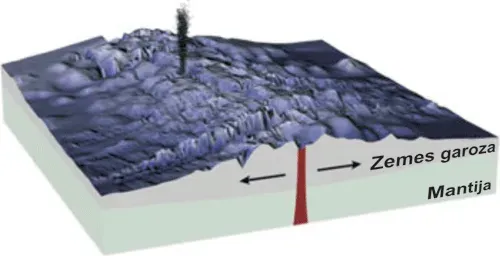
translated to latvian by Daarznieks ???, Public domain)
You can imagine Earth’s outer shell like a cracked eggshell with separate pieces drifting around on a softer layer below. Those pieces are tectonic plates, and they move at speeds that feel laughably slow to you – about as fast as your fingernails grow – but over millions of years, that motion totally rearranges oceans and continents. The edges where plates meet are where most volcanoes and earthquakes occur, because the stress and friction are enormous.
In the oceans, many volcanic chains sit right along these plate boundaries, especially where plates are pulling apart (like mid-ocean ridges) or colliding (like island arcs near trenches). When plates spread apart, magma has a straight path upward; when plates collide, one plate often dives down into the mantle and melts, feeding volcanoes above. You get volcanoes in the middle of the ocean not because the ocean is special, but because the edges of these plates just happen to lie beneath water instead of land.
Hotspots: The Oddballs That Punch Through in the Middle of Plates
Some ocean volcanoes sit nowhere near plate boundaries, and that can feel confusing at first. You might look at a map and think, how on Earth can a volcano form in the middle of a plate where nothing is colliding or pulling apart? The answer lies in something called hotspots: unusually hot, focused upwellings of mantle material that burn through the plate above like a slow-motion blowtorch.
When you see a chain of islands or seamounts stretching in a line across the ocean, you are often looking at the track of a plate drifting over a relatively stationary hotspot. The plate moves, the hotspot stays roughly in place, and new volcanoes keep forming in different spots above it over time. Each volcano is like a footprint left behind as the plate walks over a plume of rising heat from deep within the mantle.
The Role of Mantle Plumes and Rising Heat
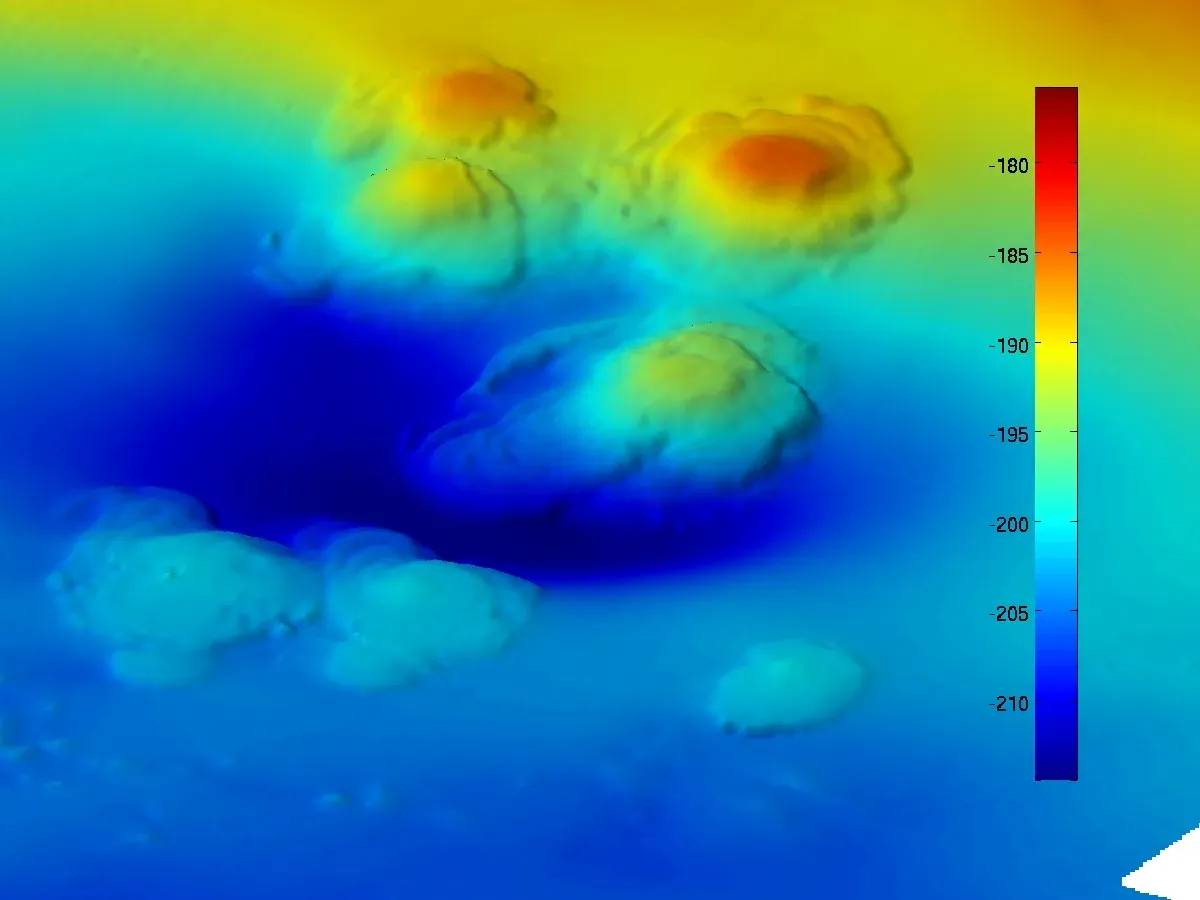
Deep beneath you, the mantle is not a pool of liquid rock, but it is hot enough that over long timescales it behaves almost like a very thick, slow-moving fluid. In some regions, hotter, less dense material rises in columns called mantle plumes. When one of these plumes reaches the base of a tectonic plate, it can partially melt, creating magma that wants to push upward through cracks and weaknesses in the crust.
In the ocean, the crust is relatively thin compared to continental crust, so magma from a mantle plume has a shorter journey to reach the seafloor. As it erupts and cools, it can build up submarine volcanoes that eventually grow tall enough to become islands. You can think of a mantle plume like a lava lamp bulb under the surface: blobs of hotter material rise, spread out, and feed volcanoes where they meet the crust, even if that crust sits in the middle of an otherwise quiet oceanic plate.
Submarine Volcanoes You Never See but Definitely Feel
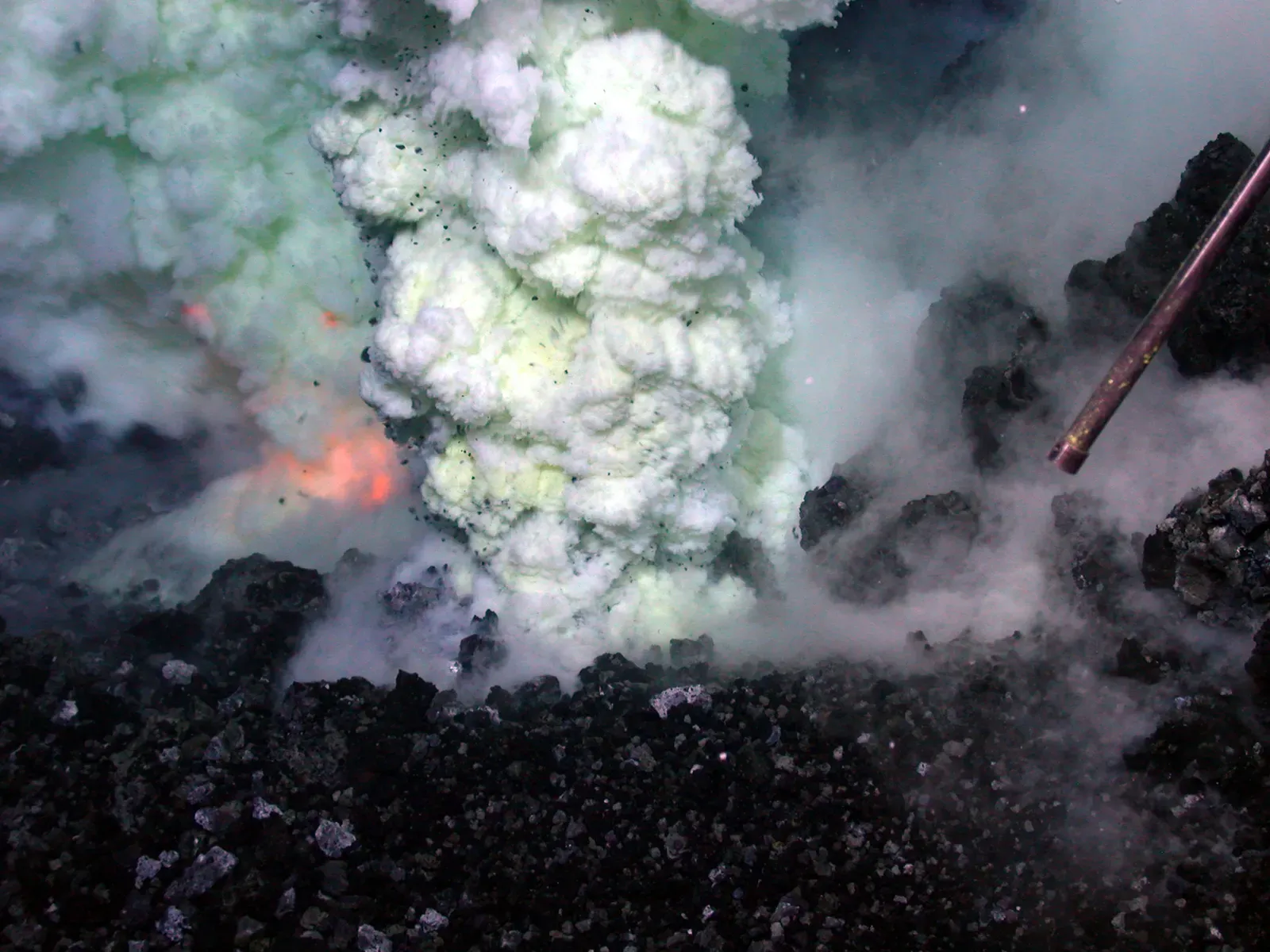
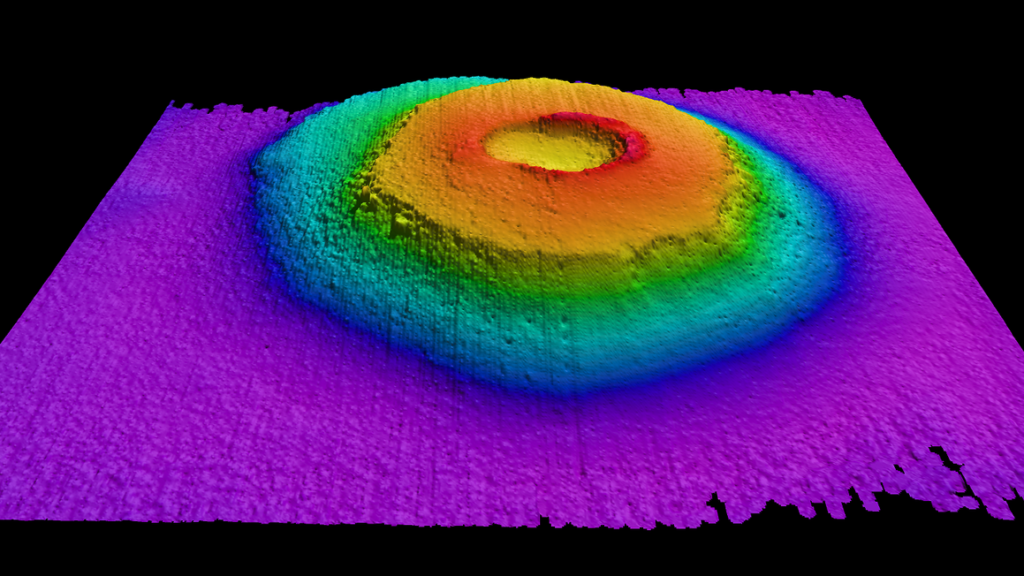
Just because you do not see an eruption does not mean it did not happen. Most underwater eruptions are hidden from your eyes by miles of water, but they still release lava, gases, and heat into the ocean. Sometimes, instruments pick up bursts of sound, earthquake swarms, or sudden changes in water chemistry that reveal an eruption happened on the seafloor. You may only notice the event when discolored water, floating pumice, or new hydrothermal vent activity appears at the surface.
These submarine volcanoes can be surprisingly active and numerous; there are thousands of them, and only a small fraction have been explored in detail. When they erupt, they can alter local ecosystems, reshape sections of the seafloor, and occasionally even trigger small tsunamis or changes in ocean circulation. You might never see these volcanoes with your own eyes, but they are constantly interacting with the ocean environment that ultimately affects your climate and your world.
Underwater Volcanoes and the Birth of New Islands
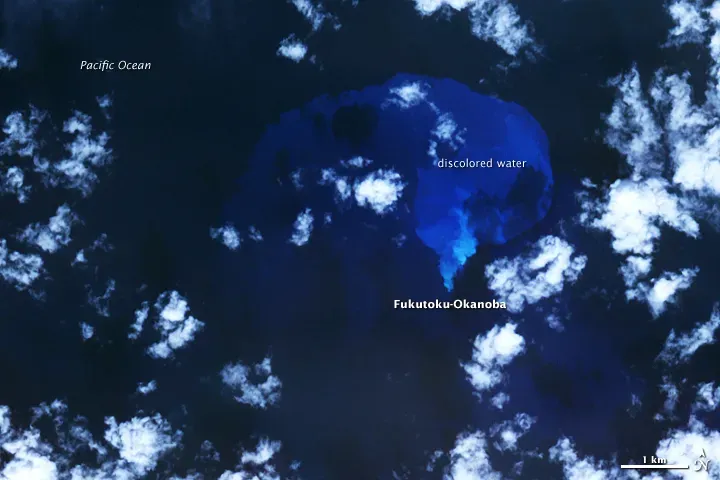
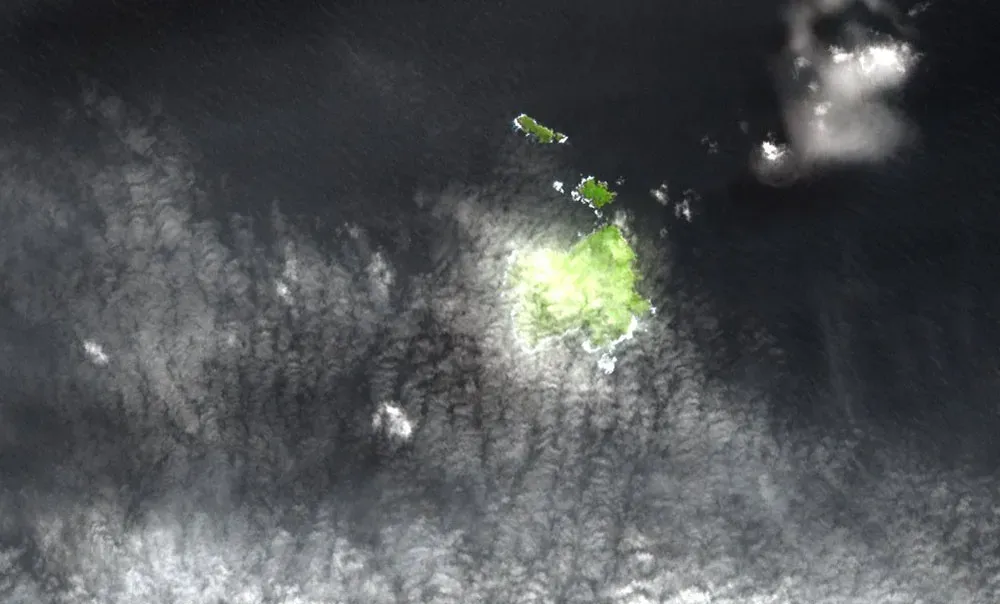
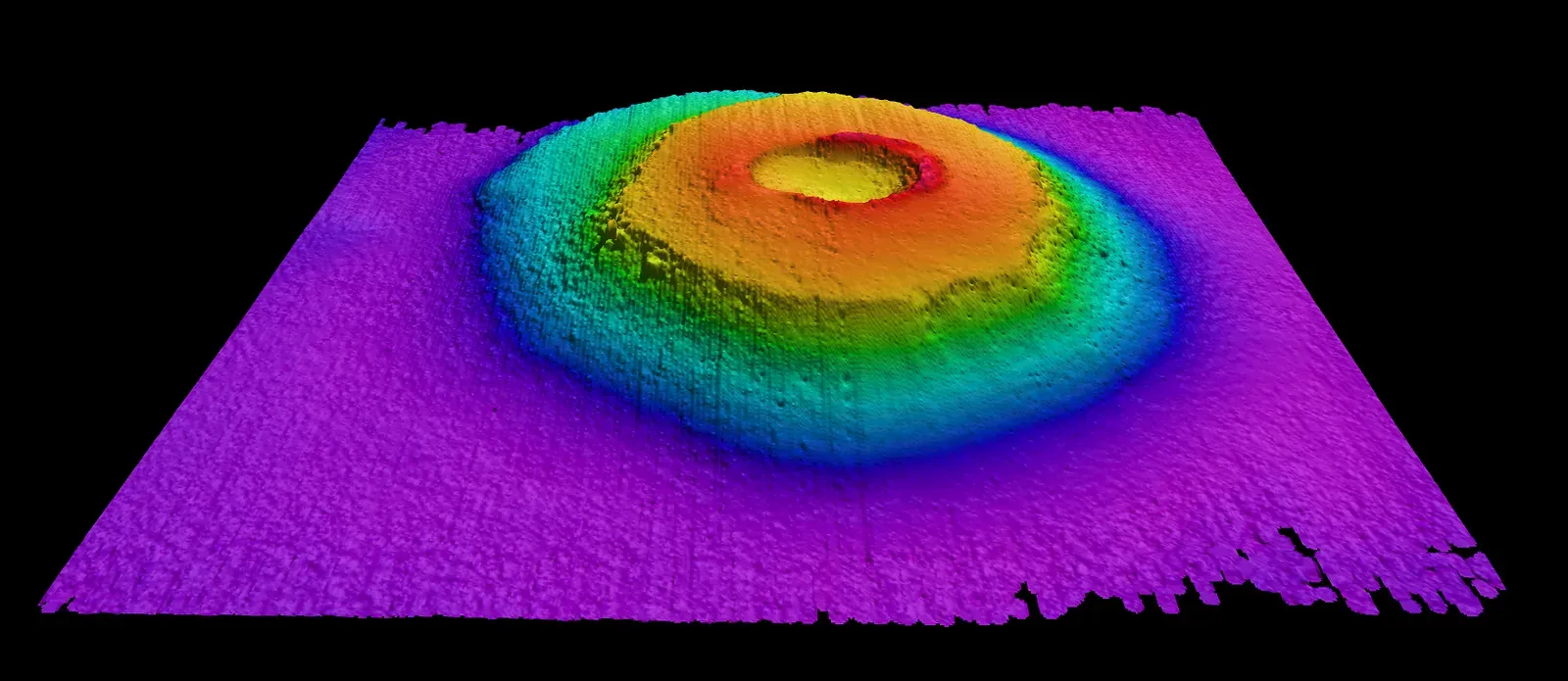
If a submarine volcano keeps erupting over and over, it can slowly build up a cone of solidified lava that reaches higher and higher from the seafloor. At first, it is just a bump under the water, then maybe a shallow seamount, and eventually, if the volcano is persistent enough, it can break the surface as a brand-new island. When that happens, you are watching geology in fast-forward compared to the slow pace you normally associate with Earth processes.
Once a volcanic peak rises into the air, waves start eroding it, plants and animals begin to colonize it, and over thousands of years it can turn into a lush island with soil, forests, and complex ecosystems. You are literally seeing rock from the deep interior of the planet transformed into a place where birds nest, humans might build homes, and cultures can develop. Every island chain that formed this way is a reminder that the line between the deep ocean and your everyday life is thinner than it seems.
Why Ocean Volcanoes Matter to Your Everyday Life
It is easy to think that underwater volcanoes are distant curiosities, but they quietly support and influence the world you depend on. Hydrothermal vents at mid-ocean ridges, for example, create chemical-rich environments that support unique ecosystems, including microbes that can survive without sunlight. Those same processes help cycle elements like iron, sulfur, and carbon through the ocean, which in turn affect marine food webs and, indirectly, the climate you experience at the surface.
On longer timescales, volcanic activity at the seafloor builds new crust, shifts continents, and even changes global sea level by altering the shape of the ocean basins. Volcanic gases released into the oceans and atmosphere influence the composition of the air you breathe. Even the metals used in your electronics can trace a part of their story back to volcanic and hydrothermal processes. Whether or not you ever dive to a mid-ocean ridge, you are deeply connected to those hidden eruptions.
When you step back and look at the full picture, volcanoes in the middle of the ocean stop being a weird exception and start making perfect sense. You live on a planet whose surface is constantly renewed, cracked, and stitched back together by heat rising from below, and the oceans simply hide most of that activity from your eyes. The next time you stare out at a calm, flat sea, you can remember that beneath that quiet surface, mountains are growing, plates are drifting, and fresh rock is being forged right now.
In a way, understanding these hidden volcanoes shifts how you see your place on Earth: you are not standing on a finished product, but on a work in progress that is still being built from the inside out. That is both humbling and oddly inspiring. It raises a simple but powerful question for you to carry: when you look at a map now, can you feel the world underneath it still moving?