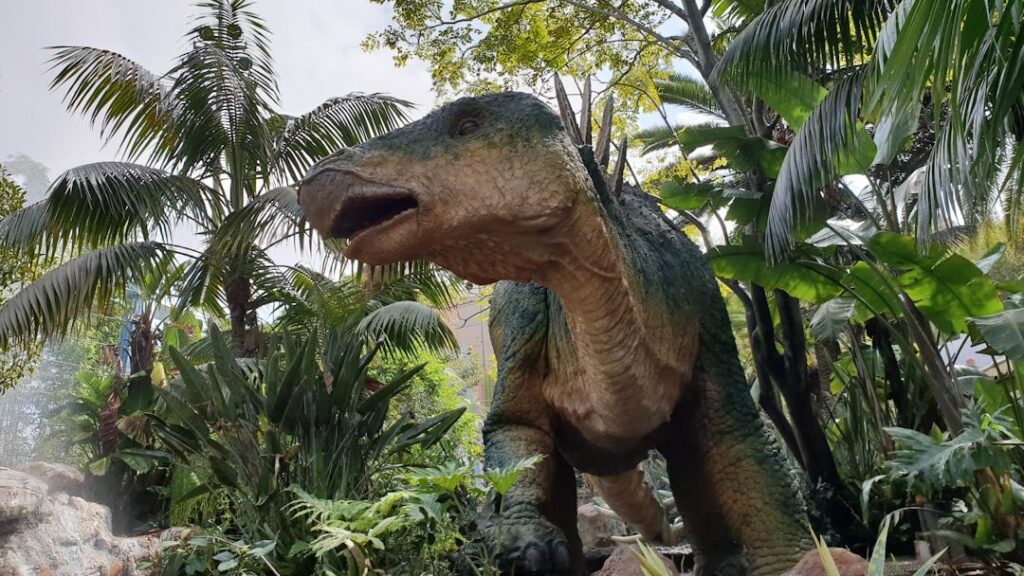
You tend to picture dinosaurs as the stars of their world, but the real engine of that ancient ecosystem was plants. Before any giant predator took a bite, something had to capture sunlight, build biomass, and turn raw chemistry into energy that could move, roar, and run. Those quiet, rooted organisms set the rules for who could live, grow, and dominate on land.
When you dig into prehistoric plants, you start seeing the dinosaur era very differently. Instead of a vague backdrop of “ferns and trees,” you find entire ancient forests engineered by strange plants that barely resemble what grows in your backyard. As you explore these ten key plant groups, you’ll see how they shaped dinosaur diets, body sizes, and even their evolution. It’s like switching on the lights in a world you thought you already knew.
Glossopteris Forests: The Green Engine of the Early Supercontinent
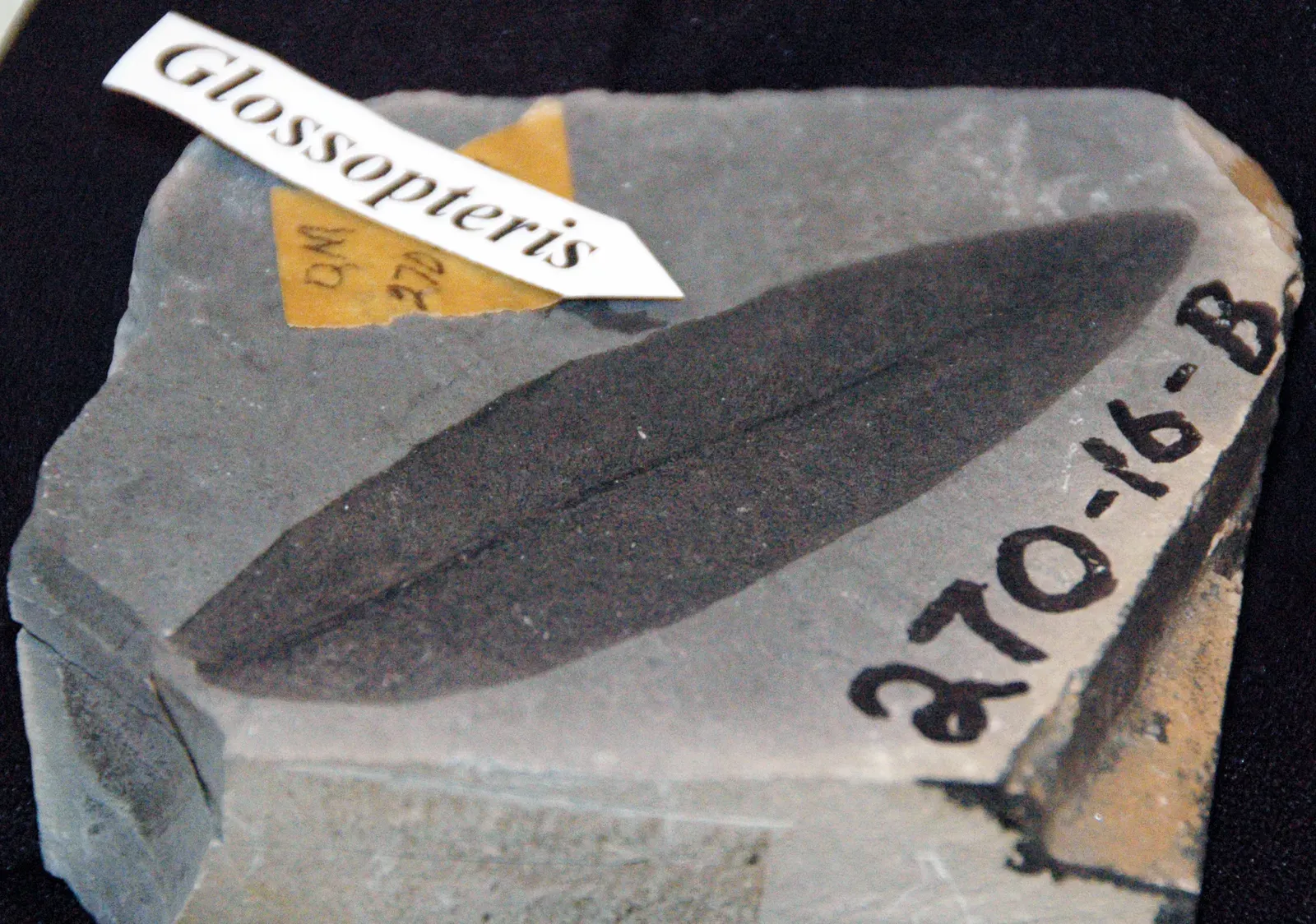
If you could stand on the ancient supercontinent Gondwana before dinosaurs really took off, you’d find yourself surrounded by forests dominated by a seed fern called Glossopteris. You’d see tongue-shaped leaves carpeting the ground, the air thick with organic scent, and peat-rich swamps slowly locking away carbon. These plants were not true ferns but seed-bearing plants with fern-like foliage, better adapted to cooler, seasonal climates than many of their neighbors.
You might not think of them as “fueling” dinosaurs because they mostly thrived before the classic Jurassic and Cretaceous giants appeared, but they set the stage. Glossopteris forests built deep, nutrient-rich soils and massive coal deposits that reshaped Earth’s climate over millions of years. When those forests declined after a major extinction at the end of the Permian, they left ecological vacancies that later plants – and eventually dinosaurs – rushed to fill. In a way, you can see Glossopteris as the foundation layer of the world dinosaurs inherited.
Clubmoss Giants (Lepidodendron and Relatives): Ancient Carbon Factories
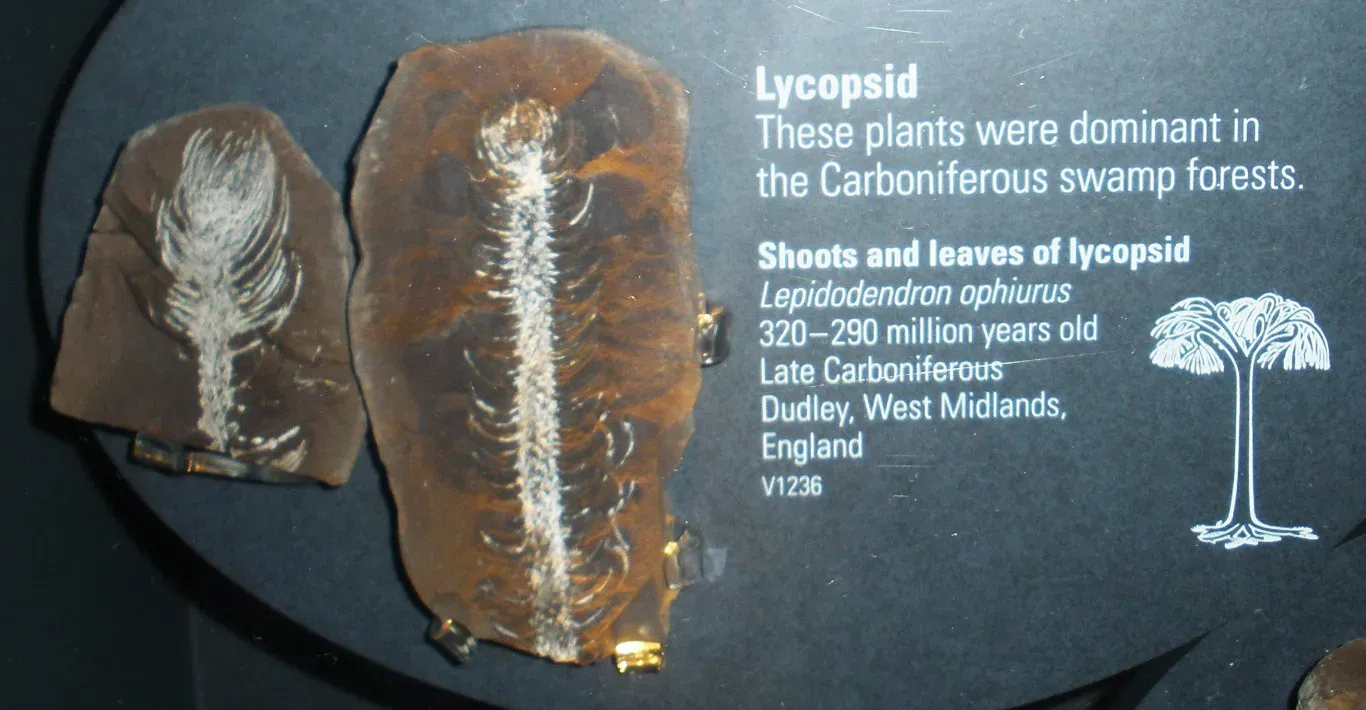
When you think of clubmosses today, you picture small, delicate plants creeping along forest floors. Now imagine them scaled up into towering trees, some rivaling modern pines in height. In the late Paleozoic, tree-sized clubmosses such as Lepidodendron formed dense swamp forests, especially in what would become North America and Europe. Even though they peaked before dinosaurs, their long shadow stretched into the Mesozoic world.
You benefit from these ancient clubmosses every time you flip a light switch or fill a gas tank, because their remains helped form much of the coal and fossil fuel reserves that later powered human civilization. For dinosaurs, these earlier forests altered atmospheric oxygen and carbon dioxide levels, influencing climate and habitability long before the first sauropod hatched. Understanding these giants gives you a sense of how deeply plants can rewrite planetary conditions, and how dinosaurs were really just the latest tenants in a house plants had been renovating for ages.
Cycads: The “Palm-Like” Staples of Dinosaur Diets
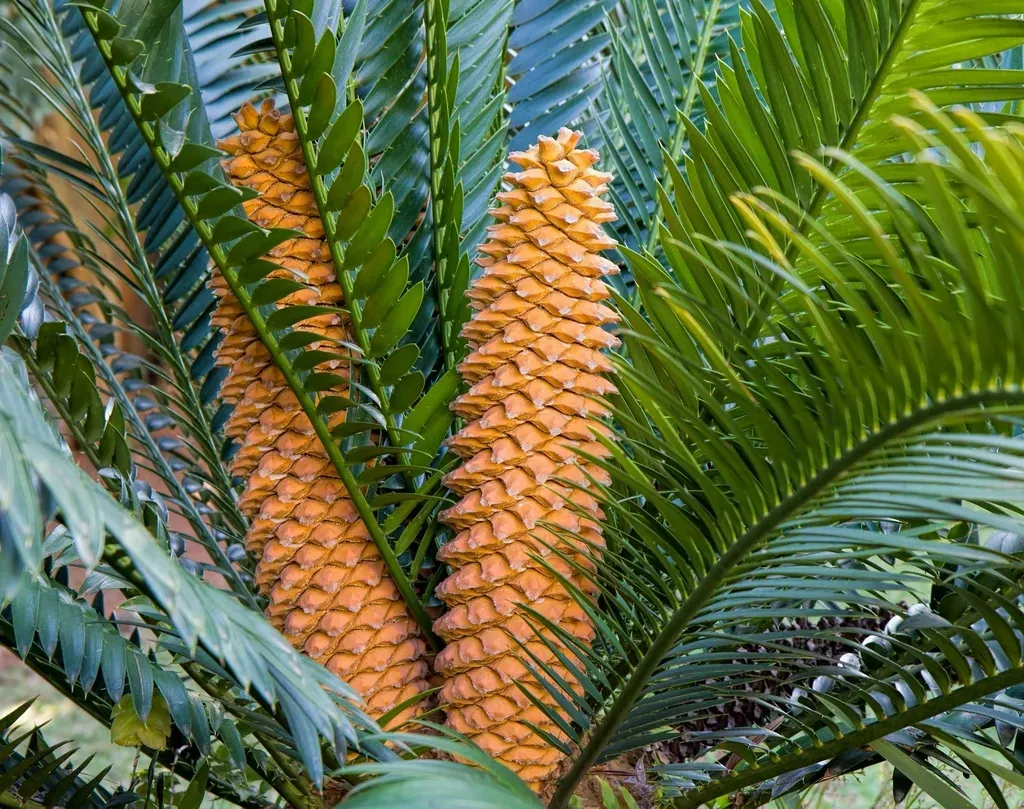
When you picture prehistoric plant life, you probably imagine short, sturdy plants with tough, radiating leaves that look like palms. Those are likely cycads, and you’d have seen them almost everywhere during the age of dinosaurs. They have thick, woody trunks, armored with old leaf bases, and a crown of stiff, leathery leaves built to survive heat, drought, and hungry mouths. Many paleontologists think that for herbivorous dinosaurs, cycads were as familiar as grass is to modern grazers.
You can still meet cycads today, especially in warm regions and botanical gardens, and that’s one of the wildest parts: you’re looking at living echoes of dinosaur food. Their seeds and fronds would have been heavily browsed, especially by medium to large herbivores that could handle fibrous, toxin-laced tissues. Some cycads produce chemicals that deter most modern animals, so you can imagine dinosaurs evolving complex digestive systems and gut microbes to handle them. When you see a fossil landscape thick with cycads, you’re basically seeing a prehistoric salad bar.
Bennettitales: The Lost “Flower-Like” Plants of the Mesozoic
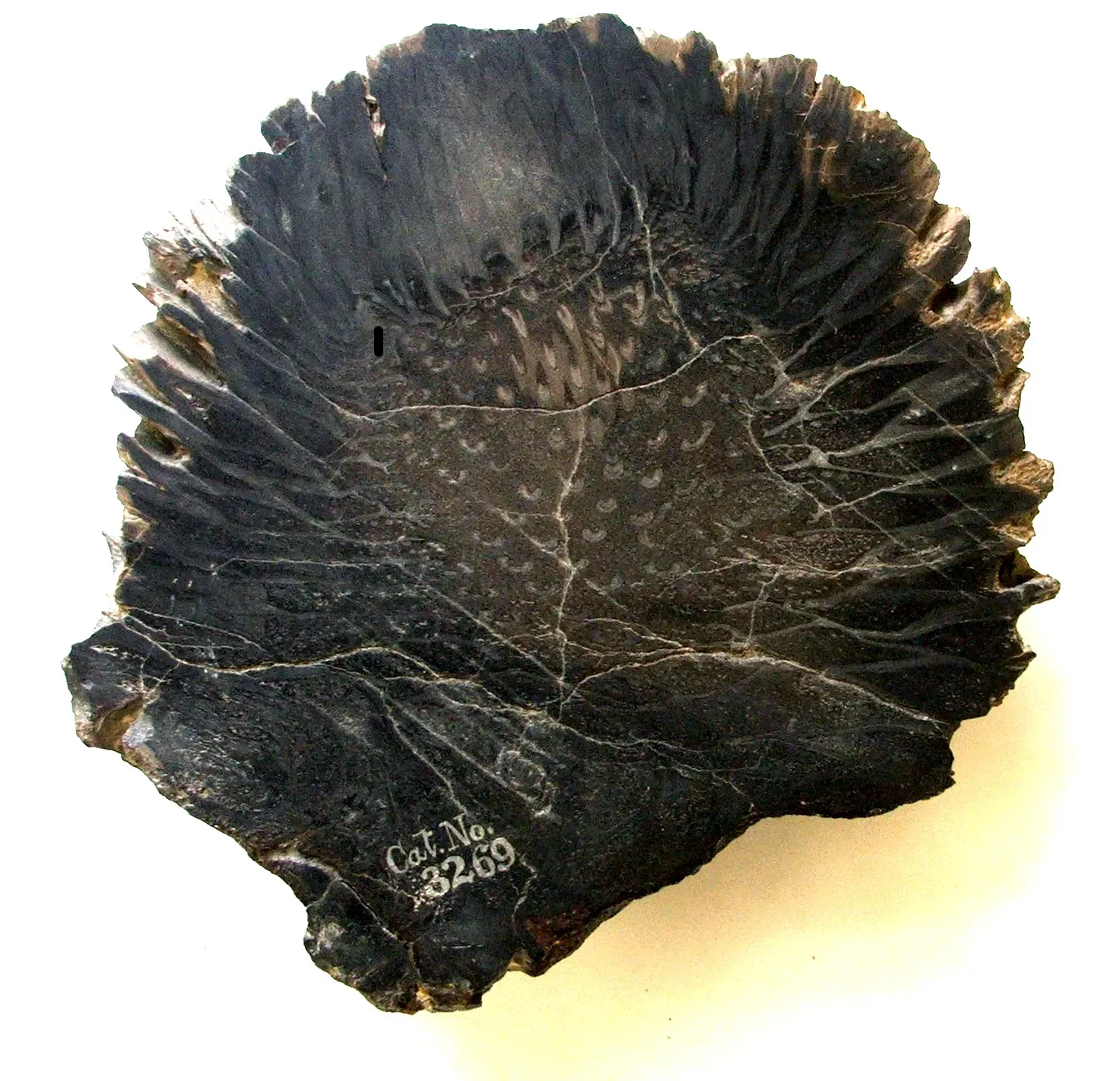
If you walked through a Jurassic plain, you’d probably notice plants that look eerily like small palms or cycads, but with complex, almost flower-like structures. Those are Bennettitales, an extinct group that dominated many Mesozoic landscapes before flowering plants took over. Their reproductive organs looked surprisingly intricate, with spiraled scales and bracts that some researchers think might have functioned a bit like flowers do today.
For you, Bennettitales are important because they show how evolution was already experimenting with “flower-like” ideas long before true angiosperms exploded in diversity. Herbivorous dinosaurs likely fed on their fronds and reproductive structures, gaining concentrated nutrients in the process. Some scientists have suggested that insect interactions with Bennettitales may have paved the way for the later success of flowering plants. Whether or not you buy every hypothesis, you can see them as prototypes in the grand workshop of plant evolution, feeding dinosaurs while hinting at the future.
Conifer Forests: The Backbone of Dinosaur Ecosystems
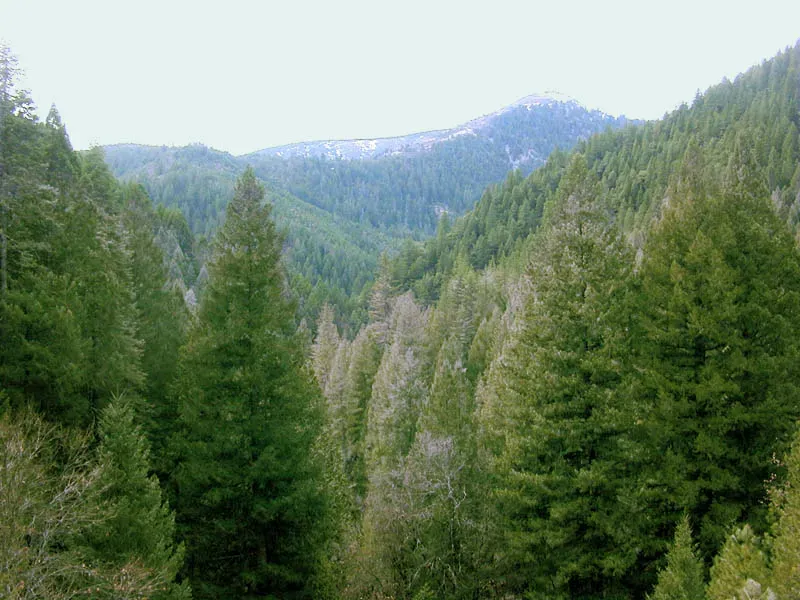
If you had to pick one plant group that truly , you’d probably choose conifers. Picture vast forests of tall, straight trees – relatives of modern pines, firs, and redwoods – stretching across continents in cool and warm climates alike. Their needle-like or scale-like leaves were built to conserve water, while their woody trunks locked away carbon and created vertical structure for entire ecosystems. Many famous dinosaur fossil sites preserve remains in what were once conifer-dominated regions.
You can imagine herds of giant sauropods moving through conifer forests, stripping branches, swallowing cones, and grinding tough foliage in massive guts that worked like industrial composters. Smaller herbivores likely nibbled lower branches, while predators patrolled along the edges and river corridors. Conifers also stabilized soils, influenced fire regimes, and created microhabitats for ferns, mosses, and early mammals. When you think of the “typical” dinosaur environment, a conifer forest is probably the single most accurate mental picture you can hold.
Tree Ferns: Shaping the Understory and Recovery Forests
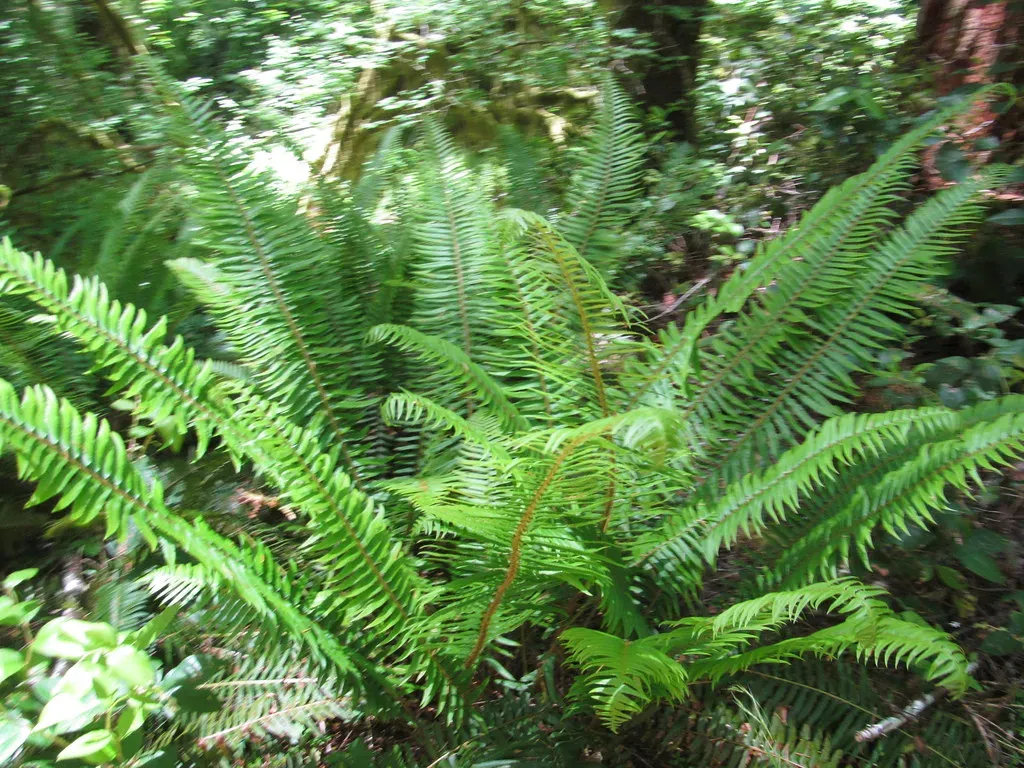
Imagine standing beneath a Jurassic canopy and looking around at shoulder- to head-high plants with slender trunks and giant, feathery fronds. Those are tree ferns, and they ruled the understory in many dinosaur-age forests. Unlike seed plants, they reproduce with spores, but their architecture can mimic small trees, giving the landscape a layered, almost tropical feel. When you see artistic reconstructions of dinosaurs pushing through lush, humid greenery, tree ferns are often a big part of that scene.
You would have seen tree ferns quickly colonize disturbed areas after volcanic eruptions, landslides, or fires, acting as first responders in damaged ecosystems. This made them crucial for herbivorous dinosaurs that relied on fast-growing foliage in recovering landscapes. Their fronds offered a reliable, renewable food source at a height reachable by juveniles and smaller species. In a sense, tree ferns helped smooth out the ecological bumps, filling gaps and stabilizing habitats so dinosaur populations could bounce back after environmental shocks.
Horsetails (Equisetales): Tough Green Straws of the Swamps
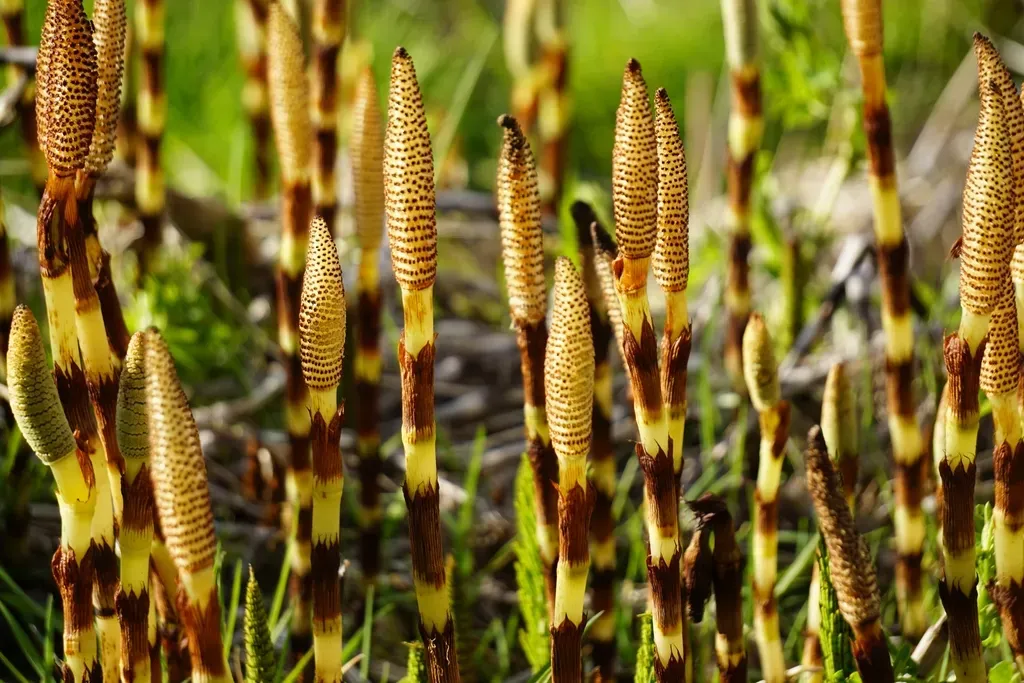
When you walk along a wet riverside today and spot stiff, jointed green stems that look like segmented drinking straws, you’re probably seeing horsetails. During much of Earth’s past, especially before and during the age of dinosaurs, horsetails were far more widespread and, in some cases, larger. They thrived in floodplains, riverbanks, and marshy areas, exactly the kinds of places where dinosaur tracks and bones often end up preserved.
You need to imagine large herbivores tramping through soggy ground, snapping these silica-rich stems and munching them along with other low vegetation. Horsetails can tolerate poor soils and heavy disturbance, so they bounced back quickly after trampling or flooding, making them a steady resource. Their tough texture and high mineral content likely demanded robust teeth and guts, shaping which dinosaurs could specialize in these habitats. Whenever you picture a dinosaur crossing a muddy riverbank, horsetails should be part of the mental scenery under its feet.
Ginkgoes: Living Fossils in a Dinosaur World
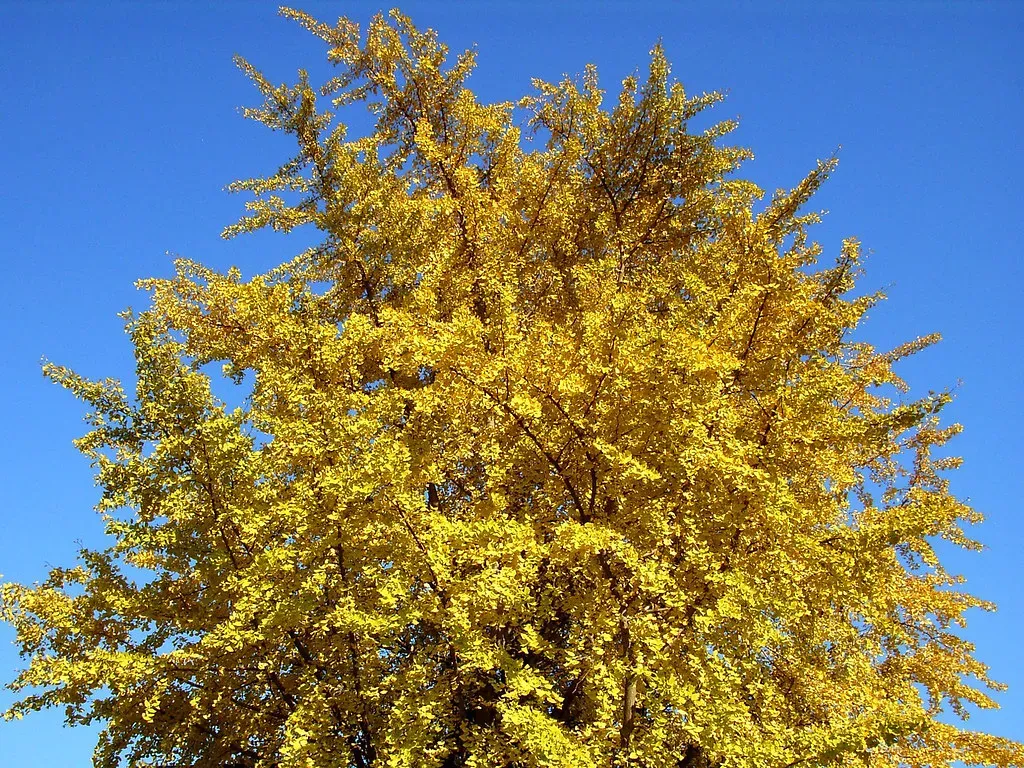
If you have ever seen a ginkgo tree lining a city street, with its fan-shaped leaves turning brilliant yellow in autumn, you’ve already met a piece of the dinosaur era. During the Mesozoic, ginkgo relatives were much more diverse and widespread, forming groves and scattered stands across temperate regions. Their leaves, seeds, and branching patterns show up clearly in fossils, making them one of the most recognizable prehistoric plant lineages.
You can imagine herbivorous dinosaurs browsing on ginkgo foliage and seeds, just as some animals do today. The trees’ resilience to pollution, poor soils, and changing conditions hints at why they survived major extinctions that wiped out so many other lineages. When flowering plants began to expand, ginkgoes held on in their niches rather than disappearing completely. So every time you walk under a modern ginkgo, you’re sharing space with a survivor that once fed and shaded dinosaurs in landscapes that feel almost impossibly distant in time.
Early Flowering Plants: Quietly Rewiring Dinosaur Diets
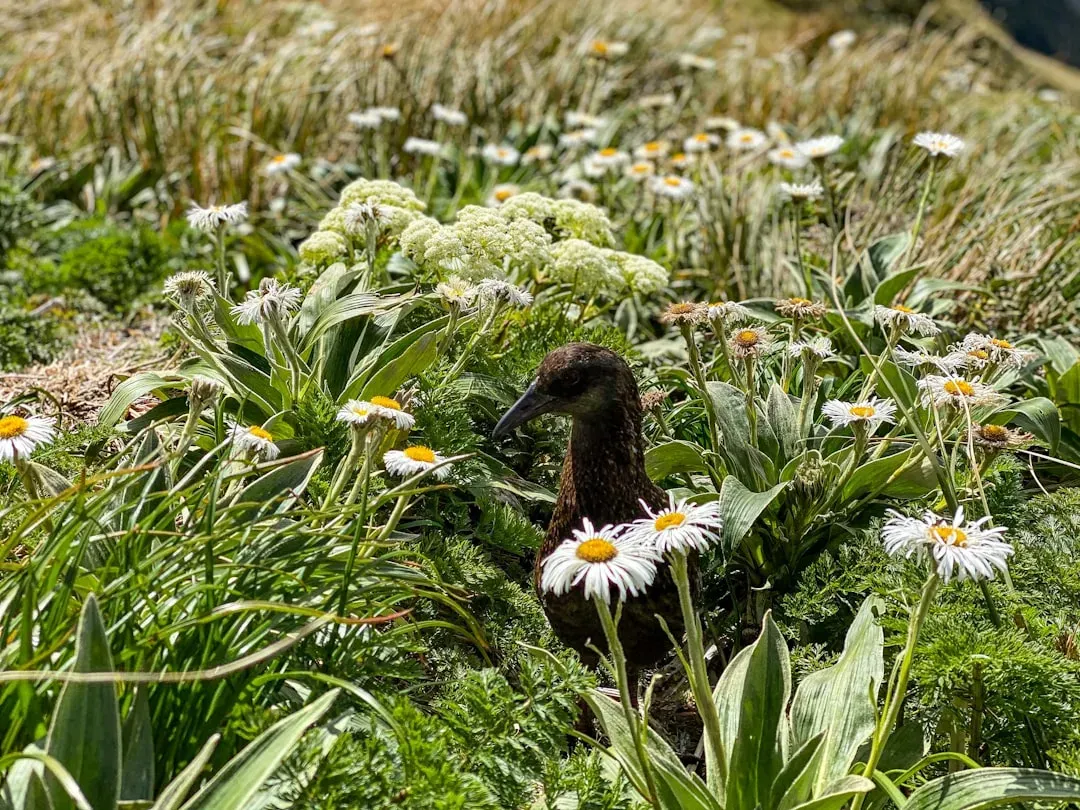
Early in the dinosaur story, flowering plants were either absent or rare background players. But by the mid to late Cretaceous, you would have started noticing something different along riverbanks, lakes, and disturbed soils: plants with broader leaves, faster growth, and more varied forms. These were early angiosperms, the ancestors of the flowering plants that now dominate Earth’s terrestrial ecosystems. They were smaller than many conifers and cycads but much quicker to colonize open ground.
You might underestimate them at first glance, but these plants slowly rewired dinosaur diets and behaviors. Faster-growing leaves and nutrient-rich tissues gave herbivores new options, especially smaller and medium-sized species that could take advantage of patchy, high-quality forage. Insects began forming tighter relationships with these plants, and that insect boom likely influenced the entire food web, including small dinosaur species that preyed on bugs. By the time non-avian dinosaurs went extinct, flowering plants had already won the long game, reshaping the future that birds and mammals would inherit.
Seed Ferns (Pteridosperms): The Transitional Titans of Ancient Flora
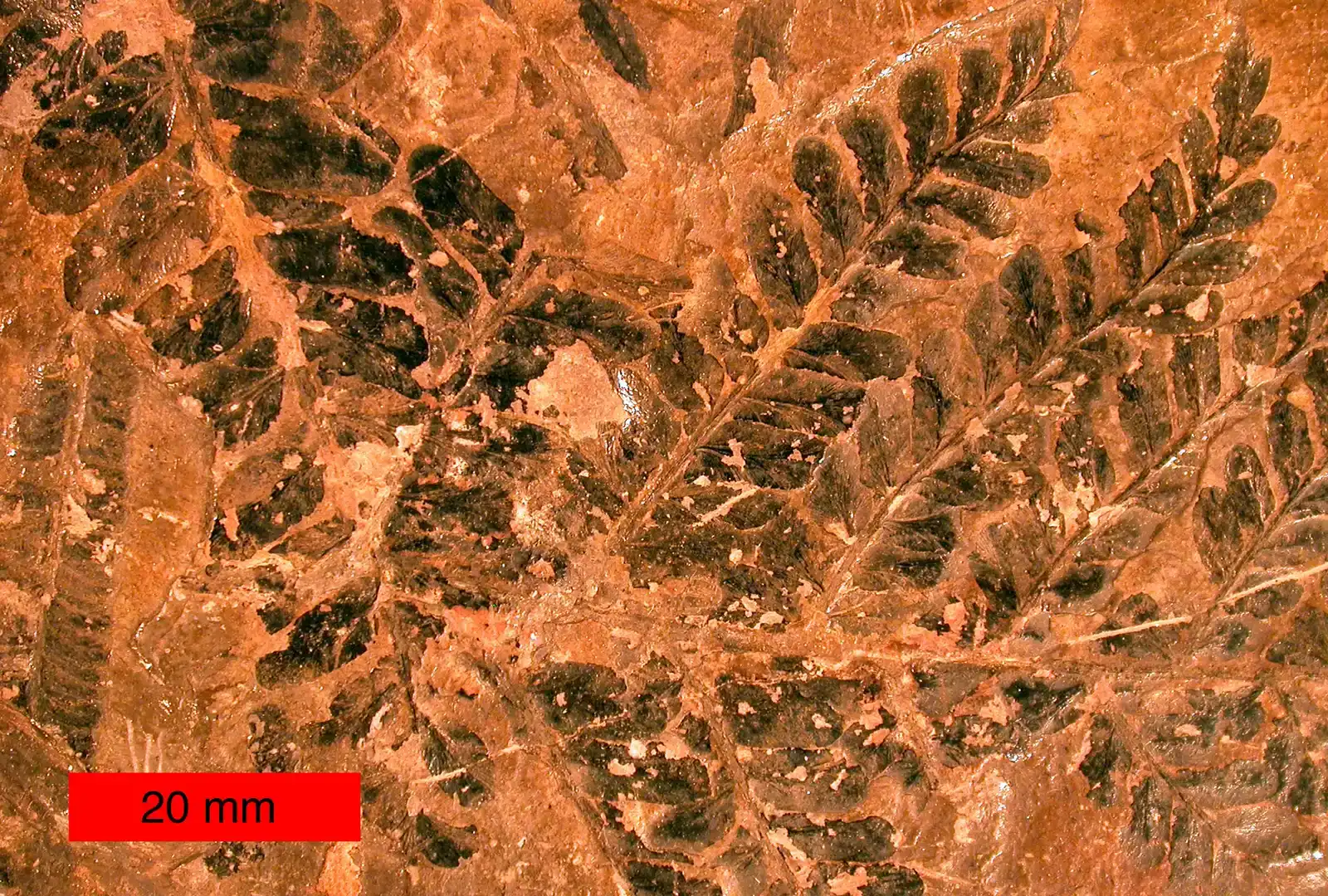
To understand how dinosaur-age plants evolved, you need to appreciate seed ferns, a now-extinct group that blended traits of both ferns and seed plants. Imagine fern-like fronds, but with seeds rather than spores as their primary reproductive units. These plants were especially abundant before and during the early rise of dinosaurs, filling forests and swampy lowlands with frondy, tangled growth. They thrived in the late Paleozoic and early Mesozoic, then gradually gave way to more modern seed plants.
You can see seed ferns as a kind of evolutionary bridge that helped set up the plant world dinosaurs knew. Their wood, leaves, and seeds offered varied food sources and microhabitats, while their sheer biomass shaped soil formation and nutrient cycling. Herbivorous reptiles that predated dinosaurs likely relied heavily on them, creating body plans and digestive strategies that dinosaurs would later refine. Even though you cannot walk up to a seed fern today, their influence lingers in the deep history of how plants learned to package and protect embryos on land.
Cheirolepidiaceae: The Strange Conifers of Harsh Dinosaur Habitats
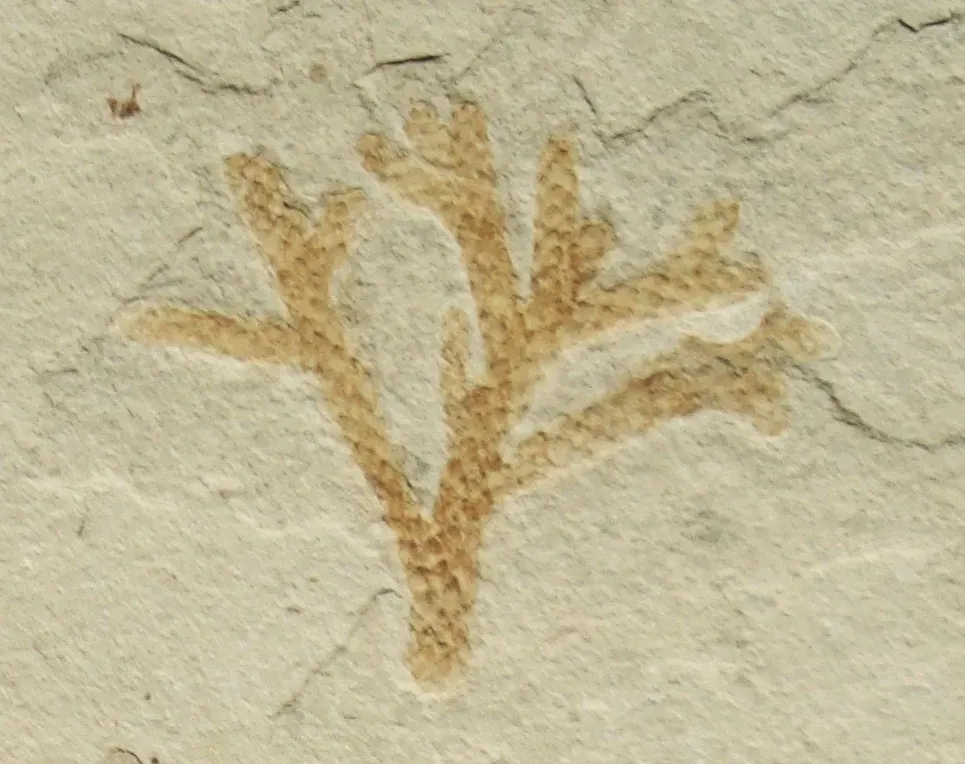
When you picture conifers, you usually think of pine forests in cool mountains or temperate zones, but the dinosaur world included a far stranger conifer family called Cheirolepidiaceae. These plants often lived in hot, dry, or salty environments, bearing scale-like leaves and sometimes shedding copious pollen that now appears in fossil records worldwide. You might have seen them as scrubby trees or small forests in coastal plains, flood basins, or semi-arid interiors where other plants struggled.
You can imagine certain dinosaurs, especially those adapted to tougher, more seasonal diets, turning to these conifers as reliable green matter when other vegetation withered. By stabilizing soils and offering shade and structure, they helped create marginal habitats that still supported diverse life. Their eventual extinction opened ecological space that later plants filled, but during their heyday, they were crucial for keeping some dinosaur landscapes alive on the edge. When you think about resilience in harsh conditions, these odd conifers deserve a spot in your mental gallery.
Conclusion: Seeing Dinosaurs Through the Plants That Fed Them
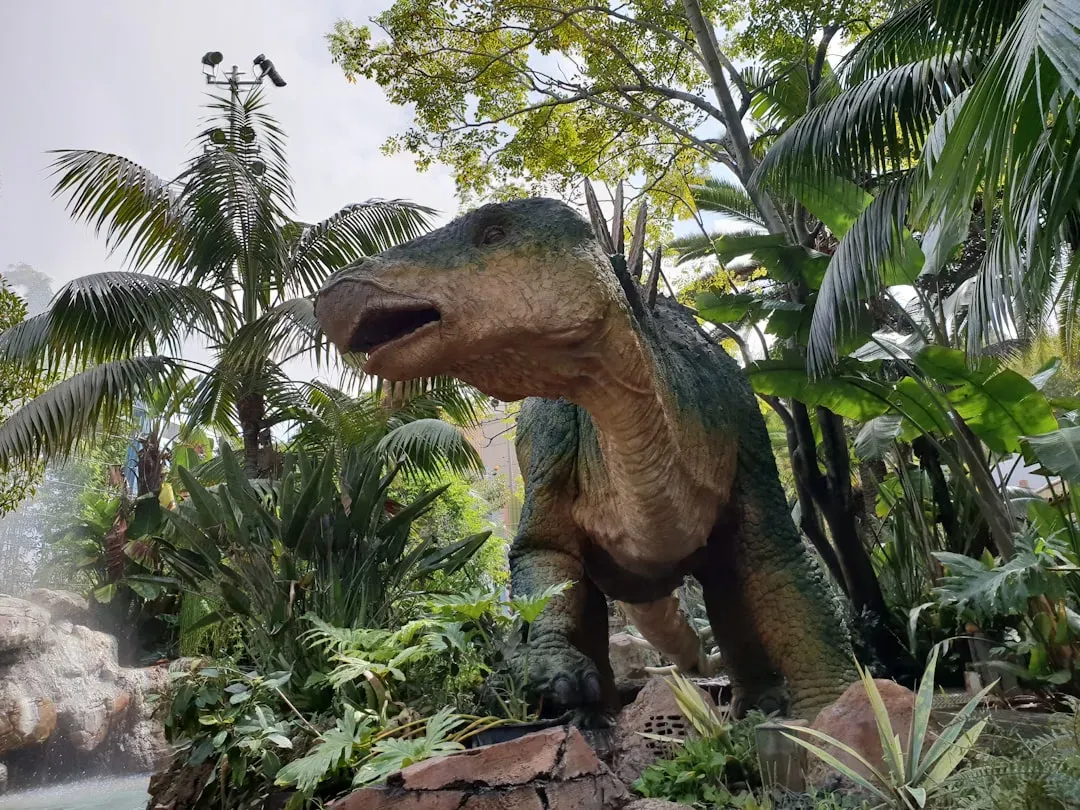
Once you start seeing the age of dinosaurs through its plants, the whole story changes for you. Dinosaurs stop being isolated monsters in empty space and become part of deeply interconnected forests, swamps, and floodplains built by conifers, cycads, ginkgoes, horsetails, and many more quiet architects. You start to realize that the energy that moved every giant tail and thundered through every footstep began as sunlight captured by leaves and locked into living tissues.
When you walk through a pine forest, pass a ginkgo on the street, or notice a cycad in a garden, you’re brushing up against that deep history. The descendants or analogs of dinosaur-era plants are still all around you, shaping climate, feeding animals, and structuring entire habitats, just as they did millions of years ago. If you let that sink in, the world you move through every day starts to feel older, richer, and more connected than it first appears. Next time you imagine dinosaurs, will you picture the plants first?