If you grew up thinking every dinosaur was just a giant, sharp-toothed eating machine, you’re about to have that picture completely rearranged. When you look closely at their skulls, teeth, and even the contents of fossilized stomachs and droppings, you start to see something surprising: dinosaurs were not all doing the same thing at mealtimes. They carved out different roles in their ecosystems, almost like a bustling food court where every stall served something different.
By digging into those details, you discover that dinosaur diets ranged from fern-munching specialists to picky seed-crackers, from slow-moving leaf-strippers to lightning-fast fish snatchers. You also see how their feeding habits helped them avoid stepping on each other’s toes – literally and figuratively. Once you start recognizing those patterns, the prehistoric world feels less like a monster movie and more like a complex, living community where what and how you eat could decide whether your species thrived or vanished.
How You Can Read a Dinosaur’s Menu from Its Teeth
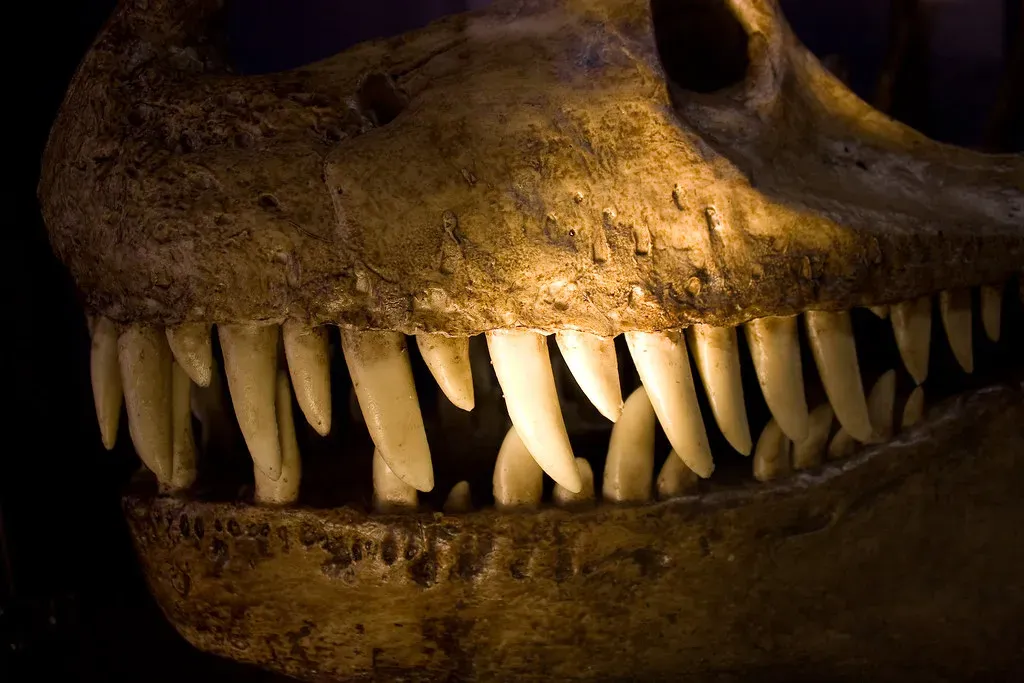
If you learn to look at dinosaur teeth the way a mechanic looks at tools, you suddenly get a direct line into what they were eating. Long, blade-like, serrated teeth tell you an animal was slicing flesh, a bit like a row of steak knives arranged along the jaw. Broad, peg-like or leaf-shaped teeth with ridges point you toward a plant-based diet, built more for clipping and grinding than tearing. Even the size and spacing of the teeth can give away whether a dinosaur was crunching hard materials or gently nipping soft leaves.
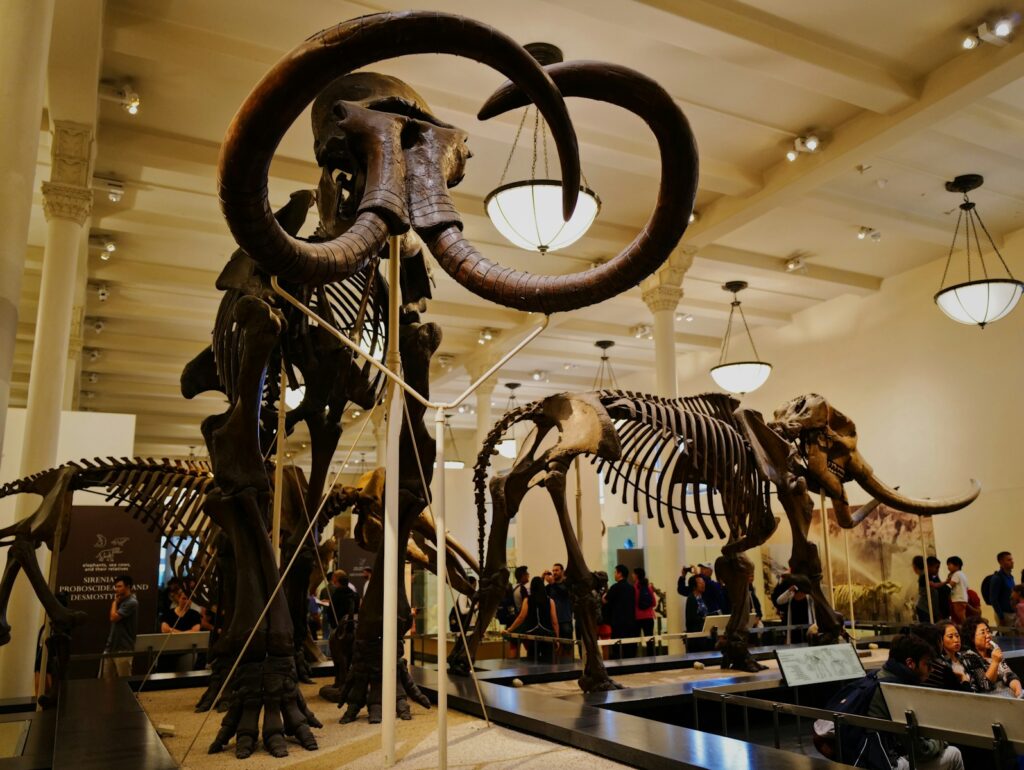
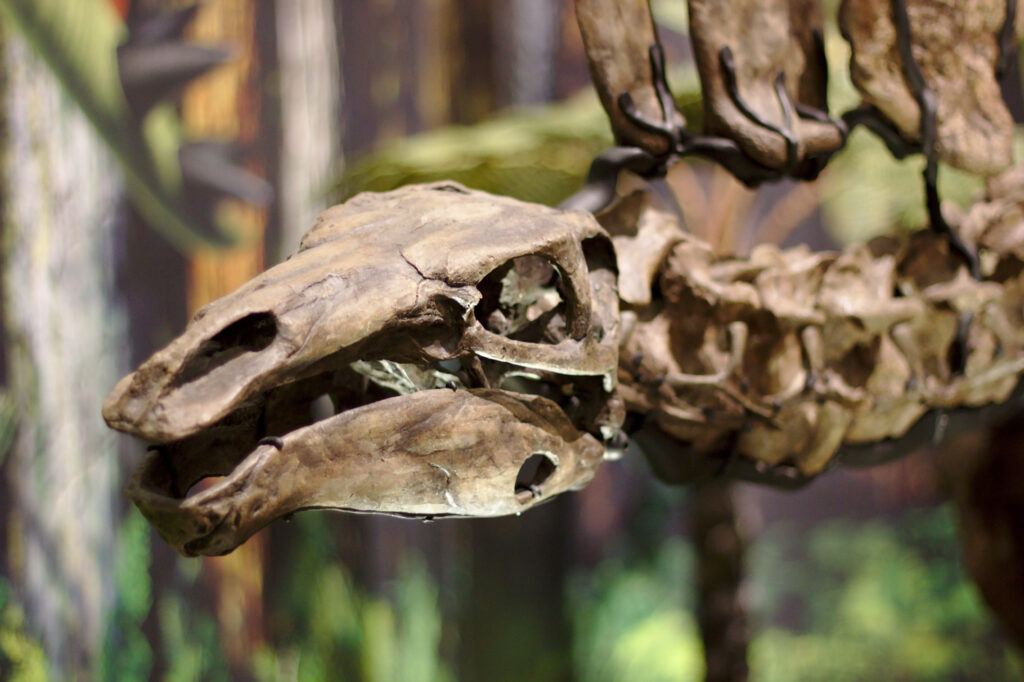
You can also spot more subtle dietary tricks. Some herbivorous dinosaurs had batteries of tightly packed teeth that constantly wore down and were replaced, letting them process tough, abrasive plants the way modern grazing animals do. Others had fewer, more specialized teeth suited to plucking or shredding specific parts of plants. Once you get the hang of this visual language, you can glance at a reconstructed skull in a museum and start piecing together what that dinosaur likely ate, even without a single written record from the Mesozoic.
Plant-Eating Giants Were Not All Eating the Same Plants
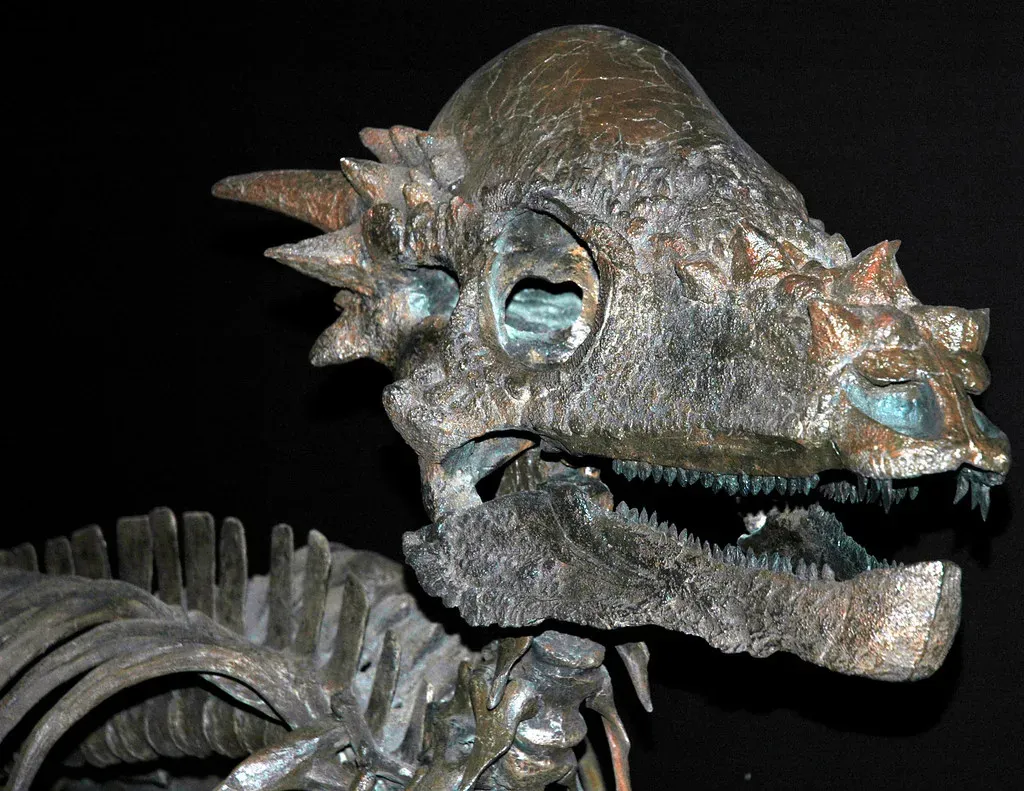
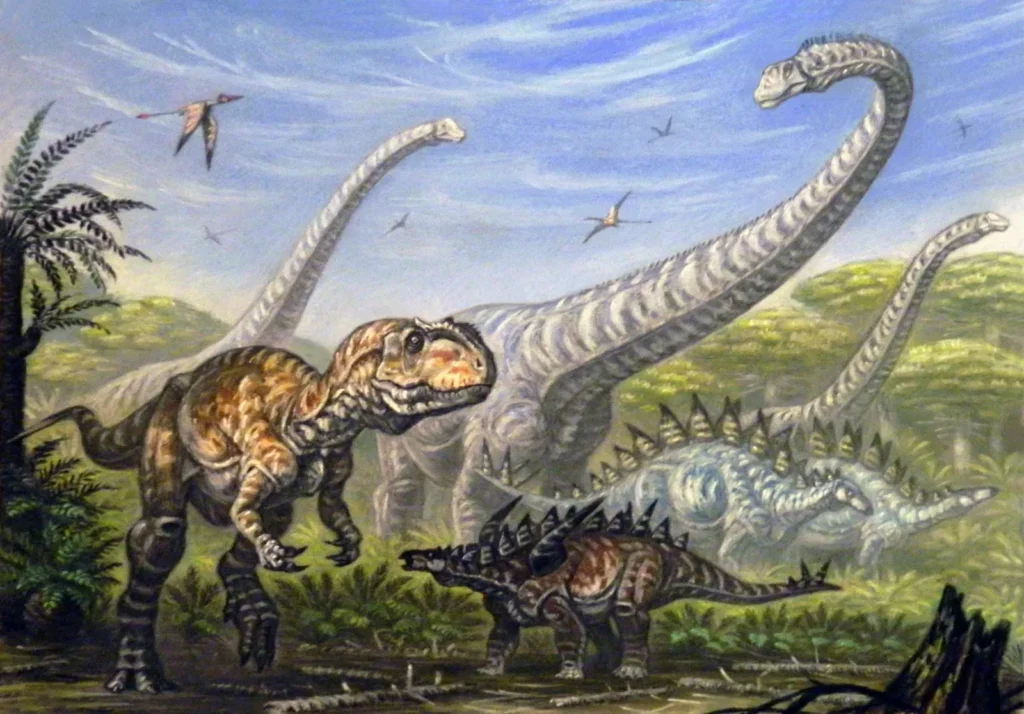
When you look at big plant-eating dinosaurs, it’s tempting to lump them together as generic leaf-eaters, but their bodies tell a more nuanced story. Some, with long necks and simple peg-like teeth, were probably stripping foliage from high branches, treating treetops like an endless salad bar. Others, with shorter necks and more complex chewing surfaces, stayed closer to the ground, focusing on low shrubs, cycads, or ferns. By dividing up the plant buffet this way, they could share the same habitat without constantly competing for exactly the same mouthfuls.
You also notice differences in jaw power and bite mechanics that hint at more specialized plant diets. Certain dinosaurs had jaws built for powerful, repetitive chewing, ideal for tough, fibrous vegetation that was hard to break down. Others had quicker, snipping motions that worked better on softer, more easily digested plant parts like young leaves or certain seeds. When you line all those features up, it becomes clear that herbivorous dinosaurs created layers of feeding niches, from ground-level browsers to mid-canopy nibblers to towering high-reach specialists.
Carnivores Crafted Very Different Hunting and Feeding Strategies
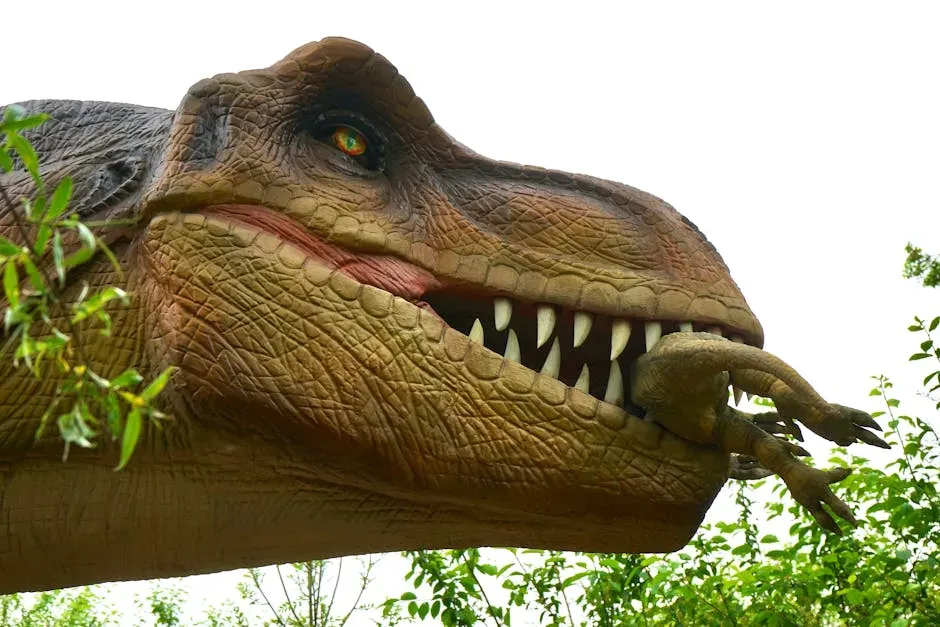
If you just imagine carnivorous dinosaurs as oversized versions of the same predator, you miss how finely tuned many of them were to specific prey and hunting methods. Some had deep, robust skulls and thick teeth designed to bite hard and hold on, traits that suit a predator tackling large, struggling victims. Others had narrower, more lightly built skulls with finely serrated blades, better suited to making quick slashing bites or stripping flesh from carcasses instead of wrestling something massive to the ground.
Even among meat-eaters, jaw shape, limb proportions, and neck structure hint that certain species might have specialized in particular types of prey: fast-moving animals, smaller dinosaurs, or even carcasses left behind by other hunters. Some skulls show adaptations that allowed wide gapes and bone-crushing bites, while others point toward more delicate feeding, perhaps picking at softer tissues or targeting specific parts of the body. You start to see carnivorous dinosaurs not as a single category, but as an entire spectrum of feeding styles, each tuned to different roles in the food web.
Omnivores and Opportunists Filled the Gaps in the Food Web
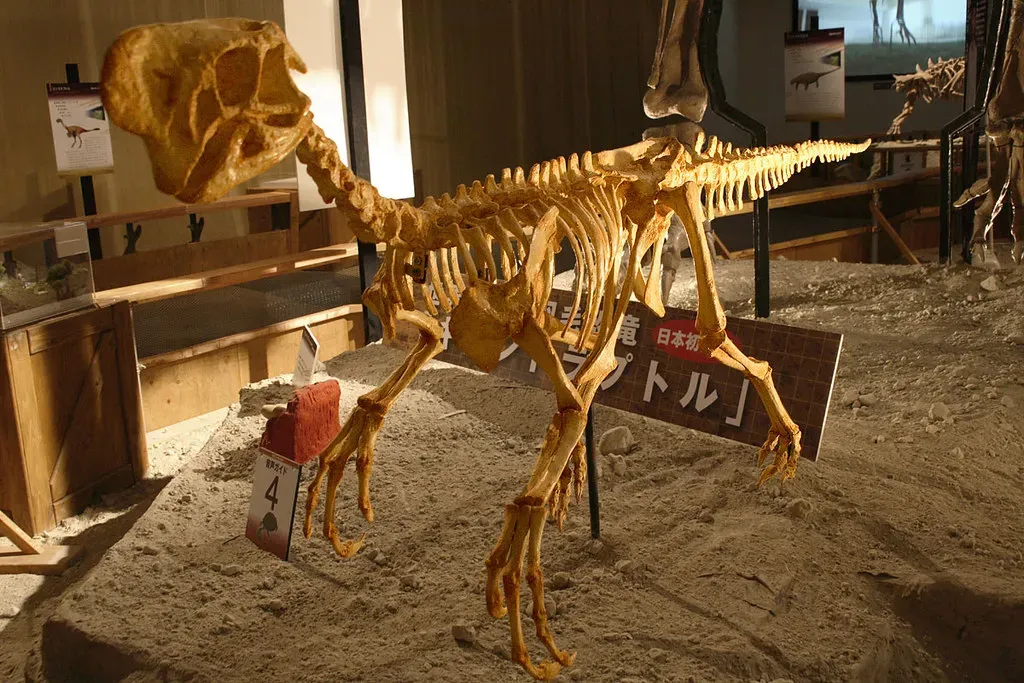
Not every dinosaur sat neatly on one side of the herbivore–carnivore divide, and that gray area is where things get especially interesting. Some dinosaurs show a mix of traits that suggest a more flexible menu: teeth that could handle both plant material and softer animal tissues, or body sizes suited to scavenging leftovers and snatching smaller prey when the chance arose. When you think of them this way, you can picture certain species acting like the raccoons or crows of their time, exploiting whatever food sources were available.
Stomach contents and fossilized droppings sometimes reveal plant bits alongside animal remains for these more adaptable feeders, reinforcing the idea that they were not picky. This kind of dietary flexibility could have been a survival advantage in unstable environments, where the supply of any single food source might swing wildly. By not locking themselves into one strict diet, these omnivorous or opportunistic dinosaurs could slip into overlooked niches, clean up scraps, and make use of resources that others ignored or could not process.
Beaks, Jaws, and Feeding Tools That Look Surprisingly Familiar
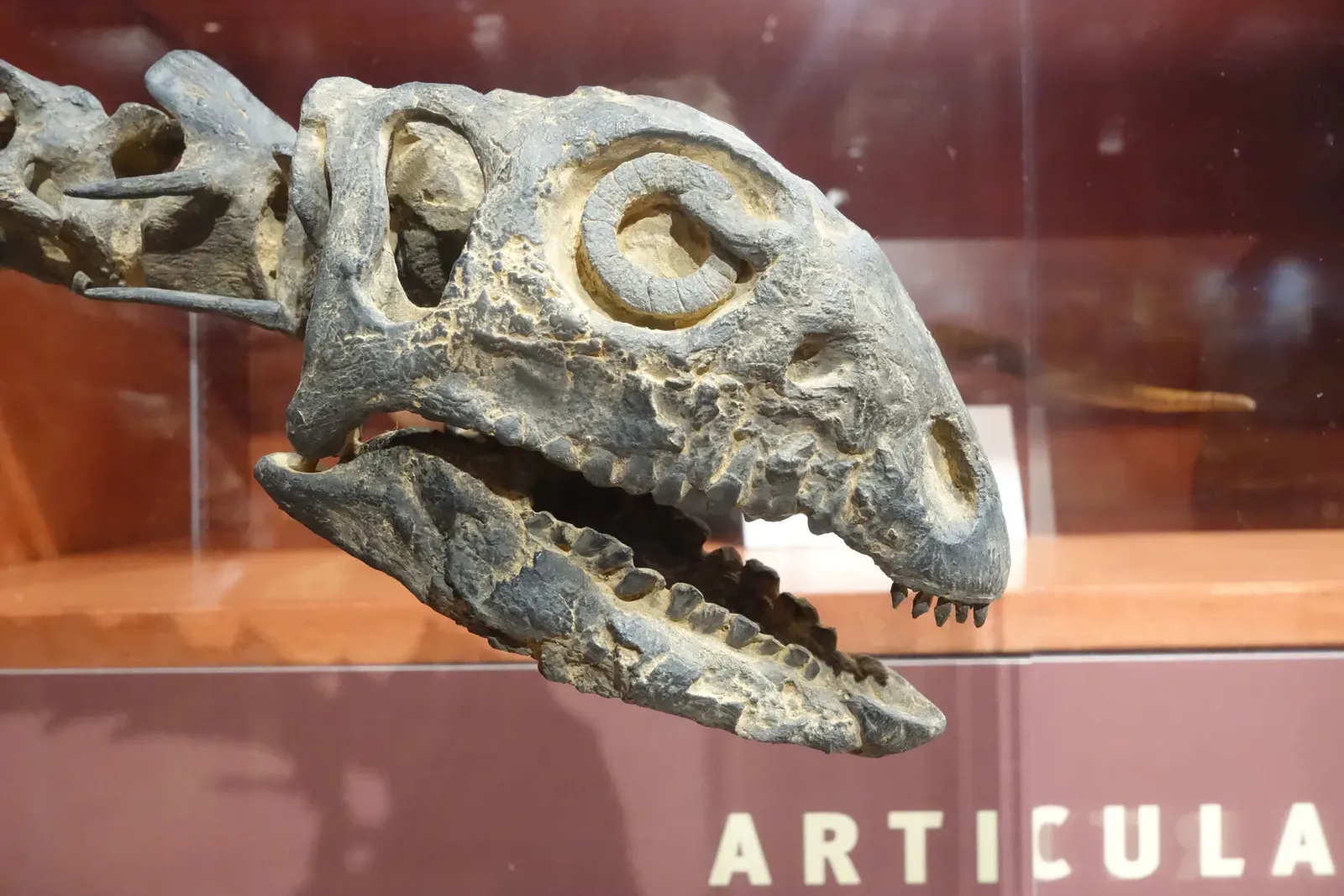
When you pay attention to dinosaur beaks and jaws, you start recognizing patterns you already know from modern animals. Some small plant-eating dinosaurs had sharp, parrot-like beaks at the front of the mouth, perfectly shaped for snipping stems or cracking into tough seeds. Behind those beaks, they might have had specialized cheek teeth arranged in rows, acting like built-in grinders or shears that let them process their food more thoroughly before swallowing.
This combination of beak plus chewing surface suggests a level of precision more like modern birds and mammals than you might expect from a reptile. You see hints that some dinosaurs selected particular plant parts, stripped bark, or dug into fibrous structures others could not access. Once you frame those adaptations in your mind, you can walk through a fossil hall and immediately start grouping species by their feeding tools, spotting seed specialists, generalist grazers, and selective browsers the same way you might categorize living animals in a nature documentary.
Evidence from Fossil Stomachs and Droppings Gives You Direct Clues
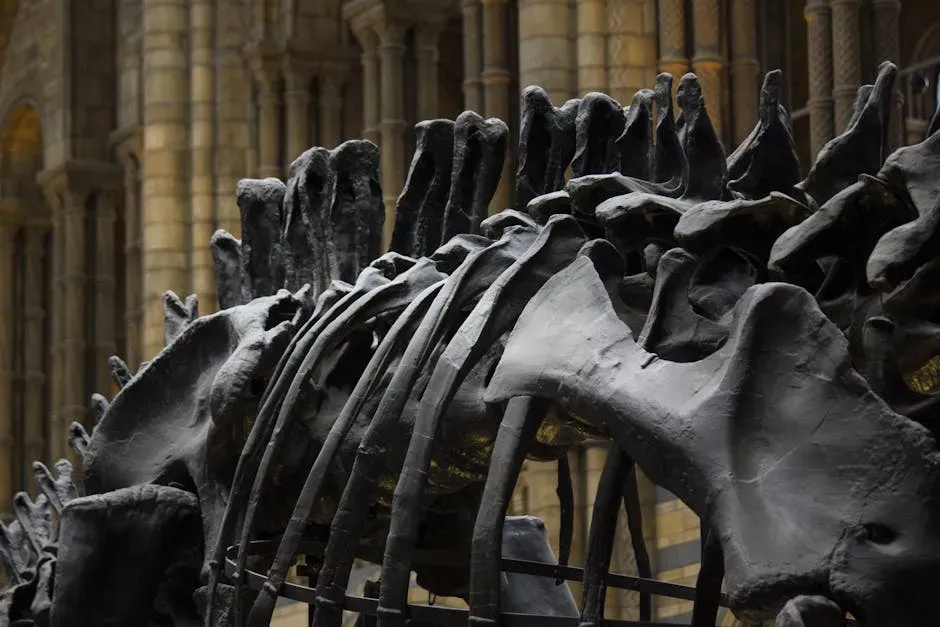
Teeth and jaws tell you what a dinosaur could eat, but fossilized stomach contents and droppings show you what at least some of them actually did eat. In rare cases, you can see preserved plant fragments, fish remains, or pieces of bone inside the rib cage area, giving you a snapshot of the dinosaur’s last meal. When you study those remains closely, you often find specific plant types, seed coatings, or bits of invertebrates that point toward surprisingly varied diets.
Fossil droppings, especially from plant-eaters, can reveal how well food was processed and what kinds of vegetation passed through the digestive system. You might notice coarse plant fibers indicating relatively simple processing, or finely broken-down material suggesting more complex chewing and digestion. While this kind of evidence is patchy and rare, every example adds another piece to your picture of dinosaur feeding diversity, confirming that they were not just eating in theory – they were actively working through a broad range of real, living food.
Dietary Diversity Helped Dinosaurs Share Space and Survive Change
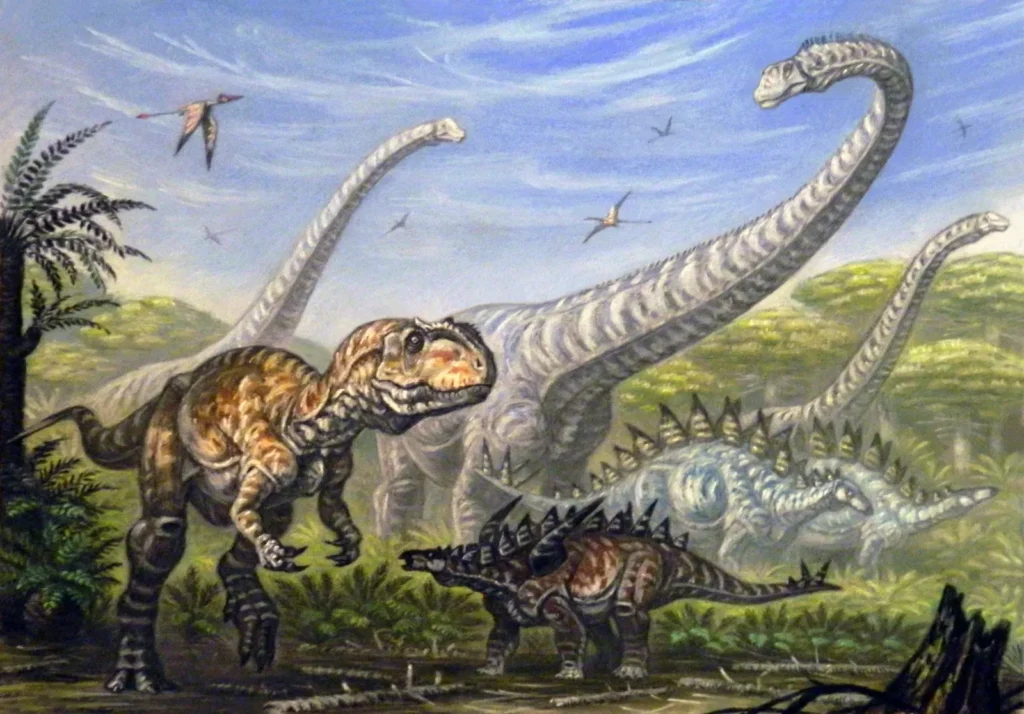
When you step back and look at all these feeding strategies together, you start to see how dietary diversity helped dinosaurs coexist in crowded ecosystems. By tuning their teeth, jaws, necks, and even gut systems to different foods, they could live side by side without endlessly fighting over the same resources. One species might take leaves from the forest canopy, another from the understory, while a third focused on seeds or fruits, with carnivores and omnivores weaving around them, targeting different prey or leftovers.
That same diversity probably helped some groups weather environmental shifts better than others. If you imagine a drought, a plant disease, or a landscape reshaped by volcanic activity, species with narrow, highly specialized diets would be at higher risk when their particular food source vanished. Others, especially those with more flexible or varied diets, might adapt by switching to different plants or prey. Recognizing this pattern helps you see dinosaur evolution not as a straight line of bigger teeth and stronger jaws, but as a long, dynamic experiment in how to make a living from whatever the ancient Earth put on the table.
When you piece all of this together, you realize dinosaur life was defined as much by what went into their mouths as by the size of their claws or the length of their tails. Every specialized tooth row, every oddly shaped beak, and every fossilized meal tells you that these animals were not generic giants, but finely adapted feeders plugged into complex, shifting ecosystems. Next time you stand in front of a dinosaur skeleton, you can ask yourself a more interesting question than simply how big it was: you can wonder exactly what it was doing at dinnertime. What kind of prehistoric menu do you think you would have fit into?