If you grew up picturing dinosaurs as slow, scaly monsters lumbering through steaming swamps, you’re not alone. But as new fossil sites keep turning up around the world, that old mental image gets chipped away, bone by bone. You’re now living in a moment when your entire understanding of dinosaurs can change because of a single hillside in China, a windswept cliff in Patagonia, or a construction site in Europe.
Every few months, another site delivers something that forces you to rethink what you thought you knew: feathered giants where you expected bare skin, social nesting grounds where you expected loners, icy habitats where you assumed tropical jungles. Instead of a finished story, dinosaur science is starting to feel more like a constantly updated documentary that you’re watching in real time. And those new fossil sites are the camera crews.
Why New Fossil Sites Matter More Than You Think
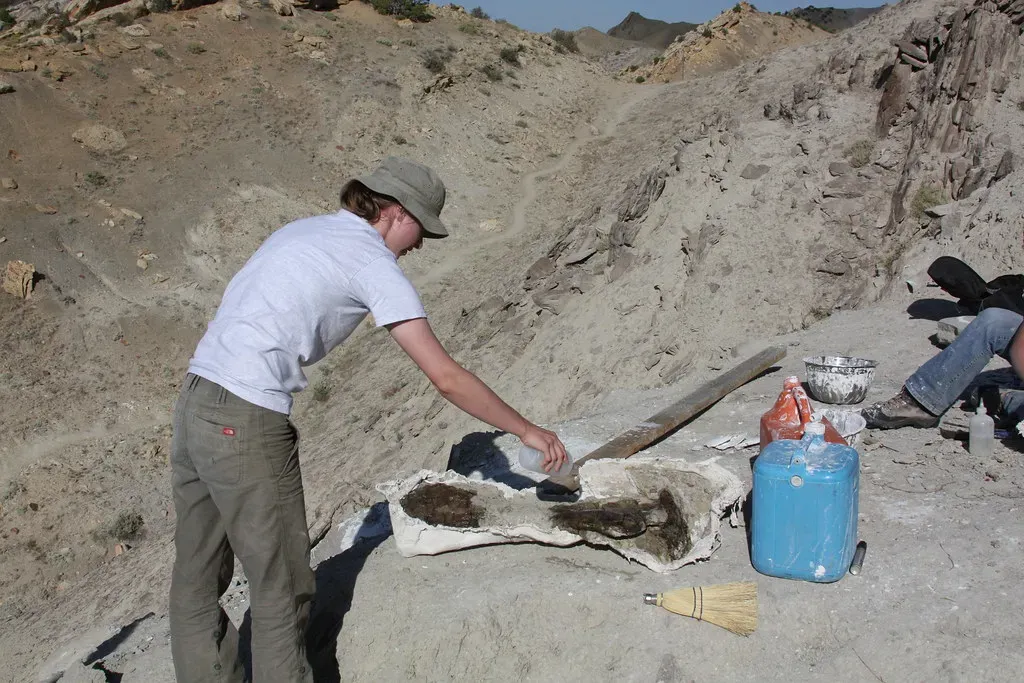
When you hear about a “new fossil site,” it might sound like just another dot on a map for paleontologists to nerd out over. But for you, each of those dots is basically a new chapter in the dinosaur story, one that can rewrite what you were taught in school. A single quarry can reveal a species no one has ever seen before, a growth stage scientists did not know existed, or even a behavior that was only guessed at until now.
You can think of the fossil record as a book where nearly all the pages are missing, torn out by time, erosion, and sheer bad luck. Every new site is like finding a small bundle of pages that suddenly connect scenes you thought were unrelated. With each discovery, your picture of dinosaurs gets a bit less fuzzy – how they moved, how they raised their young, how they survived in deserts, forests, and even polar regions you never imagined them in.
From Classic Quarries to Brand-New Hotspots
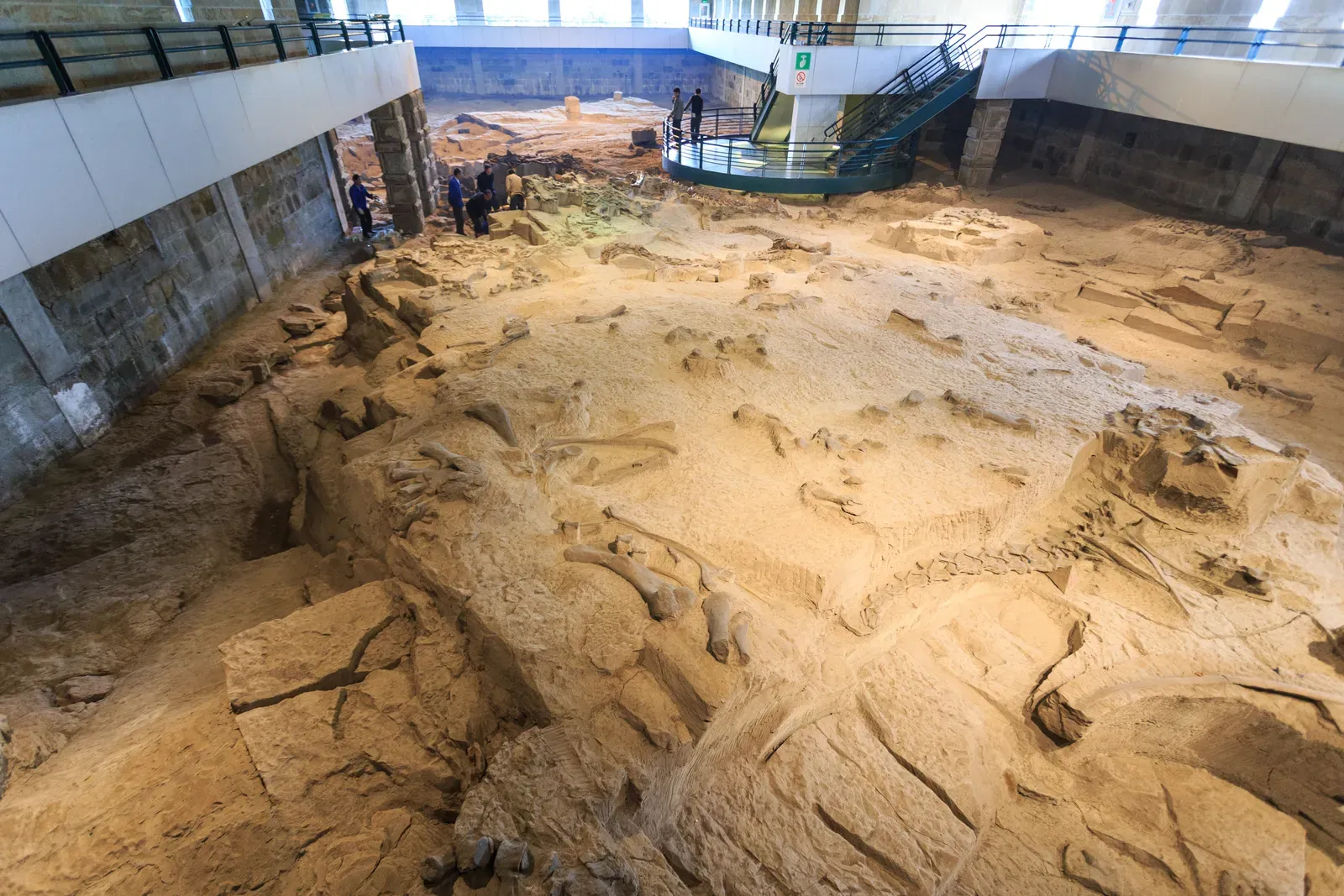
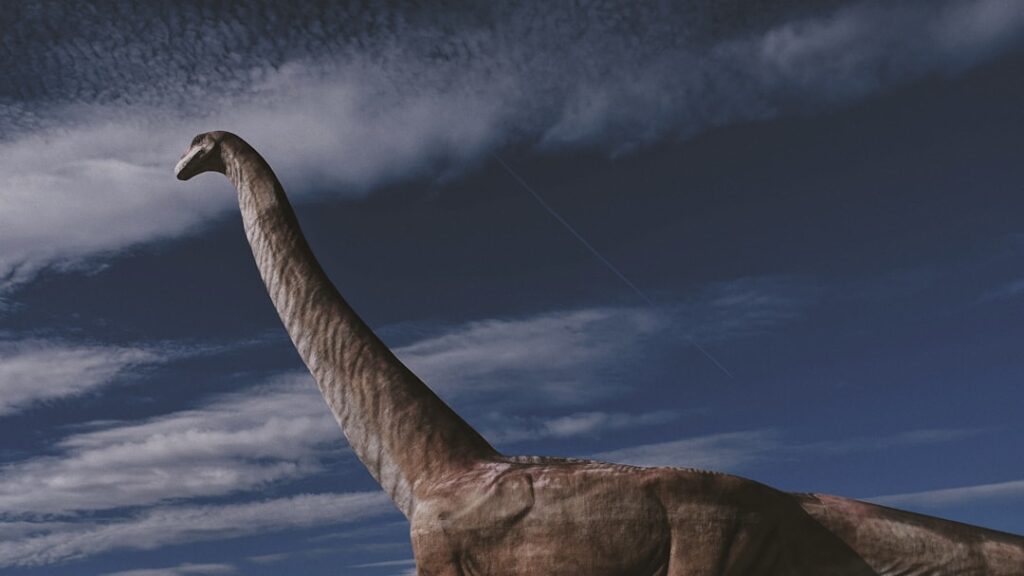
You probably know the old fossil legends: the badlands of North America, the quarries of Wyoming, the famous formations in Montana and Alberta. Those places built the early dinosaur pantheon you grew up with – Stegosaurus, Triceratops, Tyrannosaurus. But in your lifetime, the action has shifted dramatically to new hotspots in South America, Asia, Africa, and even the polar regions, where whole types of dinosaurs were missing from the traditional narrative.
As you hear more about spectacular sites in China, Argentina, or Mongolia, you start to realize how biased the old story was toward the places that had the funding, the access, and the right rock layers exposed first. Now, with more countries investing in their own fossil heritage and more local teams leading digs, you’re getting a less North-America-centered view of dinosaur evolution. It’s a little like watching a movie and suddenly realizing half the cast had been standing off camera the whole time, waiting to be written in.
Feathers, Colors, and the Soft Tissues You Never Expected
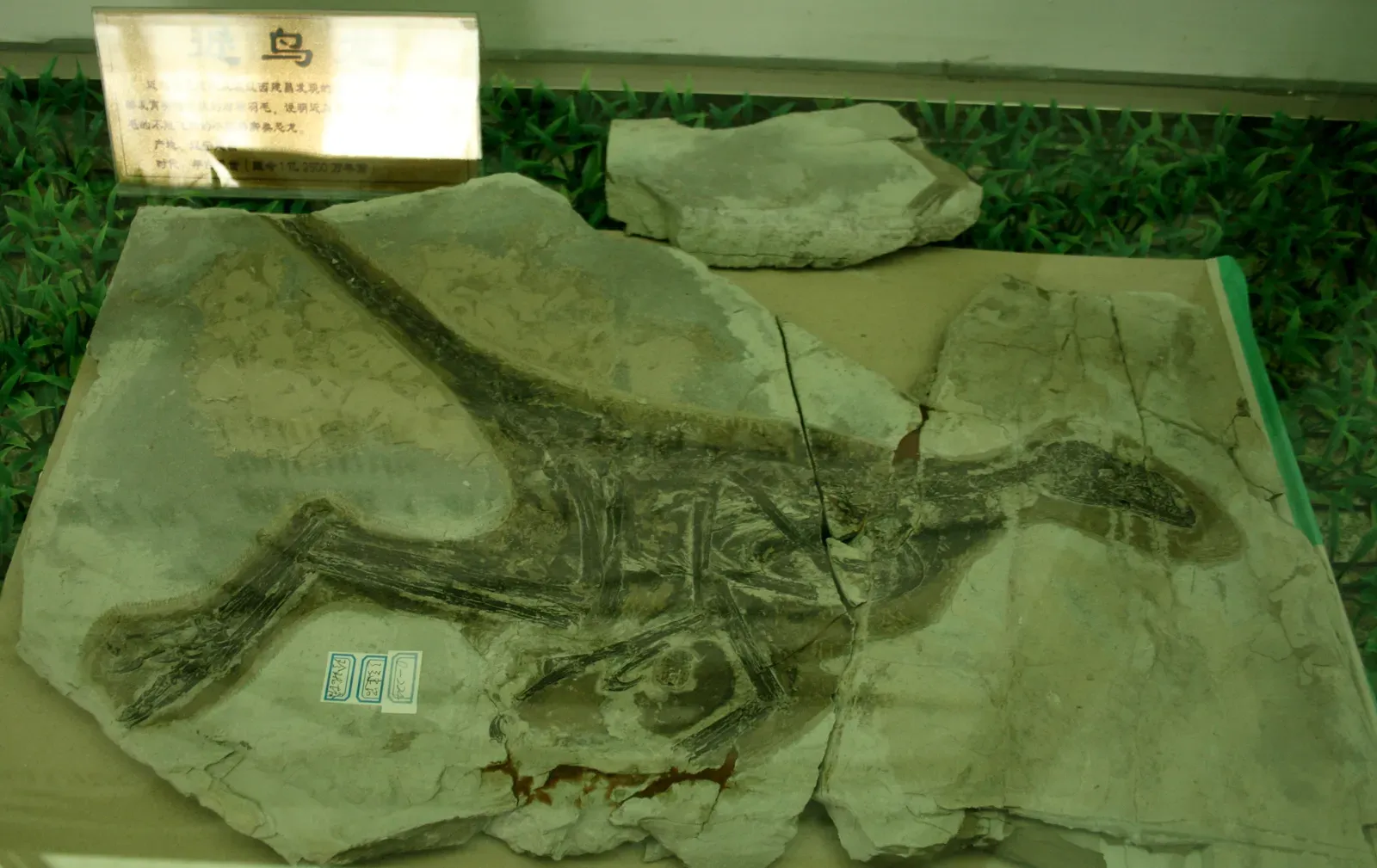
Uploaded by FunkMonk, CC BY-SA 2.0)
If you still automatically picture dinosaurs with gray, leathery skin, new fossil sites will happily mess with that. Some deposits preserve fossils in such extraordinary detail that you can see impressions of feathers, skin textures, and sometimes the microscopic structures that once helped give color to feathers. When you look at these finds, you’re no longer limited to bare bones – you start to imagine actual living animals with plumage patterns, shading, and maybe even flashes of iridescence.
These soft-tissue-rich sites often form in very specific conditions, like calm lakes or volcanic ash beds, where creatures were buried quickly and protected from decay. For you, that means you are no longer stuck with skeletons and guesswork. You can follow the evidence showing that many theropod dinosaurs were feathered, that some may have used display colors the way birds do now, and that dinosaur skin itself came in more variety than you were ever shown in picture books. The more of these sites are uncovered, the more your mental image shifts from monster movie to complex, living ecosystem.
Nesting Grounds and Herds: How New Sites Reveal Dinosaur Behavior
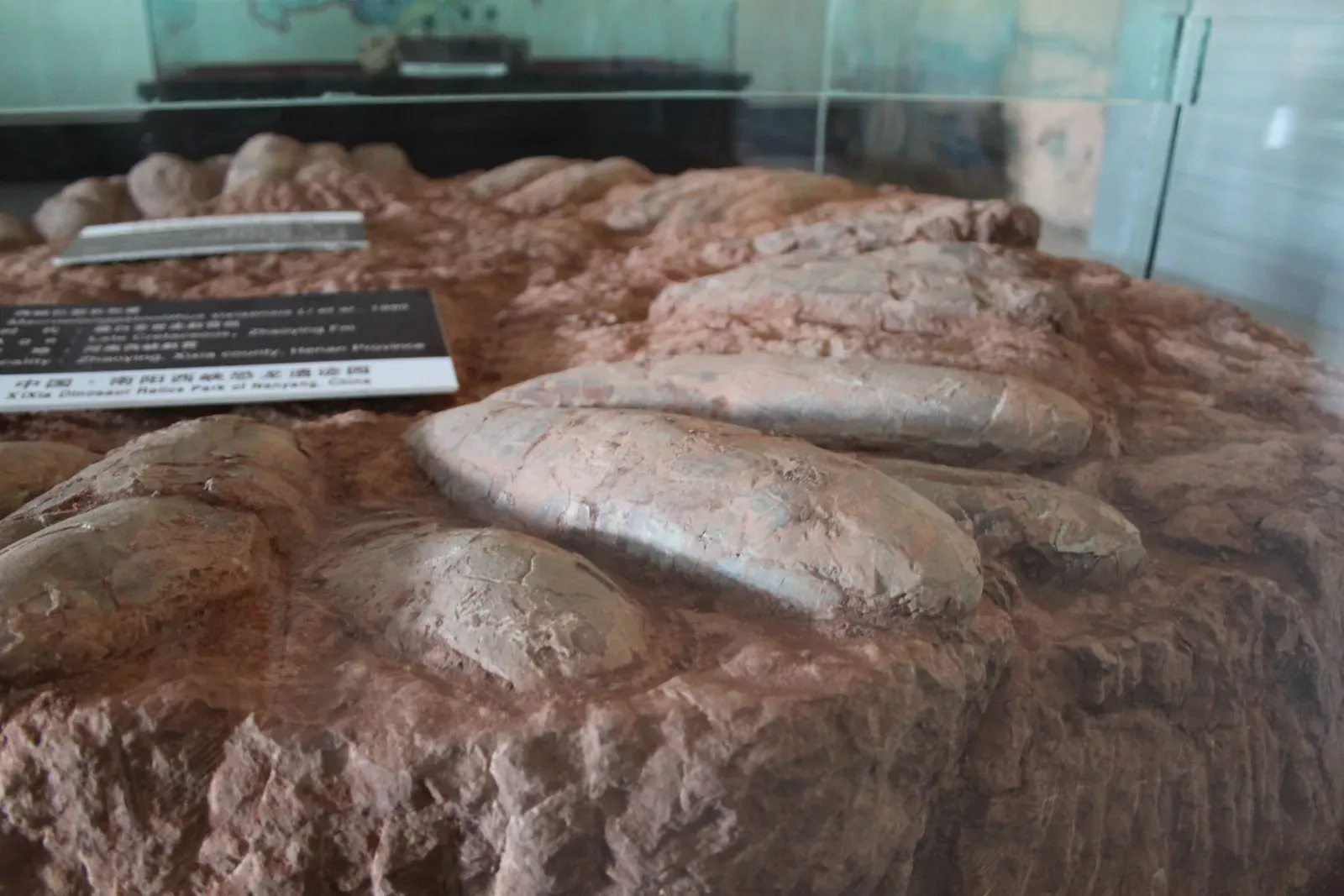
It’s one thing to find a single skeleton; it’s another to stumble onto whole nesting grounds or mass bonebeds packed with individuals of different ages. When you explore these new sites through the scientists’ reports and reconstructions, you get to see dinosaurs as parents, juveniles, and herd members, not just as isolated trophies. Nests with eggs, embryos, and even tiny hatchlings give you a rare window into how some species reproduced and cared for their young.
Bonebeds where you see dozens or even hundreds of individuals together hint at herd behavior, migration, or catastrophic events that wiped out entire groups at once. You start to imagine family units, social structures, and survival strategies, instead of lonely giants roaming on their own. These new fossil sites nudge you to think of dinosaurs less like movie monsters and more like complex animals with lives, interactions, and challenges that played out over millions of years.
Diverse Climates: Dinosaurs in Places You Never Imagined
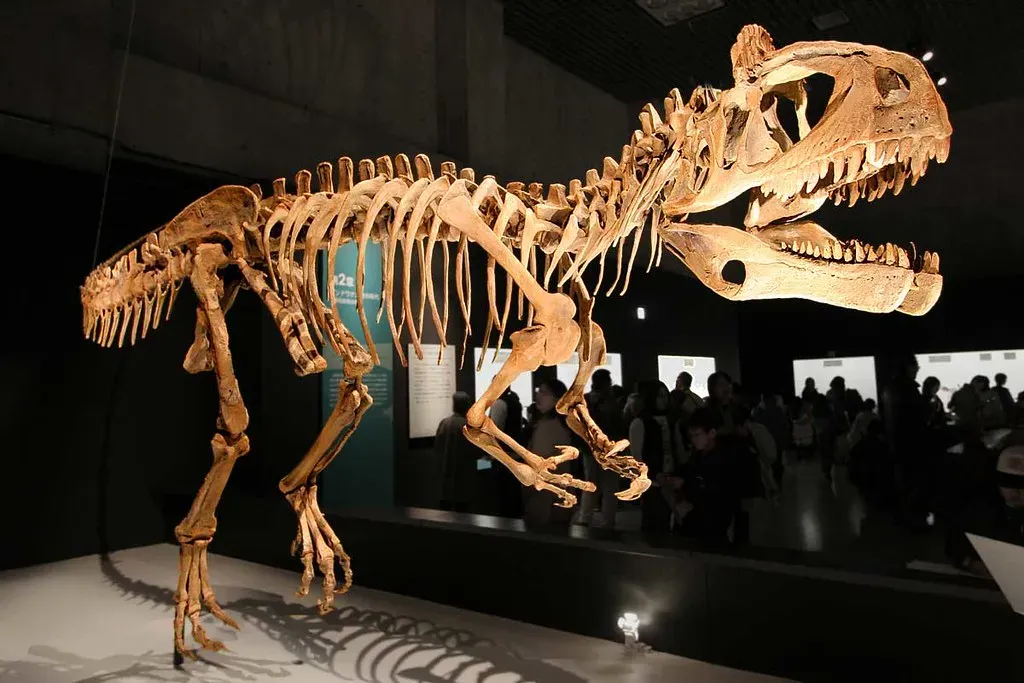
New fossil sites have a way of showing up in spots you might not associate with dinosaurs at all – coastal cliffs above icy seas, high-altitude plateaus, or regions that today seem too cold or too dry. When you learn that dinosaurs once thrived in areas that were near the poles, you have to revise your idea that they were strictly tropical or subtropical animals. Evidence of dinosaurs living through long polar nights, cooler temperatures, and seasonal extremes makes them feel more resilient and adaptable than you probably assumed.
These climate-diverse sites also help you understand how dinosaur ecosystems responded to changing conditions over millions of years. You see shifts in species, plant communities, and food webs that mirror, in a very distant way, the environmental changes you worry about today. It can be unsettling but also strangely grounding to realize that climate shifts have shaped life on Earth before, and that the fossil record – especially from these surprising sites – lets you watch that process unfold across deep time.
Filling Evolutionary Gaps and Overturning Old Family Trees
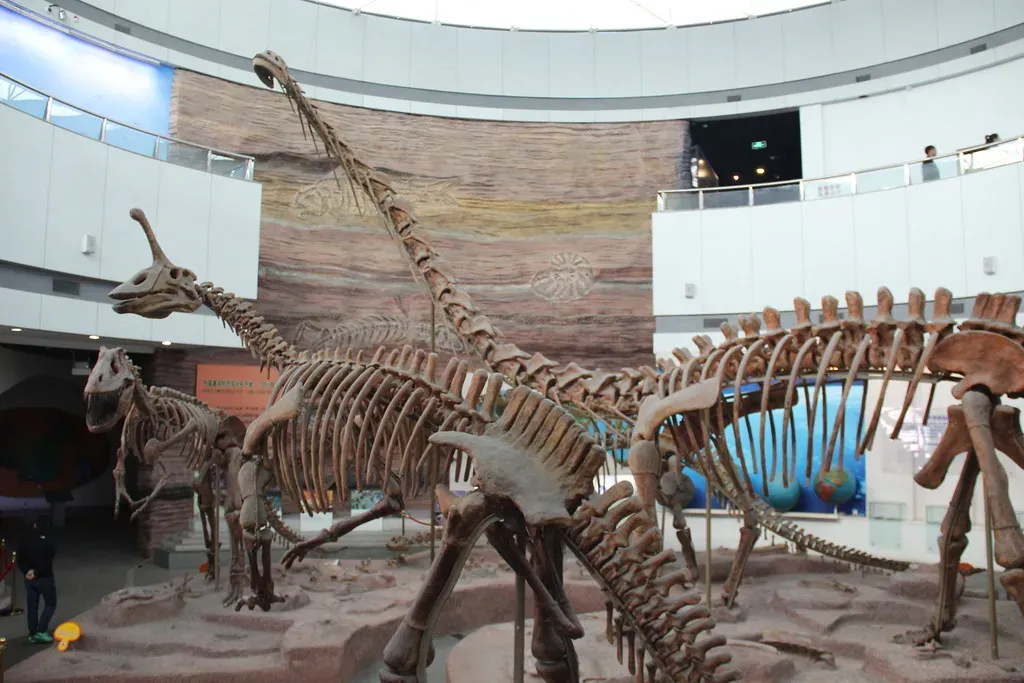
For years, you might have seen dinosaur evolution drawn as a neat branching tree in a textbook, with clear lines connecting one major group to another. New fossil sites often blow that clean diagram apart. When scientists uncover species that sit in awkward positions between known groups, or that combine features you thought belonged to totally different branches, your tidy mental picture has to bend. Sometimes, entire classifications are reworked because a single site delivers enough new data to challenge long-standing assumptions.
These “missing link” species do not just make the tree more crowded; they help you see evolution as a messy, ongoing experiment rather than a simple ladder of progress. You start to recognize that many lineages overlapped, branched, and sometimes circled back in ways that are hard to summarize in a simple chart. The more intermediate forms and oddball relatives come to light from new sites, the more you appreciate how complex dinosaur evolution really was – and how provisional any current diagram has to be.
How Technology Turns New Sites Into Deeper Insights
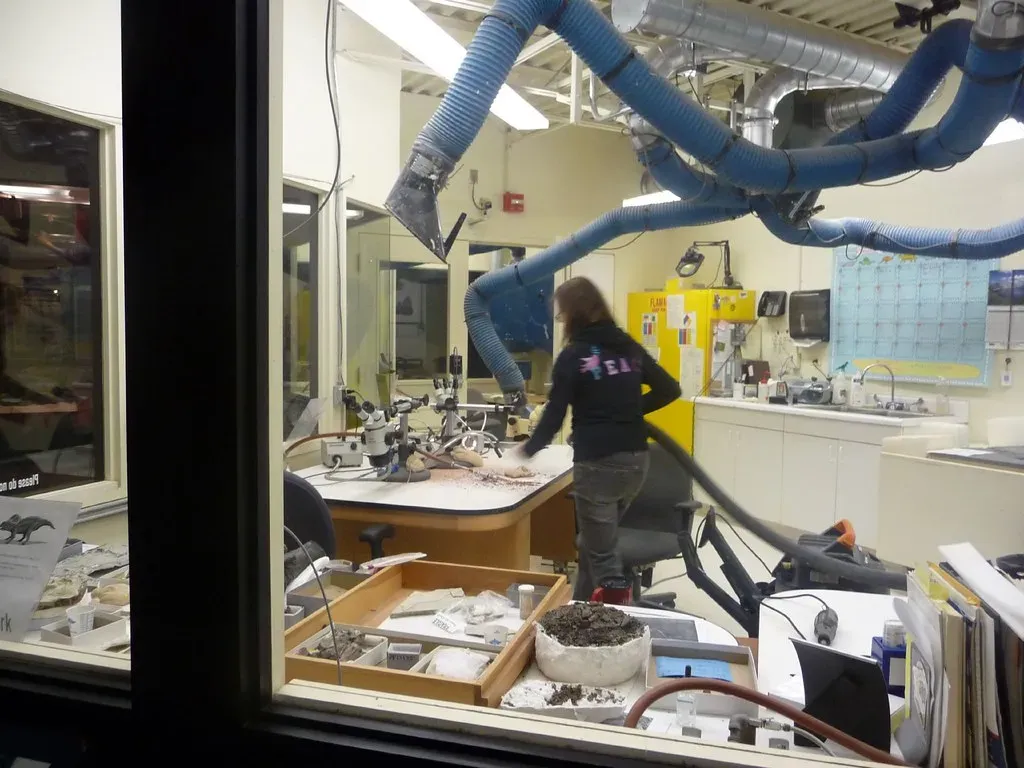
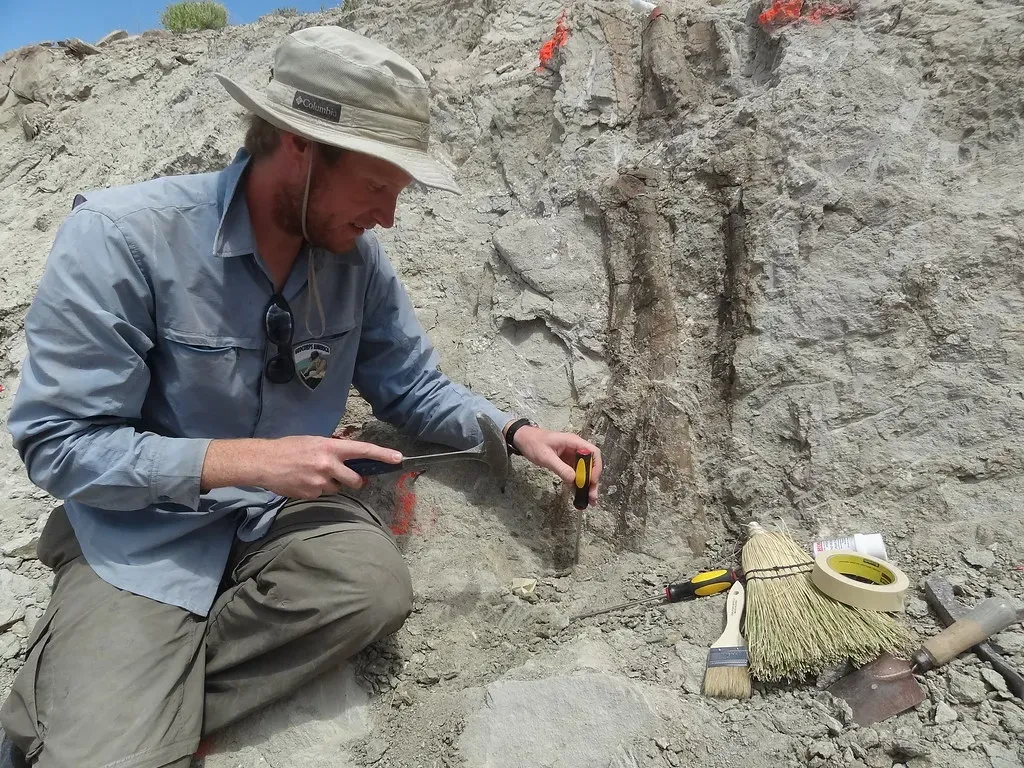
When you picture a paleontologist at a new fossil site, you may imagine shovels, brushes, and plaster jackets – but the real game-changer for you is what happens after those bones leave the ground. Techniques like high-resolution scanning, 3D modeling, and microscopic analysis of bone structure let scientists pull out details that would have been invisible a few decades ago. A new site today does not just add another skeleton; it adds data on growth rates, injuries, muscle attachments, and even how joints moved in life.
As you follow these discoveries, you see more than just headlines about “new dinosaur found.” You watch researchers test how a dinosaur walked using biomechanical models, or infer whether it grew fast like a bird or slowly like a reptile by reading its bone tissue like tree rings. New sites feed these tools with fresh material, and in return, technology squeezes far more information from each fossil than you might expect. The result for you is a richer, more multidimensional view of creatures that have been dead for tens of millions of years.
What Ongoing Discoveries Mean for Your Picture of Dinosaurs
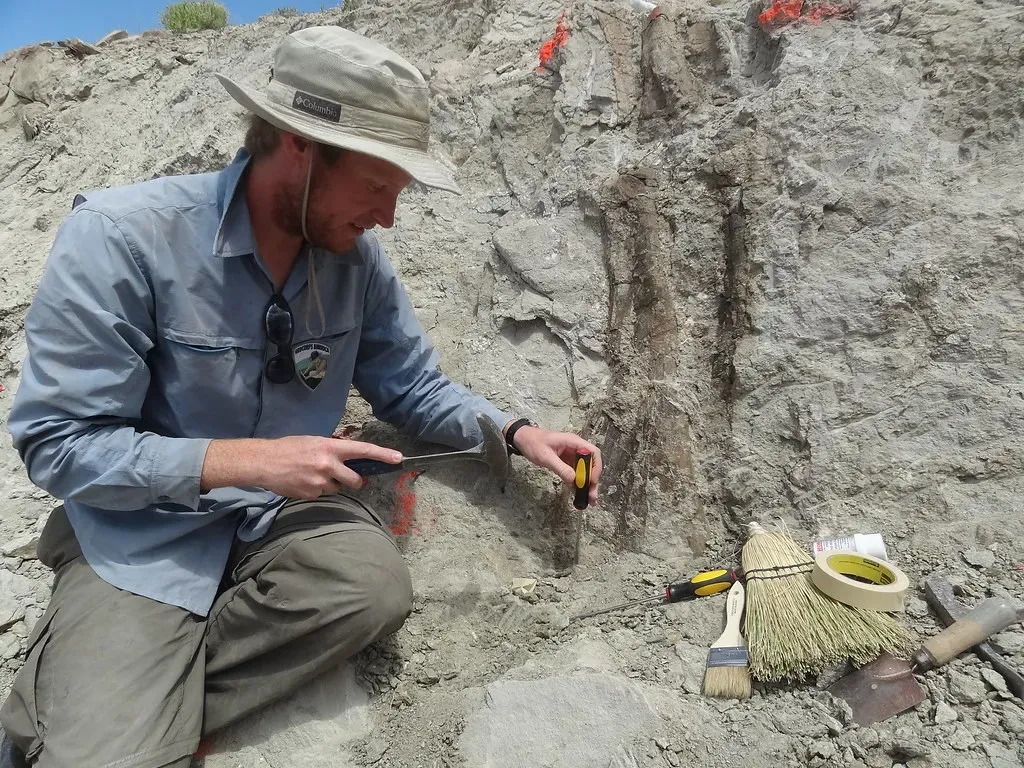
If you’ve ever felt frustrated that the “facts” about dinosaurs seem to keep changing, new fossil sites are largely to blame – and that’s actually a good thing for you. It means the story is alive, that old mistakes are being corrected, and that you’re getting closer to how these animals really lived and looked. Instead of clinging to a fixed image from childhood, you’re invited to treat your understanding of dinosaurs the way scientists do: as something flexible, evidence-based, and open to revision.
In a way, every new hillside that yields bones is an invitation for you to update your inner dinosaur museum: swap out a scaly predator for a feathered one, replace a solitary giant with a nesting parent, trade a narrow tropical world for a globe-spanning, climate-diverse reality. You may never walk a dig site yourself, but you are still part of the ongoing process by choosing to follow the evidence and let it change your mind. Maybe the real thrill is not just in what those fossils say about the past, but in how they challenge you, right now, to stay curious. When you hear that another new site has been found, will you see it as just another headline – or as the next missing page in the story you thought you already knew?