
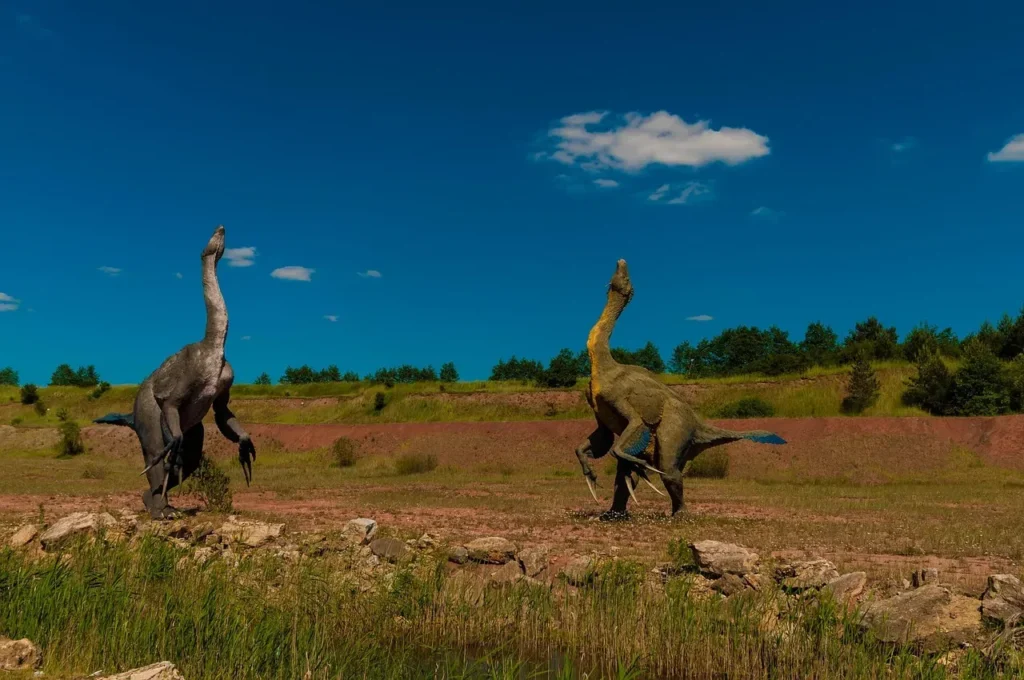
You have probably grown up with the image of dinosaurs as giant, roaring monsters crashing through prehistoric forests. It is a dramatic picture, but it also leaves out something far more interesting: the possibility that some of these animals communicated in subtle, complex ways you would recognize from birds and reptiles today. When you look past the movie sound effects and dig into what scientists have actually found in fossils and modern animal behavior, the story becomes less about noise and more about nuance.
In recent years, researchers have started to argue that dinosaurs were not just blunt instruments of sound, but social animals that may have signaled with posture, color, movement, and low, rumbling calls you might not even hear. You are not going to find a fossilized conversation, of course, so you have to build the picture from bones, footprints, and the behavior of their living relatives. That means you need to stay humble about what you know and do not know, but also open to a richer, more layered view of dinosaur life than simple roars and growls.
The Limits Of The Classic Dinosaur Roar
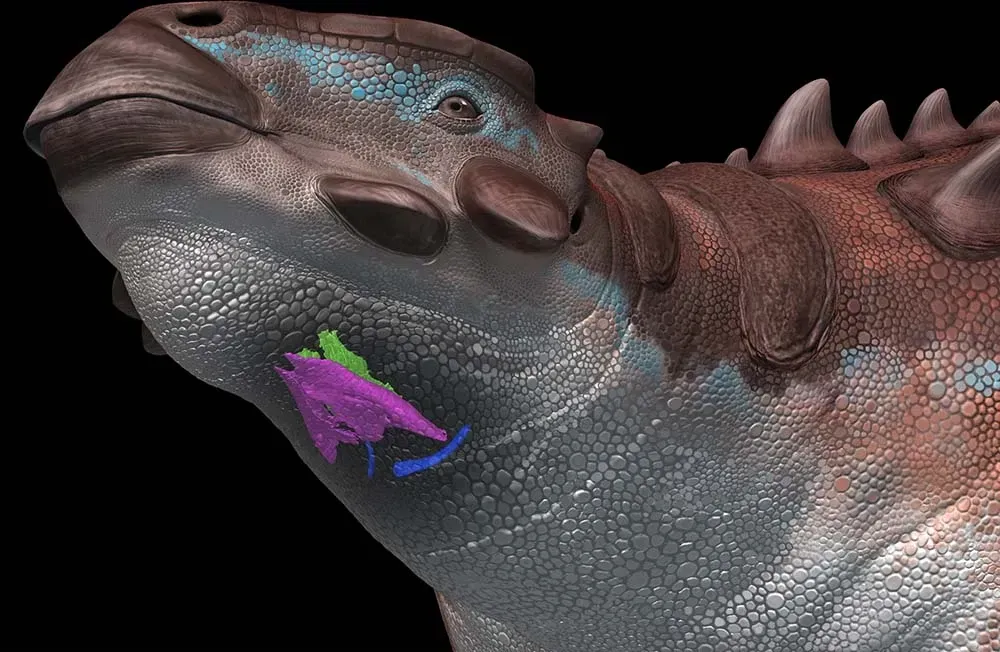
If you close your eyes and imagine a Tyrannosaurus, you probably hear that deep, echoing cinema roar in your head. The truth is, you have no direct evidence that any dinosaur sounded like that, and the structures needed to produce those Hollywood noises do not fossilize neatly. When you look at living animals that are actually related to dinosaurs – birds and crocodilians – you notice that many of them produce surprisingly soft, low, or even closed-mouth sounds instead of theatrical bellows.
You also have to remember that the air around you today carries sound differently than prehistoric atmospheres might have, and that alone can change how far calls travel and what frequencies work best. You can safely say that dinosaurs made sounds, but the idea that most of their communication was just roaring is more fiction than fact. When evidence is thin, the safest conclusion is that vocalizations were only one part of a much broader communication toolbox, not the whole story.
What Living Birds And Reptiles Reveal To You
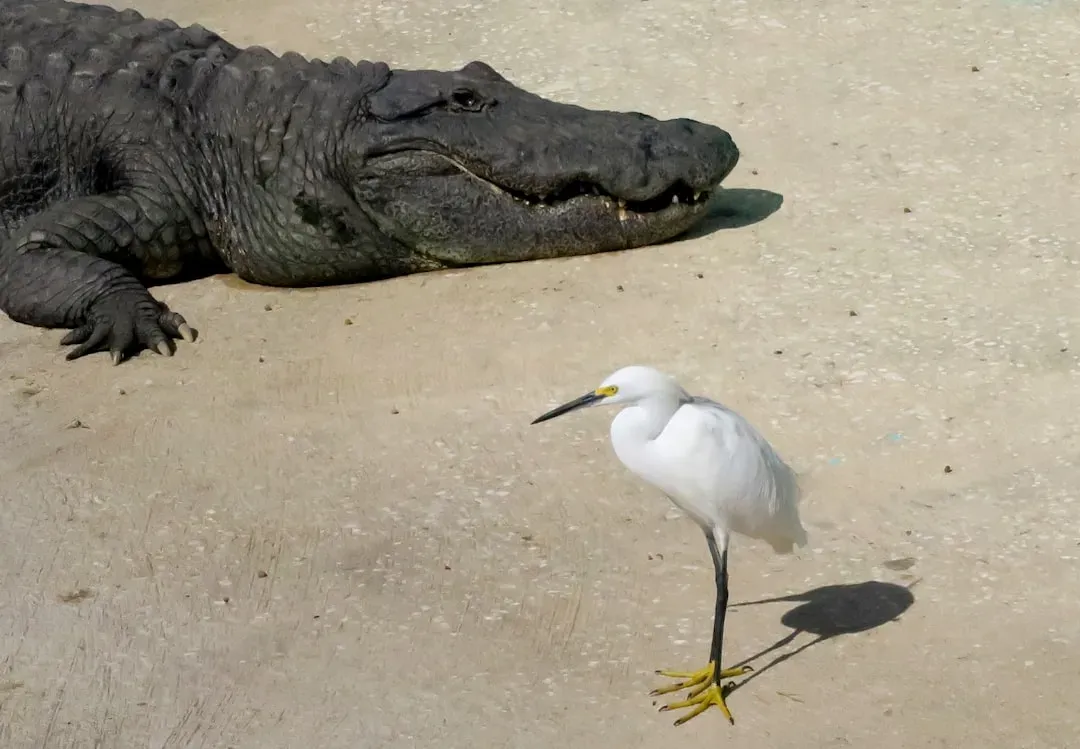
To understand dinosaurs, you lean heavily on what their closest living relatives do right now. When you watch modern birds, you see complex songs, soft contact calls, alarm cries, and even body postures that all carry information about danger, territory, and social status. Crocodilians, on the other hand, produce low-frequency rumbles and bellowing displays that can ripple across water and vibrate through the ground, allowing them to signal even when you barely hear them.
Because birds and crocodiles sit on either side of the dinosaur family tree, you can assume that at least some of the basic communication tools they share today already existed in dinosaur times. That means you should picture many dinosaurs using a blend of visual and acoustic cues: soft calls to keep a group coordinated, sudden noises to warn of predators, and non-vocal signals like tail positions or feather displays. You are not guessing wildly; you are carefully extending patterns that appear to be deeply rooted in their shared evolutionary history.
Crests, Horns, And Frills As Visual Language
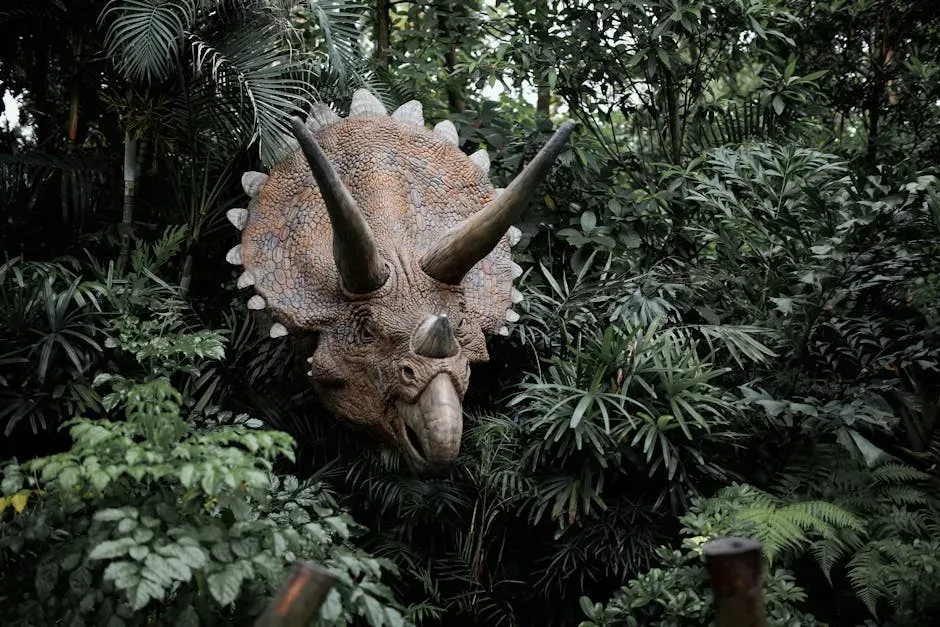
When you look at dinosaurs like Triceratops or the duck-billed hadrosaurs with their elaborate head crests and giant frills, you are not just looking at armor or random decoration. Those flashy structures likely played a role in visual communication, letting individuals signal species identity, maturity, or dominance without making a sound. You can compare this to how peacocks fan their tails or how antelopes flash their horns, turning body parts into living billboards.
Many of these bony crests and frills are highly variable, which hints that they were under strong social or sexual selection rather than just used for defense. That suggests that when two dinosaurs faced each other, they could read a lot from head shape, size, and markings even before any noise was made. In your mind, that transforms a herd of seemingly identical animals into a crowd of individuals, all broadcasting status, sex, and readiness through shapes and colors.
Resonating Tubes And Possible Dinosaur “Instruments”
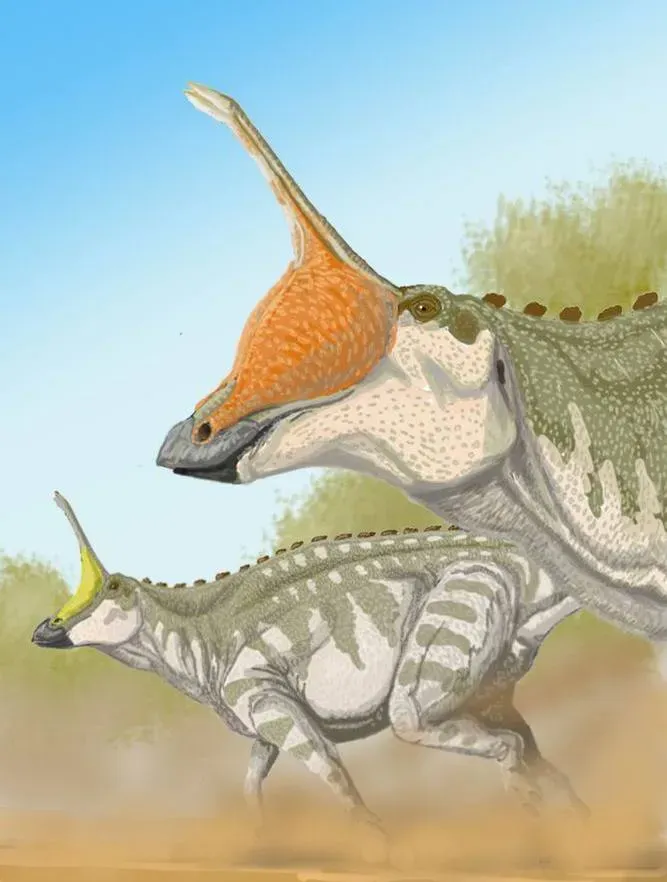
Some hadrosaurs, such as those with long, hollow crests, give you an even clearer hint that dinosaur communication went beyond simple calls. These crests form tubes and chambers that look surprisingly well suited for modifying sound, like built-in wind instruments. When researchers model airflow through these structures, they find that the shapes could have produced low, haunting tones that carry over long distances.
If you imagine yourself in a Late Cretaceous landscape, you might hear soft, foghorn-like notes rolling across a floodplain instead of sharp, lion-style roars. These resonance chambers would let a dinosaur shift pitch, change timbre, and perhaps signal identity or sex in ways your ear would instantly recognize as meaningful if you were there. You do not know the exact melodies, but the anatomy tells you that some species likely invested heavily in sound shaping, not just loudness.
Color, Feathers, And Silent Displays
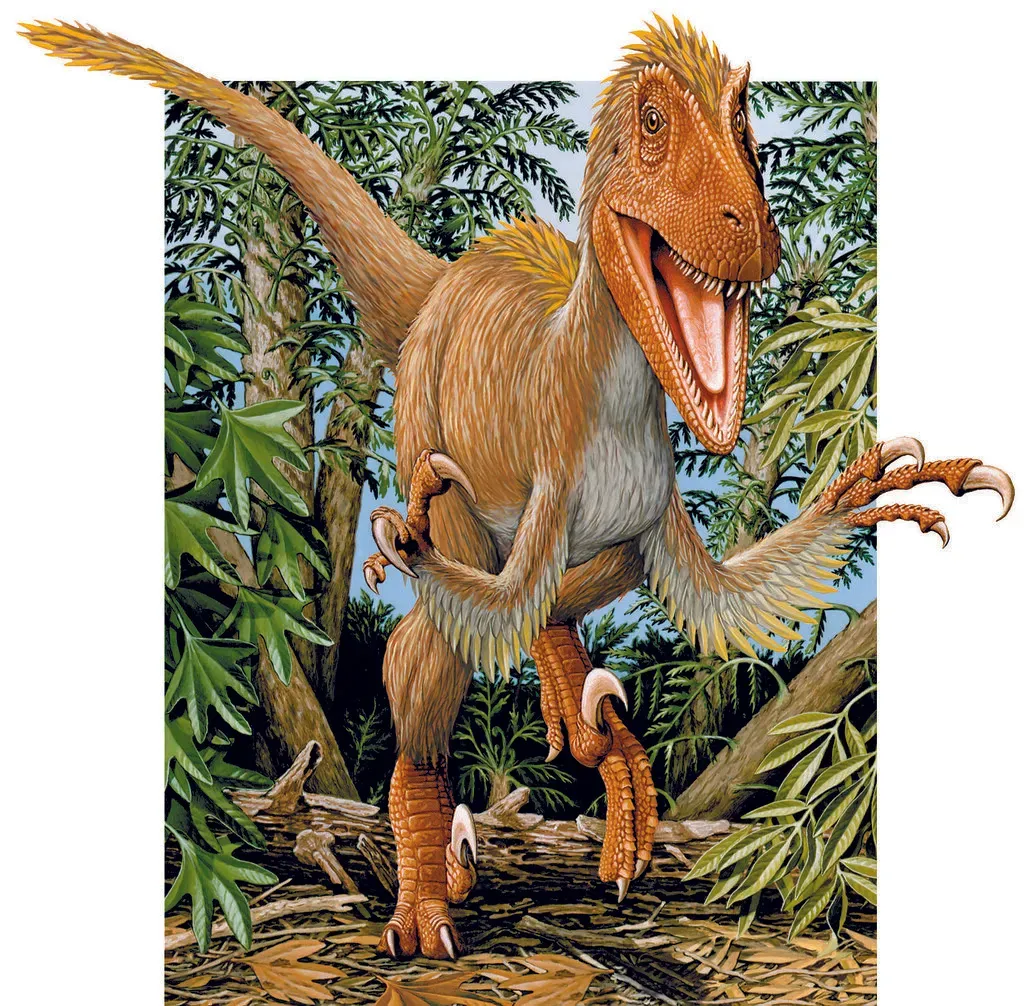
As feathered dinosaur fossils have become more common, you now have strong reasons to think that colors and patterns mattered just as much as sound. Many small theropods carried feathers that likely came in different shades and textures, much like modern birds. If you picture these animals, you should not see only dull brown and gray, but also patches, stripes, or areas that could have been bright, subtle, or shifted with age and season.
Feathers are perfect tools for silent communication: you can raise them in threat, flatten them in submission, or fan them out in courtship without risking alerting a predator. Even without knowing the exact hues, you can assume that body posture, feather position, and movement formed a visual language that you would recognize as similar to bird displays today. This means the quiet moments – courtship dances, dominance standoffs, or parental reassurance – might have been full of meaning even when no roar was heard.
Low-Frequency Rumbles You Might Never Hear
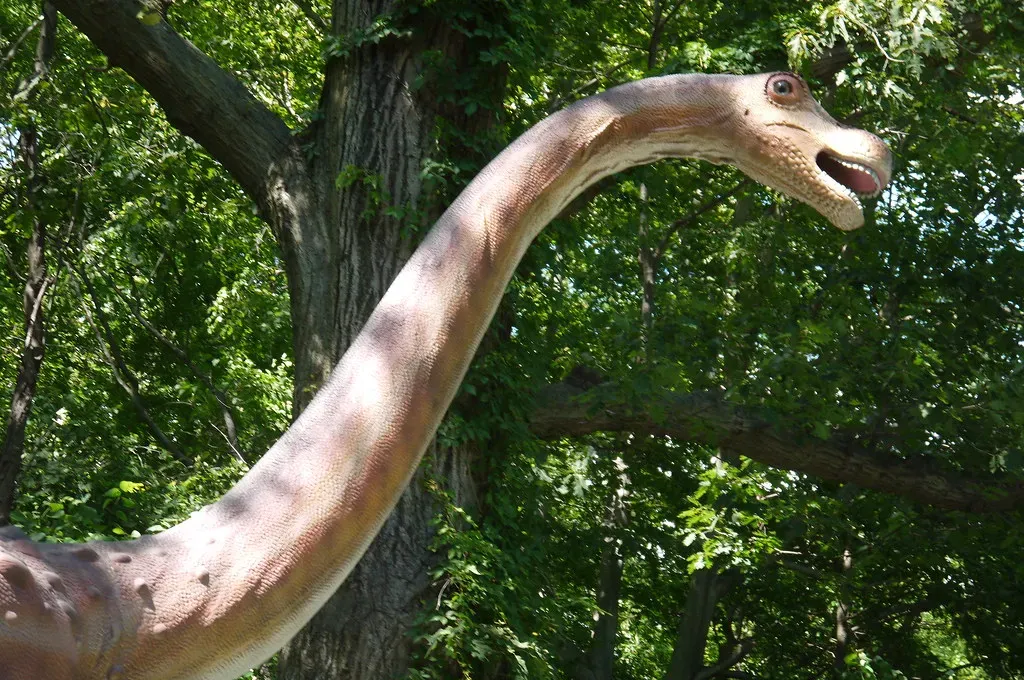
One of the most intriguing ideas you run into is that some larger dinosaurs may have used very low-frequency sounds to communicate, similar to how elephants do today. These infrasonic rumbles can travel long distances through the ground and air, allowing animals to stay in contact across wide areas without broadcasting their presence to every predator nearby. If you had stood next to a massive sauropod, you might have felt a vibration in your chest more than you heard a clear note in your ear.
Because low-frequency calls do not require delicate vocal cords and can be produced by large body cavities and resonant spaces, they fit naturally with what you know about big dinosaurs. You cannot record these sounds from fossils, but the combination of size, lung power, and possible resonant structures suggests that some species probably relied heavily on these deep, subtle signals. In that world, a quiet-looking herd could be holding a constant, invisible conversation you would only detect as a faint buzz under your feet.
Body Language, Herds, And Social Nuance
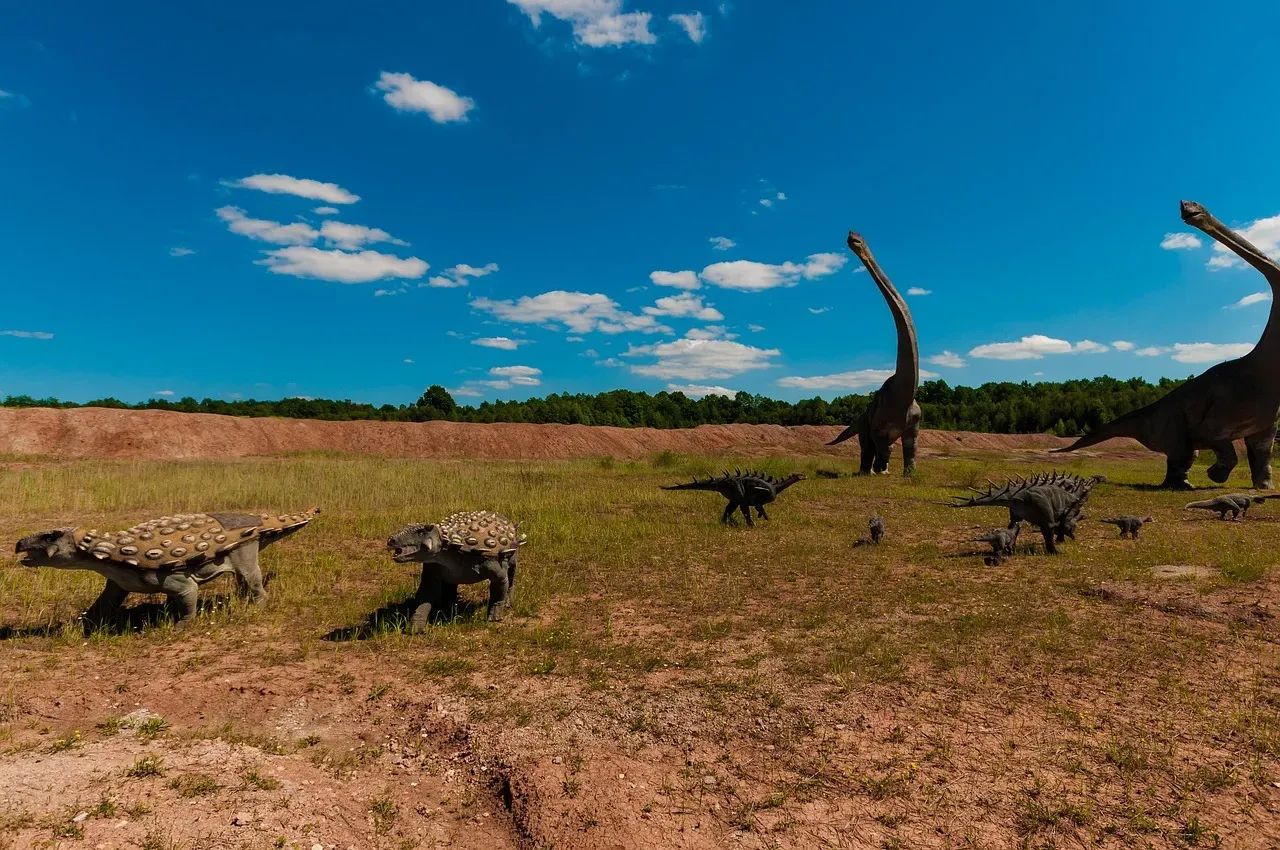
Footprints, bone beds, and trackways tell you that many dinosaurs moved in groups, which almost always means a need for more than just noise-based communication. When you look at how modern herd animals behave, you see constant adjustments in spacing, direction, and speed that are guided by visual and tactile signals. Dinosaurs likely did something similar, using head bobs, tail swishes, and changes in body orientation to signal intentions and avoid collisions or conflict.
In a herd setting, you can imagine parents guiding young, dominant individuals pushing subordinates aside with posture alone, and the entire group turning as one when a few animals at the front flinch or freeze. Sound might have been reserved for high-stakes moments – predator alarms, distress calls, or mating displays – while everyday life ran on a steady stream of glances and gestures. Once you start viewing dinosaur trackways through that lens, you see less chaos and more choreography written into the fossil record.
How You Balance Imagination And Evidence
Whenever you talk about dinosaur communication, you need to hold two ideas at the same time: you know more than you used to, but far less than you would like. You lean on physics, anatomy, and comparisons with living animals to build reasonable scenarios, but you also accept that you cannot reconstruct every detail. That means you should avoid falling in love with any single dramatic picture, whether it is endless roaring or sophisticated singing, and stay open to a range of possibilities.
For you as a curious reader, the most honest and exciting position sits right in that middle ground. You treat dinosaurs not as mindless brutes, but as animals with social lives, signals, and probably moments of quiet coordination you would find surprisingly familiar. At the same time, you keep in mind that each new fossil or new analysis can refine or overturn pieces of the story. Instead of asking whether dinosaurs roared or not, you now ask how many different ways they likely spoke to each other across sound, sight, and movement.
In the end, you are left with a richer, more layered picture of dinosaur worlds than the simple roar-filled scenes you grew up with. Some species probably did bellow when they needed to, but others might have relied more on color flashes, feather displays, deep rumbles, or subtle movements that never make it into movies. When you imagine those ancient landscapes now, you can fill them with a quiet hum of signals and responses rather than constant noise. If you could stand there for a moment, how much of that ancient conversation do you think you would actually notice?