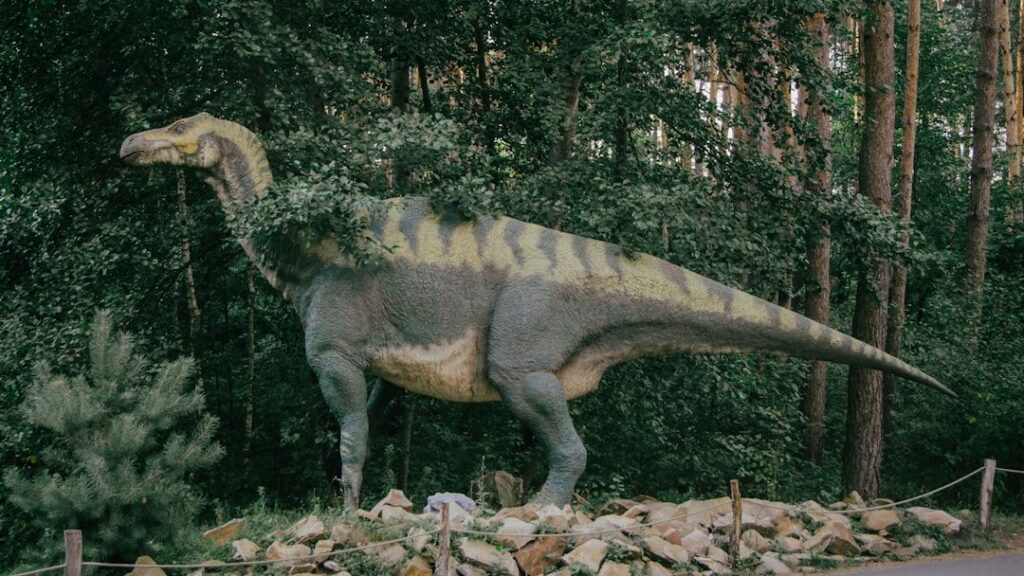
If you could step out of your front door and walk into the age of dinosaurs, the first thing that would probably hit you is how strangely familiar some of it feels. There’d be parents guarding youngsters, animals calling to each other at sunrise, and a lot of quiet foraging and walking, not just nonstop roaring and chasing. In many ways, their world was less like an endless action movie and more like a very old, very wild version of your own neighborhood.
What makes so fascinating is how much scientists can now piece together from tiny clues: the direction of a footprint, the pattern of scratches on a bone, the chemistry inside fossilized eggshells. You’re not just looking at giant skeletons in a museum; you’re glimpsing daily routines, social dramas, and survival strategies that played out millions of years ago. As you read through these lesser-known details, you might find their lives weren’t just about teeth and claws, but also about care, cooperation, and some surprisingly gentle habits.
1. You Would Have Heard More Quiet Snuffling Than Movie Roaring
![1. You Would Have Heard More Quiet Snuffling Than Movie Roaring (did it myself based on [1],[2],[3],[4],[5],and [6], Public domain)](https://nvmwebsites-budwg5g9avh3epea.z03.azurefd.net/dinoworld/168570092481f9b1d9f0db35997b42f2.webp)
When you picture dinosaurs, you probably hear deafening roars echoing through jungles, but everyday life was likely much quieter. Many dinosaurs, especially herbivores, would have spent most of their time browsing, snuffling through leaves, and grinding plants with their teeth rather than bellowing at everything that moved. Just like modern animals, loud calls probably had a purpose: defending territory, attracting mates, or warning others of danger, not constant background noise.
If you stood near a herd of plant-eating dinosaurs, you’d likely notice the rustle of vegetation, the thud of heavy footsteps, and soft grunts more than cinematic roars. Even big predators like tyrannosaurs might have used low, rumbling sounds that carried long distances rather than dramatic screams. Think less action soundtrack and more layered soundscape: insects, wind, distant calls, and the constant hush of animals just getting on with their day.
2. Many Dinosaurs Were Probably Fussier Parents Than You Expect
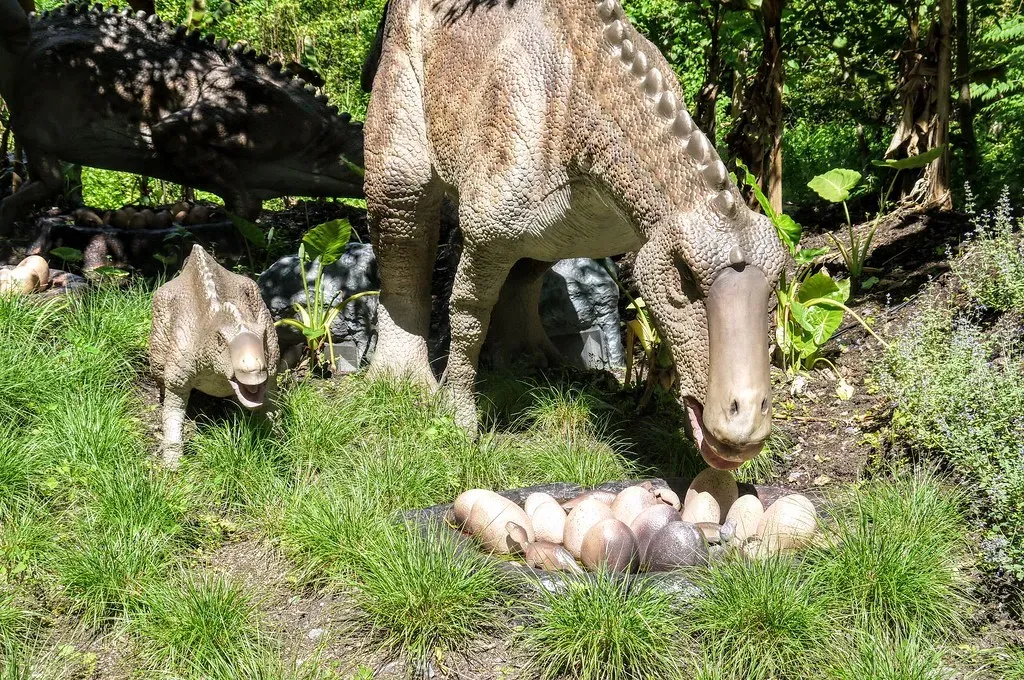
You might imagine dinosaurs laying eggs and simply walking away, but a growing pile of fossil evidence tells you that at least some of them stuck around. Nests with carefully arranged eggs, adults fossilized in brooding positions, and clustered nesting sites all suggest that certain species guarded their young, or at least their eggs, with serious dedication. In some cases, you can even see different layers of nests in the same area, hinting that dinosaurs returned to the same “maternity ward” year after year.
If you had walked through one of these nesting grounds, you’d have seen something that feels surprisingly familiar: adults hovering near nests, youngsters staying close, and a lot of watching, waiting, and protecting. You can think of them almost like seabird colonies today, noisy and crowded but organized around raising the next generation. Instead of the cold, uncaring reptile stereotype, you’d be looking at parents investing time and energy into their offspring’s survival.
3. Feathers Were Everyday Gear, Not Just a Rare Decoration
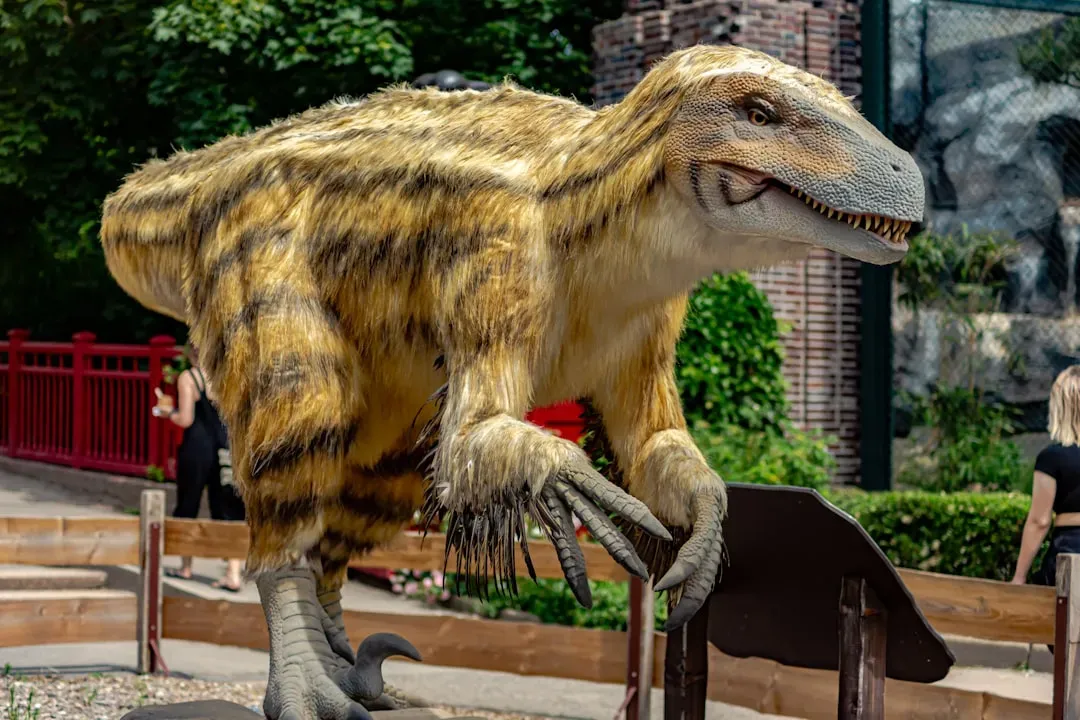
In cooler climates, a feathered coat would have helped smaller dinosaurs keep their body temperature steady, much like a bird’s down today. In social situations, patches of colorful feathers on the head, tail, or arms might have acted like living billboards, helping individuals recognize each other or impress potential mates. If you walked through their world, some dinosaurs would probably remind you less of crocodiles and more of oversized, ground-dwelling birds wrapped in fancy jackets.
4. Herd Life Was About Safety, Not Just Spectacle
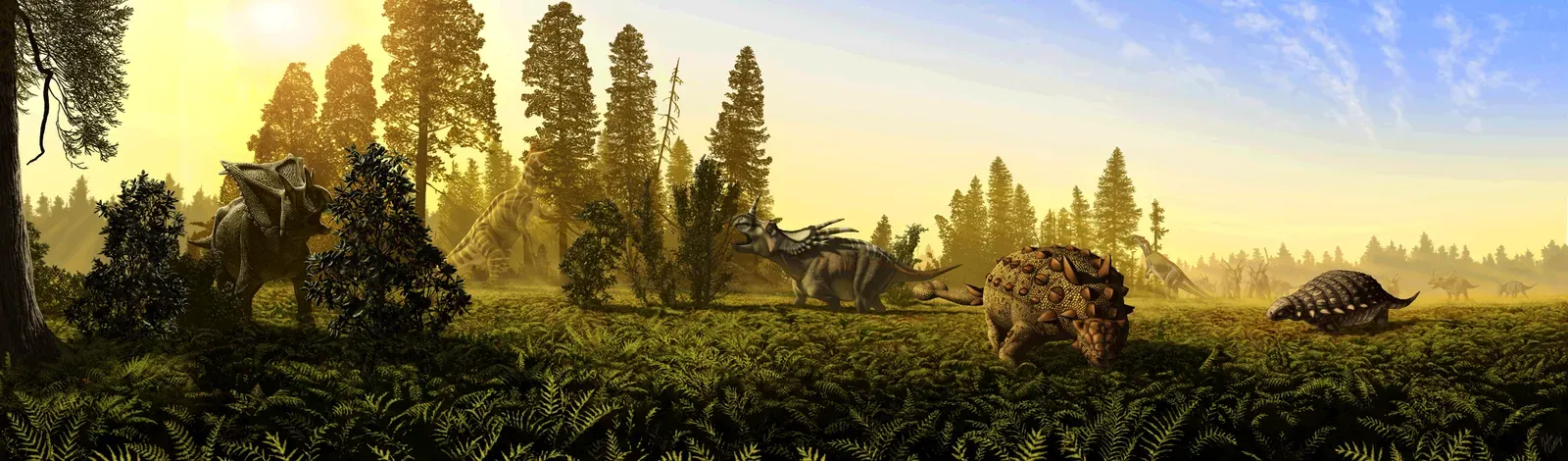
If you imagine a dinosaur herd, you might see it as a dramatic stampede, but most of the time, herd life was likely slow and deliberate. Trackways show groups of animals moving in the same direction at similar speeds, sometimes with smaller tracks kept safely near larger ones. That pattern hints at coordinated movement and maybe even a bit of social structure, where younger or more vulnerable members stayed protected in the middle.
For everyday life, traveling in groups would have meant more eyes watching for predators, a better chance of finding food, and maybe even shared knowledge of safe routes. You can compare it to a caravan crossing a desert: nobody sprints the whole way; they move together, rest together, and respond as a unit when something goes wrong. If you were standing off to the side, you’d be watching a flowing wave of bodies, calm but alert, not just chaos and running.
5. Many Dinosaurs Likely Changed Their Routines With the Seasons
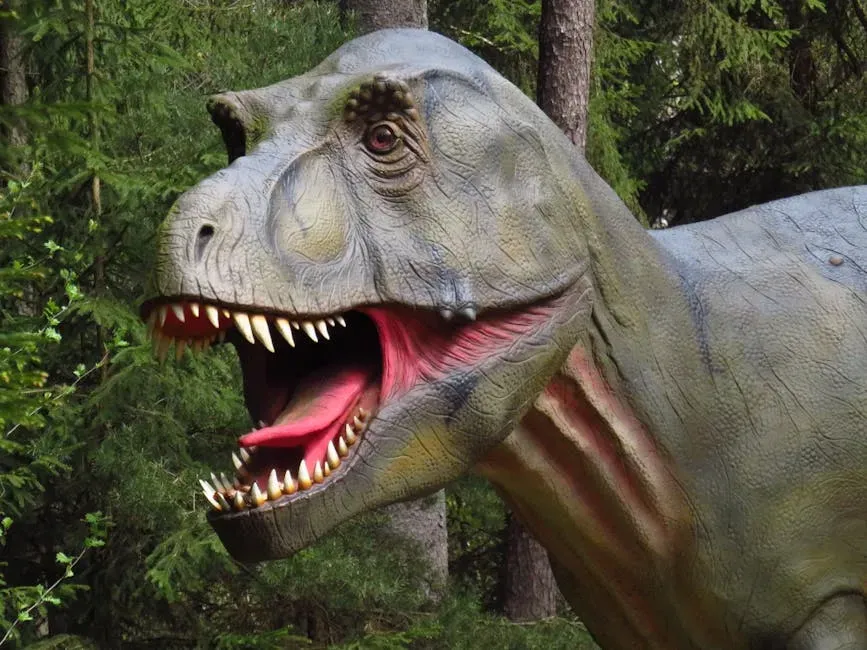
Just like you adjust your habits with the weather, dinosaurs probably did the same, shifting their daily lives as seasons came and went. In regions that experienced strong wet and dry cycles, food availability would have changed drastically during the year, forcing animals to move, switch diets, or adjust how far they traveled each day. Fossil discoveries in polar regions also suggest that some dinosaurs endured long periods of darkness and chill rather than simply migrating away.
If you had followed a herd over months, you might have seen them move into different areas as plants grew or dried up, or as water sources expanded and shrank. Certain predators would have adapted too, changing hunting grounds or focusing on different prey as conditions shifted. In that sense, their calendars were written in the landscape rather than on paper, but the basic idea feels familiar: you respond to the season, or the season punishes you.
6. Not All Dinosaurs Were Constantly Active Giants
Uploaded by FunkMonk, CC BY-SA 2.0)
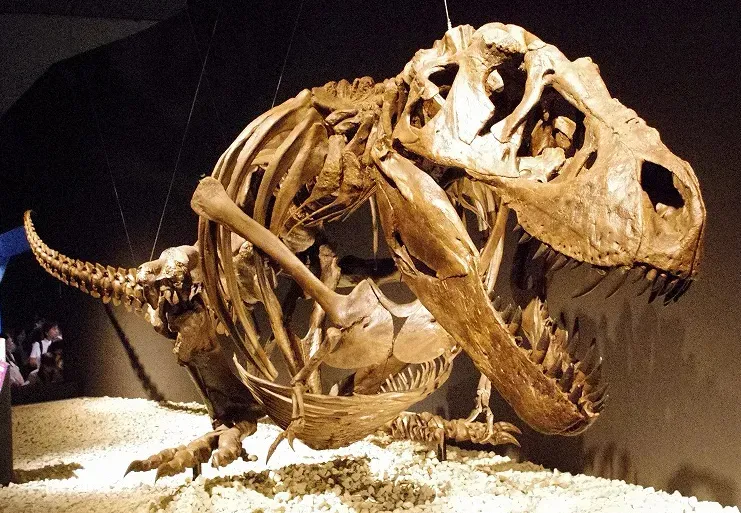
It is tempting to think of dinosaurs as tireless, stomping around all day and night, but many probably had more relaxed, rhythm-based schedules. Bone structure and growth patterns suggest that a lot of species had active, birdlike metabolisms, yet that doesn’t mean they were sprinting nonstop. Just as modern large animals spend most of their time resting or feeding slowly, many dinosaurs likely alternated between bursts of movement and long stretches of calm.
If you sat quietly for hours in a dinosaur habitat, you might spend more time watching them stand, graze, preen, or lie down than dash across the landscape. Youngsters may have been more playful, adults more deliberate, and older animals slower and more cautious. You would see peaks of activity at dawn or dusk, much like in many modern ecosystems, when temperatures were comfortable and predators and prey both took advantage of better conditions.
7. Their Diets Were More Varied and Picky Than You Might Think
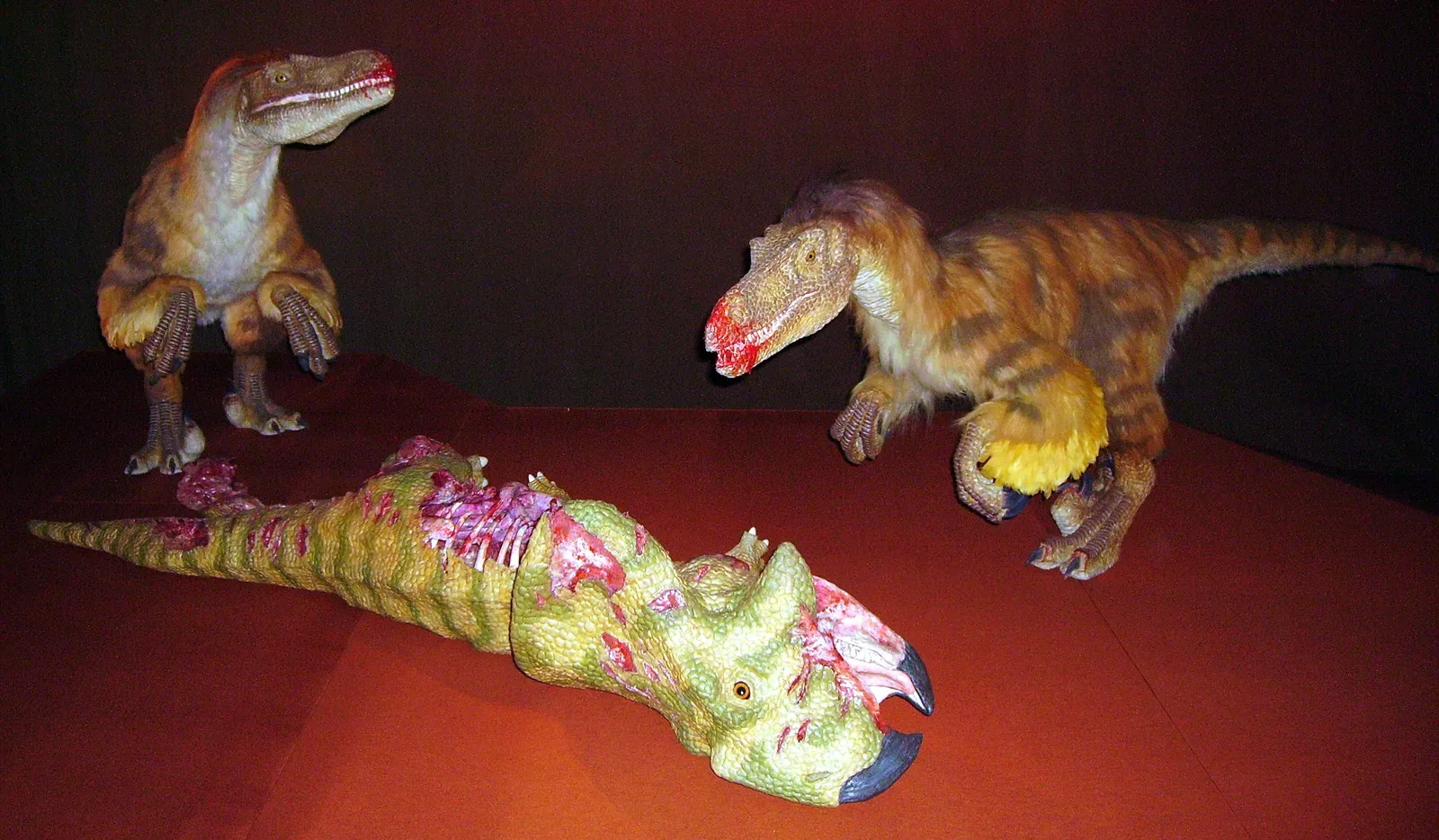
You probably learned that some dinosaurs were meat-eaters and others were plant-eaters, but their everyday diets were more nuanced than that simple split. Tooth shape, jaw mechanics, and fossilized stomach contents all suggest that many species specialized in particular kinds of food. Some herbivores were built to handle tough, fibrous plants, while others nipped softer leaves, fruits, or shoots; some carnivores may have preferred scavenging while others focused on active hunting.
If you watched them feed, you would notice picky behavior, not just mindless munching. Certain dinosaurs may have favored particular tree heights or plant types, effectively carving out a niche the way giraffes or antelopes do today. Even among hunters, smaller predators might have targeted insects, lizards, or the young of larger animals rather than taking on fully grown giants. Their menus were shaped by their bodies, their environment, and the competition around them, meal by meal.
8. Social Signals Were Written on Their Bodies
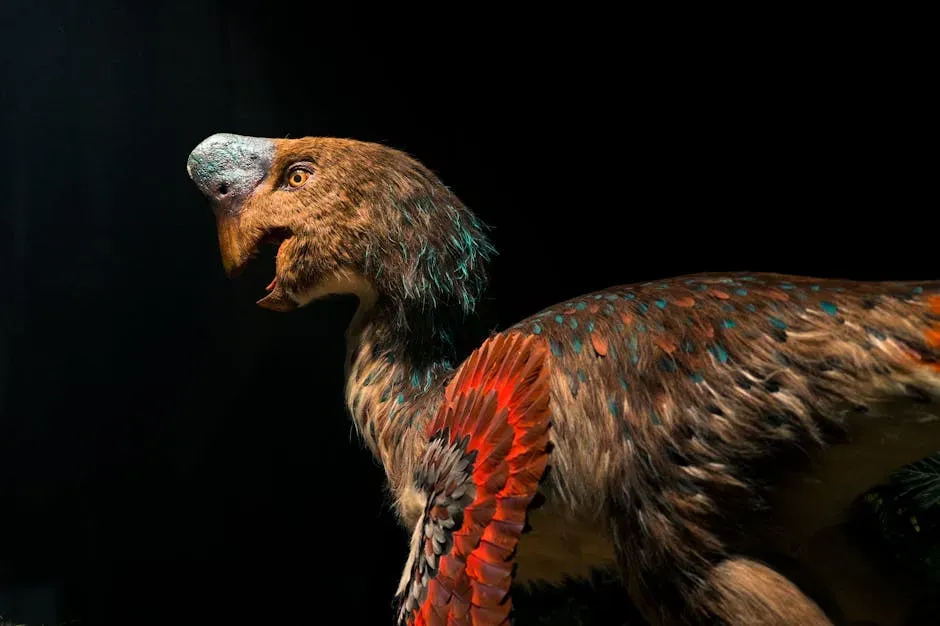
Those dramatic crests, frills, spikes, and plates you see in reconstructions were not just for show in the museum; they were working parts of daily communication. Brightly colored frills, display tails, and unusual head ornaments would have helped dinosaurs recognize their own species in a crowded landscape. They likely also sent signals about strength, maturity, or readiness to mate, similar to how peacocks, deer, or even humans use visual cues to communicate.
If you could observe a group over time, you might see individuals posture, flare out decorations, bob their heads, or change their stance when rivals or potential mates appeared. These gestures would help reduce the need for constant fighting, since a display might be enough to settle who is dominant. Even color patterns may have carried meaning, making daily life a quiet but constant performance of who you are and where you stand in the group.
9. Some Dinosaurs Probably Kept Cool in Very Creative Ways
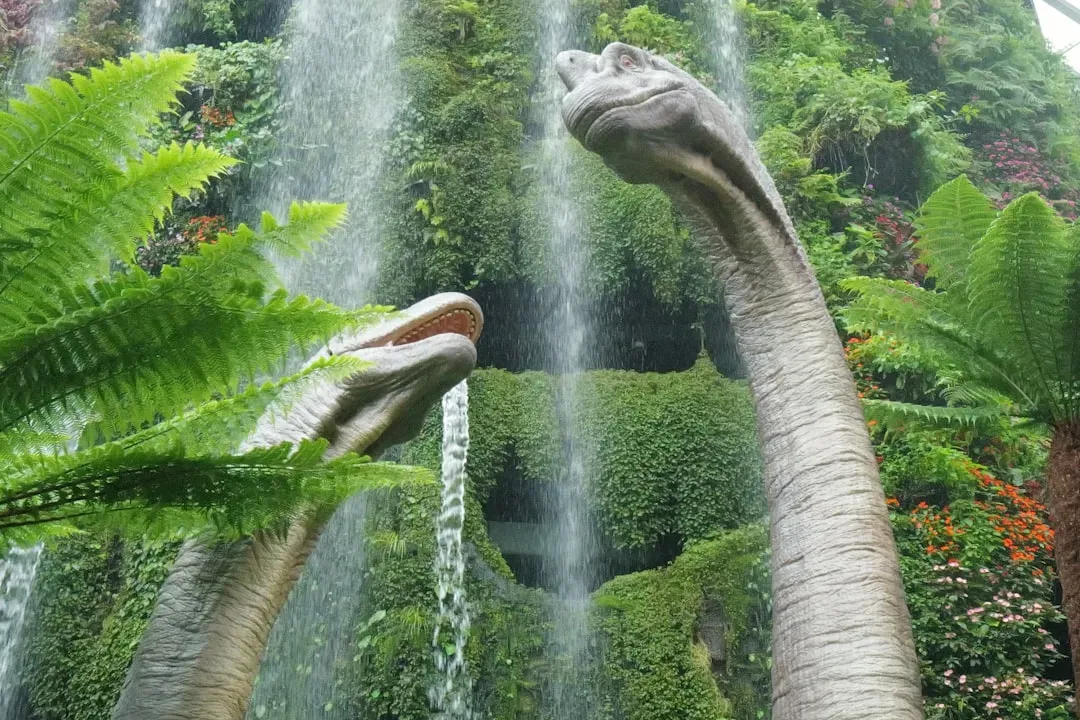
Living in a warm world with a huge body is a heat-management puzzle, and many dinosaurs likely solved it with clever biology. Large sauropods, for example, may have relied on long necks and tails that helped radiate excess heat, while others may have used blood flow in plates, crests, or thin skin areas to cool down. Feathers could also help regulate temperature, keeping heat in when it was cool and blocking direct sun when it was hot.
In day-to-day life, you might have seen them seek shade, wade into water, or change their activity patterns, becoming more active at cooler times of day. Some behaviors would look familiar from watching elephants or big mammals today, such as dust bathing or lingering near rivers and lakes. Their survival depended not just on escaping predators but on constantly balancing their internal temperature with whatever the climate threw at them.
10. Nighttime in the Dinosaur World Was a Different Society
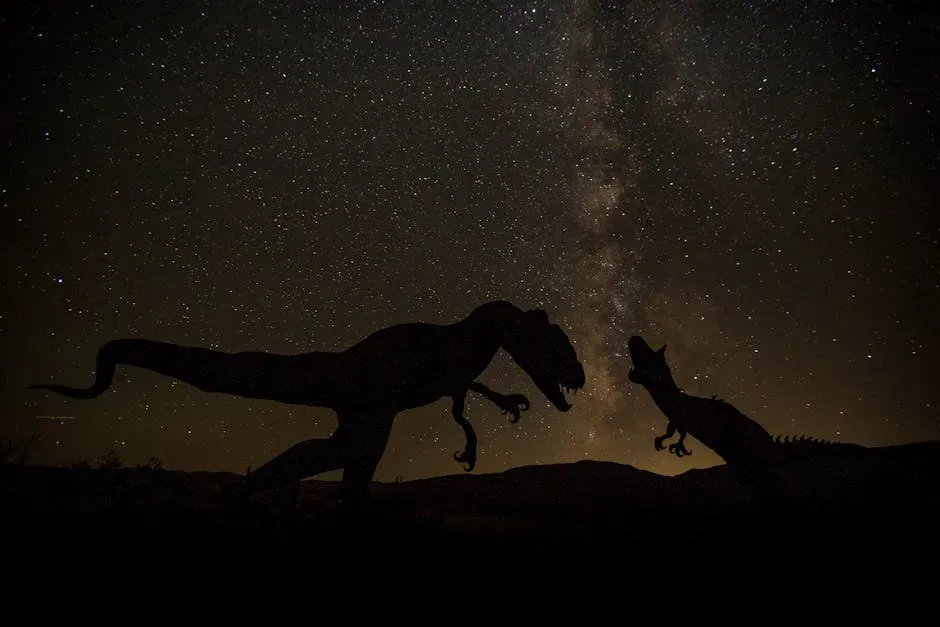
When the sun went down in the Mesozoic, the story did not stop; it just shifted to different characters. Eye socket shape and comparisons to modern animals suggest that some dinosaurs were well adapted to low light, meaning their main shift might have been at dawn, dusk, or during the night. Others probably settled into resting places, relying on camouflage, group safety, or a good hiding spot to make it through the dark.
If you had stayed out after sunset, you would notice the soundscape change: fewer heavy footsteps, more subtle rustles, calls, and movements from smaller, more agile creatures. Predators with better night vision might have taken advantage of sleeping or less alert prey, playing a quiet but deadly game of stealth. In some ways, you can imagine daytime and nighttime dinosaur communities overlapping like two different towns sharing the same streets at different hours.
11. Growing Up Dinosaur Was a Long, Risky Journey
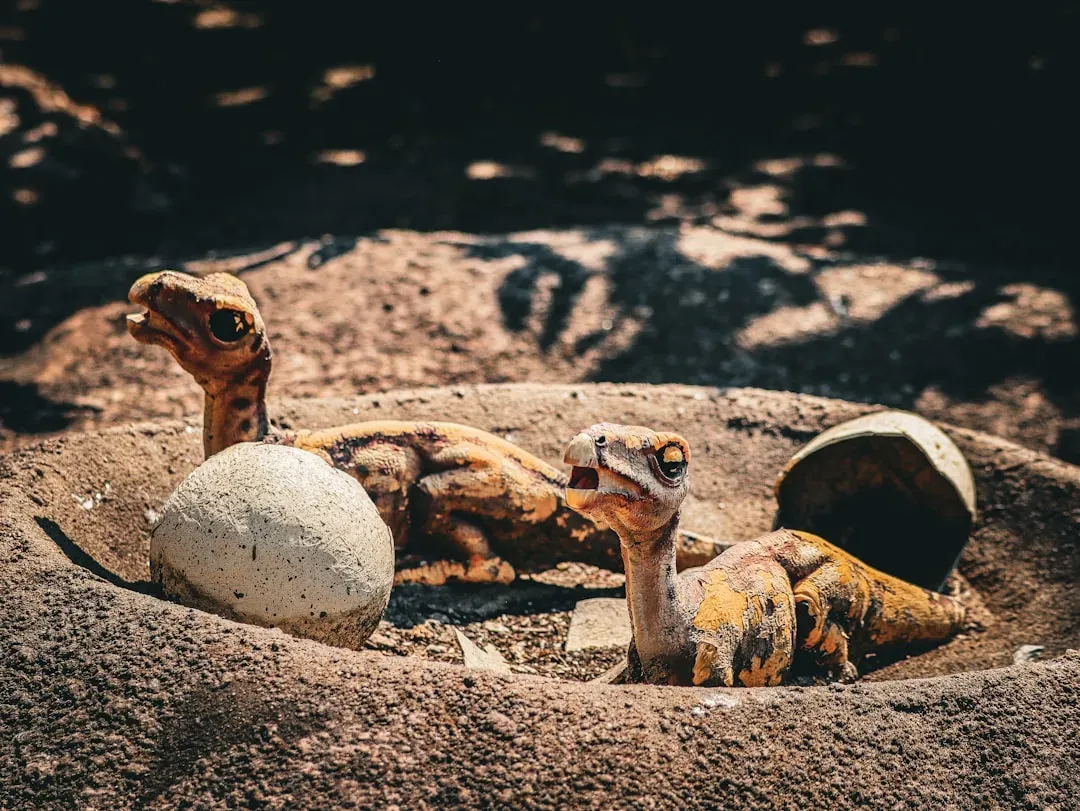
From the moment an egg was laid, a dinosaur’s everyday life was stacked against it. Clutches of eggs suggest that parents produced many offspring at once, probably because only a small fraction would ever make it to adulthood. Young dinosaurs would have faced predators, harsh weather, disease, and competition for food, all before they were fully grown or coordinated enough to escape danger easily.
If you followed a group over several years, you would see constant change as youngsters grew, moved through different size classes, and shifted roles within the group. Some species may have formed age-based groups, where juveniles spent more time with others their size, learning to forage and watch for threats. Growing up meant not just getting bigger but surviving each ordinary day long enough to gain skills and strength, a silent race you can still read in their bones.
12. Extinction Wasn’t in Their Daily Plans
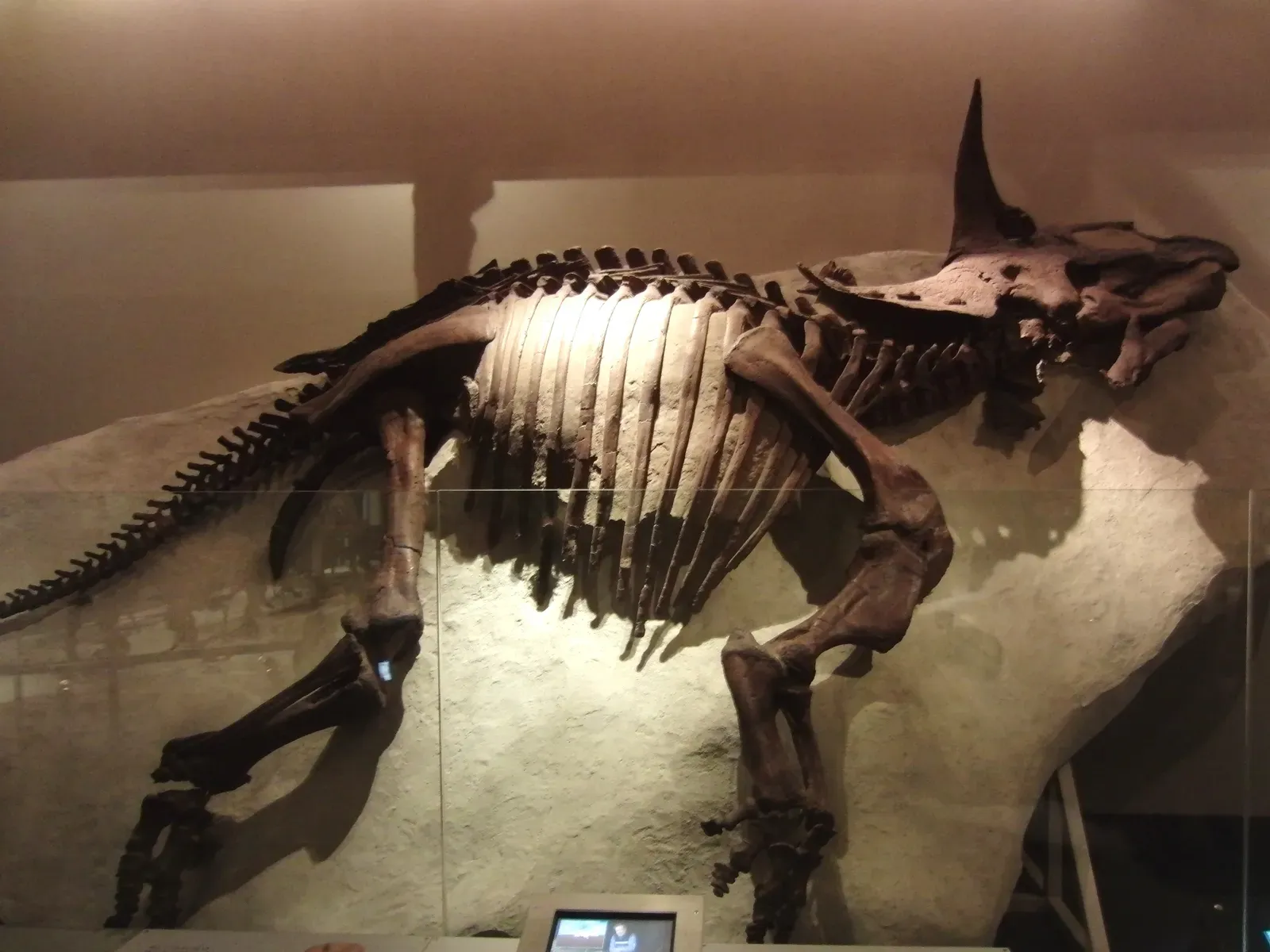
When you think about dinosaurs, you almost always jump straight to their dramatic ending, but they lived for millions of years without knowing what was coming. For them, each day was about finding food, avoiding danger, and reproducing, not about sensing some distant catastrophe. Even as conditions slowly shifted due to climate changes or volcanic activity, individual dinosaurs just kept following their routines, adapting as best they could to what they actually experienced.
If you could step into their world at any moment before the final impact, nothing would tell you that most of them were about to vanish from the story. You would see a functioning, busy ecosystem with animals entirely focused on the present: migrating, nesting, growing, hunting. In a way, that makes their story feel uncomfortably close to your own, because you also live day by day, rarely thinking about the long arc of your species’ future.
Conclusion: Seeing Dinosaurs as Living, Breathing Neighbors
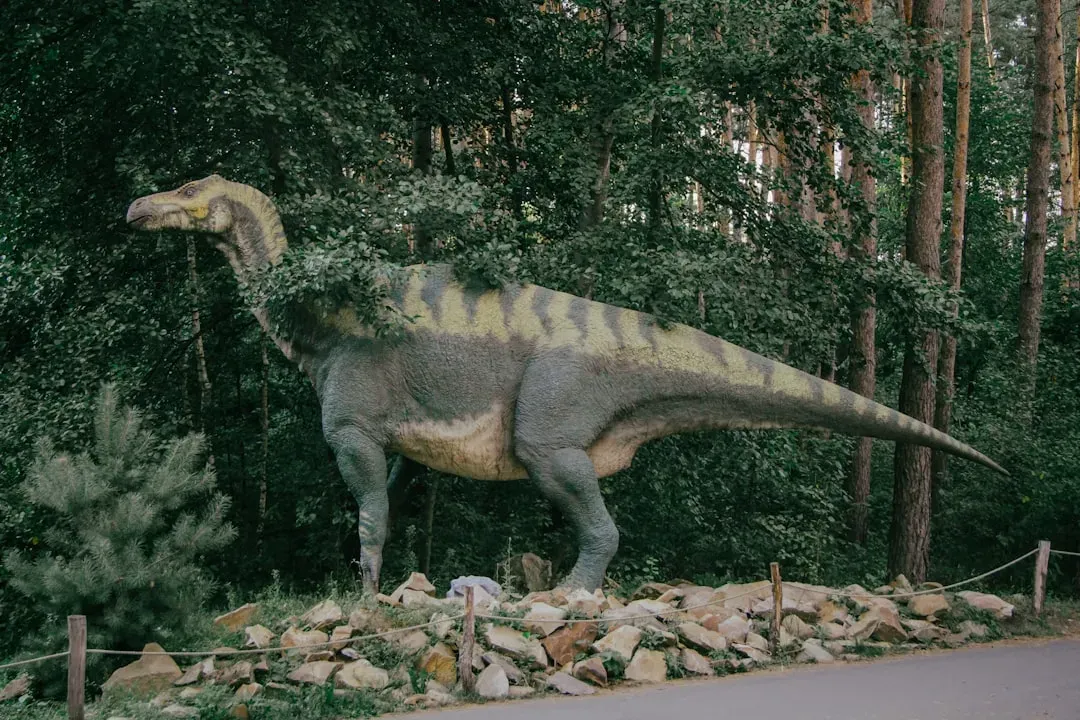
When you start to picture dinosaurs not just as skeletons or movie monsters but as animals with routines, preferences, and family lives, their world becomes much more real. You can almost feel the ground shake as a herd moves past, hear the soft calls between parents and young, and notice the quick flick of a feathered tail signaling something only they understand. Their days were filled with choices you recognize: where to rest, what to eat, who to trust, and when to run.
By paying attention to these quieter, everyday details, you connect with them not just through awe at their size but through empathy for their struggles. They were not planning to become museum exhibits; they were just trying to get through each sunrise and sunset, as you do. So the next time you stand in front of a dinosaur skeleton, you might ask yourself: can you imagine what an ordinary Tuesday looked like for this animal, and what it might reveal about your own?