If you picture dinosaur science as a pile of bones in a museum, you’re only seeing half the story. The real drama of dinosaur life often hides in the things they left behind: footprints, burrows, nests, and even scratches in ancient mud. These traces are like candid snapshots of moments that bones alone can never show you.
When you look at trace fossils, you’re not just staring at stone; you’re peeking over the shoulder of time, watching a dinosaur walk, run, slip, stalk, or care for its young. It’s messy, imperfect, and wonderfully human in a strange way. By the end of this article, you’ll see why a single footprint can feel more personal than an entire skeleton.
How Trace Fossils Turn Stone Into Stories
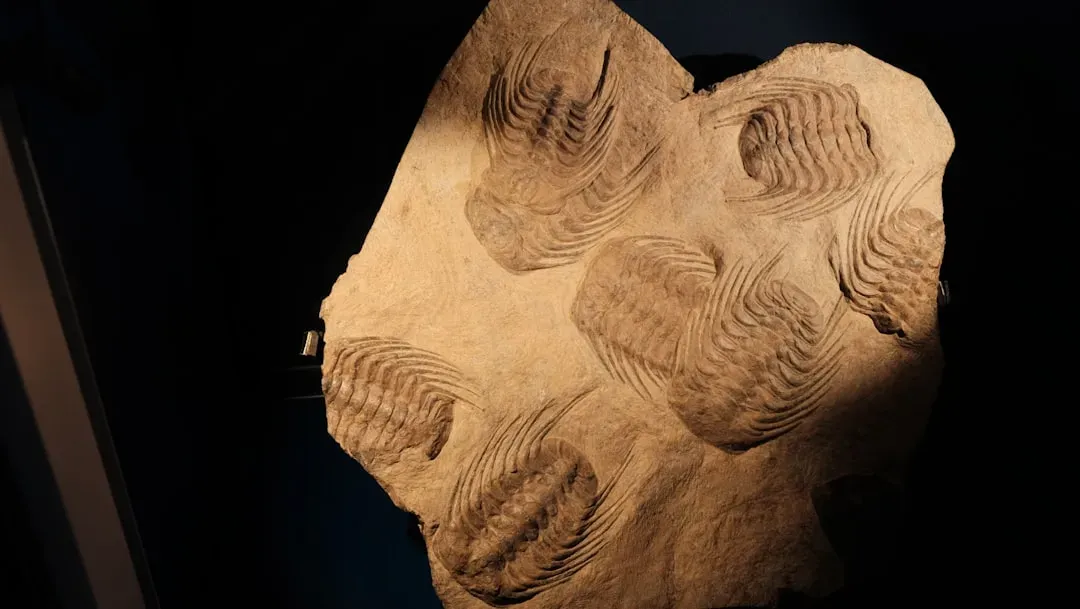
You might think fossils are mostly about skeletons, but trace fossils flip that idea on its head. Instead of bones, you get evidence of behavior: footprints, trackways, burrows, nests, feeding marks, coprolites (fossilized dung), and more. You’re not just being told dinosaurs existed; you’re being shown what they were doing on an ordinary day millions of years ago.
Trace fossils form when an animal’s activity disturbs soft sediment that later hardens into rock, like a footprint in wet sand that gets buried, compacted, and preserved. When you see a trackway, you’re looking at a frozen moment in motion, the geological equivalent of a paused video. You can follow a path, feel the rhythm of the steps, and sometimes even sense hesitation or panic written in the spacing of the prints.
Footprints and Trackways: Reading Dinosaur Body Language
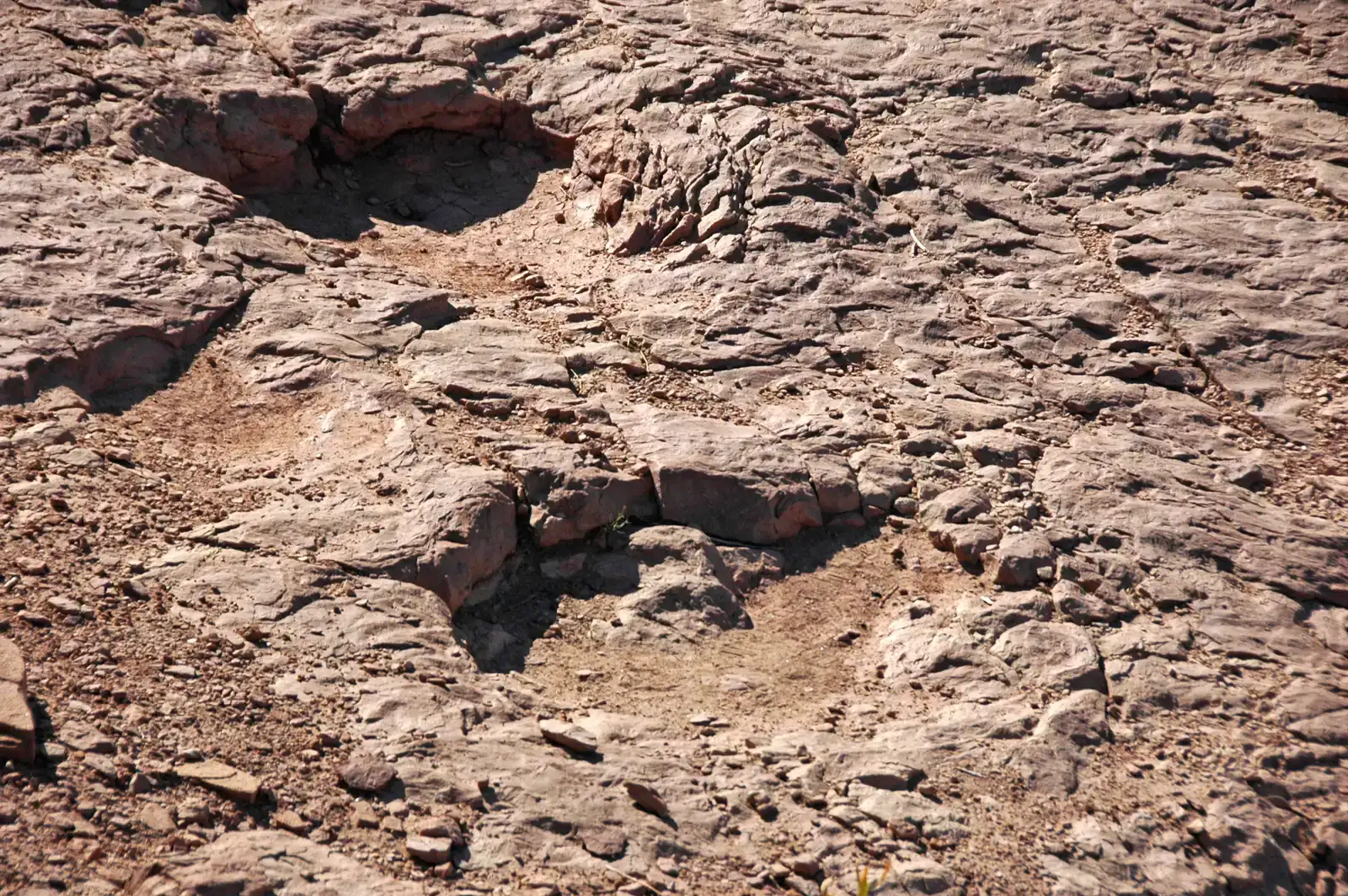
When you look at a dinosaur footprint, you’re basically reading the animal’s body language in stone. The length between steps, the depth of the imprint, and the angle of the toes all tell you how fast it was moving and how it held its body. Longer strides and shallow toe impressions suggest a fast, almost running gait; short steps and deeper impressions hint at a slow, heavy walk.
Trackways can also show you subtle shifts in mood and intent. You might see a straight, steady path that suddenly veers and tightens, suggesting the animal turned quickly, maybe to avoid something or chase after it. On some surfaces, you even get impressions of tail drags, slips, or claw scrapes, all tiny details that let you imagine the animal as a real, moving presence rather than a static skeleton.
Herds, Highways, and Social Lives Written in the Ground
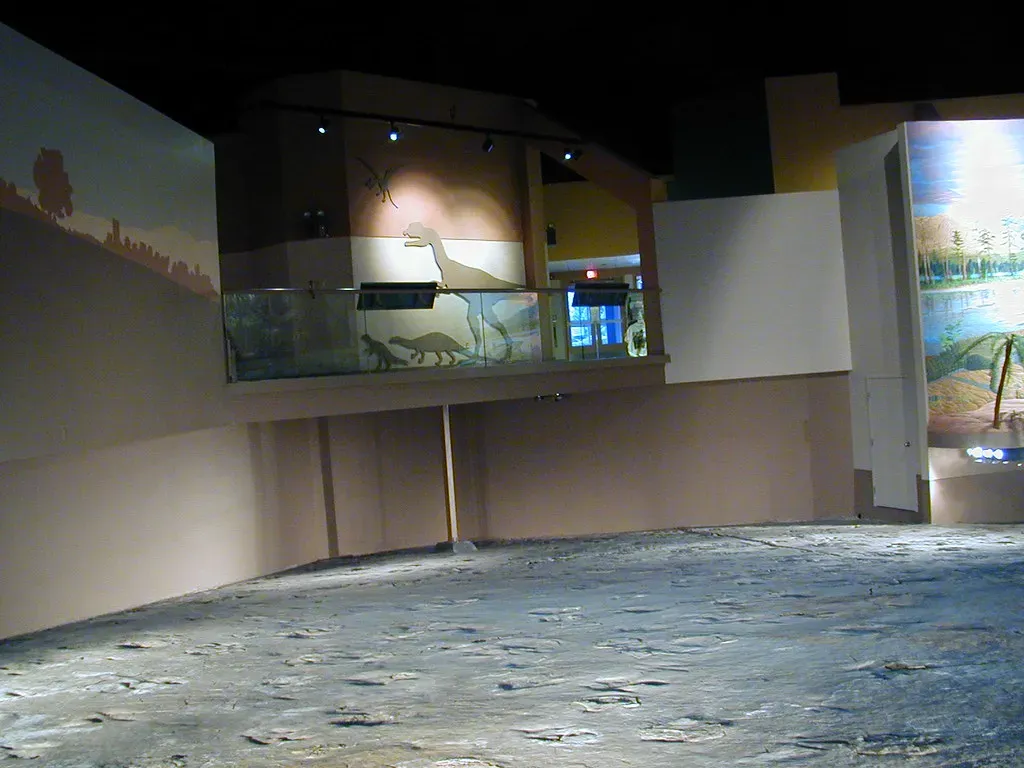
When you see many trackways moving in the same direction and at similar speeds, you’re probably looking at a herd in motion. Parallel paths carved into ancient floodplains or lake margins hint that some dinosaurs didn’t travel alone but moved in groups, much like elephants or wildebeest today. You can picture young individuals with smaller footprints mingling among larger adult tracks, suggesting mixed-age herds.
Some sites show what feel like dinosaur highways: repeated use of the same routes over long periods, layer after layer of overlapping paths. When you stand back mentally and see that pattern, you’re seeing routine and habit, not randomness. It tells you these animals likely followed seasonal paths to water, food, or nesting grounds, and that they were creatures of landscape and tradition, not just isolated wanderers.
Predator–Prey Chases Recorded in Ancient Mud
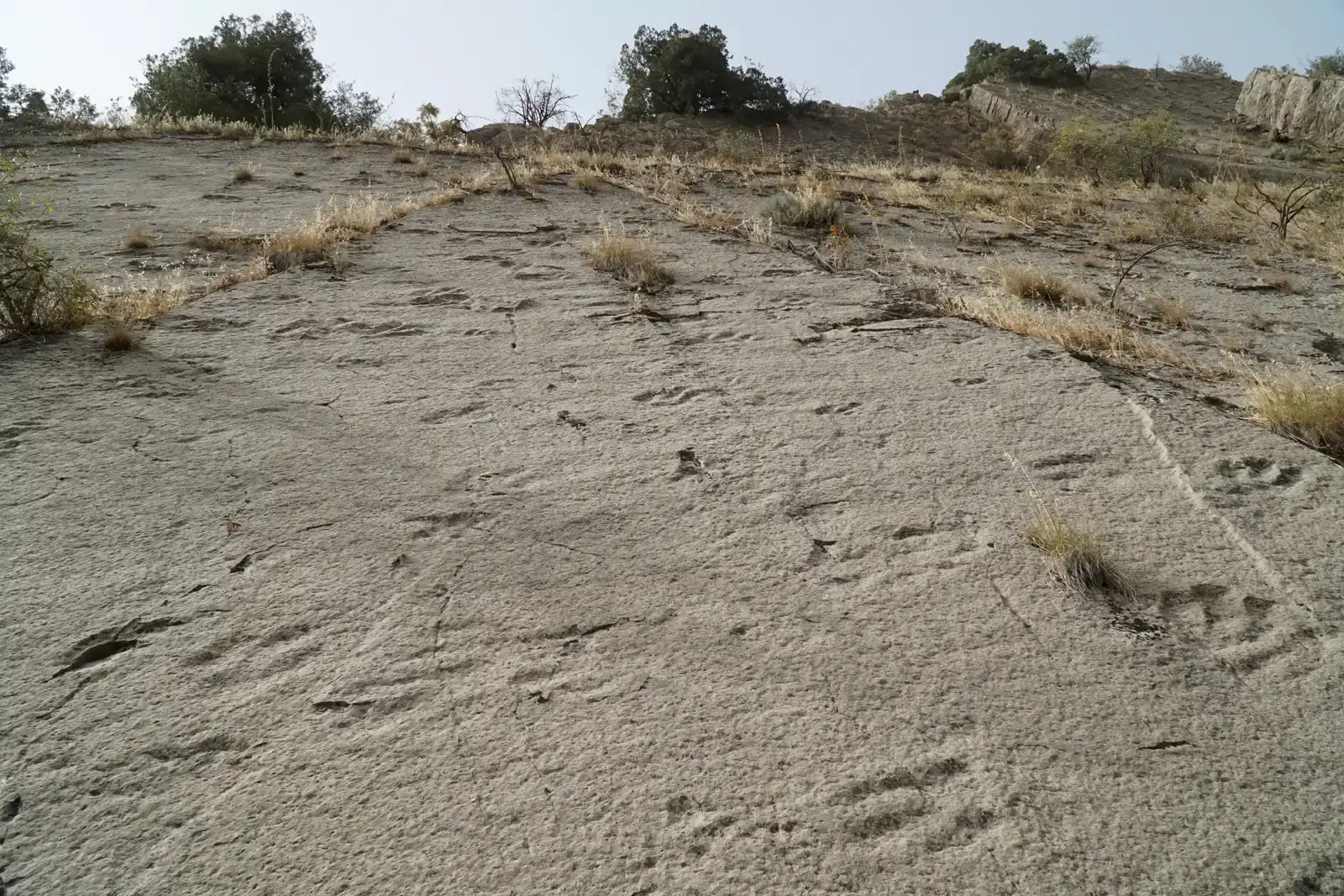
Every once in a while, you come across trace fossil sites where the ground reads like a thriller. You’ll find three-toed predator tracks converging toward larger herbivore tracks, step lengths suddenly stretching out, and sometimes both sets of tracks breaking into a chaotic blur. You’re witnessing a hunt frozen in stone, with each footprint a frame in a silent chase scene.
In some cases, you can see where a prey animal shifted direction sharply, almost zigzagging, while the predator trackway adjusts and follows. Sometimes the trail ends abruptly or gets lost in trampled terrain, leaving you to wonder who got away and who didn’t. You’ll never get the full ending, but that uncertainty is part of what makes these trace stories feel strangely immediate and alive.
Nests, Eggs, and Parenting: Family Life in the Fossil Record
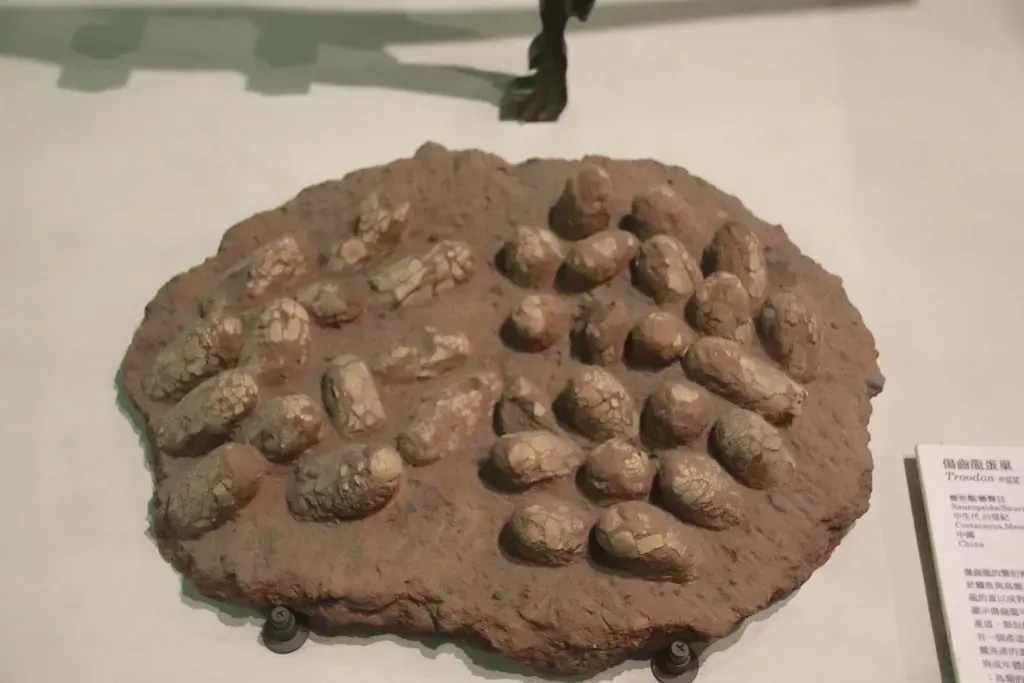
When you step into a fossilized nesting ground, you’re walking through the ghost of a dinosaur nursery. Circular depressions, egg clutches, and layered nesting structures show that some dinosaurs returned to the same spots year after year to lay their eggs. You can imagine the noise, movement, and tension of those places, almost like crowded seabird colonies today.
In some sites, you see small juvenile trackways clustered close to larger adult prints, suggesting that at least some species stayed with their young for a while. That kind of association points toward nurturing behavior, not simple abandonment after laying eggs. When you connect those dots, you start to see certain dinosaurs less as cold, distant monsters and more as animals that invested time and energy in raising the next generation.
Burrows, Resting Traces, and Hidden Daily Routines
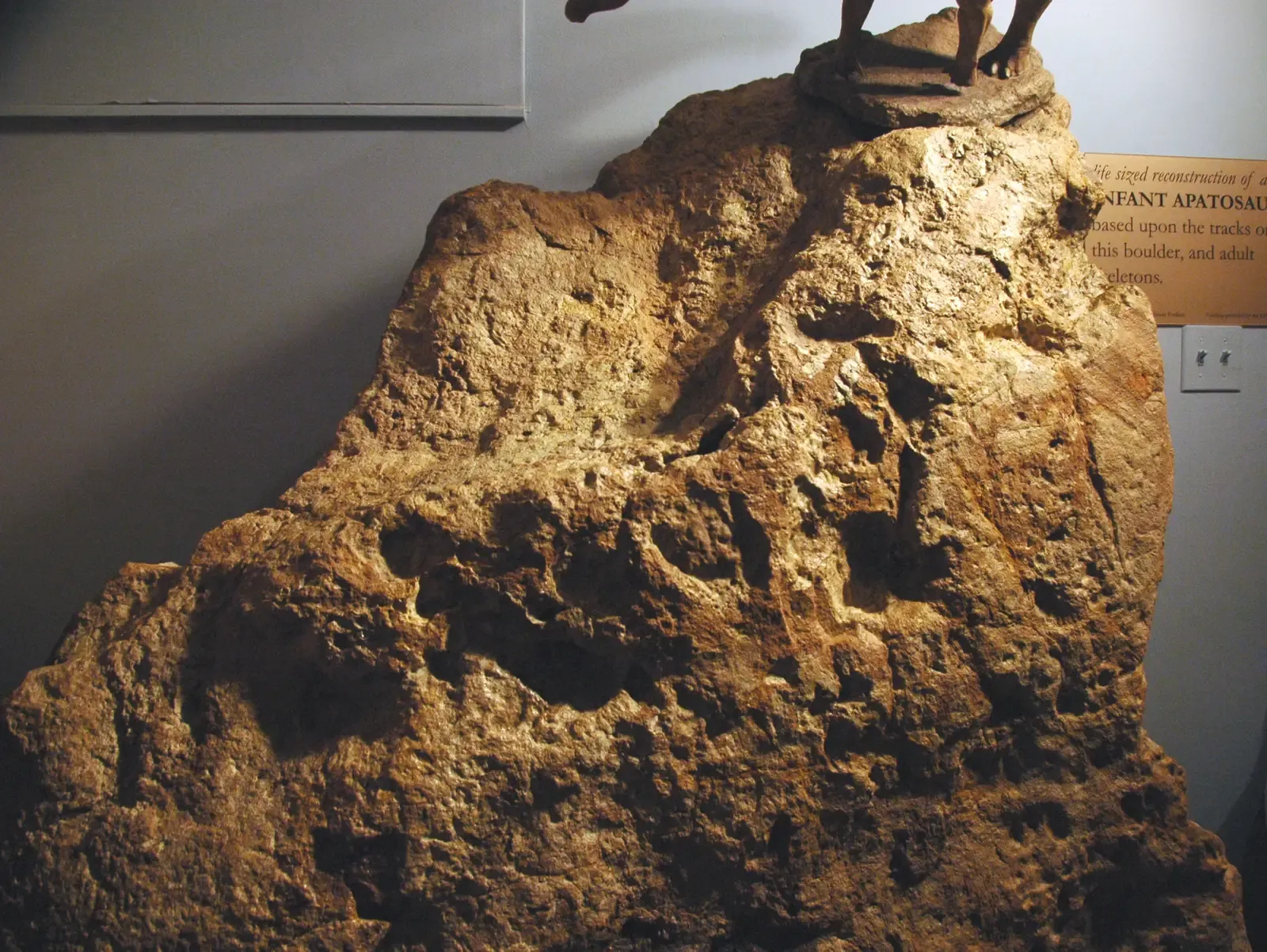
Not all dinosaur behavior happened out in the open; some of it is literally underground. Fossil burrows and tunnels hint that certain dinosaur-sized animals dug into soft sediment to shelter from heat, cold, or danger. When you see a tube-like structure with scratch marks on the walls and a shape that matches the body of a known species, you’re watching an animal’s instinct for safety etched into the earth.
You also find resting traces, where a dinosaur lay down and left the outline of its body, limbs, and sometimes even its tail in the sediment. These are like fossilized nap spots. When you examine them, you get clues about how the animal folded its legs, how its body contacted the ground, and how it might have slept or rested, details that bones alone almost never give you.
Feeding Traces, Bite Marks, and the Mess of Mealtime
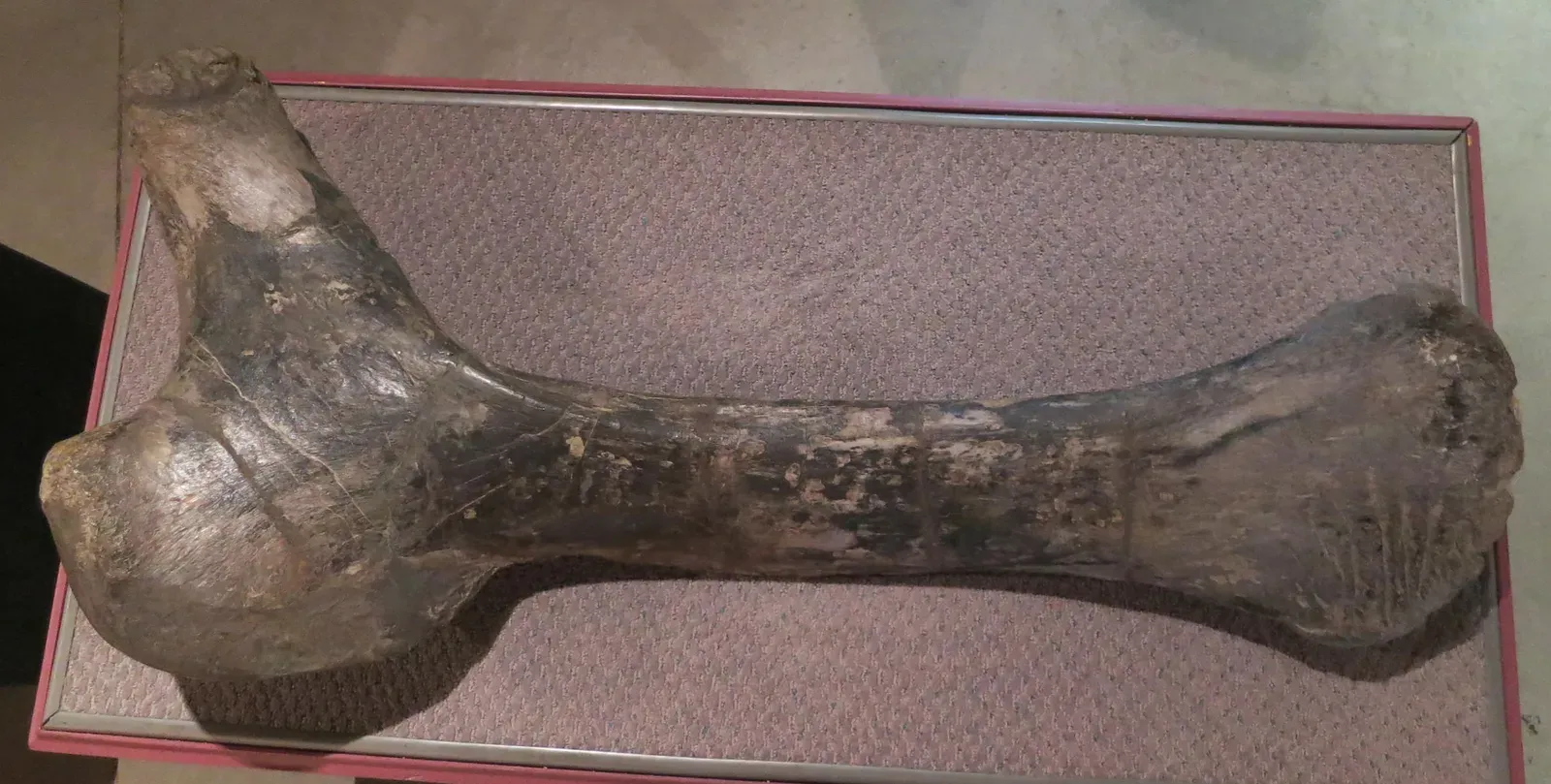
If you follow the scars and scratches on ancient surfaces, you can sometimes reconstruct what mealtime looked like for dinosaurs. Parallel scrape marks where a beaked animal cropped vegetation, gouges on bones from carnivorous bites, or repetitive claw rakes on logs and stumps all point to specific feeding behaviors. You’re basically catching them at the table, long after they left.
Coprolites, the fossilized remains of dung, might sound unglamorous, but they’re a buffet of data. When you examine them, you can find fragments of bone, plant fibers, pollen, or even tiny shells, telling you exactly what passed through a dinosaur’s gut. That lets you see not just what they could eat in theory but what they actually ate in practice, which is a huge leap toward understanding how they really lived.
What Trace Fossils Can’t Tell You (And Why That Matters)
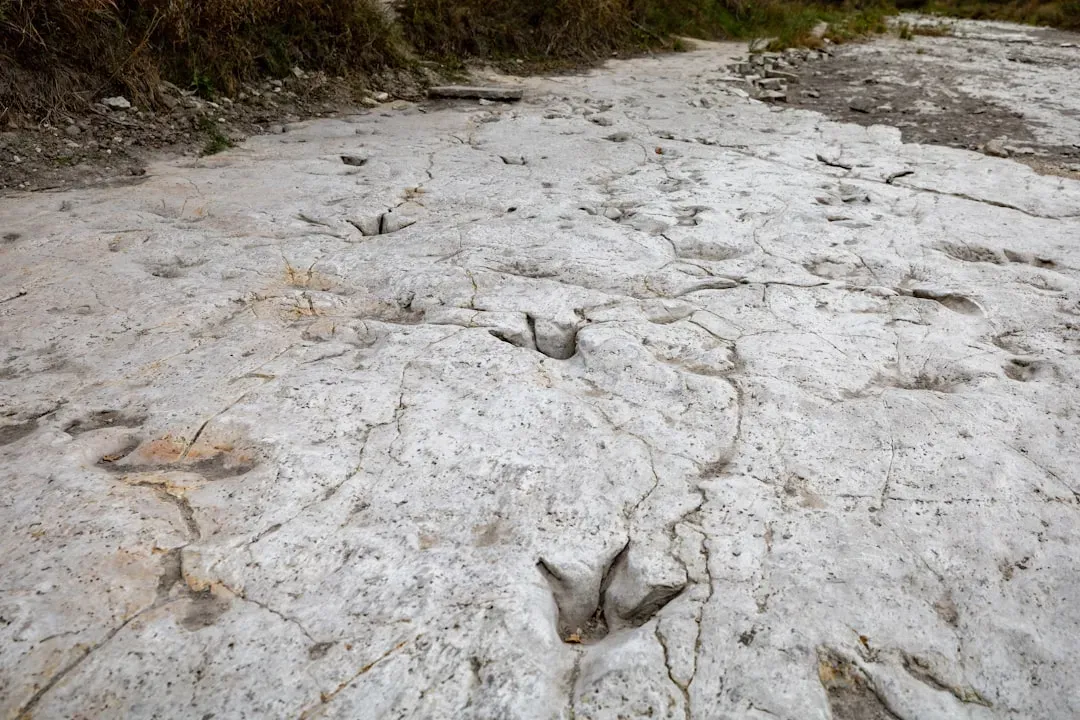
For all their richness, trace fossils still leave you with unanswered questions. A footprint rarely tells you the exact species that made it; often you only know the general type of dinosaur. A trackway can show you speed and direction but not always the reason behind the movement, so you’re left inferring behavior from patterns rather than watching a clear video of the moment.
This uncertainty forces you to stay honest about what you can and can’t claim. You can say a dinosaur was likely moving in a group, but you can’t always prove complex emotions or social structures from tracks alone. That limitation actually keeps the field healthy, pushing you to combine trace fossils with bones, geology, modern animal behavior, and careful reasoning rather than jumping to dramatic but unsupported conclusions.
When you put it all together, trace fossils let you lean in close to scenes that would otherwise be lost forever: a herd slogging through mud, a predator sprinting after prey, a parent guarding a nest, a youngster taking clumsy first steps. You’re not just learning facts; you’re watching moments, decisions, and habits that made up real lives. That’s why a simple track in stone can feel more intimate than the most perfectly mounted skeleton in a glass case.
The next time you see a fossil footprint or a nest display, try treating it like a diary entry rather than just an exhibit label. Ask yourself what was happening in that exact instant, on that patch of ground, under that ancient sky. If you could follow one dinosaur’s tracks for an entire day, how much of its life do you think you’d be able to read from the ground beneath your feet?