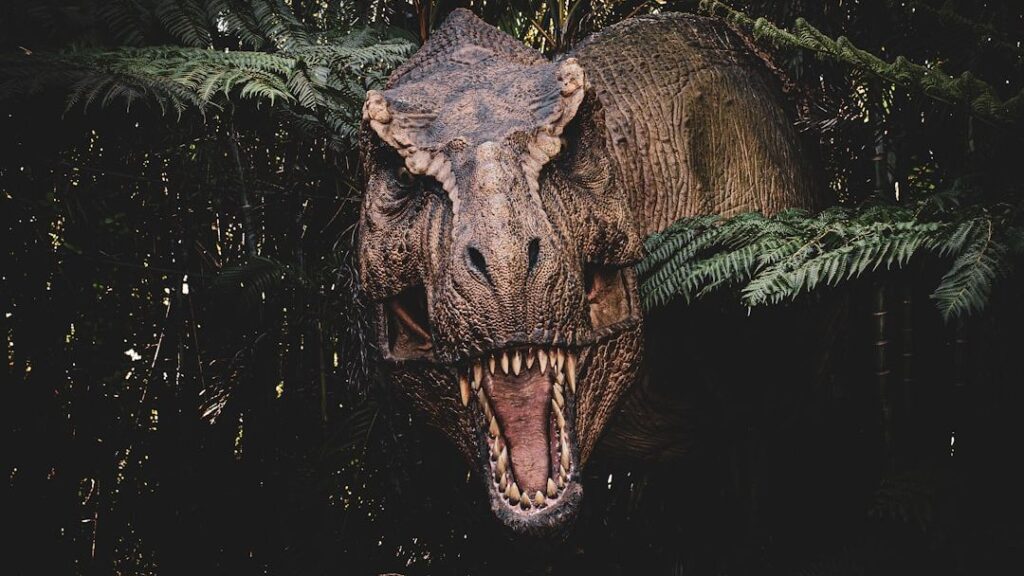
When you picture a dinosaur, you probably hear it before you see it: that chest-rattling roar echoing through a steaming jungle. Movies have drilled that sound into your brain so well that it feels almost real. But here’s the twist: the most famous dinosaur roars you know are mostly modern human inventions, stitched together from lions, tigers, and other animals that never met a dinosaur.
That does not mean dinosaurs were silent. Far from it. You are dealing with animals that lived for millions of years, evolved bizarre bodies, and shared ancestry with birds and crocodiles, two groups that are anything but quiet. When you strip away the Hollywood drama and lean on what science can actually tell you, dinosaur “roars” start to look like something very different – more subtle, more bizarre, and in some ways, even more unsettling.
Tyrannosaurus Rex: The Roar That Probably Wasn’t a Roar
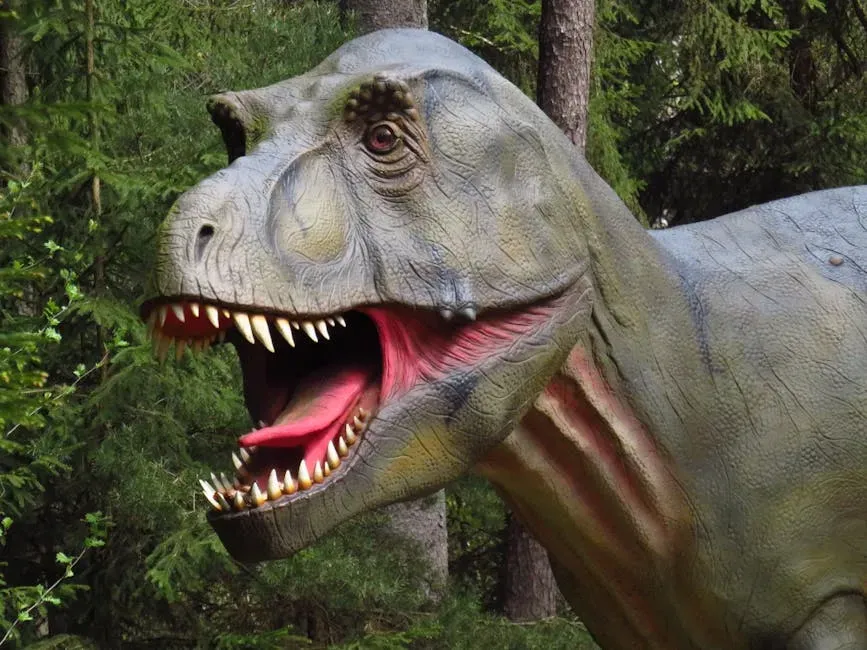
You have heard that legendary T. rex bellow in films – a high, ripping, lion-like roar that sounds like it could knock you off your feet. The reality, based on what you know about its closest living relatives (birds and crocodiles), is that a full-throated mammal-style roar is actually pretty unlikely. Instead, you should imagine something deeper and more haunting, maybe closer to a low-frequency boom, a resonant rumble you feel in your chest more than you hear clearly with your ears.
When you picture what that “roar” meant, think about intimidation and communication at a distance. A big predator like T. rex would benefit from sounds that travel far and carry through dense vegetation, warning rivals and advertising its presence to potential mates. You might compare it to how elephants use low rumbles: not just noise for drama, but information broadcast over a wide area. So that iconic T. rex roar you grew up with still captures a real idea – power and dominance – just probably in the wrong pitch and style.
Velociraptor: Less Screaming Monster, More Hissing, Squealing Pack Hunter
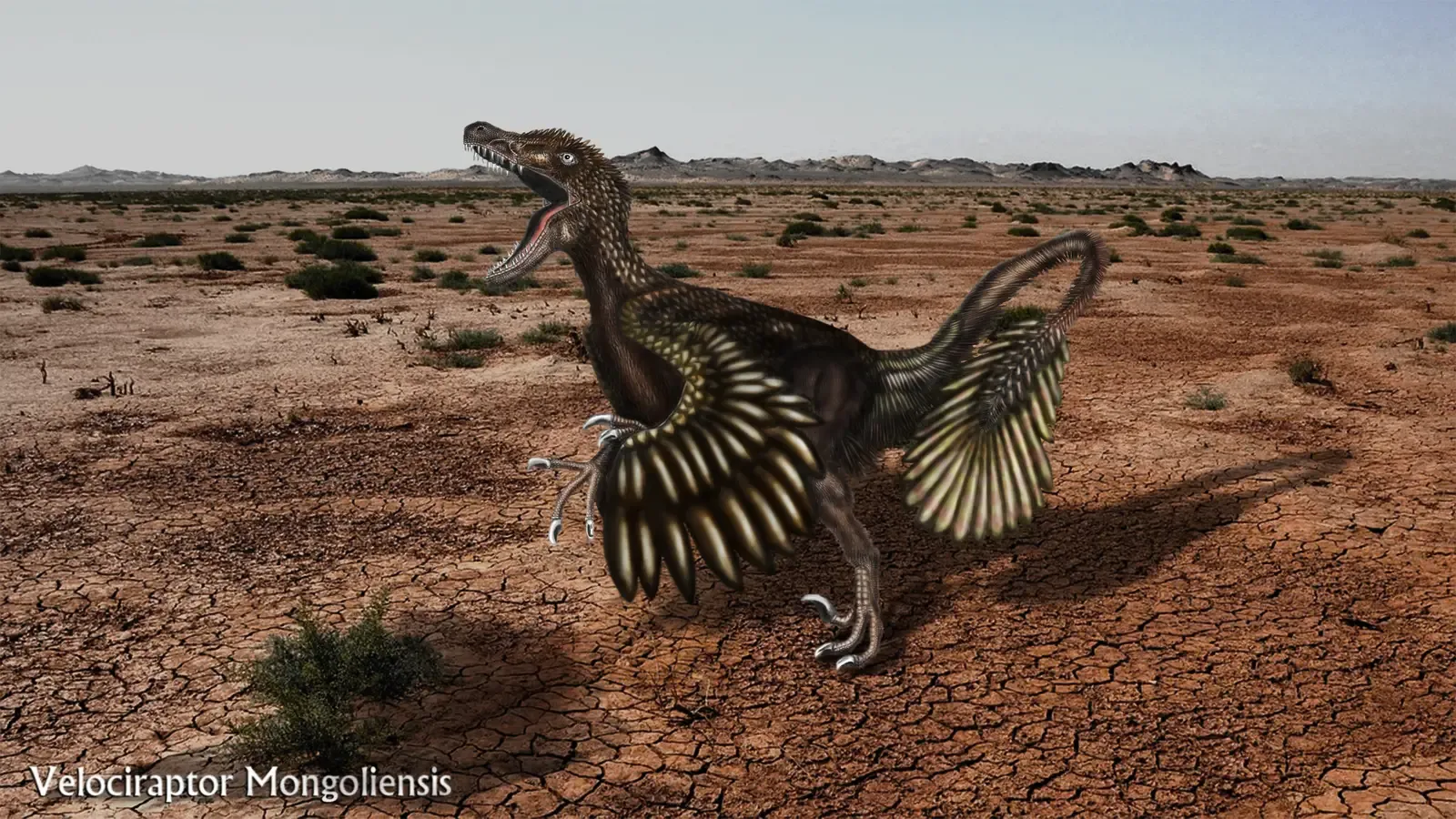
If you expect Velociraptor to scream like a movie monster, you are echoing decades of Hollywood, not the fossil record. The real Velociraptor was smaller than the on-screen version and likely feathered, more similar in many ways to a large, dangerous bird. That means its “roars” probably sounded more like a mix of hisses, short squawks, squeals, and maybe rattling or clacking noises, rather than one long, dramatic scream.
In terms of what those sounds meant, you can think in terms of pack coordination and threat displays. Short, sharp calls are great for signaling to nearby allies: here, now, attack, back off. Hisses and growls can be used to warn a rival away from a kill or to make a stand without having to risk actually fighting. When you imagine a group of Velociraptors hunting, you can picture a tense soundtrack of clicks, squeals, and raspy calls – less cinematic, maybe, but perfect for fast, coordinated behavior in a dangerous world.
Triceratops: Deep Bellows of Warning and Resolve
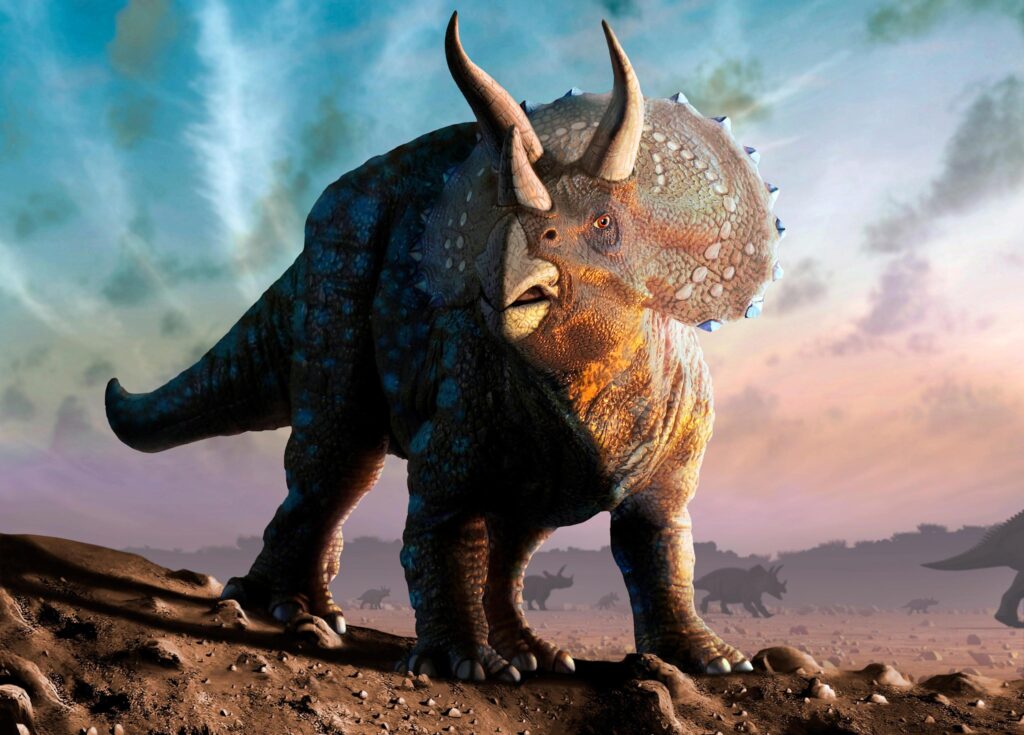
Triceratops looks like a living tank, so your brain expects a huge, angry bellow to go with those horns and frill. That expectation is not completely unreasonable, because large herbivores today – like bison and buffalo – often use deep calls to signal distress, dominance, and alarm. You can imagine Triceratops producing low, resonant bellows or grunts, sounds that might have been helped by its large skull acting as a resonating chamber, even if that detail is still being explored scientifically.
What do those “roars” mean in practice? For you to understand it, think about a massive animal standing its ground against a predator like Tyrannosaurus. A warning bellow would say: I see you, I am ready, and I am not an easy meal. Among other Triceratops, similar sounds could signal agitation, herd movement, or a readiness to charge. The noise is not just about sounding big; it is about avoiding fights when possible, broadcasting confidence, and keeping the herd coordinated in the face of danger.
Stegosaurus: The Quiet Giant That May Have Rumbled Instead of Roared
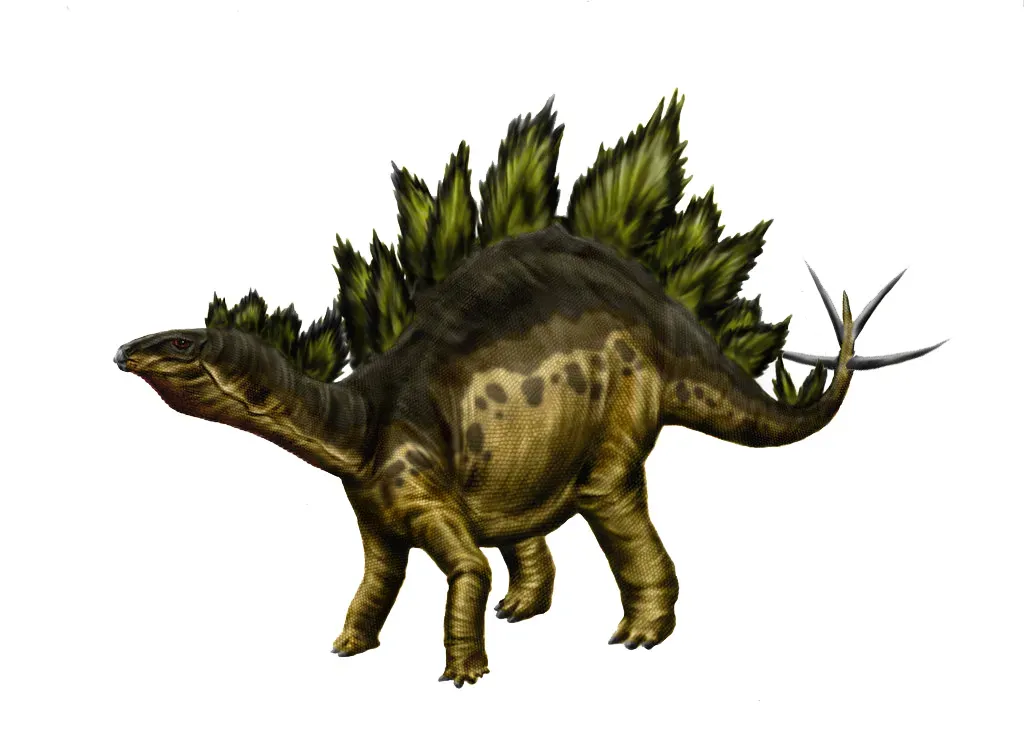
With its row of plates and spiked tail, Stegosaurus looks like it should roar like a dragon. But when you look at its anatomy, you do not see many hints of powerful vocal structures. That suggests to you that Stegosaurus might have relied more on low-volume sounds: deep grunts, snorts, and maybe low rumbles produced deep in the throat, rather than dramatic, echoing roars. It might even have used body language – tail swings, plate displays, stamping – just as much as sound.
So when you ask what its “roars” meant, you are probably really talking about subtle communication. A low grunt could be enough to signal irritation or a mild threat to a nearby rival. A deeper, more sustained rumble might have helped herd members stay connected, especially in low-visibility environments. You can compare it to a cow’s vocal life: not silent, but not theatrical either, just enough sound to say, I am here, give me space, or follow me.
Spinosaurus: The Swamp Predator With Strange, Possibly Nasal Calls
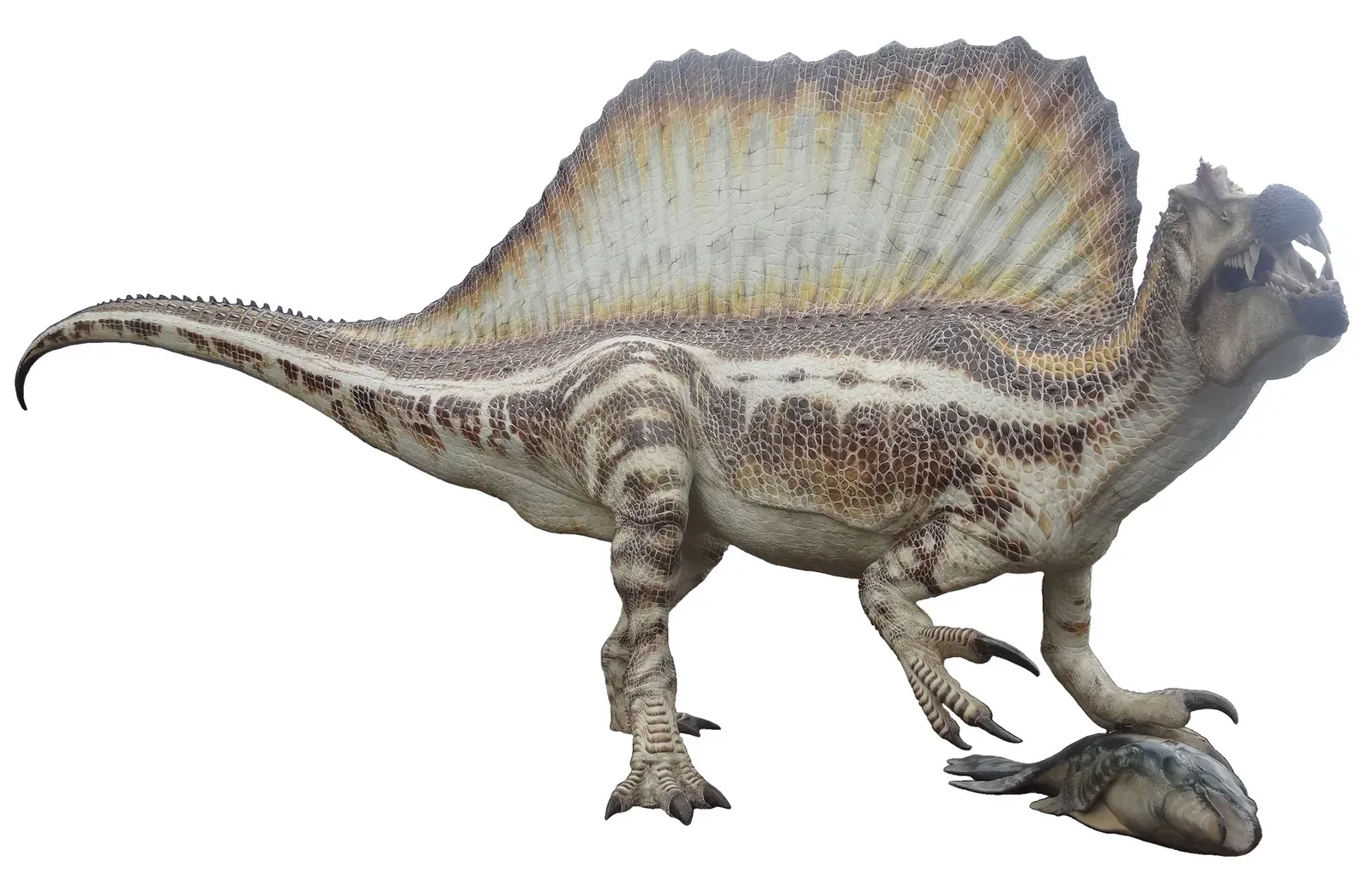
Spinosaurus, with its long crocodile-like snout and sail on its back, already breaks most of your typical dinosaur expectations, and its sounds likely did too. Because its skull shares features with crocodilians, you can reasonably imagine it making low, guttural grunts, hisses, and maybe nasal snorts, especially if it spent a lot of time in or near water. Water environments tend to carry low-frequency sound well, so deep, throaty calls would have traveled without needing a Hollywood-style roar.
In terms of meaning, imagine calls designed for territory and mating rather than constant aggression. A male Spinosaurus might have used sustained, booming notes to mark its fishing zone along a riverbank or to broadcast its size to competitors it could not see. Shorter, harsher sounds – snaps, growls, and hisses – would be perfect for close-range conflicts over a carcass or nesting space. When you think of Spinosaurus “roaring,” you might picture something more like a crocodile’s chilling bellow than a lion’s roar, tuned to the echo of swamps and wide, slow rivers.
Allosaurus: Mid-Level Roars in a World Before T. Rex

Allosaurus ruled much earlier than T. rex, and you can think of it as a top predator in its own ecosystem, roughly similar in role if not in exact shape. Its skull structure suggests large air spaces and sinuses that could have helped amplify sound, giving it the ability to create deep, resonant calls. But again, you are not dealing with a cat-like roar; you are more likely imagining a mix of booming vocalizations and rough growls, maybe not as low as T. rex but still powerful.
For meaning, those calls probably mattered in both hunting and social behavior. Loud, far-reaching vocalizations could signal presence, warn rivals, or even broadcast a claim over a carcass. Shorter, rougher sounds might have been used when confronting another Allosaurus or during mating displays. If you imagine standing on a Late Jurassic floodplain, you might hear an Allosaurus call as a deep, unsettling rumble rolling across the landscape, letting every other big carnivore know exactly who is in charge nearby.
Parasaurolophus: The Dinosaur That Sounded Like a Living Horn
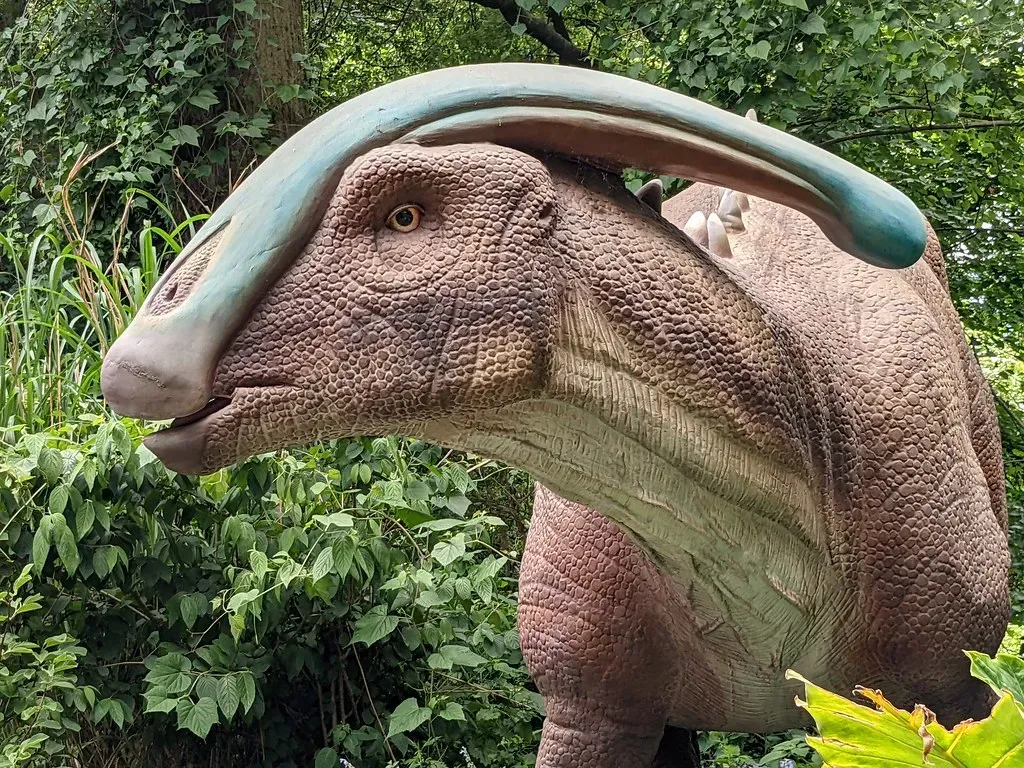
If you want one dinosaur where you can talk about sound with real confidence, you look at Parasaurolophus. Its long, curved crest is hollow and connects with its nasal passages, basically turning the entire head into a wind instrument. Computer models and physical reconstructions suggest it could produce low-frequency, horn-like tones, long, mournful notes that might remind you of a foghorn or a distant ship calling out over water.
What does that “roar” mean for you? In this case, it might not be about fear or aggression at all, but about identity and communication. Different crest shapes in different species – or even males and females – likely produced slightly different tones, which means you can imagine a Parasaurolophus using its calls to say, This is me, this is my group, this is where we are. Those long, eerie sounds would travel far across open plains, helping herds stay in touch and maybe playing a role in courtship. When you picture a Parasaurolophus calling at dusk, you are hearing one of the most plausible and well-supported “dinosaur voices” science has ever modeled.
Hadrosaur “Duck-Bills”: Honks, Blasts, and Social Chatter
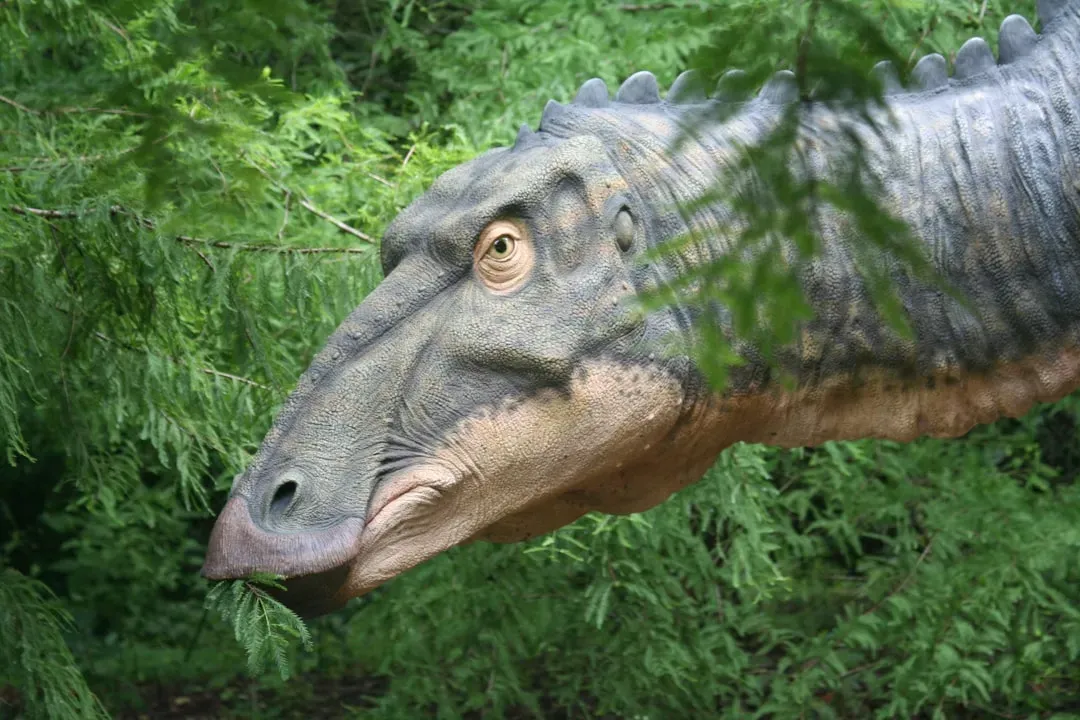
Hadrosaurs, sometimes called duck-billed dinosaurs, often had elaborate crests and nasal cavities that look built for sound production. You can imagine them honking, trumpeting, and blasting out low, resonant calls that bounced off their internal air spaces. Some crest shapes have been studied as potential resonating tubes, capable of producing deep, musical tones, not all that different in concept from a trombone or a giant flute, just grown from bone instead of metal.
For meaning, these sounds likely formed the backbone of complex social communication. You can picture large herds of hadrosaurs using honks to signal movement, reassure youngsters, or warn of approaching predators. Slight differences in sound might have helped individuals recognize their own species among several similar-looking groups, or even pick out mates with especially impressive, far-carrying calls. In a world without cell phones or written signs, sound became the main way to say, Stay close, stay safe, and stay with your own kind.
Ankylosaurus: Low Grunts From a Walking Tank
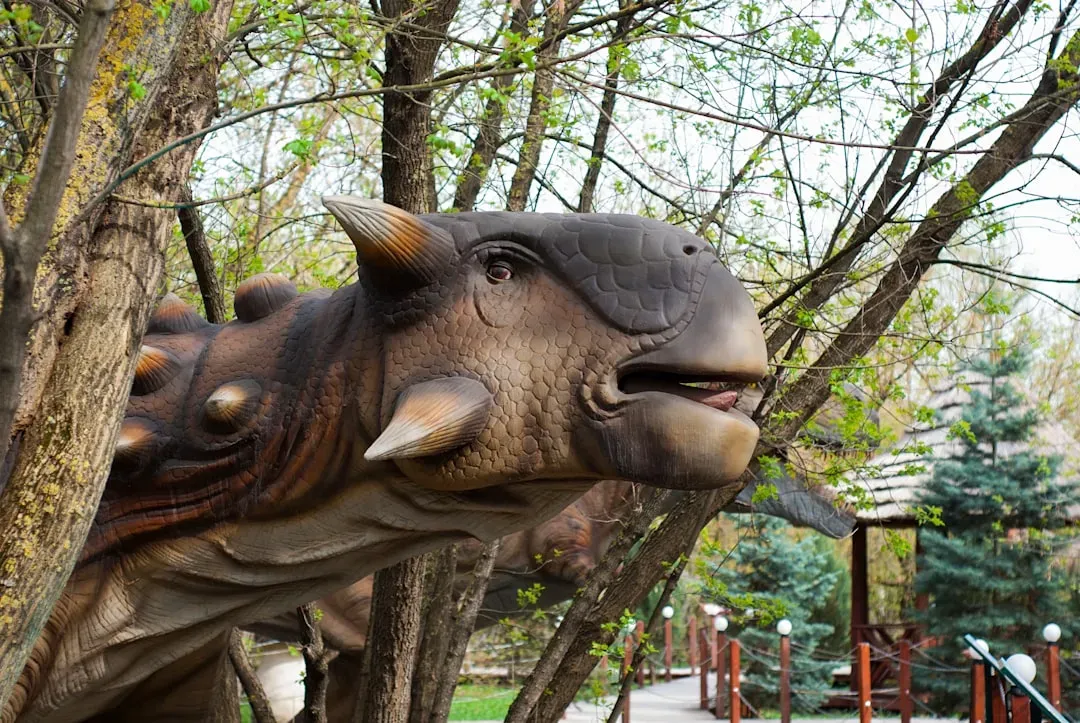
Ankylosaurus, with its armor plates and club tail, seems built more for silence and defense than for loud displays. You do not see much in its skull that screams sophisticated vocal equipment, but that does not mean it was mute. You can picture Ankylosaurus producing low grunts, snorts, and maybe deep rumbles that carried just far enough to reach nearby companions. Its short muzzle and heavily built head suggest short, forceful sounds rather than long, musical calls.
Those simple vocalizations would still have meant a lot: they could warn others of danger, express irritation when crowded, or help keep a loose group coordinated while foraging. In a forested environment, you do not always need a roaring broadcast; you just need your nearest ally to know where you are. So when you think about Ankylosaurus “roaring,” you might want to downgrade that image to something more practical and grounded: the heavy-breathing, rumbling chorus of several armored giants moving together through the undergrowth, quietly but firmly insisting on their right of way.
Theropod Chicks and Juveniles: Peeping, Chirping, and Calling for Help
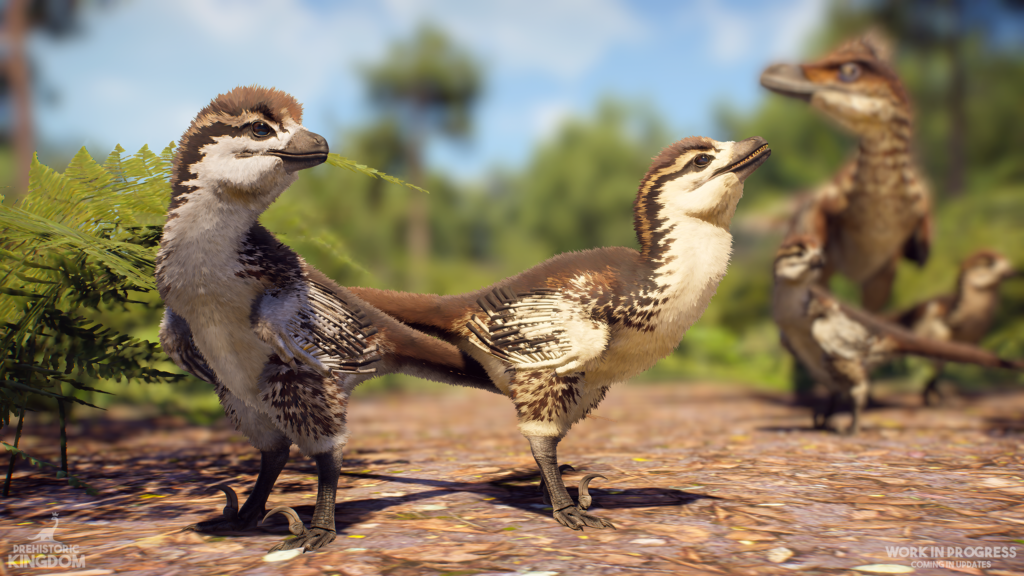
Your mind jumps to adult dinosaurs when you hear the word roar, but juveniles and chicks would have had their own acoustic world. Drawing from what you see in modern birds and crocodiles, young theropods almost certainly produced higher-pitched peeps, chirps, and squeaks to get attention and care. These sounds would not shake the ground, but they would be perfectly tuned to tug at the instincts of nearby adults, especially if those species invested time in guarding nests or broods.
In terms of meaning, these “roars” are really cries for help, comfort, and food. A persistent chirp could signal hunger or cold; sharp, panicked notes could warn of danger. If you picture a nesting area, you do not hear a single deep roar, but a layered soundscape: adults rumbling and grunting, youngsters peeping and chirping in response. It is a reminder that dinosaurs were not just monsters – they were animals raising the next generation, using sound the way you see in many bird and reptile species today.
Non-Vocal Roars: Tail Whips, Foot Stomps, and Body Sound Effects
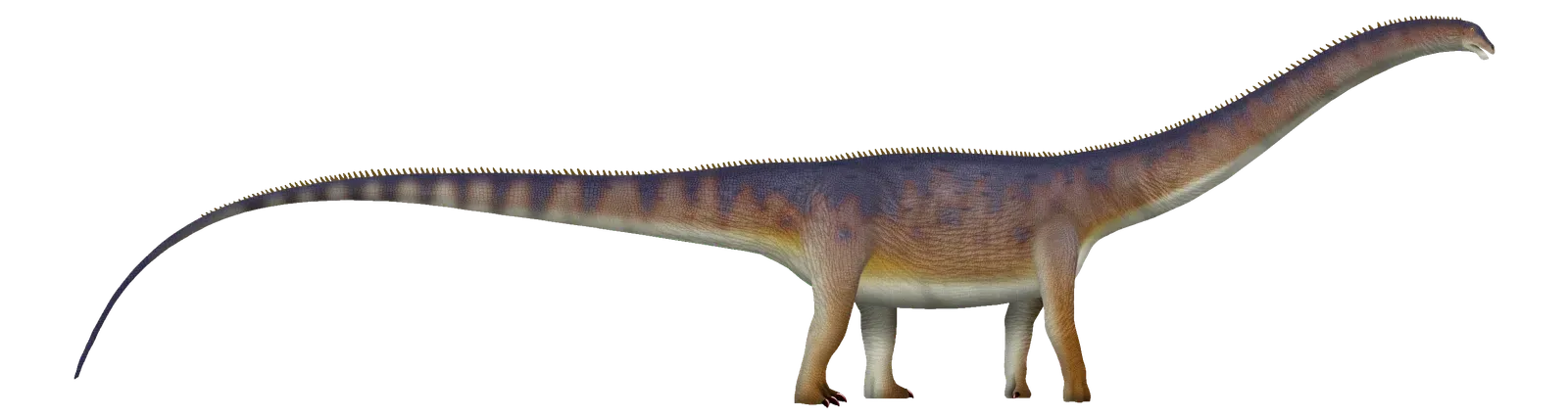
Here is one of the most surprising ideas you can consider: some of the most dramatic “roars” a dinosaur made might not have come from its throat at all. Large animals can generate intense sound by slamming their tails, stomping their feet, or crashing their bodies through vegetation and water. Think of the crack of a whip, the thud of a heavy drum, or the boom of a tree falling – those are sounds that travel far and carry a strong message: something massive is moving, and you should pay attention.
For meaning, these physical sounds could have served as intimidation, warning, or display without needing complex vocal cords. A big sauropod might have shaken the ground with heavy steps to discourage predators or rivals. A spiked or clubbed tail slammed into the ground could produce a loud crack that said, Do not come closer. When you fold these non-vocal noises into your mental soundtrack of the Mesozoic, the world of dinosaur “roars” becomes richer and more layered, less about one kind of sound and more about a whole orchestra of power and presence.
Soft Roars: Coos, Rumbles, and Close-Range Affection
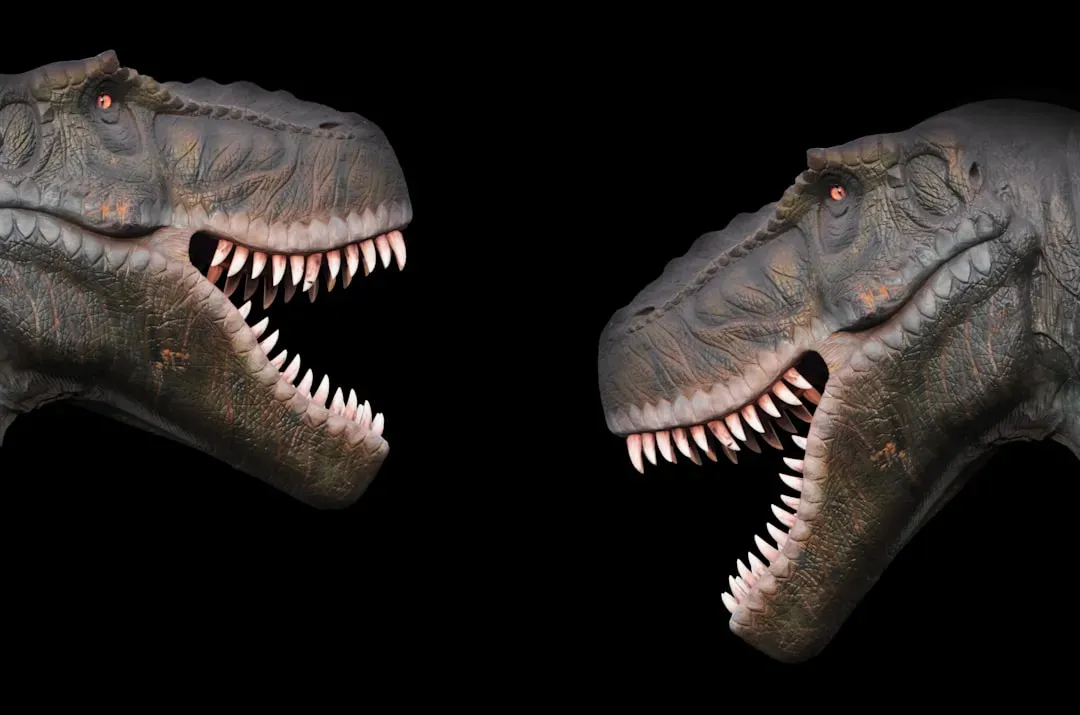
Because you grew up on images of dinosaurs as constant, ferocious beasts, it is easy to forget that they also had quieter moments, and their sounds would have reflected that. Many modern animals use soft rumbles, coos, and gentle calls when grooming, bonding, or caring for young. There is every reason to think some dinosaurs did something similar, especially species that lived in groups or cared for nests. These noises would be close-range and low-key, nothing a movie audience would cheer for, but deeply important to the animals themselves.
What those soft sounds meant is simple and surprisingly touching: reassurance, bonding, and maybe even something you would call affection. A parent might have used a particular low call to calm a nervous hatchling; mates might have shared soft vocalizations during courtship or while nesting. When you zoom in from the dramatic, thunderous sounds and imagine these subtle, private “roars,” you start to see dinosaurs less as weapons on legs and more as complex, social creatures trying to survive and connect in a sometimes terrifying world.
When Silence Meant Survival: The Roar You Never Heard
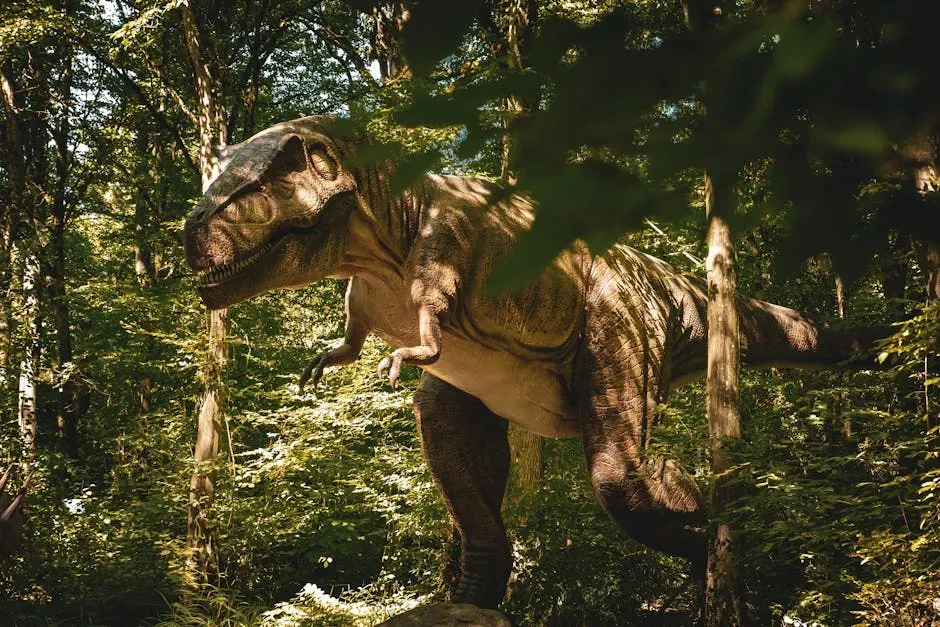
There is one last “roar” you should think about: the deliberate choice not to make one. For many dinosaurs, especially smaller or heavily hunted species, staying quiet could mean staying alive. Predators key in on sound, and a silent animal has an advantage when hiding or sneaking away from danger. So while you love to imagine constant noise, the real prehistoric world probably had long stretches of tense, watchful silence broken only by cautious, carefully chosen calls.
In that context, any roar – or rumble, honk, hiss, or grunt – meant something serious. Sound was costly; it gave away your position. So a dramatic vocalization likely carried weight: a desperate warning, an all-out threat, or an urgent call to regroup. When you think about it that way, the dinosaur soundscape becomes more like a thriller than an action movie: fewer constant explosions, more carefully timed moments where a single echoing call could change everything for every creature within earshot.
Conclusion: Hearing Dinosaurs With New Ears
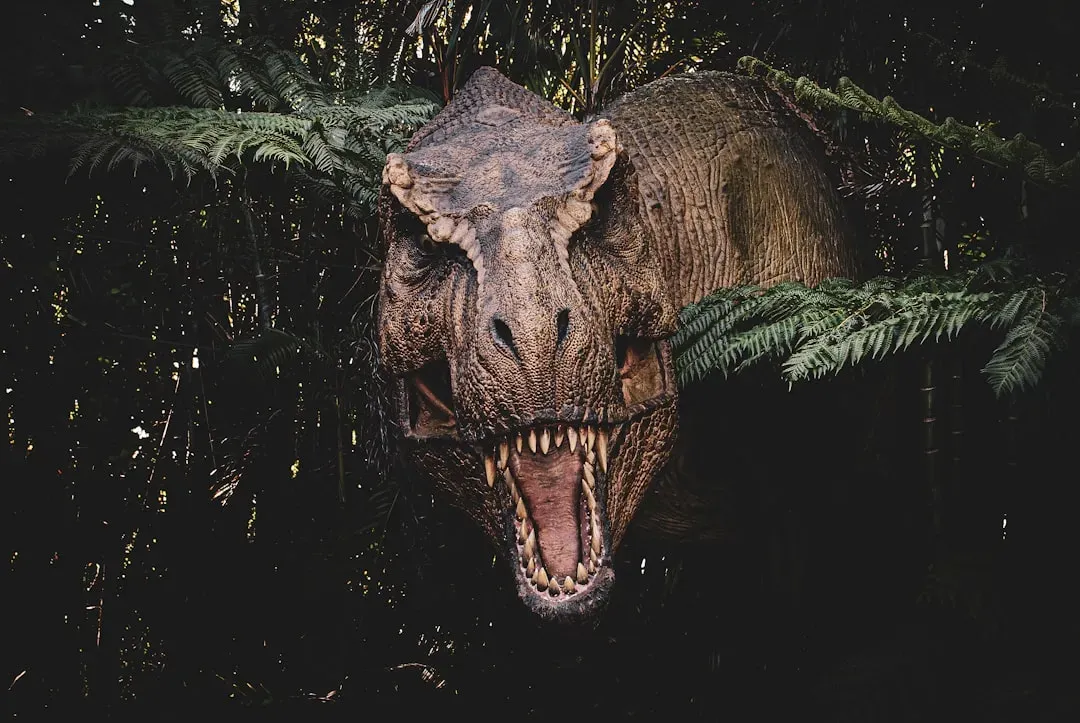
Once you peel away the Hollywood sound design, you start to hear dinosaurs in a very different way. You are not dealing with a world of constant, one-note roars but a layered soundscape: deep booms from huge predators, horn-like calls from crested herbivores, soft peeps from hatchlings, and the thunder of feet and tails crashing through ancient forests. Each sound carried meaning – threats, warnings, invitations, and reassurances – built from the same evolutionary toolkit that still shapes the calls of birds and crocodiles around you today.
The next time you watch a dinosaur scene, you can let yourself enjoy the drama, but you can also picture the subtler, stranger, and more nuanced reality underneath. You are listening to animals that did not just roar for effect; they communicated, negotiated, and survived with every sound they made – and sometimes with the silence they chose instead. Knowing that, does the idea of a low, bone-deep rumble in the dark feel more or less chilling to you than a familiar movie roar would?