If you grew up thinking dinosaurs were just roaring monsters stomping around alone, you’re in for a surprise. As paleontologists keep digging, they’re finding something far more relatable: dinosaurs that nested, guarded, brooded, and even raised their young in groups, much like birds and mammals do today. You start to realize that some of these ancient animals were less like movie villains and more like overworked, fiercely devoted parents.
Of course, fossils do not come with instruction manuals, so you’ve got to read behavior from bones, nests, and tiny details like how eggs are arranged. That means you should stay cautious: you rarely get a perfect snapshot of family life. But when you put the strongest evidence together, a pattern appears that’s hard to ignore. Again and again, dinosaurs show you that protecting and investing in their young was not the exception – it was probably a big part of how many of them survived at all.
1. Maiasaura: The “Good Mother Lizard” That Stayed With Its Young
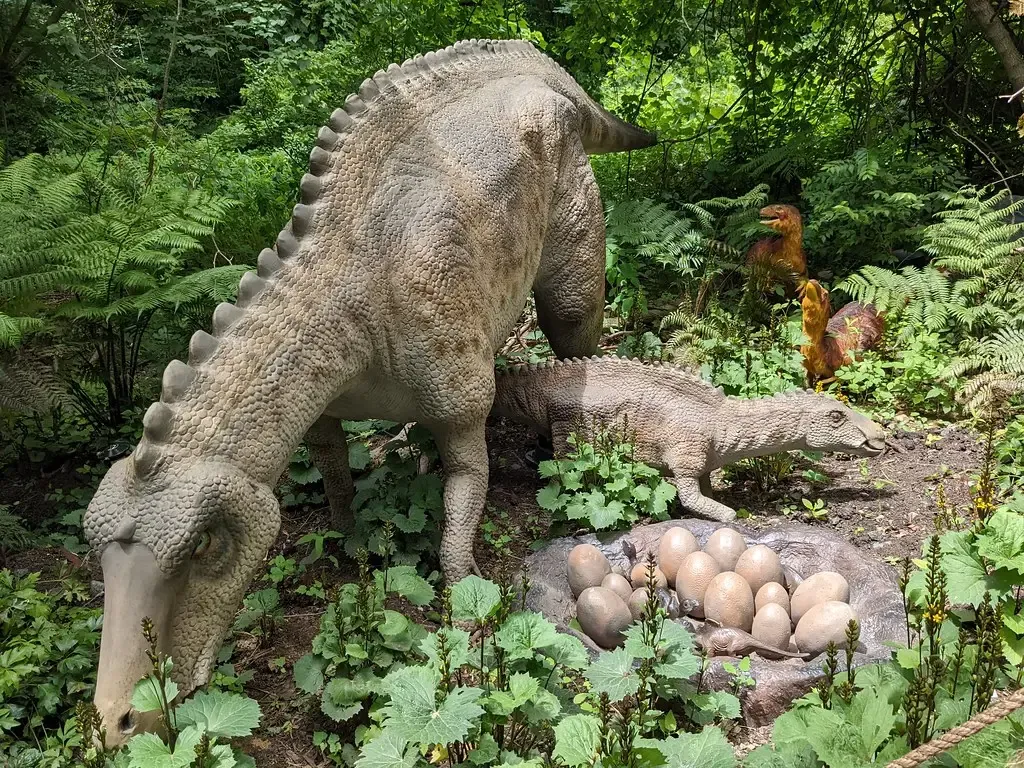
When you look at the famous dinosaur Maiasaura, you’re not just seeing a plant‑eater with a duck‑bill; you’re seeing one of the strongest cases for devoted dinosaur parenting. Fossil “nurseries” of this animal include tightly packed nests, broken eggs, and baby skeletons whose bones were too weak for serious walking. That suggests the hatchlings stayed in the nest for a while and weren’t off sprinting across the landscape on day one, which means some adult had to bring food and protection right to them.
What really hits you is how dense some of these nesting grounds are, with nests arranged in regular spacing, almost like a dinosaur neighborhood. You can picture adults returning to the same nesting colony year after year, just as seabirds do today, filling the air with noise and movement as they tend to hungry mouths and defend their space. When you put it together, Maiasaura looks less like a generic dinosaur and more like the sort of parent that would stick around, invest time, and make sure its offspring had a real shot at surviving.
2. Oviraptor: From “Egg Thief” to Protective Brooding Parent
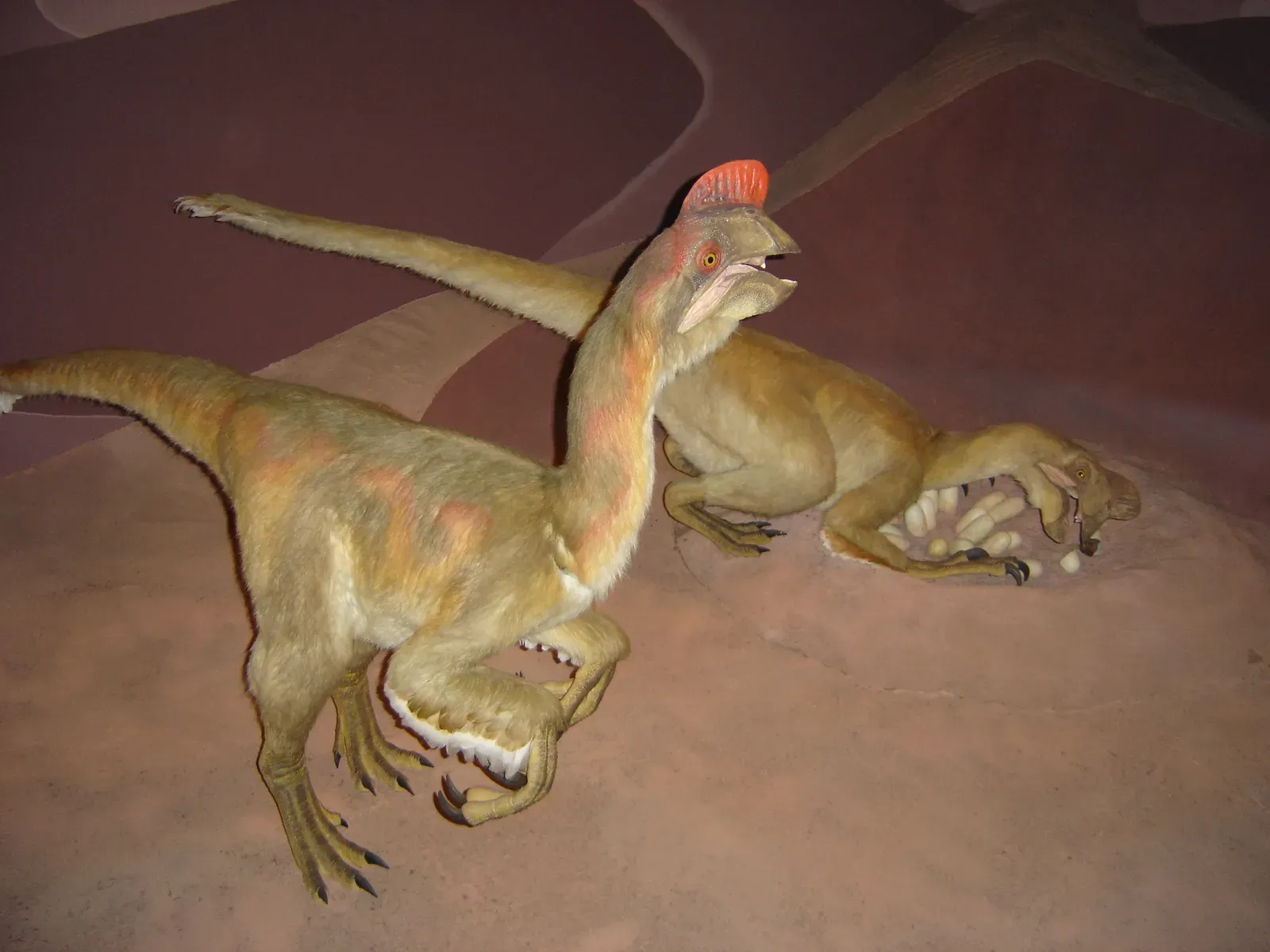
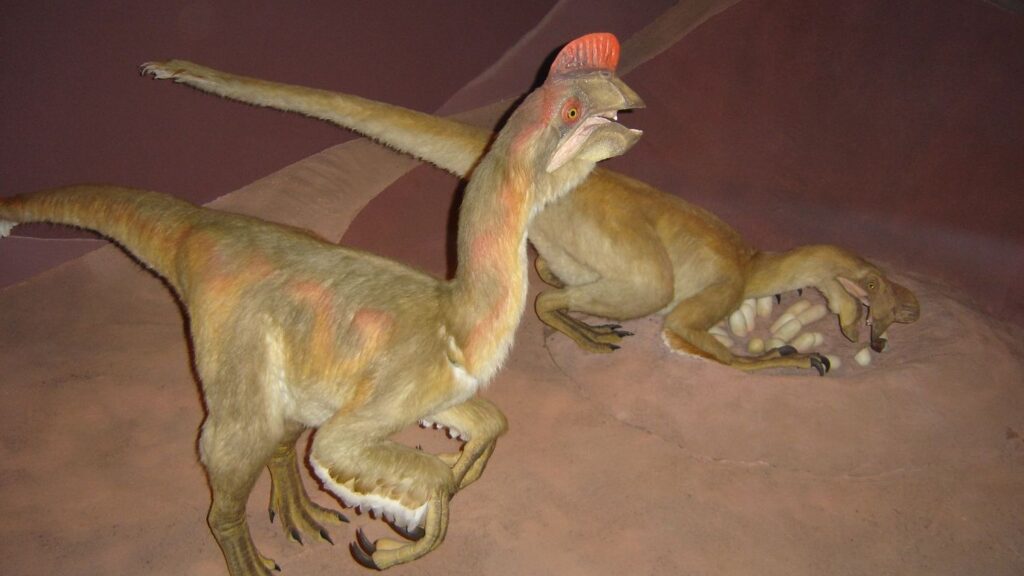
If there’s a dinosaur that forces you to admit you were wrong, it’s Oviraptor. For decades, the name itself locked in a bad reputation, because the first specimen was found over what looked like stolen eggs. Later research flipped that story on its head: those eggs turned out to be its own, and more fossils have been found with adults crouched directly over circular nests, arms and feathers spread in a position that looks almost exactly like a brooding bird keeping its clutch warm and safe.
Once you see those fossils, it becomes really hard to keep thinking of Oviraptor as a sneaky egg raider. Instead, you’re looking at a parent frozen in time while guarding its nest, possibly caught by a sandstorm or sudden disaster before it could escape. The pose, the egg arrangement, and the shared features with modern birds all push you toward the same conclusion: you’re watching an ancient animal doing what countless birds do today, using its own body as a living shield and incubator for the next generation.
3. Troodon and Other Theropods: Carefully Arranged Nests and Shared Birdlike Behaviors
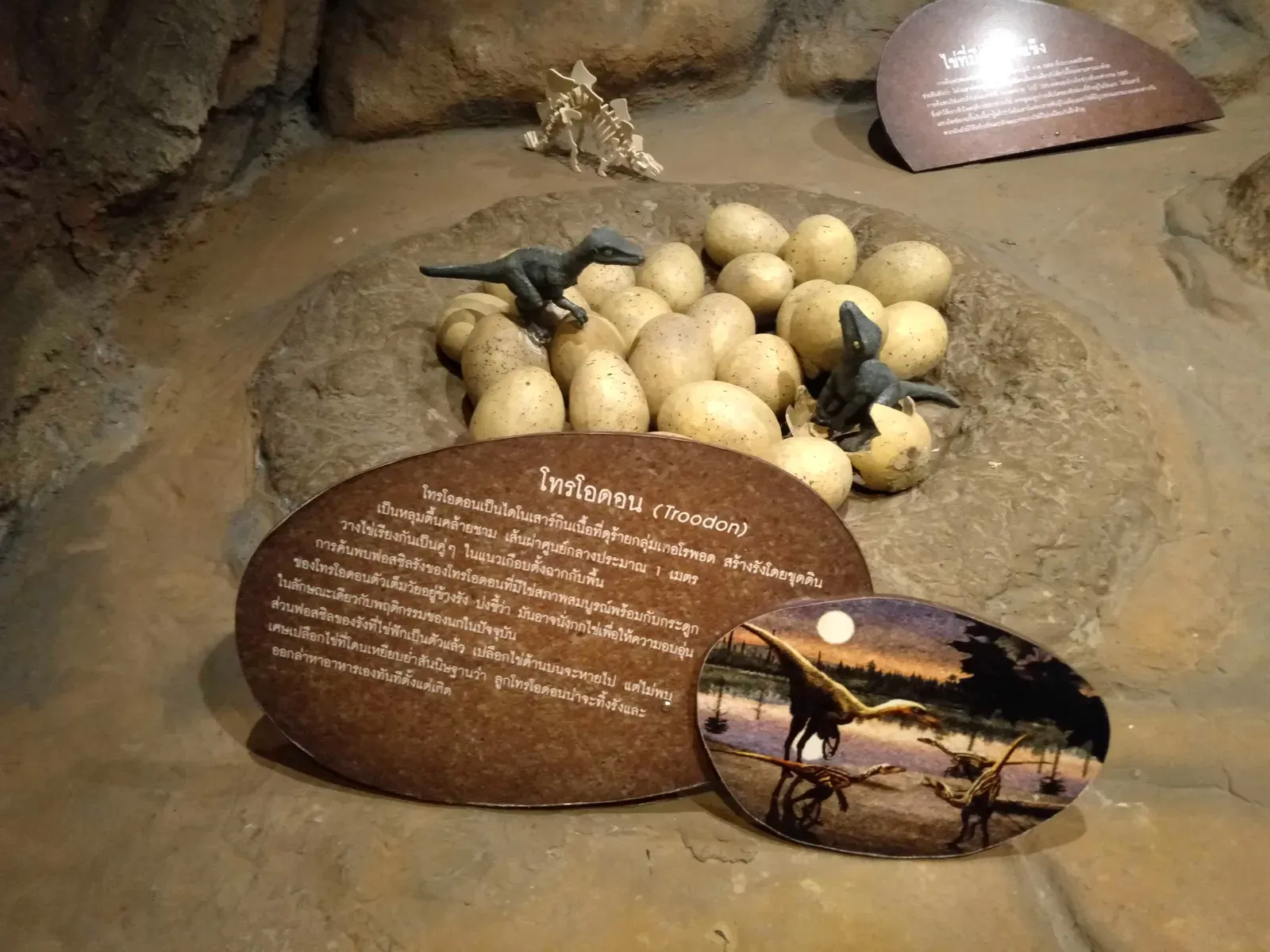
When you study small, bird‑like theropods such as Troodon, you see parenting hints not in dramatic scenes but in tiny, careful details. Their eggs often show up laid in neat circles or pairs, partially buried and tilted at angles that look deliberate, not random. That kind of pattern suggests you’re dealing with a creature that took time to build and arrange a nest, rather than just dropping eggs and wandering off, and that alone already tells you something about care and planning.
On top of that, eggs from Troodon and similar dinosaurs have shells and microscopic structures that remind you strongly of bird eggs, which are built to handle brooding and controlled temperatures. In some cases, bones from adults turn up near or on top of those nests, hinting that at least some of them stayed close during incubation. You cannot say they definitely behaved just like modern birds, but the parallels are so strong that you can reasonably picture a troodontid patiently watching over its nest, reacting to threats, and adjusting its posture the way a bird does today.
4. Citipati: A Dinosaur Caught Mid-Brood With Wings Spread
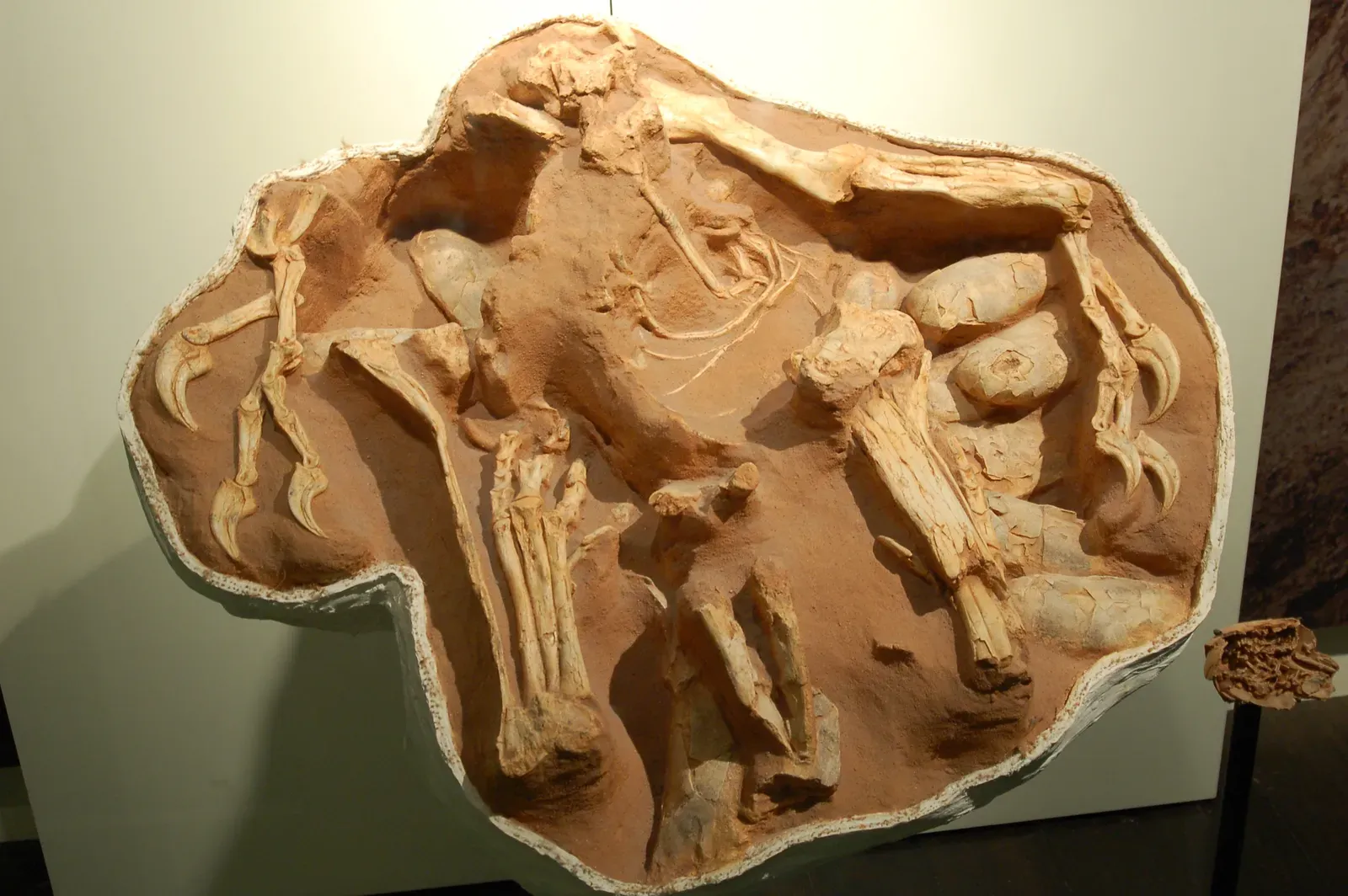
Citipati, a relative of Oviraptor, gives you one of the most striking snapshots of dinosaur parenting ever discovered. Multiple skeletons have been found sitting squarely on top of circular egg clutches, arms and feathered forelimbs spread over the ring of eggs with the tail tucked behind, just like a sitting bird wrapping its wings around the nest. The posture is so specific and so consistent that it is hard not to see direct, active brooding rather than some accident of burial.
When you imagine this creature in life, you see more than claws and beaks; you see a parent using its entire body like a protective tent. The eggs were likely exposed at least partly to the air, so shielding them from weather and predators would have been critical. By looking at these fossils, you are not just guessing about behavior; you’re essentially catching Citipati in the act, preserving a moment where survival of the young clearly outweighed escape for the adult.
5. Sauropod Nesting Grounds: Many Giants, Many Eggs, Shared Protection
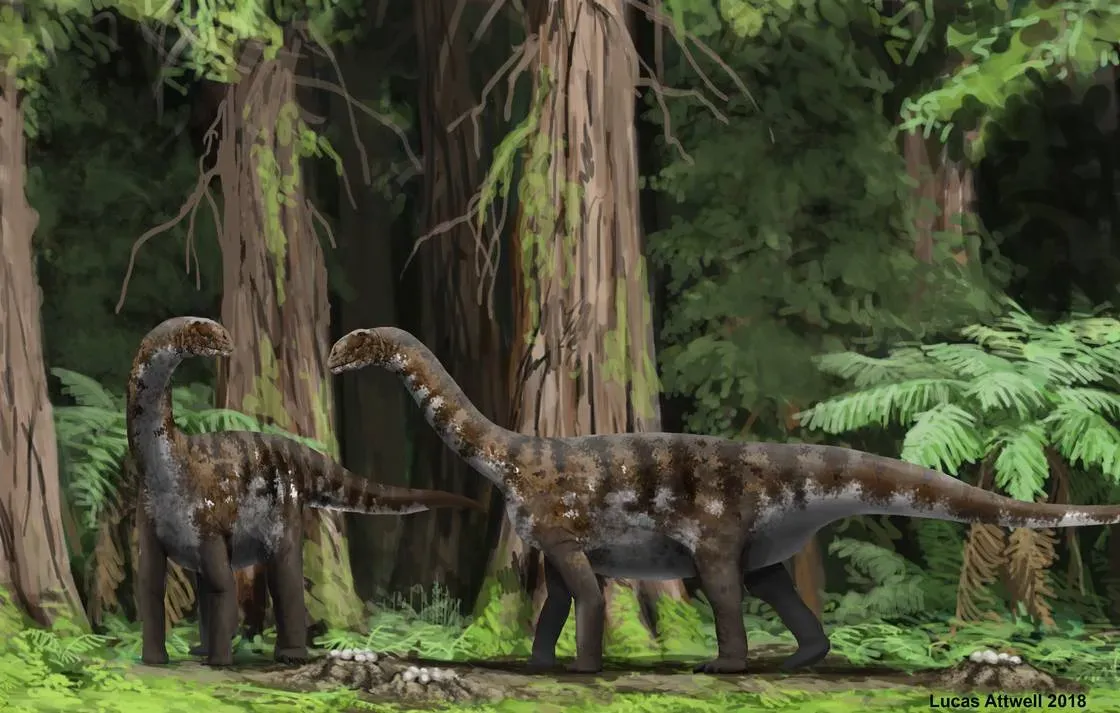
Even among the long‑necked sauropods, which you might imagine as solitary giants, you find clues that they did not treat their eggs casually. In several parts of the world, paleontologists have uncovered large nesting grounds packed with sauropod eggs, sometimes arranged in rows or clusters that look like organized laying rather than random scattering. You can picture herds of these huge animals returning to the same sites, using tried‑and‑true spots with the right sand, moisture, and temperature to give their eggs the best chance.
Because adult sauropods were so enormous, it is unlikely they sat directly on their eggs, but they could still have protected them in other ways. You can imagine adults lingering around nesting areas while eggs incubated, letting their sheer size act as a deterrent to many would‑be predators. Even if their care was less hands‑on than that of smaller dinosaurs, simply nesting in groups and reusing the same colonies suggests a level of social and parental behavior that goes beyond a “lay and leave” strategy.
6. Massospondylus: Possible Babysitting and Extended Nest Care
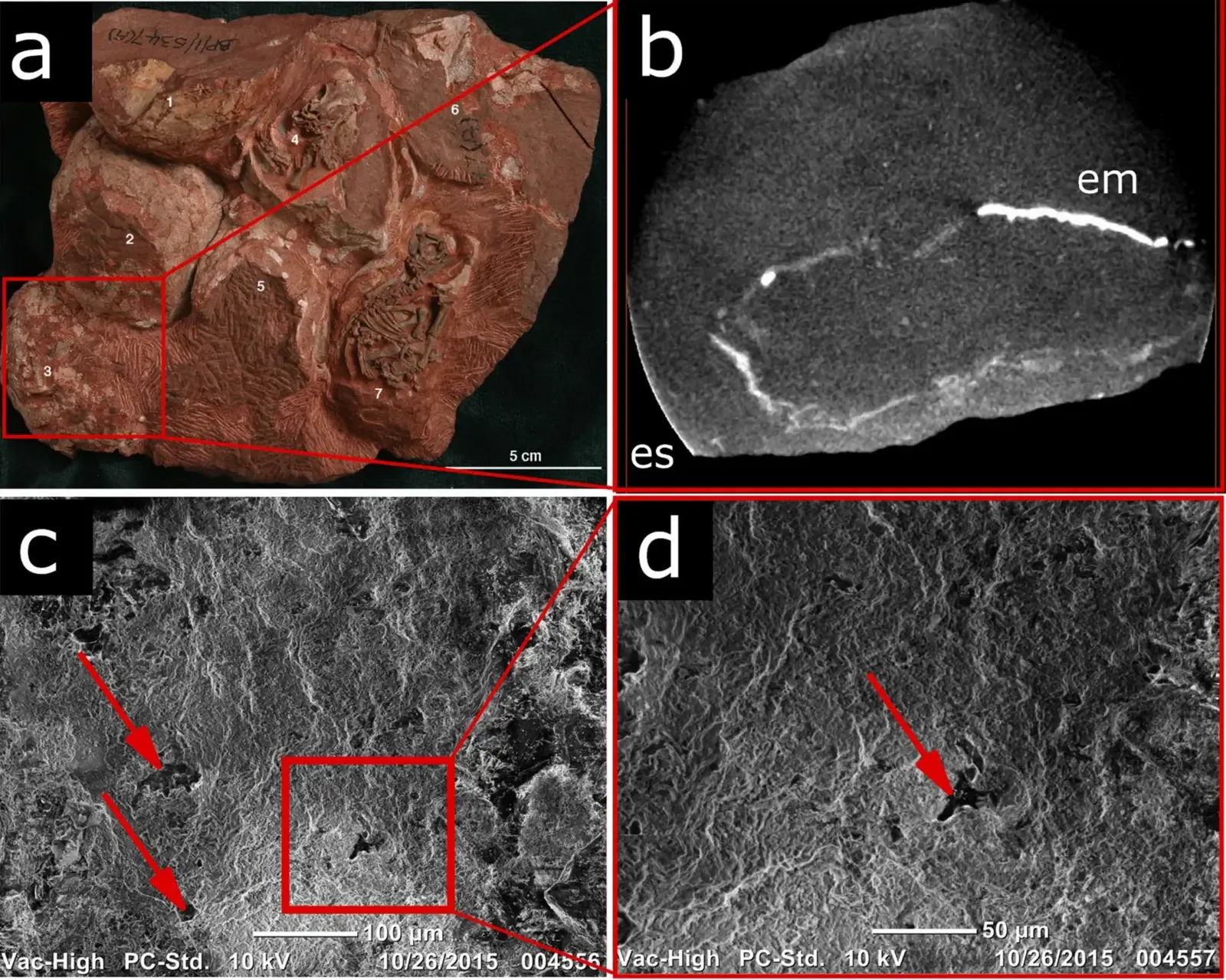
With Massospondylus, an early long‑necked dinosaur from the Jurassic, you get another intriguing window into possible extended parental care. Fossil nests have turned up containing neatly arranged eggs and tiny hatchlings whose bodies look poorly suited to independent life, with proportions suggesting they were not born ready to run. That alone makes you suspect some kind of post‑hatching protection, because fragile young in a dangerous environment rarely last long on their own.
Some sites even show clusters of juveniles together with no obvious adults preserved right beside them, but the grouping itself hints that these youngsters may have stayed close to their nest or to each other for at least a while. You can imagine one or more adults hovering just out of fossil view, guarding a small group in much the same way you see some modern reptiles and birds do. You might never know exactly how long Massospondylus parents stayed involved, but the combination of nest organization, helpless hatchlings, and grouped juveniles strongly points to more than simple abandonment.
7. Hadrosaur Herds: Protecting Young Within the Safety of the Group
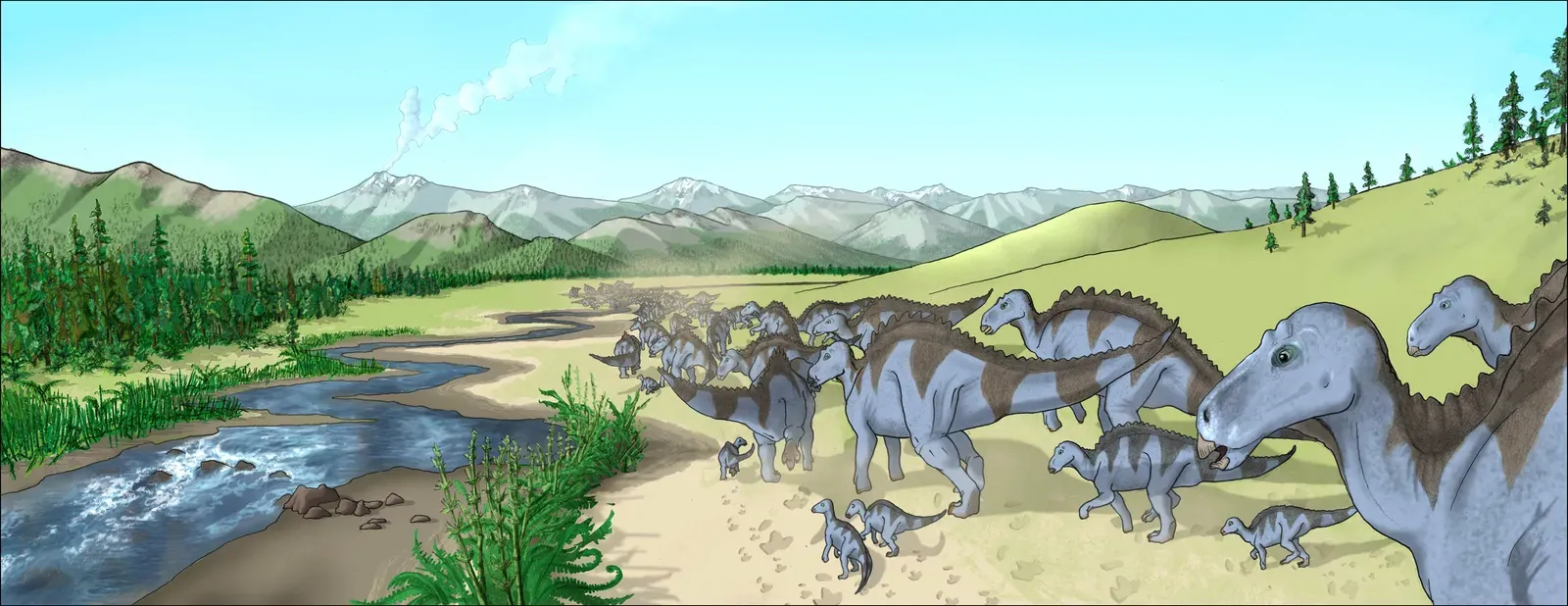
Hadrosaurs, the so‑called duck‑billed dinosaurs, keep turning up in massive bonebeds where adults, subadults, and juveniles are all mixed together. That pattern strongly suggests that these animals moved in herds containing multiple generations, much like wildebeest or elephants today. When you see that, you can start to picture youngsters traveling in the middle of the group, shielded by larger adults on the outside, using sheer numbers and coordination as a defense against predators.
Footprints and trackways from hadrosaurs sometimes show smaller prints running alongside or just inside bigger ones, as if young were literally walking in the footsteps of adults. You can imagine what that would feel like for a youngster, staying close for guidance and protection while learning migration routes or feeding grounds. That kind of social behavior is itself a form of parental investment, because adults are effectively turning the entire herd into a moving family unit where the survival of the young matters to everyone.
8. Egg Clutches With Mixed Ages: Evidence for Longer-Term Care
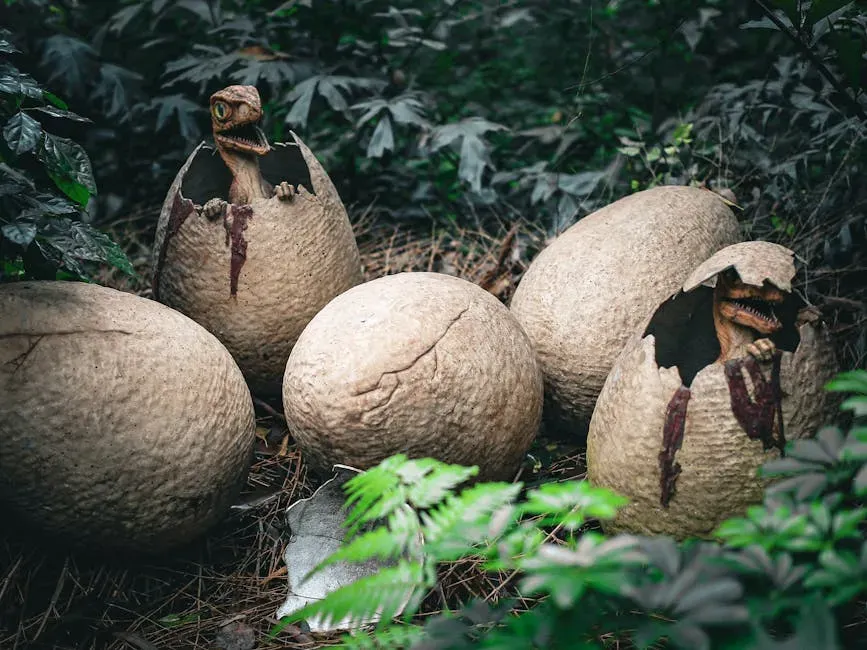
In some dinosaur nesting sites, you do not just find eggs and fresh hatchlings; you sometimes find slightly older juveniles in or near the nest area, suggesting that youngsters hung around for a while instead of instantly dispersing. When you see a range of sizes and growth stages in one small area, it hints at a longer‑term nursery zone rather than a one‑time hatching event. That means you may be looking at weeks or months of life unfolding in the same space under the watch of attentive adults.
In practical terms, this kind of fossil pattern pushes you to imagine dinosaurs doing things you usually associate with birds and mammals, like defending a nesting territory or teaching young to feed. You can easily picture a parent chasing off small predators, guiding hatchlings toward safe cover, or simply keeping them near a familiar nest while they grew stronger. Even if each case can be debated, taken together these mixed‑age sites give you a powerful reason to see at least some dinosaurs as long‑term caregivers, not just brief visitors to the nest.
Conclusion: Rethinking Dinosaurs as Devoted Caregivers
When you pull all these lines of evidence together, your mental image of dinosaurs has to change. You are no longer looking only at massive jaws and claws; you are seeing nests built with care, eggs arranged with precision, adults frozen in brooding poses, and whole communities of different ages traveling together. The picture that emerges is one where parenting was not rare or unusual, but a core strategy for many species that needed their young to survive in harsh, competitive environments.
Of course, you still have to stay honest about the limits of the fossil record, because you are inferring behavior from stone, not watching live footage. But even with that caution, the repeated patterns are hard to ignore: communal nesting grounds, carefully constructed egg clutches, brooding adults, and protected juveniles all point in the same direction. In the end, you are left with a surprisingly emotional realization – some dinosaurs probably cared for their young with an intensity you would instantly recognize today, even across millions of years. Does it change how you feel the next time you picture a dinosaur nest in your mind?