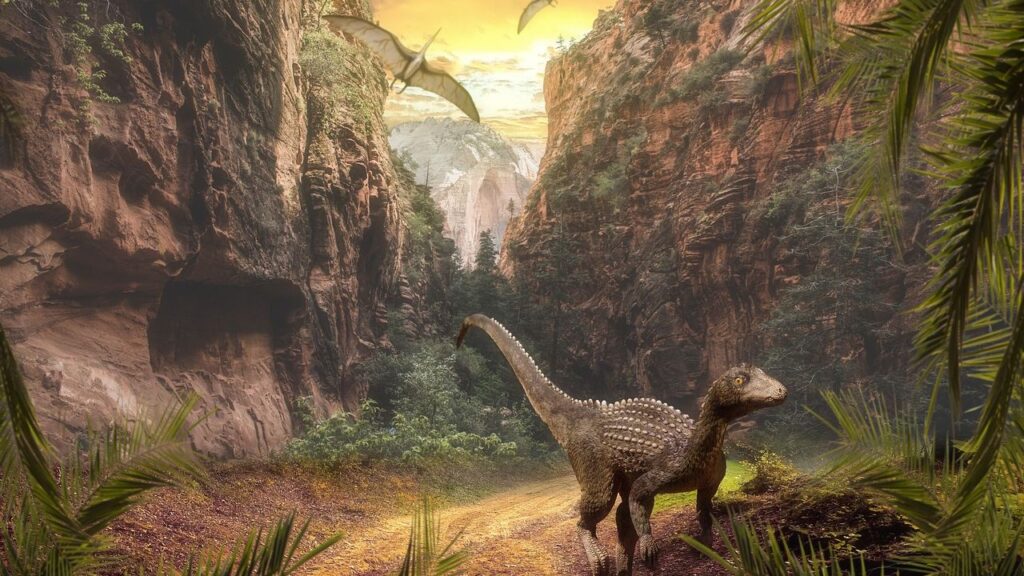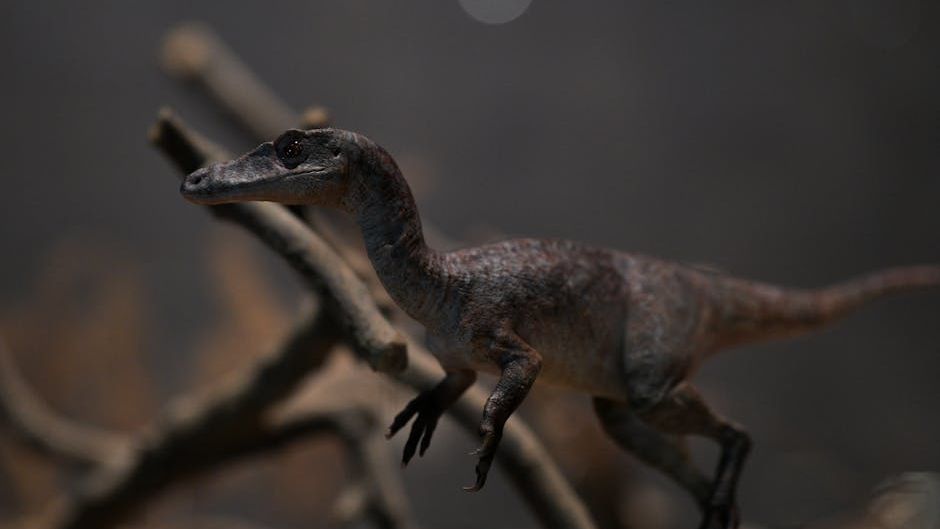
You probably grew up picturing dinosaurs as massive, earth-shaking beasts. T. rex roaring, long-necked giants blotting out the sun, that kind of thing. But the more scientists dig into the fossil record, the clearer one thing becomes: some dinosaurs were absolutely tiny, lighter than a paperback book and small enough to perch on your arm.
Once you start looking at these miniatures, the whole dinosaur world feels different. You’re no longer imagining slow, lumbering monsters but agile, feathered, almost birdlike animals darting through trees and undergrowth. In a way, they feel more real and relatable, almost like the birds hopping around outside your window today. Let’s dive into the small side of prehistory and see what you have probably never been told about the littlest dinosaurs.
1. Some Non-Avian Dinosaurs Were Smaller Than a Pigeon
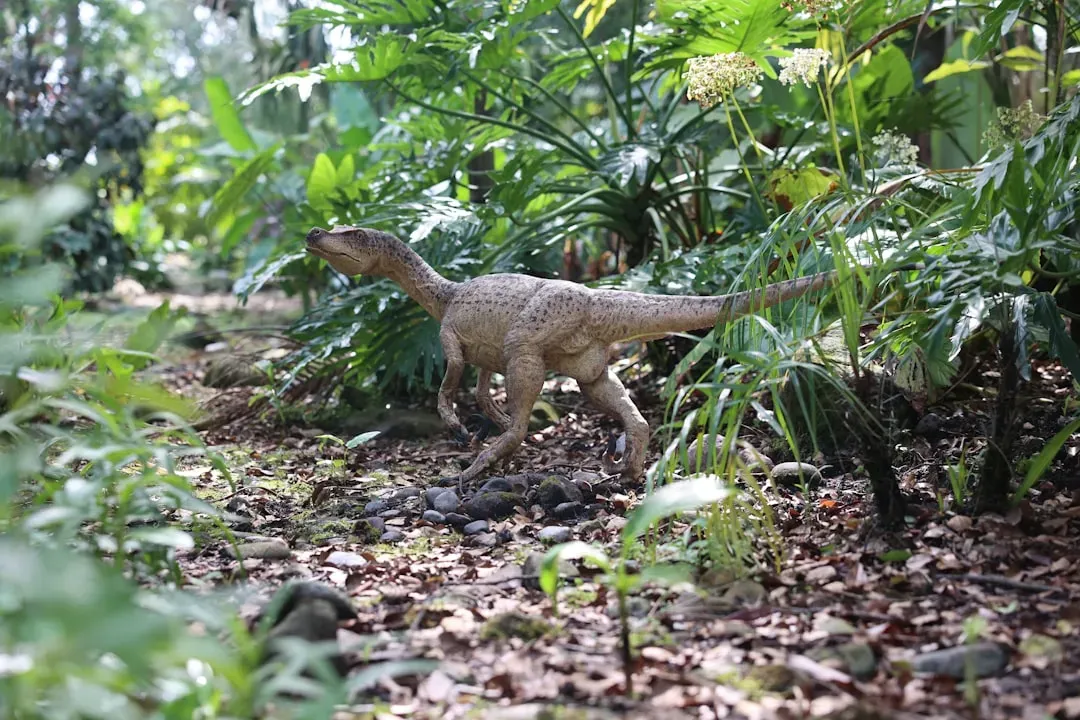
When you think “dinosaur,” you probably do not picture something that could literally balance on your hand. Yet some of the smallest non-avian dinosaurs, like delicate microraptorines and tiny alvarezsaurs, were in that size range. Microraptor, for example, was roughly crow-sized in length and light in weight, while related forms such as Zhongjianosaurus pushed the size boundary even lower, down toward pigeon mass or less. You are looking at animals measured in hundreds of grams, not tons.
This completely destroys the old cartoon of dinosaurs as uniformly gigantic, clumsy reptiles. Instead, you’re dealing with lightweight, fast, nervous little hunters and climbers, probably zipping and fluttering through forest canopies. If you could time-travel and walk quietly through a Cretaceous woodland, you would not just be dodging giant claws. You would also be brushing past creatures no bigger than the birds rustling in your hedges today.
2. Microraptor: The Tiny “Four-Winged” Dinosaur That Glided Through Forests
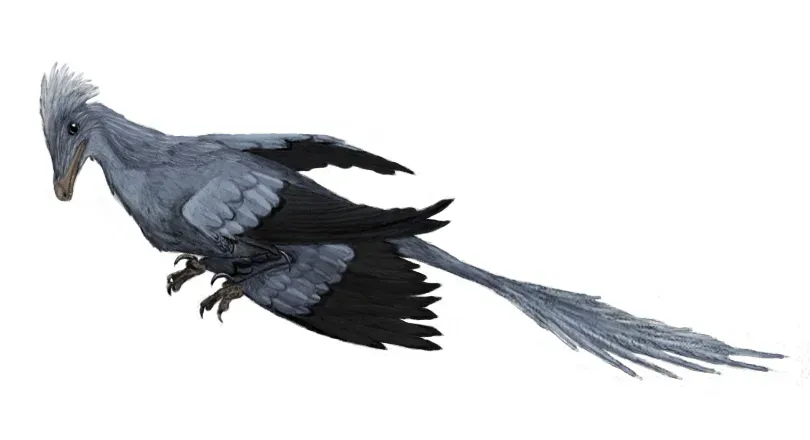
You might have heard Microraptor’s name before, but you may not realize just how small and strange it really was. It stretched only around three quarters of a meter from nose to tail, with a body about the size of a crow and a mass around that of a small chicken. Yet its limbs were covered in long, flight-style feathers not just on the arms but also on the legs, forming what amounts to four wings. You’re looking at a dinosaur that blurred the line between runner and glider.
Research on Microraptor’s anatomy suggests it could glide between trees, using those feathered limbs much like a flying squirrel uses its membranes. You can picture it launching from a branch, spreading all four limbs, and silently swooping toward some unsuspecting prey in the undergrowth. If you were standing there, you might not even notice it until it flared its tail and landed, more like a shadow than a monster. It is a reminder that flight did not appear in a single, neat step; it came through strange, experimental bodies like this one.
3. Parvicursor: The “Small Runner” Built Like a Sprinting Toothpick
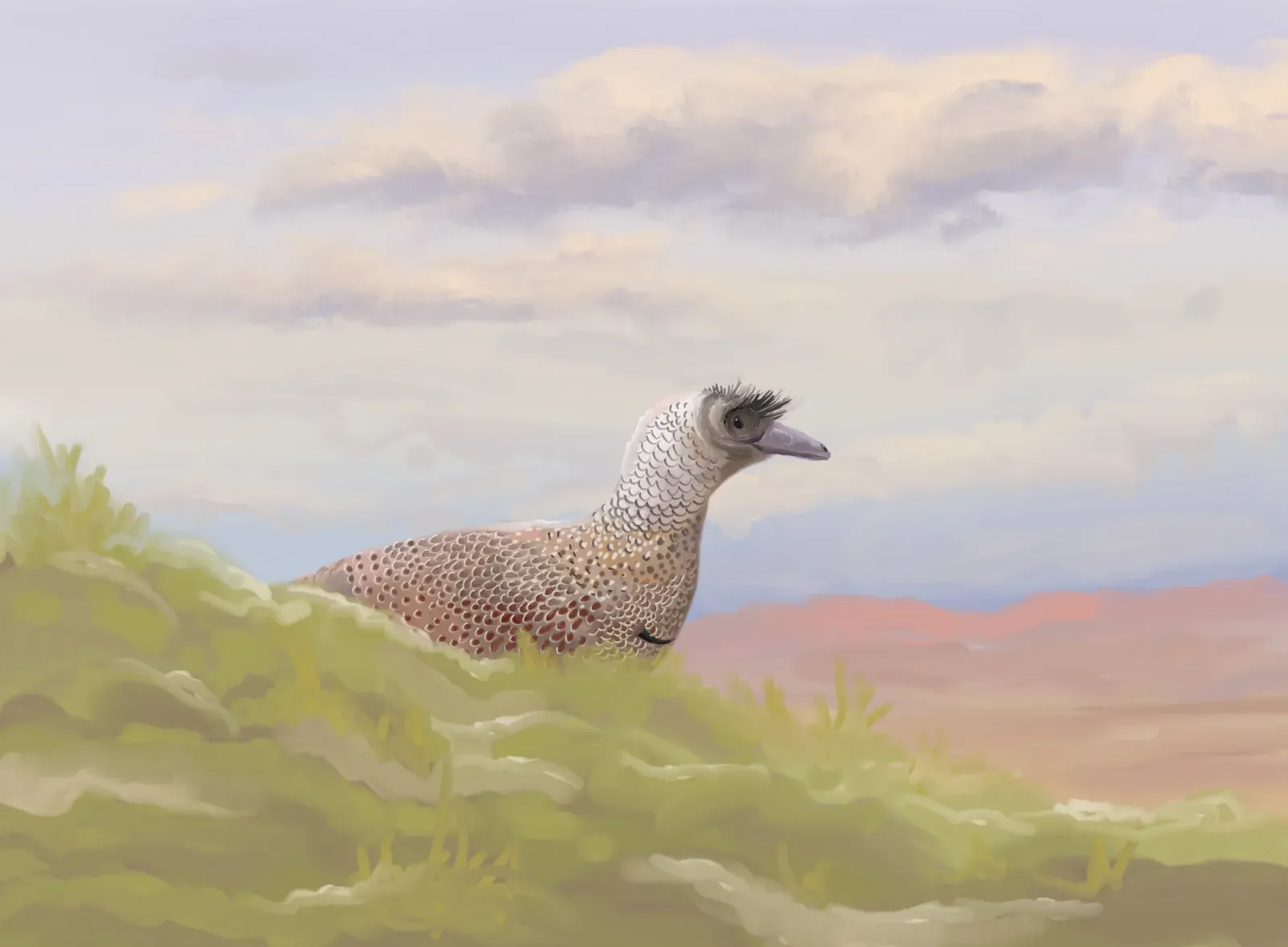
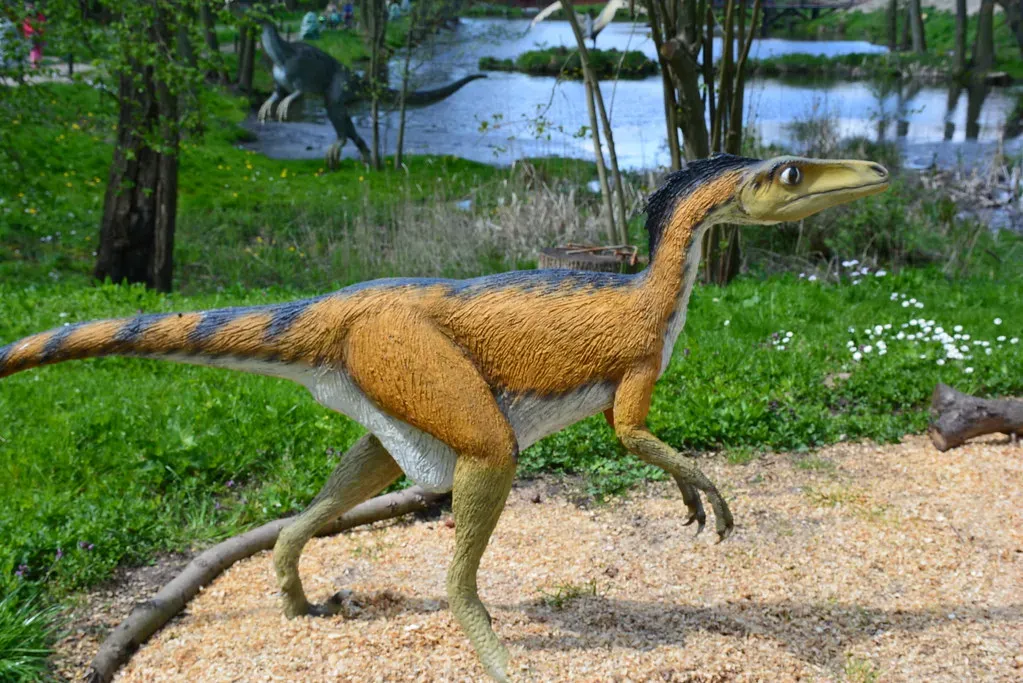
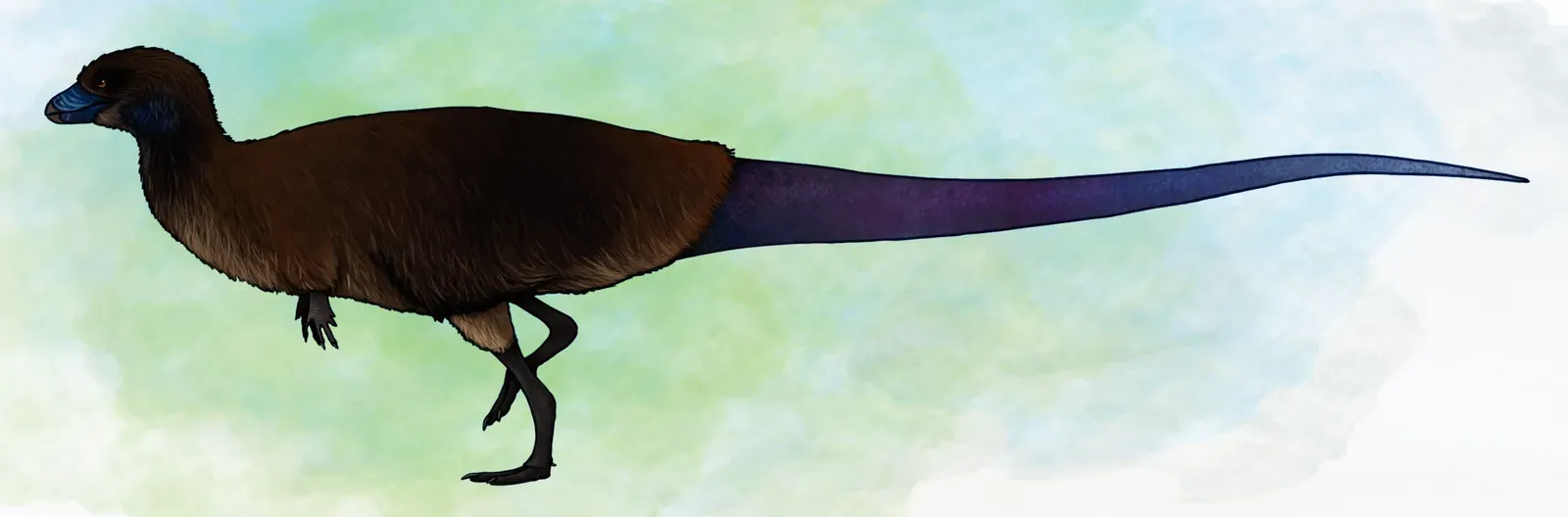
If you translate the name Parvicursor, you get “small runner,” and that is exactly what this little dinosaur was. It was only around forty centimeters long from snout to tail, making it one of the smallest known non-avian dinosaurs represented by an adult or nearly adult specimen. Its legs were long and slender, built for speed, while the rest of its body looked almost comically reduced. You can imagine it as a brown, feathered blur dashing across a sandy Cretaceous landscape.
Parvicursor belonged to a group called alvarezsaurs, dinosaurs with bizarre, shortened forelimbs ending in a single large claw. You can think of them like the ant-eating specialist of the dinosaur world, probably using those claws to tear into termite mounds or other insect nests. If you were watching one in life, it might remind you more of a roadrunner crossed with an anteater than anything like the classic movie dinosaurs. Tiny, fast, and specialized, it shows you just how far evolution was willing to push dinosaur body plans.
4. Some of the Smallest Dinosaurs Were Early Experiments on the Road to Birds
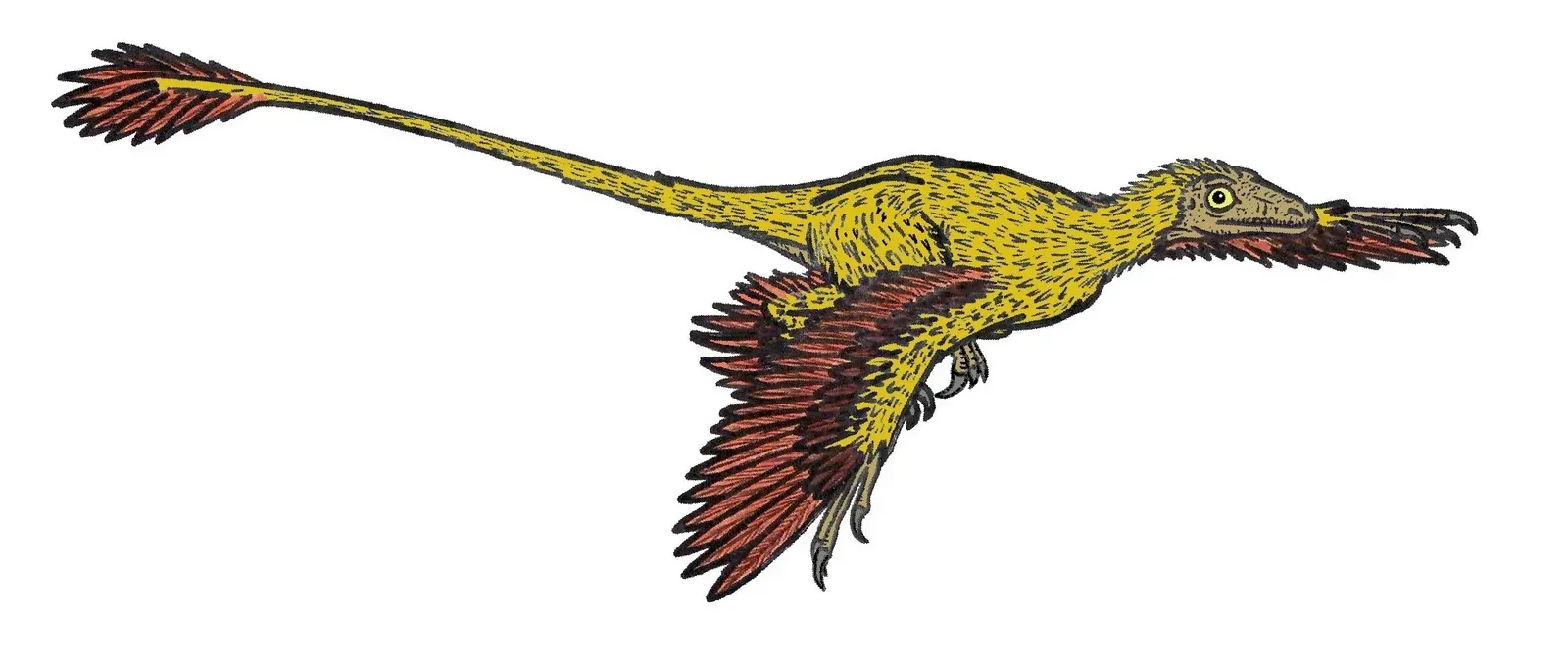
When you look at animals like Microraptor, Anchiornis, and Zhongjianosaurus, you’re not just looking at random tiny dinosaurs. You’re seeing early branches along the line that led directly to birds. These creatures had lightweight skeletons, long arms, and complex feathers, including winglike arrangements on both arms and sometimes legs. In many cases they were roughly crow- or pigeon-sized, putting them in the same weight class as a lot of modern birds you see every day.
The exciting part for you is that these tiny forms help close the size and anatomical gap between classic dinosaurs and the first birds. Instead of a sudden jump from big, non-flying predators to small, flying birds, you see a continuum of increasingly small, agile, feathered theropods. The smallest of them were already living in the ecological space that birds now dominate: darting through trees, hunting insects, and using feathers for display, insulation, and gliding. If you picture them as early, dinosaurian cousins of today’s magpies and crows, you’re not far off.
5. Feathered Mini Dinosaurs Came in a Wild Variety of Colors
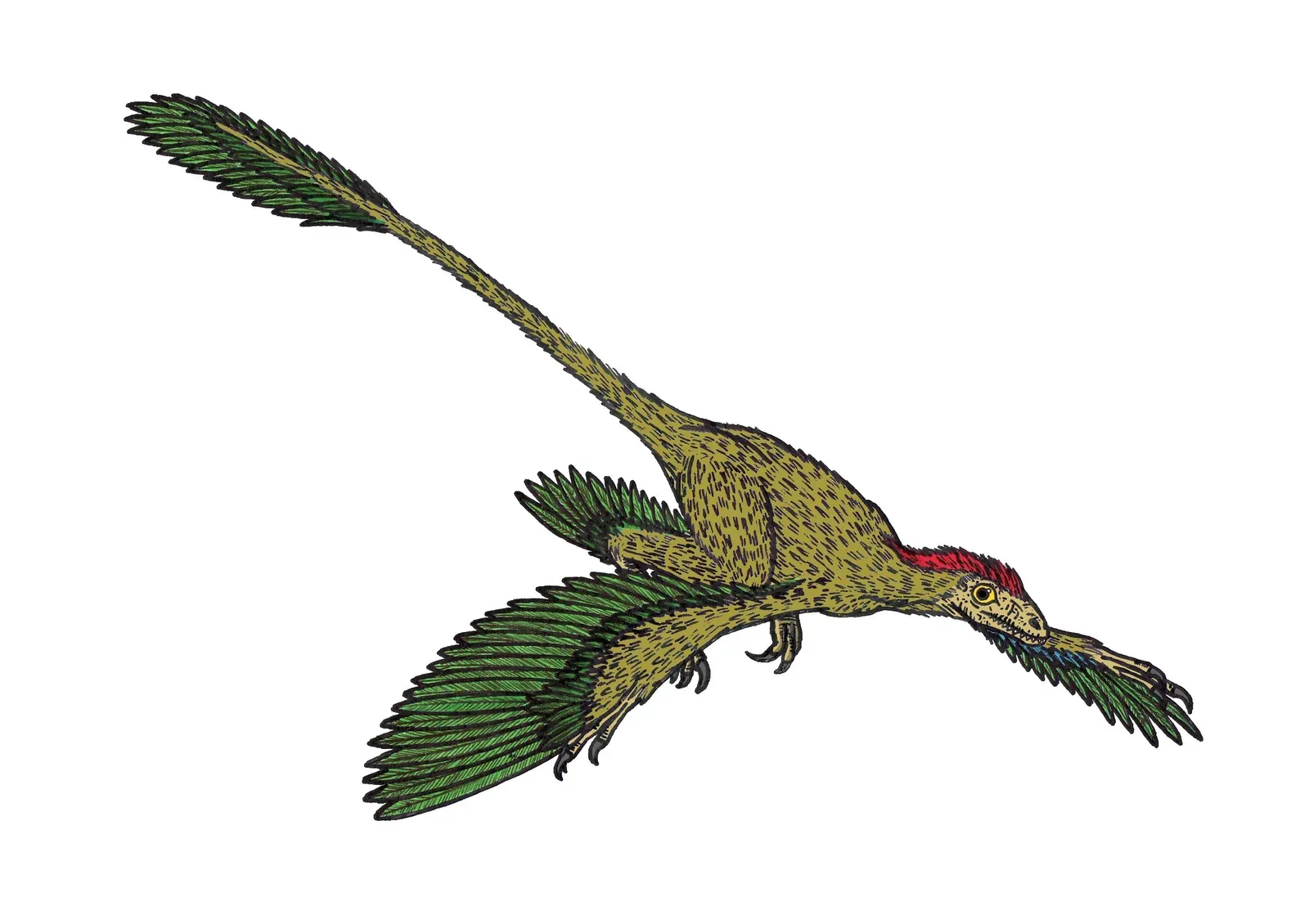
You might assume we will never know what color these tiny dinosaurs were, but you actually have more information than you’d expect. In some carefully preserved fossils of small feathered dinosaurs like Microraptor and Anchiornis, scientists have found microscopic pigment structures in the feathers. By comparing those structures to the ones in modern bird feathers, researchers can estimate colors and patterns. For Microraptor, that work points to an overall glossy, dark, iridescent look, not unlike a modern blackbird or starling.
Imagine how that changes your mental picture. Instead of dull, lizard-green dinosaurs, you see shimmering black, chestnut, and patterned animals flashing in the sunlight as they move. A tiny forest-dwelling dinosaur might have looked as striking as a modern magpie or jay, with colors used to attract mates or signal to rivals. The smallest dinosaurs, because of their birdlike plumage, may have been some of the most visually stunning creatures of their time. You are no longer just dealing with toothy little predators; you’re seeing living, moving art.
6. Tyrannosaurs Started Small: Dilong Was a Feathered Lightweight
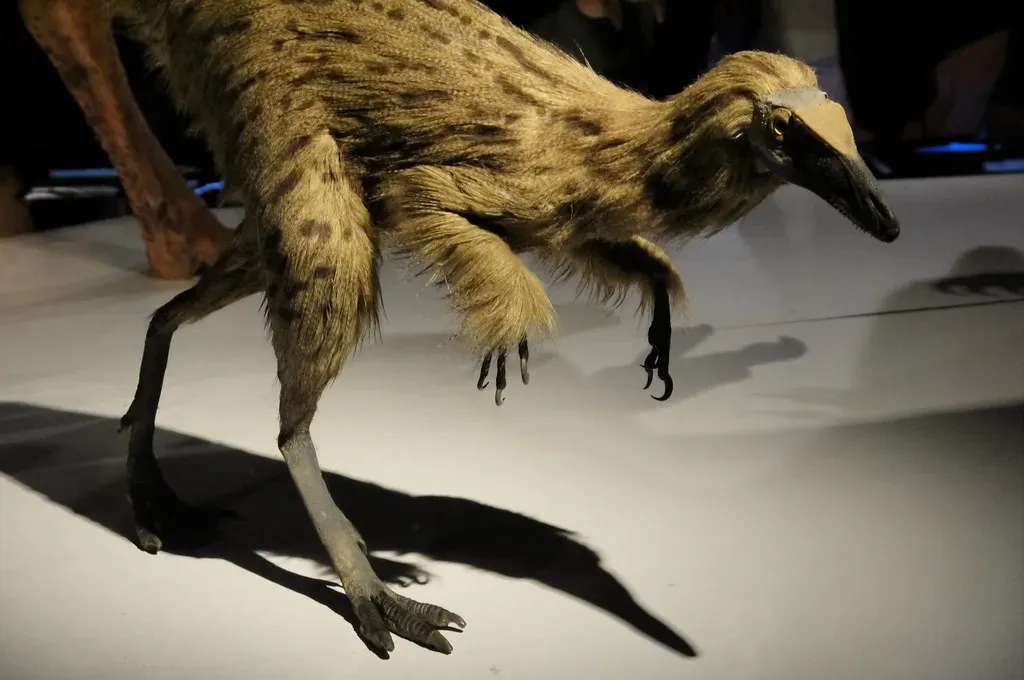
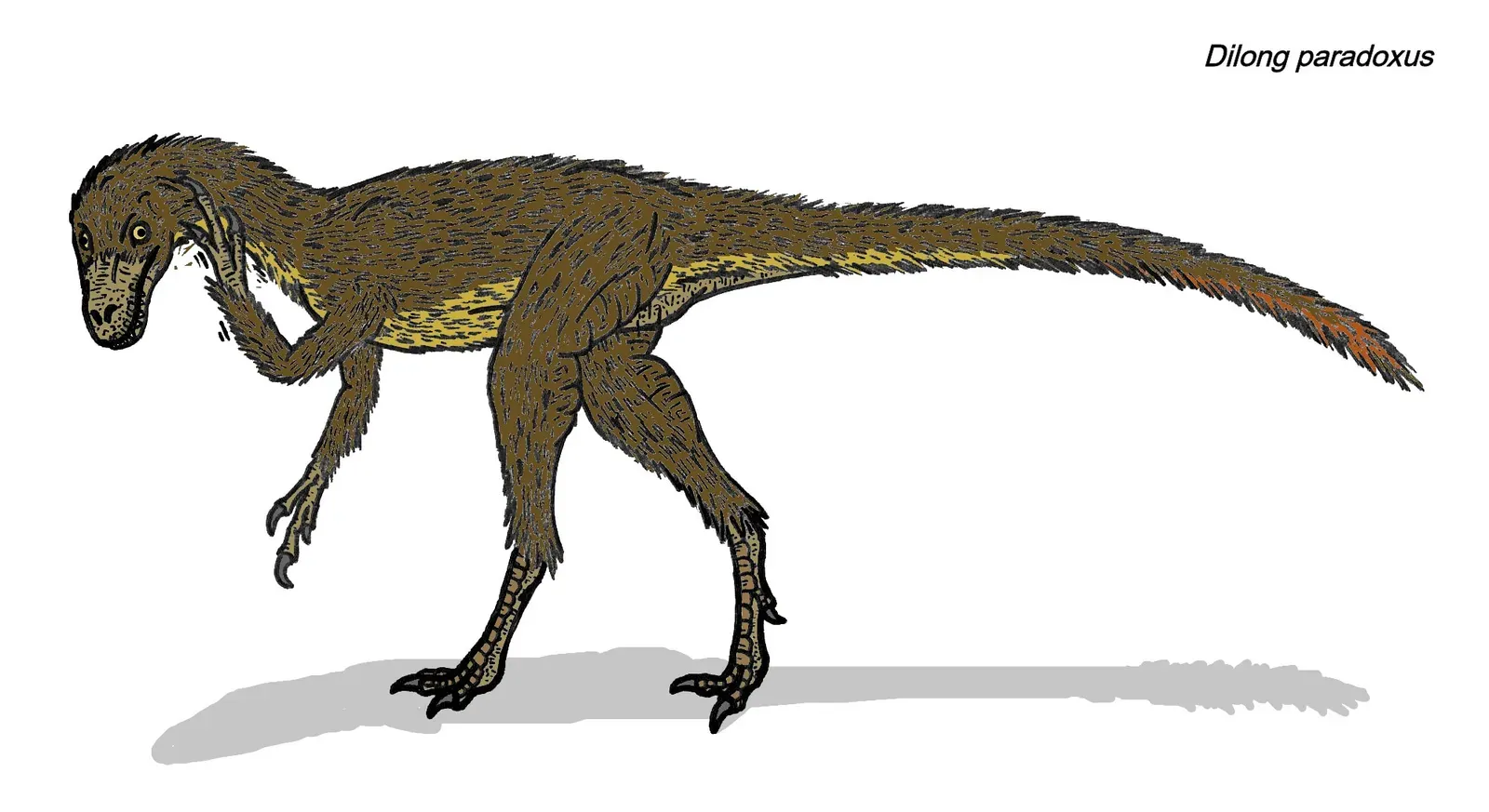
When someone says “tyrannosaur,” you instantly picture Tyrannosaurus rex, that huge, bone-crushing icon of the Late Cretaceous. But if you rewind the clock and look earlier in the lineage, you find something that might surprise you: a small, feathered predator called Dilong. This early tyrannosaur measured only around one and a half to two meters in length and weighed about as much as a small dog or big housecat, a feathered lightweight compared to its later relatives.
Dilong still had recognizable tyrannosaur traits in its skull and teeth, but it carried them on a slim, agile body. Its arms were longer and more useful than the stubby limbs of T. rex, and fossil evidence indicates it had filamentous feathers covering at least parts of its body. If you saw one in life, you might think “oversized predator-bird” long before you thought “king of the dinosaurs.” It is a sobering reminder that even the largest monsters you know from pop culture started out as modest, small-bodied hunters.
7. Some Tiny Dinosaurs Lived High in the Trees, Not Just on the Ground
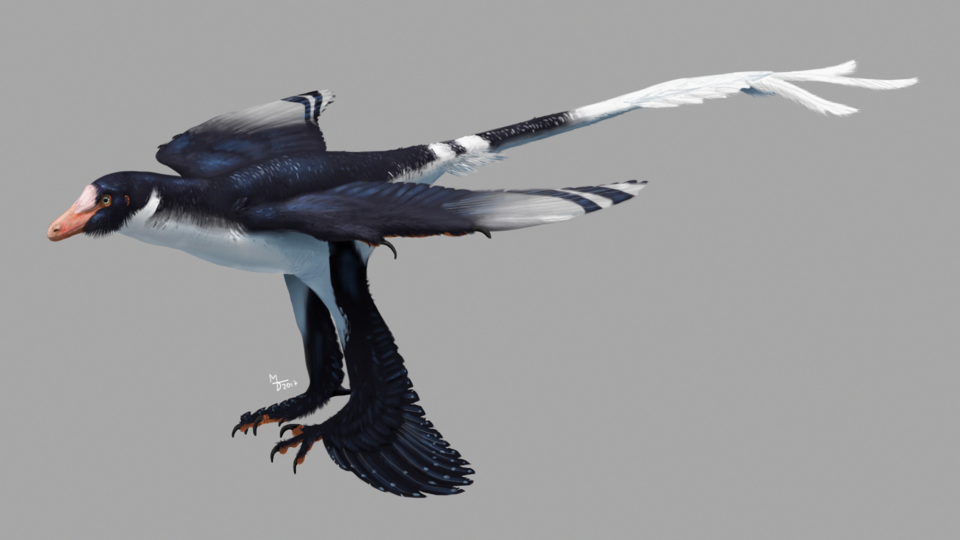
You might imagine dinosaurs mostly as ground-dwellers, stomping or sprinting across floodplains. But the smallest ones open up a very different picture. Animals like Microraptor and Zhongjianosaurus show limb proportions and claws that suggest an arboreal lifestyle, spending much of their time climbing and perching in trees. Their light bodies made it possible to live in branches that would never support a heavier animal.
If you put yourself in that Cretaceous forest, you would have a two-level dinosaur world. Large herbivores and big predators would dominate the ground, while above your head, a hidden layer of activity would be unfolding among the branches. Small, feathered theropods would be chasing insects, hopping between trunks, and perhaps gliding or fluttering from tree to tree. In many ways, you can think of them as taking the role that songbirds and squirrels occupy in forests today, just in a more primitive, dinosaurian form.
8. Dinosaur Intelligence Was Modest, but Small Forms Were Likely Quick and Alert
There is a popular idea that some small dinosaurs were hyper-intelligent, almost on par with clever mammals. The evidence you have today suggests that is probably an exaggeration. Brain size estimates for many small theropods show that they were not geniuses, but they were not brainless either. Their brains relative to body size fall broadly in the same range as many modern reptiles and simpler birds, which is still more than enough for complex behavior.
Where their small size really helped was in agility and awareness. A tiny predator or insect-eater has to react quickly, navigate cluttered environments, and recognize threats at a glance. You can imagine a crow-sized feathered dinosaur darting through branches, planning short routes, and learning the best places to find food. It would not be sitting around solving puzzles like a parrot, but it would be more than capable of flexible, responsive behavior. In a world full of bigger, hungrier neighbors, that kind of quick-thinking survival mattered more than raw intelligence points.
9. Small Herbivorous Dinosaurs Also Existed, Not Just Tiny Predators
When you hear about tiny dinosaurs, you probably picture sharp-toothed hunters and insectivores. But small body size was not just for carnivores. Early and small-bodied herbivorous dinosaurs existed as well, including little ceratopsians and other plant-eaters that never reached the horned, tanklike bulk of their famous relatives. Some early ceratopsians and close relatives stayed in the range of a medium-sized dog or smaller, browsing low plants and shrubs.
For you, this means the prehistoric landscape would have included miniature plant-eaters nibbling at vegetation under the feet of larger animals. Instead of only vast herds of large herbivores, there would have been layers of smaller browsers slipping between them, much like rabbits and small antelope share grasslands with elephants and buffalo today. These small herbivores likely reproduced quickly and served as prey for mid-sized and small predators, making them crucial links in their ecosystems despite their modest size.
10. Being Tiny Could Be a Survival Strategy in a World of Giants
You might assume that bigger was always better in the age of dinosaurs, but that is not how evolution works. Small size came with serious advantages. A tiny dinosaur needed less food, could reach maturity quickly, and could hide in places that were simply inaccessible to larger predators. If a drought hit or a local ecosystem changed, a smaller animal often had more options for survival than a bulkier neighbor that needed huge amounts of resources.
On top of that, small dinosaurs could exploit niches that giants could not touch: feeding on insects inside logs, living in dense undergrowth, or nesting in hidden crevices. In modern ecosystems, you see the same pattern – vast numbers of small animals quietly underpin the food web while a few large species grab most of your attention. The smallest dinosaurs were probably just as important, if not more so, than the headline-grabbing giants when it came to keeping their ecosystems running.
11. Tiny Dinosaurs Help You Understand the Bird–Dinosaur Connection
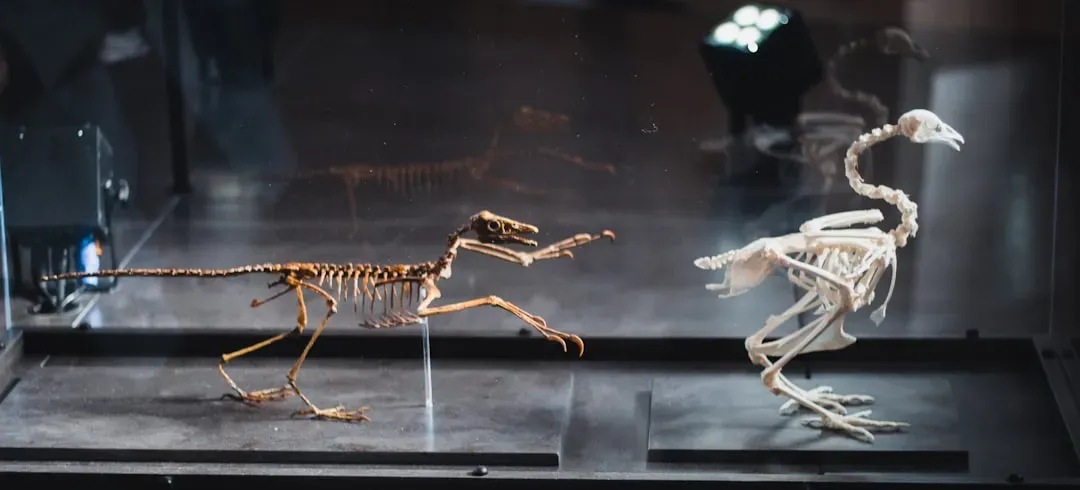
It can be hard to accept that the sparrows, pigeons, and crows you see every day are living dinosaurs. The connection feels abstract when you only picture massive sauropods and hulking predators. But once you start focusing on the smallest non-avian dinosaurs, the link becomes much easier for you to see. Many of these tiny forms had feathers, wishbone-like bones, birdlike hips and shoulders, and lightweight skeletons built for agility.
When you hold a small bird in your mind – a crow hopping along a fence, or a pigeon taking off from a sidewalk – you are not far off from imagining some of these late Jurassic and early Cretaceous feathered dinosaurs. They likely moved in similar ways, used their feathers for both warmth and display, and laid eggs in nests. Instead of thinking: “Birds evolved from dinosaurs,” you can flip it and say: “Many dinosaurs were already very birdlike.” The smallest ones make that shift in perspective almost impossible to ignore.
12. The “Smallest Dinosaur Ever” Title Keeps Changing as New Fossils Are Found
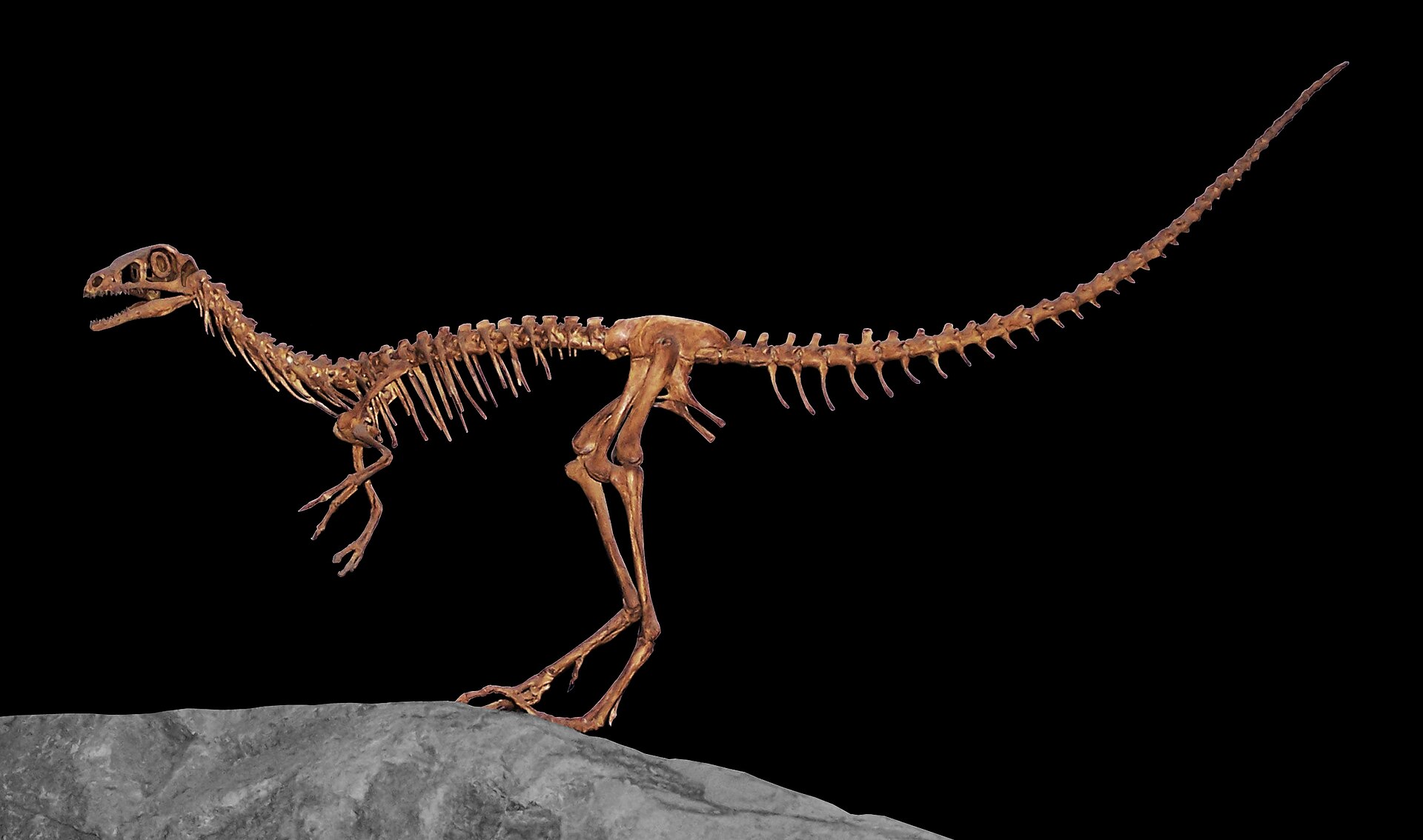
You might be wondering which species officially holds the title of the smallest non-avian dinosaur, but the truth is, that answer keeps shifting. For a long time, Compsognathus was treated as the tiny champion. Then discoveries like Microraptor, Parvicursor, scansoriopterygids, and minuscule microraptorines such as Zhongjianosaurus pushed the size limit down further. Each new well-preserved fossil lets scientists refine their size estimates and sometimes overturn older assumptions.
On top of that, many of the very smallest specimens you see are juveniles, which complicates the story for you. Researchers have to separate young individuals of normally larger species from genuinely small-bodied adults. As fieldwork continues in fossil-rich places like northeastern China and Mongolia, it is very likely that even smaller adult dinosaurs will be identified. So when you hear someone confidently state “the smallest dinosaur was X,” you can smile a bit, knowing the real answer is still evolving with every shovel of dirt.
Conclusion: Why the Smallest Dinosaurs Might Be the Most Important
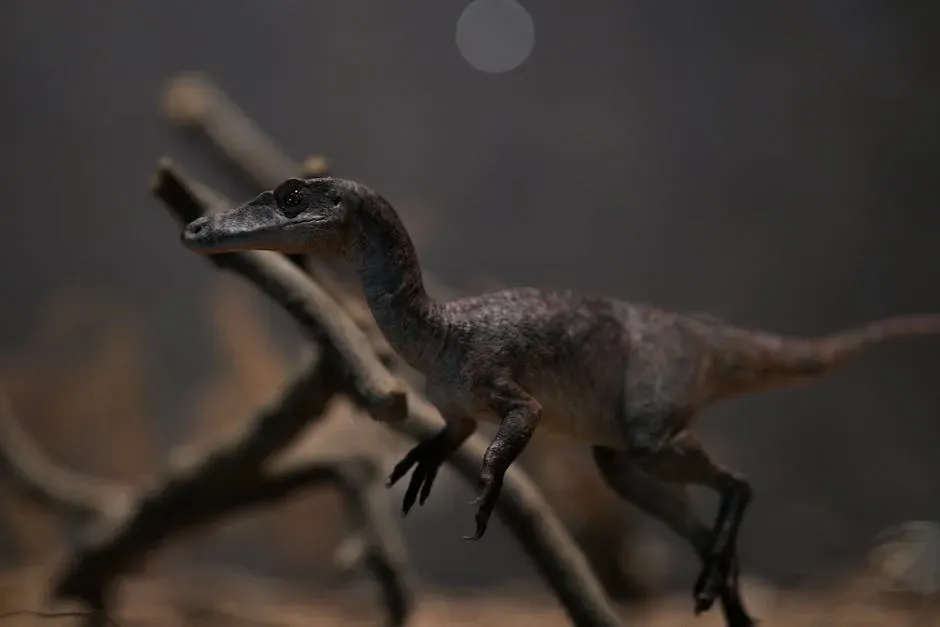
Once you zoom in on the smallest dinosaurs, your picture of the Mesozoic world changes completely. You no longer see only towering giants, but complex, layered ecosystems filled with tiny, feathered, agile creatures hunting insects, gliding between trees, and nibbling low plants. These animals connect the dots between classic dinosaurs and modern birds, reveal surprising color and behavior, and show you that evolution was experimenting with every size and lifestyle it could.
Focusing on these miniatures also makes the deep past feel strangely familiar, because they behaved much more like the small animals you know today than like movie monsters. In a sense, they bring dinosaurs down to your level – literally eye-height, hand-sized, relatable. Next time you watch a sparrow hop along a branch or a crow flash its iridescent feathers, you might find yourself wondering: if you could peel back sixty or seventy million years, what tiny dinosaur cousin would you see in its place?