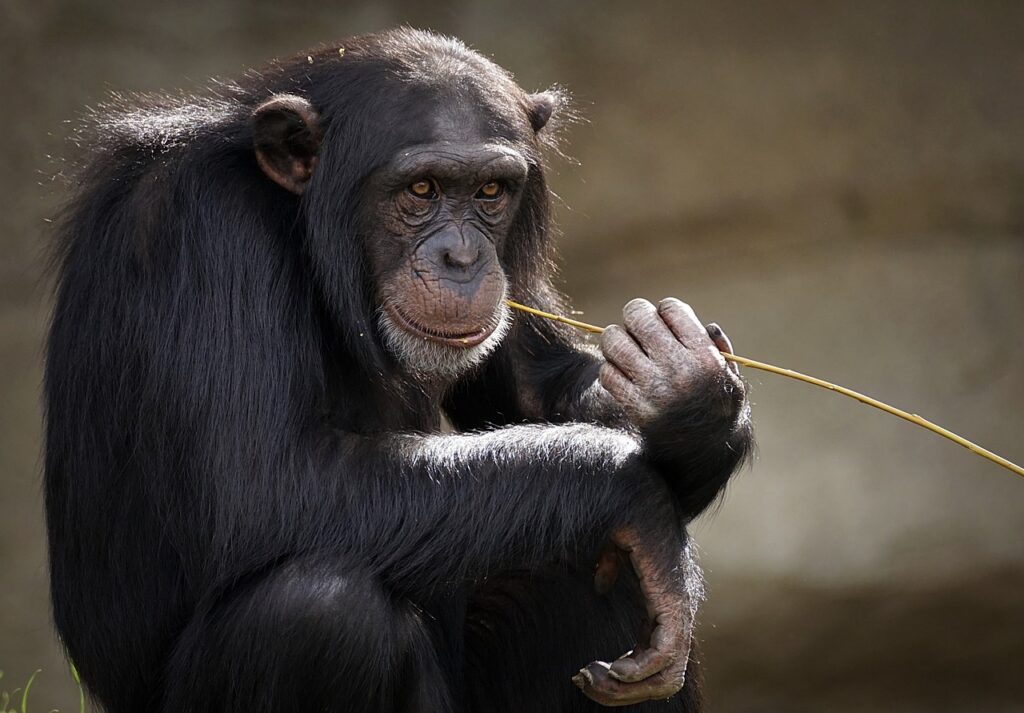
Kyoto, Japan – Researchers at Kyoto University’s Center for the Evolutionary Origins of Human Behavior witnessed an extraordinary display when a resident chimpanzee began transforming ordinary floorboards into percussion instruments. Ayumu, a 26-year-old male and alpha of his group, repeatedly pried loose planks from his enclosure’s walkway and launched into structured drumming routines accompanied by vocalizations. This behavior, documented over two years, offered fresh insights into how rhythmic sound-making might have evolved in primates long before human instruments emerged.
A Spontaneous Musical Debut
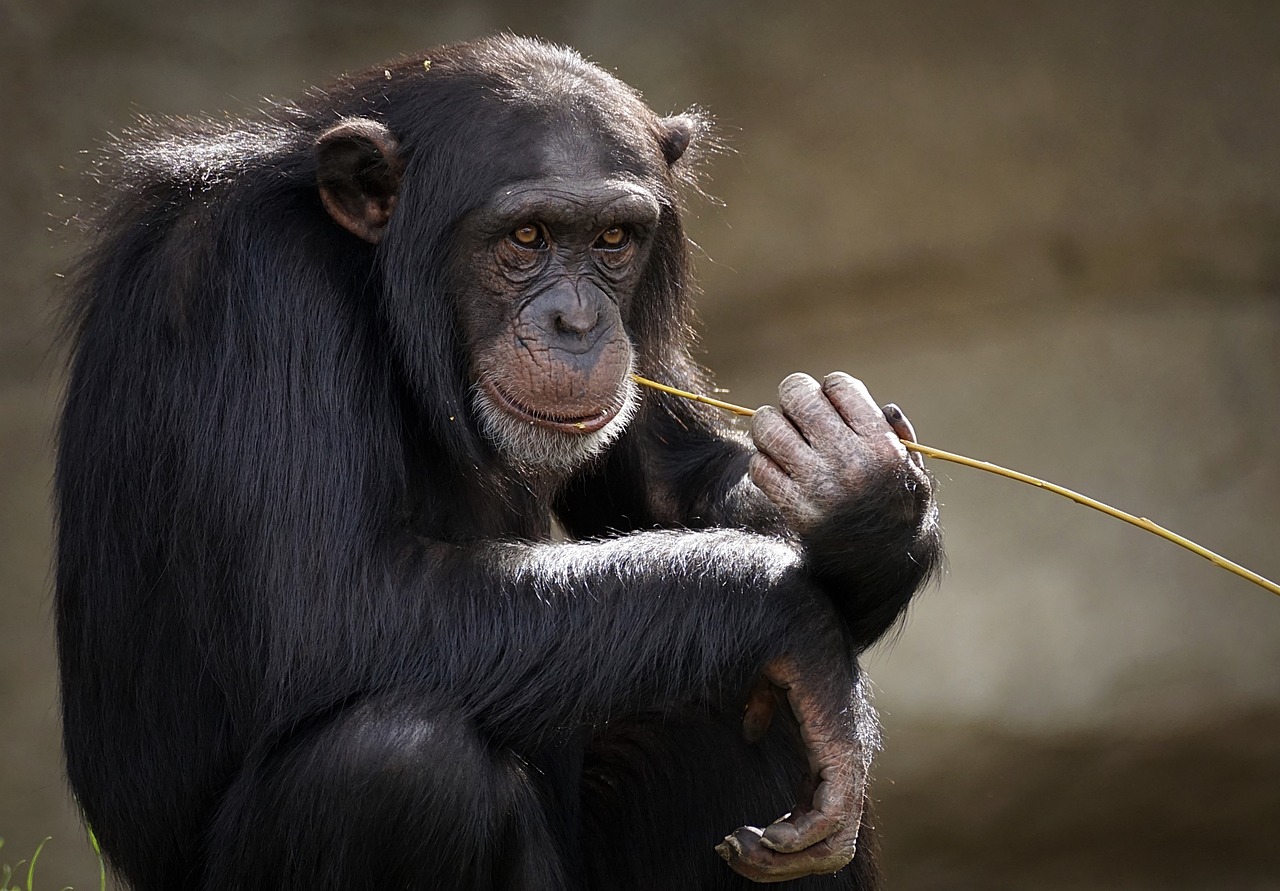
A Spontaneous Musical Debut (Image Credits: Pixabay)
In February 2023, Ayumu surprised his caretakers by detaching floorboards and using them to strike surfaces, creating beats that formed coherent patterns. Scientists recorded 89 such performances across 37 days until March 2025, capturing the full process from plank removal to final flourishes. Each session lasted several minutes, far exceeding typical chimpanzee drumming bouts observed in the wild
Chimpanzees have long been known for their affinity for percussion, often pounding on tree roots or hollow logs to communicate over distances. Ayumu elevated this instinct by incorporating tool detachment, a basic form of modification that hints at proto-tool use for sound production. No other chimpanzee in his group replicated this exact routine, underscoring its uniqueness.
Decoding the Rhythmic Structure
Analysis revealed that Ayumu’s strikes maintained isochronous intervals, akin to a metronome’s steady pulse, with greater stability when using floorboards compared to hand or foot drumming alone. The sequences proved non-random: researchers identified up to 14 distinct components, including striking, dragging objects, and throwing, arranged in predictable orders that built tension toward a climax.
These patterns mirrored the structure of chimpanzee pant-hoots, vocal calls that escalate in intensity. Transition analysis confirmed deliberate choices, such as drumming leading reliably to dragging, suggesting intentional composition rather than improvisation born of chance.
- Striking with detached floorboards for core beats
- Dragging planks across surfaces for sustained tones
- Throwing elements to punctuate endings
- Integrating vocal bursts synchronized to percussion
- Displaying play faces during peaks
Emotions in Every Beat
Ayumu often grinned with a “play face” and appeared to laugh mid-performance, expressions typically linked to joyful play rather than dominance displays. Lead researcher Yuko Hattori noted, “One especially interesting aspect of this observation was that Ayumu sometimes appeared to be laughing while drumming. This suggests that the drumming may have been more than just a display directed at others — it may also have been enjoyable for Ayumu himself.”
This emotional layer set Ayumu’s acts apart from standard chimpanzee drumming, which usually serves social signaling. Hattori added, “As far as I know, non-human animals are not known to use tools to express emotion in this way. This study suggests that chimpanzees may also have the ability to express their emotional state through tool use, somewhat like humans do through musical instruments.” His history in cognitive experiments, including keyboard tapping, may have honed this creativity.
Tracing Music’s Evolutionary Path
The findings bolster theories that instrumental music arose from “vocal externalization,” where emotional vocalizations merged with tool-generated sounds. Wild chimpanzees drum rhythmically on roots, with a 2025 study documenting subspecies variations: western groups favor even spacing, eastern ones alternate intervals.Ayumu’s captive innovation, however, combined these elements in unprecedented ways.
Archaeological traces of early percussion are scarce due to perishable materials like wood and hides. Observations like Ayumu’s fill this gap, showing primates could externalize inner states via proto-instruments. Hattori reflected, “I was surprised. Chimpanzee drumming-like behavior has been reported before… However, behavior like this — using a stick in a way that closely resembled playing a drum — has not been reported before.”
| Drumming Method | Rhythmic Stability | Typical Use |
|---|---|---|
| Hands/Feet | Less consistent | Body percussion |
| Floorboards (Tools) | Highly stable, isochronous | Extended performances |
Key Takeaways
- Ayumu’s 89 documented performances combined tool use, rhythm, and vocals in novel sequences.
- Stable beats and emotional displays suggest music evolved from primate emotional expression.
- This captive case parallels wild drumming but advances our understanding of instrumental origins.
Ayumu’s floorboard symphonies remind us that the impulse to create rhythm transcends species, rooted deeply in our shared primate heritage. As researchers probe group reactions and wild parallels, these beats pulse with promise for unraveling music’s mysteries. What do you think — could Ayumu headline a primate percussion festival? Share your thoughts in the comments.