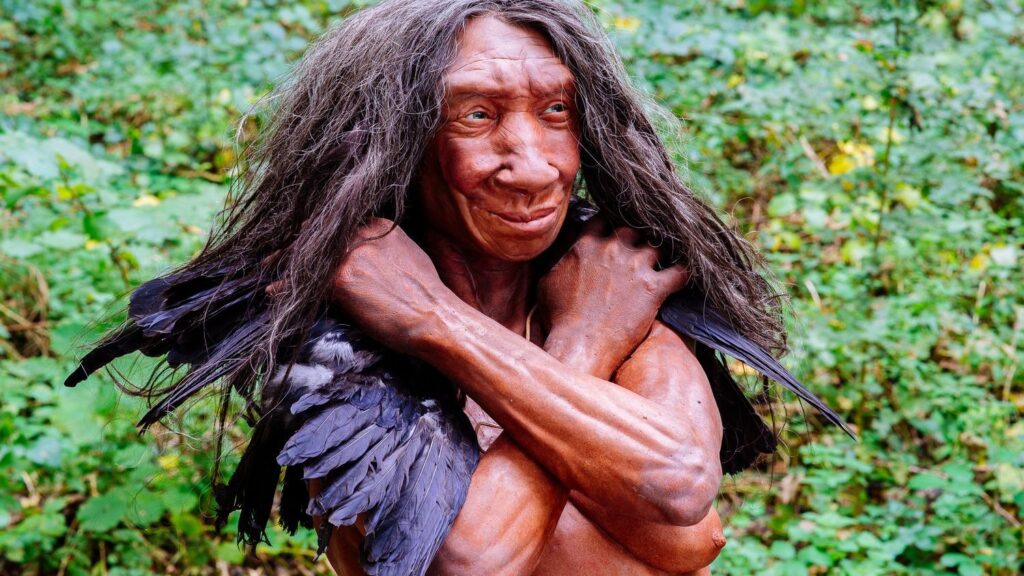
You probably grew up with a very specific mental image of Neanderthals: club-wielding cavemen, grunting their way through life, too slow and too simple to survive. For a long time, even scientists leaned on that stereotype. But over the last couple of decades, especially in the last few years, one discovery after another has quietly blown that old picture to pieces.
When you look at the latest research, you’re not just tweaking your view of Neanderthals, you’re forced to rewrite it from scratch. You see skilled technologists, flexible foragers, social caregivers, creative thinkers, and even potential storytellers who left marks on the world that look a lot more like yours than you might expect. By the time you reach the end of these ten discoveries, the really shocking thing won’t be how “primitive” Neanderthals were, but how familiar they suddenly feel.
1. Neanderthals Were Skilled Technologists, Not Clumsy Cavemen
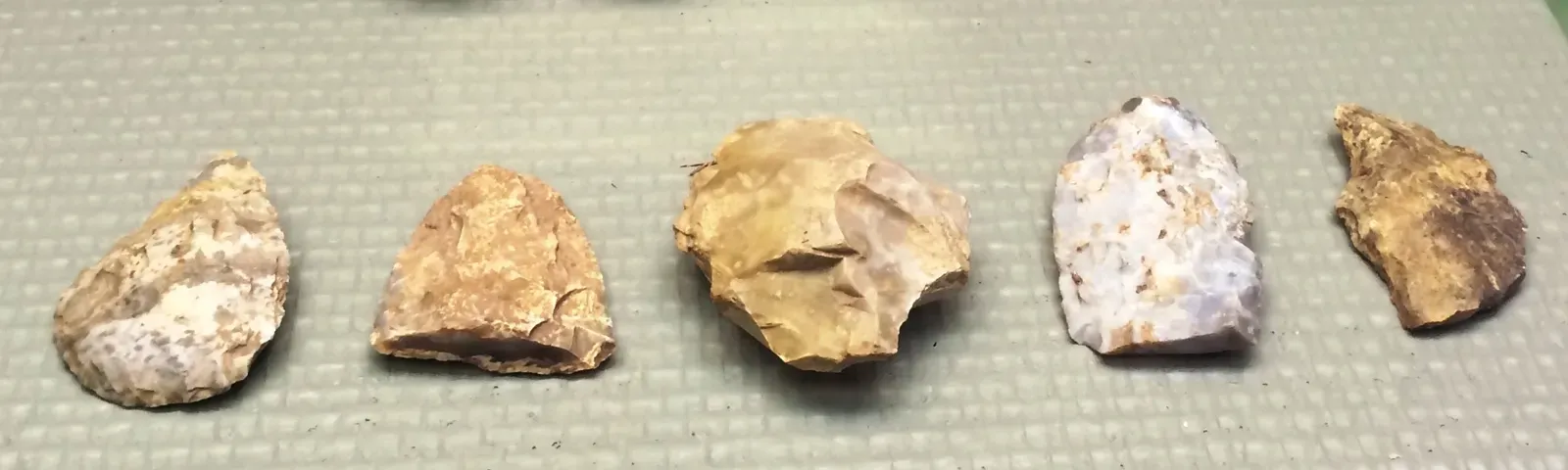
If you imagine Neanderthals fumbling with rough rocks, you’re missing the real story of their technology. Evidence from stone tools, complex hunting weapons, and carefully made wooden implements shows you a group that understood materials, angles, and how to get the most out of limited resources. They were not just breaking stones; they were shaping specialized tools for cutting, scraping, piercing, and even woodworking, sometimes using multi-part constructions rather than simple one-piece “clubs.”
In several sites across Europe and the Near East, you can see that Neanderthals reused and reshaped tools, which tells you they planned ahead and maximized what they had instead of just grabbing a new rock every time. Some points were hafted onto wooden shafts, forming spears that required precise design and balance. When you picture that in your mind, it looks less like a cartoon caveperson and more like a dedicated craftsperson carefully adjusting the edge of a favorite knife.
2. They Invented One of the First Synthetic Materials in History
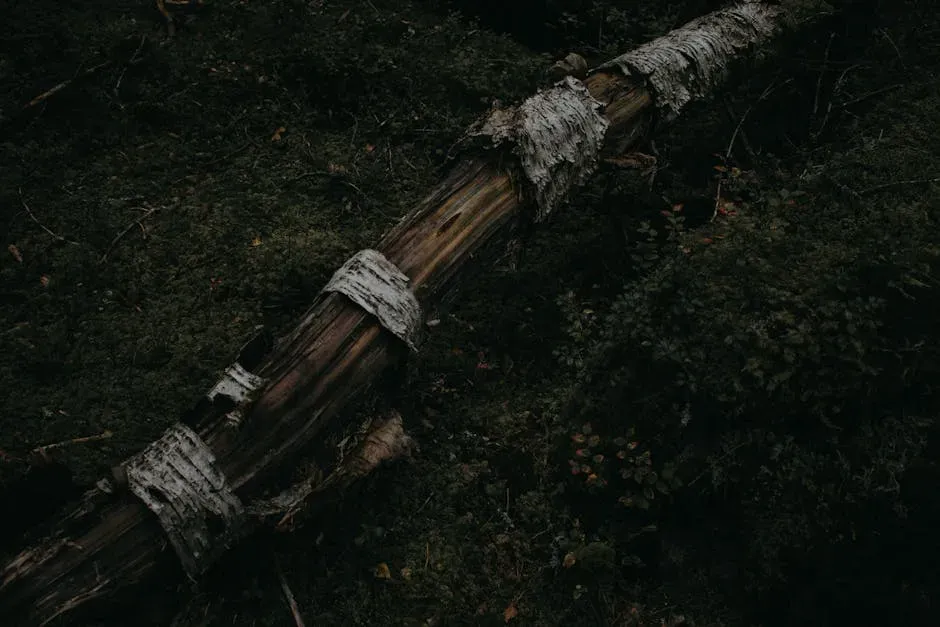
One of the most surprising discoveries about Neanderthals is that they learned how to make birch tar, a kind of prehistoric glue that does not occur naturally in usable blobs. To produce it, you have to heat birch bark in low-oxygen conditions, which means you need to control fire, understand how smoke, heat, and air interact, and be patient enough to wait for the sticky black resin to form. You are looking at one of the earliest known synthetic materials made by any human group, long before farming, pottery, or metalworking appeared.
This tar was used for hafting stone tools onto handles and may have had other uses, like waterproofing or even medicinal applications suggested by recent chemical analyses. When you think about a Neanderthal kneeling by a carefully arranged fire, managing temperature and airflow to produce a glue that holds a spearhead in place, it becomes hard to call them “simple.” You might recognize the same mindset you see today in a mechanic tuning an engine or a hobbyist adjusting the temperature on a 3D printer.
3. Their Diet Was Rich, Varied, and Often Very Sophisticated
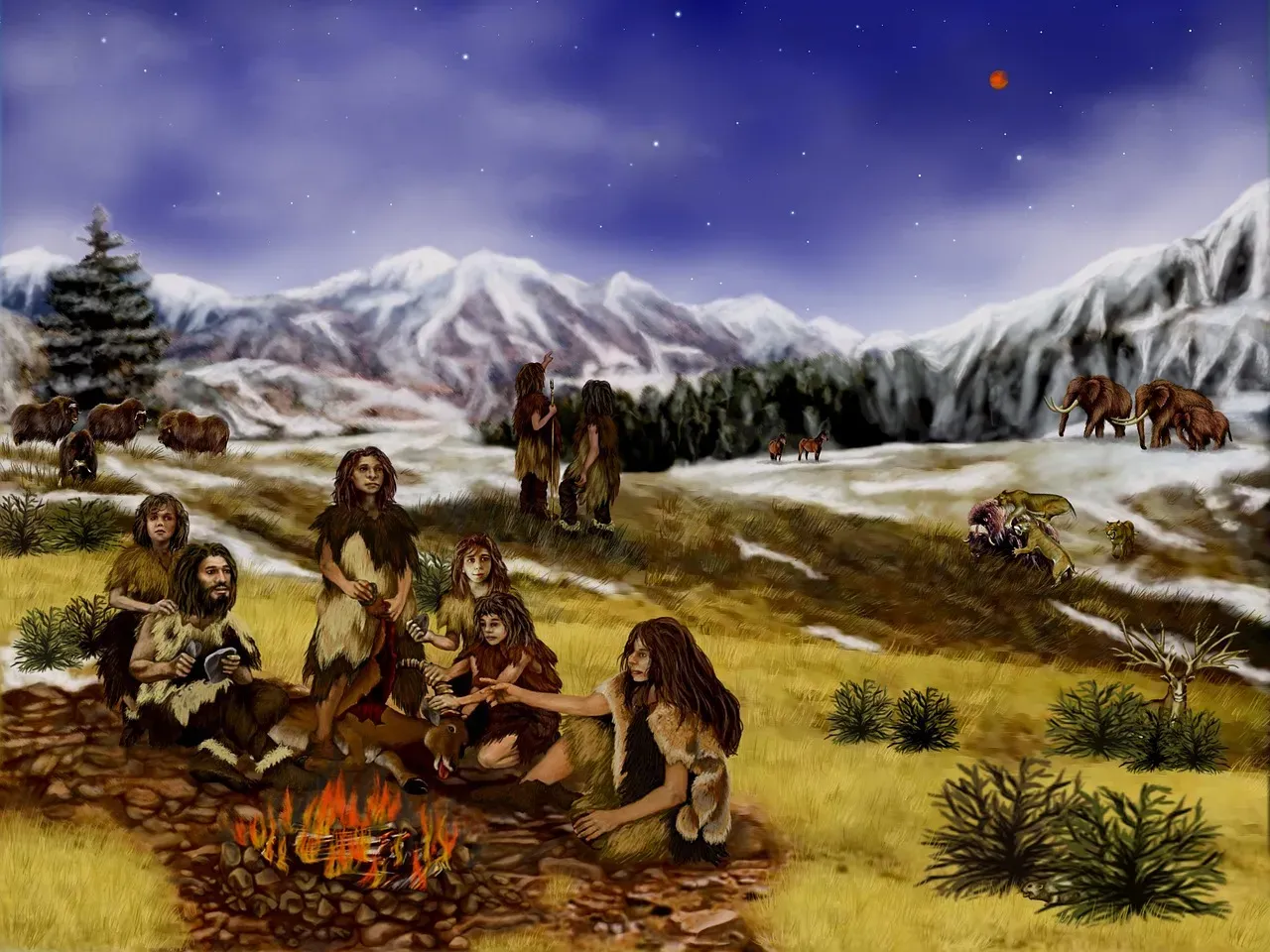
You’ve probably heard that Neanderthals were mostly meat-eaters who chased big game and gnawed on mammoths all day. While they were indeed excellent hunters, new evidence from teeth, fossilized feces, and hearths shows you a far more flexible menu. In some locations, Neanderthals ate mushrooms, nuts, seeds, and various plants; in others, they harvested shellfish, crabs, and fish from coastal environments. Instead of being locked into a single “meat only” lifestyle, they adapted their diet to what was available in different landscapes and seasons.
Microscopic remains trapped in dental plaque reveal cooked plant starches and complex preparation, suggesting they ground, soaked, or roasted some foods before eating them. That kind of behavior points to recipes, not just raw survival. If you step back and look at the big picture, you see people who learned local environments deeply, sampled what worked, discarded what didn’t, and slowly built up food traditions. It looks surprisingly close to how you might tweak your own diet when you move to a new country or discover a new ingredient at the market.
4. They Likely Had Some Capacity for Speech and Complex Communication
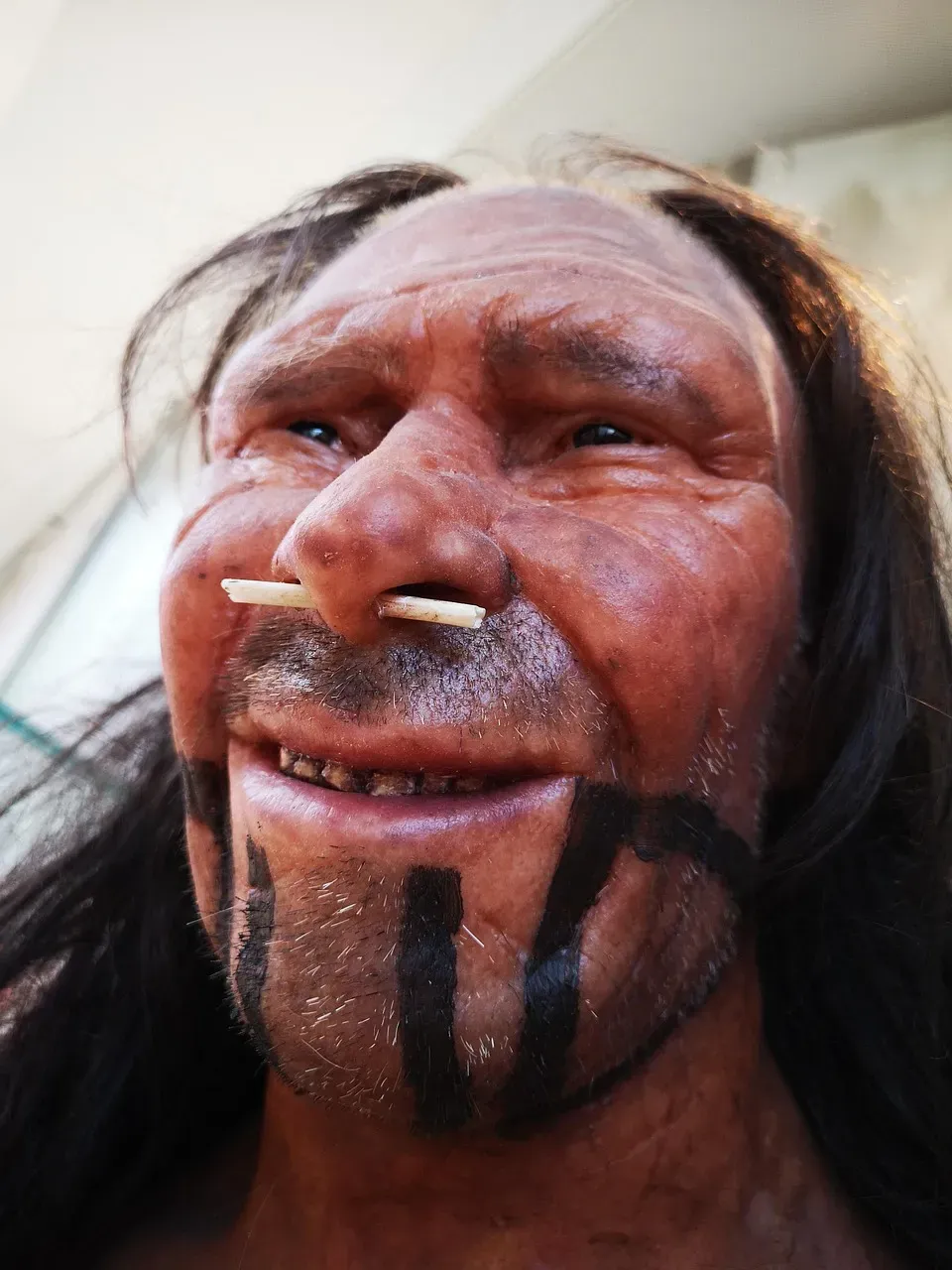
The old myth says Neanderthals only grunted, unable to form anything like real language. But anatomical and genetic evidence now pushes you to consider a much more nuanced picture. Fossils show a modern-looking hyoid bone in at least one Neanderthal, a small throat bone associated in your own body with speech. On top of that, Neanderthals shared a very similar version of the FOXP2 gene, which in you is strongly linked to speech and language development. Those clues do not prove they spoke exactly like you, but they make it very hard to argue they were mute.
When you combine that with the complexity of their social lives, hunting tactics, toolmaking, and long-distance resource use, it becomes almost impossible to imagine them coordinating everything with just a few grunts. You need instructions, negotiations, teaching moments, and probably gossip and stories too, to maintain those kinds of activities. That means you should picture Neanderthals talking around campfires, explaining how to make glue, or warning children away from a cliff edge, using some kind of structured vocal system – maybe not your language, but very likely a language of their own.
5. Neanderthals Were Social, Caring, and Sometimes Tender
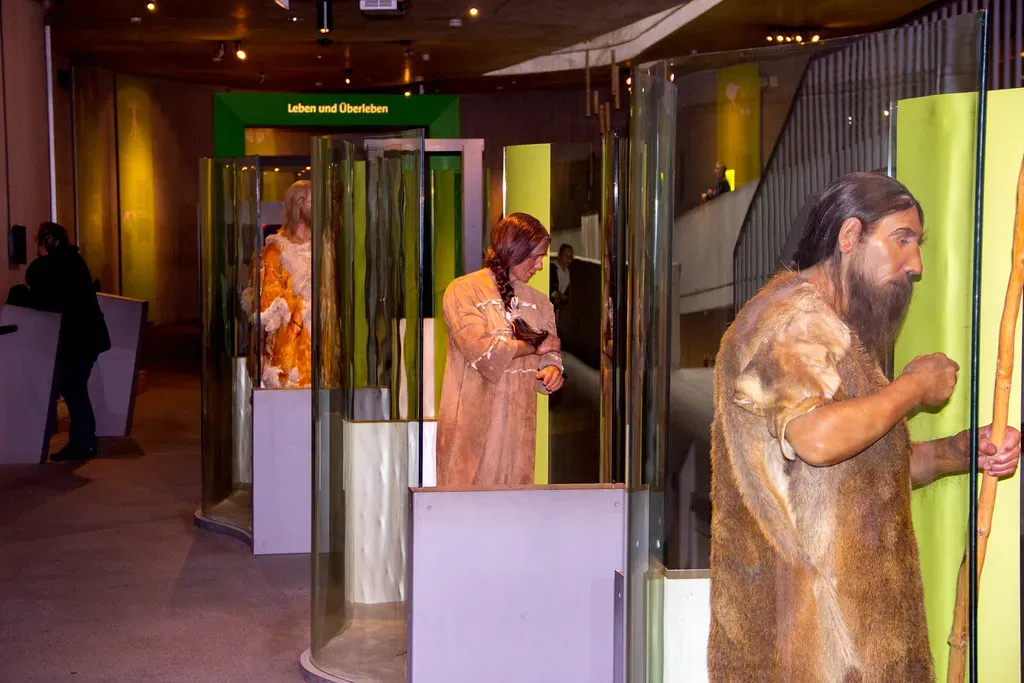
You might assume life in the Ice Age left no room for tenderness, but Neanderthal skeletons tell you a different story. Many remains show severe injuries that had healed long before death: broken bones, serious trauma, and even individuals with disabilities who lived for years after they would have needed help. That only happens if others in the group slowed down, shared food, and gave practical care. In other words, they did not simply abandon those who could not hunt; they looked after them.
Burials at some sites suggest deliberate placement of bodies, sometimes with attention to position or location within a cave. The details are still debated, but the pattern hints that Neanderthals had emotional responses to death, not just a need to dispose of remains. When you play that out, you imagine communities that mourned, remembered, and maybe told stories about lost group members. Their world starts to feel less like a brutal survival contest and more like a tight-knit village under harsh conditions.
6. They Created Symbolic Arrangements and May Have Made Art
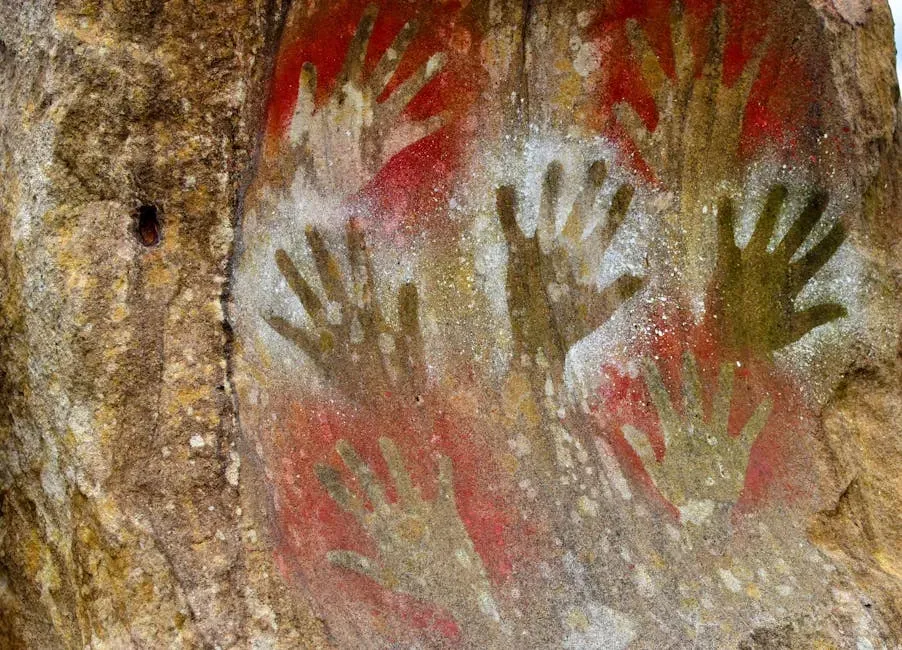
For a long time, you were told that symbolic thinking – art, ritual, abstract ideas – belonged only to modern humans. New finds have made that boundary look much fuzzier. In at least one site, Neanderthals appear to have deliberately arranged skulls of large animals in a concentrated area, with no practical reason like butchery or storage. That kind of careful accumulation looks symbolic, as if the skulls meant something beyond meat and bone. When you place that alongside other possible evidence like pigments, engraved objects, or pendants, you see hints of a symbolic world taking shape.
Researchers still debate exactly how far Neanderthal “art” went, and not every claimed example holds up under scrutiny. But the overall trend points to Neanderthals using color, arranging objects, and possibly decorating themselves or their surroundings. You might think of it as the early stages of the same impulse that leads you to hang photos on a wall or keep meaningful objects on a shelf. They were not just surviving in their environment; they were starting to make it feel like theirs.
7. They Were Masters of Cold-Weather Survival and Clothing
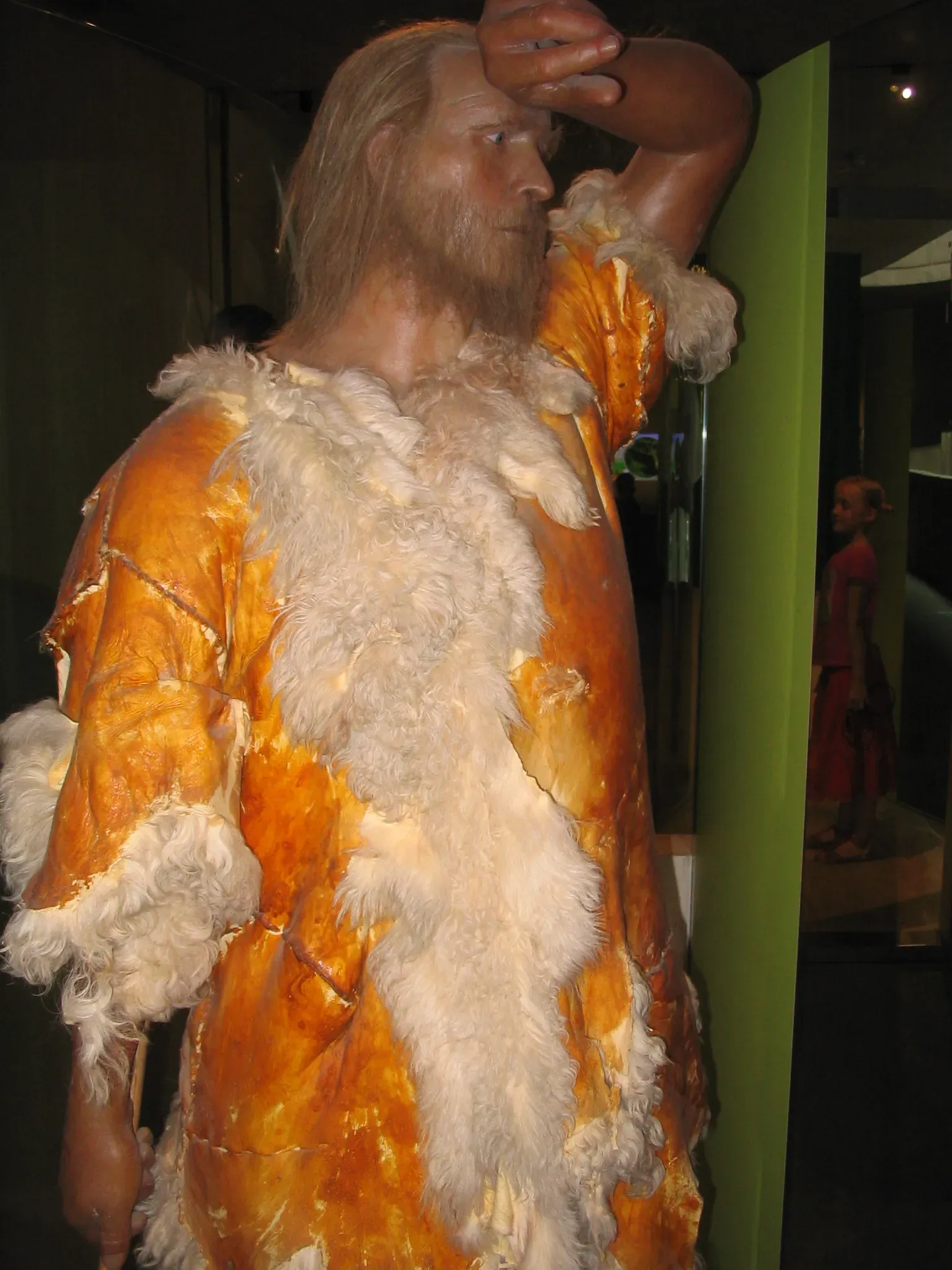
If you dropped suddenly into Ice Age Europe, you would notice right away that anyone who survived long-term had to be extremely good at dealing with cold. Neanderthals evolved stocky bodies that helped conserve heat, but they clearly went beyond biology. Evidence from hide-working tools, microscopic wear on stone edges, and experiments with birch bark glue point toward the use of tailored or at least well-fitted clothing and possibly fitted footwear. You are not looking at people wrapped haphazardly in random skins, but at early clothing technologists.
Studies that model how adhesives like birch tar could be used on seams or bindings suggest Neanderthals may have reinforced or sealed garments to keep out wind and moisture. If you have ever struggled with a cheap winter coat that leaks cold air, you know how big a difference a well-designed seam can make. Think of Neanderthals as the prototype version of cold-weather gear designers, learning through trial and error which cuts, bindings, and materials kept their families alive through long, dark winters.
8. They Adapted to Many Environments, Not Just Cave Mouths
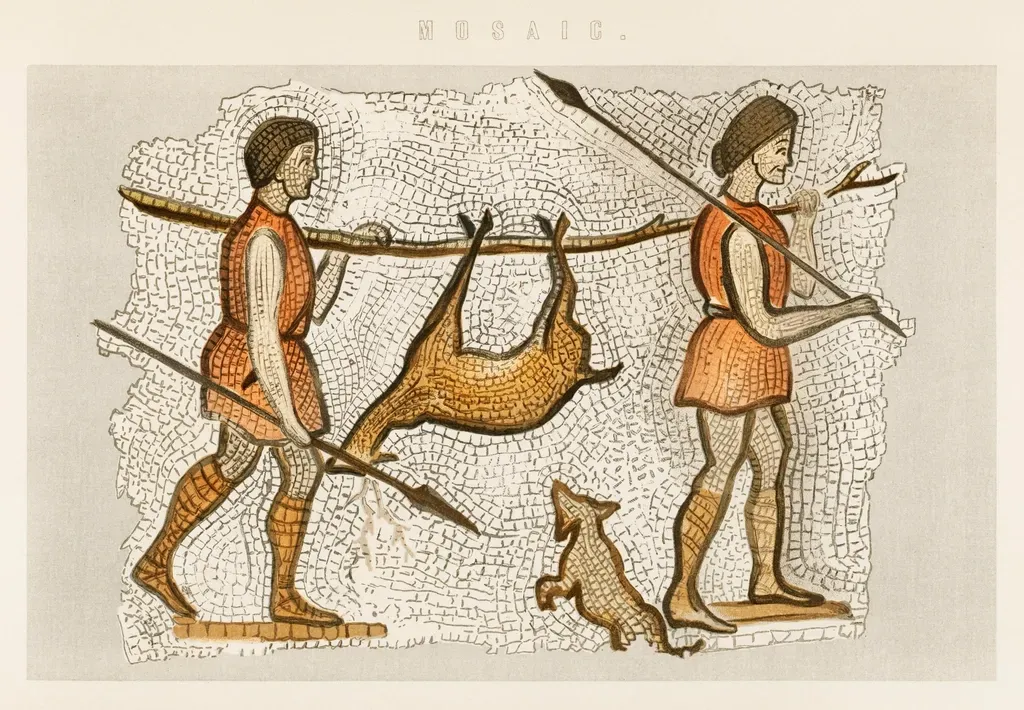
The stereotype puts Neanderthals permanently in dim caves, but the archaeological record shows you something much more dynamic. They occupied open-air camps, rock shelters, forests, grasslands, and coastal zones, moving across large territories as climates shifted. At some coastal sites, you see heavy use of marine resources, while farther inland the focus turns toward large land mammals, smaller game, and plants. That flexibility is a mark of a species that pays attention, experiments, and innovates when conditions change.
When you imagine their year, it probably involved seasonal movements, shifting hunting locations, and revisiting favorite spots where certain foods or raw materials were abundant. They remembered landscapes over generations, taught younger members where to find water, stone, and shelter, and changed strategies when herds moved or climates cooled. If you’ve ever had to move city for work, change job markets, or adjust to a new climate, you’ve lived a soft, modern echo of the same adaptability that Neanderthals used – but under far higher stakes.
9. They Left a Genetic Legacy Inside You
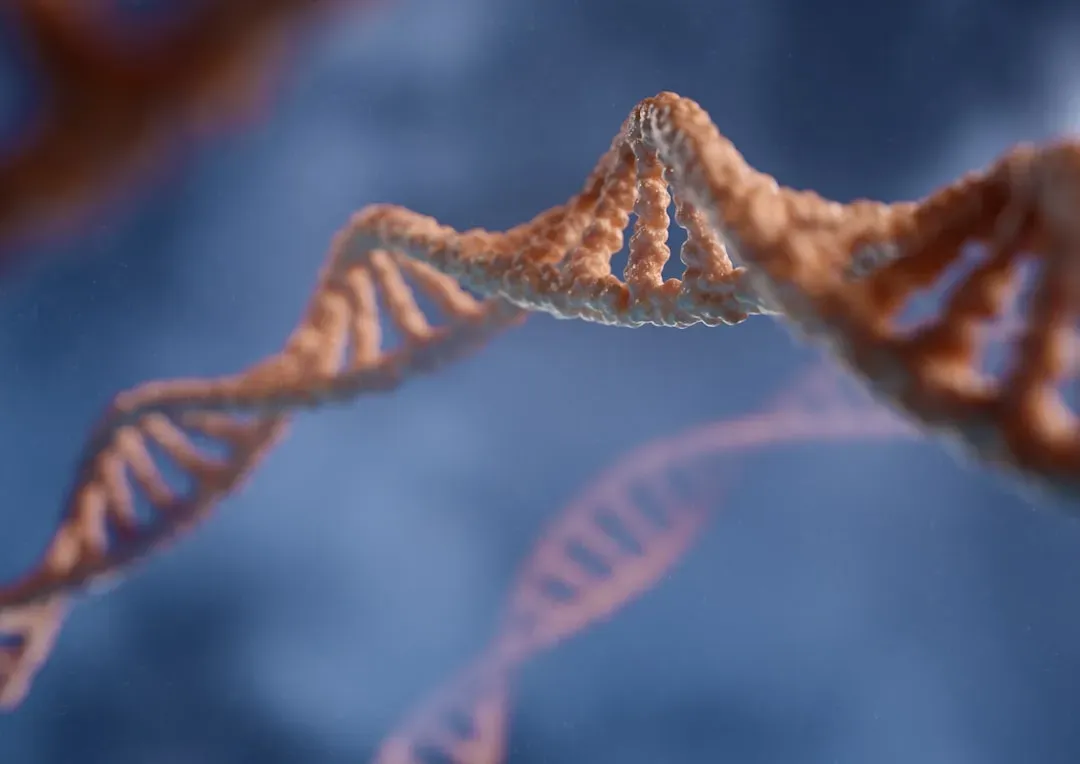
One of the most mind-bending discoveries of the last two decades is that Neanderthals never fully disappeared; parts of them are literally in your DNA today. If your ancestry traces outside of Africa, you likely carry a small percentage of Neanderthal genes. Those bits are not random leftovers; some are linked to your immune responses, skin and hair traits, and even how your body reacts to certain pathogens or sunlight. Without realizing it, you might be walking around with Neanderthal influences every day when you go outside or fight off a cold.
This genetic legacy also changes how you think about Neanderthals as a separate, inferior “other.” They were close enough to your own species to have children together whose descendants are still alive. Instead of a failed evolutionary branch, you can see them as part of your extended family story, a group whose line merged with yours in complex ways. When you look in the mirror, you are not just seeing a modern human; you are seeing a mosaic built from many ancient populations, including Neanderthals.
10. Their Extinction Story Is More Complex Than “Too Stupid to Survive”
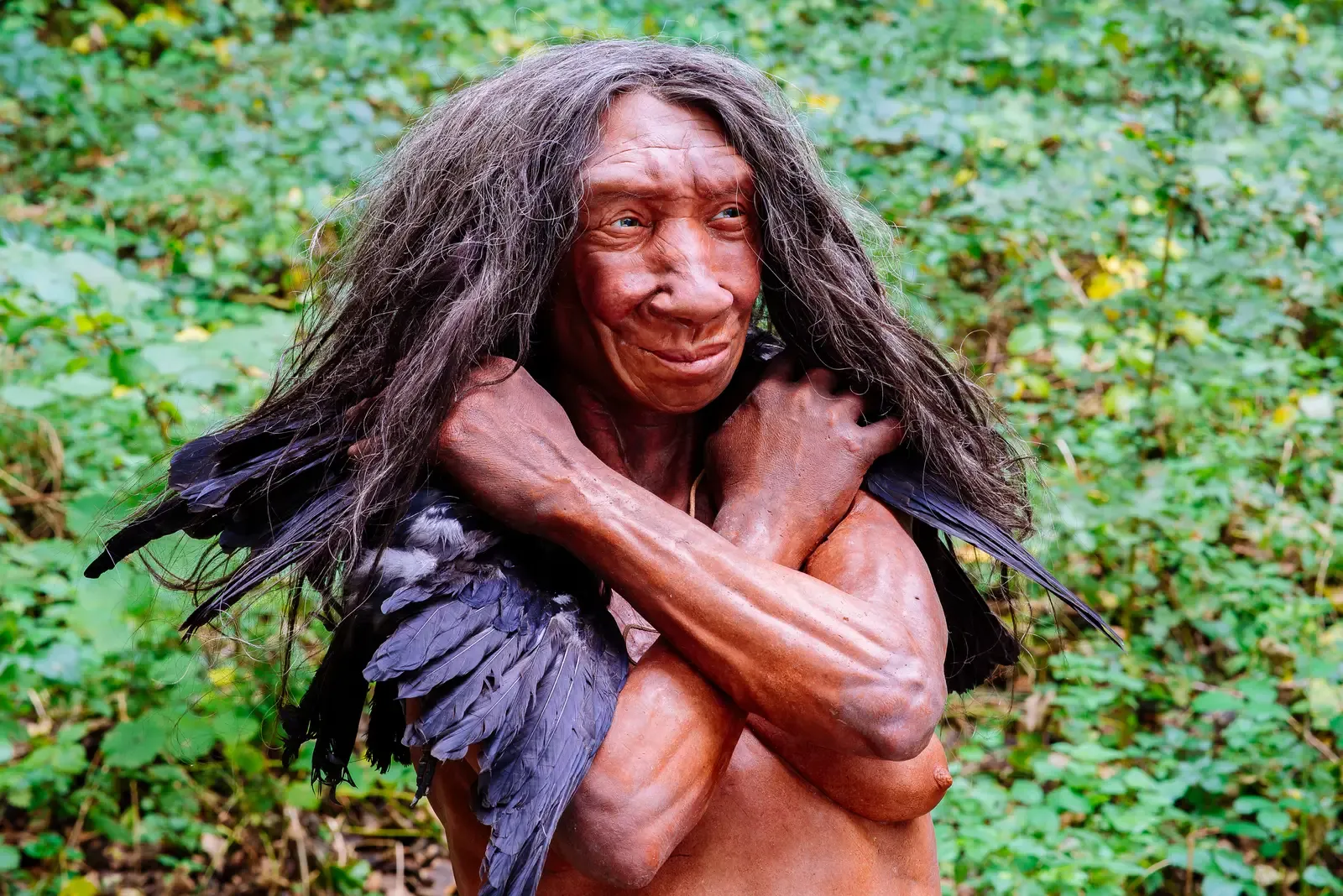
For years, people casually explained Neanderthal extinction by claiming they were just less intelligent than modern humans. Current research paints a far more tangled picture involving climate swings, shrinking habitats, small and isolated populations, and competition or mating with incoming Homo sapiens groups. Genetic studies show you that some Neanderthal populations were already quite isolated and possibly struggling long before the last fossils appear. That sounds less like a simple defeat and more like a slow unraveling under multiple pressures.
When you factor in interbreeding, you realize that “extinction” does not mean they vanished overnight in a single dramatic clash. Some of their communities likely dwindled, merged, or were absorbed over thousands of years. You could compare it to a small language slowly fading as its speakers adopt a more dominant one, yet traces of words and expressions linger in local dialects for generations. In that sense, Neanderthals did not just lose; they partly blended into you, leaving you both the heirs and the living evidence that their story did not end cleanly at all.
When you put all these discoveries together, the familiar caveman caricature collapses. Instead, you’re left with a picture of Neanderthals as tough, adaptable, emotionally rich people who built tools, tailored clothing, experimented with glue, explored new foods, and probably told each other stories in the firelight. The real shock is not that they were so different from you, but that they now seem so close.
The next time you hear the word “Neanderthal” used as an insult, you might quietly remember that your own genes, habits, and even winter wardrobe owe more to them than you once thought. Knowing what you know now, does “Neanderthal” still sound primitive to you – or does it sound a little bit like home?