Researchers revealed a profound human footprint on the planet’s rivers, lakes, and wetlands. Large freshwater animals, weighing more than 30 kilograms at maturity, have spread dramatically beyond their original habitats through deliberate introductions. A comprehensive study documented this trend across 142 countries and regions, highlighting both the allure of economic opportunities and the lurking ecological pitfalls.
The Unprecedented Scale of Introductions
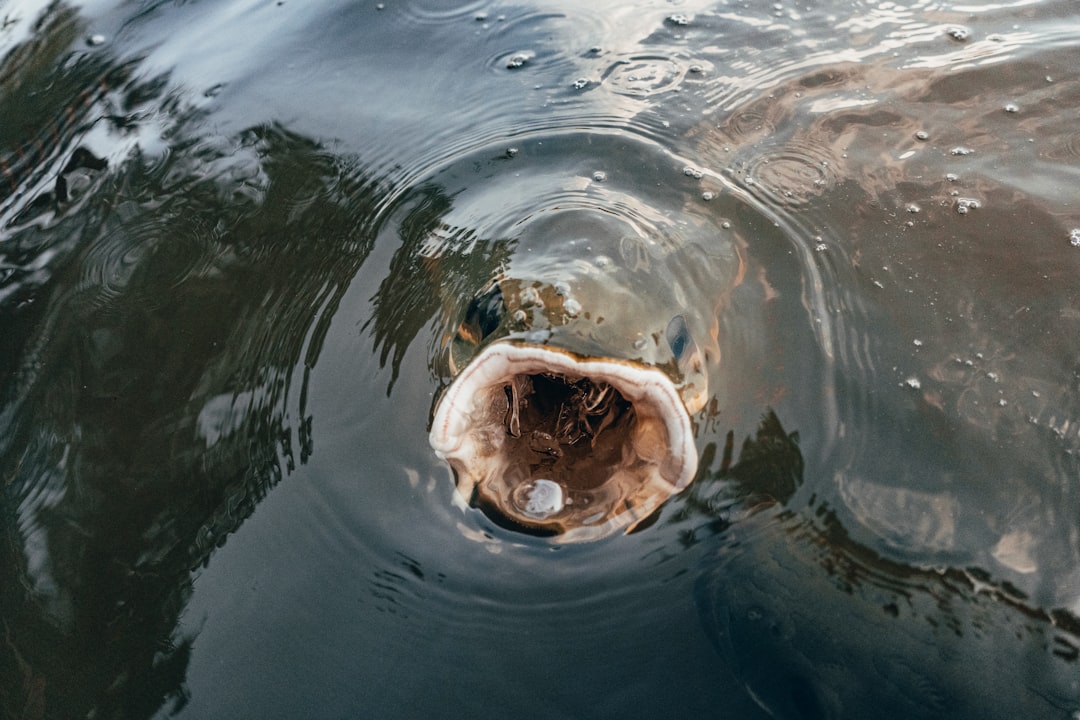
The Unprecedented Scale of Introductions (Image Credits: Unsplash)
A team of scientists identified 216 extant species of freshwater megafauna worldwide. Of these, 93 species – precisely 43% – established populations outside their native ranges. These introductions occurred everywhere except Antarctica, reshaping aquatic landscapes on every other continent.
The United States led with 52 introduced species, followed closely by others with significant numbers. Such widespread relocation underscores how humans have engineered changes in distant ecosystems, often prioritizing short-term gains over long-term stability.
| Country | Number of Introduced Species |
|---|---|
| United States | 52 |
| China | 28 |
| Canada | 23 |
| Russia | 19 |
| Belgium | 18 |
Motivations Behind the Moves
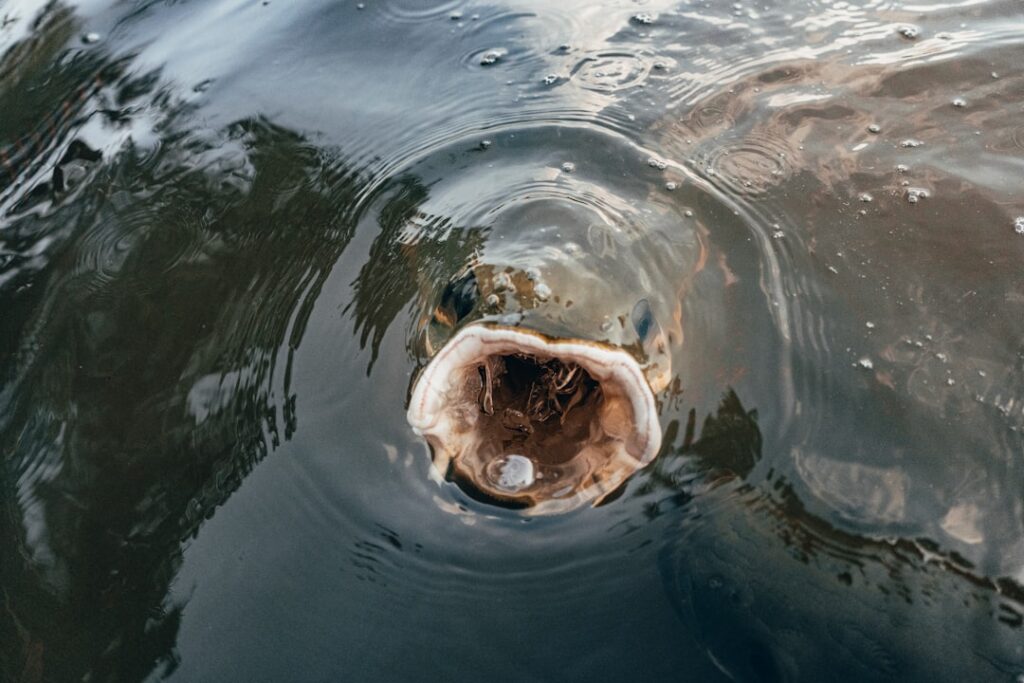
Humans transported these massive creatures primarily to bolster fisheries and aquaculture, which accounted for 57% of documented benefits. Common carp appeared in over 100 countries, while African catfish took root in more than 30 nations. Both became staples in local food production systems.
Other drivers included recreational pursuits like sport fishing and ecotourism, representing 20% of cases. Provisions for materials, pets, or even environmental management filled the rest. Silver carp and bighead carp, for instance, entered new waters to curb excessive algae growth, and grass carp targeted invasive weeds.
- Crocodilians such as the spectacled caiman entered the pet trade in the U.S. and leather industries in China.
- Siamese and Nile crocodiles supported similar commercial ventures abroad.
- Turtles, river stingrays, and large fish fueled aquarium demands.
- Hippopotamuses arrived in places like Colombia to draw tourists.
Benefits That Captivated Decision-Makers
Introduced megafauna delivered tangible economic lifts in many areas. Aquaculture expansions created jobs and boosted exports; salmonids in Chile alone generated $5.2 billion in value in 2018, sustaining 53,000 positions. Sport fishing and wildlife viewing generated revenue through tourism.
Local communities often embraced these changes for immediate food security and income. Carp farming, in particular, integrated into diets and markets across Asia and Europe. Yet these gains rarely told the full story, as researchers noted better documentation for positives than negatives.
Unintended Consequences Emerge
While advantages accrued to some, harms rippled outward. Of 59 species with assessed impacts on human well-being, 26 inflicted detriments alongside benefits. Health and safety risks topped the list at 63%, including attacks from aggressive animals or diseases from contaminants.
The Nile perch introduction in Lake Victoria exemplified the fallout. Intended to enhance fisheries, it decimated small native fish stocks. Local fishers lost livelihoods, child malnutrition rates climbed to 40%, maternal cases reached 6%, and social disruptions even spurred HIV spread. Hippos in Colombia thrilled visitors but endangered nearby residents with their aggression. Management costs mounted too – over $200 million for carp control in the U.S. from the 1960s to 2017, and $1-2 million annually for hippos.
“Such detrimental effects – especially on vulnerable or marginalized local communities – are often complex and require long-term monitoring,” said Fengzhi He, a co-author from the Chinese Academy of Sciences.
Urgent Calls for Caution
Experts warned that indirect harms, like eroded food security or property damage, remain underreported. Sixty-six percent of negative records stemmed from inferred or potential effects. carp, salmonids, and catfishes frequently appeared in both benefit and harm categories.
The study urged rigorous risk evaluations before future moves. “Balancing economic development with biodiversity conservation and human well-being requires a comprehensive understanding of both the benefits and risks,” stated Prof. Sonja Jähnig, IGB director and co-senior author.
As pressures for aquaculture and recreation persist, transparent assessments could prevent repeats of past mistakes. Freshwater ecosystems, vital for billions, demand such foresight to safeguard both wildlife and communities.
Key Takeaways
- 43% of 216 freshwater megafauna species introduced to 142 countries, led by the U.S. with 52.
- Benefits dominate records in fisheries (57%) and tourism (20%), but 26 species harm health, safety, and livelihoods.
- Detrimental impacts, often indirect, are underestimated; stronger risk assessments are essential.
This global reshuffling challenges conservationists to weigh prosperity against peril. What do you think about these introductions? Tell us in the comments.