Durango, Mexico – Wildlife officials marked a significant milestone in conservation history by releasing eight endangered Mexican wolves into the state’s forests. Two family groups, each comprising four wolves, now roam areas untouched by the species for nearly half a century. This reintroduction revives a vital portion of their ancestral habitat, signaling renewed hope for the subspecies’ recovery across its historic range.
A Storied Past Interrupted
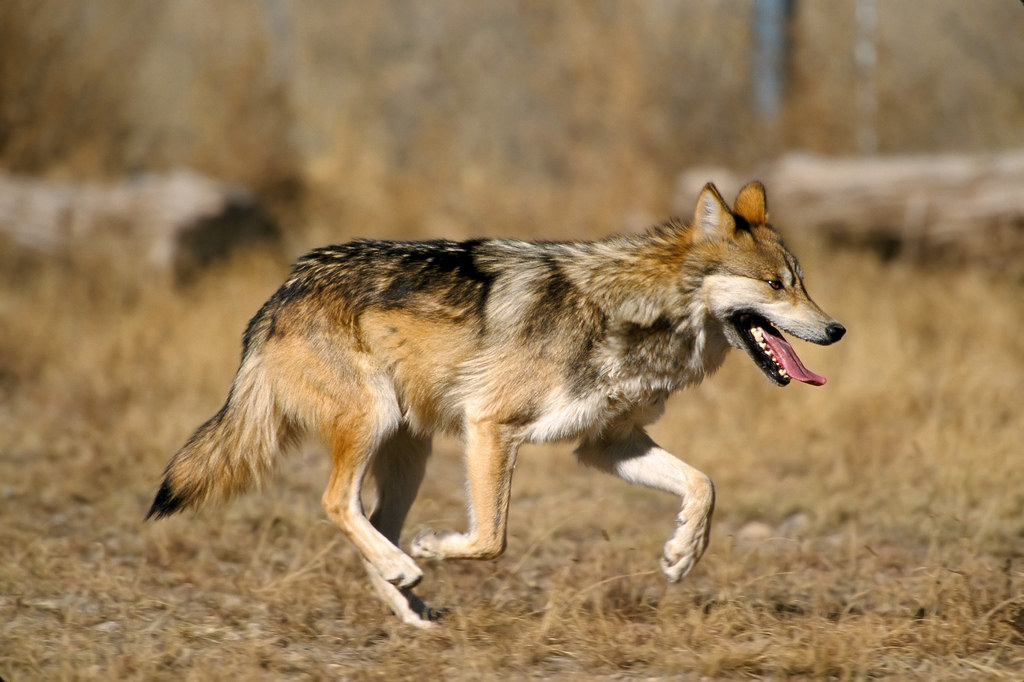
A Storied Past Interrupted (Image Credits: Flickr)
Durango once served as a stronghold for Mexican wolves, but their presence faded dramatically in the late 20th century. Scientists last documented the animals here almost 50 years ago. In 1980, the U.S. Fish and Wildlife Service captured the remaining wolves from Durango and neighboring Chihuahua to establish a captive breeding population.
Those individuals and their descendants laid the foundation for reintroductions in the United States starting in 1998. The wolves had been extirpated from U.S. territories during the 1970s due to habitat loss and human conflicts. Today, more than 300 Mexican wolves thrive in the wild across New Mexico and Arizona, a testament to decades of dedicated recovery work.
Binational Effort Bears Fruit
The latest releases stem from close collaboration between U.S. and Mexican agencies. Officials transferred the two wolf families from captivity, drawing from populations managed by groups like the Arizona Game and Fish Department. This effort extends previous reintroductions that began in Sonora and Chihuahua in 2011.
In a parallel move, experts released a pregnant female wolf in Chihuahua, with plans to introduce additional wolves there in late spring. Such coordinated actions address the fact that 90 percent of the Mexican wolf’s historic range lies within Mexico. The initiative underscores a shared commitment to restoring ecological balance south of the border.
Local Communities Embrace Biodiversity
For the first time, this project unfolded beyond protected natural areas or small private ranches. Instead, it involved direct partnership with the El Tarahumara and Bajios del Tarahumara forest communities. These groups view wolf recovery as essential to preserving their forests’ biodiversity.
Jorge Servin, a professor at the Metropolitan Autonomous University in Mexico City, highlighted the novelty of the approach. “This is the first time this project has been implemented outside of protected natural areas or small private properties (ranches),” he stated in a press release. “It is now being carried out in collaboration with a forest community (El Tarahumara and Bajios del Tarahumara). They believe that maintaining the biodiversity of their forests and ensuring their long-term sustainability is a guarantee of environmental, social and economic benefits without degrading their natural resources.”
Timeline of Mexican Wolf Recovery
Recovery efforts have spanned decades, with key milestones shaping the path forward. The following outlines major developments:
- 1970s: Wolves extirpated from the U.S.
- 1980: Last wild wolves captured in Durango and Chihuahua for captive breeding.
- 1998: Reintroductions begin in the U.S.
- 2011: First releases in Sonora and Chihuahua, Mexico.
- March 2026: Two packs returned to Durango.
- Spring 2026: Additional wolves planned for Chihuahua.
This progression reflects growing populations and expanding efforts. Current estimates place over 300 wolves in the U.S., bolstering the source pool for Mexican initiatives.
Challenges and Opportunities Ahead
Reintroduction success hinges on monitoring prey availability, habitat quality, and human-wildlife interactions. Mexican wolves typically weigh 50 to 80 pounds and prey on ungulates like deer and elk. Adequate food sources in Durango’s mountains and temperate forests support their establishment.
| Milestone | Date | Location |
|---|---|---|
| Captive Breeding Start | 1980 | Durango/Chihuahua |
| U.S. Reintroduction | 1998 | NM/AZ |
| Mexico Releases Begin | 2011 | Sonora/Chihuahua |
| Durango Return | 2026 | Durango |
While progress remains fragile, these releases expand the wolves’ footprint. Ongoing collaboration promises sustained growth. For more details, see the Arizona Game and Fish Department announcement.
- Eight wolves from two families now inhabit Durango, absent for nearly 50 years.
- Binational partnerships drive recovery, with 90% of historic range in Mexico.
- Community involvement ensures long-term sustainability and benefits.
This homecoming in Durango not only restores a missing predator but also revitalizes ecosystems long out of balance. As wolf packs establish territories, they promise cascading benefits for biodiversity and local communities. What do you think about these conservation triumphs? Share your thoughts in the comments.