
You probably picture dinosaurs when you think of prehistoric giants, but the forests themselves were full of towering, bizarre creatures that would make a modern rainforest look almost tame. From dragonfly-like insects the size of seagulls to reptiles that blurred the line with mammals, these ancient ecosystems were crowded, noisy, and surprisingly sophisticated. And right now, bit by bit, scientists are uncovering fossils and clues that let you step back into those green cathedrals of deep time.
What makes this story so wild is that many of these giants vanished long before the dinosaurs reached their peak, leaving behind scraps of bone, impressions of leaves, and the occasional perfectly preserved skeleton locked in rock. When you follow the evidence, you start to see that ancient forests were not just bigger versions of what you know today – they were alien worlds with oxygen-rich air, swampy ground, and life forms pushing the limits of size and design. As you explore these long-lost habitats, you’re really rediscovering the rules of life on Earth itself.
The Carboniferous Forests: Earth’s Original Green Cathedrals
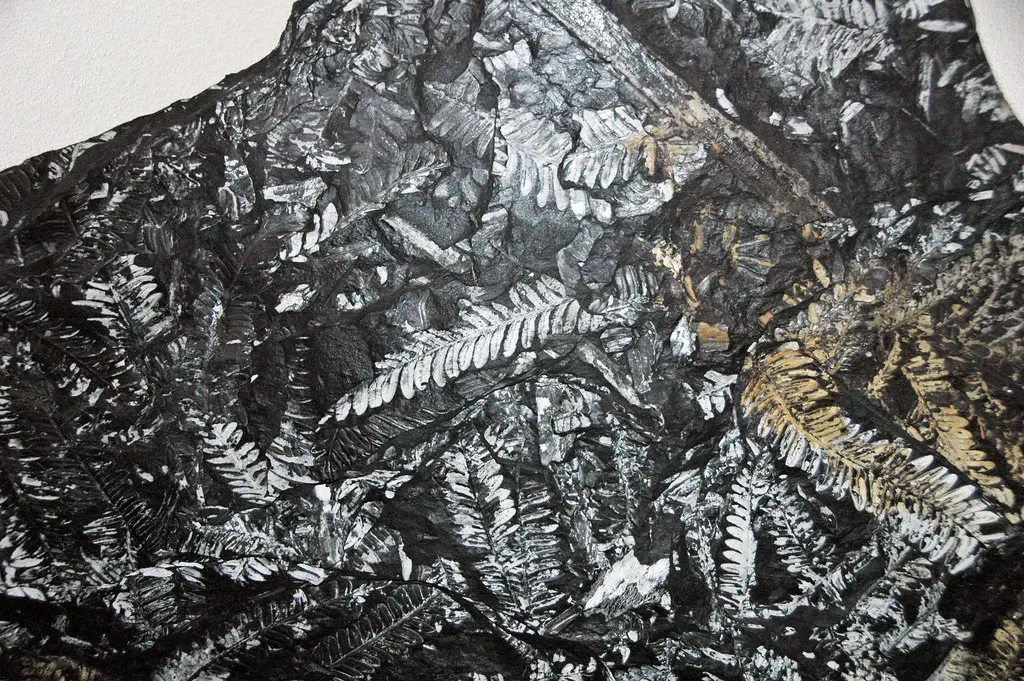
If you could walk into a forest from the late Carboniferous period, roughly more than three hundred million years ago, you’d feel like you’d stepped onto another planet. You’d be surrounded by dense, swampy lowlands packed with towering clubmosses, horsetails, and seed ferns, many of them rising as high as a modern multi-story building. The air would feel heavy and humid, rich with oxygen, and the ground under your feet would squish with peat and decaying plant matter that would one day become coal. In every direction, trunks as thick as small houses and huge, umbrella-like crowns would block out much of the sky.
These forests stretched over what is now North America and Europe, forming vast wetlands that trapped carbon and reshaped the planet’s atmosphere. As leaves fell and plants died, they piled up faster than they could fully rot, creating deep layers of organic material. Over millions of years, pressure and time turned these layers into the coal seams you now mine and burn. When you hold a piece of coal, you’re literally holding the compressed remains of those ancient forests – and of the creatures that hunted, crawled, and flew through that dark green world.
Plant Giants: Trees That Weren’t Really Trees
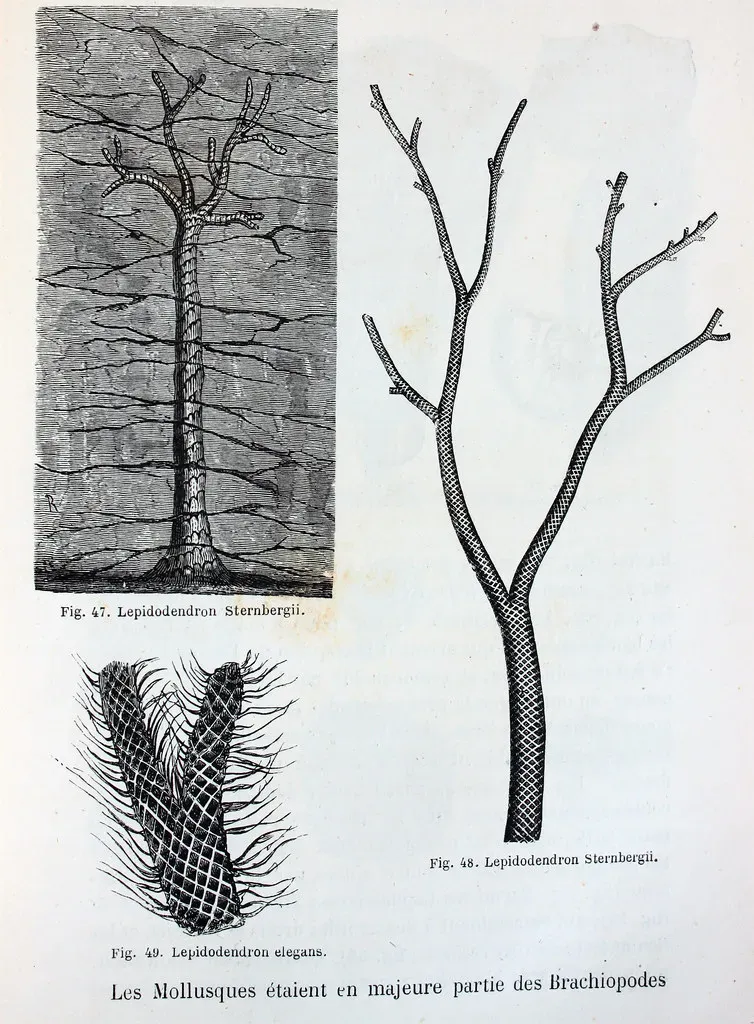
When you picture a forest giant, you probably imagine something like a redwood or a pine, but many prehistoric “trees” wouldn’t look familiar to you at all. Some of the dominant giants, like Lepidodendron, were actually enormous relatives of today’s clubmosses rather than true woody trees. They could grow as tall as a modern building yet were hollow and supported by a very different internal structure, with distinctive diamond-patterned bark that looks almost ornamental in fossils. If you touched one, it might feel more like a tough, fibrous stalk than solid wood.
These plants lived fast and died young by tree standards, shooting up quickly in the swampy, nutrient-rich soils and then collapsing back into the mire. You’d see forests full of tall, straight trunks with very few branches until the top, where leaves formed a crown high above your head. Interspersed among them, huge horsetails and early seed plants filled in the gaps. Over time, as climates shifted and new plant groups evolved, many of these strange giants disappeared, replaced by trees more like the ones you recognize today. But every time you see their fossil bark or cone structures, you’re looking at an experiment in tree-building that the modern world no longer uses.
Insect Titans in Oxygen-Rich Skies
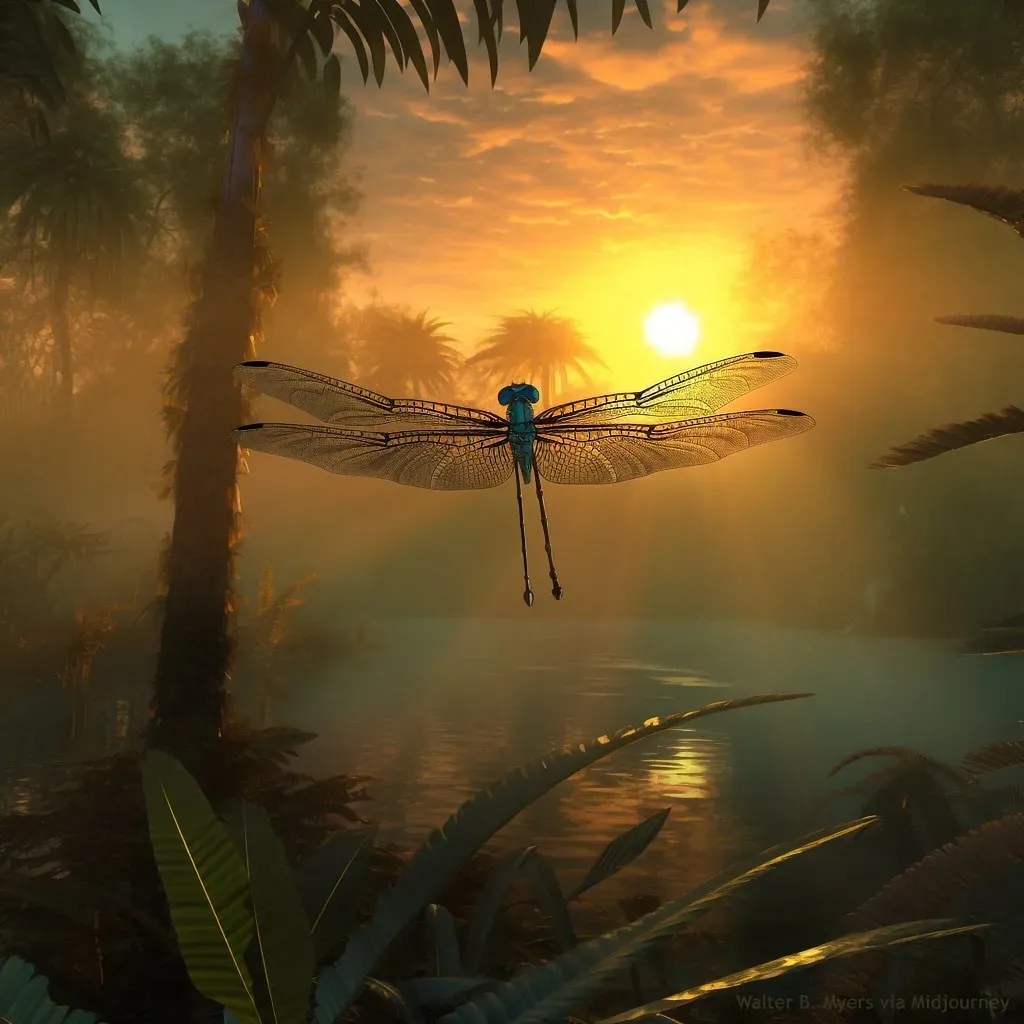
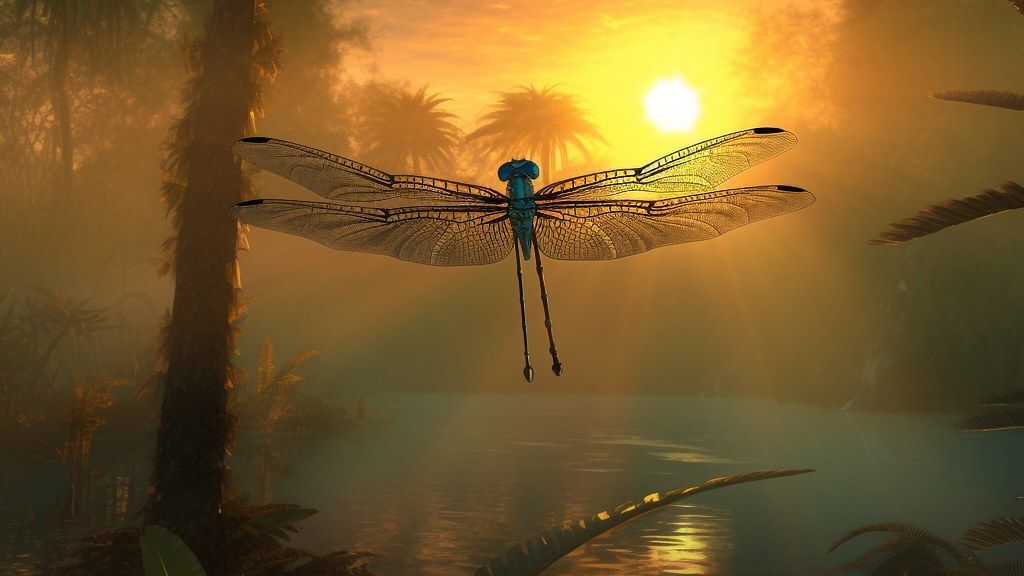
One of the most unsettling things you’d notice in a Carboniferous forest is how big some of the bugs are. Because the air held far more oxygen than it does today, insects could grow to sizes that would make you instinctively duck. Imagine walking a forest path and seeing a dragonfly-like creature with wings as wide as your arm span gliding between giant trunks. These ancient predators, such as Meganeura, would have been among the top aerial hunters, picking off smaller insects and maybe even small vertebrates.
On the ground and in the undergrowth, you’d encounter millipede relatives reaching lengths comparable to a small car, scuttling through leaf litter and feeding on decaying vegetation. Even if you’re not usually bothered by bugs, the sheer scale of these arthropods would be hard to ignore. Their bodies were built on the same basic plan as modern insects and millipedes, but pushed to extremes by the environmental conditions. When you look at their fossils today, you’re seeing what happens when simple body plans meet a world that physically allows them to go big in a way your current atmosphere does not.
Early Reptilian Giants Roaming the Understory
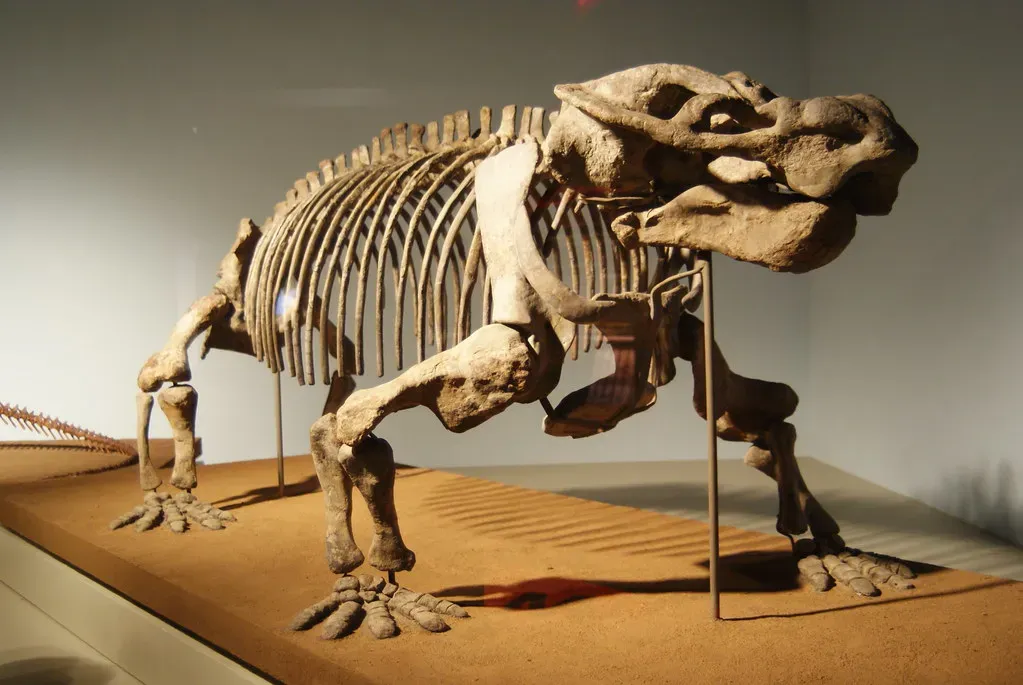
Beneath the towering plants and buzzing insect skies, the forest floor was home to early reptilian and reptile-like giants that were testing out new ways of living on land. Long before the classic dinosaurs appeared, large amphibians and early reptiles were wading through swampy channels and stalking along muddy banks. Some of these creatures had broad, flat heads and bodies built for ambush, lurking in shallow pools to snap at passing prey. Others had sturdier limbs and stronger spines, letting them wander farther from water into the denser parts of the forest.
As time moved into the Permian period, you’d start to see more advanced reptile relatives, some of them surprisingly large and powerful, feeding on everything from insects to other vertebrates. Their skeletons show shifts in limb position and skull structure that hint at changing hunting strategies and more active movement. When you follow their fossils across layers of rock, you’re watching a slow but dramatic story: land animals learning to fully commit to life away from the water, using these lush forests as both shelter and hunting ground.
Mammal-Like Reptiles: Strange Monarchs of Later Forests
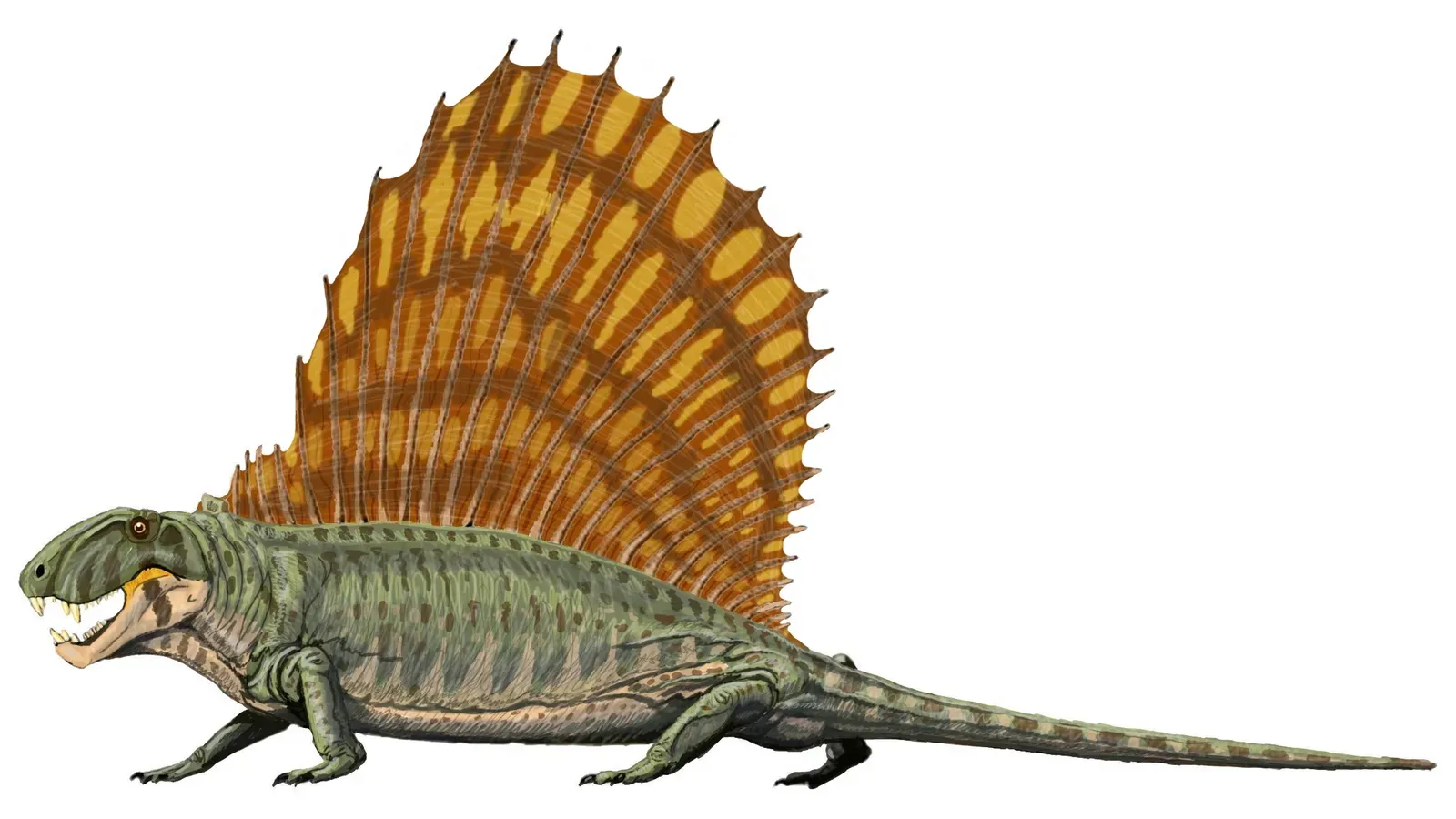
By the late Permian, if you walked through drier, more open forests and woodlands, you’d run into a new kind of giant that might look oddly familiar to you. These were the synapsids, often called mammal-like reptiles, and they included forms like Dimetrodon and its relatives. Some had huge sail-like structures on their backs formed by elongated vertebral spines covered with skin. Others were more compact and powerful, with strong jaws and differentiated teeth that foreshadow the way your own teeth are specialized for cutting and grinding. In a world that was becoming harsher and less swampy, these animals ruled many land ecosystems.
You can think of them as early experiments on the road that would eventually lead to true mammals. Their skulls show openings for stronger jaw muscles, and their body proportions hint at more active lifestyles than many of the earlier, sprawling reptiles. In the forests and scrubby landscapes they dominated, they would have been the apex predators and large herbivores, shaping how other species lived and evolved. When you look at a mammal-like reptile fossil in a museum, you’re not just seeing a strange predator; you’re seeing a distant, giant cousin in your own evolutionary story.
How Fossils Reveal Forests You’ll Never See
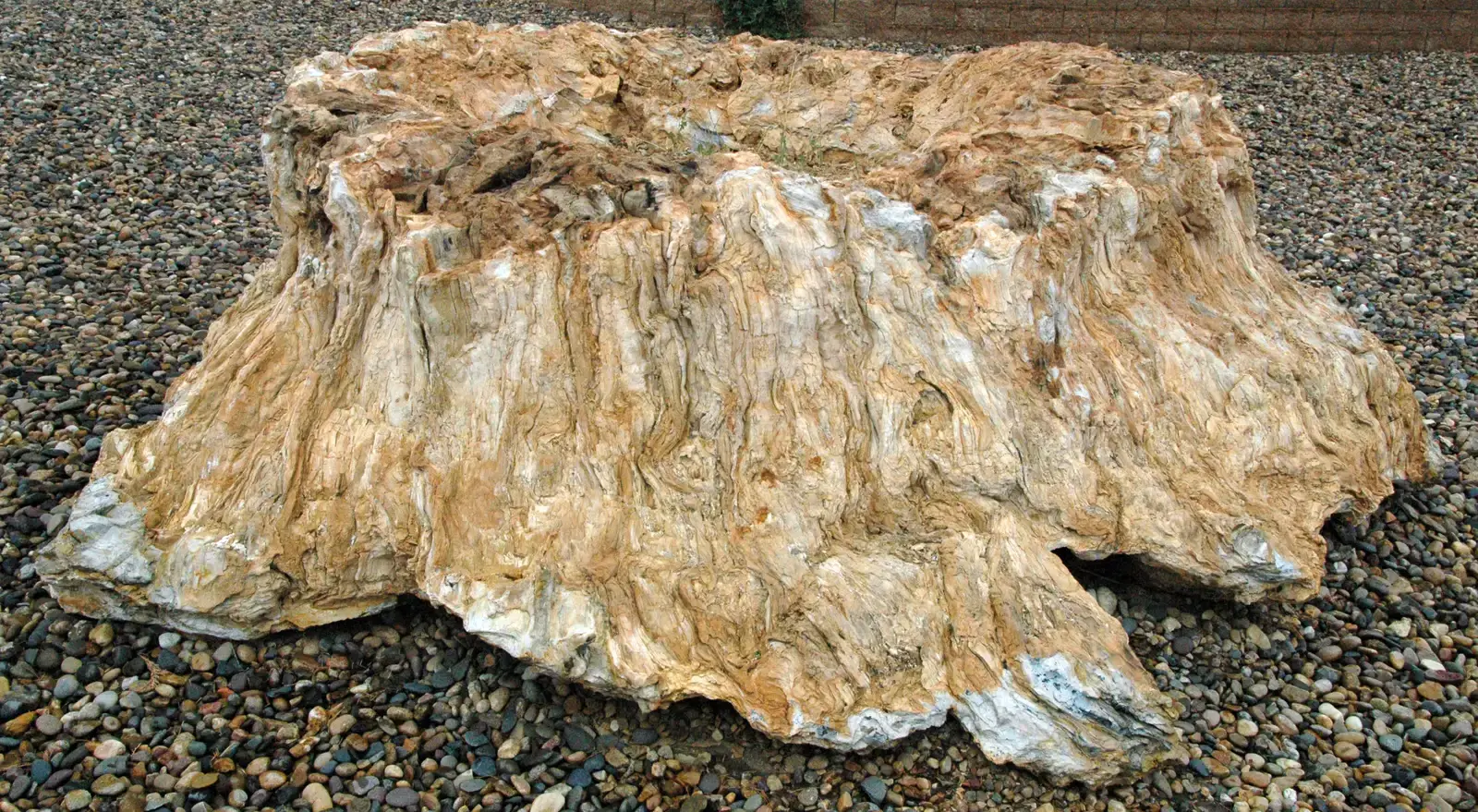
Since you can’t actually stroll through a Carboniferous swamp or a Permian woodland, your only way in is through the rock record, and that record is surprisingly rich if you know how to read it. Fossilized tree trunks and stumps can preserve root systems in place, letting you see where ancient forests stood and how dense they were. Leaf impressions reveal what the canopy and undergrowth looked like, from giant fronds to delicate seed leaves. Even microscopic spores and pollen trapped in sediments can show you which plants were present and how they changed as climates shifted.
The animal side of the story comes from skeletons, trackways, and sometimes even the contents of fossilized stomachs. You can follow repeated track patterns to see how big creatures moved through soft forest mud or waded along shallow channels. When you combine plant fossils, animal remains, and sediment clues, you start to rebuild entire scenes: where a giant insect might have hunted, where a reptile-like predator ambushed its prey, where a fallen tree opened a gap in the canopy. In a sense, each new fossil site lets you rediscover an ancient neighborhood in these long-vanished forests.
Modern Rainforests as Time Machines
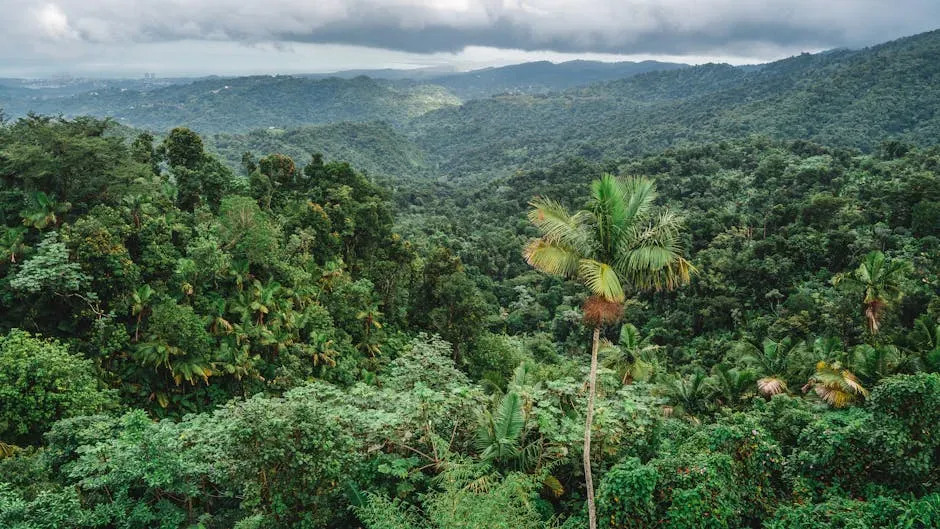
Even though today’s forests are very different in their details, you can still use them as a kind of living reference book to imagine the past. If you’ve ever stepped into a tropical rainforest and felt the heavy air, heard layers of sound, and seen plants competing fiercely for light, you already have a taste of what prehistoric forests might have felt like. Modern ferns, horsetails, and clubmosses are smaller, humbler descendants of some of the ancient giants, but their shapes and growth habits can hint at how their towering ancestors filled space. When you watch how roots grip soil or how vines climb trunks, you’re seeing strategies that plants have been refining for hundreds of millions of years.
Likewise, the way animals interact in a rainforest – predators stalking in the shadows, insects swarming around rotting logs, birds and bats chasing airborne prey – can help you picture the ecological roles that ancient giants once played. You won’t find dragonflies the size of birds or tree-sized clubmosses anymore, but you do see the same basic game: life pushing into every available niche. When you think of modern forests as evolving chapters in a much longer story, it becomes easier to imagine how radically different earlier chapters might have looked while still following the same underlying rules.
The Giants’ Legacy in Today’s World
Even though the classic prehistoric forest giants are long gone, their legacy is literally built into the world you live in. The vast coal deposits that power industries and, unfortunately, drive modern climate change are the compressed remains of those swamp forests. The oxygen-rich atmosphere that once allowed insects to reach outrageous sizes has changed, but the way early plants pulled carbon from the air helped shape the planet’s long-term climate path. When you look at today’s tree diversity, you’re seeing the survivors and successors of countless experiments in plant architecture and life strategies that played out in those ancient woods.
On the animal side, the early reptilian giants and mammal-like reptiles set the stage for the later success of dinosaurs, birds, and mammals, including you. Features like more efficient limbs, complex teeth, and advanced lungs did not appear overnight; they were honed in the forests and woodlands of deep time, tested in real ecosystems full of competition and risk. By tracing these lineages back, you realize that your own existence depends on those long-vanished forests and the oversized creatures that roamed them. In a way, every step you take through a modern park or woodland is backed by a history of giant shadows you’re only just beginning to understand.
When you pull all of this together, prehistoric forests stop being distant curiosities and start feeling like the roots of your own story. They were home to giants that reshaped the atmosphere, rewrote the rules of land life, and left behind clues that scientists are still carefully decoding today. As you learn more about these lost worlds, you’re not just filling in gaps about strange insects and bizarre reptiles – you’re seeing how Earth keeps reinventing forests and the creatures that depend on them. Knowing that, how differently do you look at the trees and living things around you right now?