You probably grew up picturing dinosaurs vanishing in an instant, wiped out by some mysterious disaster. What you might not realize is just how violent, global, and world-changing that disaster really was for the planet you live on today. The end of the dinosaurs was not just the closing chapter of a prehistoric story; it was a reset button for life on Earth, clearing the stage for mammals, forests, oceans, and eventually you.
When you look at modern Earth – the continents, the climate, the animals, even the plants in your backyard – you are seeing the long shadow of that cataclysm. In the chaos of firestorms, tsunamis, and darkness, the world as dinosaurs knew it collapsed. Out of that wreckage, new ecosystems, new winners, and a very different kind of planet emerged. Once you trace that chain of events, you start to see the extinction not just as an ending, but as the beginning of the world you recognize.
The Day the Asteroid Hit: A Planet-Shaking Impact
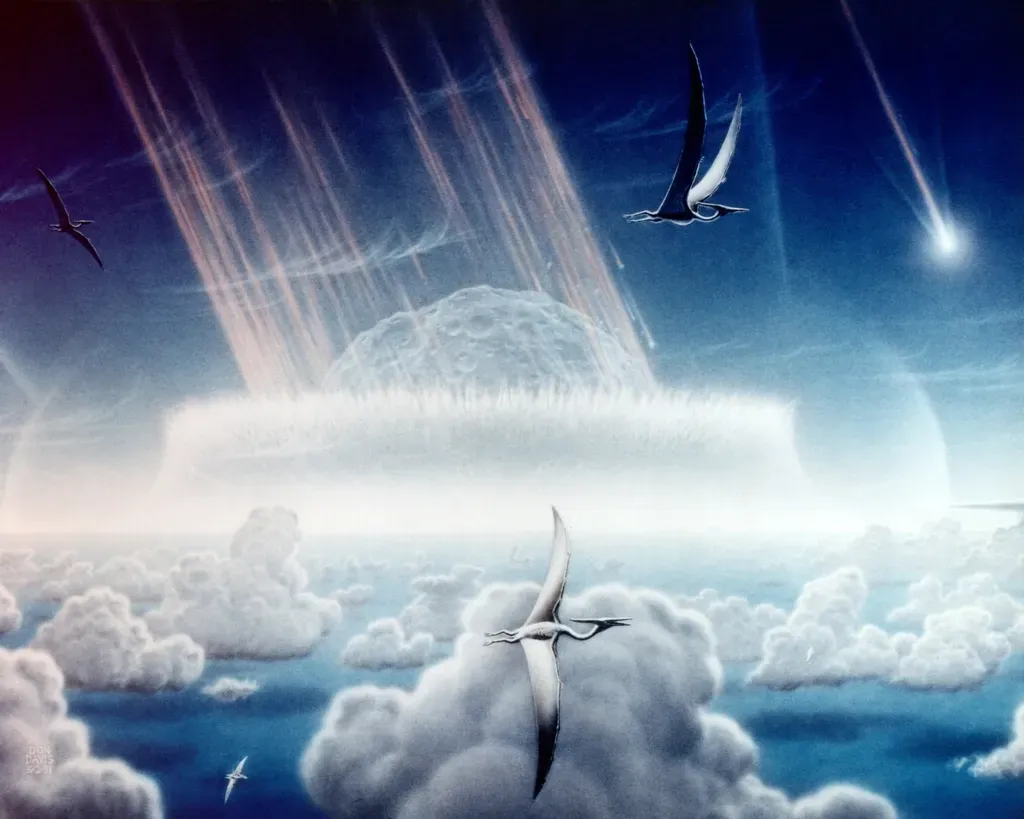
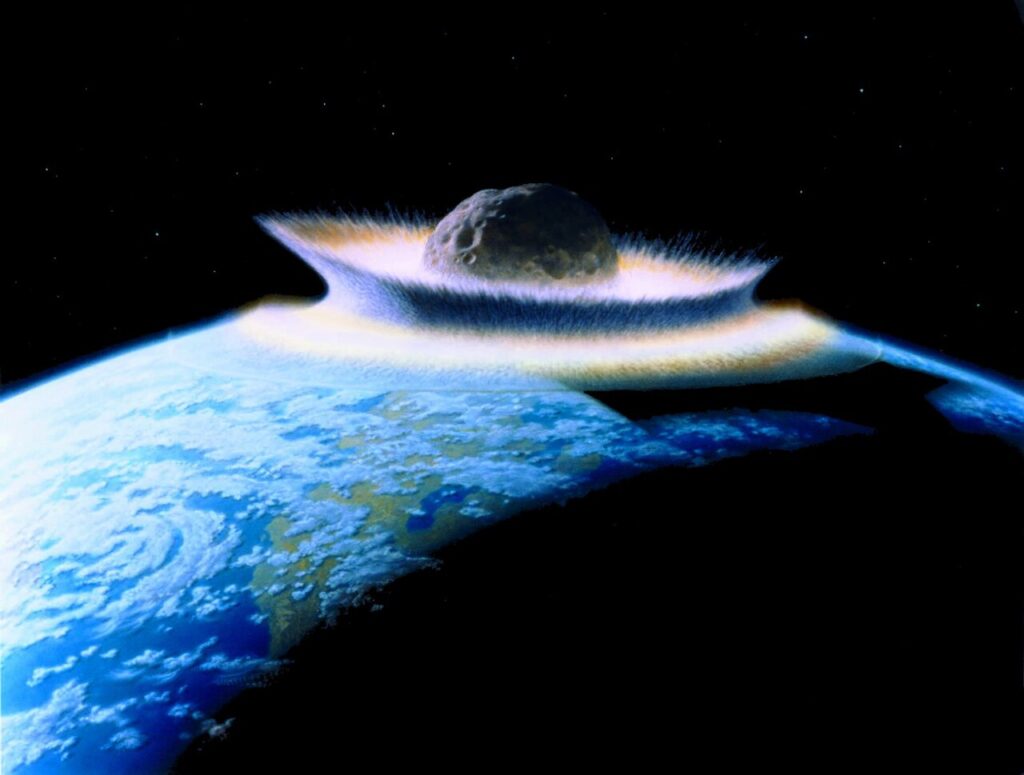
Imagine standing on a warm Cretaceous shoreline when, without warning, a rock the size of a small city tears through the sky faster than a bullet. About sixty-six million years ago, a massive asteroid slammed into what is now the Yucatán Peninsula in Mexico, creating the Chicxulub crater and instantly releasing more energy than billions of nuclear bombs combined. You are talking about a blast so powerful that it vaporized rock, boiled seawater, and carved out a crater roughly the size of a small country in minutes.
If you had been anywhere near that impact, you would not have survived the initial shockwave. Superheated air would have ignited forests thousands of miles away, and tsunamis taller than skyscrapers would have raced across ancient oceans. Even on the far side of the planet, you would have seen the sky turn into a blinding flash followed by fiery debris raining down. In the span of a single day, the asteroid transformed a thriving dinosaur world into a hellscape of fire, shock, and chaos.
A World on Fire: Shockwaves, Tsunamis, and Global Fallout
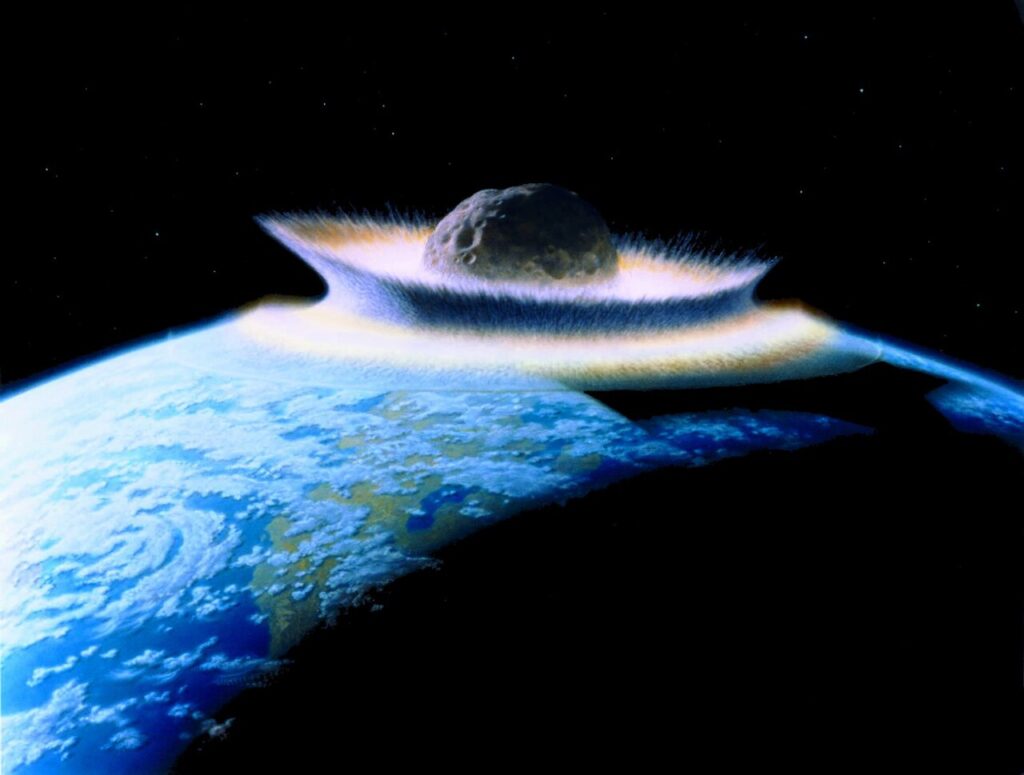
Right after the impact, the planet behaved like a struck bell, ringing with seismic waves that would have made your strongest modern earthquakes look gentle. If you had been on a distant continent, the ground beneath your feet might have rolled like ocean waves as shockwaves tore through the crust. The oceans responded violently too, as walls of water swept coastlines, scouring away habitats and drowning anything in their path. You can think of coastal environments at that time as being ripped apart in a single terrifying day.
But the destruction did not stop with the shaking and flooding. As the asteroid hit, pulverized rock and droplets of molten material were blasted high into the atmosphere and beyond, circling the globe before falling back to Earth. When that material re-entered the atmosphere, it heated the air so intensely that surface temperatures spiked, igniting global wildfires. If you had looked up, you might have seen the sky glowing and ash clouds spreading, as if the entire planet had caught fire at once. It was not just a local disaster; it was a worldwide cascade of destruction.
The Long Night: How Darkness and Cold Finished the Job
After the fires came something even more insidious: darkness. The impact lofted dust, soot, and tiny particles high into the atmosphere, where they formed a global veil that dimmed or blocked sunlight for months or even years. If you had stepped outside during that period, you might have seen a weak, hazy glow where the sun should be, more like a permanent gloomy twilight than a normal day. Without full sunlight, plants could not photosynthesize effectively, and food chains that depended on them began to collapse from the bottom up.
As the atmosphere filled with reflective particles, the planet began to cool. You would have felt temperatures drop, seasons shift, and weather patterns destabilize. This so-called impact winter turned what was once a warm, lush world into a colder, harsher environment almost overnight in geological terms. Large animals like many dinosaurs, which needed abundant food and stable conditions, struggled to cope. Meanwhile, smaller, more adaptable creatures that could hide, hibernate, or survive on limited resources had a critical advantage in this new, darker world.
Dinosaurs’ Final Days: Why Giants Lost and Survivors Hung On
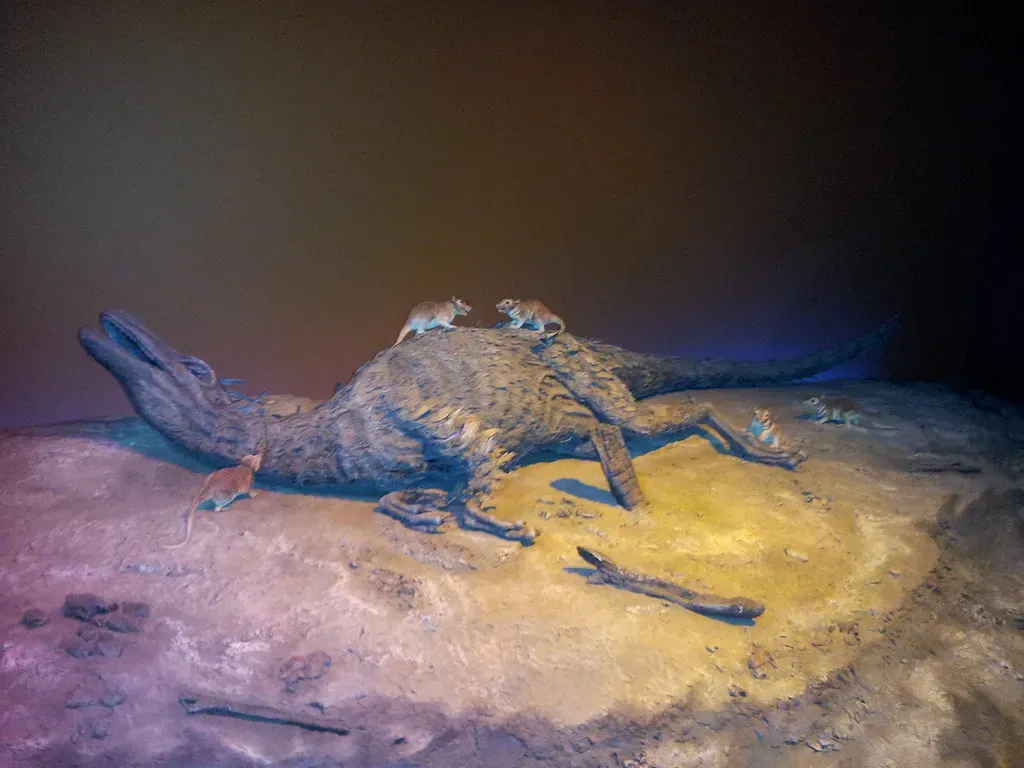
It is easy to imagine all dinosaurs dropping dead at the moment of impact, but the reality was messier and more drawn out. Some dinosaur groups probably clung on for a short time after the asteroid hit, but you would have seen their world shrinking around them. As forests burned or died back and plant growth stalled, giant plant-eating dinosaurs would have run out of food, and with them, the large predators that hunted them. When you rely on huge, energy-intensive bodies, a long period of scarcity is devastating.
By contrast, many of the animals that made it through were small, flexible in their diets, and able to shelter from the worst conditions. Early mammals, some small birds, and certain reptiles could hide in burrows, cracks, or underwater refuges while the surface world burned and froze. If you were one of those survivors, your ability to eat seeds, insects, carrion, or anything you could find became your superpower. Size, which had once been the dinosaurs’ greatest advantage, turned into a fatal liability in a world where every scrap of energy suddenly mattered.
The Rise of Mammals and the Birth of a New World
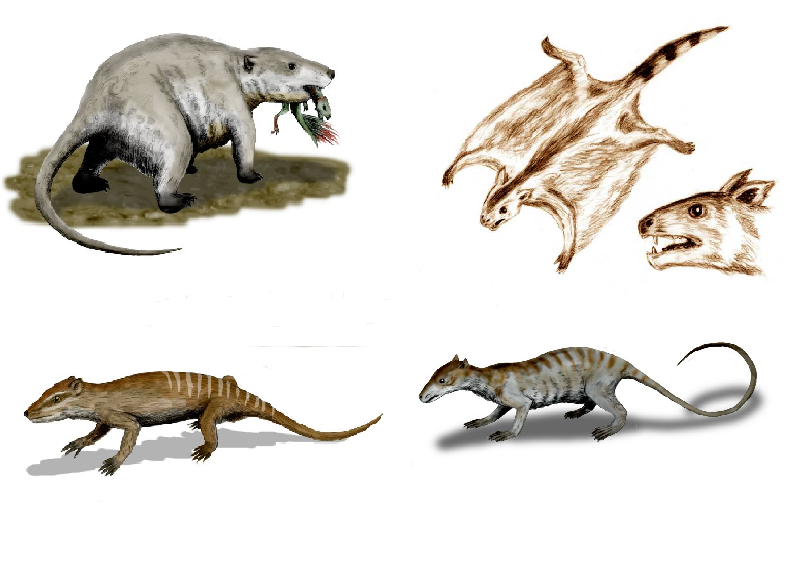
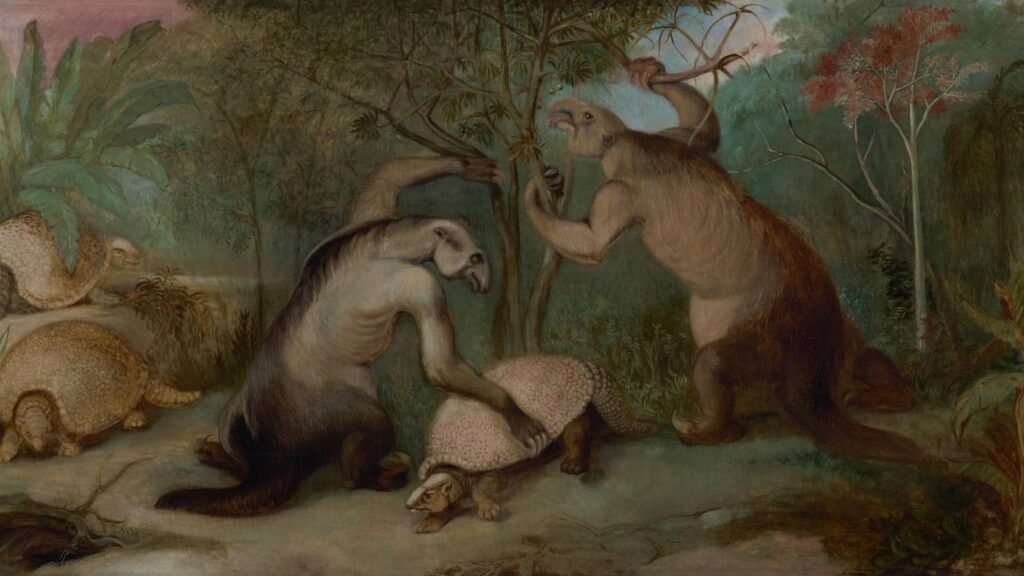
Once the immediate chaos eased and sunlight slowly returned, Earth was not the same place. If you had walked through the recovering landscapes millions of years later, you would have noticed fewer giant reptiles and more small, furry creatures scurrying around. Mammals, which had spent millions of years living in the dinosaurs’ shadow, suddenly found open ecological space everywhere. With many dominant species gone, new niches were up for grabs, from tree dwellers to grazers to predators. You can think of it like a crowded city suddenly emptying, leaving behind countless vacant homes and jobs.
Over time, mammal lineages diversified into forms that would eventually become primates, hoofed animals, whales, and many others. The absence of non-avian dinosaurs let flowering plants, forests, and new kinds of ecosystems spread in ways they could not before. If you trace your own ancestry far enough back, you end up in this post-extinction world where mammal experiments exploded in variety. Without that cataclysm, your branch of the tree of life might never have had room to grow the way it did. In a strange way, your existence is tied directly to the dinosaurs’ downfall.
How Earth Itself Was Reshaped: Climate, Oceans, and Landscapes
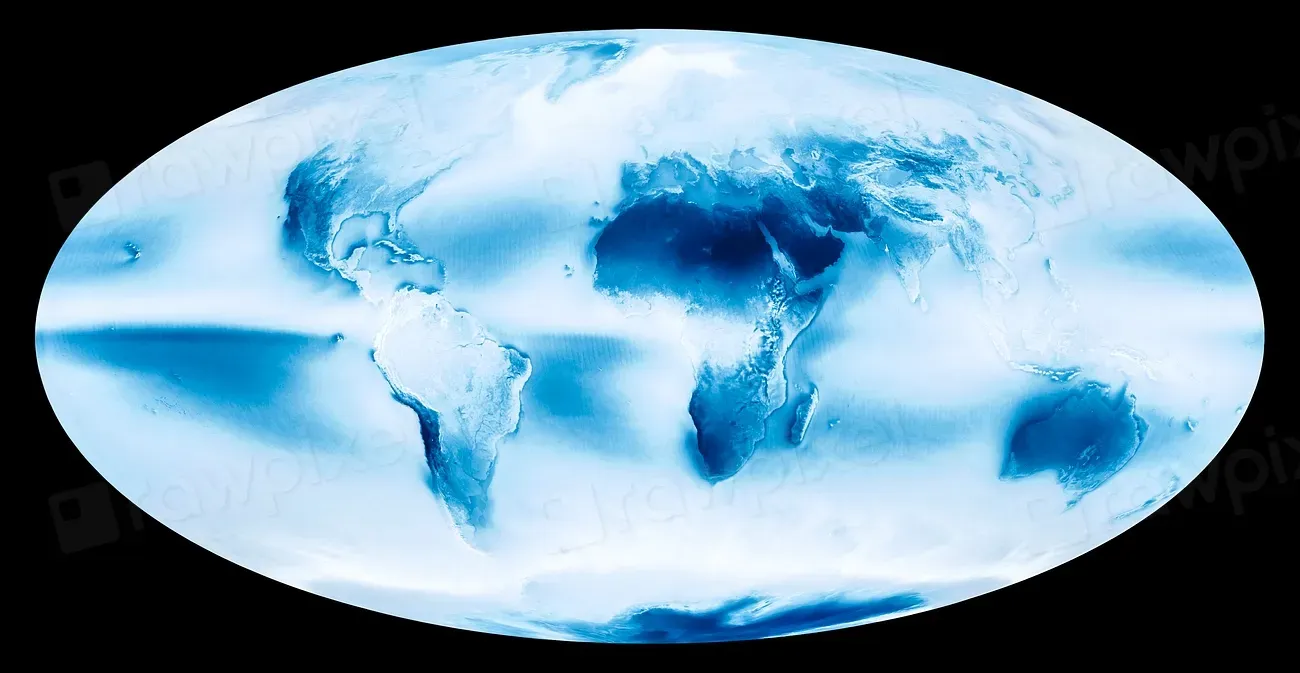
The end of the dinosaurs did not just swap one set of animals for another; it nudged the entire Earth system onto a new path. The impact and its aftermath altered climate patterns, ocean chemistry, and even how nutrients cycled through ecosystems. If you could compare a map of late Cretaceous Earth to the early Cenozoic world that followed, you would notice that coastlines, vegetation zones, and habitats shifted as conditions changed. Warmer greenhouse climates of the dinosaur age gradually gave way to more varied climates, including cooler periods that favored different kinds of life.
In the oceans, many large marine reptiles and certain plankton groups vanished, opening the door for new marine mammals and modern-style fish communities. Coral reefs, seafloor communities, and coastal zones reorganized around the survivors. You live in the legacy of that reshaping every time you look at modern coral reefs, temperate forests, or grasslands. The planet you know is not just older than the dinosaurs; it is a product of what came after their abrupt exit. In that sense, the asteroid did not only kill; it also edited and rewrote Earth’s long-term environmental script.
What This Extinction Teaches You About the Future
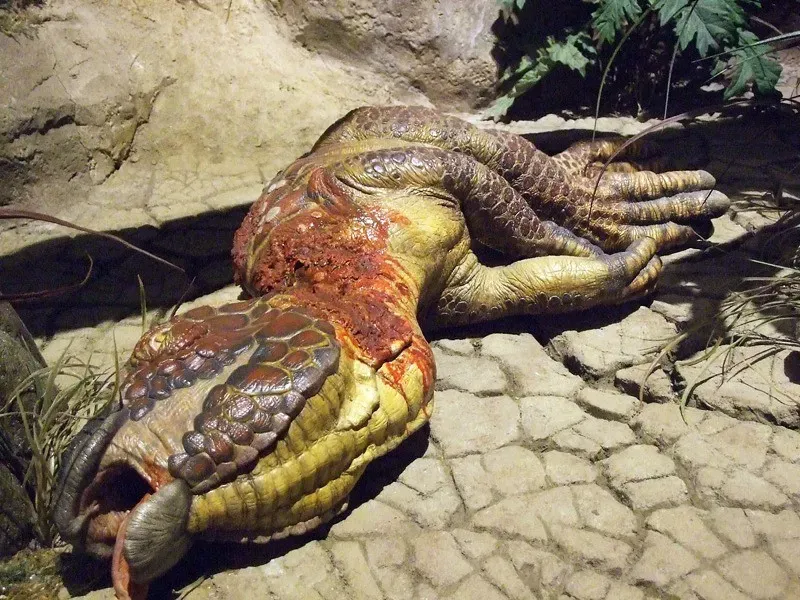
When you look at the end of the dinosaurs, you are not only peering into deep time; you are glimpsing a warning about your own future. The asteroid was a natural disaster, but the pattern is familiar: rapid change, widespread habitat loss, and a food web pushed beyond its limits. Today, you are living through a human-driven wave of change that some scientists compare to past mass extinctions. If you pay attention, the story of the dinosaurs shows you how quickly even powerful, well-adapted species can disappear when the environment shifts faster than they can cope.
At the same time, this history offers a strange kind of hope. Life bounced back, diversified, and created entirely new forms, including you. That resilience does not excuse what humans are doing to the planet now, but it does remind you that Earth is dynamic, not static. You have the rare ability to study what happened sixty-six million years ago and actually choose a different path. The real question is whether you will use that knowledge to avoid triggering a catastrophe of your own making, or repeat the same pattern from a different cause.
In the end, the dinosaurs’ extinction was both a tragedy and a turning point that reshaped Earth into the world you recognize. A single terrible day cascaded into centuries of darkness and cold, then into millions of years of renewal, evolution, and change. When you realize that your species only exists because of that chain of events, the story feels less like distant prehistory and more like a personal prologue. So next time you picture a T. rex roaring in a lush Cretaceous jungle, will you also picture the asteroid that cleared the way for you to stand here and wonder about it?