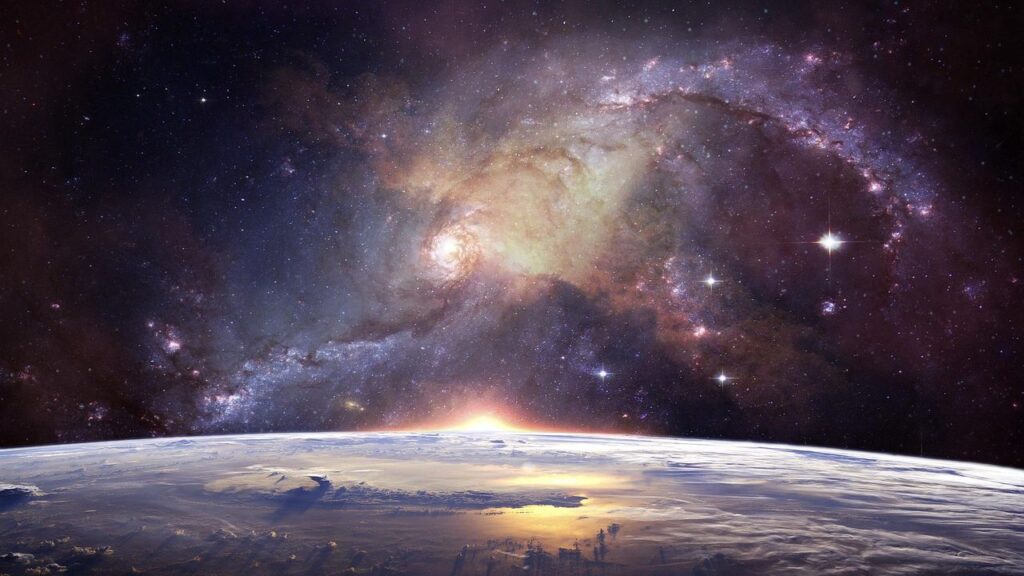
You live inside a galaxy that was born from chaos. Long before the Sun, long before Earth, even long before most of the stars you see at night, the Milky Way was a wild, turbulent place where gravity wrestled with clouds of gas, storms of dust, and newborn stars that behaved more like cosmic wrecking balls than gentle lanterns in the sky. When you look up, you’re really seeing the calm after an ancient storm.
In this article, you’ll walk through that story as if you were there: how invisible dark matter laid the stage, how cold gas collapsed and ignited the first stars, how violent mergers reshaped everything, and how your quiet corner of the galaxy is built on the ruins of that early chaos. By the end, you’ll see the night sky a little differently: not as a static backdrop, but as the faded snapshot of an incredibly messy childhood.
You Start With What You Cannot See: Dark Matter’s Invisible Skeleton
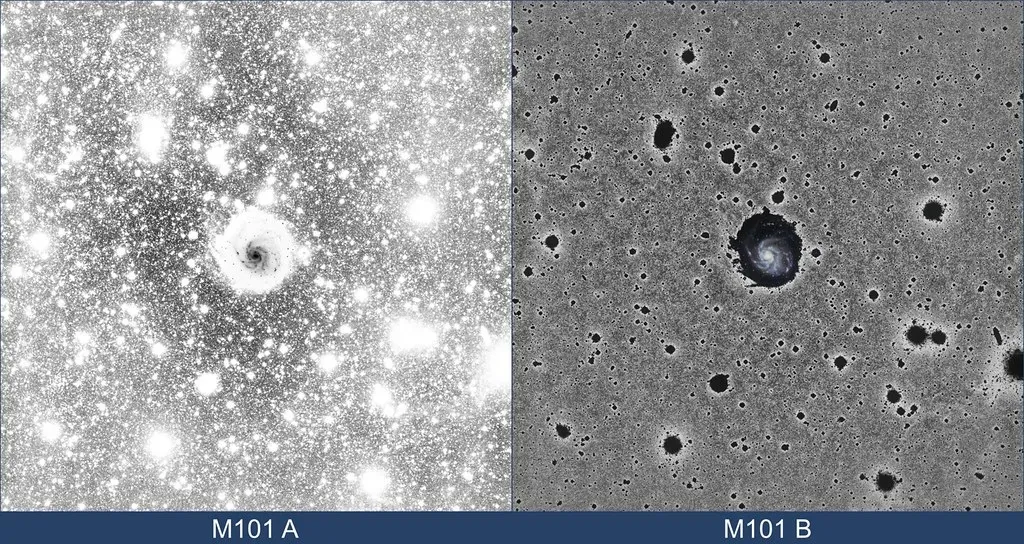
If you rewind the universe to just after the Big Bang, you do not begin with a pretty spiral galaxy; you begin with almost featureless fog. Tiny ripples in density, mostly in invisible dark matter, are what set the stage for your galaxy. You cannot see dark matter, you cannot touch it, but you feel its pull: it makes stars in the Milky Way orbit faster than visible matter alone can explain, like a hidden weight sewn into the fabric of space.
Over hundreds of millions of years, this dark matter clumped into halos, forming a kind of cosmic scaffolding. Imagine vast, three‑dimensional spiderwebs made not of silk but of gravity, with knots where the web is thickest. Your galaxy grew inside one of those knots. Gas and dust fell toward this invisible structure, drawn in like mist swirling around an unseen mountain, and that is where the dance of dust and starlight truly began.
The First Clouds Collapse: When Gas Turns Into Stars
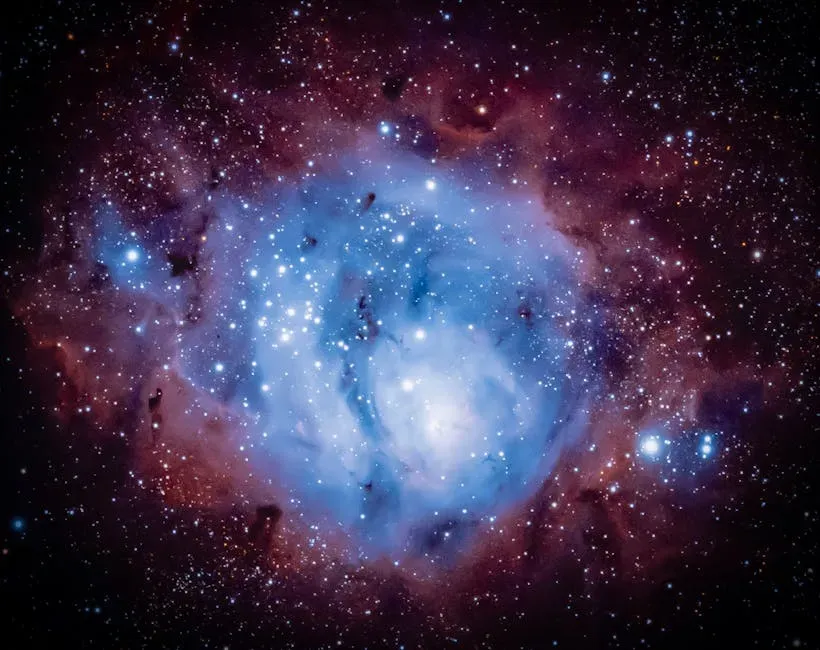
As gas collected inside the dark matter halo, it began to cool, swirl, and fragment into giant clouds. You can picture them as enormous, cold billows stretching for light‑years, far bigger than anything you’ve ever seen in a telescope image. Once these clouds became dense enough, gravity started winning the internal tug‑of‑war, pulling material inward until the centers compressed and heated up.
In those collapsing knots, nuclear fusion sparked and the first stars of your galaxy ignited. They were not gentle, Sun‑like stars at first; they were likely massive, short‑lived, and blindingly bright, pouring out radiation that carved cavities in the gas around them. You can think of them as cosmic arsonists: they lit up the darkness but also blasted, heated, and shredded the very clouds that had birthed them, injecting chaos right from the start.
Violent Mergers: Your Galaxy Grew By Swallowing Others
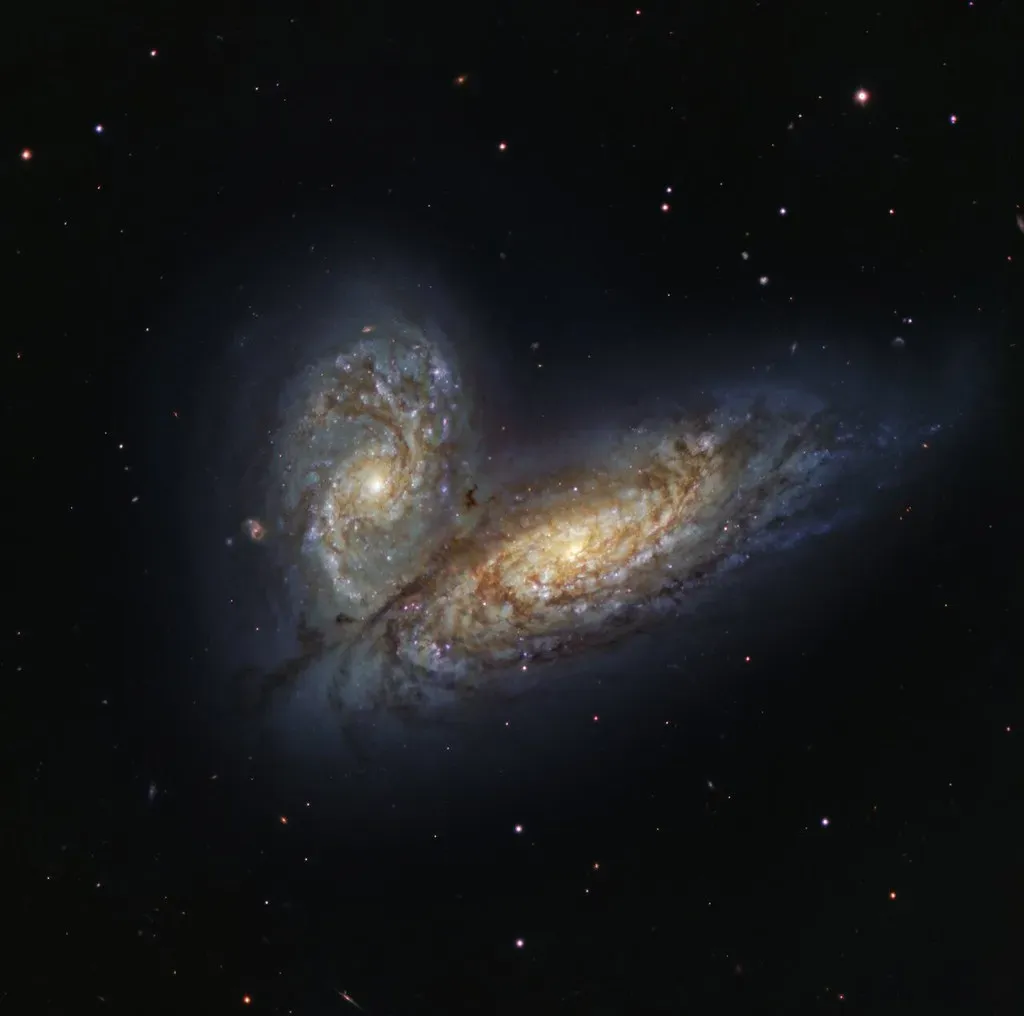
One of the most shocking truths you have to accept is that the Milky Way was not born in isolation. It grew by colliding and merging with smaller galaxies, like a cosmic city that expanded by absorbing neighboring towns. In the early universe, space was thicker with small galaxies and clumps, so collisions happened more often, and each one stirred things up dramatically.
When two galaxies passed too close, their stars mostly flew past each other, but their gas and dust crashed, compressed, and triggered bursts of star formation. Tidal forces stretched them into streams and shells, leaving behind scars you can still detect today in the outer halo of the Milky Way. If you could watch it in fast‑forward, you’d see your galaxy puff up, spin, and reshape itself again and again as it cannibalized its smaller companions.
Dust: The Gritty Aftermath of Dying Stars
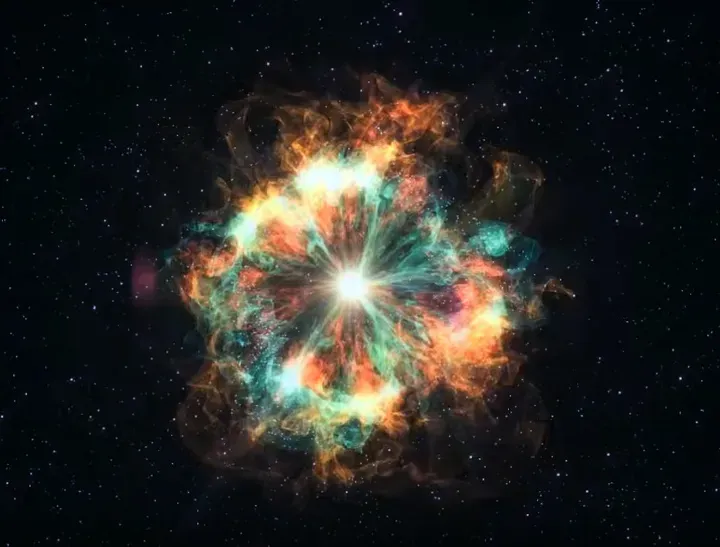
Starlight alone did not build your galaxy; dust, the debris of dead stars, played an unsung but crucial part. When massive stars ended their lives in supernova explosions, they hurled heavy elements like carbon, silicon, and iron into space. This material condensed into tiny solid grains – cosmic dust – that drifted through the galaxy, darkening and reddening any light that passed through it. You literally exist because those earlier stars lived fast, died violently, and left behind raw materials.
As dust mixed with gas, it made new clouds more efficient at cooling and collapsing, which helped form the next generations of stars and, eventually, rocky planets. Without dust, you would have a galaxy filled mostly with simple hydrogen and helium, not complex chemistry and solid worlds like Earth. So when you see a dark lane across a bright band of stars in a Milky Way photo, you are really looking at the gritty residue of stellar death – the seeds from which life‑friendly systems like your own could arise.
Feedback and Fury: When Stars Fight Their Own Birthplace
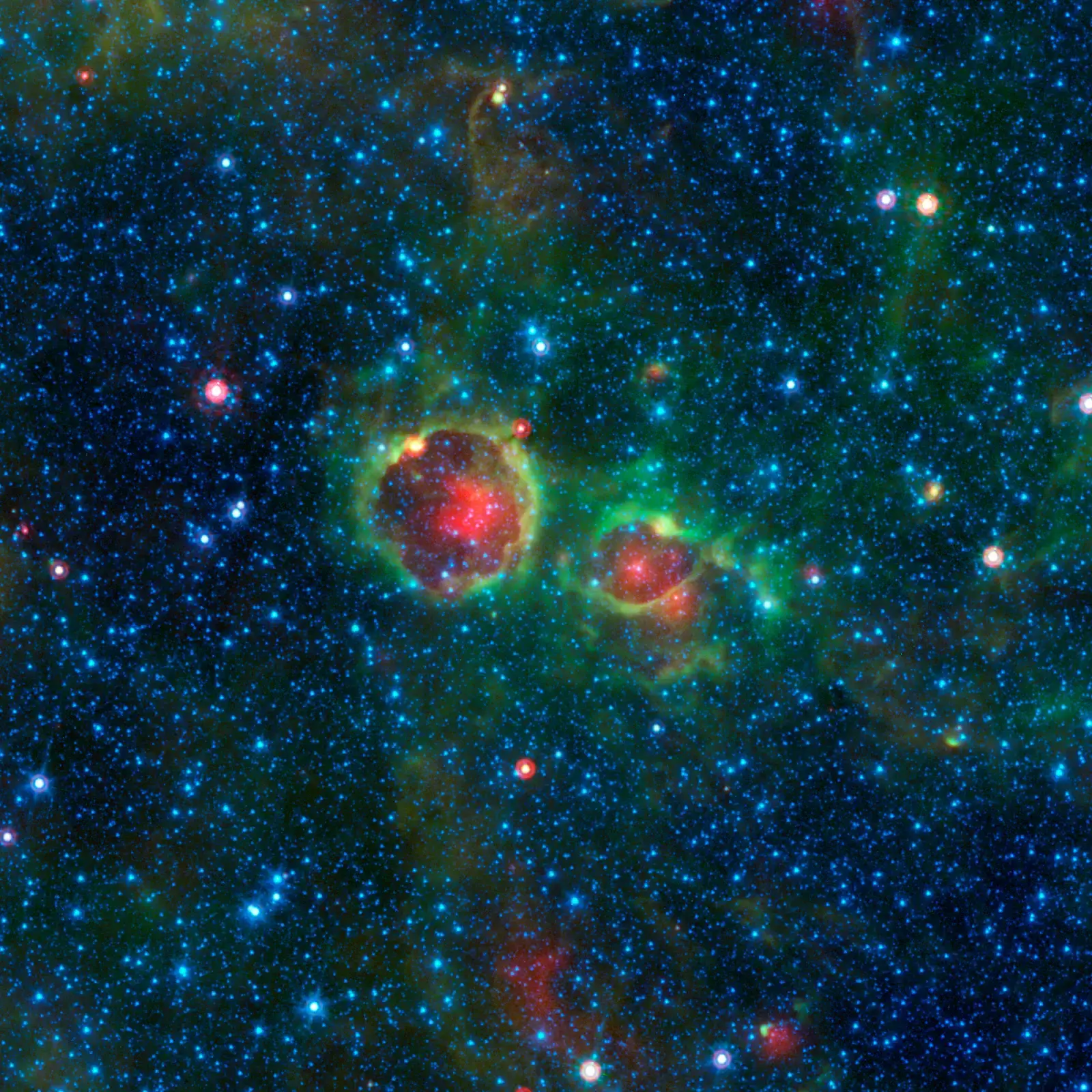
The early Milky Way was not a calm assembly line of star formation; it was full of feedback loops where stars shaped, and sometimes sabotaged, their own nursery. Massive newborn stars flooded their surroundings with intense ultraviolet light and fierce stellar winds. These blasted cavities and bubbles into the gas, like firecrackers going off inside a fog bank, disrupting some regions while compressing others.
Then, when those stars exploded as supernovae, shockwaves surged through nearby clouds, sometimes tearing them apart and other times squeezing them into new bursts of star formation. You can think of it as a chaotic neighborhood renovation project: one demolition triggers two new buildings, while another just clears space. This constant back‑and‑forth between creation and destruction is part of why your galaxy’s birth was so messy – and why it did not happen all at once but in waves and episodes over billions of years.
Spinning Into Shape: From Chaotic Cloud to Spiral Beauty
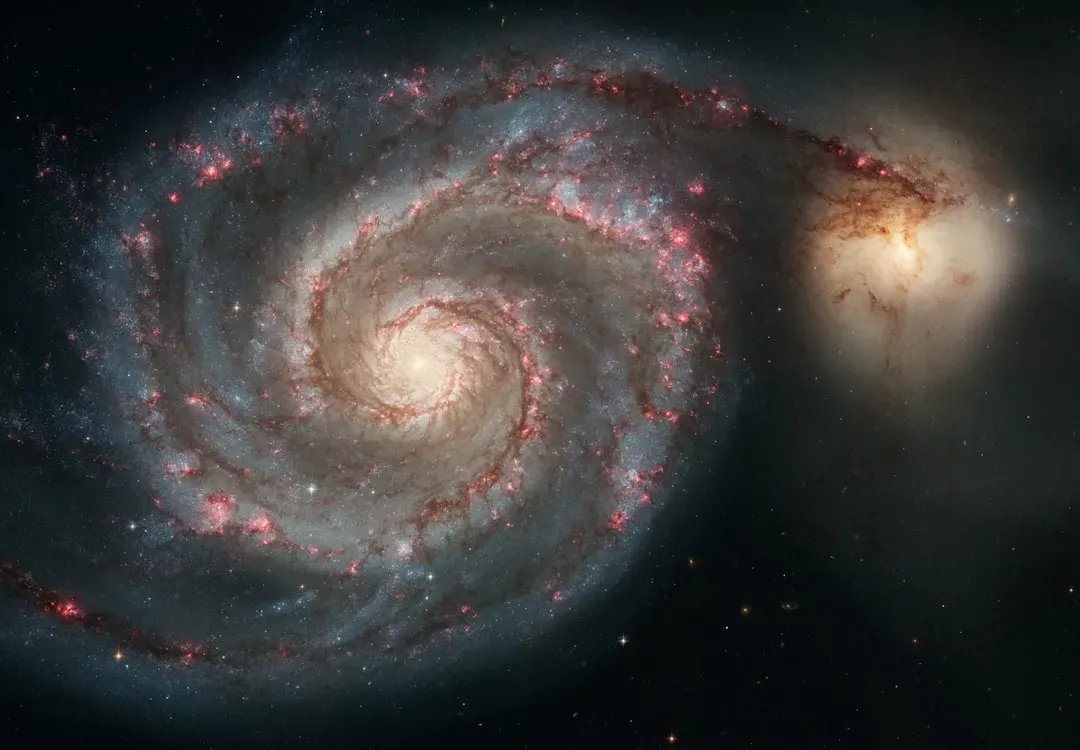
All that gas, dust, and dark matter was not just falling inward; it was also spinning. Even a tiny bit of initial rotation gets amplified as material collapses, like a figure skater pulling in their arms to spin faster. Over time, this rotation encouraged the Milky Way to flatten into a disk, where stars and gas orbits became more organized, at least compared to the early free‑for‑all. The spiral structure you see now is the elegant aftermath of that long spin‑up.
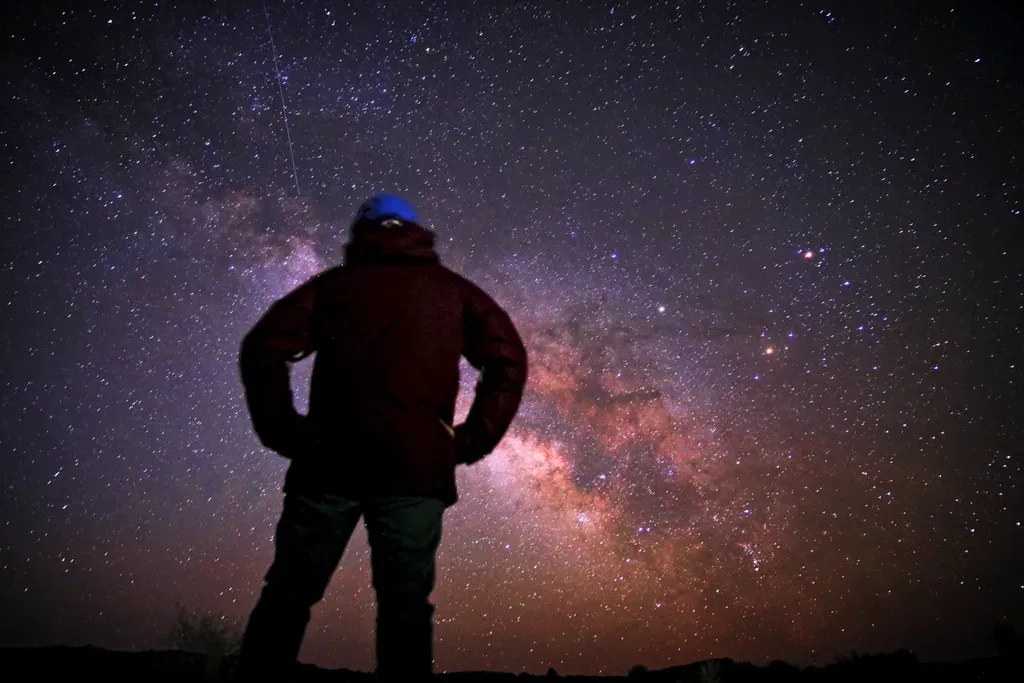
Spiral arms are not rigid structures; they are more like traffic jams in the disk. As gas passes through these regions, it slows, compresses, and forms new stars, which is why the arms are lit up with bright, young, blue stars and glowing nebulae. When you look up at the Milky Way band from a dark place on Earth, you are mostly seeing this disk from the inside. The serene arc across the sky hides the fact that it took eons of collisions, collapse, and spinning chaos to settle into that graceful, familiar shape.
Your Solar System: A Latecomer in a Mature Neighborhood
By the time your Sun formed about four and a half billion years ago, the Milky Way had already survived a very long and turbulent adolescence. Many generations of stars had come and gone, enriching the gas with heavier elements. Your solar system did not arise in a pristine, untouched galaxy; it emerged in a chemically evolved environment that had been stirred, enriched, and rearranged countless times. In that sense, you are literally made from recycled galactic history.
The cloud that collapsed to form the Sun was just one of many in a relatively quiet corner of the galactic disk. Yet even there, the fingerprints of earlier chaos remain: the mix of elements in your body, the iron in your blood, the calcium in your bones, the silicon in your devices – all of it traces back to ancient stars that lived and died long before your star was born. When you say you are made of stardust, you are also saying you are made of the Milky Way’s past, forged during its most dramatic and violent chapters.
The Story Is Still Being Written: The Milky Way Keeps Evolving
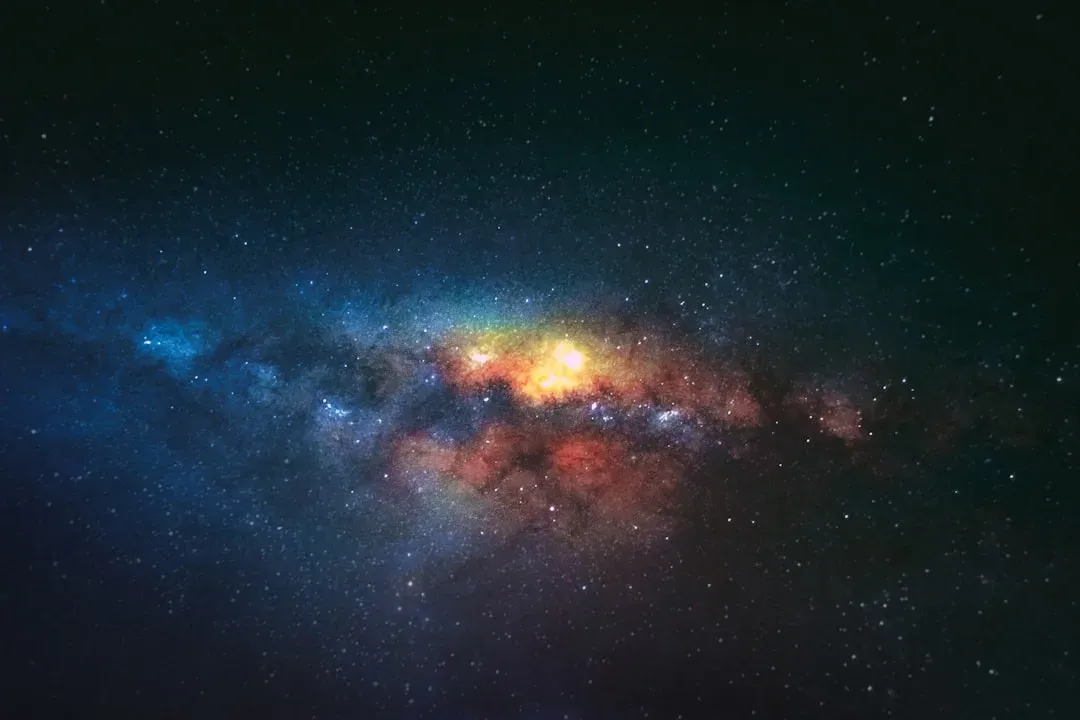
You might be tempted to think the chaos is over, but your galaxy is not frozen in time. The Milky Way is still merging with smaller galaxies today, such as the Sagittarius dwarf galaxy, and interacting gravitationally with its neighbors, including the Large and Small Magellanic Clouds. Far in the future, it is expected to collide and merge with the Andromeda galaxy, continuing the tradition of growth by cosmic encounters. The dance is slowing compared with the early days, but it has not stopped.
Meanwhile, stars continue to be born in the spiral arms and to die in supernovae, enriching the gas a little more with each generation. Planetary systems like your own keep forming around new stars, each with their own potential stories. If you zoomed out in time, you’d see that your moment in this galaxy’s life is just a single frame in a very long movie. Recognizing that can make your night sky feel less like a ceiling and more like a living, evolving ecosystem you happen to inhabit.
Conclusion: Living Inside the Afterglow of Cosmic Chaos
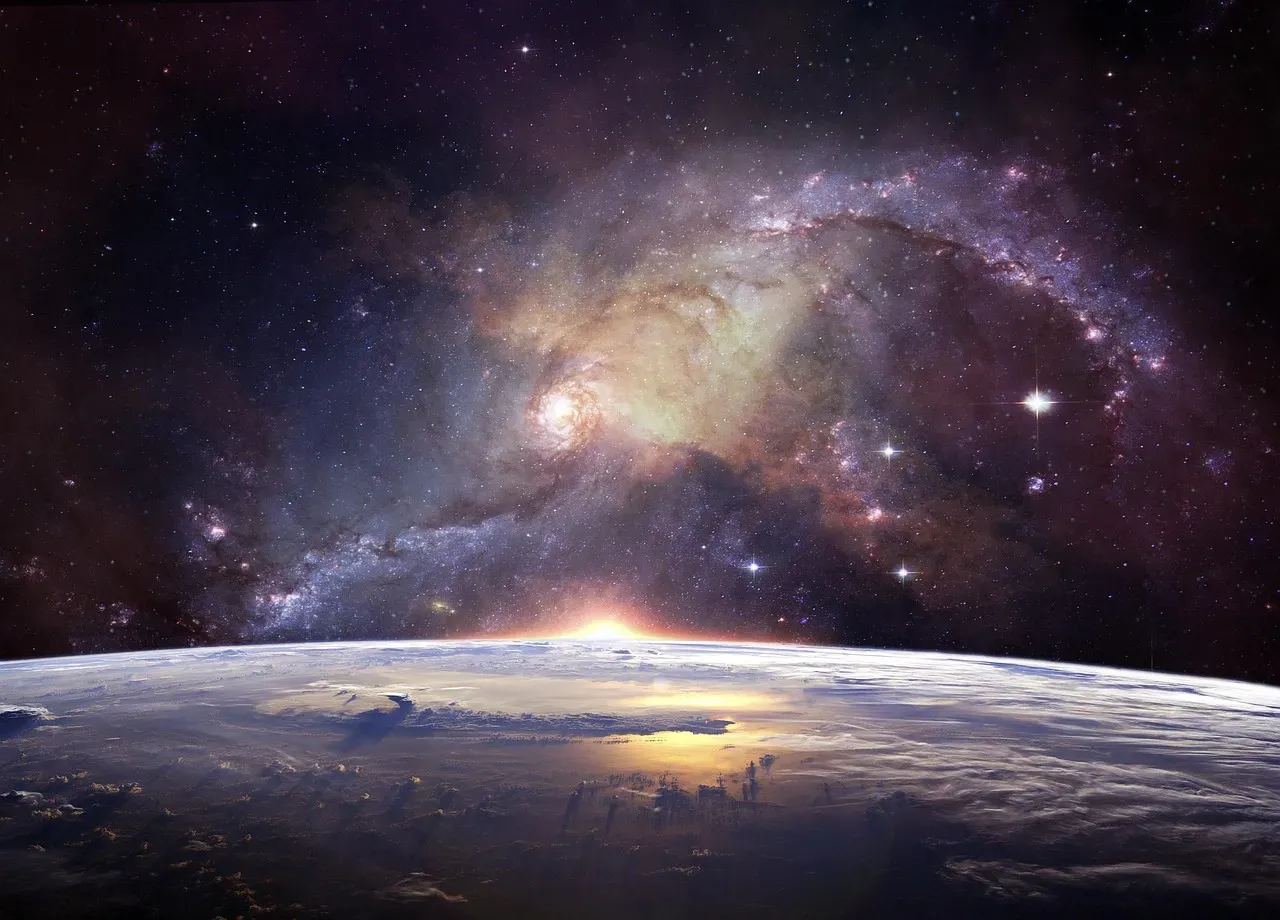
When you step outside at night and see the Milky Way – whether it is a faint smudge above a city or a blazing river of light in a dark desert – you are looking at the quiet surface of a history that was anything but calm. Invisible dark matter built the scaffolding, gas clouds collapsed into fiery stars, galaxies crashed and merged, and dust from dying suns seeded the conditions for planets and, eventually, for you. Your galaxy’s birth was less like a gentle painting and more like an explosive, improvisational performance.
Yet out of that chaos came structure, beauty, and the possibility of life that can look back and ask how it all began. You are one of the few beings, as far as you know, who can trace your story from a turbulent young galaxy to the thoughts you are having right now. The next time you see a band of stars or even just a single bright point in the sky, you might feel a bit of that history humming in the background. Knowing what you know now, does the universe feel a little more like home?