You probably scroll past a lot of self‑help advice online, but there’s something quietly humbling about realizing that many of the ideas you’re chasing today have been lived, tested, and refined for thousands of years by tribal cultures. These communities did not have apps, laboratories, or TED Talks, yet they managed to build social systems, health practices, and ecological wisdom that modern science is only now catching up to. When you look closely, you start to see that some of the “new” insights you hear about psychology, wellness, and sustainability are really very old truths in a different outfit.
As you explore these beliefs, you are not romanticizing the past or pretending that ancient life was easy or flawless. Instead, you’re using them as mirrors: they show you how differently humans can organize their lives, what we naturally value when survival is on the line, and how much you might have drifted from what your body and mind were built for. Think of this less like a history lesson and more like sitting around an imaginary global campfire, listening to patterns that show up again and again across tribes who never met each other, but somehow reached strikingly similar conclusions about what makes life work.
You Are Not an Isolated Individual – You Are Your Relationships
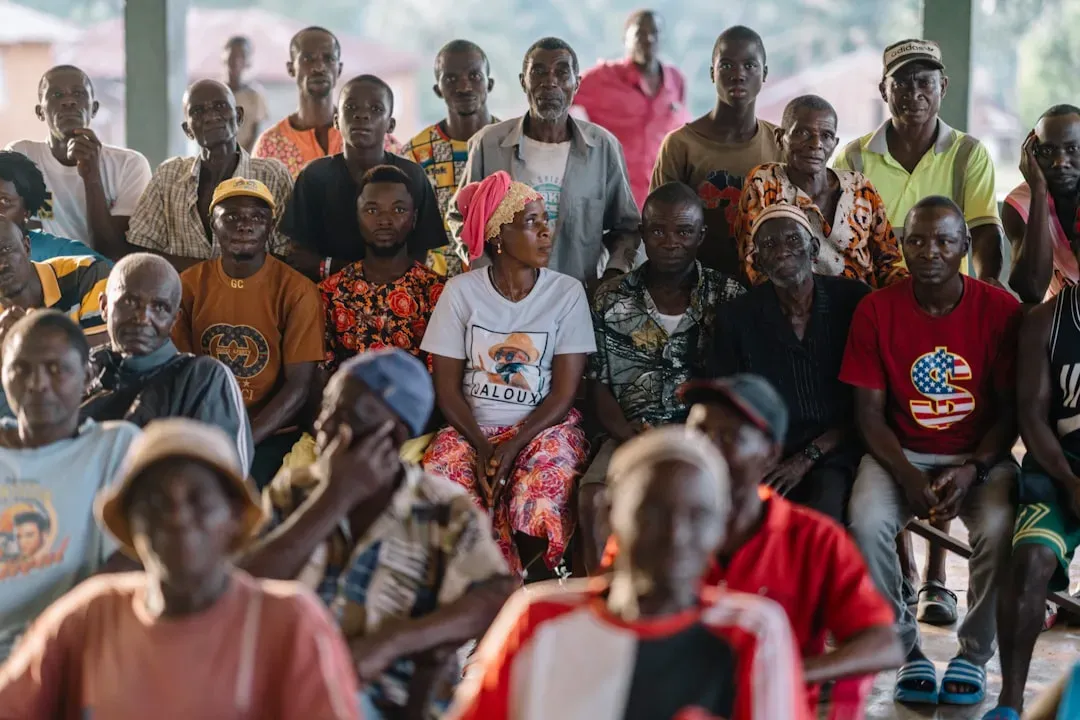
If you live in a modern city, you’re probably trained to think of yourself as an individual first and everything else second. Ancient tribal cultures often flipped this around: your identity flowed from your relationships, your clan, your ancestors, and your obligations. In many Indigenous societies around the world, decisions were rarely purely personal; they were weighed in terms of how they might affect the web of people around you. When you see yourself as a node in a living network rather than a lone unit, your choices start to feel different, and oddly, your anxiety often softens.
Today, psychology backs up what those communities practiced. Social isolation is linked to higher risks of depression, heart disease, and even earlier death, while people with strong social ties live longer and cope better with stress. When you treat connection as optional, you’re fighting your own wiring. You might feel like you’re “independent,” but on a biological level your nervous system is constantly scanning for cues of safety from others. Tribal thinking reminds you that your health is not just your gym routine and diet; it’s also whether you have people you can call at midnight, share meals with, and lean on without having to pretend you’re fine.
Nature Is Not Scenery – It’s a Living Partner You Depend On
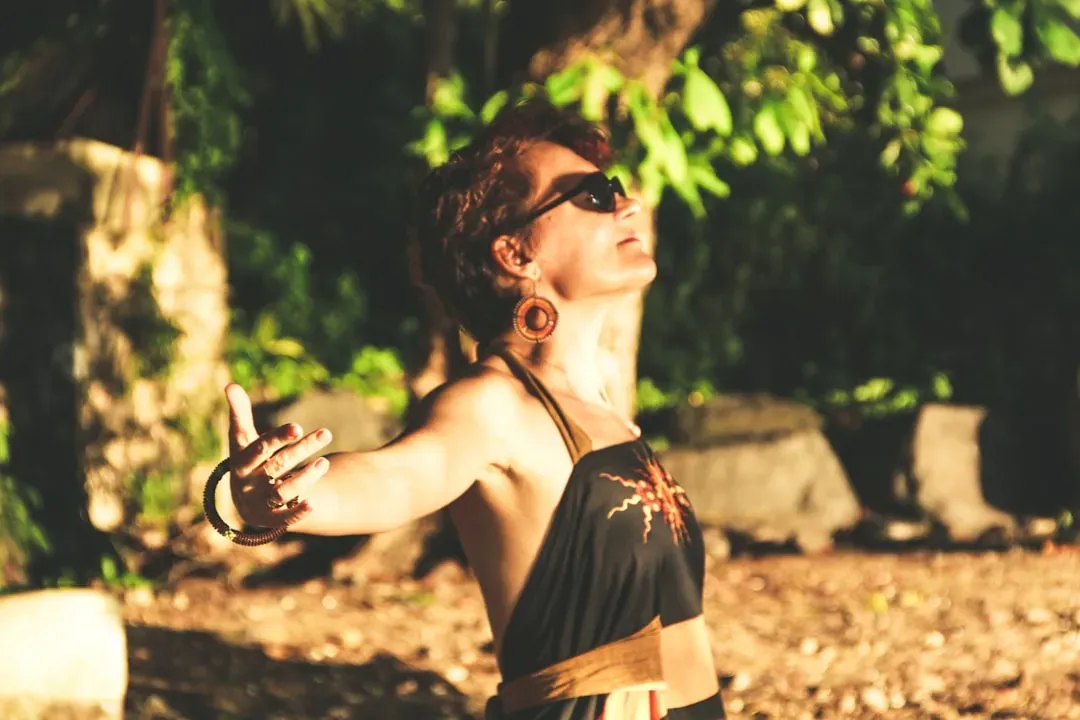
You probably think of nature as a place you “go to” on weekends: the park, the beach, the hiking trail where you take photos. Many tribal traditions never separated humans from nature in that way. Forests, rivers, animals, and even specific mountains were often treated as kin or as beings with whom you have a relationship, not as background props. You were expected to listen, pay attention, and give back, because your survival depended on keeping that relationship healthy.
Modern ecology and climate science now say, in more technical language, something similar: you are embedded in ecosystems that recycle your water, filter your air, and grow your food. When those systems are degraded, you eventually feel it in your body, your economy, and your mental health. Research is starting to show that simply spending regular time in green spaces can lower stress hormones, improve mood, and even support your immune system. Tribal views push you further than “go outside more” – they nudge you to see that every purchase, every meal, and every habit is part of an ongoing conversation with land and water. Whether you mean to or not, you’re always talking back to the Earth with your choices.
Rituals Are Not Superstition – They Are Tools for Your Nervous System
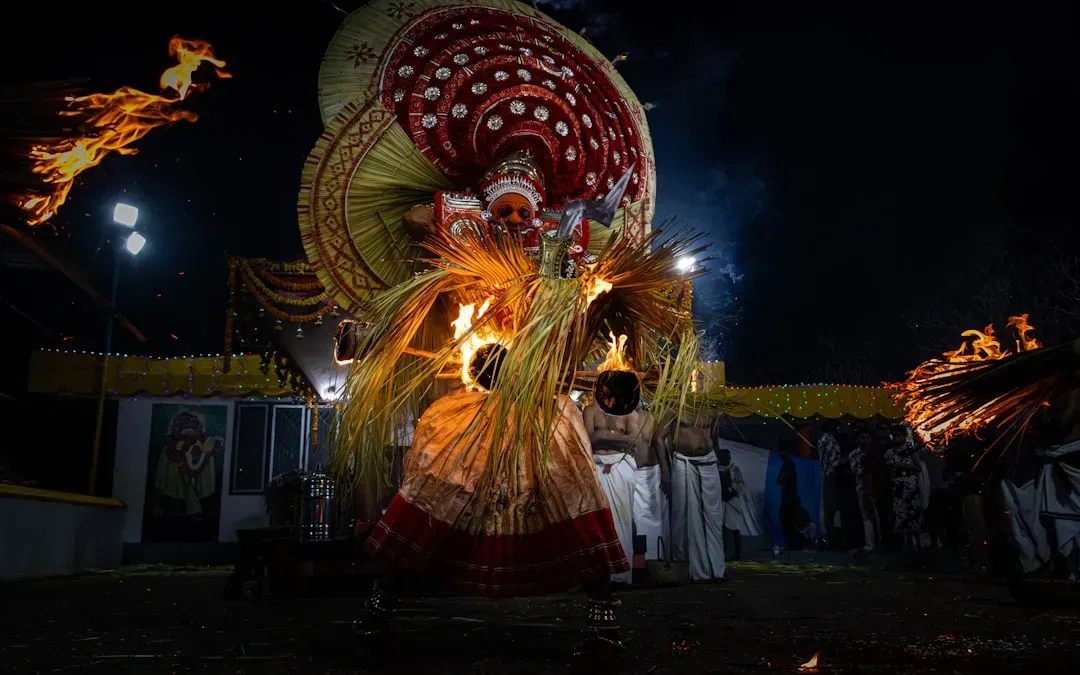
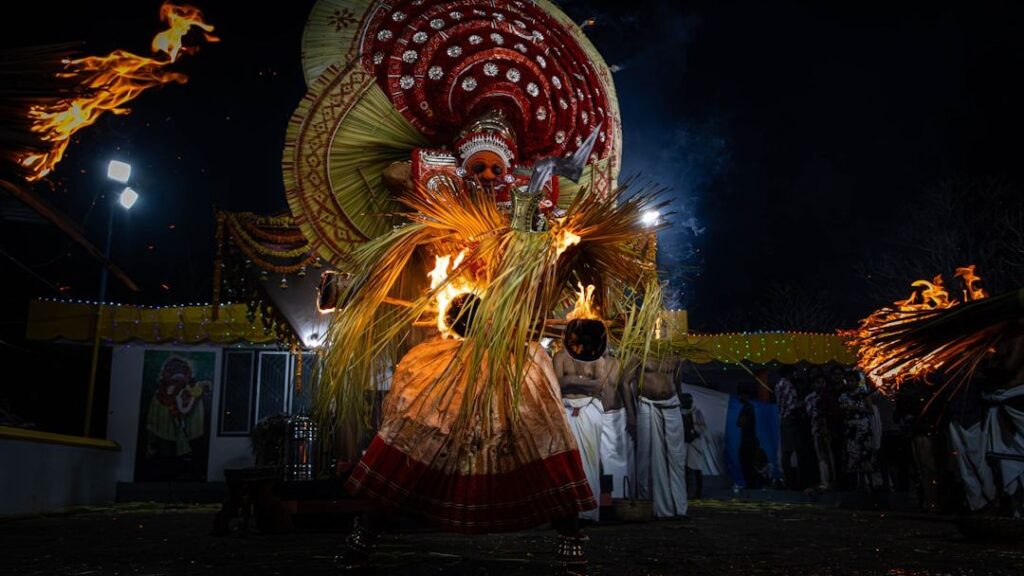
From the outside, tribal rituals can look strange: dances around fires, painted faces, chanting, drumming, or long storytelling sessions. If you only see them as superstition, you miss how sophisticated they are as technologies for the human nervous system. These practices structure time, mark transitions, and give you ways to collectively process fear, grief, joy, and uncertainty. When you repeat meaningful actions in sync with others, your body relaxes into a sense of predictability and belonging that is hard to find in a chaotic world.
Modern neuroscience and psychology are now exploring how rhythmic movement, song, synchronized action, and symbolic acts can help regulate emotions, build trust, and even heal trauma. You see echoes of this in group therapy, support circles, and even in the way fans chant together in a stadium. Tribal rituals took those raw ingredients and wove them into daily life: births, deaths, harvests, hunts, and seasons all had their forms. You might not dance around a fire every night, but if you build small, repeated, meaningful rituals into your life – a shared meal, a weekly walk with friends, a simple way of saying goodbye to each day – you’re tapping into the same deep human need those communities understood intuitively.
Your Decisions Should Consider Generations You Will Never Meet
In many tribal worldviews, you are not just living for yourself or even just for your children; you are a temporary guardian of a world that will be inherited by people you will never know. Some Indigenous traditions describe this as thinking in terms of several generations ahead when you make big decisions. Whether or not you use that exact number, the idea is the same: you stretch your time horizon so far that short-term convenience stops feeling like enough of a reason to damage your surroundings or hollow out your culture.
Modern life pushes you toward the opposite: fast shipping, short election cycles, quarterly profits, instant gratification. Yet issues like climate change, biodiversity loss, and soil degradation all unfold over decades, not days. When you act only for the present, you quietly sign your descendants up for a rougher world. Tribal thinking asks you to pause and ask a different kind of question: if someone seven generations from now could look back at your choices about energy, food, housing, and technology, would they feel grateful or betrayed? You might not have perfect answers, but simply holding that perspective changes how you vote, what you buy, and what you support.
Story Is a Survival Tool, Not Just Entertainment
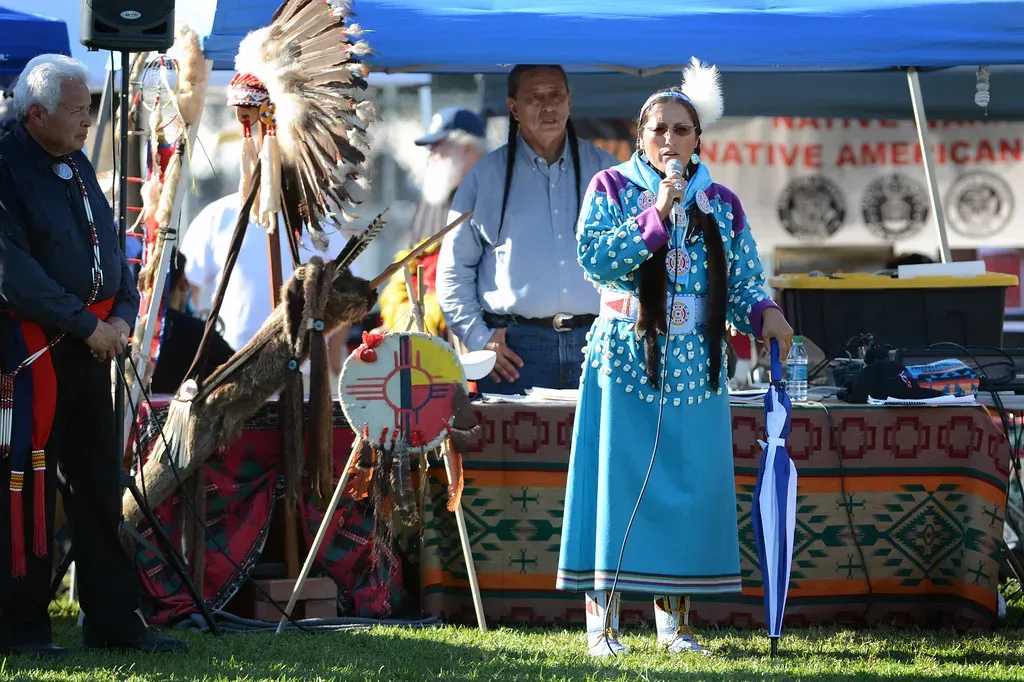
Imagine trying to pass crucial knowledge to your community without books, smartphones, or long written instructions. For countless tribal societies, story was the solution. Myths, legends, and oral histories were not just bedtime tales; they carried maps of where to find water, warnings about dangerous behavior, lessons about leadership, and examples of how to handle betrayal or loss. When you remember a story, you are really remembering a package of wisdom that has been tested by time and polished by repetition.
Today, neuroscience and behavioral science are catching up to what those storytellers already practiced. You are far more likely to remember a fact when it is wrapped in narrative than when it is delivered as a dry bullet point. Stories help your brain link cause and effect, imagine consequences, and feel empathy for people unlike you. When you binge a series, follow a podcast, or get pulled into a novel, you’re participating in the same ancient mechanism. If you learn to choose and share better stories – in your family, at work, and online – you’re not just entertaining people; you’re shaping what they believe is possible, acceptable, and worth striving for.
Healing Is Collective – You Get Better Together or Not at All
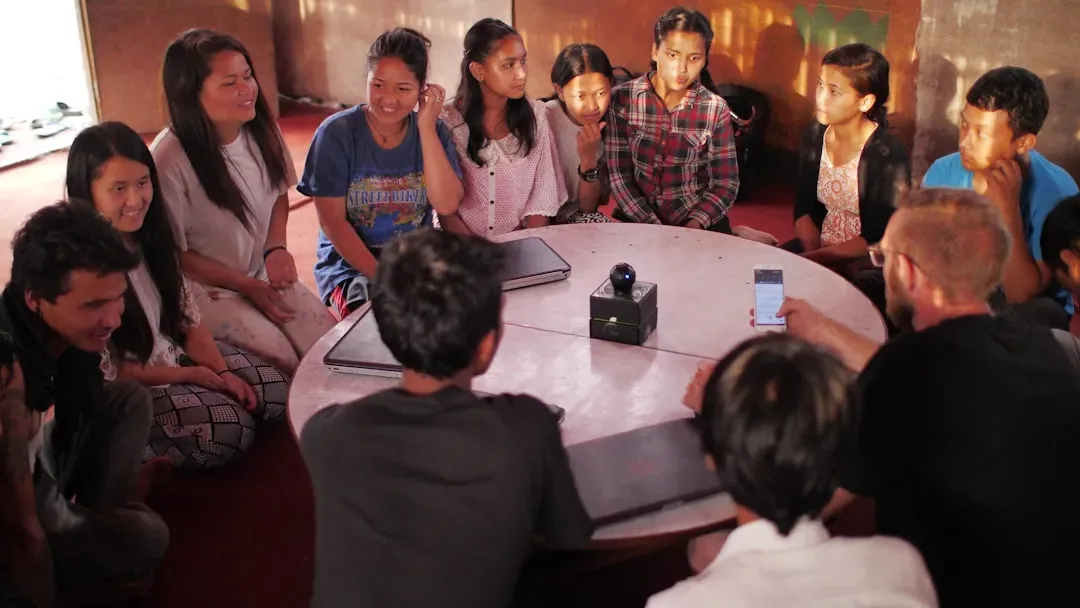
Many ancient tribal communities treated illness, grief, and conflict as matters that involved the whole group, not just the person who happened to be suffering. When someone struggled, others gathered physically around them with food, song, touch, listening, and practical support. The assumption was simple: your pain ripples through the group, and so must your healing. You did not disappear into a private room and pretend nothing was wrong; the community made space for your struggle and stayed close while you walked through it.
Modern research on trauma, addiction, and mental health increasingly shows that supportive relationships are one of the strongest predictors of recovery. You may have access to advanced medications and therapies now, but without consistent human connection, progress can be slow and lonely. Tribal approaches remind you that it is not weak to ask for help or to be visibly not okay; it is natural. When you host a friend after a breakup, sit quietly with someone who is grieving, or accept help when you’re burned out, you’re practicing a very old kind of medicine that cannot be bottled or prescribed but is still among the most powerful tools you have.
When you pull back and look at these beliefs together, a pattern emerges: you are healthiest when you remember that you belong – to people, to land, to time beyond your own lifespan, to stories, and to a shared process of healing. None of this requires you to idealize the past or copy any one culture. It asks you instead to notice how far modern life can drift from the conditions your mind and body evolved in, and to gently steer yourself back toward connection, rhythm, responsibility, and meaning where you can.
You might not be able to move to a village or overhaul society overnight, but you can make small, stubborn choices that echo these ancient truths: eat with others more often, spend real time outdoors, create your own rituals, think beyond your lifetime, and treat stories and relationships as vital, not extra. If you did even one of those more intentionally starting this week, how different might your world feel a year from now?